Review · USA
Plymouth: Plimoth Patuxet Museums – 3 tickets available
The most interesting part of Plimoth Patuxet Museums is that history does not sit behind glass. You can help with a village chore, ask a Pilgrim about life in 1627, watch a water-powered mill grind corn, and hear Indigenous stories from people presenting their own culture. It feels more like entering a working settlement than walking through a standard museum.
I especially like the first-person interpreters, who answer questions in character, and the clear presentation of Indigenous history at the Historic Patuxet Homesite. Adding the Mayflower II and Plimoth Grist Mill makes the $35 starting price much better value, but remember that these two sites are in Plymouth’s waterfront district, not at the main campus.
The main drawback is that you need your own transportation between sites, and the Mayflower II is reached by stairs and a ramp, not an accessible interior lift. Also, this is self-guided, with no audio tour, so visitors who want a tightly narrated tour may find the experience a little loose.
Key points to know before you go
- Watch history take place around you: The English Village uses first-person interpreters, period buildings, gardens, chores, games, and military drills.
- Hear Indigenous perspectives directly: Culture keepers at the Patuxet Homesite explain that Native people lived here for more than 12,000 years and remain here today.
- Add two strong waterfront stops: The Mayflower II and Plimoth Grist Mill are less than three miles from the main campus.
- Plan at least two hours: The main site usually takes 2 to 3 hours, while the ship takes about 30 minutes and the mill about 30 to 45 minutes.
- Expect hands-on history, but not a formal tour: You can ask questions and join activities, though the format depends on which interpreters and demonstrations are running.
- Time your visit well: The ticket is valid for 10 days, and multi-exhibit admissions can be used on different days.
Start at the Henry Hornblower Visitor Center
Your visit begins at the Plimoth Patuxet Museums campus at 137 Warren Avenue. This is where you exchange your electronic voucher for admission and collect the information you need for the grounds.
Parking at the main campus is free, which makes this an easy stop by car. The site has two theaters showing an orientation film in English with subtitles, along with printed translated maps. There is no audio tour, so the film and the live interpreters provide most of the explanation.
The main campus includes the Historic Patuxet Homesite, the 17th-Century English Village, the Craft Center, and the Davis Gallery exhibit. Allow two to three hours if you want to see the buildings, speak with interpreters, watch demonstrations, and browse the shops without rushing.
The Plentiful Cafe is open from 11 a.m. to 4 p.m. It serves modern favorites as well as tastings inspired by 17th-century food. Four shops sell Plimoth-made goods and New England artisan products, including reproduction pottery and other handmade items.
More Tickets in the USA:
- The National WWII Museum Admission Ticket New Orleans
★ 5.0 · 2,202 reviews - Medieval Torture Museum Ticket with Audio Guide and Ghost Hunting
★ 5.0 · 962 reviews - New Orleans: The National WWII Museum Ticket
★ 4.8 · 704 reviews
Hear the Patuxet story from Indigenous culture keepers
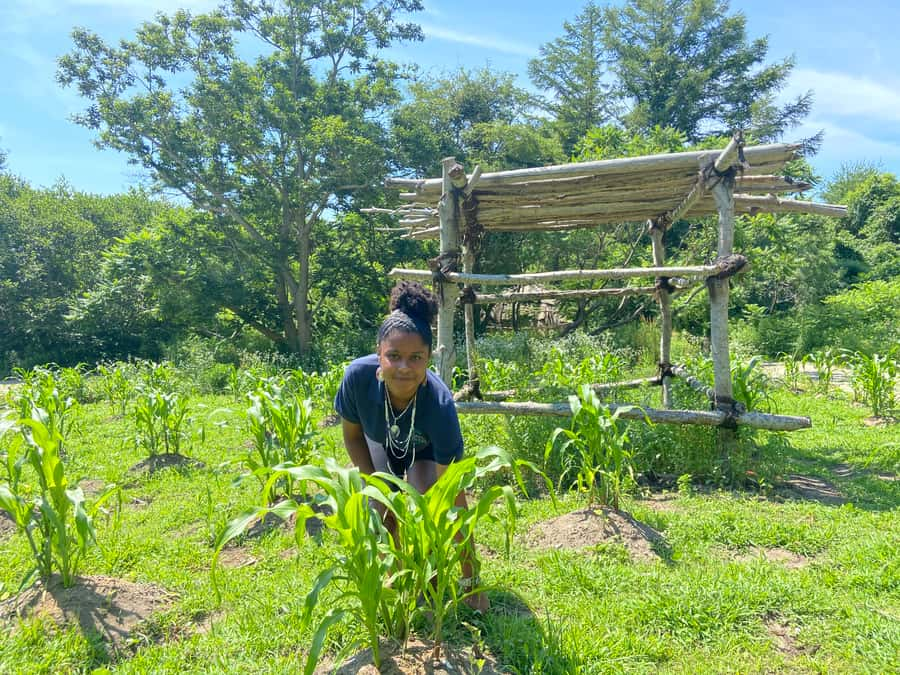
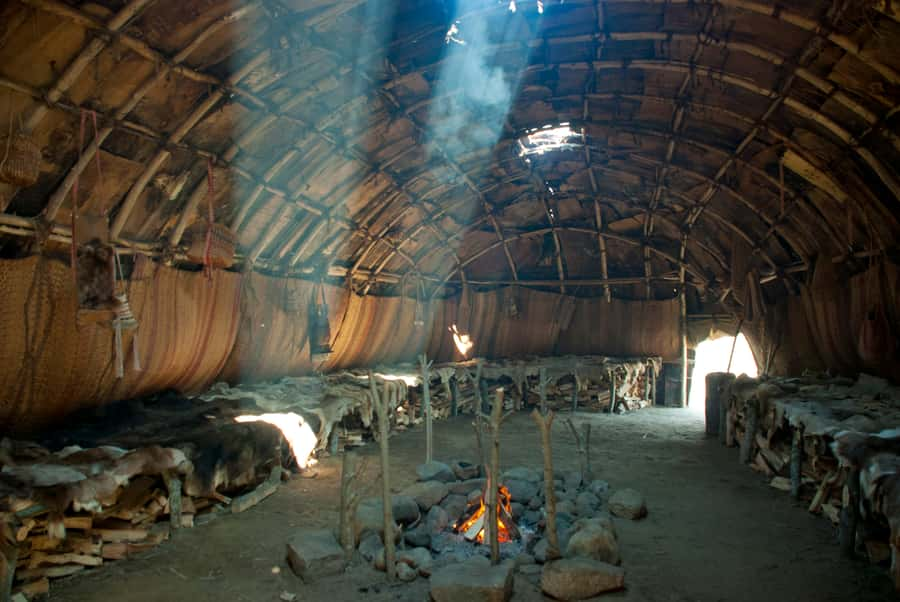
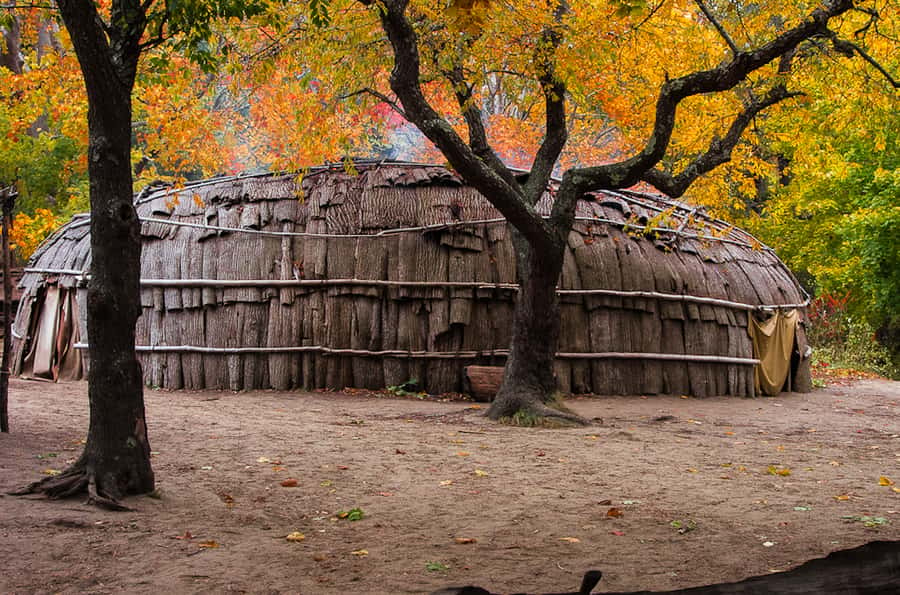
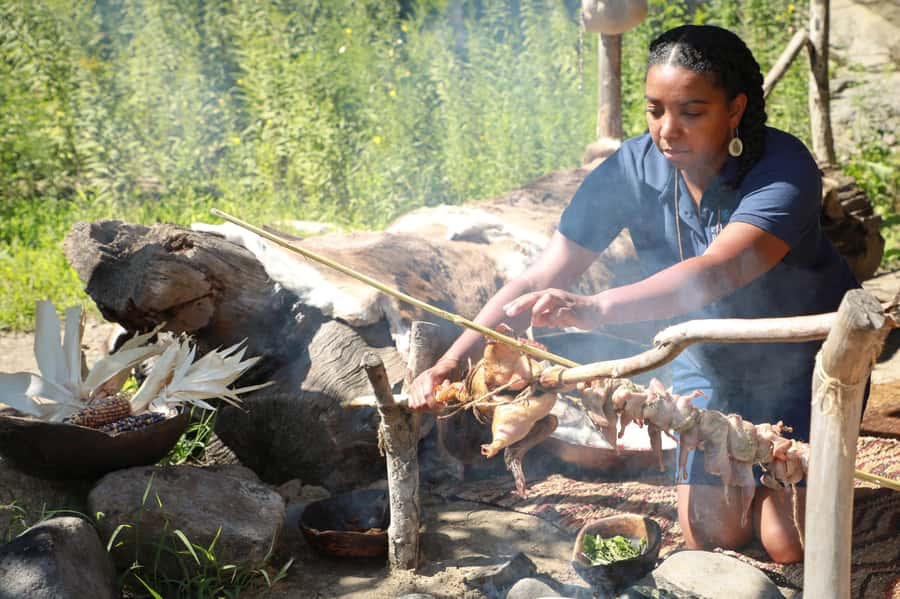
The Historic Patuxet Homesite is an important part of the visit because it places the English settlement in a much larger story. Culture keepers and educators present Indigenous traditions, community, and continuity. They make clear that Native people lived in this region long before Europeans arrived and that Indigenous communities are still here today.
That context matters. A visit focused only on Pilgrim houses can make Plymouth seem like history began in 1620. The Patuxet Homesite corrects that narrow view and gives you a chance to ask questions about Indigenous life, heritage, and the land before and after European arrival.
The setting includes homes and demonstrations connected with Patuxet life. You might see traditional skills being practiced and learn how daily needs were met with local materials. The experience is not simply a display of old objects. It presents living culture through people, explanations, and ongoing traditions.
Plan to spend real time here rather than treating it as a quick walk-through. One earlier account described a demonstration of a tree being hollowed with fire to make a mishoon, a detail that shows the kind of practical craft you may encounter. The exact demonstrations vary, so keep your schedule flexible.
Enter the English Village of 1627
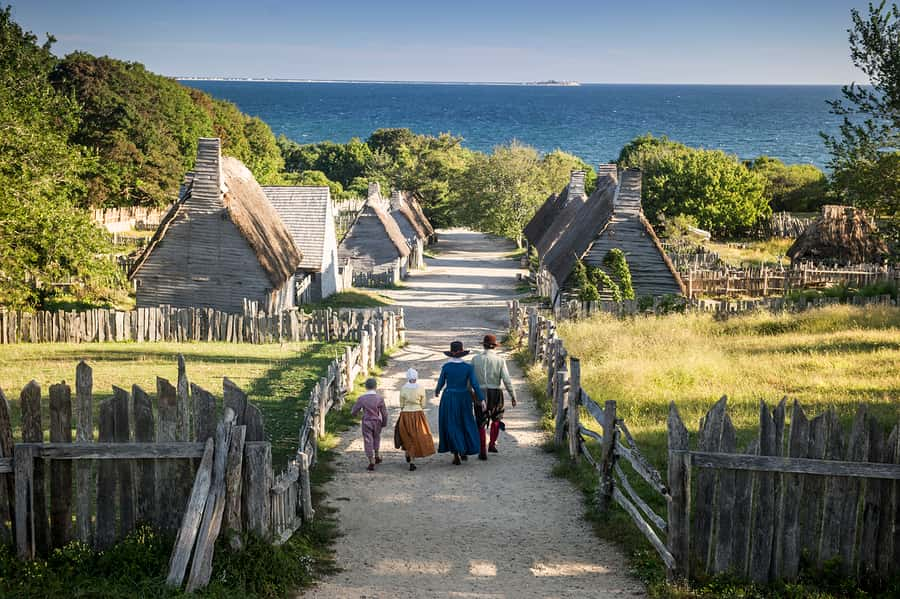
The 17th-Century English Village is the most theatrical section of the museum, but it works best when you treat it as a conversation rather than a show. The interpreters portray English settlers in the year 1627 and speak from the viewpoint of people living in that period.
You can ask about farming, food, religion, work, family life, defense, and relations with nearby Indigenous communities. You may also be invited to help in a garden, learn a dance, sing a song, play a game, assist with a chore, or take part in a militia drill.
The village has heritage rare-breed animals, including cows, sheep, and goats. You might also see pigs and chickens. For children, these animals help turn an abstract lesson into something immediate. For adults, the practical details are just as useful because they show how much labor daily life required.
Presentations often occur every half hour or so, but this is not a timed, point-to-point tour. You wander between buildings, listen when an interpreter begins a demonstration, and ask questions as you go. That gives you freedom, but it also means you should not expect every building to offer the same level of activity at every moment.
The strongest part of the village is the commitment to character. The interpreters stay in period roles and use period viewpoints, which can make conversations feel surprisingly direct. At the same time, the format has a limitation: some visitors may want more structured explanation about the relationship between the English settlers and Native communities.
In November, the village changes its focus to 1621 for the First Harvest Feast, commonly called the First Thanksgiving. That seasonal program can be especially useful if you want to examine the event in its early context rather than through a simplified modern story.
See historic crafts in action
The Craft Center adds a useful practical layer. You can watch reproductions of 17th-century European pottery and see other artisan displays that change with the season.
This section helps answer a basic question that many history museums leave vague: who made the objects people used every day? Pots, tools, containers, and household goods were not mass-produced. They required skill, time, and materials that had to be shaped by hand.
The shop sells Plimoth artisan-made pottery, so this is also one of the better places to find a meaningful souvenir. Prices for individual pieces are not provided, but the focus is on handmade work rather than ordinary gift-shop merchandise.
The Davis Gallery adds another indoor stop. Together, the gallery and Craft Center are helpful on a hot, wet, or chilly day, and they give you a break from walking between outdoor buildings.
Same city, a different century:
- History and Hauntings of Salem Guided Walking Tour
★ 5.0 · 14,564 reviews - Charleston’s Old South Carriage Historic Horse & Carriage Tour
★ 5.0 · 10,023 reviews - Beneath The Streets Underground History Tour
★ 4.5 · 8,006 reviews - Big Island in a Day: Volcanoes Waterfalls Sightseeing and History
★ 5.0 · 6,569 reviews
Add the Mayflower II at the Plymouth waterfront
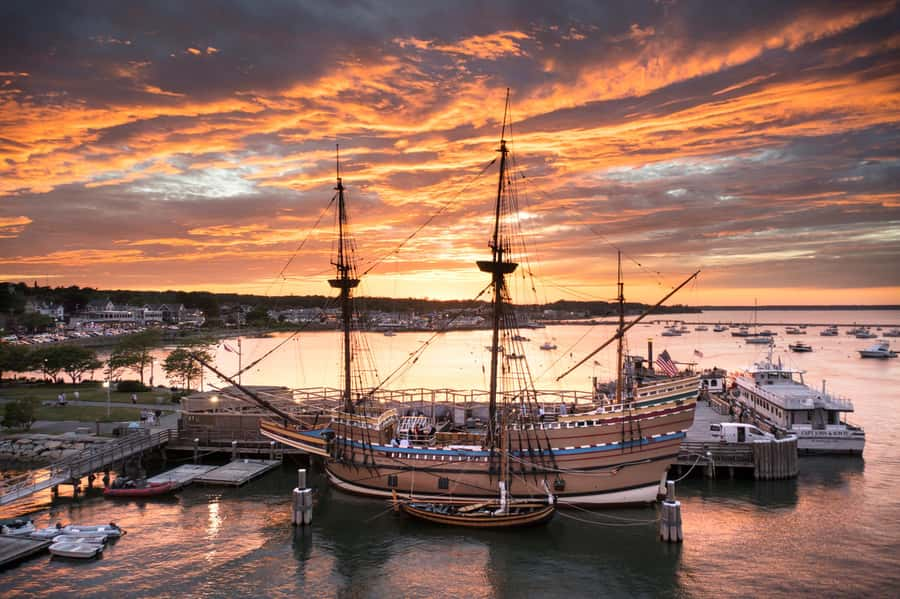
The Mayflower II is less than three miles north of the main campus in the Downtown Waterfront District. You must arrange your own transportation, and waterfront parking is metered.
The ship is a reproduction of the vessel that carried the Pilgrims across the Atlantic in 1620. You can climb aboard, look at the cramped interior, and consider the decisions involved in spending weeks at sea in a small wooden ship.
Modern guides are on hand to explain the 1620 crossing and the ship’s later history. This is not the same format as the English Village, where interpreters speak in character. Here, you receive present-day interpretation and can focus on the vessel itself.
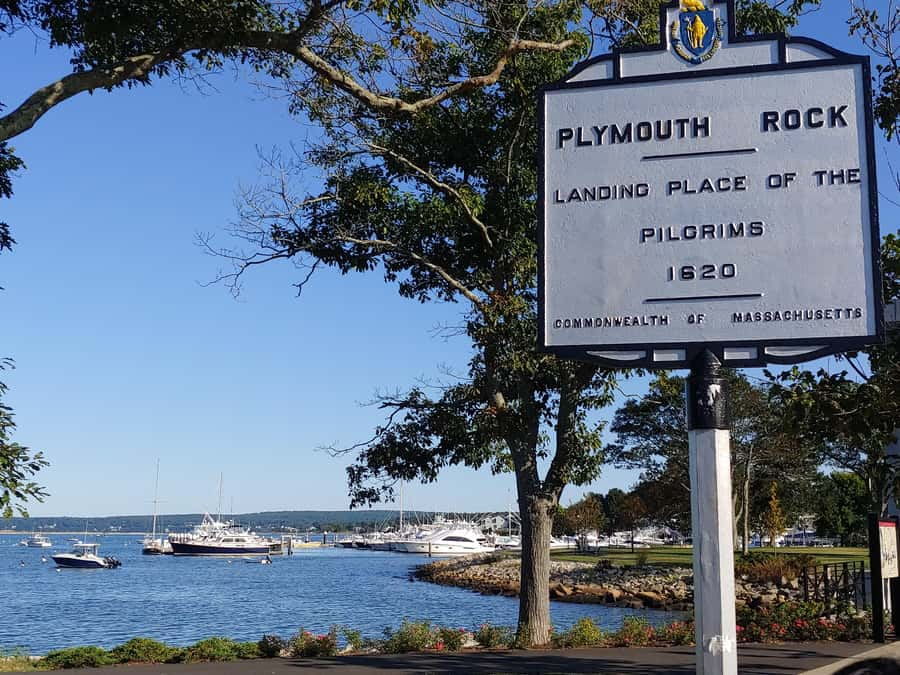
Allow about 30 minutes for the ship. Add about an hour if you also want to see Plymouth Rock and Cole’s Hill nearby. The waterfront setting makes this a pleasant second stop, but you should not assume the Mayflower II can be squeezed in during a short lunch break if you want time for questions and the nearby sights.
Accessibility requires careful planning. The Mayflower II has a ramp and stairs, but the ship itself is not ADA accessible. A wheelchair can reach the exhibit dock area and view the ship from there, but it cannot access the full interior.
Watch the original-site grist mill operate
The Plimoth Grist Mill is a working reproduction of the mill built by Pilgrim John Jenney. It sits along Town Brook in the original location associated with the mill.
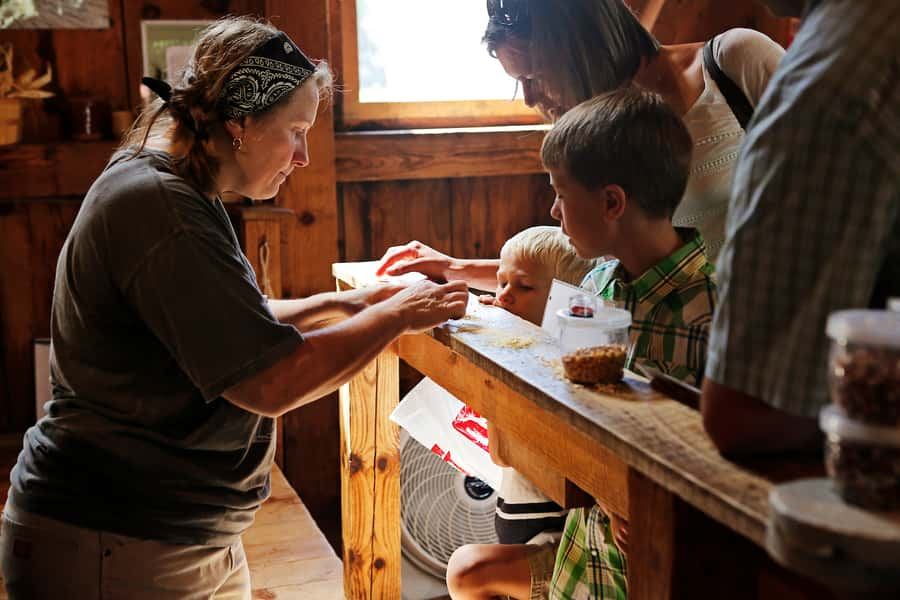
This is a small stop, usually taking 30 to 45 minutes, but it can be one of the most memorable. You can see how water power drives the machinery and learn about the ecology of Town Brook at the same time. When the mill is operating, the movement of the machinery makes the technology easy to understand.
Cornmeal and grits are available for purchase. One especially appealing detail is the chance to see blue corn being ground, depending on the day’s program and operation.
The mill offers STEM and history programs for all ages, so it is a good addition for families who want more than costumes and old buildings. It also gives the visit a practical ending: after hearing about food production in the village, you can see the process that turned grain into something people could cook and eat.
Seasonal events add another reason to return. The schedule includes the Herring Run Festival in April, Strawberry Thanksgiving in June, the Green Corn Festival in August, Indigenous Peoples Weekend in October, Grist Mill Grain Fest in November, and American Thanksgiving programming in November.
How the $35 admission works for value
The $35 price is the starting point for admission to the main campus. It includes the Historic Patuxet Homesite, 17th-Century English Village, Craft Center, and Davis Gallery.
That is reasonable value if you spend two or three hours on site and take time to speak with the interpreters. The admission is not just a walk through outdoor buildings. You receive access to demonstrations, animals, live interpretation, and changing programs.
The better value comes from upgrading to a Combo Ticket or Heritage Pass that includes the Mayflower II, the Grist Mill, or both. The exact upgrade price is not provided, so check it before booking. If you already plan to visit Plymouth Rock and the waterfront, adding the ship is practical. If you enjoy machinery, food history, or family learning, add the mill as well.
The ticket remains valid for 10 days, and multi-exhibit admissions can be used on different days. This is helpful because trying to fit the main campus, the ship, the waterfront, and the mill into one rushed afternoon would reduce the quality of the visit.
Practical timing and accessibility advice

I would begin at the main campus, where parking is free and the voucher exchange takes place. Spend the morning or early afternoon there, then continue to the waterfront if you have the Combo Ticket or Heritage Pass.
School groups can make mornings busier at times. An afternoon visit may offer a calmer pace, though seasonal schedules and special events can change the pattern. Check availability and operating times before you set your day.
Wear comfortable shoes. The main campus requires outdoor walking between exhibits, and the full experience depends on moving from one area to another. Bring extra time if you want to stop for the cafe, shops, demonstrations, and questions.
The site is wheelchair accessible overall, but individual areas differ. The Mayflower II is the main limitation. If someone in your group cannot manage its stairs, they can still view the ship from the dock area and read displays nearby.
Free cancellation is available up to 24 hours before the visit, and you can reserve now and pay later. Those options are useful if your Plymouth plans depend on weather or changing travel arrangements.
Who will enjoy Plimoth Patuxet most
This is a strong choice for families because children can see animals, join simple activities, and ask questions rather than sit through a long lecture. The setting also gives adults enough historical and cultural detail to make the visit worthwhile on its own.
I would also recommend it to anyone who wants more than the familiar Thanksgiving story. The Patuxet Homesite adds necessary Indigenous context, while the English Village shows the hard work behind colonial life.
History fans should consider the full package. The village offers social and domestic detail, the Homesite broadens the story, the Mayflower II shows the crossing, and the Grist Mill explains food production and water power.
You may be less satisfied if you want a single guide to lead you through every stop. The experience is self-guided, and the level of interaction changes from building to building. One part may invite plenty of questions, while another may feel more like a quiet exhibit.
Should you book it?
Book Plimoth Patuxet if you want history presented through people, objects, animals, buildings, and working technology. The main campus is worthwhile at $35, especially if you give it two to three hours and take part in the conversations rather than simply photographing the buildings.
I would upgrade to include the Mayflower II and Plimoth Grist Mill if you have time and transportation. The ticket’s 10-day validity lets you split the visit, which is the smartest way to see all four sections without rushing.
Skip the full package only if you have limited time, cannot manage the ship’s stairs, or prefer a conventional guided museum. For everyone else, this is one of the better ways to understand Plymouth as a place shaped by Indigenous communities, English settlers, difficult crossings, skilled craftspeople, and the daily work of making food and shelter.
FAQ
Where does the visit begin?
You begin at the Henry Hornblower Visitor Center at Plimoth Patuxet Museums, 137 Warren Avenue, Plymouth, Massachusetts. This is where you exchange your electronic voucher for admission.
What does the basic admission include?
Basic admission includes the Historic Patuxet Homesite, the 17th-Century English Village, the Craft Center, and the Davis Gallery exhibit.
Are the Mayflower II and Plimoth Grist Mill included?
They are included only if you book an option that covers them, such as a Combo Ticket or Heritage Pass. Both sites are less than three miles north of the main campus in Plymouth’s Downtown Waterfront District.
How long should I allow for the visit?
Plan on two to three hours for Plimoth Patuxet. The Mayflower II takes about 30 minutes, and the Plimoth Grist Mill takes about 30 to 45 minutes. Plymouth Rock and Cole’s Hill can add about an hour.
Is transportation provided between the sites?
No. Transportation between Plimoth Patuxet, the Mayflower II, and Plimoth Grist Mill is not included. Parking is free at the main campus, while parking along the Plymouth waterfront is metered.
Is the Mayflower II wheelchair accessible?
No. The Mayflower II has a ramp and stairs, but the ship is not ADA accessible. Wheelchair users can access the exhibit dock area and view the ship from there.
Just added around the USA
- Red Rocks Amphitheatre Historical Walking Tour★ 5.0 · 74 reviews
- 1-Hour Segway Tour of Cheyenne Cañon Art, History and Nature★ 5.0 · 36 reviews
- Colorado Springs – Guided Walking Ghost / History Tour★ 5.0 · 168 reviews
- Ancient Landscapes Private Geology Hike at Garden of the Gods★ 5.0 · 31 reviews
- Village Food Tours Lunch & History Tour★ 5.0 · 80 reviews
- 2.5 Hour Kayaking with Manatee and History Tour in Tarpon Springs★ 5.0 · 24 reviews
- Safety Harbor Ghost Tour★ 5.0 · 60 reviews
- Historical Bicycle Tour of Dunedin★ 5.0 · 44 reviews
USA History Tours, compared.
History and Hauntings of Salem Guided Walking Tour
Read our review →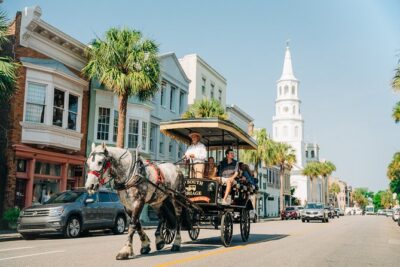
Charleston’s Old South Carriage Historic Horse & Carriage Tour
Read our review →
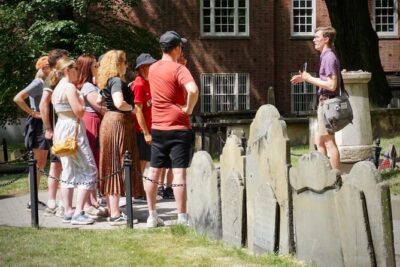
Boston: Freedom Trail History Small Group Walking Tour
Read our review →
Historic Charleston Guided Sightseeing Walking Tour
Read our review →
Savannah History and Haunts Candlelit Ghost Walking Tour
Read our review →
Tour of Historic Fenway Park, America’s Most Beloved Ballpark
Read our review →