
Review · NEW ORLEANS
The National WWII Museum Admission Ticket New Orleans
The National WWII Museum tells the American side of World War II with aircraft overhead, original artifacts close at hand, personal stories, film, sound, and large-scale scenes. It is not a quick stop between beignets and a streetcar ride. The museum is big, serious, and worth planning around.
I especially like the Campaigns of Courage galleries, which place you inside the European and Pacific theaters, and the personal dog tag stations that connect broad battles with individual lives. I also like the freedom to move at your own pace, take a break, and return later the same day if you need more time.
The main drawback is the sheer amount of material. The advertised two to three hours is enough for a brisk visit, not a full look. The videos, noise, lights, and emotional displays can also wear you down, especially for younger children or anyone sensitive to busy surroundings.
Key points to know before you go
- Plan on four to seven hours: The museum has several major buildings and galleries, and a short visit only scratches the surface.
- General admission covers the main museum: The 4-D film Beyond All Boundaries and Final Mission: USS Tang cost extra.
- Campaigns of Courage is the core experience: Follow Road to Berlin and Road to Tokyo through chronological, immersive galleries.
- The museum is self-guided: You make your own way to the central New Orleans location and explore in English.
- It works well on a rainy day: You can spend most of the day indoors, with food and drinks available for purchase on site.
- The subject matter is heavy: Expect casualty figures, combat footage, Holocaust material, and memorial displays.
A serious museum in the heart of New Orleans
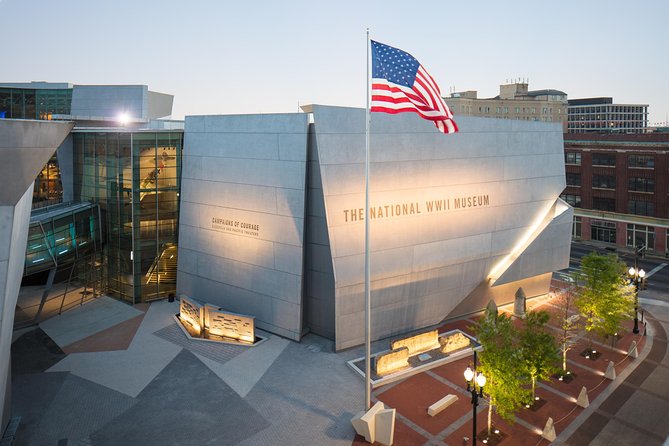
New Orleans is often sold through music, food, architecture, and nightlife. The National WWII Museum offers a very different side of the city. It presents the American experience of a global war, from the causes of the conflict to the military campaigns, the home front, liberation, and the cost of victory.
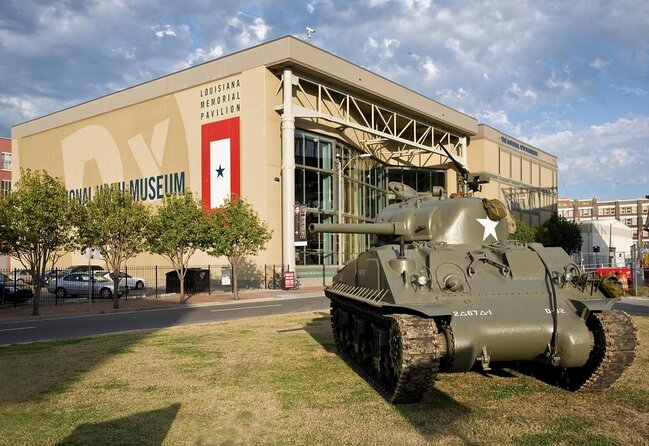
You enter through the Louisiana Memorial Pavilion, where the visit begins with exhibits on D-Day and the Home Front. An authentic C-47 aircraft is one of the early visual anchors. The aircraft helps set the scale of the war before you move into the stories of soldiers, workers, families, and civilians.
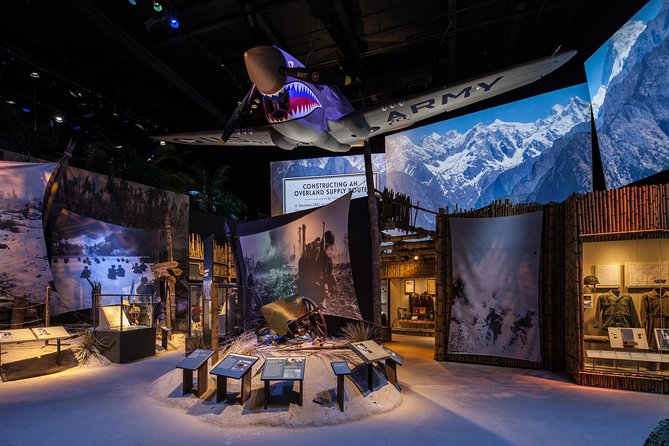
This is not a museum built around a few glass cases and long labels. You will find aircraft, military equipment, uniforms, documents, photographs, videos, oral histories, and interactive stations. The design aims to put you inside the period, though the result can feel intense at times.
The ticket is mobile, and general admission is about $37.80 per person. That is not a small museum fee, but the amount of material included makes it a fair value if you give the visit several hours. If you only have two hours before dinner, the price feels harder to justify because you will leave large sections unseen.
More WWII and D-Day Tours in New Orleans:
- New Orleans: The National WWII Museum Ticket
★ 4.8 · 704 reviews - The National WWII Museum Campus Pass plus 4-D Film
★ 5.0 · 672 reviews - Amsterdam: Life of Anne Frank and World War II Walking Tour
★ 4.8 · 10,467 reviews
Start with the Louisiana Memorial Pavilion
The Louisiana Memorial Pavilion is a useful opening point because it introduces both military action and life away from the battlefield. The D-Day material gives you a sense of the planning and danger behind the Allied landing, while the Home Front displays show how the war reached into American factories, households, and communities.
Look closely at the personal accounts. The museum repeatedly moves from large events to individual experiences, which helps keep the numbers from becoming abstract. A battle map can explain movement, but a letter, photograph, or recorded memory shows what that movement meant to a person.
You may also encounter the wartime train experience here. The small train is tied to military transport and includes instructions for activating a dog tag experience. It gives the visit a physical sense of movement, asking you to think about what it felt like for service members leaving home for an uncertain future.
The dog tag system is one of the better ways to manage a large museum. Instead of receiving only a general account of the war, you can follow selected story points tied to an individual. I recommend taking time with these rather than rushing from one large object to the next.
Road to Berlin and Road to Tokyo
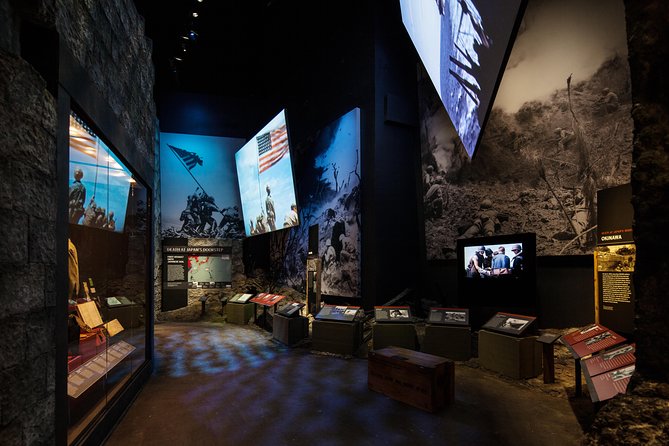
The Campaigns of Courage collection is the heart of the museum. It is divided into Road to Berlin, covering the European Theater, and Road to Tokyo, covering the Pacific Theater. Both use chronological displays, set design, narrated material, newsreels, oral history stations, digital objects, and battlefield settings.
Road to Berlin follows the American soldier’s experience through the European war. The galleries help you understand how the conflict developed over time rather than presenting D-Day as an isolated event. You move through the buildup, combat, and eventual push toward Germany.
Road to Tokyo provides the Pacific counterpart. The geography, fighting conditions, and military challenges differed sharply from Europe, and the separate route helps make that distinction clear. You will see how the war required different strategies and placed American service members in very different environments.
The 360-degree displays are effective because they give you more than a flat photograph or a simple text panel. They create a sense of place, though they also add to the sensory load. Several short films may play at once, and some areas combine light, sound, and moving images.
If you prefer quiet museums, bring patience. You may find it harder to read every label when nearby screens are running. Noise-canceling headphones could help if you are sensitive to sound, though the supplied information does not indicate that the museum provides them.
The human cost of the war
The museum is designed to educate, but it also asks you to sit with grief. Displays about casualties, liberation, and the Holocaust are especially difficult. The material is not presented as a light historical attraction, and you should prepare younger children before arriving.
I appreciate that the museum does not reduce the war to weapons and famous commanders. Personal histories, civilian experiences, and the aftermath receive important space. The result can be humbling, but also emotionally draining.
One visitor found the constant references to death too depressing, and that reaction is understandable. If you want a cheerful break from New Orleans sightseeing, this is not the right choice. If you want a serious account of what war does to people, the emotional weight is part of the purpose.
Give yourself permission to pause. You do not have to read every panel or watch every film. Sit down when needed, eat something, and choose the sections that matter most to you. A slower, selective visit is better than trying to force every gallery into one exhausting sweep.
More Tickets in New Orleans:
- Pompeii: Entry Ticket and Guided Tour with an Archaeologist
★ 4.8 · 19,459 reviews - Edinburgh: Edinburgh Castle Guided History Tour with Tickets
★ 4.8 · 9,933 reviews - Taormina: Ancient Theater Skip-the-Line Ticket & Audio Guide
★ 4.5 · 2,412 reviews - Pompeii: Archaeological Park Tour with Ticket on request
★ 4.5 · 2,283 reviews
US Freedom Pavilion and the preserved machines
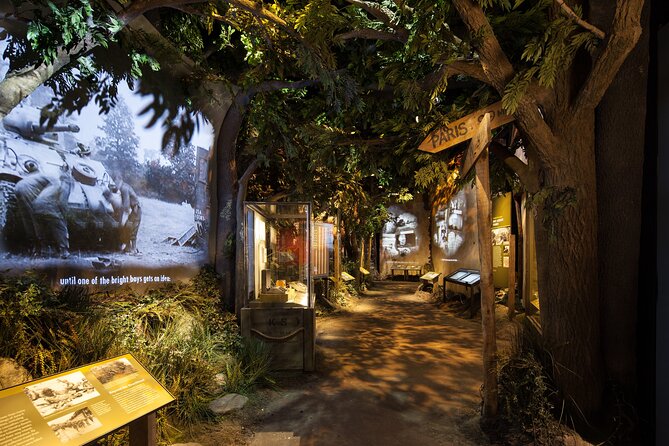
Continue to the US Freedom Pavilion for a close look at preserved war machines and galleries honoring American service members. The larger objects give the museum a different rhythm after the personal stories and film-heavy displays.
The machinery is useful for showing the practical side of the war. You can see how transport, weapons, and military technology shaped the conflict, while the surrounding material reminds you that machines were operated and maintained by people under extreme conditions.
This section may appeal to family members who enjoy engineering or military hardware, but it is not only for specialists. The surrounding explanations place the objects within the wider story, so you do not need to arrive with a technical background.
Still, do not expect every part of the museum to work equally well for every age. Some children may be fascinated by the aircraft and vehicles but unsettled by nearby combat footage or casualty displays. The museum is best for older children, teenagers, adults, and students who can discuss difficult subjects.
Optional experiences worth considering
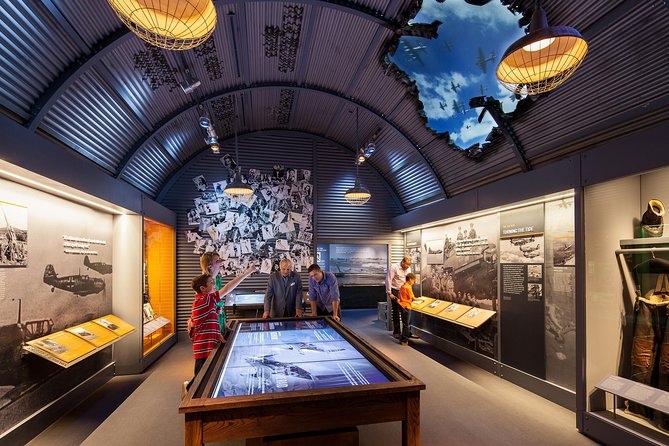
General admission does not include two major add-ons: Final Mission: USS Tang Submarine Experience and Beyond All Boundaries in the Solomon Victory Theater.
Final Mission is an interactive experience focused on USS Tang, one of the most successful American submarines of World War II. It is designed to put you inside the submarine’s final mission. The added movement and role-playing can make the story more immediate, but the subject matter is also intense.
Beyond All Boundaries is a roughly 50-minute 4-D film produced by Tom Hanks. It uses first-hand accounts, battle scenes, and home-front stories, with effects intended to make the film more than a standard documentary. The extra cost is listed as $7 in the supplied information.
You do not need either add-on to understand the main museum. If you have limited time, I would first spend that time in Campaigns of Courage and the Louisiana Memorial Pavilion. If you have a full day and want a more theatrical presentation, add one or both, as your budget allows.
Food, breaks, and a better visiting plan
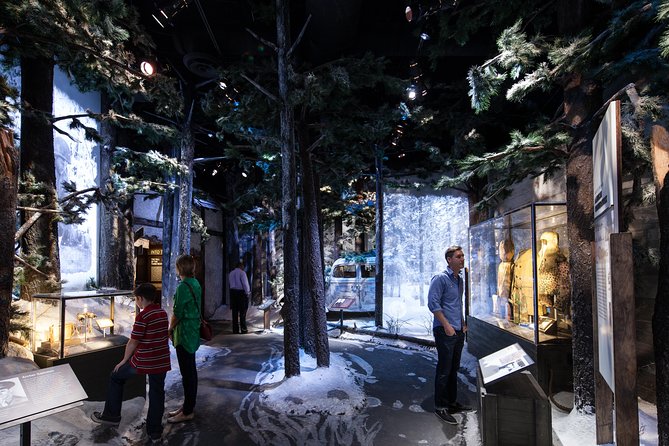
The American Sector Restaurant and Bar offers a place to stop for food and drinks at your own expense. There is also BB’s Stage Door Canteen, a 1940s-style entertainment venue connected with the music and performers of the wartime years.
These stops matter because the museum can easily become an all-day outing. A break lets you reset before entering another gallery about combat or loss. You will get more from the second half of the visit if you are not hungry and mentally worn out.
The museum is open daily from 9 a.m. to 5 p.m. I would go early and begin with the exhibits that matter most to you. That gives you the best chance of seeing the major galleries before closing and leaves room for food, the optional film, or a slower look at personal stories.
A two-hour visit can work if you choose one or two areas and keep moving. Four hours is a more realistic minimum for a satisfying first visit. History enthusiasts may want six or seven hours and still find material for another trip.
One useful feature is the ability to return during the same day with the same ticket, according to the supplied experience details. That makes a morning visit, lunch break, and afternoon return a practical plan. It also helps if someone in your group needs time away from the heavier exhibits.
Who will get the most from this ticket
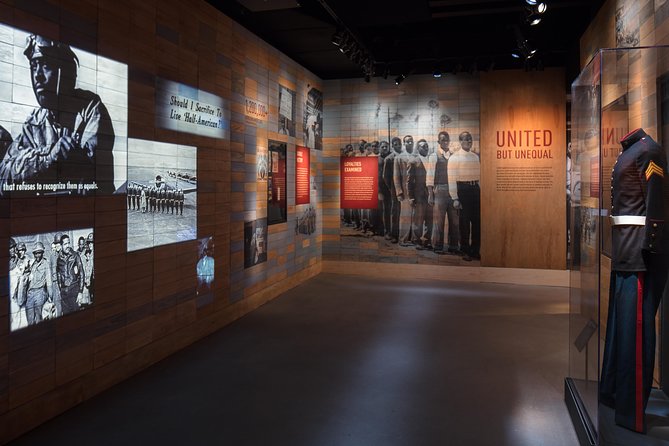
This is an excellent choice for history students, World War II enthusiasts, families with older children, and anyone who likes museums built around objects, film, and personal testimony. It also makes strong sense on a rainy day in New Orleans because you can spend much of the day indoors.
You do not need to be a military expert. The galleries explain the basic story, and the chronological layout gives you a path to follow. Still, readers who enjoy books about the war may appreciate the extra details most, since there is far more here than a casual overview.
I would think twice about bringing children under about 10. The supplied information does not set a formal age limit, but the displays include death, battle, liberation, and Holocaust material. Even older children may need preparation and breaks.
The visit also suits solo travelers and couples who prefer to set their own pace. There is no required group route and no guide to keep you moving. You can linger over a photograph, skip a film, or return to a gallery that caught your attention.
Practical details and value
The experience costs $37.80 per person and includes general admission. Food, drinks, the 4-D film, and Final Mission are not included. The listing gives $7 as the additional cost for the optional experiences, so check the current price when booking if those matter to you.
You make your own way to the museum in central New Orleans. The ticket is mobile, and the experience is offered in English. A moderate level of physical fitness is requested, which is worth noting because the museum involves substantial walking and standing across several buildings and exhibit areas.
Free cancellation is available up to 24 hours before the experience start time for a full refund. Changes or cancellations within 24 hours are not accepted for a refund. The supplied policy also says that poor weather can lead to a different date or a full refund, though the museum itself is an indoor activity.
The strongest value comes from treating this as a main event, not a filler attraction. At two hours, you will see highlights. At four hours, you can make a real start. At six hours or more, the price begins to look reasonable because the museum gives you an unusually large amount to see.
Should you book the National WWII Museum?
Book it if you want a serious, thoughtfully presented account of World War II and can spare at least half a day. The museum’s best features are its personal stories, the European and Pacific theater galleries, its aircraft and military objects, and the way it connects battle plans with ordinary lives.
Do not book it expecting a quick, light attraction. The subject is painful, the building is large, and the sound and video can become tiring. Plan your priorities, take breaks, and do not feel obliged to see every panel.
For most history-minded visitors to New Orleans, I would make room for it. Go early, allow four to seven hours, and consider the optional experiences only after you have seen the main galleries. This is one of those museums that rewards time far more than speed.
FAQ
What does the National WWII Museum ticket include?
The ticket includes general admission to the National WWII Museum. It does not include food, drinks, Beyond All Boundaries, or Final Mission: USS Tang.
How much does admission cost?
The listed price is $37.80 per person. Optional experiences cost extra, with the supplied information listing an additional $7 charge.
How long should I plan to spend at the museum?
The stated visit duration is about two to three hours, but a longer visit is more realistic. You should allow at least four hours, while a full day may be useful for seeing several buildings and galleries.
What are the museum’s opening hours?
The museum is open Monday through Sunday from 9 a.m. to 5 p.m.
Is the ticket mobile?
Yes. A mobile ticket is available for this experience.
Is a guide included?
No guide is listed. You make your own way to the museum and explore the exhibits at your own pace in English.
Are the optional film and submarine experience included?
No. Beyond All Boundaries and Final Mission: USS Tang are additional experiences and are not included with general admission.
Can I cancel for a refund?
You can cancel at least 24 hours before the experience start time for a full refund. Cancellations or changes made within 24 hours are not refunded.
Just added around New Orleans
- New Orleans: 1.5-Hour Voodoo History Evening Tour★ 4.5 · 34 reviews
- New Orleans: Swamp Boat Ride and Historic Plantation Tour★ 4.7 · 303 reviews
- New Orleans: Wicked History Walking Tour with a Local Witch★ 4.3 · 29 reviews
- New Orleans: French Quarter Saints & Sinners History Tour★ 4.6 · 56 reviews
- New Orleans: Garden District Food, Drinks & History Tour★ 4.9 · 97 reviews
- New Orleans: Tremé African American & Creole History Tour★ 4.9 · 208 reviews
- New Orleans: Drunk History Walking Tour★ 4.2 · 165 reviews
- New Orleans: Haunted Drunken History Walking Tour★ 4.9 · 50 reviews
New Orleans History Tours, compared.

New Orleans Garden District History Walking Tour
Read our review →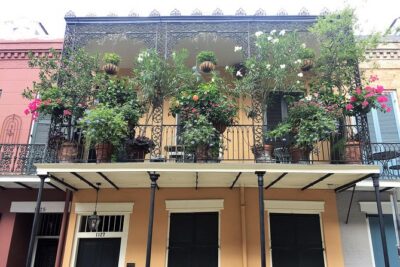
French Quarter Historical Sights and Stories Walking Tour
Read our review →
New Orleans Small-Group Haunted History Carriage Tour
Read our review →
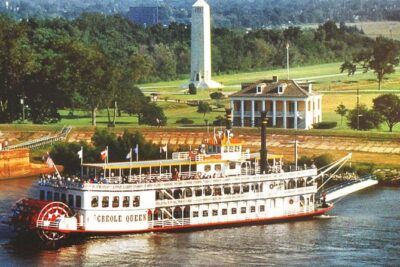
Paddlewheeler Creole Queen Historic Mississippi River Cruise
Read our review →
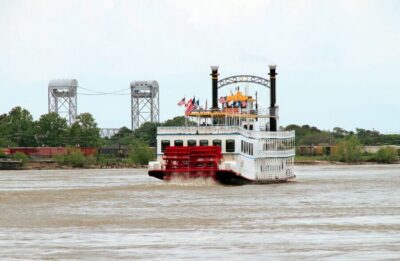
New Orleans: Creole Queen History Cruise with Optional Lunch
Read our review →
Browse the lists this tour appears in