
Review · AUSTRIA
Vienna: Time Travel and Magic Vienna History Tour
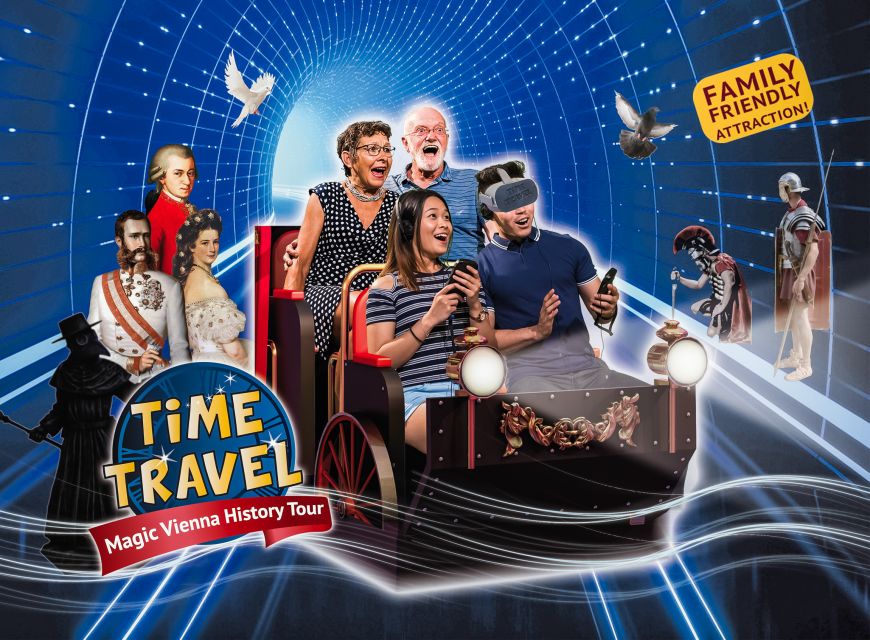
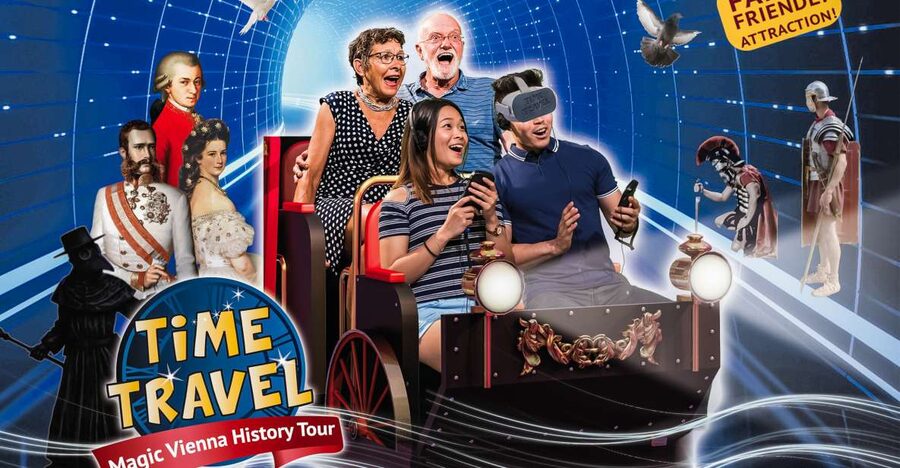
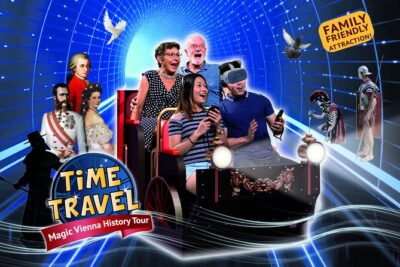
Vienna’s past becomes a moving show at Time Travel Vienna, where you walk through old cellars beneath St. Michael’s monastery and pass from Roman Vindobona to modern Austria. The clever part is the steady change of format: animated figures, projected scenes, 5D effects, VR glasses, and a final simulated flight over the city.
I like the way the experience gives you a quick framework for Vienna before you visit palaces, churches, and museums. I also like the mix of serious history and family fun, especially the music room, the bomb shelter scene, and Chancellor Figl’s emotional postwar speech. The main drawback is that it is not a traditional guided tour, and some people may find the effects more entertaining than historically detailed.
Key points at a glance
- Two thousand years in one hour: The route moves from the Roman camp of Vindobona through imperial Vienna, World War II, and the postwar years.
- Several forms of entertainment: Expect a 5D cinema, virtual reality glasses, animated figures, sound effects, and a simulated ride above Vienna.
- A useful first-day activity: The broad overview helps you understand the city before visiting the Hofburg, Stephansplatz, and other major sights.
- Good for families: The short length and constant changes of setting help hold children’s attention.
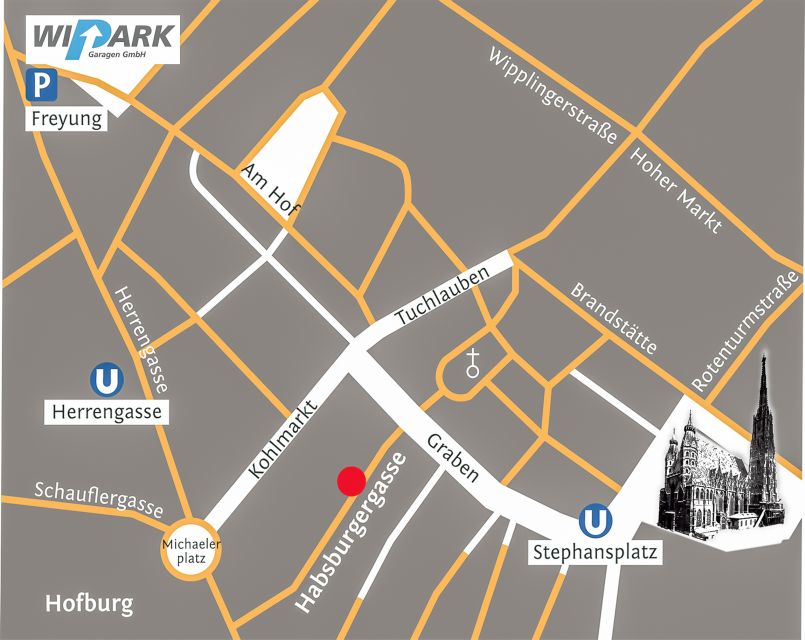
- Central location: The entrance at Habsburgergasse 10A is close to the Hofburg, Graben, Kohlmarkt, and Stephansplatz.
- Important access warning: Two levels include about 50 steps, and there is no elevator or wheelchair access.
A fast introduction to Vienna beneath St. Michael’s monastery
Time Travel Vienna is not a walking tour through the streets. It is a theatrical attraction inside the historic center, set in extensive cellars beneath St. Michael’s monastery. You move from room to room as the story of Vienna unfolds around you.
The setting matters. You are not simply watching a film in a modern theater. The old underground rooms give the experience a sense of place, even when the technology becomes playful and polished. You get a short, guided route through major periods rather than a close study of one building or event.
The show covers roughly 2,000 years. It begins with the Roman camp of Vindobona, the settlement that formed the early foundation of Vienna, then moves through the imperial period and into the twentieth century. It finishes with present-day Vienna, viewed from above in a simulated horse-drawn carriage ride.
I would think of it as a city orientation with special effects. It cannot replace a visit to the Hofburg or a proper museum, but it can help you recognize the people, symbols, and events that keep appearing as you explore Vienna.
More History Tours in the world:
- Prague: Medieval Dinner with Unlimited Drinks
★ 4.4 · 19,847 reviews - Pompeii: Entry Ticket and Guided Tour with an Archaeologist
★ 4.8 · 19,459 reviews - History and Hauntings of Salem Guided Walking Tour
★ 5.0 · 14,564 reviews
Roman Vindobona and the first steps through time
The opening section takes you back to Roman Vindobona. This gives you a useful starting point because Vienna’s story did not begin with the Habsburgs, grand palaces, or waltzes.
The attraction uses multimedia presentation rather than a long lecture. That keeps the pace moving and makes the first part easy to follow, even if you know little about Roman Vienna. You are introduced to the city’s early role and then guided toward the later periods that shaped its identity.
The route changes rooms as the story advances. That movement is one of the attraction’s strengths. You are not sitting in one place for an hour, waiting for a single screen to tell you everything. Each room has a different look and mood, which helps mark the shift from one period to the next.
The tradeoff is depth. A one-hour presentation covering 2,000 years must leave out plenty. You will get the broad outline, not a detailed account of Roman life, medieval politics, or the city’s changing borders.
Portraits, famous figures, and the Habsburg court
One of the more unusual sections is the portrait gallery, where important people from Viennese history speak to you. This brings historical names closer to the experience than a row of silent paintings would.
The attraction also introduces the imperial family and the nobility of the Viennese court. You get a chance to form your own impression of the royal figures rather than receiving only a list of dates and titles. The presentation is designed to make the Habsburg period approachable, especially for children who may not be eager to read lengthy museum labels.
This section works best as a primer. It can help you understand why the Habsburgs matter before you visit the Hofburg, the Imperial Treasury, or the former apartments of Emperor Franz Joseph and Empress Elisabeth. You will not leave with a full family tree, but you should have a clearer sense of the court’s importance.
The attraction’s tone is friendly and theatrical. If you prefer quiet galleries and original objects, you may find the animated approach a little light. If you want a quick way to meet the major personalities of Vienna’s past, it does the job well.
The 5D cinema and ancient Vienna
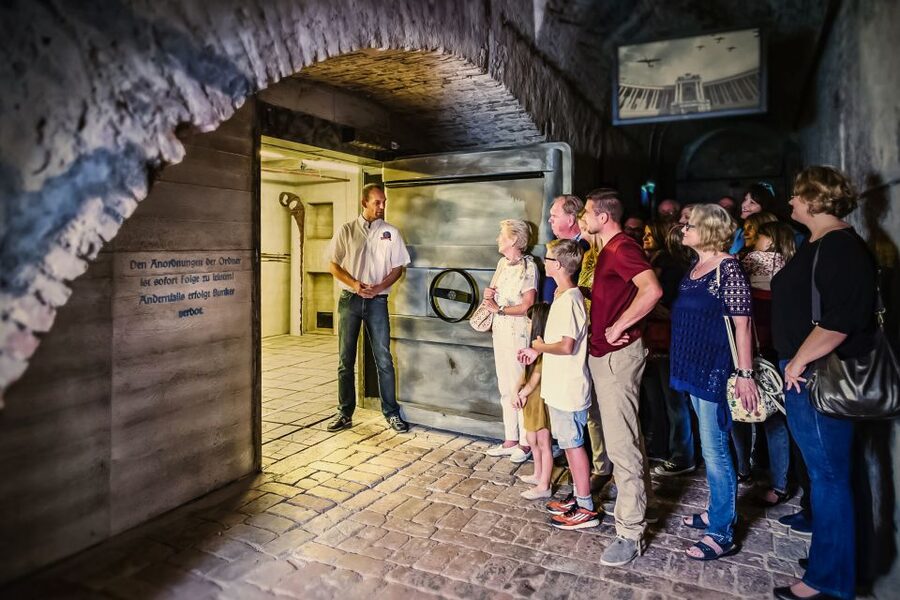
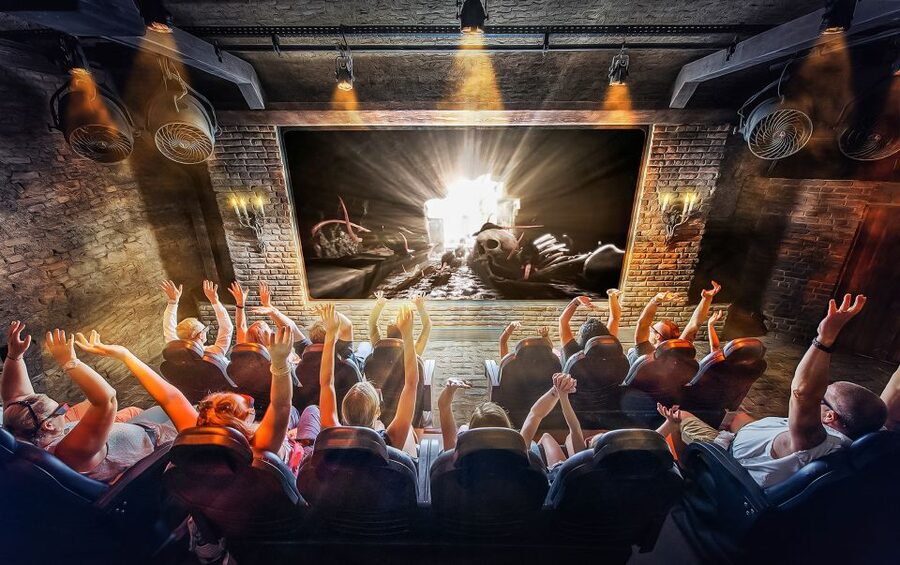
The cinema is one of the biggest crowd-pleasers. The film uses moving seats and special effects to make you feel as if you are traveling through earlier versions of the city. Descriptions of the attraction refer to it as a 5D experience, while some people describe it as 4D, so expect a motion-based film with sensory effects rather than a conventional movie.
The scene is short, which is worth knowing. That brevity helps keep the hour lively, but several people have wished it lasted longer because it is one of the most effective parts of the presentation.
I like this section because it turns a broad historical idea into something physical. You are not only told that Vienna changed over time. The film gives you a rapid visual ride through those changes. It is especially useful for children and for anyone who learns more easily through images and movement.
You should also know that the effects are part of the attraction’s appeal. If you are sensitive to motion or prefer a calm museum visit, this may not be your favorite room. The attraction does not present itself as a solemn historical seminar, and the cinema makes that clear.
Same city, a different century:
- Athens: Acropolis & up to 5 Archaeological Sites Combo Pass
★ 4.2 · 13,904 reviews - Colosseum: Underground and Ancient Rome Tour
★ 4.7 · 12,691 reviews - Pompeii: Small Group Tour with an Archaeologist
★ 4.8 · 12,264 reviews - Lisbon: History, Stories and Lifestyle Walking Tour
★ 4.8 · 10,902 reviews
Vienna’s musical past through virtual reality
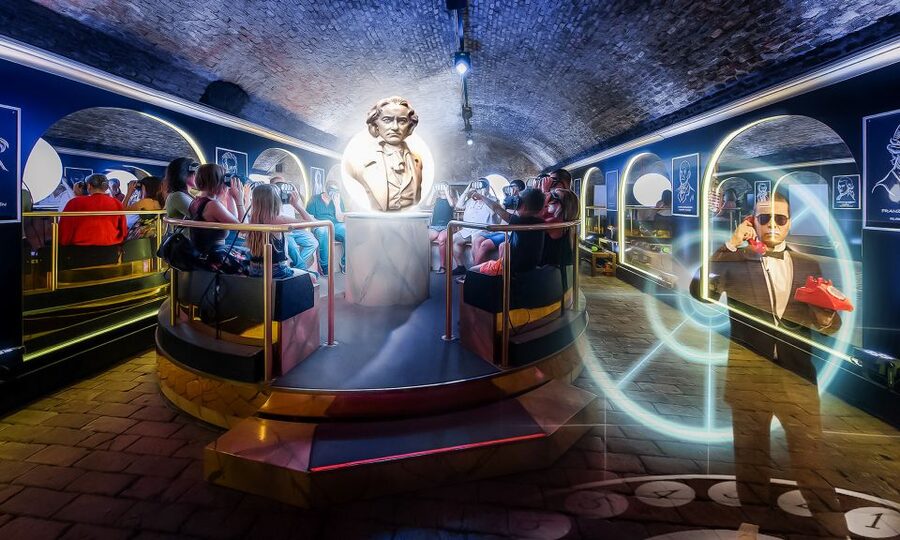
Vienna is closely linked with classical music, and the virtual reality section lets you experience that part of the city’s story in a different way. With VR glasses, you enter a simulated world built around the course of Viennese music history.
This is not simply another screen placed on a wall. The headset changes the way you receive the information, giving the music section a separate identity within the route. It is a good example of how the attraction uses technology to make a familiar subject feel new.
The VR section is a strong match for families and first-time visitors. You get a brief introduction to the city’s musical reputation without needing prior knowledge of composers or music history. If you already know Vienna’s concert halls and composers well, you may want more historical detail than the attraction provides.
Still, it adds variety. The experience does not rely on one type of presentation from beginning to end. That variety is a major reason the one-hour format works.
The air raid shelter and Vienna in wartime
The mood becomes more serious in the Enemy Aircraft section. Here, you are placed inside a simulated bomb shelter while World War II appears to rage around you.
This is one of the more memorable changes in tone. The earlier rooms are playful and colorful, while the shelter scene asks you to think about fear, destruction, and the experience of civilians during wartime. The effects make the moment immediate, though the attraction still presents it in a controlled, family-oriented format.
I appreciate that the route does not treat Vienna only as a city of palaces, music, and royal ceremony. The wartime section acknowledges the damage and hardship that shaped modern Austria. It gives the city’s later history more weight.
Parents should use their judgment. The attraction is designed for a broad audience, but the sound and simulated danger may affect younger children or anyone uncomfortable with war scenes. You can ask staff about the sequence if you need more guidance before entering.
Chancellor Figl and Austria’s postwar relief
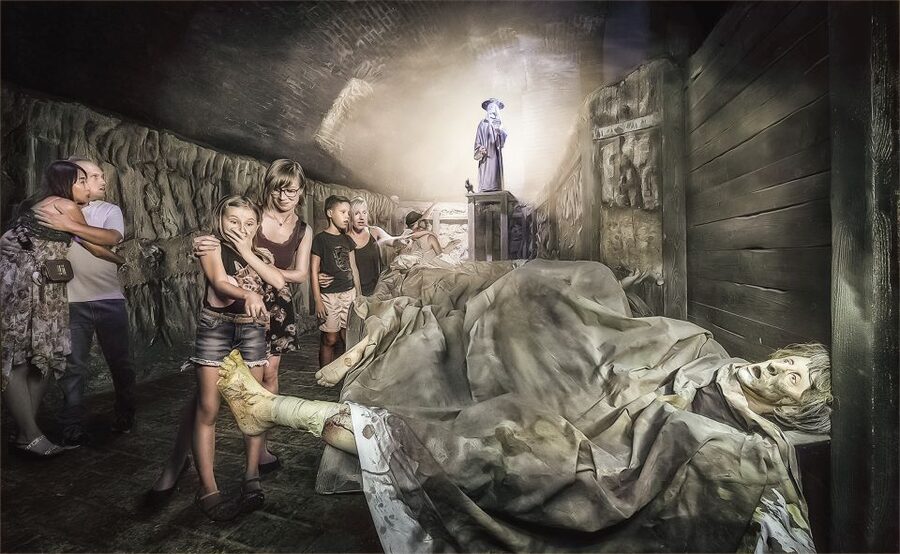
The next major emotional point is Austria is free!, which presents Chancellor Leopold Figl’s speech amid the battered remains of Vienna.
This moment helps explain the relief felt in Austria after the war. The ruined surroundings and the speech create a sharp contrast with the imperial rooms earlier in the route. Vienna is shown not only as a grand capital but also as a damaged city trying to recover.
The scene has more emotional force than a simple date or caption. It gives you a sense of public feeling at a turning point in the country’s recent past. You may not get every detail of Austria’s postwar political development, but you will understand why this speech matters.
For me, this is an important part of the balance. The attraction aims to entertain, but it does not finish with a purely cheerful version of Vienna. It allows room for loss, relief, and rebuilding before moving into the lighter final sequence.
The final flight over modern Vienna
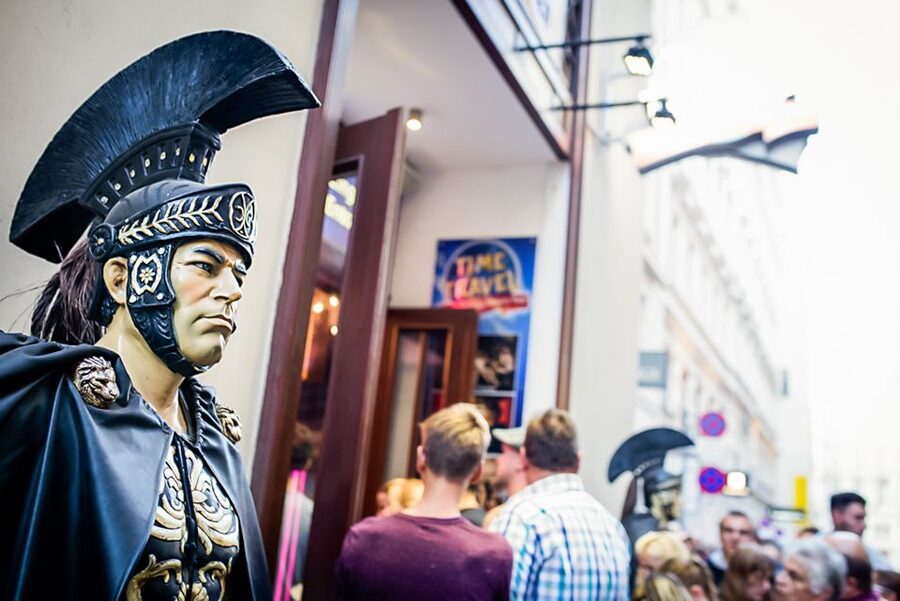
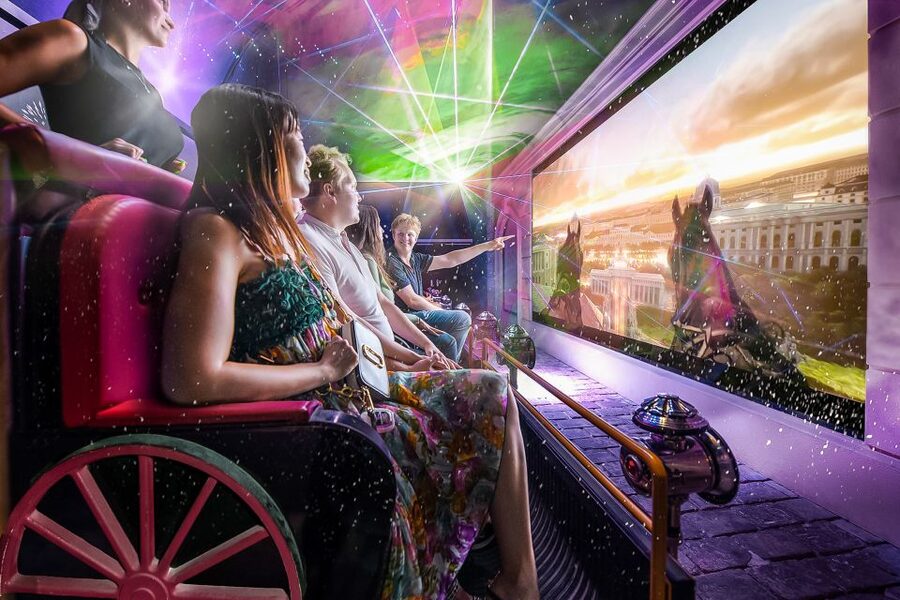
The journey ends with a simulated flight above present-day Vienna in a virtual horse-drawn carriage. It is a playful finish after the darker wartime scenes.
The flight gives you a broad visual look at the city rather than a close view of one landmark. It works as a closing reminder that Vienna is built from many layers: Roman beginnings, imperial ambition, musical fame, wartime damage, and modern life.
Do not expect a real sightseeing flight or a substitute for walking through the city. The attraction does not provide outdoor views or the detail of a guide pointing out every church and palace. Instead, it offers a brief, imaginative overview.
If you are planning to explore central Vienna on foot afterward, this ending can help you connect the show to what you see above ground. You may recognize the general shape and atmosphere of the city more easily.
How long the visit takes and what the location adds
The experience lasts about one hour. That makes it easy to fit between major sights, and it is short enough to hold the attention of children and teenagers.
The entrance is at Habsburgergasse 10A in Vienna’s first district. It is about 200 meters from the Hofburg and close to Graben, Kohlmarkt, and Stephansplatz. You can reach it by U1 to Stephansplatz or U3 to Herrengasse.
The central location is a real advantage. You can pair the attraction with a walk through the Hofburg area, shopping streets around Kohlmarkt, or a visit to St. Stephen’s Cathedral. The nearby Sisi attraction across the street also makes a natural pairing if you want to continue with imperial Vienna.
There is no elevator. The route includes two levels and about 50 steps, due in part to the protected historic building. Wheelchair users cannot be accepted, and the attraction is not suitable for people with mobility impairments. If you need an accessible option, the Sisi attraction across from Time Travel is identified as an alternative, but you should check its current access details before booking.
Is the $27 price good value?
At about $27 per person, the attraction is not the cheapest way to spend an hour in Vienna. You are paying for a produced show with staff, audio support, special effects, and several different rooms, not simply entry to a historic cellar.
I think the price is reasonable if you value entertainment and want a broad city introduction. The 5D cinema, VR glasses, historical characters, wartime shelter, and final flight give you more variety than a standard museum visit.
The value is strongest for families, first-time visitors, and anyone with limited time. It is also useful on a rainy day, when an indoor activity near the Hofburg can rescue a gap in your schedule.
The value is weaker for serious history enthusiasts who want original artifacts, extended explanations, or a slower look at specific events. In that case, spend your money on a museum, guided palace visit, or specialized historical tour instead.
Who should book Time Travel Vienna?
I would recommend it to families with school-age children, first-time visitors, and adults who like learning through film, movement, and visual effects. It also suits people who want a short activity before or after a full day of sightseeing.
You may enjoy it less if you dislike simulated motion, prefer quiet museums, or already know Vienna’s history in detail. The attraction gives you a broad overview, not a scholarly treatment.
Book early if your schedule is tight, since reservations are strongly recommended. Last admission is at 7:00 p.m., and you need to arrive on time. Pets are not allowed, and video recording is prohibited.
Cancellation is free up to 24 hours in advance, and a reserve-now, pay-later option is available. Those terms are useful if your Vienna plans are still shifting.
Should you book this one-hour history show?
Yes, if you want a lively introduction to Vienna and understand that this is a theatrical attraction rather than a traditional tour. I especially like it as a first activity, since the Roman, Habsburg, musical, wartime, and modern sections give you useful context for the rest of your stay.
The strongest reasons to go are the changing formats, the short duration, and the balance between fun and serious history. The main reasons to skip it are the stairs, the lack of wheelchair access, and the limited depth of the historical detail.
For families, I would pair it with the Sisi attraction across the street if you still have energy. For adults focused on art, architecture, and original objects, treat Time Travel Vienna as a lively orientation, then spend the rest of your day in the real palaces, churches, and museums.
FAQ
Where is Time Travel Vienna located?
It is at Habsburgergasse 10A in Vienna’s historic center. The attraction is about 200 meters from the Hofburg and close to Graben, Kohlmarkt, and Stephansplatz.
How long does the experience last?
The experience lasts about one hour.
How much does admission cost?
The listed price is $27 per person.
Which public transport stops are closest?
You can use the underground lines U1 to Stephansplatz or U3 to Herrengasse.
What languages are available?
A multilingual audio guide is included. The supplied information does not specify the complete list of languages.
Is the experience suitable for children?
Yes. The attraction is designed as a family activity and uses films, moving effects, animated figures, VR, and changing rooms to present the history of Vienna.
Does the attraction include virtual reality?
Yes. VR glasses are used for a presentation about the development of Viennese music history.
Is the attraction wheelchair accessible?
No. There is no elevator, and the route includes about 50 steps across two levels. Wheelchair users cannot be accepted because of the building’s structural restrictions.
Are reservations recommended?
Yes. Reservations are strongly recommended, and last admission is at 7:00 p.m.
Can I cancel my booking?
You can cancel up to 24 hours in advance for a full refund. A reserve-now, pay-later option is also available.
Just added around the world
- Charlotte: Historic Uptown 90-Minute Segway Tour★ 4.8 · 107 reviews
- Cu Chi Tunnels Guided Tour: Vietnam War History Half-Day★ 4.6 · 189 reviews
- Prague: World War II and Communist History Tour★ 4.7 · 130 reviews
- Terezin In-Depth Holocaust Tour From Prague’s Center (max 7 pax)★ 5.0 · 170 reviews
- Historic Georgetown: History, Gossip, & Architecture Walking Tour★ 5.0 · 321 reviews
- From Seoul: Dae Jang Geum Park Historic K-Drama Set Tour★ 4.9 · 143 reviews
- 6 Hours Historical Tour in Cu Chi Tunnel with Free Snack★ 5.0 · 312 reviews
- San Antonio Full-Day Historic City Tour★ 5.0 · 366 reviews
Austria History Tours, compared.
Skip-the-Line Schonbrunn Palace Guided Tour and Vienna Historical City Tour
Read our review →
Vienna Mozart Concert in Historical Costumes at the Musikverein
Read our review →
Browse the lists this tour appears in