
Review · GUIDED
Santiago: Guided Walking Tour of the Historical Old Town
Santiago’s old center makes the most sense on foot, and this tour links its grand civic buildings, old plazas, art district, hilltop views, and restaurant quarter in one steady walk. The route begins at Palacio de la Moneda and ends at Patio Bellavista, so you finish near food, nightlife, and easy onward exploring rather than back where you started.
I like the small groups of up to 10 and the way the route mixes famous sights with neighborhoods you might skip on your own. I also like the guide-led context, especially with Eugenio, who explains architecture, politics, Chilean history, and everyday life in English, Spanish, or Portuguese. The main drawback is simple: three hours on city streets, with a hill climb and little time for long museum visits, can feel brisk on a hot day.
Key points at a glance
- Starts at Palacio de la Moneda: Begin with Chile’s most important government building and move straight into the city’s political center.
- Covers several districts in one walk: The route joins the old center with Bellas Artes, Lastarria, Forest Park, and Bellavista.
- Includes Santa Lucia Hill: Climb for broad city views, with free entrance Tuesday through Sunday.
- Ends at Patio Bellavista: Finish beside restaurants and food stalls, a useful setup for lunch or dinner.
- Strong guide-led history: Eugenio is especially praised for clear stories, cultural explanations, and handling mixed-language groups.
- Costs $25 per person: That is fair value if you want orientation, local advice, and many key sights without arranging separate visits.
From La Moneda into Santiago’s civic heart
The meeting point at Palacio de la Moneda gives the tour a strong start. This is not just a grand building to photograph. It is the seat of Chile’s government and a natural place to begin understanding how national politics, public life, and Santiago’s central streets fit together.
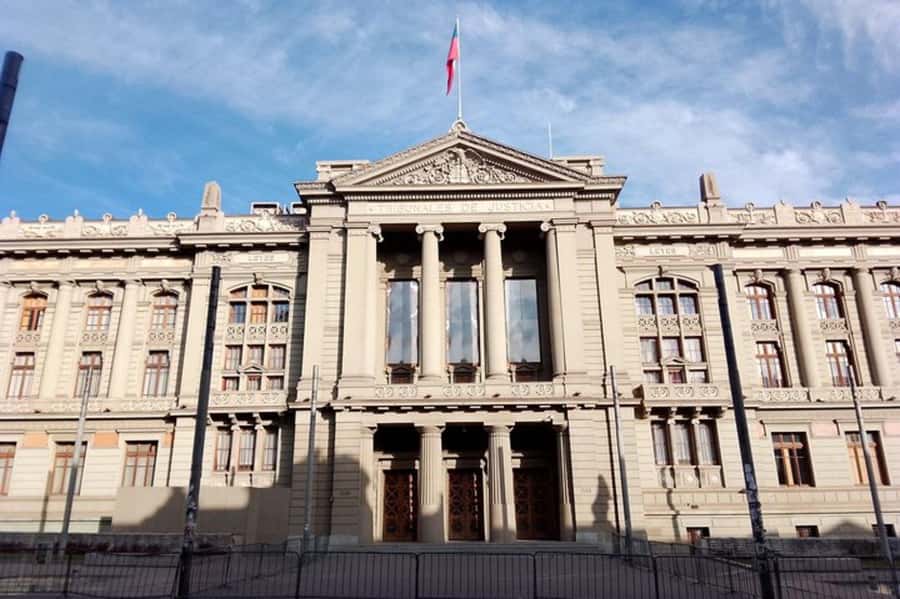
From here, the walk moves through the city center toward the Stock Exchange Building, Bandera Avenue, and the Court of Justice. These stops help you read Santiago as a working capital, not only as a collection of old façades.
I find this opening useful because it establishes the city’s scale and purpose. You see where finance, government, law, shopping, and daily commuting meet. The guide can also explain why a building matters, which is far more useful than hearing only its construction date.
The center is active and urban. You should expect traffic, pedestrians, shops, and city noise rather than a quiet heritage district. Wear shoes that can handle pavement for several hours, and keep your belongings secure in crowded areas.
More Old Town and Historic Centre Walks in the world:
- Madrid Essential: Historic Center, Plaza Mayor & Royal Palace
★ 5.0 · 6,416 reviews - Lisbon: Live Fado Show with Port Wine in Historic Center
★ 4.7 · 4,166 reviews - Valencia Old Town Tour with Wine & Tapas in 11th Century Historic Monument
★ 5.0 · 3,234 reviews
Ex Congress National and the stories behind the buildings
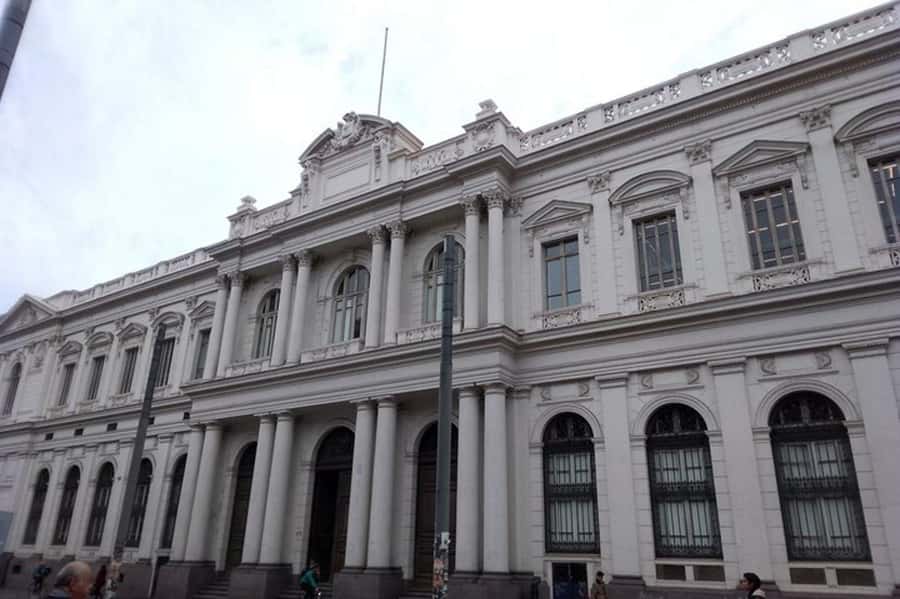
The route continues to the former National Congress area, another important stop for understanding Chile’s political past. A guide adds value here because the meaning of these buildings is tied to people, events, and changes in the country’s government.
Eugenio’s strongest quality, based on the experience offered, is his ability to connect a building with a wider story. He covers architecture, politics, society, and Chilean history, while leaving room for questions. That makes the walk feel like a conversation rather than a string of memorized facts.
The tour does not treat history as something sealed behind glass. You are walking through places that still form part of Santiago’s daily life. That mix of old institutions and modern city activity gives the center its character.
The guide may speak quickly when there is a lot to cover, especially for people listening in a second language. If you need a slower pace, ask. The small group makes that practical, and the route includes regular stops for explanations.
Plaza de Armas and the Cathedral of Santiago
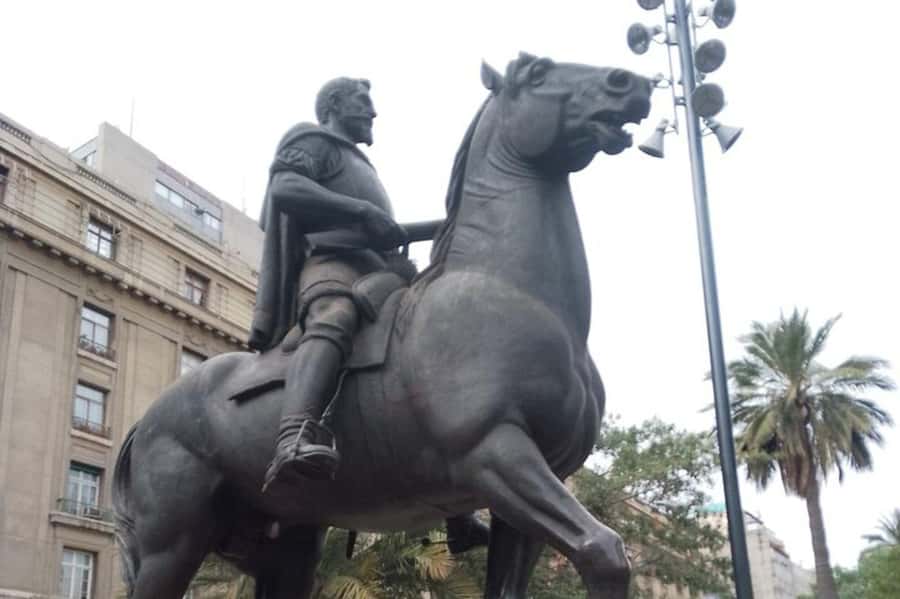
Plaza de Armas is the visual and social center of old Santiago. It is one of the places where the city’s colonial beginnings, religious life, civic buildings, street activity, and public gathering traditions come together.
The Cathedral of Santiago, dating to 1748, is the major highlight here. Its scale and formal design give the square a sense of importance, but the outside alone cannot explain its place in the city. Your guide can put the cathedral into the larger story of Santiago’s development and its religious traditions.
The square is also a good point to pause and look around. Notice how the cathedral shares space with civic buildings, public walkways, and the ordinary movement of city life. You get a stronger sense of Santiago when you watch the square function, rather than simply checking it off for a photograph.
One limitation is that this is a walking tour, not a dedicated cathedral visit. Entry time and extended interior exploration are not presented as the main focus, so you should not book this expecting a long church tour or a slow architectural study.
City Hall and the move toward Bellas Artes
After Plaza de Armas, the route reaches Santiago City Hall before turning toward the Bellas Artes area. This change is one of the tour’s best features. In a short distance, the mood shifts from formal civic Santiago to a district associated with art, cafés, galleries, and cultural life.
The Bellas Artes Museum anchors this part of the route. The museum is renowned, but the tour does not include a separate museum visit as part of the stated plan. Think of this stop as an introduction, with the guide explaining the neighborhood and helping you decide if the museum deserves a return visit.
That approach suits a first day in Santiago. You see enough to understand the district, then you can come back later when you have more time for exhibitions. Several tour participants used the walk as a guide to places they wanted to revisit, and that is exactly how I would use it.
Bellas Artes also shows why a route through Santiago’s center should include more than colonial and government landmarks. The city’s art scene and café culture are part of its present identity, not an optional extra.
More History Walking Tours in the world:
- History and Hauntings of Salem Guided Walking Tour
★ 5.0 · 14,564 reviews - Lisbon: History, Stories and Lifestyle Walking Tour
★ 4.8 · 10,902 reviews - Amsterdam: Life of Anne Frank and World War II Walking Tour
★ 4.8 · 10,467 reviews - Berlin: Third Reich & Cold War Guided Walking Tour
★ 4.9 · 8,378 reviews
Santa Lucia Hill and the best viewpoint on the walk
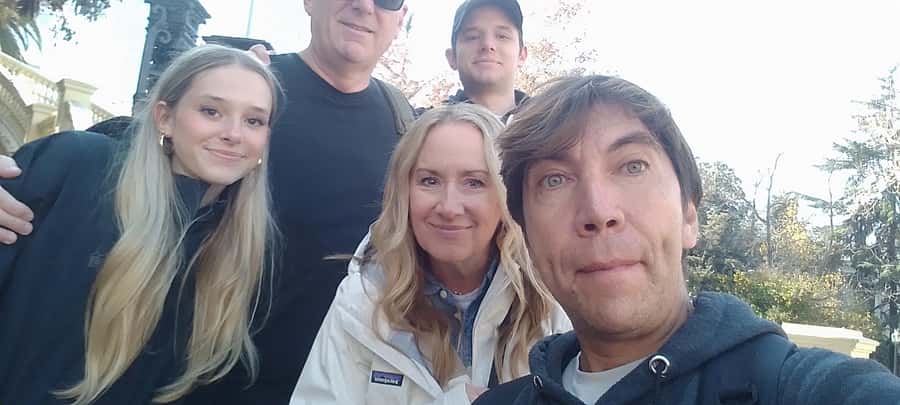
Santa Lucia Hill provides the tour’s clearest change of pace. After busy streets and formal buildings, you climb through a smaller green space for a view across Santiago. The panorama helps you understand the city’s size and the way its neighborhoods spread beyond the old center.
The climb is picturesque, but it is still a climb. Comfortable footwear matters, and anyone who finds stairs or uneven paths difficult should consider that before booking. The information provided also says the experience is not recommended for pregnant travelers or people with heart problems or other serious medical conditions.
Entrance to Santa Lucia Hill is free from Tuesday through Sunday. Because the tour depends on good weather, the view can be affected by heat, clouds, or poor conditions. On sunny days, bring sun protection and water, even though bottled water is included.
This is also where the guide’s pacing matters. Eugenio has been praised for stopping in shady spots on hot days and checking that the group is comfortable. That kind of practical attention can make a real difference during a long city walk.
Lastarria and Forest Park: a softer side of central Santiago
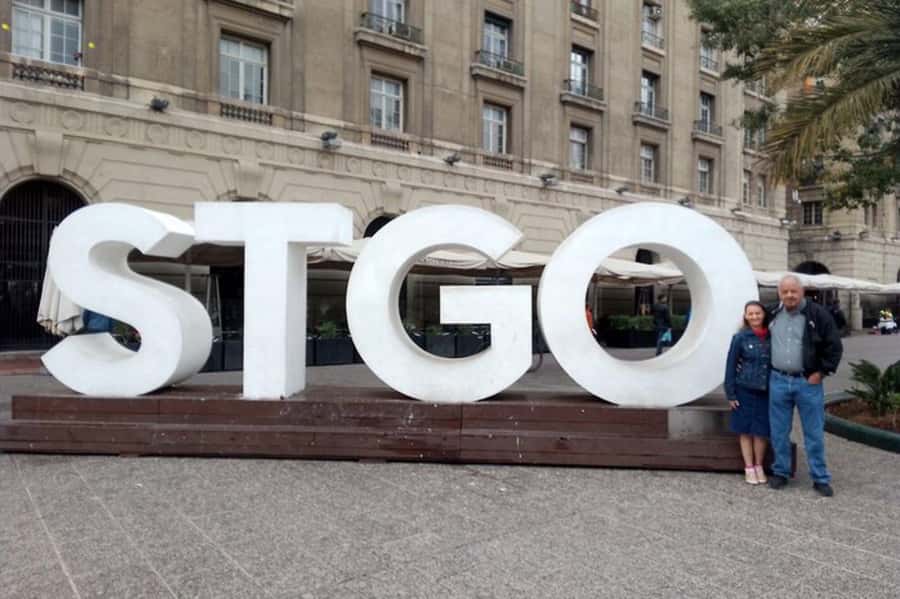
From Santa Lucia Hill, the route continues through Lastarria and Forest Park. Lastarria feels more relaxed than the government center, with a cultural and dining scene that makes it a good area to understand after the tour.
Forest Park gives the walk some breathing room. You are still close to the center, but the setting is less formal and less crowded than the main civic streets. The transition helps show that Santiago is not one single type of city. Its identity shifts block by block.
A short café break may be included during the walk, with time for a restroom stop and, depending on the guide and day, coffee or ice cream. Do not treat this as a meal break. Lunch is not included, and the tour’s purpose is to keep moving through the city rather than sit down for a full meal.
I would save restaurant decisions for the end. The guide can suggest places in Bellavista and other districts, giving you more useful advice after you have seen the city and know what sort of atmosphere you want.
Bellavista and the finish at Patio Bellavista
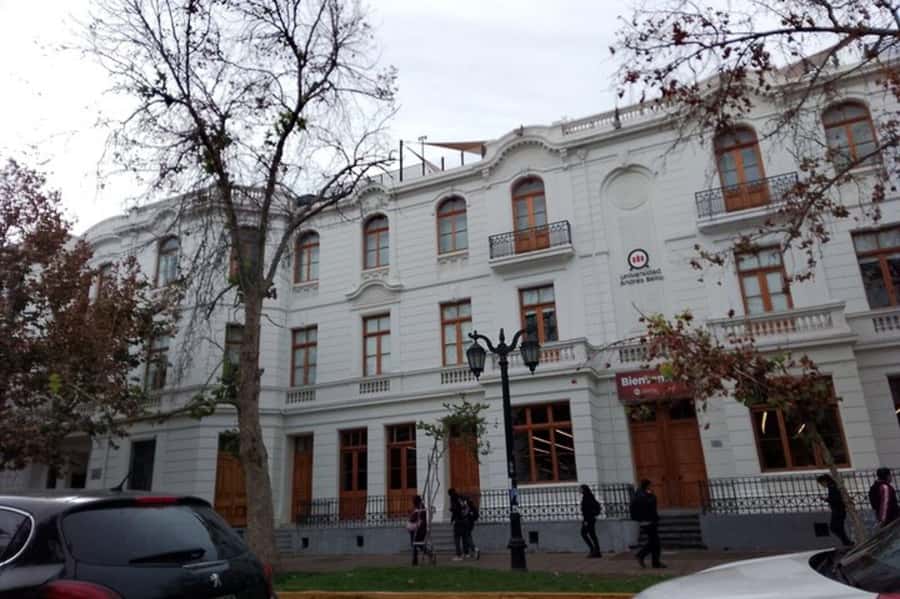
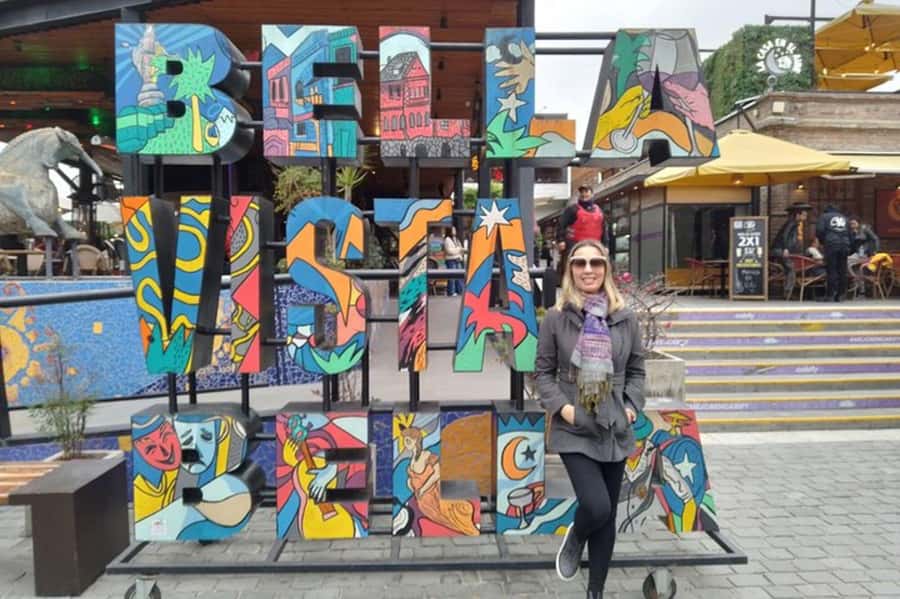
The final stretch reaches Bellavista, one of Santiago’s best-known food and nightlife areas. Here the emphasis shifts from monuments to local flavors, restaurants, cafés, and the lively feel of a neighborhood designed for lingering.
Ending at Patio Bellavista is convenient. You can stop for lunch, order a drink, browse the surrounding food choices, or continue exploring without spending time getting back to the starting point. This finish also makes the tour useful for a first day, since you leave with a practical place to eat and a better sense of where to return.
The tour does not include entry to Pablo Neruda’s house or San Cristobal Hill. Those are nearby attractions that require separate planning, so do not assume the Bellavista finish means you will visit either one. If they are priorities, ask the guide for advice on fitting them into another part of your stay.
Bellavista can be lively, so the ending is not designed for people seeking a quiet final stop. For most visitors, that is a strength. You end the walk with choices instead of being dropped at an isolated landmark.
What Eugenio adds to the experience
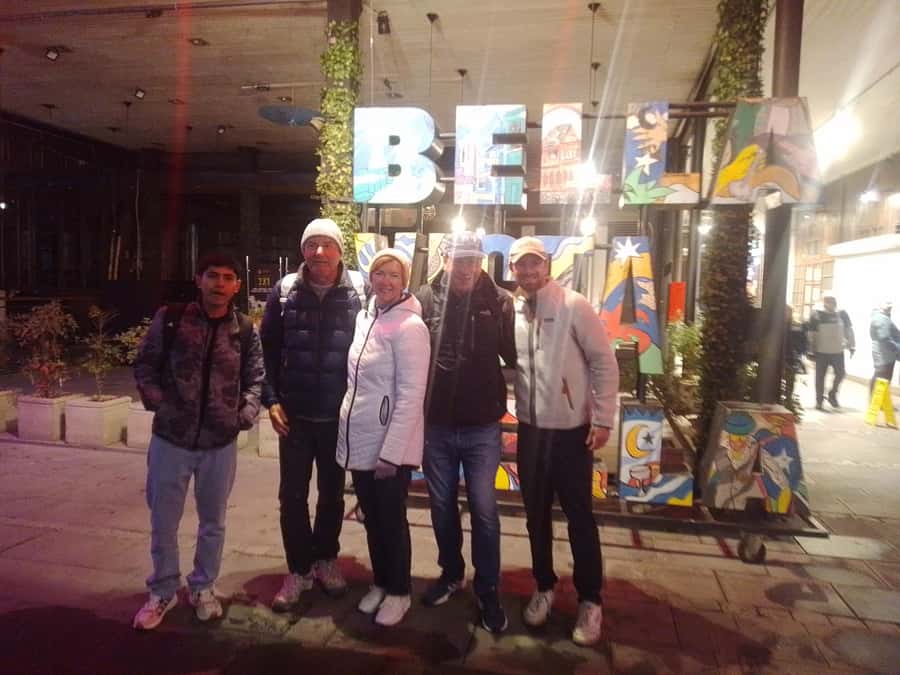
A city walk rises or falls on its guide. Here, Eugenio, also referred to as Eugene, is the name most often associated with the tour, and his role goes well beyond pointing at buildings.
He explains Santiago’s history in clear stories, answers questions about culture and food, and adjusts to groups that include English and Spanish speakers. Portuguese is also available. He has been praised for keeping a manageable pace, giving explanations in shade during hot weather, helping with onward transport, and offering suggestions for museums and restaurants.
That personal approach is especially useful if you have only a day in Santiago or a long layover. You get a basic map of the city in your head, along with ideas for what deserves a closer look later.
The only caution is that a guide who packs in a lot of information can sometimes speak faster than ideal. Tell him if you need a point repeated or explained more slowly. With no more than 10 participants, you have a reasonable chance to do so.
Is $25 good value?
At $25 per person, this is good value if you want a guided introduction to Santiago rather than a simple stroll. The price includes the walking tour, guide, and bottled water, while the route covers government buildings, historic squares, the cathedral, museum district, hill viewpoint, park, and food quarter.
You are not paying for transport, lunch, museum admission, Pablo Neruda’s house, or San Cristobal Hill. That keeps the price down, but it also means you should budget separately if you want extended indoor visits or additional major attractions.
The real value comes from time saved and context gained. You could find many of these locations yourself, but connecting them in the right order and understanding why they matter is harder. For a first day, the tour can help you decide where to return independently.
It is less useful for you if you already know central Santiago well or prefer to explore entirely at your own pace. Three hours is efficient, but it does not allow long stops at every site.
Who should book this Santiago walking tour?
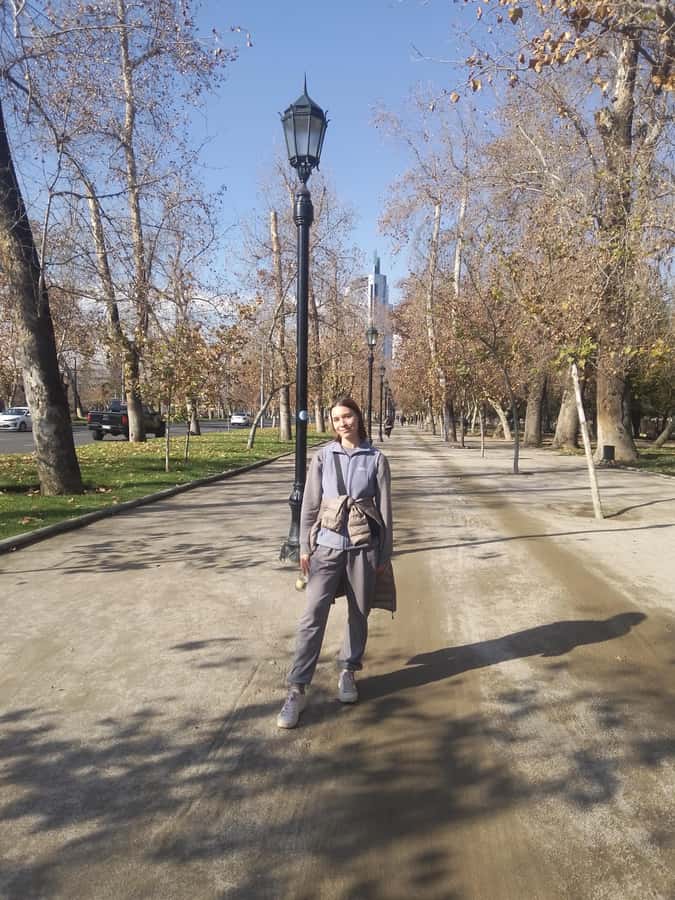
I would recommend it to first-time visitors, people with limited time, solo travelers who want a small group, and anyone who likes history explained while walking through real city streets. It also suits travelers who want a practical introduction before choosing museums, restaurants, and neighborhoods for later visits.
The tour works particularly well on your first day. You finish with your bearings, a list of places to revisit, and an easy lunch location at Patio Bellavista.
I would think twice if you need a very gentle route, dislike hills, have serious heart or mobility concerns, or want a slow museum-focused experience. The walk requires comfortable shoes and good weather, and the route covers a lot in three hours.
For most visitors, the combination of strong local storytelling, varied neighborhoods, and a useful Bellavista finish makes this a smart introduction to Santiago. Book it if you want to understand the city quickly, then spend the rest of your trip choosing which parts deserve a second look.
FAQ
How long does the Santiago walking tour last?
The tour lasts three hours. Starting times vary, so you should check availability when booking.
Where does the tour start and finish?
It starts at Palacio de la Moneda and finishes at Patio Bellavista.
What languages are available?
The live guide is available in English, Spanish, and Portuguese.
Is lunch included?
No. Lunch is not included, but the tour ends at Patio Bellavista, an area with restaurants and food options.
Does the tour include Pablo Neruda’s house or San Cristobal Hill?
No. Entry to Pablo Neruda’s house and San Cristobal Hill is not included.
Is Santa Lucia Hill free to enter?
Entrance to Santa Lucia Hill is free from Tuesday through Sunday. The tour requires good weather, and poor weather can lead to a different date or a full refund.
Just added around the world
- Scenic Train ride to historical cities of Morretes and Antonina★ 4.0 · 188 reviews
- 6-Day Cultural Tour to Machu Picchu★ 5.0 · 76 reviews
- Jewish Heritage of Curacao★ 4.5 · 68 reviews
- The Curacao’s Colorful History Walking Tour★ 5.0 · 55 reviews
- Discover Scuba Diving Amathounta’s Ancient Port★ 5.0 · 30 reviews
- Olous – Guided Snorkelling Excursion to Discover Olous Sunken Ancient City★ 4.5 · 31 reviews
- Night Walking Tour of Medieval Cuenca★ 5.0 · 64 reviews
- WWII – The Battle of Crete Day Tour★ 5.0 · 103 reviews
Guided, compared.
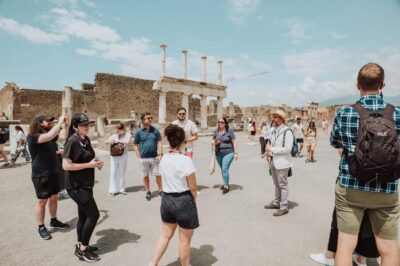
Pompeii: Entry Ticket and Guided Tour with an Archaeologist
Read our review →
History and Hauntings of Salem Guided Walking Tour
Read our review →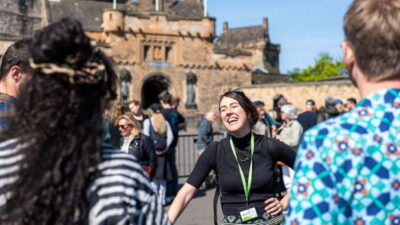
Edinburgh: Edinburgh Castle Guided History Tour with Tickets
Read our review →
Berlin: Third Reich & Cold War Guided Walking Tour
Read our review →
Historic Charleston Guided Sightseeing Walking Tour
Read our review →
Ghent: 50-Minute Medieval Center Guided Boat Trip
Read our review →
Rome: Colosseum with Arena, Roman Forum and Palatine Guided Tour
Read our review →
Venice: St. Mark’s Basilica Guided Tour & VR History Intro
Read our review →Browse the lists this tour appears in