
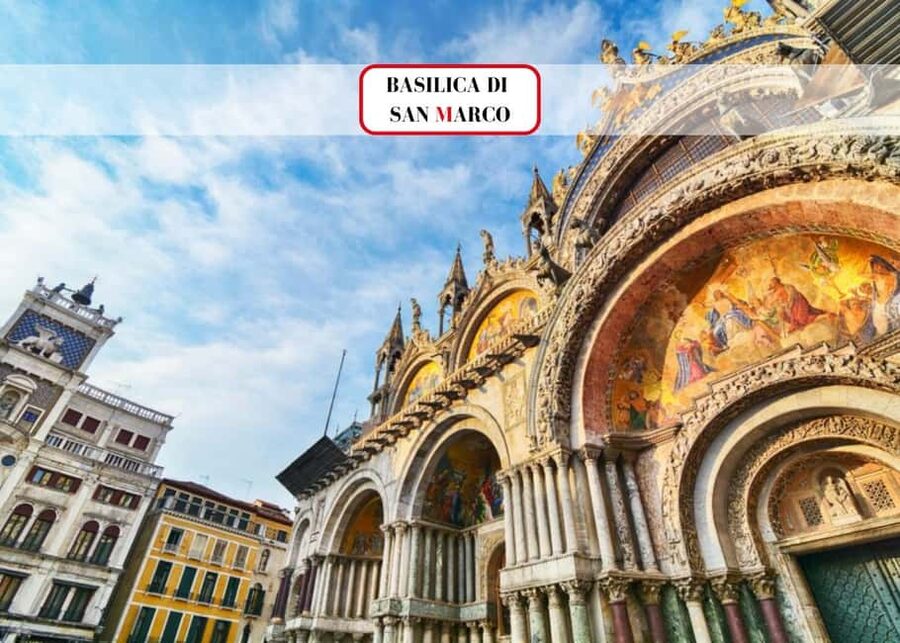
Review · ITALY
Venice: St. Mark’s Basilica Guided Tour & VR History Intro
Venice’s St. Mark’s Basilica can feel like a beautiful puzzle until someone explains what you’re seeing. This tour starts with a VR history introduction to St. Mark’s Square, then takes you inside to the gold-ground mosaics, marble floors, domes, and stories behind the church. I like the useful context before the visit and the chance to see more than one Venetian basilica with the same booking.
I also like the skip-the-ticket-line entry and the guides who bring personality to the history. Francesco, Elena, Valentina, and Andrea have all been singled out for clear, engaging tours. The main caution is timing: the advertised duration can include meeting, ticket collection, and waiting for security, so your actual time inside may be shorter than expected.
Key points to know before you book
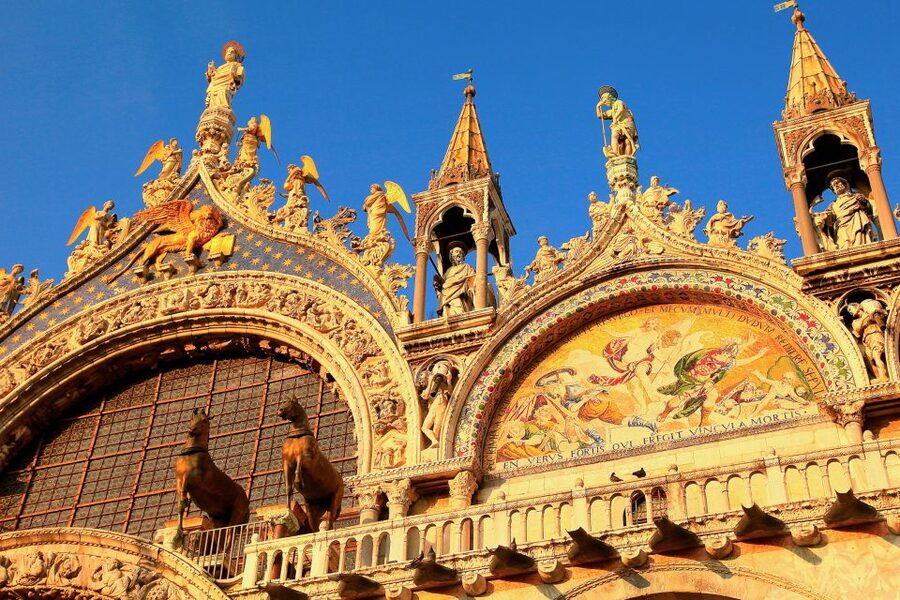
- VR comes first: The History Gallery sets up the changing shape of St. Mark’s Square before you enter the basilica.
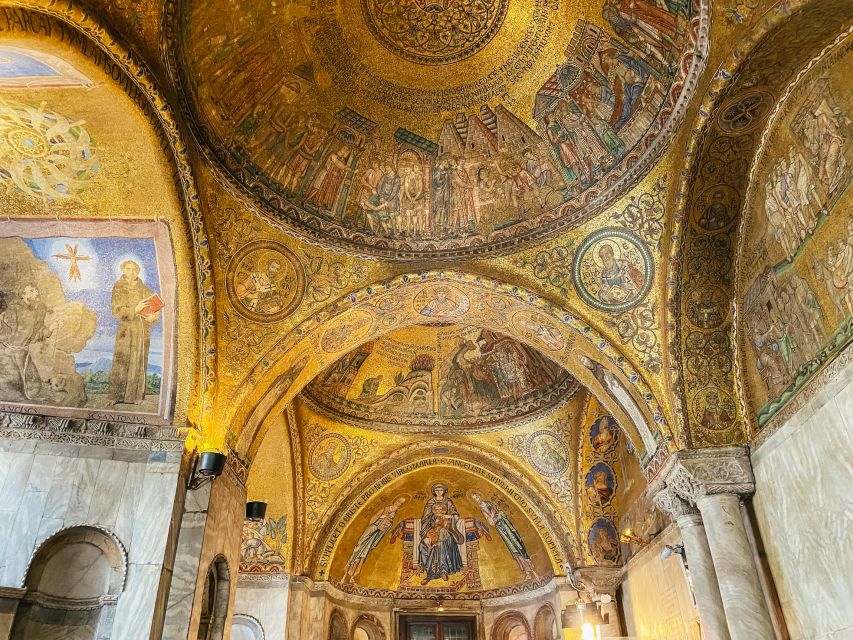
- Gold covers the interior: More than 43,000 square feet of mosaics create the church’s famous golden glow.
- Three basilicas are included: The pass covers St. Mark’s, Torcello Cathedral, and Santa Maria della Salute.
- Skip the ticket queue, not always security: You may still wait at the entrance for security checks.
- Guides add real value: Francesco, Elena, Valentina, and Andrea are among the guides praised for lively explanations.
- Dress matters: Bare shoulders, tank tops, short shorts, and short skirts can prevent entry.
Why the VR introduction helps you read Venice
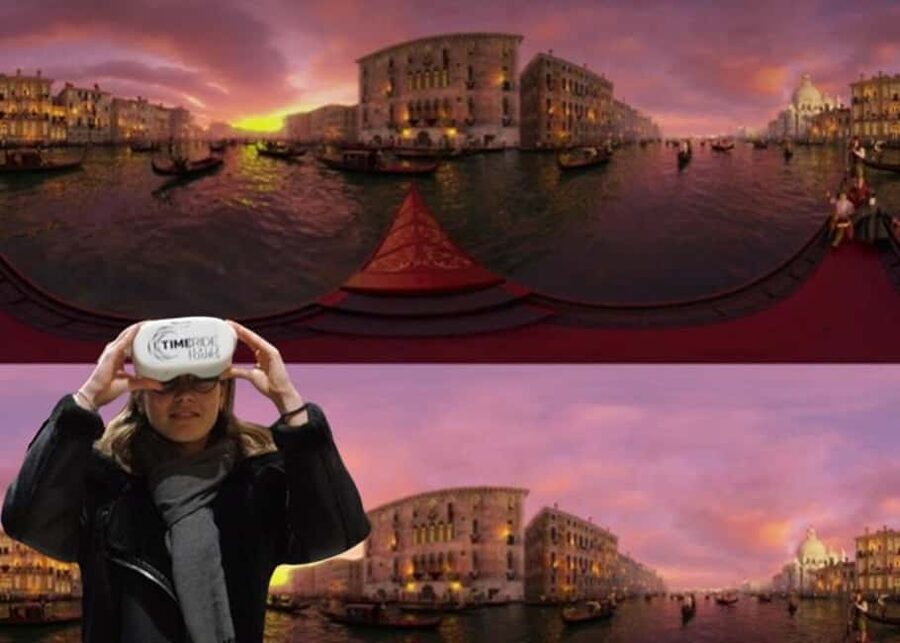
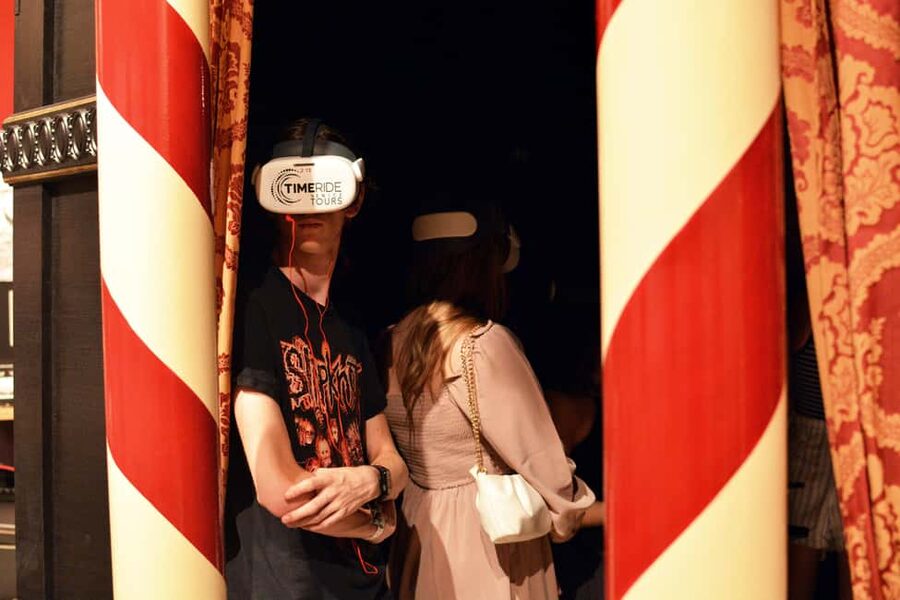
The tour begins at the History Gallery, not inside the basilica. That order makes sense. St. Mark’s Square has changed over centuries, and the square in front of you is only the latest version of a much older civic and religious center.
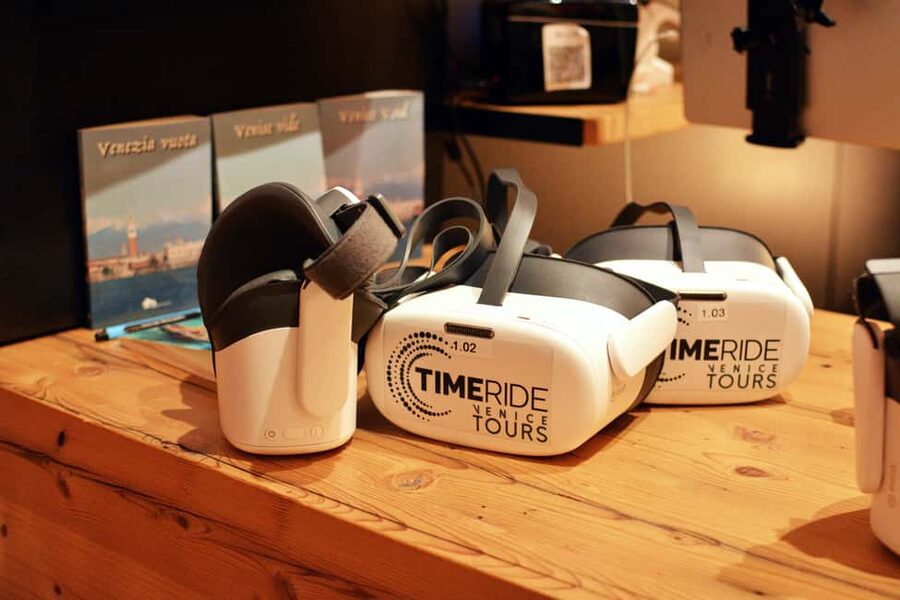
The VR presentation reconstructs the square through different periods, from its medieval beginnings to the height of the Venetian Republic and its modern appearance. You get a visual sense of how the buildings and open space developed before standing among them in person.
I see this as more than a flashy extra. St. Mark’s Basilica is packed with symbols, borrowed artistic ideas, political messages, and religious images. Without some background, you may simply see a grand church covered in gold. With the introduction, the setting begins to make more sense.
The exact handling of the History Gallery can vary by option and meeting arrangement, so read the booking details carefully. One person found the gallery hard to identify, while others considered the VR presentation one of the best parts of the visit. Plan to ask the staff where this portion begins.
More Guided Tours in Italy:
- Pompeii: Entry Ticket and Guided Tour with an Archaeologist
★ 4.8 · 19,459 reviews - Rome: Colosseum with Arena, Roman Forum and Palatine Guided Tour
★ 4.0 · 5,598 reviews - Colosseum with Arena, Roman Forum and Palatine Hill Guided Tour
★ 4.5 · 3,526 reviews
Finding the meeting point without losing your morning
Venice rewards wandering, but it is not kind to anyone racing toward a timed tour. The meeting point can vary according to the option you choose, and some bookings require you to visit a nearby agency first to collect or confirm tickets.
Give yourself extra time. One successful approach is to arrive early, find the office, download the audio app while you have Wi-Fi, and then walk to St. Mark’s Square with the staff’s directions. Several people found the office easy to use, but others spent time searching for it or were unsure if their electronic tickets needed to be exchanged.
Your voucher may show a particular instruction, so follow that first. If the paperwork seems unclear, ask at the office before heading to the basilica. The staff is described as friendly and helpful, and a map marking the correct entrance can save you from circling the square.
This is Venice, so a short walk on the map can take longer than expected. Narrow lanes, bridges, crowds, and confusing signs all add minutes. I would arrive at least 20 to 30 minutes before the stated start time, especially in summer or if you are traveling with children.
Entering St. Mark’s Basilica through the faster lane
The main practical benefit is priority access to St. Mark’s Basilica. You avoid the regular ticket line, which can be long in hot weather or during busy periods.
Do not confuse skip-the-ticket-line service with instant passage through the building. Everyone must still pass security, and that line can move slowly. One person waited 15 to 30 minutes for security, while another saw a queue of several hundred meters move in about half an hour.
Even with that limitation, the arrangement can save a great deal of time compared with arriving without a timed ticket. It is particularly useful when rain, heat, or a packed St. Mark’s Square makes standing outside unpleasant.
Bring a valid identification document. Security checks require it, and forgetting it could create a serious problem at the entrance. Wear comfortable shoes, since the visit involves walking and standing on hard surfaces.
The basilica also requires proper clothing. Bare shoulders, tank tops, short shorts, and short skirts are not acceptable. Bring a suitable cover-up rather than assuming you can enter as you are. Several people had to buy something additional to cover their clothing.
Reading the golden mosaics and five domes
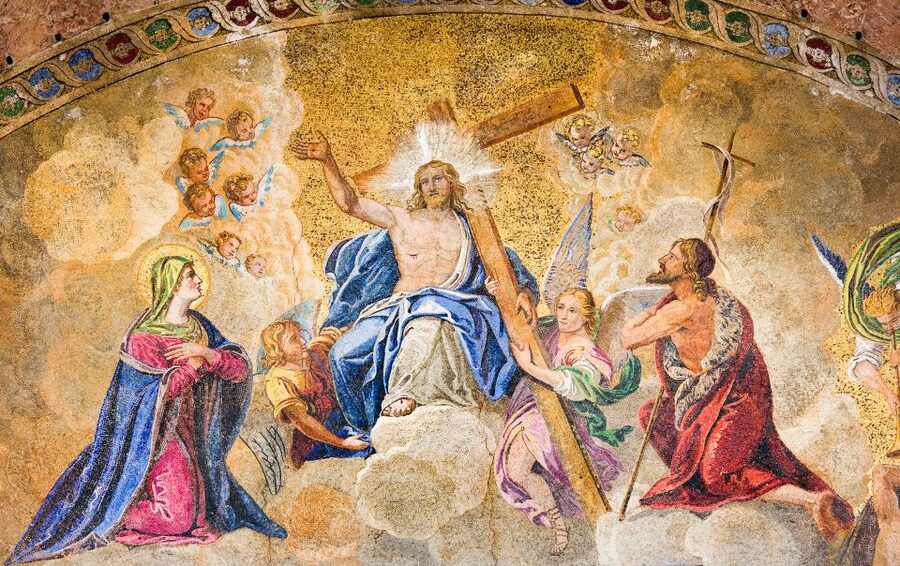
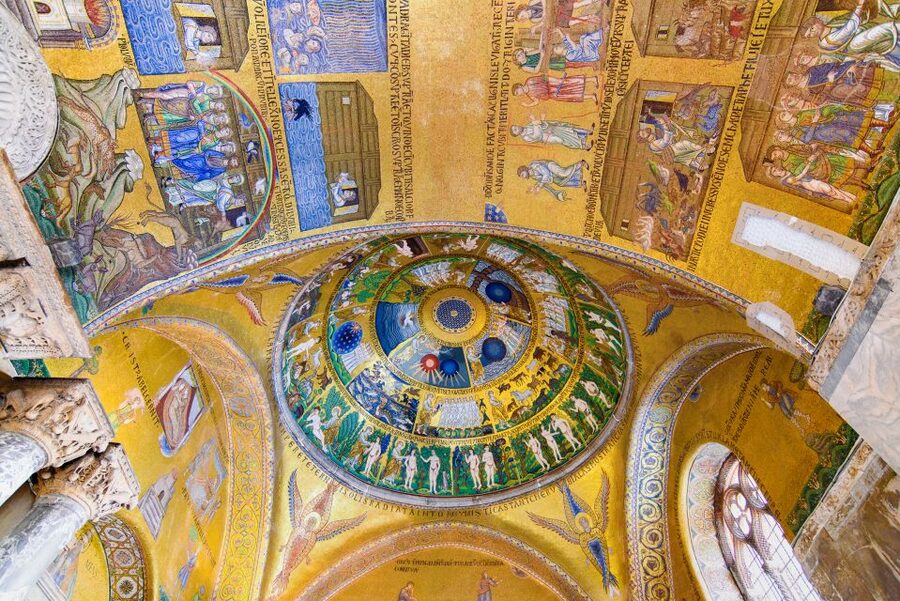
Inside, the first shock is the amount of gold. More than 43,000 square feet of mosaic work covers the interior, creating the warm, shimmering effect that makes St. Mark’s unlike an ordinary church.
The mosaics use gold backgrounds and biblical scenes to tell stories through small pieces of colored glass and stone. Your guide points out what the images show and explains how the church’s art connects to Venice’s religious identity and political past.
This is where a guided visit earns its fee. You can enter alone and admire the glow, but you may miss the reason a particular figure matters or why the church looks so different from a typical Italian basilica. The guide turns a wall of glittering images into a series of readable scenes.
The five domes help define the basilica’s unusual form. The church reflects Byzantine influence, and its appearance shows Venice’s historic links with the eastern Mediterranean. You do not need a background in art or architecture to enjoy it, but an explanation gives the details more weight.
Look down as well as up. The marble inlay floors contain intricate patterns that are easy to ignore while everyone looks at the ceiling. The contrast between the patterned stone below and the golden mosaics above is one of the church’s most memorable visual pairings.
More History Tours in Italy:
- Colosseum: Underground and Ancient Rome Tour
★ 4.7 · 12,691 reviews - Pompeii: Small Group Tour with an Archaeologist
★ 4.8 · 12,264 reviews - Pompeii Small Group Tour with an Archaeologist
★ 5.0 · 6,593 reviews - Herculaneum: Skip-the-Line Guided Tour with Archaeologist
★ 4.8 · 3,439 reviews
What the guide adds to the visit
The guide usually explains the exterior before taking the group inside. That gives you time to look at the facade, arches, details, and relationship between the basilica and the square.
The strongest guides do more than list dates. Francesco is praised for his enthusiasm, while Elena is noted for making the stories engaging enough to hold teenagers’ attention. Valentina has been described as clear, polite, and entertaining, and Andrea is praised for a strong presentation.
Guide quality can vary, as it does on any group tour. One person found a strong accent and fast delivery difficult to follow. If you have trouble hearing, move close to the guide and ask for slower explanations. Group tours are less flexible than private visits, so you may not be able to linger at every detail.
The guided portion is best for you if you want a clear route and explanations without managing an audio app. It also suits families, since a live person can respond to questions and keep children focused.
Using the audio guide instead of joining the group
Some versions of the activity use a live guide, while others may provide an audio guide or radio system with earphones. This explains why the format can feel different from one booking to another.
If your option includes the audio guide, download the required app before entering the basilica. Reception may not be reliable inside, and the app needs to be ready before you start. Wi-Fi at the ticket office is useful for this step.
The audio format gives you control over the pace. You can stop at a point of interest, move ahead, or spend longer looking at the mosaics. That suits independent visitors who dislike being hurried.
A live guide gives you interpretation, atmosphere, and the chance to ask questions. I would choose the live format if this is your first visit to Venice or if you want the church explained as part of the city’s story. Choose the audio option if you prefer quiet concentration and a self-directed route.
Check the exact option before paying. The booking page may describe an audio guide, while the local staff places you in a live group, or the reverse. This is not necessarily a problem, but it can surprise you at the meeting point.
The three-basilica pass and what it really offers
The pass includes St. Mark’s Basilica, the Cathedral of Santa Maria Assunta in Torcello, and the Basilica of Santa Maria della Salute.
Torcello Cathedral is one of the oldest religious sites in the Venetian Lagoon. Its Byzantine mosaics make it a useful companion to St. Mark’s because you can compare two important examples of Venetian religious art. Torcello is not simply another city-center stop, so check your wider Venice plans before assuming you can fit it in casually.
Santa Maria della Salute offers a different mood. This Baroque church was built as a votive offering after the plague and sits beside the Grand Canal. Its scale, setting, and later architectural style help show that Venice’s religious buildings were not all designed in the same period or manner.
The three sites work well as a set if you want more than one famous church. They are less useful if you have only a few hours in Venice and plan to remain around St. Mark’s Square, since the additional basilicas require separate visits.
The pass gives your trip more artistic range, but do not confuse it with entry to every paid part of St. Mark’s. The standard route does not include every extra area.
The extras that cost more inside the basilica
The basic visit follows the regular route through St. Mark’s Basilica. Additional areas, such as the Pala d’Oro or the museum, may require another payment.
The Pala d’Oro is an important highlight for many visitors, and one person recommended paying the additional five dollars per person to see it. Another noted that the main altar and museum were not part of the ticket. The price and availability of these add-ons can change, so check at the basilica rather than assuming they are included.
Terrace access is also separate in the standard pricing structure. The official basilica ticket is listed as €12 per person, or €24 with terrace access or Pala d’Oro access. The tour price, about $26 per person, also covers assistance at the meeting point, accompanied entry, the guide or audio system, the VR presentation, and sales costs.
That makes the tour a reasonable buy when queues are long or you want context. It is a weaker value on a quiet day when the regular entrance line is short and you only want a quick look inside. The ticket itself is not expensive, so much of your decision comes down to time savings and interpretation.
How long the visit really takes
The stated duration ranges from 45 minutes to two hours, depending on the option and schedule. In practice, the clock can include ticket pickup, walking to the basilica, waiting for the guide, and security.
One person with a 10:15 start did not enter the basilica until around 11. That does not mean every departure runs late, but it shows why you should not schedule a train, museum, or restaurant immediately afterward.
The church visit itself can be fairly compact, though the exact length depends on the guide and the group. If you use an audio guide, you may spend longer inside because you can set your own pace. Another person stayed for three hours, taking time rather than following the crowd.
If you want to visit the Pala d’Oro, museum, or upper areas, add time and confirm the extra ticket arrangements. Also allow separate time for Torcello and Santa Maria della Salute if you plan to use the full three-basilica access.
Who will get the most from this tour
I would recommend this for a first visit to Venice, families, and anyone who wants the basilica explained rather than simply photographed. The mix of VR, a live guide or audio option, and priority access gives you a clear introduction without requiring much advance research.
It is also a good fit for people visiting in summer. Skipping the regular ticket line can matter when the square is hot and crowded.
Independent art lovers may prefer a basic entry ticket and audio guide, especially if the regular line is short. You will pay less and control the pace, but you must arrange your own explanation and accept that some details may remain unclear.
This activity is not suitable for wheelchair users or people with mobility impairments. The clothing rules are strict, and comfortable shoes are a must.
Should you book the St. Mark’s Basilica tour?
Book it if you value saved time, a clear explanation, and the VR introduction. The guides, especially Francesco, Elena, Valentina, and Andrea, are a strong reason to choose the guided option, while the audio version works well if you prefer to move alone.
Think twice if you are visiting during a quiet period, only want the cheapest possible entry, or have no time for ticket collection and security. Also check the selected option carefully, since a Doge’s Palace ticket with audio guide does not include the St. Mark’s Basilica tour and three-basilica pass.
For most first-time visitors, the combination of gold mosaics, stories, and priority access makes the roughly $26 price fair. Arrive early, bring identification, dress correctly, download the app if needed, and treat the extra basilicas as separate outings rather than quick add-ons.
FAQ
How much does the St. Mark’s Basilica tour cost?
The listed price is $26 per person. The cost includes the guided basilica visit, skip-the-ticket-line entry, the VR history introduction, and related assistance and sales costs.
How long does the activity last?
The stated duration ranges from 45 minutes to two hours. The total time can include meeting, ticket collection, walking, and security, so the time inside the basilica may be shorter.
What does the VR introduction show?
The VR presentation traces the history and changing appearance of St. Mark’s Square, from its medieval origins through the Venetian Republic to the square seen today.
Which basilicas are included?
The pass includes St. Mark’s Basilica, the Cathedral of Santa Maria Assunta in Torcello, and Santa Maria della Salute.
Does skip-the-line entry avoid security checks?
No. You skip the regular ticket queue, but security checks still apply and may involve waiting.
Do I need identification?
Yes. A valid identification document is mandatory for security checks at the basilica entrance.
What should I wear?
Proper clothing is required. Do not wear shorts, tank tops, short skirts, or clothing that leaves the shoulders bare.
Is the Doge’s Palace option part of the basilica tour?
No. If you select the Doge’s Palace ticket with audio guide, the St. Mark’s Basilica ticket and three-basilica pass are not included.
Just added around Italy
- Guided Cultural Tour of the Godfather Film in Messina★ 5.0 · 31 reviews
- Guided tour of the Riace Bronzes and the Archaeological Museum of Reggio Calabria★ 5.0 · 44 reviews
- SU NURAXI BARUMINI Unesco World Heritage Site★ 5.0 · 129 reviews
- Brescia the Unexpected: History, Local Stories & a drink★ 5.0 · 31 reviews
- Bolognese Cooking Class with Margherita in the Historic Center★ 5.0 · 26 reviews
- Tower and Power, Virtual tour in Medieval Bologna★ 4.5 · 54 reviews
- Bologna historical art walking tour with hidden gems and tastings★ 5.0 · 108 reviews
- Best of Bologna in one day : Food, architecture, art and history★ 5.0 · 27 reviews
Italy History Tours, compared.
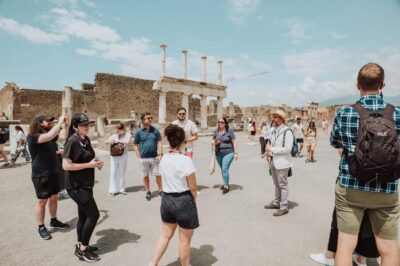
Pompeii: Entry Ticket and Guided Tour with an Archaeologist
Read our review →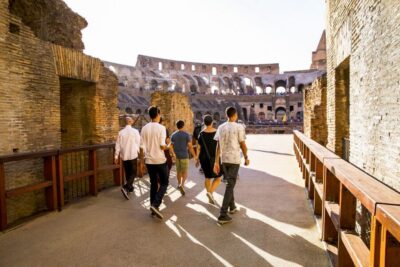
Colosseum: Underground and Ancient Rome Tour
Read our review →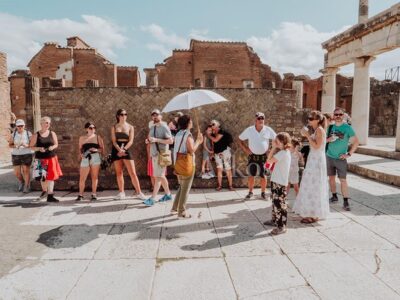
Pompeii: Small Group Tour with an Archaeologist
Read our review →Pompeii Small Group Tour with an Archaeologist
Read our review →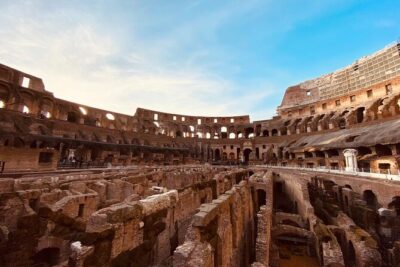
Rome: Colosseum with Arena, Roman Forum and Palatine Guided Tour
Read our review →
Colosseum with Arena, Roman Forum and Palatine Hill Guided Tour
Read our review →
Herculaneum: Skip-the-Line Guided Tour with Archaeologist
Read our review →
Colosseum & Ancient Rome with Arena Floor Option I Max 6 People
Read our review →Browse the lists this tour appears in