Review · GUIDED
Stellenbosch: Guided Historical Walking Tour
Stellenbosch’s story is written along its streets: oak shade, water furrows, white Cape Dutch buildings, and a village green framed by old buildings. This 90-minute walk connects those pieces with stories about Simon van der Stel, devastating fires, university life, the Angel Factory, and the graveyard beside the Moederkerk.
I like the easy pace and the way the walk mixes famous sights with small details you could miss alone. I also like the guides’ flexible style. Johan Nepgen, Marlene, and Juliana are repeatedly praised for making history clear, warm, and sometimes funny.
The main consideration is simple: this is a walking tour, not a full day of wine tasting or countryside views. You need comfortable shoes, and hot sun or rain can affect the experience. Still, at $18 per person, it is a strong way to get your bearings before exploring Stellenbosch on your own.
Key points at a glance
- Oak-lined historic streets: Walk beneath shady avenues beside the Mill Stream’s old water furrows.
- The Braak and Dorp Street: See the village green and one of South Africa’s oldest residential streets.
- Stories beyond architecture: Hear about Simon van der Stel, destructive fires, university figures, local customs, and town legends.
- Guides with personality: Johan, Marlene, Juliana, and other local guides are known for clear explanations and an easy conversational manner.
- A short, gentle route: The 90-minute walk suits most people who can comfortably stroll through town.
- Practical value: English guiding, wheelchair access, free cancellation up to 24 hours before the start, and reserve-now-pay-later booking add flexibility.
Why start Stellenbosch with a walking tour
Stellenbosch is easy to admire and surprisingly easy to misunderstand. You can stroll past old gables, oak trees, and water channels and see only a pretty university town. A guide gives those details a purpose.
The town began in the 17th century, and its early growth was tied to the Eerste River. The tour explains where Simon van der Stel set up camp and how the river received its name. That opening story helps you see Stellenbosch as a settlement shaped by water, farming, colonial expansion, and later education.
I like this kind of introduction because it is practical. After 90 minutes, you know which streets deserve a slower look, why certain buildings matter, and how the old town fits into South Africa’s wider past. You also get local context that a signboard rarely provides.
The walk is not presented as a dry parade of dates. The guides bring in colorful residents, modern Stellenbosch, famous university graduates, and the town’s recurring fires. The result is a history lesson with people and consequences, rather than a list of names.
More History Walking Tours in the world:
- History and Hauntings of Salem Guided Walking Tour
★ 5.0 · 14,564 reviews - Lisbon: History, Stories and Lifestyle Walking Tour
★ 4.8 · 10,902 reviews - Amsterdam: Life of Anne Frank and World War II Walking Tour
★ 4.8 · 10,467 reviews
Oak avenues, water furrows, and the Mill Stream
The first visual pleasure is the town itself. Stellenbosch is known as the village of the oaks, and the shaded streets give the walk much of its character. Along the route, you see water furrows connected with the Mill Stream, a reminder that historic towns were built around working water systems, not just attractive streets.
This is a good place to pay attention to the ground as well as the buildings. The channels help explain how the settlement functioned. They also give the streets a distinctive rhythm, with flowing water, mature trees, and old façades working together.
The shade is welcome, though it does not remove the need for sun protection. The tour is outdoors for its full 90 minutes, so bring water and wear shoes that are comfortable on town streets. The official advice is simply comfortable footwear, but that is sound advice for any walking route.
Guides such as Marlene and Juliana have been praised for pointing out details that regular sightseeing can miss. That matters here because Stellenbosch rewards close looking. A slow walk reveals more than a quick drive through town.
Cape Dutch buildings around The Braak
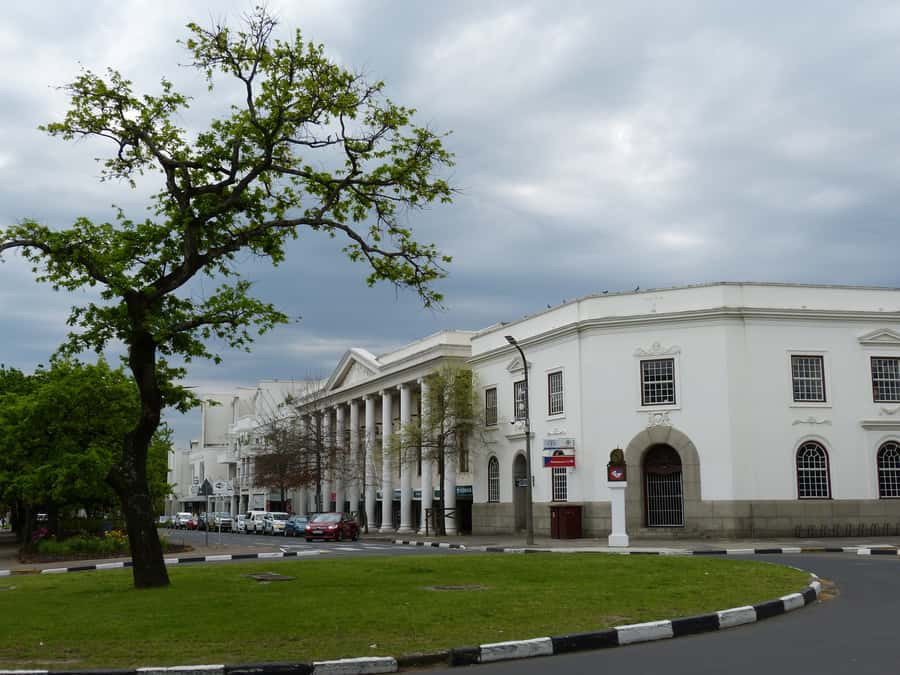
The Braak, or village green, is one of the walk’s key stops. Historic buildings surround it on three sides, creating an open space where the older town can be read almost like a plan. The buildings are not just pretty backdrops. Their placement shows how public and civic life developed around a central green.
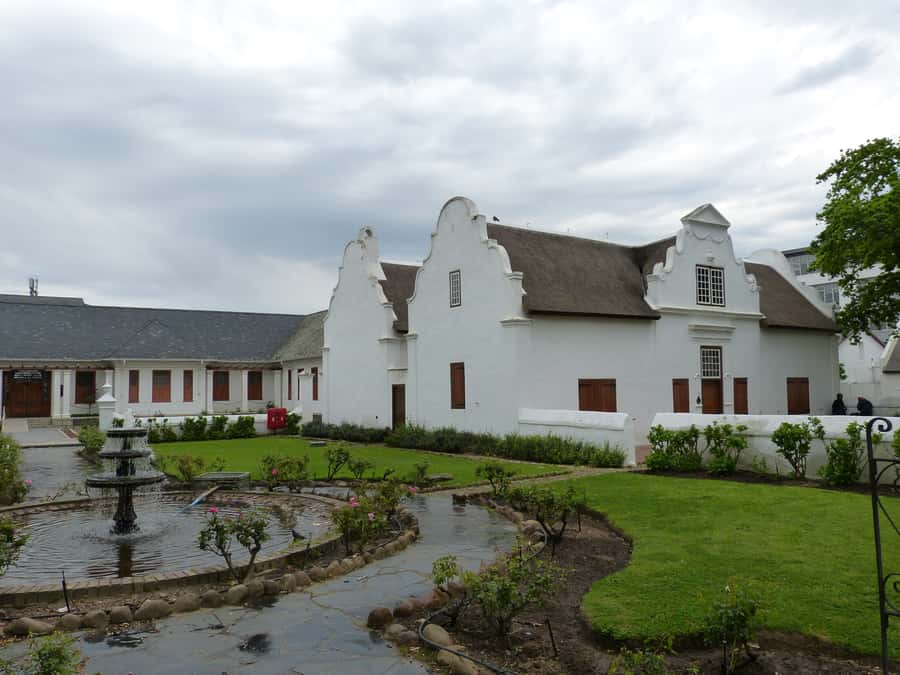
This is where Cape Dutch architecture gets a useful explanation. Rather than simply admiring white walls and distinctive gables, you learn to connect the style with Stellenbosch’s early settlement and colonial past. The guide gives the buildings human context, including the people who lived and worked in the town.
The Braak also makes a good pause in the route. You can take in several façades at once, compare their shapes, and listen without trying to keep up with a moving group. Since the activity is wheelchair accessible, this town-center section should be among the more manageable parts of the walk, though the experience remains an outdoor stroll.
I would especially value this stop early in a visit. It gives you a visual reference point and makes later walks through the center more rewarding. You begin to recognize how the town’s old quarters fit together instead of treating each building as an isolated sight.
Dorp Street and the town’s early character
Dorp Street is described as the oldest residential street in South Africa, and it gives the tour another angle on Stellenbosch. The Braak presents the town’s public face. Dorp Street lets you consider domestic life and the way a settlement expanded along an early route.
This part of the walk is useful for anyone who likes architecture but does not want a lecture limited to façades. The guide can connect houses, street layout, local residents, and changes over four centuries. The stories turn a row of old buildings into a record of how the town developed.
The route also helps explain why Stellenbosch feels both compact and layered. The old streets are close enough to cover on foot, yet each one has a different role. You move from green to avenue, from water furrow to residential street, without needing transport or a complicated plan.
One small limitation is that a 90-minute tour cannot explore every historic building in detail. The guide has to choose what to show and what to leave for later. That is a fair trade for a short orientation walk, but visitors with a serious interest in architecture may want to continue independently afterward.
More Guided Tours in the world:
- Pompeii: Entry Ticket and Guided Tour with an Archaeologist
★ 4.8 · 19,459 reviews - Edinburgh: Edinburgh Castle Guided History Tour with Tickets
★ 4.8 · 9,933 reviews - Berlin: Third Reich & Cold War Guided Walking Tour
★ 4.9 · 8,378 reviews - Historic Charleston Guided Sightseeing Walking Tour
★ 5.0 · 6,216 reviews
Fires, founders, and four centuries of change
The town’s past is not only graceful architecture. Fires in the 18th century nearly wiped out Stellenbosch, and the tour explains how repeated destruction affected the settlement. This is one of the most valuable parts of the walk because it changes the way you view the surviving buildings.
A preserved street can create the false idea that a town has remained untouched. The fire stories correct that impression. Stellenbosch was rebuilt, altered, and adapted. Its present appearance is the result of survival and change, not a perfectly preserved colonial scene.
The guide also brings in Simon van der Stel, the town’s colonial founder, and the early camp beside the Eerste River. These stories establish the town’s origins while also raising the larger issues tied to colonial settlement in South Africa.
Several past participants have valued the political and national context included by guides. The best version of this tour does not isolate Stellenbosch from South Africa. It shows how local buildings, town institutions, language, and university life connect with broader events. If you ask questions, guides such as Johan are known for giving fuller explanations rather than rushing through a prepared script.
The Angel Factory, Moederkerk, and local legends
The tour includes some of the town’s more unusual stories. You may hear about the Angel Factory, and perhaps the possibility of meeting an angel there. The graveyard of the Moederkerk brings another layer, with the suggestion of a ghostly presence.
These details add a welcome touch of humor and mystery. They also keep the walk from becoming too solemn. A town’s character includes its legends, odd corners, and stories passed between residents, not just official dates.
The mention of the local morgue has also become one of Johan’s memorable talking points. That is a good clue to his style: historical information can be serious without being stiff. If you prefer a tour that sticks only to formal architecture, these stories may feel like a side road. I find them useful because they make places easier to remember.
The guide’s personality matters most here. Johan is often described as clear, funny, and comfortable with questions. Marlene is praised for a warm, well-paced approach, while Juliana is known for enthusiasm and for explaining answers fully. Guide assignments can change, so book this for the route and subject, not for a guaranteed individual unless the operator confirms it.
Stellenbosch University and the town today
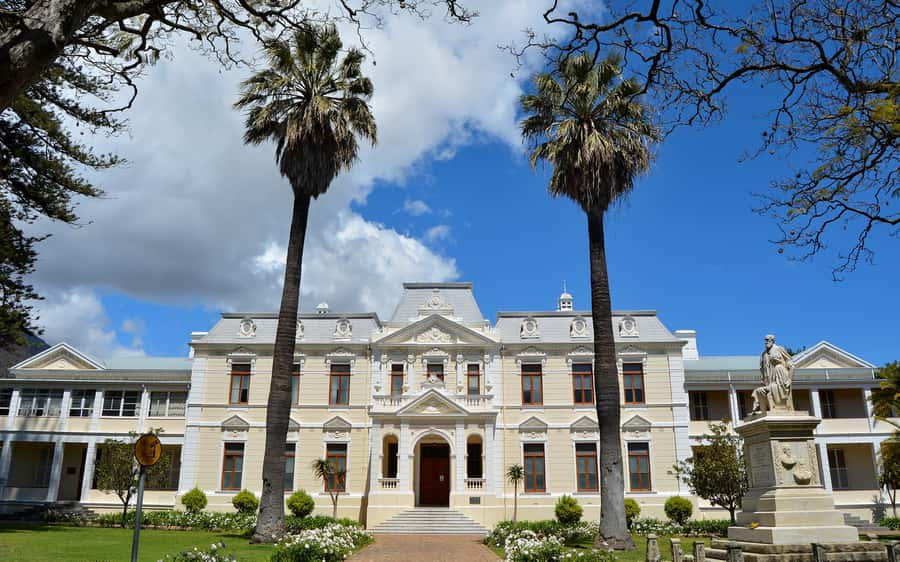
Stellenbosch is not a museum town. It is also a university center, and the walk brings in famous graduates, including prime ministers and sportsmen. That detail helps bridge the old streets and present-day life.
You learn that the university is part of the town’s identity, not a separate attraction outside the historic center. Students, long-term residents, businesses, and old buildings share the same compact setting. The guide can help you see how the town’s past still shapes its current character.
I like this present-day connection because it keeps the tour from treating history as finished. The old quarter is still used, walked through, and talked about. The stories of language, local customs, and university life give the architecture a living setting.
For first-time visitors, this is also a useful orientation to Stellenbosch beyond wine estates. Wine is an important reason many people come to the area, but this walk shows why the town deserves time on its own. You get a clearer sense of its streets, institutions, and local identity before deciding how to spend the rest of your day.
What the guides do best
The strongest feature of this experience is the guiding. Across different bookings, Johan, Marlene, Juliana, Julietta, and Maureen are singled out for clear storytelling, good humor, enthusiasm, and a talent for answering questions.
That consistency matters more than a polished script. A walking tour succeeds when the guide notices the group and adjusts the level of detail. One guide may spend more time on architecture, another on politics, language, or local anecdotes. The supplied experiences show that the narration can be shaped around the people on the walk.
Small groups are possible, especially outside the busiest season. Some walks have been private or nearly private, while others include a small group. That can make it easier to ask questions and follow your own interests, though group size is not stated as a fixed feature.
The pace is another strength. This is repeatedly described as an easy walk, and 90 minutes is long enough for substance without taking over your day. You should still arrive 15 minutes early at 47 Church Street in Stellenbosch Central, since the activity begins from there and does not include transport.
Is $18 a fair price?
Yes, for most visitors. At $18, you are paying for a professional English-speaking guide and a focused 90-minute walk through the historic center. There is no transport, meal, tasting, or admission package included, so the value depends on how much you want explanation rather than extras.
I see the price as especially fair if you are new to Stellenbosch or have limited time. A self-guided walk costs less, of course, but it also leaves you to work out the story behind the river, fires, architecture, and town institutions. The guide fills that gap without taking half a day.
The tour also has practical flexibility. You can cancel up to 24 hours before the start for a full refund, and reserve now while paying later. Those terms help if your Western Cape plans include changing weather or shifting day trips.
A tip may be worth planning for, since one booking specifically advised having some cash available. It is not listed as part of the price, so treat it as optional and personal rather than an added fee.
Who should book this walk?
I would choose this tour for:
- First-time visitors who want a clear introduction to central Stellenbosch.
- People interested in architecture, local stories, colonial history, and town development.
- Visitors staying nearby who want a short morning activity.
- Couples, families, and small groups who prefer an easy pace.
- Repeat visitors who have seen the town but want details they missed.
- Anyone who values a local guide and the chance to ask questions.
It may be less suitable if you want a wine farm visit, countryside transport, a food experience, or a long architectural study. It also may not suit you if walking outdoors for 90 minutes is difficult, even though the activity is listed as wheelchair accessible.
Book an early starting time if you want to use the rest of the day for wine tasting or nearby sightseeing. An afternoon walk can work well if you prefer a slower start, but check the available times and the weather before committing.
Should you book the Stellenbosch Historical Walking Tour?
Book it if you want Stellenbosch to become more than a photogenic stop between wine estates. The oak avenues, The Braak, Dorp Street, Cape Dutch façades, Mill Stream, fire stories, university connections, and local legends give you a useful framework for the town.
The strongest reason to go is the guide. Johan, Marlene, and Juliana are associated with an engaging, question-friendly approach, though the assigned guide may vary. At $18, the walk offers good value, particularly at the start of a stay when local context can improve everything you see afterward.
Skip it only if your schedule is already packed with outdoor walking or you want a tour centered on wine and food. For an easy 90-minute introduction to Stellenbosch’s streets and stories, I would make room for it.
FAQ
How long is the Stellenbosch historical walking tour?
The tour lasts 90 minutes.
What language is the tour conducted in?
The live tour guide speaks English.
Where does the tour meet?
Meet at 47 Church Street, Stellenbosch Central, Stellenbosch, 7599. You should arrive 15 minutes before the activity begins.
Is transportation included?
No. Transportation to and from the starting location is not included.
Is the walking tour wheelchair accessible?
Yes, the activity is listed as wheelchair accessible.
Can I cancel for a refund?
Yes. You can cancel up to 24 hours in advance for a full refund. The booking also offers a reserve-now-pay-later option.
Just added around the world
- Scenic Train ride to historical cities of Morretes and Antonina★ 4.0 · 188 reviews
- 6-Day Cultural Tour to Machu Picchu★ 5.0 · 76 reviews
- Jewish Heritage of Curacao★ 4.5 · 68 reviews
- The Curacao’s Colorful History Walking Tour★ 5.0 · 55 reviews
- Discover Scuba Diving Amathounta’s Ancient Port★ 5.0 · 30 reviews
- Olous – Guided Snorkelling Excursion to Discover Olous Sunken Ancient City★ 4.5 · 31 reviews
- Night Walking Tour of Medieval Cuenca★ 5.0 · 64 reviews
- WWII – The Battle of Crete Day Tour★ 5.0 · 103 reviews
Guided, compared.
Pompeii: Entry Ticket and Guided Tour with an Archaeologist
Read our review →
History and Hauntings of Salem Guided Walking Tour
Read our review →
Edinburgh: Edinburgh Castle Guided History Tour with Tickets
Read our review →
Berlin: Third Reich & Cold War Guided Walking Tour
Read our review →
Historic Charleston Guided Sightseeing Walking Tour
Read our review →
Ghent: 50-Minute Medieval Center Guided Boat Trip
Read our review →
Rome: Colosseum with Arena, Roman Forum and Palatine Guided Tour
Read our review →