
Review · FRANCE
Toulouse Food & History Tour with a Chef (in English)
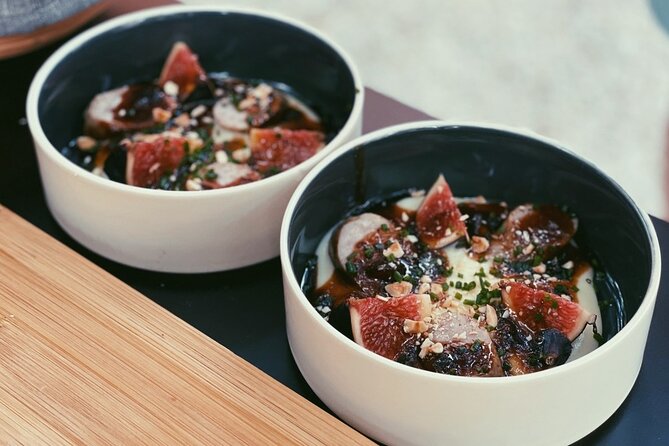
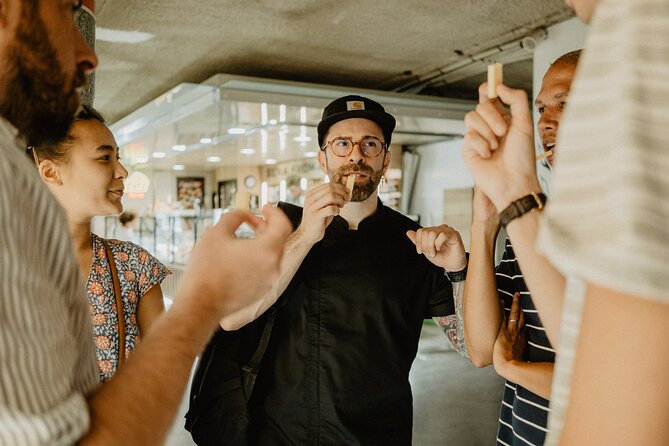
Toulouse has a food tour with a useful twist: Chef Alejandro cooks some dishes on his bike, then links each bite to a place and a story. Over about four hours, you walk from Hôtel d’Assézat to Saint-Sernin, stopping for cheese, wine, charcuterie, pastry, and Toulouse sausage.
I like the way the food has a purpose beyond filling your stomach. I also like the generous portions and the mix of chef-made dishes with goods from specialist shops. The main drawback is that it is an outdoor walking tour, so rain can cancel it, and the route is not suited to people with mobility impairments.
Key points to know before booking
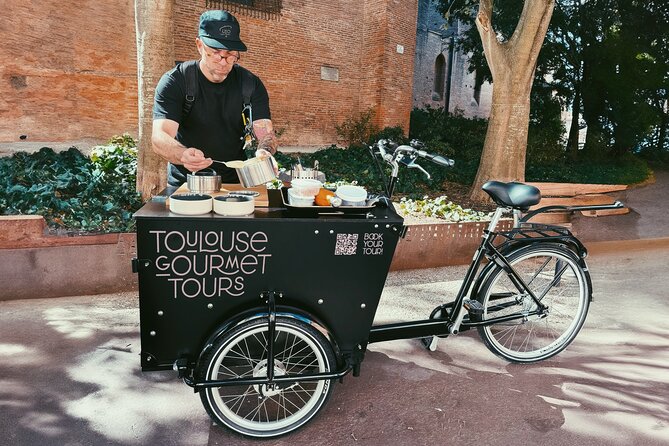
- Chef-led cooking: Alejandro prepares and plates some regional dishes from a bicycle rather than simply passing out shop-bought samples.
- History with every bite: Toulouse architecture, religious conflict, aviation, fires, and political drama all connect to the food.
- Strong local flavors: Expect Porc Noir de Bigorre AOP charcuterie, saucisse de Toulouse, artisanal cheese, wine, and old-fashioned pastries.
- Seven central stops: The route links Hôtel d’Assézat, the Garonne, the Jacobins area, Place du Capitole, Place Saint-Georges, Victor Hugo Market, and Saint-Sernin.
- Generous but substantial tastings: Several samples add up to a real meal, so arrive hungry but not starving.
- Weather matters: The walk does not operate in rainy conditions, and solo bookings need at least two participants to proceed.
Why this Toulouse food tour feels different
Many food walks take you from shop to shop while a guide explains what is in front of you. This one tries to make the city itself part of the meal. A mansion tells you about wealthy merchants, a riverfront stop recalls a devastating fire, and a market explains how Toulouse changed from medieval fortifications to modern concrete.
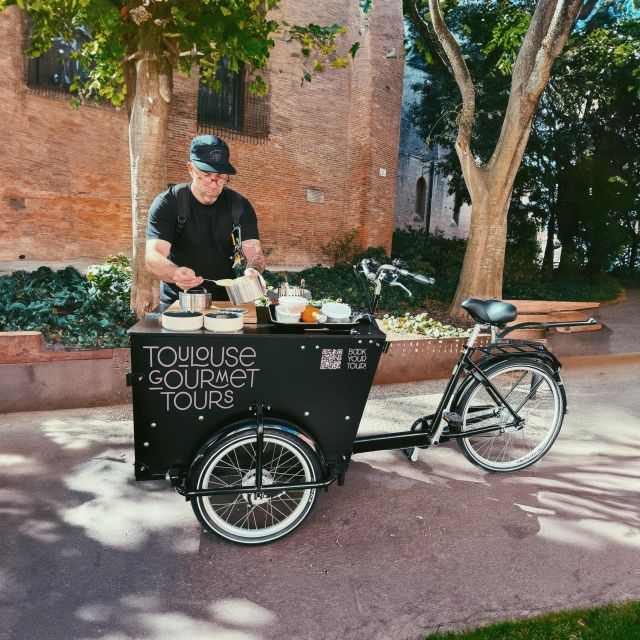
Alejandro is a trained chef, and that shapes the tour. He does not just point out regional dishes. He prepares some of them on the spot, using a mobile setup attached to his bike. The exact amount of cooking can change with the season, opening hours, and weather. In cooler or windy conditions, more of the food may come from restaurants and specialist shops.
That flexibility is worth understanding before you book. The promise is not a fixed restaurant meal at every stop. It is a moving tasting tour, with some chef-made food, some pastries and macarons, selected charcuterie, and a cheese and wine pairing. The result is part walking tour, part cooking demonstration, and part generous picnic spread.
The tour costs $129 per person. That is a fairly serious price for a walking activity, but the value depends on what you want. You are paying for a four-hour English-language guide, food and drink samples, chef preparation, and an introduction to several major sights in central Toulouse. If you want a sit-down lunch, this is not that. If you want a city orientation tied closely to local food, the price makes more sense.
More Food and Drink Trips in France:
- Normandy D-Day Small-Group Day Trip with Omaha Beach, Cemetery & Cider Tasting
★ 5.0 · 2,786 reviews - Toulouse Food & History Tour with a Chef (in English)
★ 5.0 · 503 reviews - From Strasbourg: Medieval Villages & Wine Tasting Day Trip
★ 4.8 · 329 reviews
Starting at Hôtel d’Assézat
The meeting point is in front of Hôtel d’Assézat, home of the Georges Bemberg Foundation. This handsome 16th-century mansion is a strong opening scene because it introduces one of Toulouse’s defining stories: how wealthy families made fortunes and displayed them through grand private houses.
You learn about the merchant class that could afford such architecture, then taste one of Toulouse’s best-known baked specialties. The food is not random. It gives you a practical way to remember the city’s commercial past and the role of prosperous households in shaping its center.
The Foundation itself is included as a sightseeing stop, but the activity is not presented as a full museum tour. The focus is the building, its setting, and the story around it. If you want a detailed look at the museum’s art collection, plan a separate visit.
The Garonne and the story of Toulouse’s great fire
From Hôtel d’Assézat, the walk heads toward Quai de la Daurade. This riverfront gives you a change of pace, with views over the Garonne and a chance to hear about the fire that destroyed roughly 85 percent of Toulouse in the 15th century.
That disaster helps explain why the city looks the way it does. Fires changed building practices and the appearance of the center, so the story is not just a grim historical aside. It connects directly to the streets and structures around you.
Here you receive a sweet bite associated with the town’s oldest pâtisserie. This is one of the tour’s better ideas: taste something old while standing in a place shaped by an old catastrophe. The food anchors the story in your memory far better than a list of dates would.
The riverfront stop also shows why comfortable shoes matter. You are walking between several sites, often pausing outdoors rather than settling into a chair. The route is leisurely, but it is still a city walk with multiple stops.
Timber, churches, and medieval Toulouse
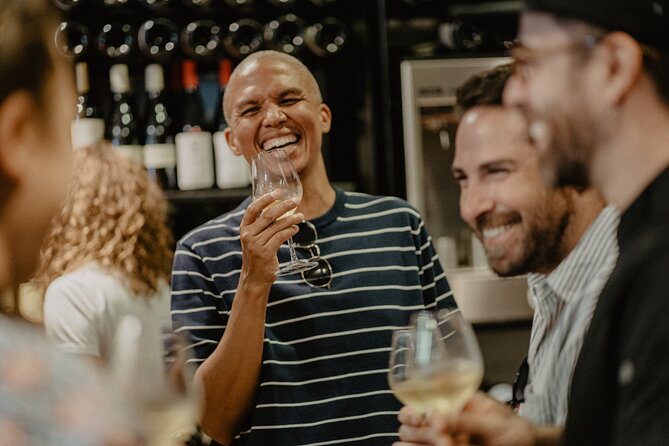
The route continues through the historic center, with the old timber-frame house known as Tour de Serta among the featured sights. Built in 1533 for Capitoul Pierre de Serta, it offers a look at a different side of Toulouse architecture than the grand mansion at the start.
The contrast matters. Hôtel d’Assézat represents wealth expressed in stone and ornament. Tour de Serta points to older urban building traditions and the practical character of the medieval city. You get a more complete picture by seeing both.
The Church of the Jacobins is also included as a sightseeing stop. Its history and architecture add another layer to the walk, especially after the tour has already moved from merchant wealth to fire and city building. The exact order can shift with shop hours and the day of the week, so do not treat the printed sequence as a minute-by-minute schedule.
This section is more about looking closely than eating a large dish. The food is used as a bridge between sites, while the buildings supply the setting. That balance keeps the tour from becoming a succession of snacks with no sense of place.
More Food Trips in France:
- Avignon: Historic District Guided Food & Wine Walking Tour
★ 4.8 · 84 reviews - Bordeaux Historic and Gourmet Food Walking Tour
★ 4.5 · 82 reviews - Historical Center, Bordeaux Food Tour
★ 5.0 · 33 reviews - Amsterdam Food and Cultural Tour with Tastings
★ 5.0 · 4,315 reviews
Place du Capitole and Toulouse’s modern identity
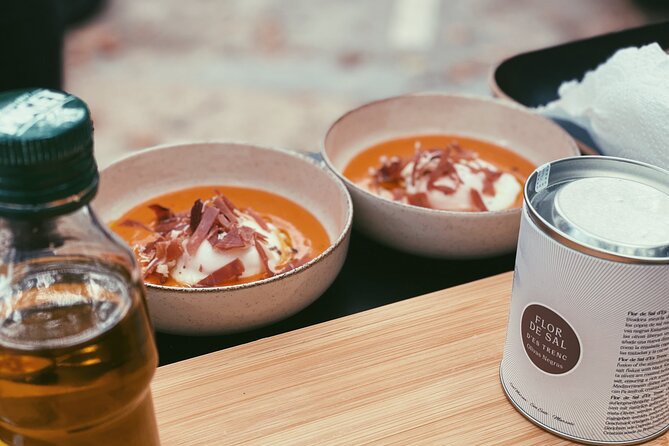
Place du Capitole is the city’s grand public square and one of the tour’s major landmarks. Here, Alejandro turns from older Toulouse to the city’s aviation and aerospace story.
Toulouse became a major center for aviation and is now home to Airbus headquarters. That may seem like a sharp turn from pastry and sausage, but it helps explain that Toulouse is not only an old southern French city. Its identity also includes engineering, flight, and modern industry.
At this stop, you taste a typical local charcuterie product, made with Porc Noir de Bigorre AOP. This is one of the food highlights for anyone interested in regional ingredients. The designation matters because it identifies a protected product tied to a particular place and production tradition.
The sample also helps distinguish the food culture of southwest France from the lighter, more familiar picture many people carry of French cuisine. Expect sturdy flavors and carefully made pork products, not just croissants and café snacks.
Place Saint-Georges and the real Toulouse sausage
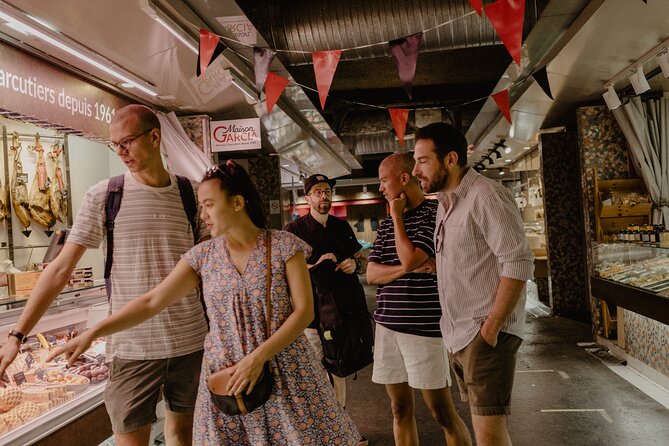
At Place Saint-Georges, the subject turns darker. You hear about a wrongful execution in the 18th century and how the case helped shape political events after the Revolution.
This is exactly the kind of story that can make a walking tour worthwhile. You are not just being shown a pretty square. You are being asked to connect a local event with the wider political changes that affected France.
The food here is more substantial: a main course built around la véritable saucisse de Toulouse, the region’s famous sausage. This is likely to be one of the most filling parts of the tour, especially when added to the pastry, charcuterie, and cheese still ahead.
Food preferences matter at this point. If you do not eat pork, the tour’s central culinary theme will be difficult to enjoy fully, since both the local charcuterie and Toulouse sausage are important parts of the tasting plan. The supplied details do not promise substitutions, so ask before booking if you have dietary restrictions.
Victor Hugo Market, from rampart to car park
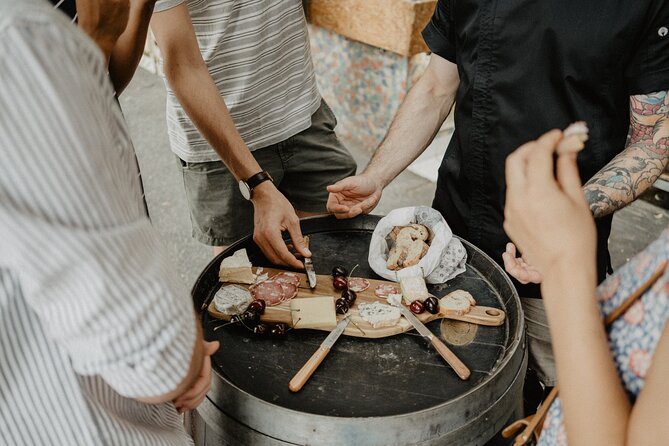
The largest covered market on the route is Marché Couvert Victor Hugo. This stop lasts about an hour, longer than most of the other locations, and gives you time to consider how a city changes over time.
The square began as part of a medieval rampart. It later became an art-nouveau market and then a stark concrete car park. The sequence is a compact lesson in urban planning, fashion, and the practical pressures of modern cities.
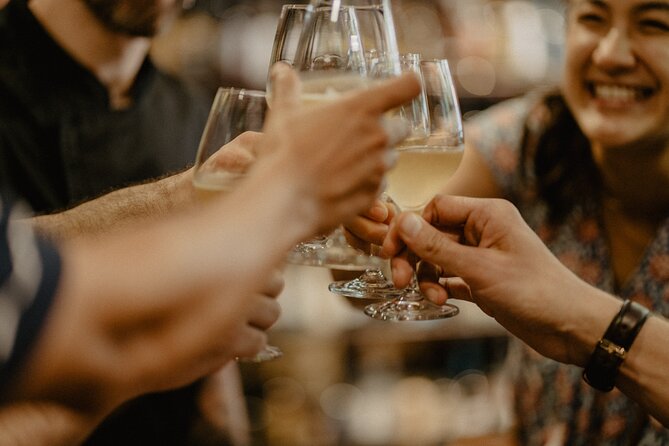
Inside the market, you get the tour’s featured cheese and wine pairing. Alejandro uses artisanal and highly local cheeses, matching them with wine from the area. This is where his chef background is especially useful, since French cheese can feel like a confusing wall of names, textures, and regions.
I would not expect a formal wine class. The value is simpler: you taste a few carefully chosen combinations while learning how to approach French cheese without needing to memorize an encyclopedia. This is a good stop for curious eaters who want guidance rather than a lecture.
The market also gives you a break from the open street, though the tour remains active. You may be standing while eating, and there is no promise of a relaxed restaurant table. One person specifically suggested adding a restaurant stop for a proper rest, so keep that limitation in mind if you prefer long seated meals.
Saint-Sernin and Toulouse’s oldest sweet tradition
The final stop is the Basilica of Saint-Sernin, one of Toulouse’s major religious landmarks. Here, the story reaches back to the city’s first Christian martyr, who resisted the Roman Empire.
The church gives the tour a strong ending because it brings together religion, empire, pilgrimage, and the long memory of the city. By this point, you have heard stories ranging from Roman times to aerospace, with food serving as the thread between them.
The closing taste is a famous Toulouse cake with a recipe said to be more than 2,000 years old. It is described as the city’s oldest and most decadent pastry. That makes it a fitting last bite: sweet, historic, and distinctly tied to Toulouse.
The tour ends at Saint-Sernin rather than returning to Hôtel d’Assézat. That is useful for planning. You finish near one of the city’s key sights, with the rest of the historic center still easy to explore on foot.
How much food do you actually get?
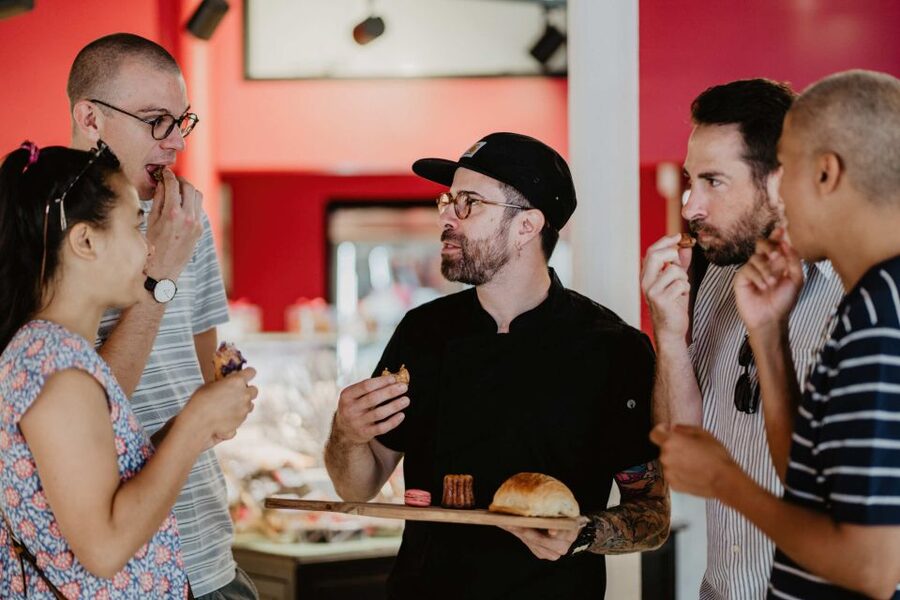
The tour advertises six or more tastings, and the detailed route includes food at nearly every stop. In practice, the portions are intended to add up to a full and filling introduction to Toulouse rather than a few token nibbles.
You may taste:
- A local baked specialty near Hôtel d’Assézat
- A sweet from the town’s oldest pâtisserie
- Porc Noir de Bigorre AOP charcuterie
- A dish built around Toulouse sausage
- Artisanal cheese with wine
- The ancient Toulouse cake
- Additional chef-prepared or shop-selected samples depending on the day
The balance between prepared and purchased food can change. In low season or windy conditions, Alejandro may cook only one dish from his cart, with other items served in restaurants or bought ready-made. In warmer months, the bike cooking element may play a larger role.
That is not necessarily a weakness. Some of the best products in France are made by specialist producers, not by the tour guide. Still, book this for the combination of food, place, and storytelling, not on the assumption that every bite will be cooked from scratch in front of you.
Who will get the most from this tour?
This tour suits you if you want a first-day introduction to Toulouse that covers major sights while helping you understand what to eat. The route gives you useful bearings, and the food recommendations can help with later meals.
It also works well for people who enjoy history but do not want a standard lecture. Alejandro’s strongest skill appears to be connecting a dish to a building, event, or era. That gives the tour a clear rhythm and keeps the information grounded.
Food-focused couples, small groups of friends, and curious solo visitors can all enjoy it, provided the minimum number of two participants is met. Solo bookers should know that if no one else reserves the chosen date, the operator may contact them about joining another date.
Children under 12 are not accepted. The walk is also not suitable for people with mobility impairments. Bring comfortable clothes and an umbrella, though the tour does not operate in rainy weather. You should also carry a passport or ID card as requested in the booking information.
Price, weather, and practical tradeoffs
At $129, the tour costs more than a basic city walk and more than simply eating a pastry and sausage on your own. The price becomes easier to justify if you value four hours of guided context, several substantial food samples, wine, chef preparation, and access to a local food specialist.
The biggest practical risk is weather. This is an outdoor experience through the historic center, and rain can lead to rescheduling or cancellation with a full refund. Toulouse can also be windy, which may reduce the amount of cooking done from the bike.
The route is conducted in English. Starting times vary, so check availability for your date. Cancellation is flexible up to 24 hours in advance, and you can reserve while paying later, which helps if your plans are still shifting.
Allow room for a meal later only if you normally eat lightly. The food is described as generous, and the sausage, charcuterie, cheese, wine, and pastries can easily function as lunch. If you want a quiet sit-down meal, schedule one after the tour rather than expecting it during the walk.
Should you book the Toulouse Food and History Tour?
Book it if you want Toulouse explained through its food, and if you enjoy walking, listening, and tasting at the same time. Alejandro’s cooking background gives the tour a personal angle, while the route covers major sights from Hôtel d’Assézat to Saint-Sernin.
Skip it if you need a fully seated meal, have serious mobility limits, dislike pork-heavy regional cuisine, or want a strictly fixed menu cooked entirely on site. The food preparation can change with season and weather.
For most visitors who have only a short time in Toulouse, I would place this near the start of the trip. You get a useful orientation, a taste of local specialties, and restaurant ideas to guide the rest of your stay. Just arrive ready to walk, wear comfortable shoes, and come hungry.
FAQ
Where does the Toulouse food and history tour start?
It starts in front of Hôtel d’Assézat, home of the Georges Bemberg Foundation, in central Toulouse.
Where does the tour finish?
The tour finishes at Basilique Saint-Sernin de Toulouse.
How long does the tour last?
The advertised duration is four hours. The weather information describes the outdoor journey as three and a half hours, so check the confirmed timing when booking.
Is the tour conducted in English?
Yes. The live guide conducts the tour in English.
What food and drinks are included?
Food and drink samples are included. Tastings can include local pastry, Porc Noir de Bigorre AOP charcuterie, Toulouse sausage, artisanal cheese, wine, and a famous Toulouse cake.
Does the chef cook during the tour?
Chef Alejandro cooks some regional dishes from his bike. The amount of on-site cooking can vary with the season, weather, and shop opening hours.
Does the tour operate in the rain?
No. The tour does not operate in rainy conditions. If rain is forecast, the operator will contact you to reschedule or cancel, with a full refund if the tour is canceled.
Is the tour suitable for children or people with mobility impairments?
The tour is not suitable for children under 12 or for people with mobility impairments. Comfortable clothing is recommended because the activity takes place outdoors and involves walking.
Just added around France
- Medieval Carcassonne: Interactive Ghost Story & City Game★ 3.5 · 33 reviews
- Carcassonne During World War 2★ 5.0 · 127 reviews
- Carcassonne ‘s Medieval Walls: A Self-Guided Tour★ 4.5 · 43 reviews
- Small Group Guided D-Day Tour and Mémorial de Caen Museum★ 5.0 · 237 reviews
- Normandy: Private tour D-Day landing beaches American sector★ 5.0 · 62 reviews
- Mémorial de Caen Museum Admission and Guided Tour of D-Day Sites★ 4.5 · 275 reviews
- Private Day Tour including Normandy Landing Beaches & Battlefields from Caen★ 5.0 · 53 reviews
- Private Bordeaux History Tour with a glass of Bordeaux wine.★ 5.0 · 28 reviews
France History Tours, compared.

Normandy D-Day Sites & Cemetery Day Trip from Paris with Lunch
Read our review →
Paris: Louvre Museum Entry with History of Mona Lisa
Read our review →
Normandy D-Day Small-Group Day Trip with Omaha Beach, Cemetery & Cider Tasting
Read our review →
Normandy D-Day Beaches and American Cemetery Day Trip from Paris
Read our review →
Normandy American D-Day Beaches Full Day Tour from Bayeux
Read our review →
Normandy American D-Day Experience – Group tour from Bayeux
Read our review →
Normandy Beaches Half-Day Afternoon Trip from Bayeux (A2)
Read our review →
Omaha Beach D-Day Experience – Afternoon group tour from Bayeux
Read our review →Browse the lists this tour appears in