
Review · FRANCE
Bordeaux Historic and Gourmet Food Walking Tour
Bordeaux’s food story makes more sense when you walk it. This three-hour tour links grand squares, gates, churches, and the wine trade with small tastings of canelé, chocolate, cheese, and cured ham. You get a useful first look at the old center without trying to cover it at a frantic pace.
I like the small group limit of eight, which gives you a better chance to ask questions and hear your guide. I also like the mix of city sights and shop visits, especially the chocolate stop, where you may see confectioners at work rather than simply buy a box.
The main caution is simple: this may feel more like a historic walking tour with food stops than a full meal-by-meal food tour. Published inclusions promise tastings, snacks at three stops, and a glass of wine, but several past versions also included a more substantial lunch. Ask about the current format if you are booking mainly for quantity.
Key points to know before booking
- Three stops, not an all-day grazing tour: Expect small tastings of French specialties, with the exact amount and selection subject to change.
- Bordeaux history is a major part of the walk: The route includes monuments, old streets, the cathedral, and places tied to the city’s wine trade.
- The chocolate stop can be the highlight: Some versions have included a look at a historic chocolate workshop and explanations of how chocolate is made.
- A small group makes the walk personal: The maximum is eight people, and past guides including Quentin, Crystal, Theo, Rémi, Julie, and Deborah have received especially warm praise.
- The pace is leisurely: You have time to look around, though the tour still requires moderate physical fitness.
- It starts and ends at the Girondins column: Meet at 9:30 am at 2792 Place des Quinconces, with no hotel pickup or drop-off.
A food walk that also teaches you Bordeaux
I like this tour because it gives you two ways to understand Bordeaux at once. You see the city’s major landmarks, then pause to taste the food that belongs to the region. The connection between commerce, wine, and daily eating is more useful than a simple procession of monuments.
Bordeaux is often introduced through its wine, but wine alone can make the city feel grand and distant. Canelé, chocolate, cheese, bread, and cured meat bring the place down to street level. You learn what people buy, share, and serve, not just which building was built in which century.
The tour begins at the Girondins column in Place des Quinconces. This is a large and easy-to-recognize meeting point, though the address can look a little confusing on a phone map. I would arrive early, confirm the exact column, and avoid cutting it close at 9:30 am.
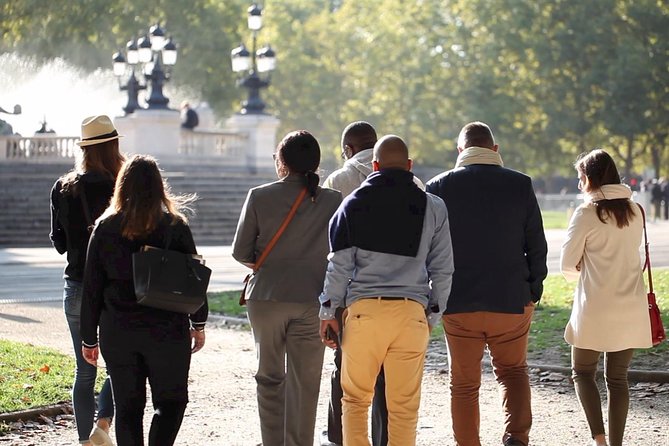
The route then moves through Bordeaux at a relaxed pace. That matters because the old center is best seen slowly. You have time to look up at the stone façades, notice details around the squares, and listen without trying to keep up with a fast-moving group.
More History Walking Tours in France
- Paris: Dark History and Ghostly Guided Walking Tour
★ 4.7 · 1,000 reviews - Vieux Lyon Cultural & Historical Walking Guided Tour (English)
★ 5.0 · 942 reviews - Strasbourg: Guided Historical Neighborhoods Walking Tour
★ 4.9 · 275 reviews
Canelé first, then Bordeaux’s grand old center
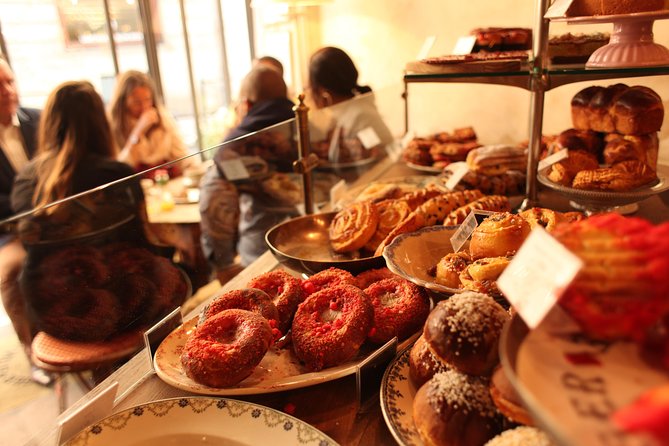
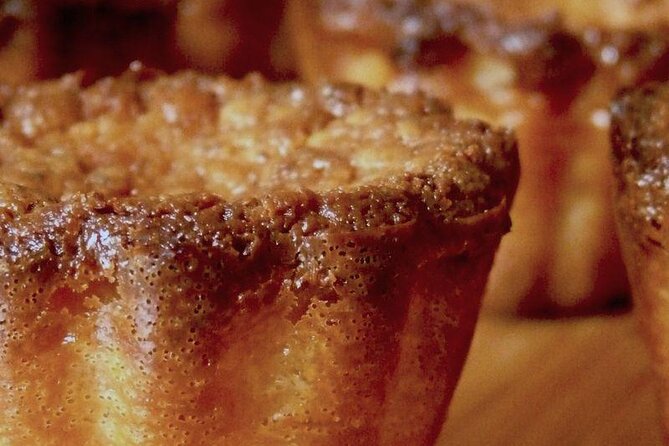
One of the early tastings is canelé, the small Bordeaux pastry with a dark, caramelized outside and soft center. It is a fitting opening bite because canelé is closely tied to the city, and it gives you something local before the walking really gets going.
The exact serving size is modest. One past account described receiving a single small canelé, while other versions have included pastries and coffee. You should enjoy the tasting for what it is, not expect a bakery breakfast large enough to replace a meal.
From there, the guide places the pastry in context as you walk among Bordeaux’s historic squares and monuments. The route includes old parts of the city, gates, streets, and important public buildings. A guide who handles this well can turn the walk from a list of names into a clear story about how Bordeaux developed.
The city portion is one of the strongest reasons to book. Guides such as Quentin, Crystal, Theo, Rémi, Julie, and Deborah have been praised for making the history easy to follow and for answering questions. Guide quality can vary, of course, but the small group gives a good guide room to make the walk feel personal.
The cathedral and Camille Jullian’s place in the story
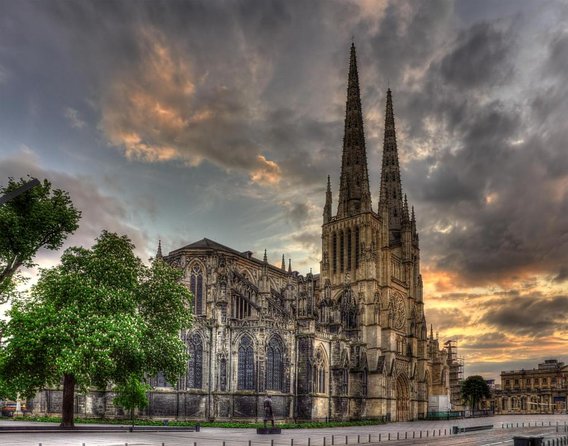
The route includes Bordeaux’s most important cathedral, a natural pause in a morning devoted to architecture and history. The cathedral stop adds scale to the tour. After small food shops and narrow streets, you get a sense of the religious and civic power that shaped the old city.
Camille Jullian is also part of the route. He was a famous archaeologist of Bordeaux, and his connection to the city gives the guide another way to explain how Bordeaux’s earlier layers were studied and understood.
The precise order of these stops can change, so I would not treat the itinerary as a rigid checklist. The value is in the combination: a major church, old streets, public monuments, and the food businesses that keep the center alive today.
This section may be less satisfying if you want to spend most of the three hours eating. The tour takes time to explain Bordeaux, and that is why it works best for someone who wants an introduction to the city as well as a taste of local specialties.
Three food stops with different rewards
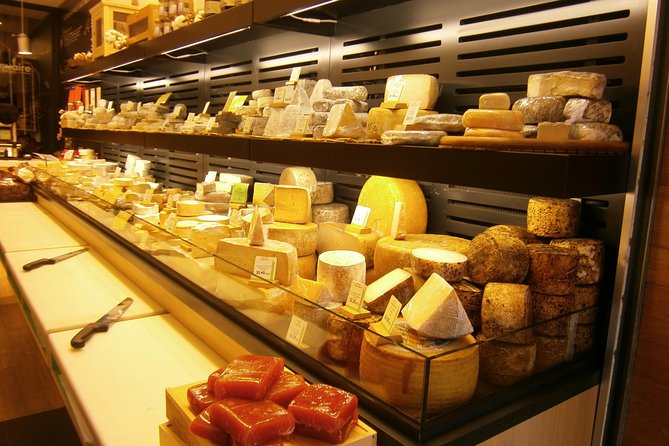
The tour visits three local food shops or tasting locations. The stated food focus includes French staples, regional cheeses, dry ham from South West France, chocolate, pastries, and wine. The selection is designed to show range rather than give you one large dish.
The cheese stop is a good example. You may taste several cheeses and learn how they differ, then possibly choose a few favorites to enjoy later, depending on the version of the tour and the shop arrangement. One past format included three cheeses and access to a wider cellar selection.
The cured meat tasting adds a savory counterpoint to the sweets. The tour description emphasizes dry ham from the South West, though one past tasting included Spanish Iberian ham. That is not necessarily out of place in a border region with strong Spanish culinary ties, but it can surprise anyone expecting only strictly French products.
The chocolate stop receives the most consistent praise. Some versions have included a historic chocolate shop dating to the 1800s, with a look at the work area and an explanation of the process from cocoa bean to finished sweet. You may sample several varieties and see the craft behind the display.
This is more interesting than simply stopping at a retail counter. It gives you a reason to taste carefully and ask questions. It also makes the stop useful for choosing gifts, though purchases are not included in the tour price.
Same city, a different century:
- Normandy D-Day Sites & Cemetery Day Trip from Paris with Lunch
★ 5.0 · 6,877 reviews - Paris: Louvre Museum Entry with History of Mona Lisa
★ 3.9 · 2,823 reviews - Normandy D-Day Small-Group Day Trip with Omaha Beach, Cemetery & Cider Tasting
★ 5.0 · 2,786 reviews - Normandy D-Day Beaches and American Cemetery Day Trip from Paris
★ 4.5 · 2,673 reviews
Wine explains why Bordeaux became Bordeaux
Wine is not just an extra drink on this walk. It helps explain Bordeaux’s growth, wealth, and relationship with the wider world. The guide connects the wine industry to the city’s past, giving you a better frame for the grand architecture around you.
The published inclusions specify alcoholic beverages and a wine glass. Past formats have included three wines, such as a red, a dry white, and a sweet white, paired with cheeses. Do not assume every departure offers the same number of pours, but wine is clearly part of the experience.
This tasting is useful even if you are not a serious wine fan. Bordeaux is easier to understand when you see how wine shaped trade and local identity. If you dislike sweet wine, you may find a sweet white less appealing, but tasting it gives you a chance to compare styles rather than simply drink a familiar red.
The tour is offered in English. That makes it a practical choice for visitors who want food and city context without needing strong French. Several guides have been praised for clear English and for being patient with questions.
Is there lunch at the end?
This is the point where you should read the inclusions carefully. The formal description promises tastings, snacks at three stops, and wine. It does not clearly promise a full lunch.
Several past versions of the experience ended with a meal at a provider dining room or apartment-style wine tour office. Descriptions of that format included quiche Lorraine, salad, charcuterie, bread, cheese, sweets, and wine. Some people found it plentiful and a fitting finish after the walk.
That format sounds excellent, but I would not book on the assumption that a full lunch is guaranteed. The food experience may depend on the current supplier arrangements, date, or tour format. If you need a substantial meal, eat a light breakfast and confirm what is currently included before paying.
This uncertainty also explains the mixed value assessments. Someone expecting a full food crawl could feel disappointed by a canelé, a little chocolate, and a few pieces of ham. Someone expecting a city tour with well-chosen tastes may find the amount just right.
The pace, group size, and practical side
The tour lasts about three hours and begins at 9:30 am. It ends back at the meeting point, so you are not left across town searching for your hotel or the next activity.
The group maximum is eight people. That is a real advantage in food shops, where a large group can crowd the counter and make conversation difficult. A small party also lets the guide adjust the amount of history, food talk, and questions to suit the group.
You need moderate physical fitness. This is a walking tour through the city, not a seated tasting. Wear comfortable shoes, and remember that Bordeaux weather can change. One successful outing took place in pouring rain, but even an enthusiastic guide cannot keep wet streets from affecting the experience.
There is no hotel pickup or drop-off. The meeting point is near public transportation, so reaching Place des Quinconces should be manageable, but you are responsible for getting there on time.
The tour uses a mobile ticket, and confirmation is provided when you book. It is offered in English only. If there is just one person booked, the operator may cancel because at least two participants are required. In that case, you should receive a full refund or be offered another date or experience.
What the $103.78 price really buys
At $103.78 per person, this is not a cheap way to grab a few snacks. You are paying for a guide, a structured route through central Bordeaux, access to food shops, tastings, and wine, with a maximum of eight people.
The value is strongest if you would otherwise pay for a separate city walk and then spend time finding good pastry, chocolate, cheese, and wine stops on your own. The guide ties these pieces together and saves you from guessing which shops are worth your time.
The price is weaker if you mainly want a large lunch. Small tastings can feel thin for the cost, especially if the current version does not include the more substantial meal described in some past formats.
I would compare the tour with what you want from a food experience. For an introduction to Bordeaux with food along the way, the price can make sense. For a long, dish-heavy eating tour, it may not.
Who will enjoy this Bordeaux walk most?
I would choose this for a first morning in Bordeaux. It helps you get your bearings, introduces the central sights, and gives you ideas for later meals and purchases. Afterward, you will have a better sense of which foods and neighborhoods deserve more of your time.
It also suits couples, friends, and solo visitors who prefer small groups. The maximum of eight makes it easier to talk with the guide and other participants than on a large coach-style excursion.
Food-minded history fans are the natural audience. You get the cathedral, monuments, old streets, Camille Jullian, and the wine story, but you also stop for something to eat at regular intervals.
I would hesitate if you are very hungry, need a full lunch, or want to spend nearly the entire tour inside kitchens and shops. The walking and history are not filler. They are half of the experience.
Should you book it?
Book this tour if you want a gentle introduction to Bordeaux that combines landmarks, wine, and regional food. The chocolate stop, small group, and strongest guides can make it a memorable morning, and the city context gives the tastings more meaning.
Before booking, confirm how much food is included on your date. If the current version includes the quiche, charcuterie, cheese, salad, and wine meal described in some past formats, the value improves sharply. If it consists only of small samples, plan to eat afterward.
The cancellation policy is flexible if your plans change: cancel at least 24 hours before the start time for a full refund. I would book it early if the timing suits you, since it is often reserved about 29 days ahead, but I would still verify the meeting details and current food format before committing.
FAQ
Where does the Bordeaux food tour start?
It starts at 2792 Place des Quinconces, 33000 Bordeaux, France, by the Girondins column.
What time does the tour begin?
The tour begins at 9:30 am.
How long does the experience last?
It lasts approximately three hours.
Is the tour offered in English?
Yes. The tour is offered in English.
What food and drink are included?
The experience includes tastings and snacks at three different stops, with foods such as canelé, chocolate, cheese, dry ham, and wine. The published inclusions specify alcoholic beverages and a wine glass.
What happens if the tour does not reach the minimum number of participants?
The operator requires at least two participants. If the tour is cancelled because that minimum is not met, you will be offered another date or experience, or receive a full refund.
More Food Trips in France
- Avignon: Historic District Guided Food & Wine Walking Tour
★ 4.8 · 84 reviews - Toulouse Food & History Tour with a Chef (in English)
★ 5.0 · 59 reviews - Historical Center, Bordeaux Food Tour
★ 5.0 · 33 reviews - Amsterdam Food and Cultural Tour with Tastings
★ 5.0 · 4,315 reviews
More Food and Drink Trips in France
- Toulouse Food & History Tour with a Chef (in English)
★ 5.0 · 503 reviews - From Strasbourg: Medieval Villages & Wine Tasting Day Trip
★ 4.8 · 329 reviews - Nice : Wine Tasting at a Historic Château in a Land Rover !
★ 4.9 · 156 reviews - Nice: Sunset & Wine Tasting in a historic Land Rover
★ 5.0 · 91 reviews
Just added around France
- Medieval Carcassonne: Interactive Ghost Story & City Game★ 3.5 · 33 reviews
- Carcassonne During World War 2★ 5.0 · 127 reviews
- Carcassonne ‘s Medieval Walls: A Self-Guided Tour★ 4.5 · 43 reviews
- Small Group Guided D-Day Tour and Mémorial de Caen Museum★ 5.0 · 237 reviews
- Normandy: Private tour D-Day landing beaches American sector★ 5.0 · 62 reviews
- Mémorial de Caen Museum Admission and Guided Tour of D-Day Sites★ 4.5 · 275 reviews
- Private Day Tour including Normandy Landing Beaches & Battlefields from Caen★ 5.0 · 53 reviews
- Private Bordeaux History Tour with a glass of Bordeaux wine.★ 5.0 · 28 reviews
France History Tours, compared.

Normandy D-Day Sites & Cemetery Day Trip from Paris with Lunch
Read our review →
Paris: Louvre Museum Entry with History of Mona Lisa
Read our review →
Normandy D-Day Small-Group Day Trip with Omaha Beach, Cemetery & Cider Tasting
Read our review →
Normandy D-Day Beaches and American Cemetery Day Trip from Paris
Read our review →
Normandy American D-Day Beaches Full Day Tour from Bayeux
Read our review →
Normandy American D-Day Experience – Group tour from Bayeux
Read our review →
Normandy Beaches Half-Day Afternoon Trip from Bayeux (A2)
Read our review →
Omaha Beach D-Day Experience – Afternoon group tour from Bayeux
Read our review →Browse the lists this tour appears in