
Review · IRELAND
The Queenstown Story @ Cobh Heritage Centre , Great Stories of Emigration.
Cobh Heritage Centre tells Ireland’s emigration story in the very railway station where many people began the last leg of their journey to the ships. You follow individual lives through exhibits on the Colonies, the West Indies, the Great Famine, and later departures to America and beyond. The presentation feels personal, not just a list of dates.
I like the interactive approach, including the option to follow an assigned emigrant and try Morse code. I also like the location: the centre is only a few minutes from Cobh railway station and extremely close to the cruise pier. The main consideration is that this is largely a self-guided museum visit, not a live, guided tour, and the genealogy service may not be staffed when you arrive.
Key points to know
- Follow one emigrant’s story: The exhibits can give you a personal thread through a large subject.
- Allow 60 to 100 minutes: The advertised visit is about an hour, but the displays reward a slower pace.
- Close to the cruise pier: The centre is less than 200 yards from the ship landing area.
- More than Titanic: The museum covers centuries of emigration, the Great Famine, maritime history, and the Lusitania.
- Useful extras: A café, gift shop, genealogy consultant, and access to Ancestry.com may add value.
- Skip-the-line access: A prepaid ticket can help at busy times, though there may be little or no queue.
A Victorian station with a painful story
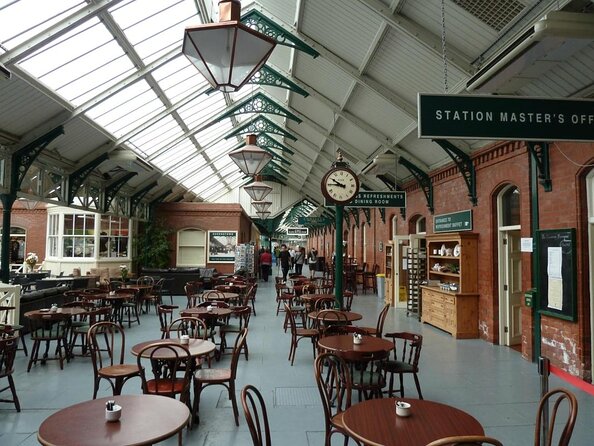
The visit begins inside a restored Victorian railway station at Deepwater Quay. The building matters because it was part of the transport system that carried Irish emigrants toward the ships. You are not entering an anonymous modern museum. The setting gives the subject an immediate sense of place.
The centre begins in the 1600s, when people left Ireland for the American Colonies and the West Indies. From there, the displays move forward through different periods and destinations. The focus is not limited to one famous ship or one decade. You see how departure from Ireland changed over time and how the port connected local lives with events far beyond Cobh.
I appreciate that the story begins before the Great Famine. That wider frame helps you understand that Irish emigration had many causes and took place over several centuries. The famine receives an important section, but it is part of a longer story rather than the only explanation offered.
The displays follow the lives of more than three million Irish emigrants. That figure is large, but the museum’s strongest device is its attempt to bring the subject back to one person at a time. You may be given the name of an emigrant to follow through the centre, almost as if you are tracing that person’s choices and hardships.
More History Tours in Ireland:
- Dublin Historical Centre Food Tour with 8 Food Tastings & Drinks
★ 5.0 · 1,718 reviews - 2-Hour Historical Walking Tour from Dublin
★ 5.0 · 875 reviews - Celtic Boyne Valley & Ancient Sites Day Tour From Dublin
★ 4.5 · 865 reviews
Following an emigrant through the displays
The assigned-emigrant idea is one of the best features for visitors who might otherwise feel lost in a museum filled with dates and names. Instead of reading every panel in a random order, you have a personal thread to follow. It gives children and adults a clear reason to stay engaged.
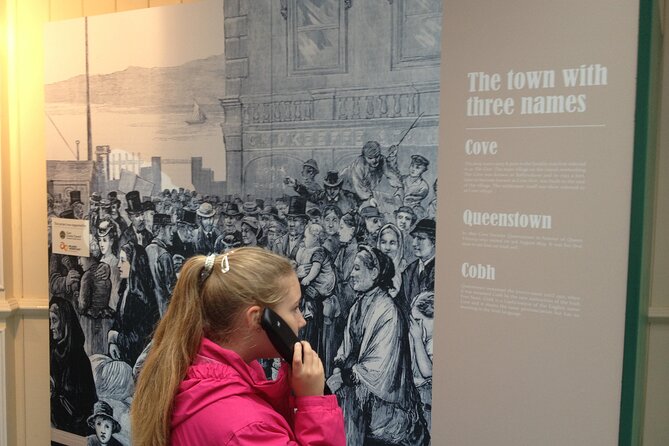
The presentation uses a mix of reading, audio, film, and interactive material. That variety matters because the subject can be emotionally heavy. You are not asked to absorb wall after wall of text without a break. The displays let you listen, watch, and take part as well as read.
One hands-on feature lets you learn how to type Morse code. It is a small activity, but it connects the museum’s human stories to the practical world of communication at sea. It can also give younger visitors something active to do while adults spend more time with the historical panels.
The museum is self-guided, so you control the pace. You can move quickly through familiar material, pause over a family connection, or return to an exhibit that deserves more thought. A useful advantage is the reported option to leave and return on the same day, though you should confirm the current arrangements when you arrive.
Plan on about an hour for a straightforward visit. If you read most of the displays, try the interactive sections, and stop at the café, 90 to 100 minutes feels more comfortable. If you have only two hours in Cobh, the centre can fit well, but you will want to keep an eye on the clock.
The Great Famine and the meaning of departure
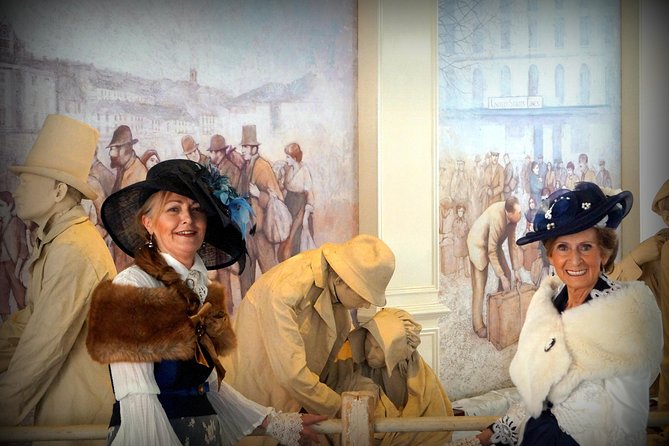
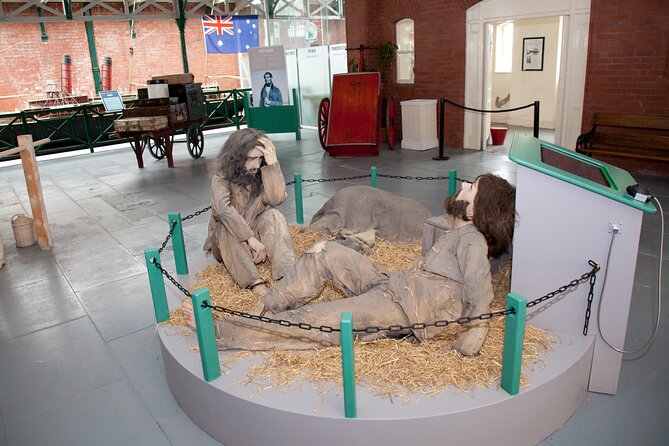
The Great Famine section gives the museum its emotional centre. It explains a period when leaving Ireland was not simply a matter of adventure or personal ambition. For many people, emigration was tied to hunger, poverty, limited choices, and the need to build a life elsewhere.
This part of the visit can be sad. The museum presents the scale of departure, but it also keeps attention on the people affected. You see how leaving could mean separation from family and home, with no certainty of return. That human focus is why the centre can feel especially powerful for people with Irish ancestry.
You should not expect a full study of every social and political issue in Irish history. The centre has a clear purpose: it explains emigration and Cobh’s role in that story. Within that scope, it gives you useful context before you walk through town and see the harbor for yourself.
The experience may be particularly meaningful if you know that a parent, grandparent, or great-grandparent left through Cobh. One person described the visit as a way to understand a great-grandmother who departed in the 1890s. Another found the genealogy service useful while tracing a grandfather who left Ireland for America.
You do not need a known family connection to benefit. The displays explain why so many people left, where they went, and how the port functioned. Still, an ancestor’s name or departure date can turn the museum from a general history stop into a personal visit.
Titanic, Lusitania, and Cobh’s maritime role
Cobh is closely linked with the Titanic, and the museum includes that connection. It also covers the Lusitania and the port’s wider maritime and military past. These sections are useful because they place famous events within the working life of the harbor.
The Titanic material is not the whole attraction. That is important if you are choosing between this centre and a more narrowly focused Titanic experience nearby. Here, the ship stories sit inside a much larger account of movement through the port.
The centre’s location makes this easy to combine with other Cobh sights. The cruise pier is extremely close, and the railway station is about a four-minute walk away. The Titanic attraction is also only a few minutes farther on foot. If you arrive by train from Cork, the journey takes about 25 minutes, followed by a short walk to the centre.
That arrangement makes the museum a practical first stop. You can begin with the long story of emigration, then continue into town and look at Cobh’s harbor setting with the museum’s context in mind. If you are visiting on a cruise call, the short distance from the ship helps reduce transport worries.
Same city, a different century:
- Historical 2-Hour Guided Walking Tour of Dublin
★ 4.7 · 865 reviews - From Dublin: Celtic Boyne Valley and Ancient Sites Tour
★ 4.5 · 618 reviews - Dublin to Cork, Blarney Castle & Cóbh Heritage Centre by train
★ 4.5 · 510 reviews - Dublin: Jeanie Johnston Tall Ship Irish Famine History Tour
★ 4.8 · 431 reviews
What the $18.15 ticket is worth
At about $18.15 per person, this is a reasonable paid museum visit if you spend enough time with it. The value comes from more than the entrance itself. You get a structured account of centuries of Irish emigration, interactive exhibits, maritime sections, and access to a building with a direct connection to the port.
The price makes less sense if you plan to rush through in 20 minutes. The centre is not a quick photo stop. Give it at least an hour, and the cost becomes easier to justify. A 90-minute visit, followed by time in the café or gift shop, makes the admission feel stronger.
Skip-the-line entry can also be useful during busy periods, especially when a cruise ship is in port. That said, you should keep expectations realistic. One person found no queue and noticed that prepaid and walk-up visitors appeared to use the same general route. In a quiet period, buying ahead may save little time.
The ticket offers free cancellation if you cancel at least 24 hours before the start time. Changes or cancellations inside that 24-hour window are not accepted for a refund. This gives you some flexibility when planning around train times, weather, or a ship schedule.
Café, genealogy help, and the practical extras
The café is a genuine part of the visit rather than an afterthought. You can stop for coffee, tea, and an Irish scone with cream and jam. If someone in your group finishes the displays early, the café gives that person somewhere pleasant to wait.
The gift shop adds another small reason to allow extra time. You might find books, souvenirs, and items connected with Cobh and Irish heritage. Food and drinks are not included in the ticket, so budget separately if you want refreshments.
A genealogy consultant is available inside the centre, with access to Ancestry.com noted as part of the facility. This could be valuable if you arrive with family names and dates ready to check. Do not assume the consultant will be at the desk all day, though. One visit found the genealogy desk unattended, and the booking information does not provide a way to reserve an appointment in advance.
For the best chance of making the service useful, bring whatever family information you already have. Names, approximate dates, towns, and departure details can help you ask focused questions. The centre can support family research, but it should not be treated as a guaranteed private genealogy appointment.
The building itself has high ceilings and Victorian character. Practical details also receive attention: the bathrooms have been described as clean, and service animals are allowed. The centre is near public transportation, and most people can take part without special arrangements.
Timing your visit from Cork or a cruise ship
If you are staying in Cork City, the train is a simple option. The ride to Cobh takes about 25 minutes, and the centre is roughly four minutes from the station. That makes this an easy independent outing without arranging a private vehicle.
From a cruise ship, the location is even more convenient. The centre is less than 200 yards from the ship landing area, so you can reach it on foot with little wasted time. Check your ship’s required return time carefully, then allow room for the museum, a walk through Cobh, and the return to the pier.
The stated opening period runs from September 1 through December 30, 2026, with opening hours listed as 9:30 a.m. to 4 p.m. daily. Check the current hours before setting out, since a narrow closing window can affect a late-arriving cruise visit.
The maximum group size is listed as 40 people, but the museum visit itself is independent. That means you are not tied to a guide’s pace or a fixed sequence. It also means you should read the signs and use the audio or interactive material on your own.
The listing includes a driver or guide, but the actual centre experience is presented as self-guided. If you specifically want a live person explaining every room, this may not meet your expectations. A walking tour with a guide named Aideen was praised in connection with a broader Cobh visit, but that is separate from the independent museum route described here.
Who will get the most from this Cobh visit
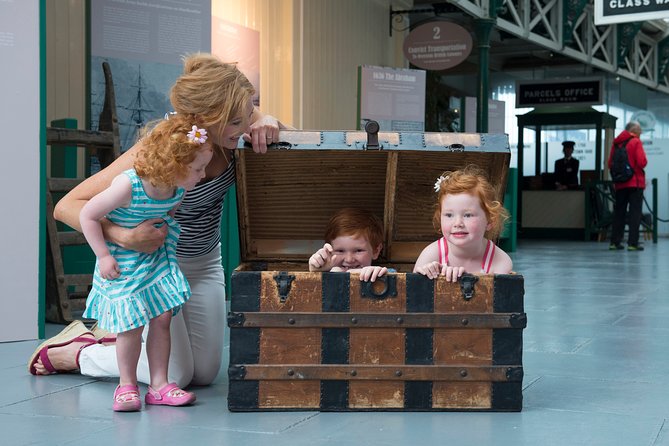
I would choose this centre for anyone interested in Irish family history, the Great Famine, migration, or the working story of Cobh’s port. It is also a strong choice for a first visit to Cobh because it gives you context before you explore the town.
Families can use the interactive material and Morse code activity to break up the reading. Children who are not drawn to historical panels may still need encouragement, since much of the visit depends on reading and listening.
Cruise passengers are especially well served by the location. You can reach the entrance quickly, spend an hour or more inside, and still have time for Cobh’s streets and waterfront. The close position also makes it a safer choice than an attraction that requires a long taxi ride.
You should think twice if your sole interest is the Titanic. This centre includes Titanic material, but its real subject is Irish emigration across the centuries. Choose it for the larger story, then consider the nearby Titanic attraction if you want a more focused treatment.
Should you book The Queenstown Story?
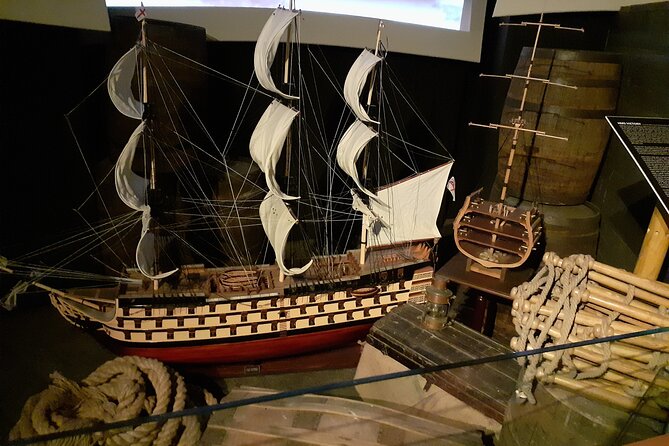
Yes, if you want a thoughtful and practical introduction to Cobh’s role in Irish emigration. The personal emigrant trail, the Great Famine displays, and the links with Titanic and Lusitania give the visit more weight than a simple port museum.
I would book ahead if you are visiting during a busy cruise period or if you value the cancellation option. If you are arriving at a quiet time, you may find no queue, so the skip-the-line benefit could be minor. Either way, plan for at least an hour, and closer to 90 minutes if you want to read carefully and use the interactive exhibits.
Bring any family information you have, but do not rely on the genealogy desk being staffed. Finish with a scone and coffee if time allows, then walk into Cobh with a clearer sense of the people who passed through this harbor before you.
FAQ
How long does The Queenstown Story visit take?
The visit is advertised as about one hour, but you can spend 90 to 100 minutes if you read the displays, use the interactive features, and stop at the café.
Is the visit guided?
The museum route is self-guided. The booking information also lists a driver or guide as included, but the actual exhibition is designed for independent exploration.
What subjects does the museum cover?
It covers Irish emigration from the 1600s onward, the Great Famine, the destinations where emigrants settled, Cobh’s maritime and military role, and the town’s connections with Titanic and the Lusitania.
How close is the centre to the cruise pier?
The centre is less than 200 yards from the ship landing area, making it a convenient stop for cruise passengers.
Can I use public transportation to reach the centre?
Yes. The centre is near public transportation, and it is about a four-minute walk from Cobh railway station. The train from Cork City takes about 25 minutes.
Can I cancel my booking for a refund?
You can cancel for a full refund up to 24 hours before the experience start time. Cancellations or changes made less than 24 hours beforehand are not refunded or accepted.
Just added around Ireland
- Historic Cork Delicious Donut Adventure by Underground Donut Tour★ 5.0 · 232 reviews
- Visit 16 Sites Key Historical Sites And Experience Cobh Rebel Tours★ 5.0 · 167 reviews
- Galway: Dark History Guided City Walking Tour★ 4.8 · 236 reviews
- Kilkenny: Historical Highlights Walking Tour★ 4.9 · 90 reviews
- Kilkenny: Historical and Hysterical Guided City Walking Tour★ 5.0 · 126 reviews
- Galway: Connemara, Sheepdog Show and Medieval Castle Tour★ 5.0 · 24 reviews
- Wicklow Historic Gaol: 1-Hour Tour★ 4.4 · 56 reviews
- Dublin: LGBT Pride Walking Tour with Queer History★ 5.0 · 24 reviews
Ireland History Tours, compared.

Dublin Historical Centre Food Tour with 8 Food Tastings & Drinks
Read our review →
Historical 2-Hour Guided Walking Tour of Dublin
Read our review →
Celtic Boyne Valley & Ancient Sites Day Tour From Dublin
Read our review →
From Dublin: Celtic Boyne Valley and Ancient Sites Tour
Read our review →
Dublin to Cork, Blarney Castle & Cóbh Heritage Centre by train
Read our review →
Dublin: Jeanie Johnston Tall Ship Irish Famine History Tour
Read our review →
Browse the lists this tour appears in