
Review · DUBLIN
Historical 2-Hour Guided Walking Tour of Dublin
Dublin’s past is complicated, and this two-hour historical walk gives you a useful way into it without sending you to a museum bench. You move through Dublin Castle, Temple Bar, City Hall, and the Medieval City while the guide connects places, people, and events from the Stone Age to Brexit.
I like the guides’ academic background, especially when it is paired with humor, songs, personal stories, and a clear sense of place. I also like the route’s compact format, which lets you see major sights early in a Dublin visit. The drawback is that two hours can feel tight for such a long story, and the amount of names and dates may feel more like a lively class than a casual stroll.
Key points to know before booking
- History graduates lead the walk: Guides from Trinity College Dublin and University College Dublin explain events with academic depth and an easy manner.
- The route covers Dublin’s historic core: You visit Dublin Castle, Temple Bar, City Hall, and the Medieval City.
- Modern Ireland is part of the story: The tour reaches the 1916 Rising, the War of Independence, the Northern Ireland Peace Process, and Brexit.
- Guide personality matters here: Daragh, Jodie, Colm, Jody Fitzpatrick, Eoin, Grace, Nate, and Tommy have all been praised for wit, energy, singing, and strong storytelling.
- Bring comfortable shoes: The walk lasts two hours and includes stops around the city rather than a single indoor presentation.
- It costs $22 per person: That is fair value if you want historical context as well as a quick introduction to central Dublin.
Dublin’s history told from the street
The best thing about this tour is its basic idea: Dublin’s history is explained where it happened, or at least where its remains and reminders can still be seen. Instead of treating the city as a collection of pretty buildings, the guide uses streets, statues, walls, and public spaces to explain how Ireland changed over time.
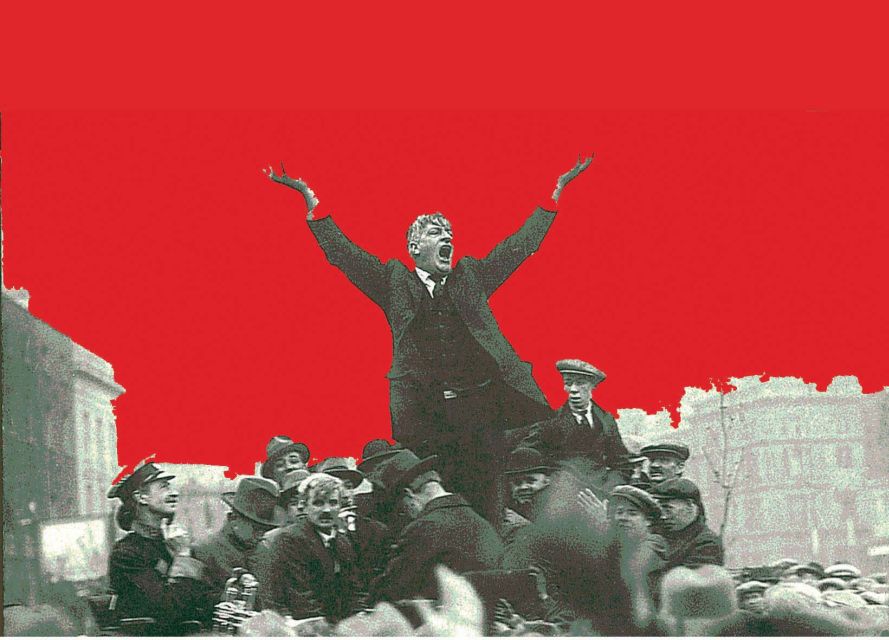
You hear about the influence of the American and French revolutions, the Potato Famine, the 1916 Rising, and the War of Independence. The tour also moves into the Northern Ireland Peace Process and modern Dublin, so you are not left with an old-fashioned picture of Ireland frozen in the past.
I find that range useful because Irish history can be hard to organize. The events overlap, political terms can be confusing, and the same places often carry several layers of meaning. A strong guide helps you place those pieces in order and shows why Dublin mattered in each period.
The tour is also plainly designed to entertain. Guides use wit and, at times, songs linked to the events being discussed. Jody Fitzpatrick has been noted for turning a story that runs from the Stone Age to Brexit into something lively, while Colm has used music and personal anecdotes to bring events closer to the present.
More History Walking Tours in Ireland
- 2-Hour Historical Walking Tour from Dublin
★ 5.0 · 875 reviews - Dublin’s Haunted History Walking Tour
★ 4.3 · 345 reviews - Deliciously Dublin: The Artisan Donut Walking & History Tour
★ 5.0 · 329 reviews
Meeting at the Henry Grattan Statue
The walk begins at the Henry Grattan Statue opposite the front gate of Trinity College Dublin. This is a practical meeting point in central Dublin, and your guide wears an Authenticity Tours lanyard or badge around the neck.
Arrive ready to walk rather than expecting a coach, a seated lecture, or a series of long indoor visits. The tour ends back at the same meeting point, which makes it easier to plan before or after another central Dublin activity.
The opening location also sets the tone. Trinity College is closely tied to Dublin’s intellectual and political life, and the statue gives the guide a natural place to begin discussing the people and ideas that shaped Ireland. The information provided does not specify a fixed speech at the statue, so the exact opening may vary by guide.
This is a live English-language tour. If you are still building confidence with spoken English, keep in mind that the presentation can contain many names, dates, and political references. One useful approach is to focus on the big sequence of events first, then ask questions when the guide pauses.
Dublin Castle and the Medieval City
Dublin Castle is one of the main historical anchors of the walk. It helps explain the long reach of English and British rule in Ireland, and it provides a setting for discussing political authority in Dublin.
You should understand one important limit before booking: entrance to the State Apartments at Dublin Castle is not included. The tour can still show you the castle area and explain its role, but this experience is not a substitute for a separate interior visit if you want to see the State Apartments.
The Medieval City adds another layer. Here, the guide can help you picture Dublin before the modern streets and grand civic buildings took shape. Rather than treating the medieval area as a backdrop for photographs, the walk gives it a place in the wider story of how Dublin grew and changed.
I like this part of the route because it gives you physical contrast. Dublin’s story is not only about the events of the last few centuries. The older city helps you see that political struggles, religious change, trade, and urban growth all left marks on the same relatively compact center.
The exact order of stops can depend on the guide and the day, so do not treat the route as a rigid checklist. The important point is that the castle, medieval streets, City Hall, and Temple Bar are used together to create a connected story.
Temple Bar, City Hall, and the city you see today
Temple Bar is one of Dublin’s best-known areas, but a quick photo stop tells you little about its past. On this walk, the area forms part of a wider discussion about the city, its buildings, and the way Dublin has changed.
City Hall offers another useful stop because civic buildings help explain how the city was governed and represented. The route uses these central places to move from medieval Dublin toward the political and social pressures that shaped modern Ireland.
You may also notice small physical details that are easy to miss alone. One especially good example is the mention of bullet holes, which connect ordinary-looking buildings and surfaces with the violence of Ireland’s political struggles. The tour is at its best when it points out such details and explains why they matter.
The modern portion also includes the effect of the Northern Ireland Peace Process. That gives you a chance to hear how a long conflict affected Ireland beyond the headlines. The tour does not stop in Northern Ireland, of course, but it uses Dublin to explain the wider political story and its continuing importance.
More History Walking Tours in Dublin:
- Walking Tour of Dublin’s Viking/Medieval Quarter with a Viking
★ 5.0 · 171 reviews - Dublin: Macabre History Walking Tour
★ 4.9 · 95 reviews - Dublin Private Medieval Walking Tour
★ 5.0 · 69 reviews - Dublin: LGBT Pride Walking Tour with Queer History
★ 5.0 · 24 reviews
From revolution to famine, rising, and independence
This is not a tour that treats Irish history as a string of disconnected tragedies. The guide aims to show how outside events and local decisions influenced one another.
The American and French revolutions help set the political context. The Potato Famine then brings the story into a period of enormous suffering and social change. The 1916 Rising and the War of Independence follow as key parts of the movement toward Irish independence.
You should expect plenty of names and dates. That is useful if you already have a basic grasp of Irish history and want to connect broad events to Dublin’s streets. It can be demanding if you prefer a light sightseeing walk with only a few historical facts.
The strongest guides make the material easier to follow by building a clear sequence. Daragh has been especially praised for tying names and dates to wider context rather than simply listing them. Jodie has also been noted for explaining major figures and events in a way that remains accessible.
The subject is serious, but the tone is not gloomy throughout. Humor, anecdotes, and occasional singing give the walk a human touch. The aim is not to turn painful history into entertainment, but to keep you engaged with material that can otherwise become a blur of dates.
The guides make or break the experience
Because this is a live walking tour, your guide has a major effect on the day. The company uses history graduates from Trinity College Dublin and University College Dublin, and several guides bring extra performance skill to the role.
Daragh is known for a strong command of Dublin and Irish history, along with a contagious love of the country. Jodie and Jody Fitzpatrick have been praised for clear explanations, humor, and an ability to hold attention in a noisy city. Colm combines historical detail with personal stories and even songs connected to the subjects at hand.
Other named guides include Eoin, Grace, Nate, and Tommy. The consistent pattern is an energetic presentation, answers to questions, and an effort to make the subject feel like a conversation rather than a memorized script.
That said, the amount of material means this will not feel slow or meditative. You may get a lecture-like impression at times, especially when the guide is moving through names, dates, and political developments. I consider that a fair trade for the amount of ground covered, but it is worth knowing if you want a relaxed photo walk.
A good way to get more from the experience is to ask questions when something connects with your own trip. If you are heading elsewhere in Ireland afterward, ask how a Dublin event affected the country beyond the capital. The guides are described as comfortable handling questions, and this can turn a general history tour into a more personal introduction.
Two hours, city walking, and practical comfort
The advertised duration is two hours, with starting times varying by date. That makes it easy to fit into a short Dublin visit, particularly on your first day when you want to understand the center before exploring on your own.
You will be on your feet for most of the experience. Wear comfortable walking shoes, since the route moves between several central areas and includes repeated stops. The walk is wheelchair accessible, but central city surfaces and crowd conditions can still affect how easy it feels on a particular day.
The tour is conducted in English. The language is clear, but the subject matter can be dense. If English is not your first language, allow yourself to concentrate and do not worry about remembering every date. The main value is the framework: you finish with a better sense of how Dublin’s older buildings relate to Ireland’s political and social history.
The tour ends where it starts at the Henry Grattan Statue. That is convenient for meeting friends, continuing toward Trinity College, or heading to another central sight. Personal expenses are not included, and entrance to the Dublin Castle State Apartments is specifically excluded, so budget separately if you want that additional visit.
Is $22 a fair price?
At $22 per person, I see this as good value for a first visit to Dublin. You are paying for a two-hour live guide, a route through several major historic areas, and an explanation of events that would be difficult to assemble from plaques and guidebooks alone.
The value is strongest if you want context. A free walk through Temple Bar or around Dublin Castle can show you the buildings, but it will not necessarily explain the links between the American and French revolutions, the Famine, the 1916 Rising, independence, and the Peace Process.
It is less useful if your priority is interior access. The price does not include the State Apartments at Dublin Castle, and the tour is built around outdoor city stops. You are buying interpretation and orientation, not a package of admissions.
The 4.7 rating from 865 ratings supports the idea that the format works well for many people, but your own interests matter more than a score. History fans will likely get the most from the detail. Casual sightseers should still enjoy the walk if they are happy to listen closely for two hours.
Flexible booking also helps. You can reserve now and pay later, and cancellation is free up to 24 hours in advance for a full refund. Those terms are useful when Dublin weather or a changing itinerary makes firm planning difficult.
Who should take this Dublin walk?
I would choose this tour for a first or second visit, especially if you want a quick orientation before visiting other parts of Ireland. It gives you a framework that can make later stops, memorials, museums, and historic buildings easier to understand.
It also suits people who enjoy a strong guide more than a polished attraction. The best moments come from the person leading the walk: the stories, the timing, the jokes, the songs, and the answers to questions.
Families with older children and teenagers may enjoy it if they are comfortable listening for two hours. The material is not presented as a children’s tour, though, and the number of dates and political details may be too much for very young children.
I would be more cautious if you dislike group walks, have limited stamina, or want a quiet introduction with only a few facts. The route is accessible, but the subject is full and the pace of information is brisk. You should also consider another plan if you want a detailed visit inside Dublin Castle, since the State Apartments are not part of this experience.
Should you book it?
Book this walking tour if you want Dublin’s major historic sights explained together, rather than visited as separate photo stops. The combination of Trinity-trained guides, central locations, modern political context, and a manageable two-hour length makes it a smart early-trip choice.
I would book it especially if Daragh, Jodie, Colm, or another guide with a strong performance style is listed for your time. The experience depends on the guide, and the named guides have shown the ability to make complex history clear, funny, and memorable.
Skip it if you mainly want castle interiors, independent wandering, or a very short sightseeing loop. For everyone else, $22 buys a useful first chapter in Dublin’s story, with enough detail to sharpen the rest of your time in Ireland.
FAQ
Where does the Historical 2-Hour Guided Walking Tour of Dublin start?
Meet at the Henry Grattan Statue opposite the front gate of Trinity College in Dublin. Your guide will wear an Authenticity Tours lanyard or badge.
Where does the walking tour end?
The tour ends back at the same meeting point by the Henry Grattan Statue.
How long does the tour last?
The walking tour lasts two hours. Starting times vary, so check availability for the date you want.
What language is the tour conducted in?
The live tour guide speaks English, and English is the listed tour language.
Is the tour wheelchair accessible?
Yes, the activity is listed as wheelchair accessible.
Is entry to the State Apartments at Dublin Castle included?
No. Entrance to the State Apartments is not included in the tour.
Can I cancel the booking?
Yes. You can cancel up to 24 hours in advance for a full refund. You can also reserve your place and pay later.
More Two-Hour Tours in Dublin
- Berlin’s Best: 2 Hour Walking Tour Third Reich and the Cold War
★ 5.0 · 5,486 reviews - 2-Hour Gettysburg Battlefield Guided History Bus Tour with a National Park Guide
★ 4.5 · 2,201 reviews - Kyoto Gion: 2-Hour Geisha Culture & History Walking Tour
★ 5.0 · 1,186 reviews - 2 Hour LoDo Historic Walking Tour in Denver
★ 5.0 · 1,106 reviews
Just added around Dublin
- Wicklow Historic Gaol: 1-Hour Tour★ 4.4 · 56 reviews
- Dublin: LGBT Pride Walking Tour with Queer History★ 5.0 · 24 reviews
- Dublin: Macabre History Walking Tour★ 4.9 · 95 reviews
- Dublin Private Highlights & History of 1916 Easter Rising Tour★ 5.0 · 154 reviews
- Dublin Private Medieval Walking Tour★ 5.0 · 69 reviews
- Dublin Historical Centre Private Food Tour with 8 Food Tastings★ 5.0 · 152 reviews
- The History of Dublin With Locals: 1916 Easter Rising PRIVATE Tour★ 5.0 · 73 reviews
- Walking Tour of Dublin’s Viking/Medieval Quarter with a Viking★ 5.0 · 171 reviews
Dublin History Tours, compared.

Dublin Historical Centre Food Tour with 8 Food Tastings & Drinks
Read our review →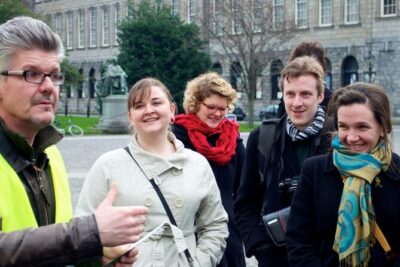
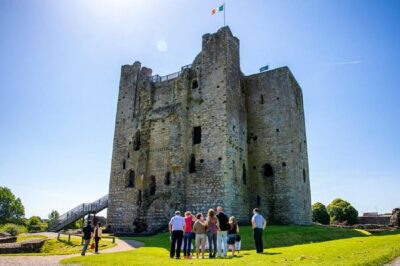
Celtic Boyne Valley & Ancient Sites Day Tour From Dublin
Read our review →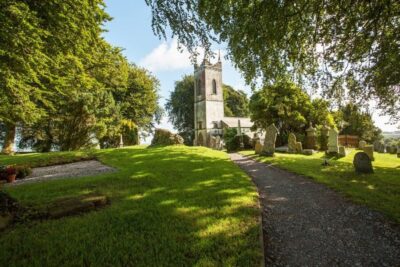
From Dublin: Celtic Boyne Valley and Ancient Sites Tour
Read our review →
Dublin to Cork, Blarney Castle & Cóbh Heritage Centre by train
Read our review →
Dublin: Jeanie Johnston Tall Ship Irish Famine History Tour
Read our review →

Deliciously Dublin: The Artisan Donut Walking & History Tour
Read our review →Browse the lists this tour appears in