
Review · PERU
6-Day Cultural Tour to Machu Picchu
Machu Picchu is the headline, but this six-day Cusco circuit gives you a fuller picture of the Inca world. You begin with temples, museums, and mountain ruins, then ride the train to Aguas Calientes before visiting the citadel. I especially like the built-in altitude adjustment on the first morning and the final free day in Cusco. The main drawback is the pace: high altitude, long touring days, and several early departures leave little room for lingering.
I also like that the price covers the pieces that can be awkward to arrange yourself: train tickets, Machu Picchu buses, entrances, transfers, breakfasts, and a guide. Past departures have been led by guides including Jonathan, Guido, Eddy Ninan, and Frankly, with Jonathan receiving repeated praise for his patient storytelling. Confirm the hotel category before paying, since the details describe the lodging as both two-star and three-star.
Key points to know before booking
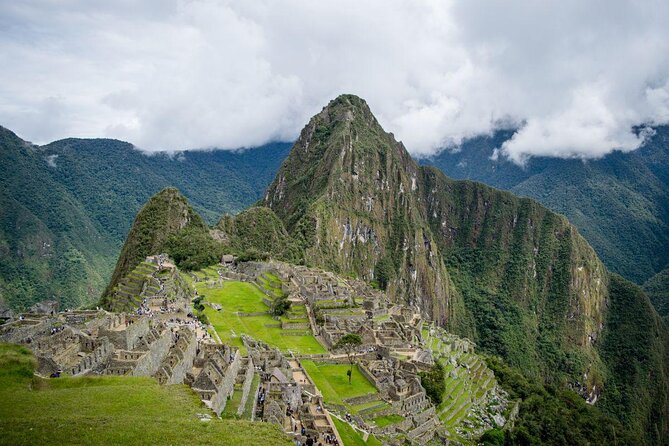
- Machu Picchu comes early in the trip: You visit the citadel on day three, with a guided tour and round-trip buses from Aguas Calientes.
- Cusco altitude is part of the challenge: The city sits at about 3,400 meters, or 11,000 feet, so the first morning is set aside for rest and adjustment.
- The Sacred Valley is more than one stop: Ollantaytambo, Moray, Maras Salt Mines, and Chinchero each show a different side of Andean life.
- The group is capped at 15 people: That is small enough for questions and easier movement than a large coach tour.
- Extra mountain hikes cost more: Huayna Picchu or Machu Picchu Mountain requires an additional ticket booked in advance.
- The $999 price covers most major tour costs: International or domestic flights, unspecified meals, and optional add-ons are not included.
What this six-day route does well
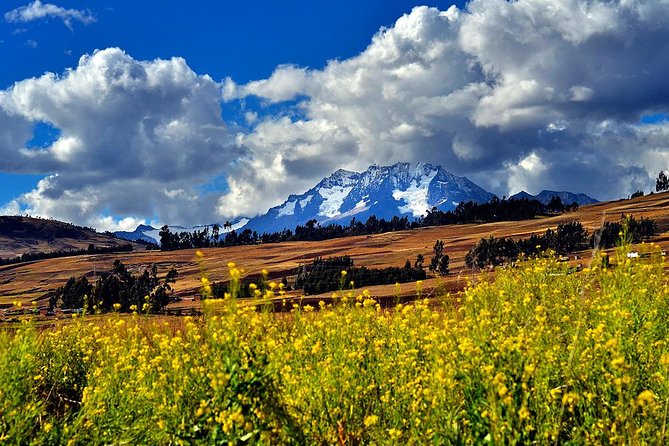
This is a culture-first tour rather than a trekking trip. You will walk through ruins, museums, old streets, agricultural terraces, and a working Andean town, but you will not spend days hiking from campsite to campsite. That makes it a practical choice if you want Machu Picchu with context, not Machu Picchu as an isolated photo stop.
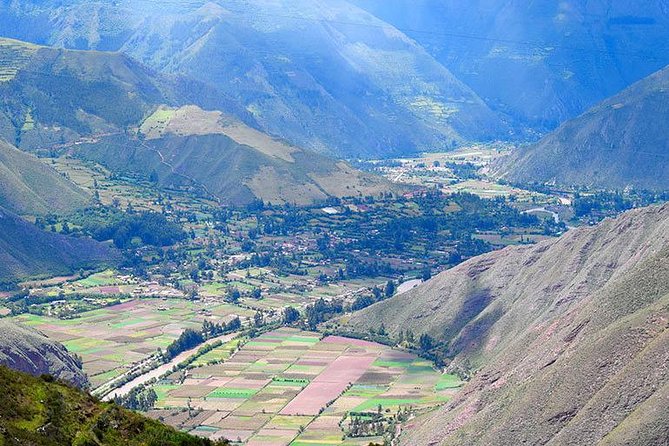
The route also uses geography sensibly. You start in Cusco, descend to Aguas Calientes for Machu Picchu, and then spend time in the Sacred Valley. That lower elevation can feel welcome after Cusco, though the trip later returns to high sites such as Moray and Chinchero.
The organized format matters here. Train times, Machu Picchu entry rules, buses, and transfers can be confusing, especially when you are also dealing with altitude. Having those pieces handled lets you focus on the sites. The tradeoff is less independence. You follow the operator’s schedule, and the Machu Picchu visit cannot be shifted casually.
More Ancient History Tours in Peru:
- Lima: Pachacamac Inca Archaeological Complex Tour
★ 4.8 · 164 reviews - Cusco: Historical Guided City Tour with 4 Inca Ruins
★ 4.5 · 99 reviews - Machu Picchu: historical and photographic guided tour
★ 4.9 · 27 reviews
Day one: Qorikancha, the Inka Museum, and a gentle start
Your first day is designed to keep you from doing too much too soon. An airport shuttle takes you to the hotel, and the morning is available for rest and adjustment in Cusco, which sits at roughly 3,400 meters.
I consider this a smart choice. Many itineraries rush straight into sightseeing, but even a simple walk at this elevation can feel demanding when you have just arrived. Use the morning to drink water, eat lightly, and keep your plans modest.
The afternoon begins at the Inka Museum. Its collection covers thousands of years of Andean culture, including artifacts from before and during the Inca period. This stop gives you useful background before you encounter the larger ruins later in the week.
The visit continues at Qorikancha, also called Koricancha, the former Sun Temple of Qosqo. The site was once covered in gold and represented the height of Inca religious and administrative power. Today, the surviving stonework is seen alongside later colonial construction, a visual reminder that Cusco was repeatedly reshaped rather than simply preserved.
The listed visit lasts about four hours and includes admission. Since the day begins slowly, this is a good point to ask your guide about the schedule ahead, especially the departure time for day two.
Day two: Sacsayhuamán and the road to Ollantaytambo
Day two is full. It begins at Sacsayhuamán, above Cusco at about 3,700 meters. The huge stone walls are the main attraction, with blocks fitted so closely that mortar is not needed. From here, you also get broad views over Cusco.
The site is impressive for both its scale and its setting. Your guide will explain its ceremonial and military roles, though the exact purpose of parts of the complex remains a subject of debate. That is one reason a good guide matters. Jonathan, who has led this route, was repeatedly praised for answering questions, explaining landmarks clearly, and allowing groups to move at a comfortable pace.
The next stop is the Temple of the Moon, a sanctuary shaped from natural rock. Altars and underground spaces point to the importance of ritual and the natural world in Inca belief. This visit is smaller and less monumental than Sacsayhuamán, but it adds a spiritual dimension to the morning.
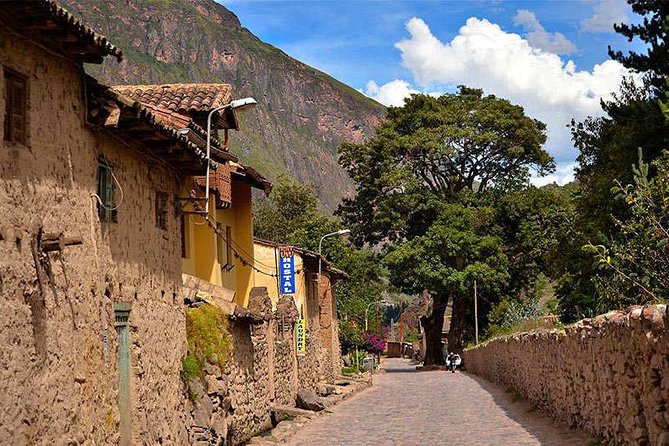
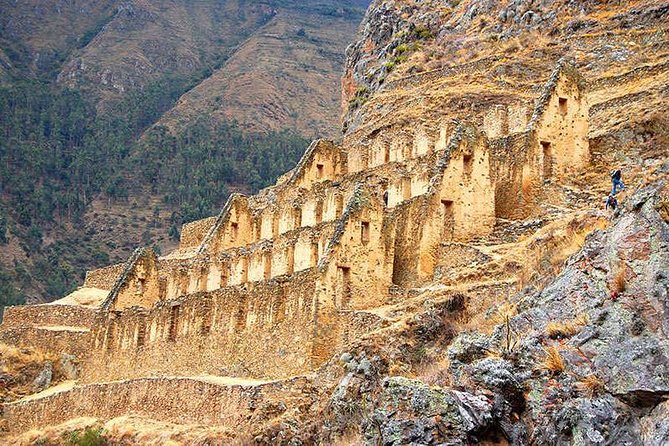
After midday, you travel toward Ollantaytambo, at about 2,792 meters. This is one of the most rewarding places on the route because it is both an archaeological site and a living town. Original streets and water channels remain in use or visible among modern buildings. The town helps you picture how Inca planning worked at street level, rather than only through grand ruins.
The day lasts about eight hours. Wear shoes with a good grip, since you will encounter uneven stone and stairs. The elevation is lower than Cusco, but the schedule is still active.
Day three: the train to Machu Picchu
The third day is the emotional center of the trip. After breakfast, you board a morning train from Ollantaytambo to Aguas Calientes, the town below Machu Picchu. The journey is part of the appeal, with the route following the Urubamba River through Andean scenery.
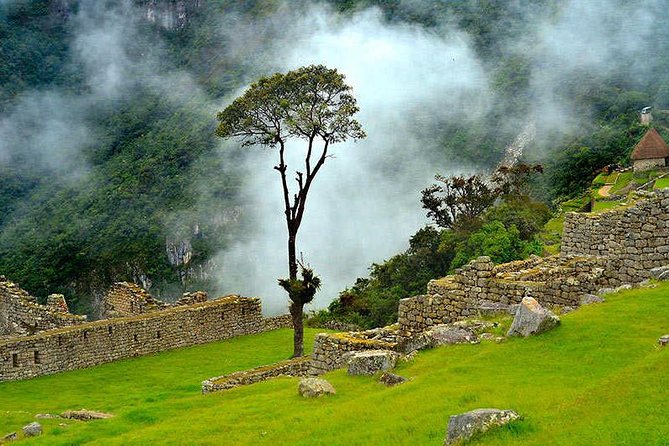
From Aguas Calientes, round-trip buses carry you up to the citadel. Your private guide then leads the visit through temples, ceremonial areas, terraces, and storage buildings. The guided portion helps turn a spectacular view into a readable place. You learn how the buildings relate to one another and why the terraces and water systems matter.
The site sits at about 2,430 meters, lower than Cusco. You may still feel tired from the early start and the previous day, but the lower elevation usually makes walking easier than it is in the city.
The tour includes entry to Machu Picchu and the bus service. It does not include a ticket for Huayna Picchu or Machu Picchu Mountain. If you want either climb, you must secure the additional ticket ahead of time. Huayna Picchu reaches about 2,720 meters, while Machu Picchu Mountain rises to roughly 3,082 meters. These are optional additions, not casual last-minute choices.
After the guided visit, you return to Aguas Calientes. The published schedule describes a roughly 12-hour day, so do not plan a relaxed evening. The train and transfer arrangements are valuable here because missing a connection can create a costly problem.
More Local Culture and Traditions Tours in Peru:
- Aymara Route Mystical Cultural Tour
★ 4.7 · 27 reviews - Amsterdam Food and Cultural Tour with Tastings
★ 5.0 · 4,315 reviews - Sevilla Food Tour: Tapas, Wine, History & Traditions
★ 5.0 · 3,468 reviews - Tromsø: Reindeer Camp and Sami Cultural Tour with Lunch
★ 4.7 · 3,326 reviews
Day four: Moray, Maras, and Chinchero
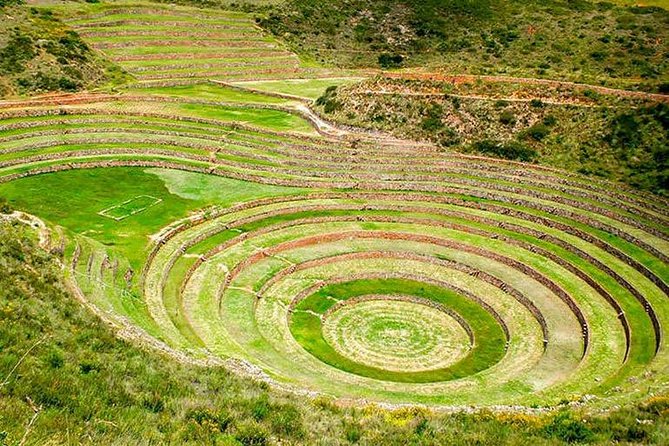
Day four returns to the Sacred Valley and packs several distinct stops into about seven hours. The morning includes a train ride to Ollantaytambo, followed by road travel to Moray.
Moray is known for its circular terraces that sink into the ground. The rings create different conditions at different levels, and the site is commonly linked with agricultural experimentation. You do not need to accept every theory about its use to appreciate the design. The terraces show how carefully the Incas worked with temperature, elevation, water, and soil.
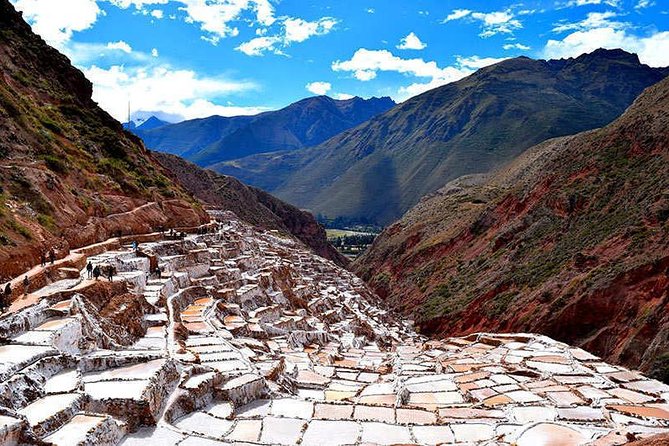
Next comes the Maras Salt Mines, at about 3,380 meters. Thousands of small salt pools descend along the mountainside, fed by a mineral-rich spring. Local families have harvested salt here for generations. The sight is striking, but it is also a working place, not just a viewpoint. Follow your guide’s directions and respect any areas closed to visitors.
The day ends in Chinchero, one of the highest stops at about 3,762 meters. Here, you can watch traditional Andean dyeing and weaving demonstrations and buy locally made souvenirs. This is one of the better shopping opportunities on the route because you can see how color and pattern are produced before deciding what to purchase.
Chinchero also adds human context to the archaeological sites. After several days of stonework and ruins, you see living craft traditions connected to the region’s older culture. Bring a layer for this stop. The altitude can make the air feel cool, even when the sun is strong.
Day five: free time in Cusco
The fifth day is open for you to shape. That flexibility is a real advantage. A packed six-day tour can leave you feeling as though you have only followed a flag, so a free day gives you time to revisit places, shop, rest, or choose an optional activity.
You can walk through Cusco’s cobbled streets, where Inca foundations support colonial buildings. You might spend time in the main square, return to a museum, or browse for textiles and other crafts. San Blas and San Pedro Market are also listed for the following morning, so you can decide how much independent exploring you want to do here.
Optional activities include a Rainbow Mountain trek, a Cusco city tour, horseback riding near Sacsayhuamán, and an ATV outing to Apukunaq Tianan. These are not included in the stated package, so ask for current prices and schedules before committing. Rainbow Mountain in particular would make this a much more demanding day, given the high altitude and the full touring days already behind you.
I like keeping this day free, but the itinerary also says the day may run up to 10 hours depending on what you choose. Do not feel obligated to fill every hour. A quiet afternoon can be the best use of your time.
Day six: a brief final look at Cusco
The final morning includes a quick historical-center tour. Planned stops include San Blas, Cusco’s old streets, San Pedro Market, the main square, and other central sights. A free walking tour is also listed as an option.
Your airport transfer is arranged around your flight time. Domestic flights between Lima and Cusco are not included, so you need to book those separately and provide your flight information to the operator after booking. This is important for coordinating the final transfer.
The short final tour is useful if you have an afternoon or evening departure. If your flight leaves early, the practical value will be limited. Either way, the day gives you one last chance to see Cusco without adding another major archaeological site.
Guides, group size, and the human side of the trip
The tour includes an English-speaking guide throughout the trip, and the group maximum is 15 people. That is a helpful limit for a route with trains, buses, ruins, and frequent stops. You should have a better chance to hear explanations and ask questions than you would in a large motorcoach group.
Guide quality appears to be one of the strongest parts of this operation. Jonathan is repeatedly singled out for clear explanations, patience, local recommendations, and a willingness to let people take photographs without rushing them. Guido is praised for helping with the demanding Huayna Picchu hike and for bringing strong historical background to the visit. Eddy Ninan and Frankly are also named positively in past departures.
Guides can change, so you should not book solely on the promise of one individual. Still, the repeated emphasis on patient, personal guiding is encouraging. Ask for the assigned guide and the final daily schedule after confirmation.
Is $999 a fair price?
At $999 per person, the package offers solid value if you want a managed trip. It includes five nights of accommodation, five breakfasts, ground transport, transfers, an Expedition or Executive train to Aguas Calientes, round-trip buses to Machu Picchu, the Machu Picchu entrance, and a private guided visit there.
You still pay separately for flights between Lima and Cusco, meals not listed, and Huayna Picchu or Machu Picchu Mountain. Those exclusions are normal for a package of this type, but they affect the final budget. You should also set aside money for optional activities on day five and purchases in Chinchero.
There is one detail I would clarify before booking. The information lists five nights of accommodation but also refers to four nights in a two-star or three-star hotel based on double occupancy. Those details do not fully agree. Ask exactly how many nights are included, what hotel category applies, and whether solo occupancy costs extra.
The package is non-refundable and cannot be changed after booking. That makes accurate flight planning and careful date selection especially important.
Who should book this cultural tour?
I would recommend it to you if you want the main Cusco and Machu Picchu sights without arranging every train, bus, entrance, and transfer yourself. It suits first-time visitors who value history and local context more than independent travel freedom.
It is also a good fit for families and mixed-age groups who want a steady guide and no camping. The maximum group size of 15 keeps the trip personal enough for questions, while the free day gives you some breathing room.
I would hesitate if you want a slow itinerary, long independent mornings, or serious trekking. The schedule is active, the altitude is real, and day three can last about 12 hours. You should also think twice if your dates may change, since the booking is non-refundable.
Should you book it?
Book this tour if you want a practical first visit to Cusco, Machu Picchu, and the Sacred Valley with most complicated logistics bundled into one price. The strongest reasons are the thoughtful first morning, the well-rounded site selection, the included train and Machu Picchu transport, and the repeated praise for patient guides such as Jonathan.
Before paying, confirm the hotel category, number of nights, assigned guide, flight-transfer arrangements, and any extra mountain tickets. If you can handle the altitude and a busy schedule, this gives you a lot of Peru in six days without turning the trip into a puzzle of separate bookings.
FAQ
How long is the tour?
The tour lasts approximately six days and includes five nights of accommodation according to the package details.
What is included in the price?
The price includes accommodation, five breakfasts, all listed transportation and transfers, an Expedition or Executive train to Aguas Calientes, round-trip buses to Machu Picchu, a private guided tour of Machu Picchu, entrance fees listed as included, and an English-speaking guide.
Are flights between Lima and Cusco included?
No. Internal flights between Lima and Cusco, and the return flight from Cusco to Lima, are not included.
Is Huayna Picchu included?
No. Huayna Picchu requires an additional entrance ticket booked in advance. Machu Picchu Mountain is also described as an optional extra with its own ticket.
How large is the group?
The tour has a maximum of 15 travelers.
What hotel standard is included?
The details describe double-occupancy accommodation and refer to both two-star and three-star hotels. Confirm the exact hotel category and number of included nights before booking.
Is airport pickup available?
Yes. Pickup is offered, and the first day includes a shuttle transfer from Cusco Airport to the hotel. You should provide your flight information to the operator after booking so transfers can be arranged.
More 6-Day Experiences in Peru
- 6-Day Sri Lanka Heritage Private Tour
★ 5.0 · 31 reviews - 6-Day Private Morocco Cultural Tour From Casablanca To Marrakech
★ 5.0 · 24 reviews
Just added around Peru
- Piramids of Tucume Tour, Sican Museum and Lambayeque city tour★ 5.0 · 30 reviews
- Arequipa, Historic and Colonial City and Santa Catalina Monastery★ 4.5 · 42 reviews
- Aymara Route Mystical Cultural Tour★ 4.7 · 27 reviews
- Lima: Pachacamac Inca Archaeological Complex Tour★ 4.8 · 164 reviews
- Machu Picchu: historical and photographic guided tour★ 4.9 · 27 reviews
- Lima: Historic Downtown, Miraflores & Catacombs Private Tour★ 4.5 · 28 reviews
- Cusco: Historic Walking Tour with Pisco Sour and Music Show★ 4.6 · 65 reviews
- Cusco: Historical Guided City Tour with 4 Inca Ruins★ 4.5 · 99 reviews
Peru History Tours, compared.
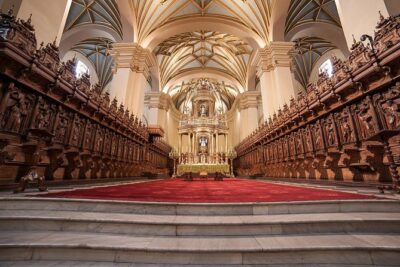
Lima’s Vibrant Heritage: Exploring the City’s Landmarks Half-day
Read our review →
Lima: Historic Center Street Food, Market, and Eateries Tour
Read our review →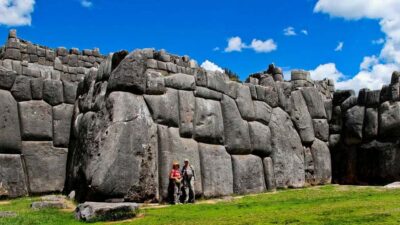
Cusco: City Tour | Half-Day Tour to 4 Archaeological Sites
Read our review →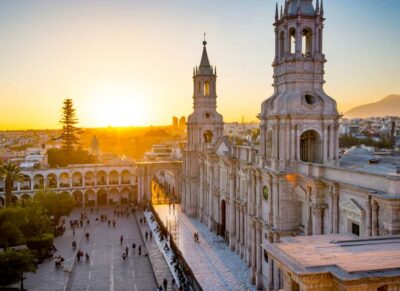
Walking tour in the Historic Center of Arequipa
Read our review →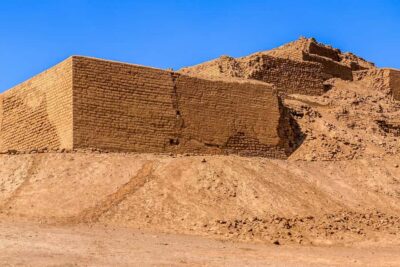
Lima: Pachacamac Inca Archaeological Complex Tour
Read our review →
Cusco: Historical Guided City Tour with 4 Inca Ruins
Read our review →
Arequipa: Walk through the Historic Center of the City
Read our review →
Cusco: Historic Walking Tour with Pisco Sour and Music Show
Read our review →Browse the lists this tour appears in