
Review · PHILADELPHIA
2.5 Hour Philadelphia History Tour with Washington War Tent Show
George Washington’s canvas war tent is the unusual star here. You see it presented inside the Museum of the American Revolution after walking through the streets where Congress met, Franklin worked, and the new nation took shape. The tour also covers the Liberty Bell area, Elfreth’s Alley, Betsy Ross House, and the President’s House site.
I like the small group of no more than 12 and the way the route links famous buildings with less obvious stories, including the lives of enslaved people at the President’s House. I also like the discounted museum ticket, which lets you return at your own pace. The main drawback is that most buildings are viewed from outside, and the walk covers a lot of ground in 2.5 hours.
Key points at a glance
- Washington’s war tent: See the tent used by George Washington during much of the Revolutionary War.
- A compact Old City route: Cover Independence Hall, Congress Hall, the Liberty Bell area, Carpenters’ Hall, Elfreth’s Alley, Franklin’s grave, and more.
- Small-group format: The maximum group size is 12, making questions and conversation easier.
- Museum value: The tent presentation is included, and you receive a discount for returning to explore the rest of the museum.
- Strong guide reports: Guides including Tom, John, Maria, PJ, Caroline, Carla, David, and Pat are praised for clear explanations, humor, and personal attention.
Why this Philadelphia tour works
Philadelphia’s historic center is compact, but its story is dense. You can walk past a plain brick building without realizing that Congress met there, that an early national government worked inside, or that a landmark later became a symbol for movements far beyond the Revolution.
This tour gives you that missing context. Rather than dropping you at one major sight and leaving you to read a plaque, it connects the sites in a chronological and civic story. You move from the ideals of independence to the practical work of governing, then to the people and conflicts often left out of the cleanest version of the founding story.
The experience costs $45 per person. That is fair value if you want an organized overview, a local guide, and the Washington tent presentation without spending a full day inside museums. It is less compelling if you already know Philadelphia well or want extended time inside Independence Hall and the Liberty Bell Center, since the tour primarily views those places from outside.
Guides vary by departure. Names praised for their clear storytelling and energy include Tom, John, Maria Gorshin, PJ, Caroline Hodash, Carla, David, Donato, Pat, Peter, Laura, Alex, and PK. That range matters because the guide shapes the experience. The best guides on this route do more than recite dates. They answer questions, adjust to family groups, add food suggestions, and keep the walk moving.
More Shows in the USA:
- Orlando: Medieval Times Dinner and Show Ticket
★ 4.6 · 182 reviews - 2 Person Sketch Comedy Show on Wheels | LaZoom
★ 5.0 · 38 reviews - Lisbon: Live Fado Show with Port Wine in Historic Center
★ 4.7 · 4,166 reviews
Starting at the Signer’s Garden
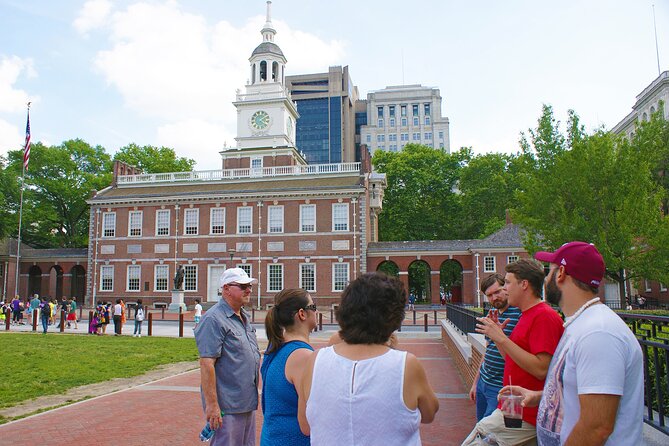
The meeting point is the statue known as The Signer in Signer’s Garden, at 434 to 498 Chestnut Street. The statue represents the people who signed the Declaration of Independence and the United States Constitution, along with the continuing idea of civic freedom.
This is a sensible starting point because it puts you in the center of the Historic District right away. The introduction lasts about five minutes, so you will not spend the first part of the morning waiting through a long orientation.
Bring comfortable shoes and expect an active city walk. The route lasts about 2.5 hours, and the stops are short, often around 10 minutes. You will hear a lot, take photographs, and move on. If you prefer a slow visit with long periods inside each building, you will need extra time afterward.
Independence Hall and the buildings around it
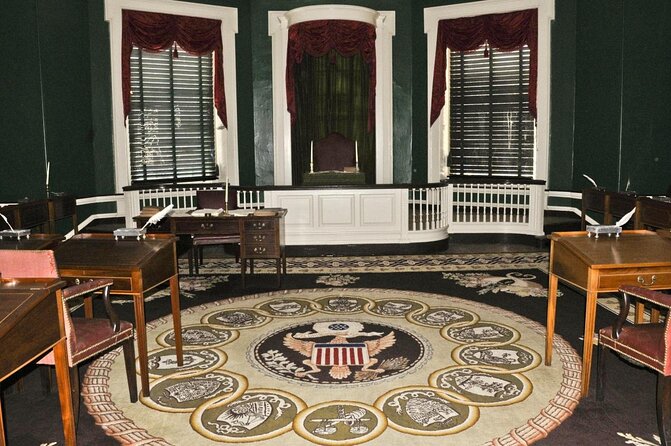
The first major section takes you through Independence National Historical Park. The guide explains Independence Hall, Congress Hall, and Old City Hall as part of one working district rather than as isolated monuments.
You see Independence Hall from outside and circle the building while hearing about the arguments, compromises, and political ideas associated with the Founding Fathers. The building appears on the $100 bill, but the real interest is not its familiar façade. It is the reminder that the Declaration of Independence and the Constitution were shaped in rooms that now look almost modest beside modern government buildings.
Congress Hall is next door. It served as the home of the United States Congress, which helps you understand that Philadelphia was not simply the birthplace of independence. It was also an early national capital where the new government had to function.
Old City Hall adds another layer to the story. The guide explains its role in the growth of American government and the people who helped shape the country’s early political system.
The practical catch is important: these stops are exterior visits. Admission to Independence Hall is not included, and this experience does not promise an interior tour. If stepping inside Independence Hall is a top priority, arrange that separately and check current entry rules before your visit.
The Liberty Bell and the power of a symbol
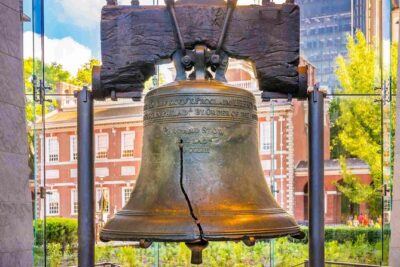
The Liberty Bell Center is viewed from the outside. You hear how the bell’s meaning changed over time and how abolitionists, women seeking the vote, and civil rights activists used it as a symbol.
That broader context is one of the better reasons to take a guided walk. You do not just hear the familiar crack story and move on. You get a sense of how objects from the founding era can acquire new meanings as the country argues over freedom and equality.
You will not enter the Liberty Bell venue during this tour. If you want the standard interior visit and a photograph with the bell, plan to do that before or after the walk. The route gives you useful background, but it does not replace the full Liberty Bell visit.
More History Tours in the USA:
- History and Hauntings of Salem Guided Walking Tour
★ 5.0 · 14,564 reviews - Charleston’s Old South Carriage Historic Horse & Carriage Tour
★ 5.0 · 10,023 reviews - Beneath The Streets Underground History Tour
★ 4.5 · 8,006 reviews - Big Island in a Day: Volcanoes Waterfalls Sightseeing and History
★ 5.0 · 6,569 reviews
Carpenters’ Hall and the practical work of independence
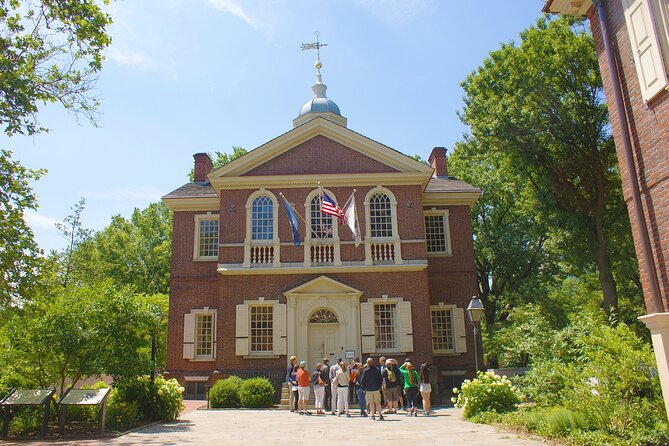
Carpenters’ Hall is another exterior stop, but it is not a throwaway photo point. The building hosted the First Continental Congress and is tied to Pennsylvania’s early political development.
The guide uses the site to explain how independence grew from meetings, petitions, disputes, and practical decisions. That helps balance the grand language of the Declaration with the less glamorous work of organizing a new political movement.
Because the building is seen from outside, the value comes mainly from the explanation. If you are already familiar with the First Continental Congress, this will be a short refresher. If the event is new to you, it gives the building a clear place in the larger sequence.
Washington’s tent at the Museum of the American Revolution
The Museum of the American Revolution is the tour’s main indoor stop and its clearest special feature. You go inside for a presentation featuring the tent George Washington used during much of the war.
The tent connects the general to the daily realities of military leadership. It is not a grand government room or a polished public monument. It is a practical object tied to campaigns, command, and the long uncertainty of the Revolutionary War.
The presentation lasts about 20 minutes. That is enough time to focus on the object without turning the entire walking tour into a museum visit. The guide helps place it in the sequence of events, which makes the tent more meaningful than seeing it without context.
Your tour does not include unrestricted admission to every gallery. Afterward, you receive a discounted ticket to return to the museum at a time of your choice. I consider this a strong part of the $45 value because you can continue at your own pace rather than trying to absorb the entire museum while the group waits.
Plan your schedule carefully. If you want to see the full museum, allow additional time after the walking portion. The tour provides an introduction and a discount, not a complete museum day.
Elfreth’s Alley and everyday colonial Philadelphia
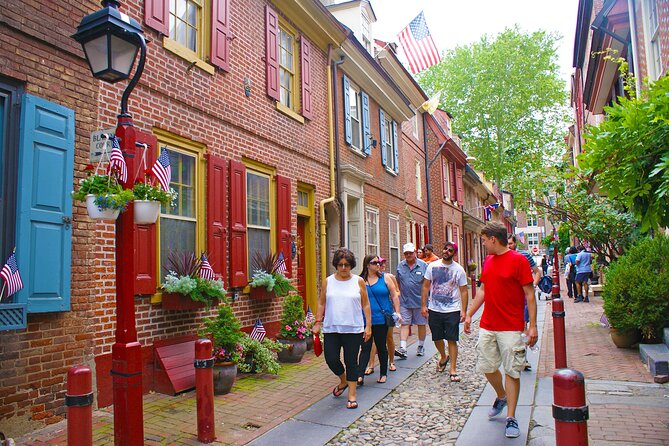
Elfreth’s Alley changes the mood of the walk. It is described as the oldest continuously occupied residential street in the United States, with narrow brick homes dating back to the early 1700s.
The appeal here is scale. Independence Hall is a national symbol, while Elfreth’s Alley shows the close, ordinary setting where people lived, worked, and raised families. Its brickwork, narrow houses, and small architectural details help you picture Philadelphia as a working colonial city rather than a collection of official monuments.
You visit the street from the public route, and the stop lasts about 10 minutes. That is enough for an explanation and photographs, though not for a long interior visit. The area can also be visually busy with people taking pictures, so listen closely when the guide positions the group.
Betsy Ross House and the stories behind familiar names
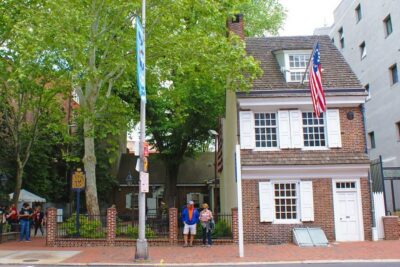
The walk passes the Betsy Ross House. The guide addresses the popular story that Ross sewed the first American flag and explains the uncertainty and myths surrounding her place in the founding story.
This is exactly the sort of correction a good city tour should offer. Philadelphia’s history is full of stories repeated so often that they begin to sound certain. A guide can separate the documented facts from the later traditions without taking the fun out of the story.
The house is not included as an interior visit. Treat this as a brief orientation stop, then return later if you want to explore the building on your own.
Benjamin Franklin’s grave and the President’s House site
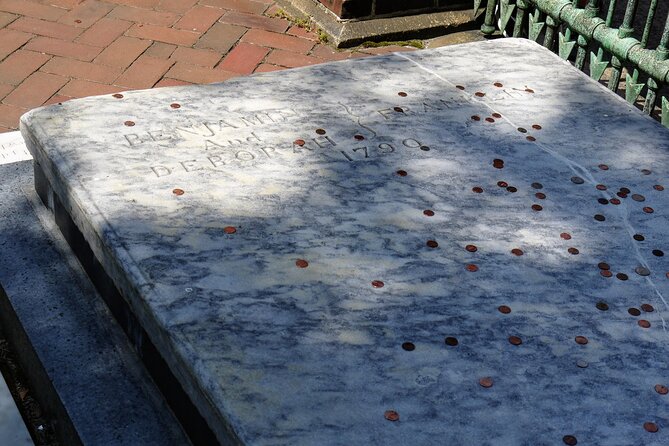
The walk continues along Arch Street past Benjamin Franklin’s grave. Franklin is often presented as an inventor, printer, diplomat, and Founding Father all at once, and the stop gives the guide a chance to connect those roles to Philadelphia.
The burial site is a quick outdoor visit. It works best as part of the larger route rather than as a stand-alone attraction. You can pause, take a photograph, and hear why Franklin remains one of the city’s most important figures.
At the President’s House site, the story becomes more complicated. George Washington and John Adams lived here while serving as president, but enslaved people also lived and worked at the location. The site remains an active archaeological area, an unusual feature in a downtown setting.
I appreciate that the tour includes this part of the national story. It keeps the founding narrative from becoming a simple parade of heroic names. You hear about political ideals alongside the people denied those ideals, which gives the entire walk more honesty.
Timing, pace, and group size
The advertised duration is about 2 hours and 30 minutes. The listed stops add up to a little over two hours, leaving time for movement, questions, transitions, and the museum presentation.
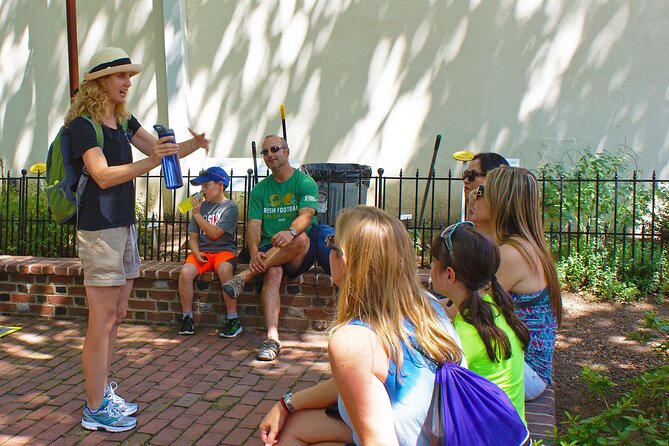
The maximum group size is 12. That is small enough for the guide to hear questions and keep an eye on the group, but it is still a shared tour rather than a private experience. Several guides are praised for answering questions, adapting to children, and offering restaurant or sightseeing suggestions.
The pace is generally steady. One guide was praised for covering a great deal in 2.5 hours, while another kept children interested and even offered follow-up help with school questions. Those details suggest that the experience suits families, couples, solo visitors, and first-time visitors who want a useful introduction.
The route is not ideal for anyone seeking a completely relaxed stroll. You stop often, but you also cover many blocks and hear a great deal of information. Give yourself a little quiet time afterward to sort the sites into a clear mental map.
What the $45 price gets you
At $45, you are paying for four useful things: a guide, a carefully arranged route, the Washington tent presentation, and a discounted return to the Museum of the American Revolution.
The donation to a local nonprofit historic organization adds a small community benefit. Food, drinks, souvenirs, and personal shopping are not included.
The strongest value comes when you have limited time. One person with only five hours in Philadelphia found the tour useful because it covered the major historic sights quickly and left room for other plans. I agree with that logic. You get orientation first, then you can choose which places deserve a longer visit.
The value drops if you expect interior access to every famous building. Independence Hall, the Liberty Bell Center, Congress Hall, Old City Hall, Carpenters’ Hall, and the Betsy Ross House are not presented as full interior tours here. Think of the walk as a guided overview with one substantial indoor museum feature.
Who should book this walk?
I would recommend it to a first-time Philadelphia visitor, a family that wants history explained in plain language, or anyone with a short stay. It is also useful for people who enjoy asking questions and prefer a local guide to a recorded audio tour.
History fans should like the number of stops and the corrections to familiar myths. The tour is especially good for people who want the founding story connected to government, ordinary homes, slavery, protest movements, and the later use of national symbols.
You may want something else if you have already spent several days in Old City, dislike group walking tours, or want long museum visits. In that case, book the sites separately and spend more time inside each one.
The tour is offered in English, mobile tickets are accepted, service animals are allowed, and the meeting area is near public transportation. Most people can participate. Free cancellation is available up to 24 hours before the start time, but changes or cancellations inside that window are not refunded.
Should you book the Washington war tent tour?
Book it if you want a well-organized first look at Philadelphia’s founding district and like the idea of seeing an object tied directly to Washington’s wartime life. The route covers the essential landmarks, adds useful context about myth and memory, and gives you a discounted chance to continue at the museum.
Do not book it expecting a series of interior admissions. The tour’s strength is the guide-led connection between many sites, not extended time inside each building.
For most first-time visitors, the small group, strong guide roster, practical route, and Washington tent presentation make $45 a sensible purchase. Wear good shoes, arrive ready to listen, and leave room afterward for the museum and any building you want to enter on your own.
FAQ
How long does the Philadelphia history tour last?
The tour lasts approximately 2 hours and 30 minutes.
Where does the tour begin?
It begins at The Signer statue in Signer’s Garden, at 434 to 498 Chestnut Street in Philadelphia.
Where does the tour finish?
The tour ends in Old City, Philadelphia, in the Historic District.
Is the Museum of the American Revolution included?
The tour includes the presentation featuring George Washington’s war tent. After the tour, you receive a discounted ticket for the rest of the museum at a time of your choice.
Do you go inside Independence Hall?
No. The tour circles Independence Hall and discusses its history from outside. Admission is not included.
Do you enter the Liberty Bell Center?
No. The Liberty Bell is discussed from outside the venue. If you want to enter, plan a separate visit before or after the tour.
What is the maximum group size?
The group is limited to a maximum of 12 people.
Just added around the USA
- Red Rocks Amphitheatre Historical Walking Tour★ 5.0 · 74 reviews
- 1-Hour Segway Tour of Cheyenne Cañon Art, History and Nature★ 5.0 · 36 reviews
- Colorado Springs – Guided Walking Ghost / History Tour★ 5.0 · 168 reviews
- Ancient Landscapes Private Geology Hike at Garden of the Gods★ 5.0 · 31 reviews
- Village Food Tours Lunch & History Tour★ 5.0 · 80 reviews
- 2.5 Hour Kayaking with Manatee and History Tour in Tarpon Springs★ 5.0 · 24 reviews
- Safety Harbor Ghost Tour★ 5.0 · 60 reviews
- Historical Bicycle Tour of Dunedin★ 5.0 · 44 reviews
Philadelphia History Tours, compared.
Revolution and the Founders: History Tour of Philadelphia
Read our review →
Philadelphia Old City Historic Walking Tour with 10+ Top Sites
Read our review →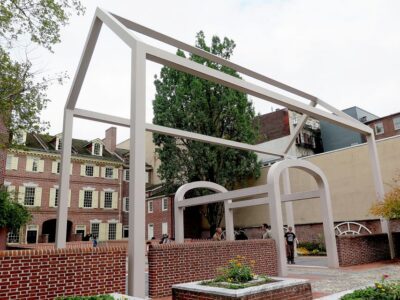
Philadelphia: Revolution and The Founders History Tour
Read our review →
Philadelphia: History, Highlights & Revolution Walking Tour
Read our review →
Philadelphia: Grim, Dark, and Twisted History Tour
Read our review →
Philadelphia: Revolutionary Walk Through Historic Old City
Read our review →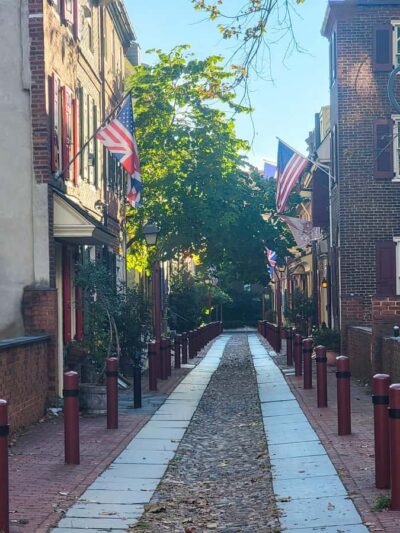
Philadelphia: Guided Walking Tour of Historic District!
Read our review →Browse the lists this tour appears in