
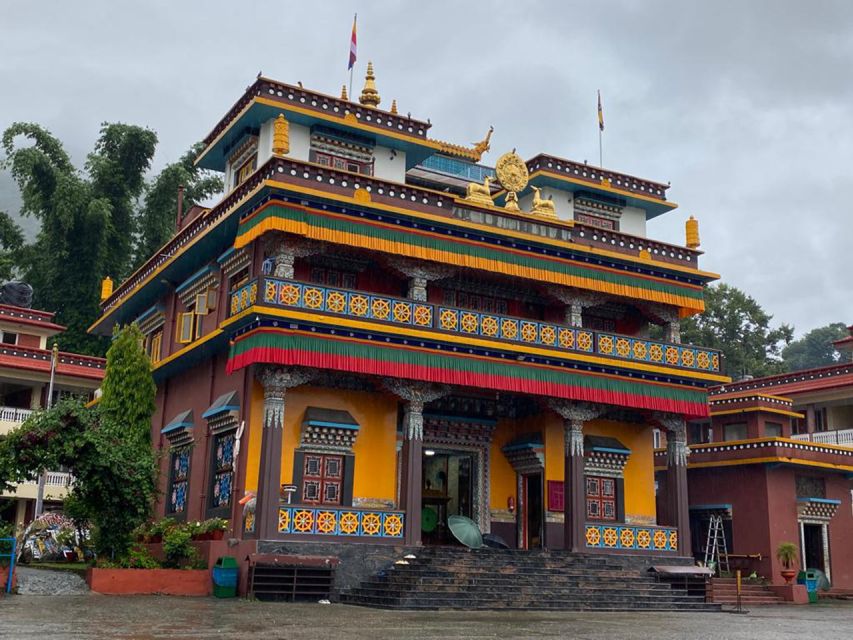
Review · NEPAL
Afternoon Tibetan cultural tour
The most memorable part of this Pokhara outing is the chance to move beyond temple photos and speak with people who live the culture you are trying to understand. Thupten Gyatso, a Tibetan guide with a personal connection to the subject, explains Buddhism, refugee life, education, and daily customs in plain English. You will also talk with a young monk, hear prayer chanting, and share tea and snacks in a Tibetan home.
I like the small group size, limited to eight people, because it leaves room for real questions. I also like the food stop: salted butter tea, tsampa, and Tibetan bread make the visit feel social rather than staged. The main consideration is that this is an educational tour first. If you want a fast list of sights or a scenic Pokhara drive, this may feel too discussion-heavy.
What makes this four-hour tour special
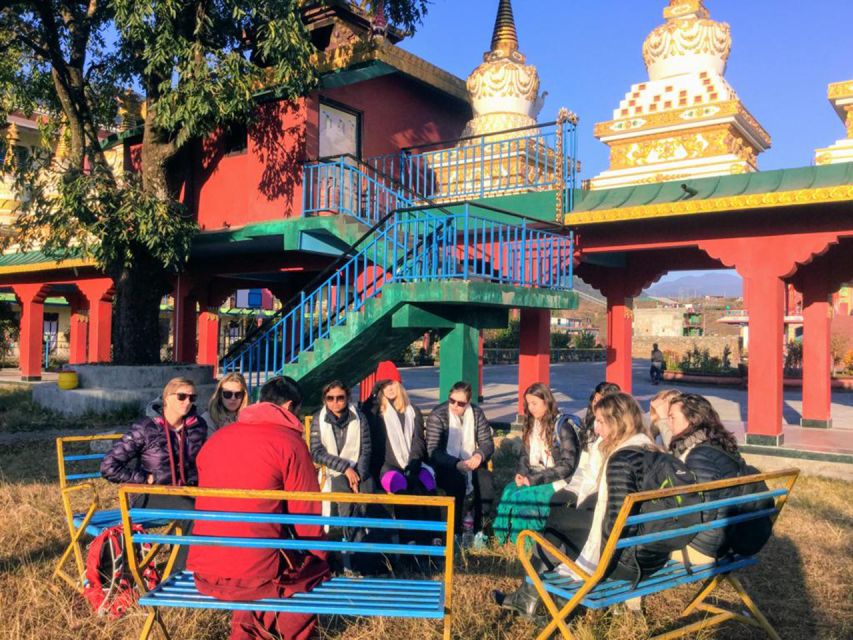
- A conversation with a young monk: Ask about monastic studies, daily routines, vows, and life in a Buddhist institute.
- Two distinct monastery visits: See Pema Ts’al Sakya Monastic Institute, then attend prayer chanting at another monastery in Tashi Palkhel.
- Tashi Palkhel Tibetan Settlement: Walk through a settlement where Tibetan people have maintained language, customs, and religious practice in Nepal.
- Buddhist symbols explained: Learn why prayer wheels, prayer flags, stupas, and butter lamps matter in everyday practice.
- A real taste of Tibetan food: Try salted butter tea, roasted barley flour called tsampa, and homemade bread with honey, butter, and peanut butter.
- A guide who connects the details: Thupten ties religion to education, exile, family life, and the role of the Dalai Lama.
A clear look at the four-hour route
Pickup is provided around Pokhara’s Lakeside area. From there, the trip heads toward the Tibetan sites near Pokhara Valley. The drive itself becomes part of the lesson, since Thupten talks about Tibetans living in Nepal, their adjustment to a new climate and country, and the effort to preserve their identity.
The exact starting time depends on availability, so check before booking. The tour is described as an afternoon half-day experience, with prayer chanting and tea later in the visit. Allow about four hours from pickup to return, though traffic and the pace of discussion can affect the timing.
The group limit of eight is important here. A large bus would make it harder to talk with a monk, ask questions during a settlement walk, or share a family meal comfortably. With a small group, you have a better chance to ask about subjects that interest you, from Buddhist philosophy to school life.
More Local Culture and Traditions Tours in the world:
- Amsterdam Food and Cultural Tour with Tastings
★ 5.0 · 4,315 reviews - Sevilla Food Tour: Tapas, Wine, History & Traditions
★ 5.0 · 3,468 reviews - Tromsø: Reindeer Camp and Sami Cultural Tour with Lunch
★ 4.7 · 3,326 reviews
Pema Ts’al Sakya Monastic Institute
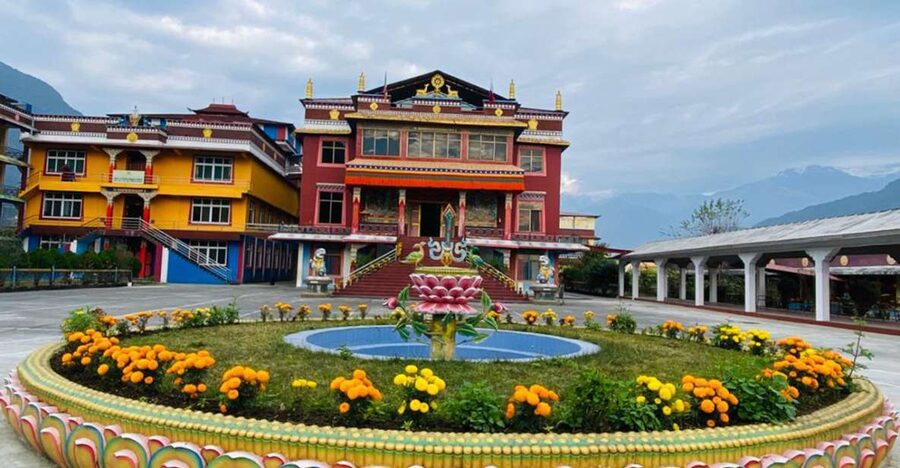
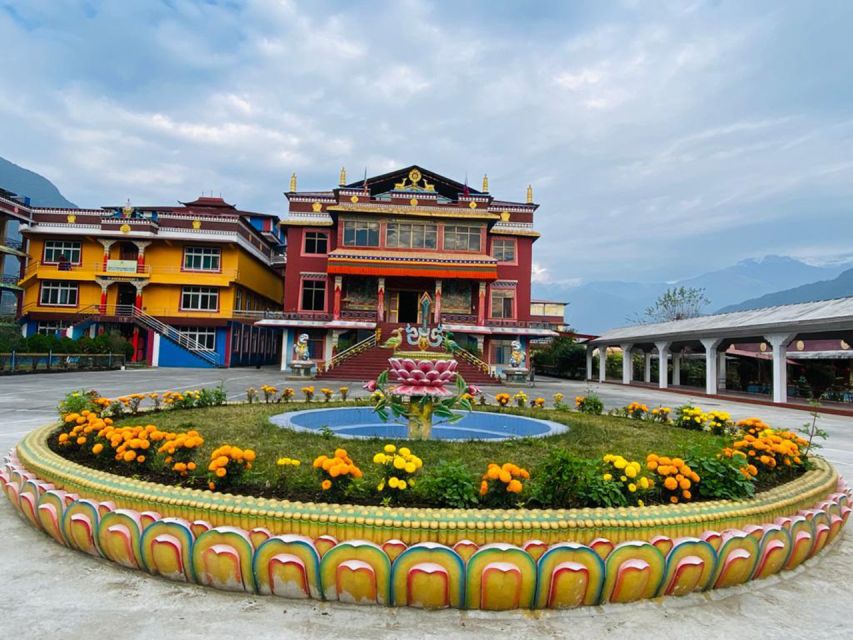
The first listed stop is Pema Ts’al Sakya Monastic Institute, reached by a scenic drive from Lakeside. The visit includes a photo stop, a guided walk, and time to look at the monastery grounds.
This is not simply a stop for architecture. Thupten explains the meaning of Buddhist objects and practices as you see them. A prayer wheel, for example, is not just a colorful feature for photographs. The tour places it within Tibetan religious life, along with prayer flags, stupas, and butter lamps.
The strongest part of this stop is the conversation with a young Buddhist monk. You can ask about his studies, daily activities, monastic discipline, and life inside the institute. Previous participants have found his explanations especially helpful because they make monastic life feel less remote and abstract.
The conversation also gives you a chance to ask about Buddhist philosophy. One young monk has spoken about enjoying philosophical debate, a detail that gives you a sense of the intellectual side of monastic education. You are not simply watching a ceremony. You are hearing from someone who studies and lives within the tradition.
Keep your questions respectful and allow the monk time to answer. This is a personal exchange, not a performance. The value comes from listening carefully.
Walking through Tashi Palkhel Tibetan Settlement
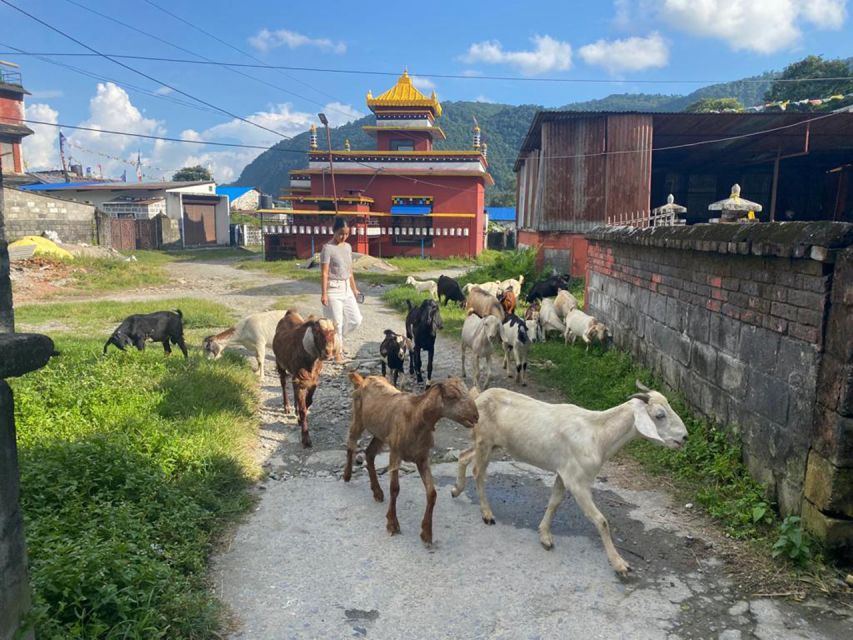
The tour then continues to Tashi Palkhel Tibetan Settlement for roughly two hours. This is the part of the experience that connects religious practice with ordinary life.
You walk through the settlement with Thupten explaining how Tibetan people in Nepal have kept their language, customs, food, and Buddhist traditions. He also discusses the difficulties of adapting from Tibet’s mountain environment to life in Nepal. That context helps you understand the settlement as a living community, not a museum exhibit.
The walk includes lessons about moving clockwise around religious sites, prayer wheels, prayer flags, stupas, and other familiar features. Once you know what these symbols mean, you see them differently. The tour encourages you to notice the relationship between belief and daily routine.
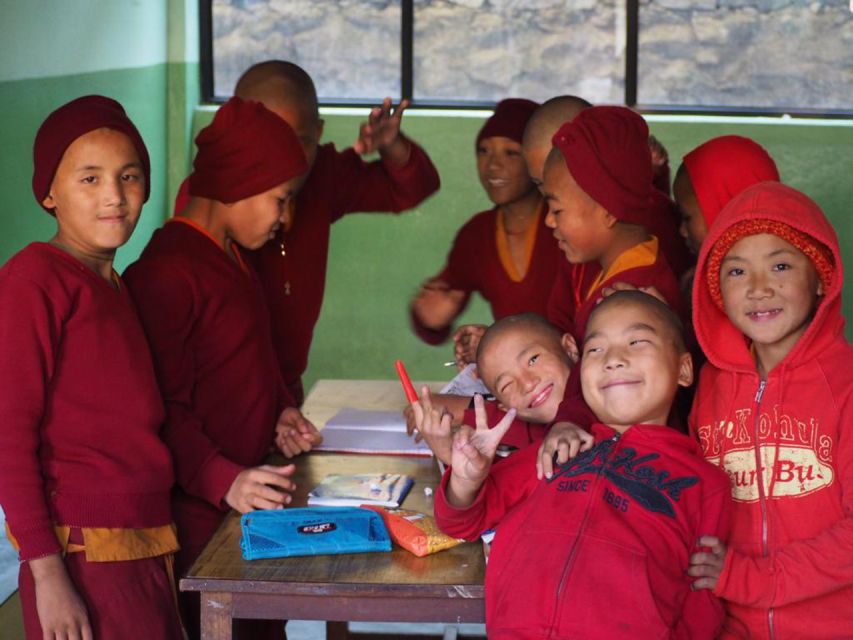
You may also learn about Tibetan schools and their educational system. This is a useful part of the visit because preservation is not only about temples and ceremonies. Language, schooling, and the passing of customs to younger generations matter just as much.
The settlement visit can be especially useful if your knowledge of Tibet comes mainly from books, films, or general references to Buddhism. Thupten brings the discussion back to people living in Nepal now, including their efforts to keep a shared identity while building lives outside Tibet.
Prayer chanting in the monastery
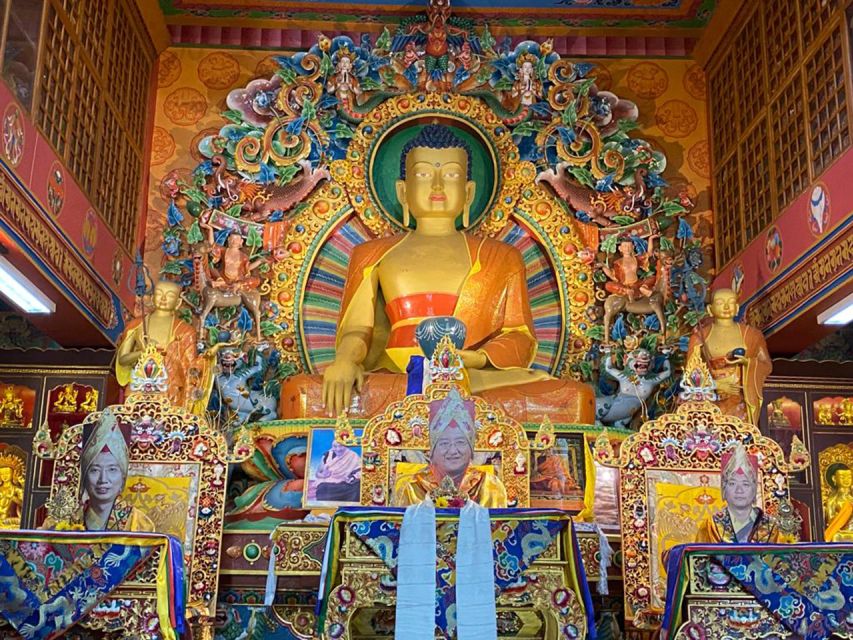
At another monastery, you attend afternoon group prayer chanting with the monks. The sound includes voices and traditional instruments, creating a more sensory part of the tour than the earlier explanations.
You are there to watch and listen rather than lead the ceremony. The chanting may feel solemn, rhythmic, and unfamiliar, especially if you have experienced Buddhist practice in other parts of Asia. Thupten helps explain what you are seeing without turning the prayer into a lecture.
This is one of the points where respectful behavior matters most. Follow the guide’s instructions, dress sensibly, keep your voice low, and ask before taking photographs. The ceremony is a religious service, not a show arranged for a tour group.
The timing is worth checking when you reserve. The experience is described as an afternoon tour, but some details refer to evening tea and afternoon prayer. Start times can vary, so confirm the schedule if attending the chanting is your main reason for booking.
More History Tours in the world:
- Prague: Medieval Dinner with Unlimited Drinks
★ 4.4 · 19,847 reviews - Pompeii: Entry Ticket and Guided Tour with an Archaeologist
★ 4.8 · 19,459 reviews - History and Hauntings of Salem Guided Walking Tour
★ 5.0 · 14,564 reviews - Athens: Acropolis & up to 5 Archaeological Sites Combo Pass
★ 4.2 · 13,904 reviews
Butter tea, tsampa, and a Tibetan family home
The final major stop is a local Tibetan family home, where you taste traditional snacks and tea. This gives the tour a warmer, more informal finish.
You can try salted butter tea, tsampa made from roasted barley flour, and Tibetan homemade bread served with honey, butter, and peanut butter. Butter tea is not sweet like many drinks served to visitors, so prepare for a salty, savory flavor. Tsampa can be mixed into a thicker food, and the combination may be unfamiliar if your usual Nepal meals are based on rice, noodles, or curry.
Food is useful here because it opens a discussion about daily life. Thupten explains Tibetan cuisine and the way families live in the settlement, while the home setting creates room for a more personal exchange. Several people have found this one of the most memorable parts because it combines taste, conversation, and hospitality.
Do not plan a full meal immediately afterward if you are sensitive to filling snacks. The tour includes food tasting rather than a restaurant-style lunch, but the tea, bread, and barley flour can be surprisingly satisfying.
Why Thupten Gyatso matters to the experience
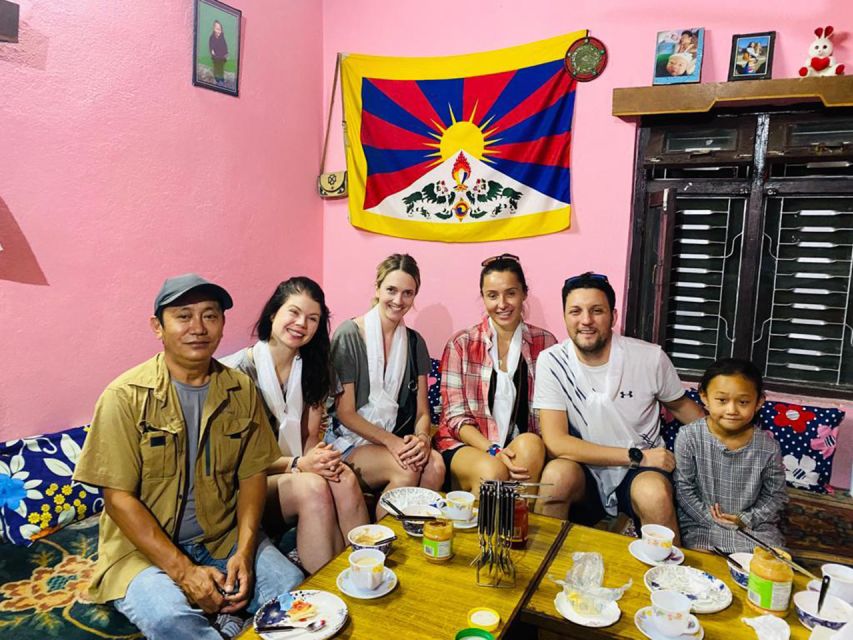
A museum panel can give you dates and definitions. A guide with a personal connection can explain why those details still matter. Thupten’s role is central because he links Buddhism, Tibetan identity, refugee life, education, food, and the importance of the Dalai Lama.
His English is described as clear, and the tour is designed around questions and conversation. That matters because Tibetan Buddhism includes ideas and practices that can be hard to understand from a quick visit. Thupten breaks them into manageable pieces and relates them to everyday choices and community life.
His storytelling also continues during the drives between stops. That makes the transport time useful rather than dead time. Still, you should know what kind of guide this is: expect plenty of explanation. If you prefer to wander quietly and make your own observations, the amount of talking may feel like a lot.
What the $56 price includes
At $56 per person, this is not the cheapest half-day outing from Pokhara. The value depends on what you want from your time.
The price includes a Tibetan guide, pickup and drop-off around Lakeside, visits to a Tibetan settlement and Buddhist monasteries, the monk conversation, prayer chanting, food tasting at a Tibetan family home, and mineral water. It also covers the interpretation that brings these stops together.
I see the price as reasonable for a small-group cultural experience with several arranged encounters. You are not paying only for transport and entry to a building. You are paying for access, translation, explanation, and a carefully connected route. The small group limit also improves the experience.
There is one extra cost to watch for. Pickup and drop-off are included only for hotels in the Lakeside area. If you stay elsewhere, transportation costs more depending on your hotel location. Ask about that fee before confirming so the final price is clear.
Who will get the most from this tour
This tour suits you if you enjoy asking questions, listening to personal stories, and learning how religion shapes daily life. It is a strong choice for anyone interested in Tibetan Buddhism, refugee communities, education, food, or cultural preservation.
It also works well if you have already visited Pokhara’s major sights and want something with a different focus. The experience gives you a reason to leave the usual Lakeside circuit without requiring a full-day commitment.
You should think twice if you want an active outdoor excursion, a mountain viewpoint, or a broad sightseeing tour. There is walking, but the main activity is discussion and observation. Children under five are not permitted, and the tour is not suitable for wheelchair users.
The tour is available in English and is limited to eight participants. You can cancel up to 24 hours ahead for a full refund, and reserve now while paying later, which helps if your Pokhara plans are still shifting.
Practical ways to prepare
Wear clothing that feels respectful in monasteries and homes. Comfortable shoes will help during the settlement walk, though the tour is not presented as a strenuous hike.
Bring questions. You might ask about monastic education, Buddhist symbols, Tibetan food, the settlement’s schools, or how Tibetan families preserve language and customs in Nepal. The more curious you are, the more useful the time with Thupten and the monk becomes.
Carry a little water even though mineral water is included. A phone or camera is useful for permitted photographs, but ask before photographing monks, ceremonies, or people at home.
Finally, keep an open mind about butter tea. It is salty, buttery, and unlike the sweet tea many visitors expect. That difference is part of the point.
Should you book it?
I would book this tour if you want a thoughtful cultural experience rather than a quick stop at a monastery. The strongest elements are the direct conversation with a young monk, Thupten Gyatso’s personal explanations, the prayer chanting, and the chance to share Tibetan food in a family home.
At four hours, it gives you a substantial introduction without taking an entire day. The $56 price is fair if you value a small group and a guide who can explain the people behind the places. Skip it if you want mostly scenery, shopping, or independent sightseeing.
For the right visitor, this is one of Pokhara’s more meaningful half-day choices. It leaves you with more than photographs: you gain a clearer idea of how Tibetan culture, Buddhist practice, education, and exile connect in everyday life.
FAQ
How long does the Tibetan cultural tour last?
The tour lasts about four hours, including pickup and return to the Lakeside area.
Where does pickup take place?
Pickup and drop-off are provided around the Lakeside area of Pokhara.
Is transportation included?
Round-trip transportation is included for hotels in the Lakeside area. Hotels outside that area require an additional transportation fee based on location.
Which places does the tour visit?
The route includes Pema Ts’al Sakya Monastic Institute and Tashi Palkhel Tibetan Settlement, along with another monastery where you attend prayer chanting.
Can I speak with a Buddhist monk?
Yes. The tour includes a conversation with a young Buddhist monk about monastic life, studies, daily activities, and Buddhist practice.
Will I attend Buddhist prayer chanting?
Yes. You attend afternoon group prayer chanting with monks at a monastery and hear the accompanying instruments.
What food and drink are included?
You taste traditional Tibetan butter tea, tsampa made from roasted barley flour, and homemade Tibetan bread with honey, butter, and peanut butter.
What language is the tour conducted in?
The live tour guide speaks English.
How large is the group?
The tour is limited to eight participants.
Is the tour suitable for young children or wheelchair users?
Children under five are not permitted, and the tour is not suitable for wheelchair users.
Can I cancel the booking?
You can cancel up to 24 hours before the activity for a full refund. You can also reserve now and pay later.
Just added around the world
- Scenic Train ride to historical cities of Morretes and Antonina★ 4.0 · 188 reviews
- 6-Day Cultural Tour to Machu Picchu★ 5.0 · 76 reviews
- Jewish Heritage of Curacao★ 4.5 · 68 reviews
- The Curacao’s Colorful History Walking Tour★ 5.0 · 55 reviews
- Discover Scuba Diving Amathounta’s Ancient Port★ 5.0 · 30 reviews
- Night Walking Tour of Medieval Cuenca★ 5.0 · 64 reviews
- Olous – Guided Snorkelling Excursion to Discover Olous Sunken Ancient City★ 4.5 · 31 reviews
- WWII – The Battle of Crete Day Tour★ 5.0 · 103 reviews
Nepal History Tours, compared.
Private Kathmandu Sightseeing Tour | UNESCO World Heritage sites
Read our review →
Nepal Discovery Tour: Heritage Sites & Scenic Hill Easy Hike
Read our review →
Kathmandu Private Sightseeing Tour | UNESCO World Heritage Sites
Read our review →
Kathmandu: Private UNESCO World Heritage Site Tour
Read our review →
Private Kathmandu UNESCO World Heritage Sites Tour
Read our review →Browse the lists this tour appears in