
Review · KATHMANDU
Kathmandu: Private UNESCO World Heritage Site Tour
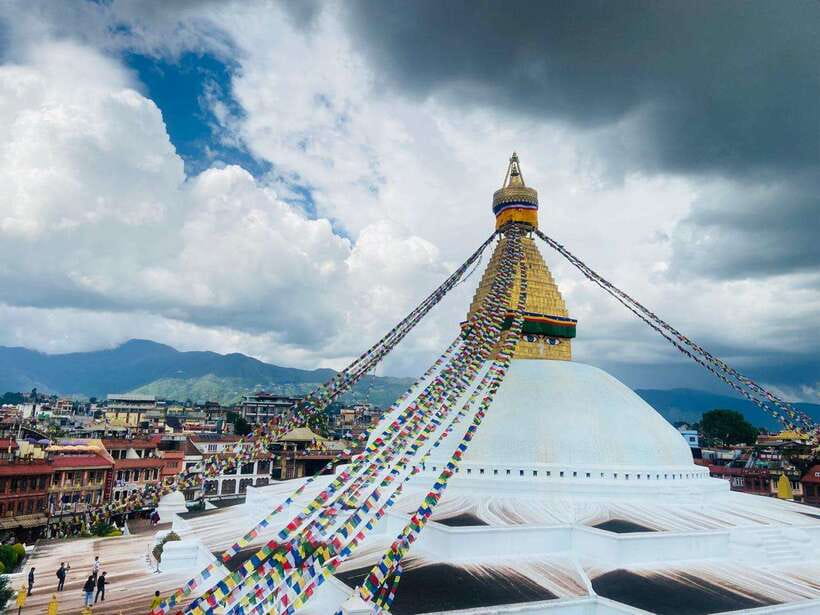
Kathmandu’s four UNESCO World Heritage Sites show four different sides of the city in one packed day. You’ll move from the hilltop Swayambhunath Stupa and its famous monkeys to the prayer wheels of Boudhanath, the cremation ghats of Pashupatinath, and the carved courtyards of Kathmandu Durbar Square.
I like the private car and flexible guide service, which make a big difference in Kathmandu’s tight traffic. I also like the chance to hear the meaning behind each shrine from guides such as Ramesh, Rajendra Manandhar, Badri Nepal, Bhin, and Niraj, rather than simply walking past old buildings.
The main drawback is the pace. Four major sites in one day means plenty of walking, a long sightseeing schedule, and limited time for lingering. You’ll also pay monument entrance fees separately, and meals and drinks are not included.
Key points at a glance
- Four major sites in one day: Visit Swayambhunath, Kathmandu Durbar Square, Boudhanath, and Pashupatinath in a logical private-car tour.
- A guide who adds meaning: Expect explanations of Hindu and Buddhist customs, Nepalese history, architecture, and daily religious practice.
- Private transport matters: Hotel pickup and drop-off spare you from managing Kathmandu traffic between widely separated sights.
- Boudhanath is the visual centerpiece: The huge white stupa is described as the largest in South Asia and gives you time to walk and look around.
- Flexible touring: Guides have adjusted stops and timing for personal requests, including extra time at Pashupatinath and avoiding places already visited.
- Plan for extra costs: Monument entrance fees, food, and drinks are outside the $50 tour price.
Four Kathmandu landmarks, one useful first-day tour
At $50 per person, this is a practical introduction to Kathmandu if you want the main cultural sights handled in one day. The price covers a private vehicle, guide, hotel pickup and return, and taxes. You still need to budget for entrance fees and your own meals, so the final cost will be higher.
The real value is not just transport. Kathmandu can feel confusing at first, with temples, shrines, courtyards, shops, and religious activity appearing at every turn. A guide helps you sort out what you’re seeing and explains why a place matters, while the driver deals with the city’s crowded roads.
This is a full day, with around six hours assigned to Kathmandu Valley sightseeing and separate visits of roughly one to two hours at the principal sites. The schedule gives you a broad look at the city rather than a slow, single-neighborhood walk.
That tradeoff suits a first visit. If you already know Kathmandu well, or prefer spending half a day sketching one temple courtyard, this will feel rushed. If you have limited time, it covers a great deal.
More UNESCO World Heritage Tours in the world:
- World Heritage Shirakawa-go and Experience Tours from Kanazawa
★ 5.0 · 4,049 reviews - From Tirana: Berat UNESCO Heritage & Belshi Lake Tour
★ 4.9 · 3,863 reviews - Bali: Tanah Lot UNESCO World Heritage Sites Full-Day Tour
★ 4.7 · 1,947 reviews
Swayambhunath, the hilltop Monkey Temple
The day includes about two hours at Swayambhunath Temple, commonly called the Monkey Temple. The stop combines religious importance, art, city views, and a little unpredictability from the monkeys that gave the site its nickname.
Your guide can explain the Buddhist symbols, prayer practice, and the place’s role in Kathmandu’s religious life. You’ll have time to walk around rather than simply stop for a photograph, though the visit involves steps and walking.
Swayambhunath is a good early stop because it gives you a visual sense of Kathmandu Valley. From the hill, you can look out over the city and the green hills around it. The contrast between dense urban life and the surrounding hills helps you understand the valley’s setting.
Keep your belongings secure around the monkeys. The activity description specifically highlights the chance to see them up close, but they are still wild animals, not tame performers.
The two-hour visit is generous enough for sightseeing and questions. One guide, Bhin, was praised for allowing time at each place and answering questions in detail. That kind of patience is useful here, since Swayambhunath can be more rewarding when you understand the details instead of hurrying through the main shrine.
Kathmandu Durbar Square and the city’s old royal center
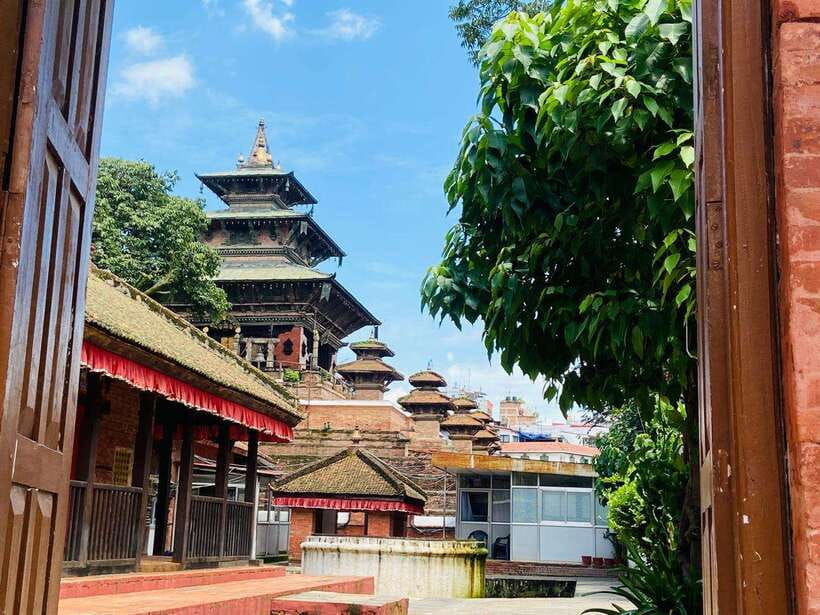
Kathmandu Durbar Square receives another two-hour visit. This is where you’ll see temples, palace buildings, carved woodwork, and courtyards tied to the city’s royal and religious past.
The site includes structures dating as far back as the third century, giving your guide plenty to explain about Nepal’s changing architecture and political life. The square is not a quiet museum. You’ll walk through an active city center where daily life continues around the monuments.
This is one of the places where a guide makes the experience clearer. Without help, you may notice the ornate windows and tiered roofs but miss the stories behind them. The tour’s guides explain religious traditions, the country’s history, and the people who shaped the valley.
The wider Kathmandu area includes other famous sites such as the Palace of 55 Windows and Nyatapola, though this particular day centers on Kathmandu Durbar Square rather than promising visits to every major monument in the valley. That distinction matters if you are hoping to see Bhaktapur as well. You should not expect every Kathmandu Valley landmark to fit into this schedule.
The square can also be a busy stop, with people moving through the courtyards and streets. I’d treat that as part of the experience rather than a flaw. The tour is designed to show you Kathmandu as a living city, not an empty collection of monuments.
Boudhanath, the largest stupa in South Asia
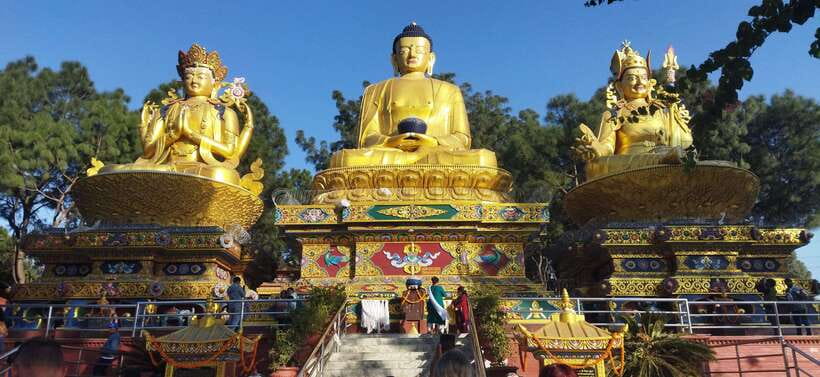
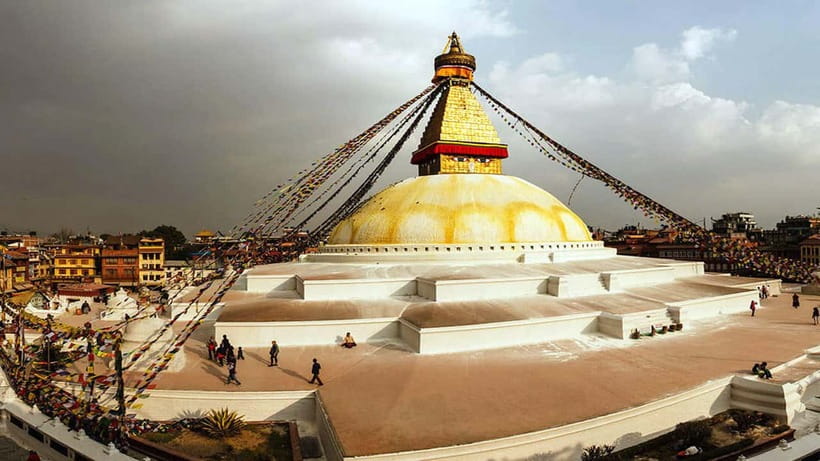
The visit to Boudhanath Stupa lasts about an hour, including guided sightseeing and free time. Boudhanath is the day’s clearest Buddhist setting and one of the most memorable places to simply walk, observe, and take in the scale of the monument.
The stupa’s broad white dome and large central form dominate the surrounding area. Your guide can explain the meaning of the structure, the religious customs connected with it, and the Buddhist traditions that remain part of daily life.
An hour is enough to circle the stupa and look at the surrounding details, but it is not a long visit. If you enjoy taking photographs or watching people move around the prayer route, you may wish you had more time. The private format may help here, since you can use the free period in the way that suits you instead of following a large group.
Boudhanath works well as a contrast to Pashupatinath. One is a major Buddhist center built around a giant stupa, while the other is one of Nepal’s most sacred Hindu temple complexes. Seeing both in one day gives you a useful picture of how Buddhist and Hindu traditions share the Kathmandu Valley.
More Private History Tours in the world:
- Private Historical Walking Tour of York
★ 5.0 · 1,324 reviews - Private Guided Historic Electric Cart Tour of St. Augustine
★ 5.0 · 1,194 reviews - Istanbul: Acemoglu Historical Turkish Bath w/Private Options
★ 4.6 · 1,190 reviews - From Cairo: Private Full-Day Tour of Historical Alexandria
★ 4.1 · 1,155 reviews
Pashupatinath and the Hindu heart of the tour
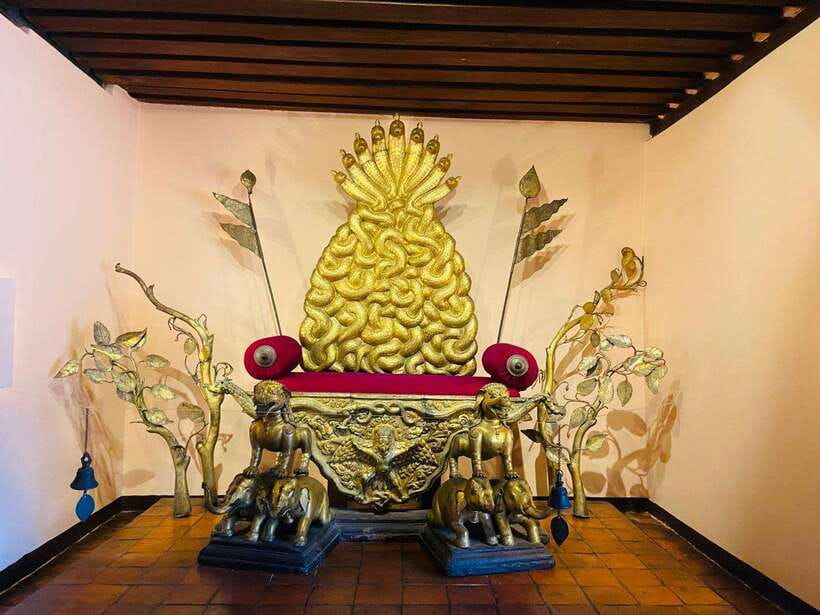
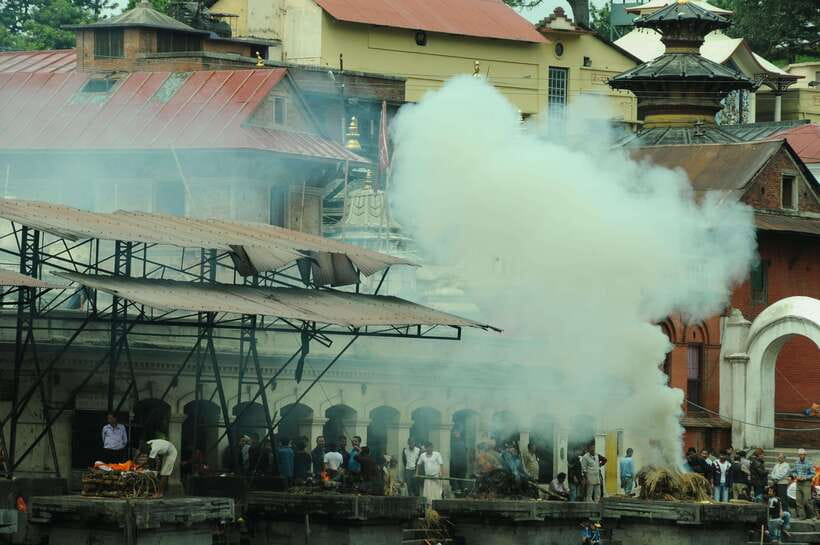
Pashupatinath Temple receives around two hours, with guided sightseeing and free time. It is one of the most sacred Hindu temples in Nepal, and the site is also associated with cremation ceremonies along the river.
The tour description notes that Kathmandu’s mornings begin with the sound of bells from Pashupatinath. That detail captures the temple’s place in the city. This is not only an architectural stop. It is a functioning religious center where ritual, devotion, and ordinary city life meet.
You should approach this visit with respect. It is important to listen to your guide about appropriate behavior and remember that some scenes may be solemn or private. One person specifically wanted to spend more time at the crematorium, and the guide adjusted the visit. That suggests the private setup can work well if you want to pause and process what you’re seeing rather than hurry on.
The two-hour allocation gives you room for explanation and quiet observation. It also makes Pashupatinath one of the more emotionally serious parts of the day. Children and adults may respond differently to the cremation area, so families should consider that before booking.
The temple itself is a major Hindu site, but access to every area may depend on religious rules. Your guide can help you understand what you can see and why certain spaces are restricted.
What the private vehicle changes
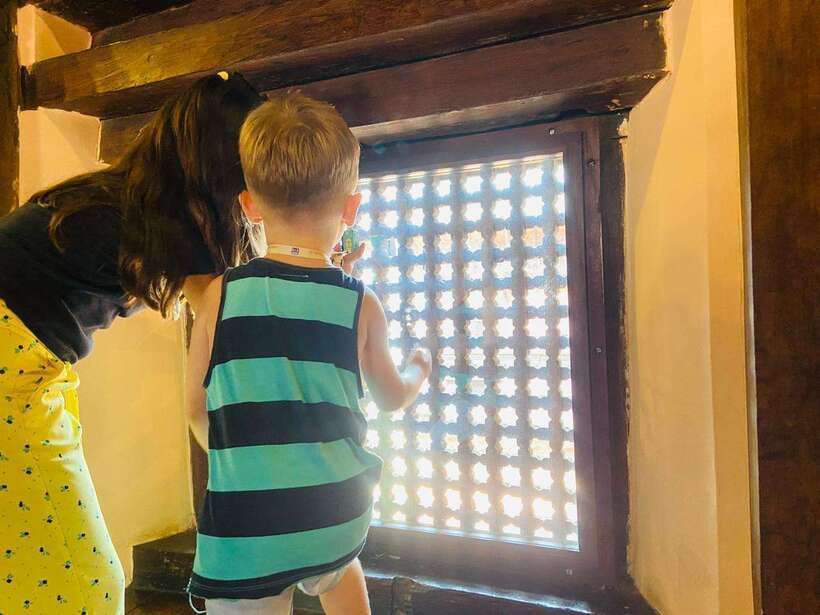
Kathmandu traffic can be difficult to read from the outside. The sites are not all beside one another, and moving between them by private transport is far easier than trying to arrange each ride independently.
Pickup is available at your hotel in Kathmandu or at Outshine Adventure in Thamel, with return to your hotel or the same Thamel location. The stated pickup location is Paknajol Marg, so confirm the exact meeting point when you reserve.
The driver waits while you visit each site and takes you to the next stop. A private car also gives you a place to sit between walks, which matters on a day that can run from morning through evening.
One person singled out the air-conditioned car as a major comfort during hot weather. That is a useful reminder to think about the season and your own energy. You will still walk at each monument, but you are not spending the whole day on foot or searching for another taxi.
The private format also allows some adjustment. Guides have changed the order or content of a day when someone had already visited a site, wanted more time at a particular place, or needed help with an additional practical task. This is not an unlimited custom itinerary, but it is more adaptable than a fixed group departure.
The guides are a major part of the value
The quality of this experience depends heavily on the individual guide assigned to you. Several names connected with the tour include Ramesh, Rajendra Manandhar, Badri Nepal, Bhin, and Niraj.
Ramesh received repeated praise for care, clear explanations, and flexibility. He also helped one person alter the plan and supported another with practical needs beyond sightseeing. Rajendra was described as friendly and able to explain religion, the country, and its people.
Badri Nepal is a particularly good match if you want cultural help beyond the four stops. He assisted with finding local items such as malas, bracelets, and thangka paintings. That does not mean shopping is a formal part of the tour, but it shows how a private guide may help you understand local objects and choose them more thoughtfully.
Bhin was valued for answering detailed questions and allowing time at each site. Niraj brought strong explanations of Nepal’s culture, history, and spiritual traditions. If you can communicate your interests at the start, you’ll give your guide a better chance to shape the day well.
English and Spanish are the listed guide languages. When booking, confirm the language you need and share any clear priorities, such as religious architecture, photography, family pacing, or extra time at Pashupatinath.
Timing, walking, and what to bring
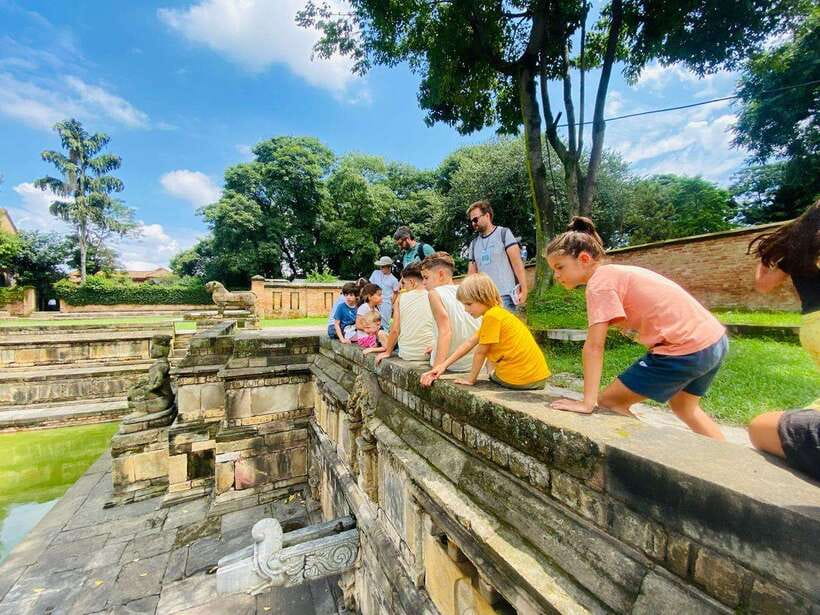
This is sold as a one-day activity, with starting times dependent on availability. The schedule includes long sightseeing periods, several walks, and a hotel return in the evening.
Bring your passport or another form of identification, as requested for the activity. Comfortable walking shoes are sensible because the plan includes temple grounds, squares, and extended sightseeing on foot.
Food and drinks are not included. Eat breakfast before pickup and carry money for meals, drinks, and monument entrance fees. One person wished bottled water had been included on a hot day, so bringing your own water is a practical move.
The itinerary is not ideal for someone who wants a slow morning or frequent long breaks. It is better for a first-time visit, a short stay, or a day when you want an organized cultural overview before exploring independently.
Who will get the most from this tour
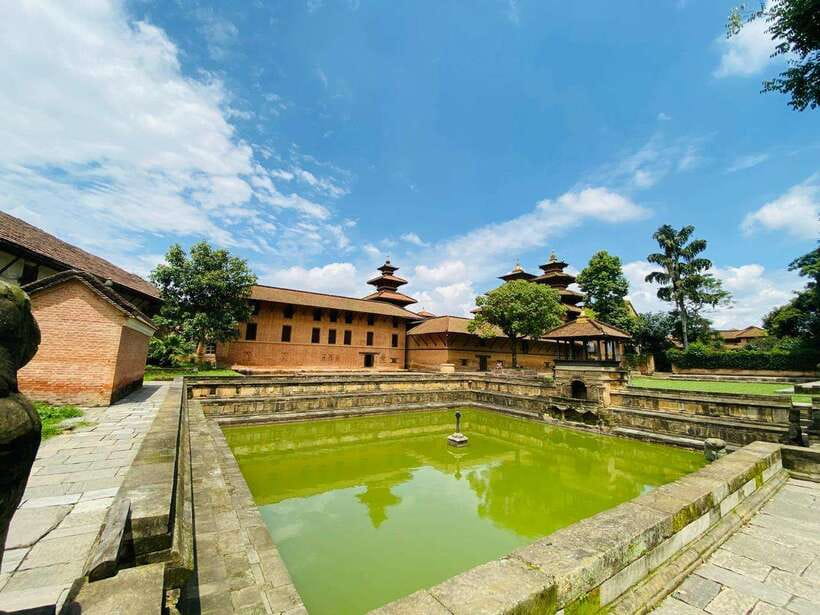
I’d choose this for a first visit to Kathmandu, especially if you have only one free sightseeing day. It brings together Buddhist and Hindu sites, royal architecture, city life, and valley views without making you solve the transport plan yourself.
It also suits families and solo visitors who value a private setting. A guide helped one family with a four-year-old, and the private car made the day easier to manage. The ability to ask questions or request a slower stop is useful when you are not tied to a large group.
You should think twice if your main goal is a relaxed cultural walk. The four-site plan is ambitious. You may prefer separate visits if you want long meals, extensive shopping, or many hours at each monument.
The reported rating is 4.9 from 47 reviews, and transport received a perfect score from 94 percent of the people who rated that part. Those figures support the practical strengths of the tour, but they do not remove the need to budget for entrance fees or account for the busy schedule.
Should you book it?
Book this tour if you want an efficient, private introduction to Kathmandu and you value explanations as much as photographs. The strongest reasons are the private car, hotel service, adaptable guides, and the chance to compare four major religious and historic sites in one day.
Skip it if you already know these landmarks or want an unhurried day at one or two places. For everyone else, $50 per person is a fair starting price for the transport and personal guiding, provided you add entrance fees, food, drinks, and a little patience for Kathmandu traffic.
FAQ
How long does the Kathmandu UNESCO site tour last?
The activity lasts one full day. The schedule includes roughly six hours of Kathmandu Valley sightseeing, with separate visits of about two hours at Swayambhunath, two hours at Kathmandu Durbar Square, one hour at Boudhanath, and two hours at Pashupatinath.
Which sites are included?
The tour visits Swayambhunath Temple, Kathmandu Durbar Square, Boudhanath Stupa, and Pashupatinath Temple.
Is hotel pickup included?
Yes. Pickup is available from your hotel in Kathmandu or from Outshine Adventure in Thamel. Hotel drop-off is also included.
Are monument entrance fees included in the price?
No. Monument entrance fees are not included. Meals and drinks are also separate.
What languages are available for the guide?
The listed guide languages are English and Spanish.
What should I bring?
Bring your passport or another form of identification. You should also plan for a full day of walking and carry money for entrance fees, food, and drinks.
Can I cancel the booking?
You can cancel up to 24 hours in advance for a full refund. The activity also allows you to reserve now and pay later.
Just added around the world
- Scenic Train ride to historical cities of Morretes and Antonina★ 4.0 · 188 reviews
- 6-Day Cultural Tour to Machu Picchu★ 5.0 · 76 reviews
- Jewish Heritage of Curacao★ 4.5 · 68 reviews
- The Curacao’s Colorful History Walking Tour★ 5.0 · 55 reviews
- Discover Scuba Diving Amathounta’s Ancient Port★ 5.0 · 30 reviews
- Olous – Guided Snorkelling Excursion to Discover Olous Sunken Ancient City★ 4.5 · 31 reviews
- Night Walking Tour of Medieval Cuenca★ 5.0 · 64 reviews
- WWII – The Battle of Crete Day Tour★ 5.0 · 103 reviews
Kathmandu History Tours, compared.
Private Kathmandu Sightseeing Tour | UNESCO World Heritage sites
Read our review →
Nepal Discovery Tour: Heritage Sites & Scenic Hill Easy Hike
Read our review →
Kathmandu Private Sightseeing Tour | UNESCO World Heritage Sites
Read our review →
Private Kathmandu UNESCO World Heritage Sites Tour
Read our review →Browse the lists this tour appears in