
Review · PHILADELPHIA
Philadelphia: Valley Forge National Historical Park Tour
Valley Forge is not simply a place to look at old buildings. It is where you see how hunger, disease, cold, and poor supplies tested George Washington’s army, and how that struggling force came out better trained and more disciplined. The human story is the real attraction, not just the monuments.
I like the easy ride from downtown Philadelphia and the small group, which keeps the outing personal. I also like the guide-led storytelling. Guides such as Marty, Tom, James, Dale, and Owen have made the history accessible to families, first-time visitors, and serious students alike. The only real drawback is the fixed half-day schedule: you get a thoughtful overview, but not unlimited time at every site.
Key points to know before booking
- Small groups of up to 14: You travel by vehicle instead of joining a large coach tour, with a better chance to ask questions and adjust the pace.
- A useful four-and-a-half-hour outing: Roundtrip transportation saves you the trouble of driving from Philadelphia and finding your way around the park.
- Washington’s Headquarters and soldiers’ huts: These give you both the command view and the ordinary soldier’s experience.
- Strong guide-led history: Marty, Tom, James, Dale, and other guides have been praised for clear explanations, stories, and answers to questions.
- Several major Valley Forge sites: The route includes the visitor center, Washington Memorial Chapel, General Wayne’s statue, Varnum’s Quarters, the Commander in Chief’s Guard Huts, and more.
- Rain or shine: Dress for changing weather, since the tour operates in all conditions.
Why Valley Forge matters beyond the famous winter story
The Valley Forge encampment lasted through the winter of 1777 to 1778, during the American Revolution. Washington’s army arrived after difficult fighting around Philadelphia, then faced severe shortages of food, clothing, medicine, and shelter.
That basic outline is familiar from school. The tour helps put weight behind it. You learn what those shortages meant for the men living in the camp, how the army was organized, and why this period mattered to the future of the war.
Valley Forge was not a battlefield in the usual sense. The army did not win a famous clash there. Its importance came from what happened inside the camp. Soldiers endured hard conditions while Washington and his officers worked to create a more effective fighting force.
That makes this visit different from a quick stop at a monument. You are looking at the place where military training, discipline, leadership, and survival came together. The guide’s explanation on the ride from Philadelphia is especially useful because it gives you the background before you begin walking around the park.
More History Tours in the USA:
- History and Hauntings of Salem Guided Walking Tour
★ 5.0 · 14,564 reviews - Charleston’s Old South Carriage Historic Horse & Carriage Tour
★ 5.0 · 10,023 reviews - Beneath The Streets Underground History Tour
★ 4.5 · 8,006 reviews
Leaving Philadelphia for the Pennsylvania countryside
The tour begins at the southwest corner of 12th and Arch Streets, near central Philadelphia. Look for the WeVenture Tours sign. From there, roundtrip transportation carries you to the park and back to the same general starting point.
I like this setup because Valley Forge is outside the city, and public transport or self-driving adds extra planning. You can spend the ride listening to the story of the early war and the events that led to the winter encampment instead of worrying about directions.
The vehicle also changes the feel of the outing. The group is limited to 14 people, and some departures have used mid-size SUVs with even smaller groups. That is a much better fit for questions than a large bus. One visitor even found the group small enough to feel like a private tour, though group size can vary.
The ride is part of the lesson, not dead time. Guides have used it to explain the war before Valley Forge and to discuss Philadelphia and nearby places worth adding to your itinerary. If American Revolution history interests you, this is a good moment to ask about other local sites, including the Museum of the American Revolution.
Valley Forge Visitor Center and the first look at camp life
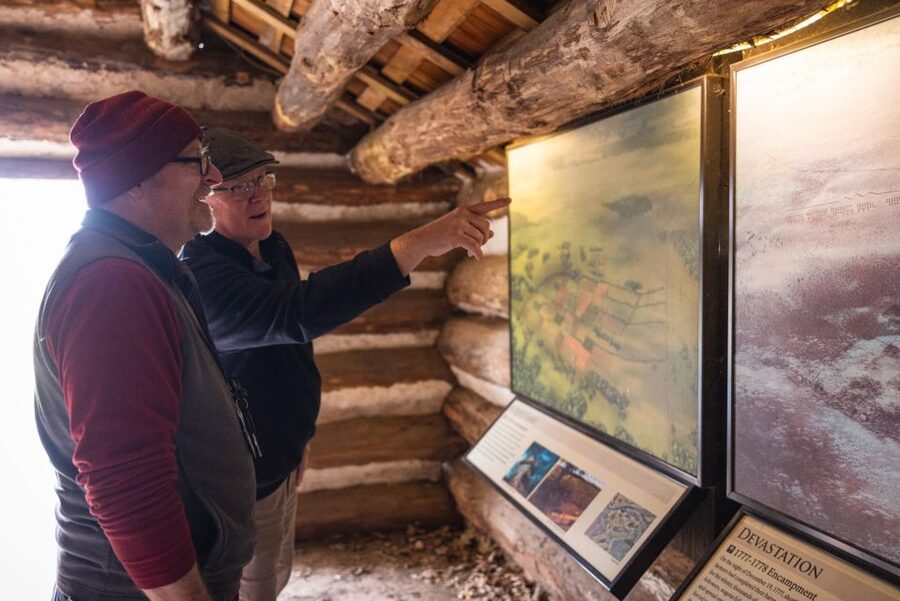
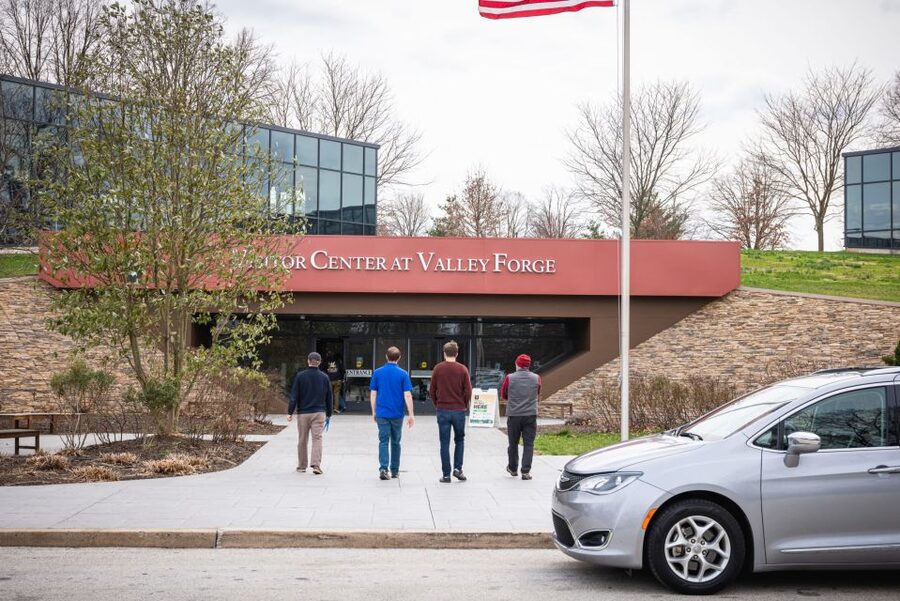
Your first major stop is the Valley Forge Visitor Center. Historic objects and artifacts help turn the broad story into something more concrete.
This is a good opening stop because it gives you a base for understanding the rest of the park. Instead of seeing a cabin and guessing what it meant, you can connect the objects on display with the conditions the soldiers faced.
The recreated huts are especially important. They show how basic the living quarters were and help you picture the camp as a working military settlement rather than a peaceful country park. You will not get the full picture from architecture alone, so pay attention when your guide explains who used the huts and how the encampment functioned.
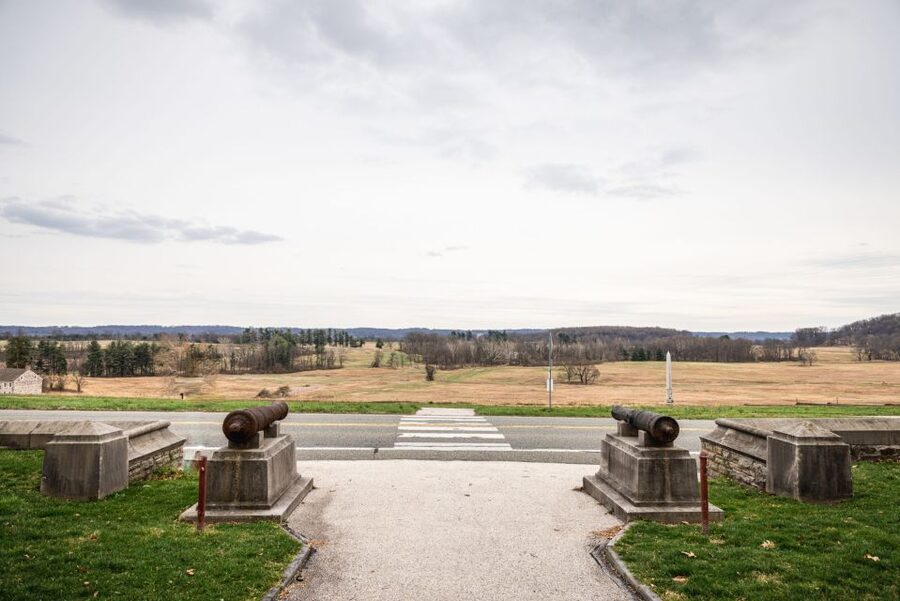
The park also offers a quieter side. Trees, open space, and the countryside setting make it easy to forget that this was a place of hardship. That contrast is part of the experience. The surroundings are calm now, but the story concerns men dealing with cold, illness, hunger, and uncertainty.
Washington Memorial Chapel and the meaning of the memorials
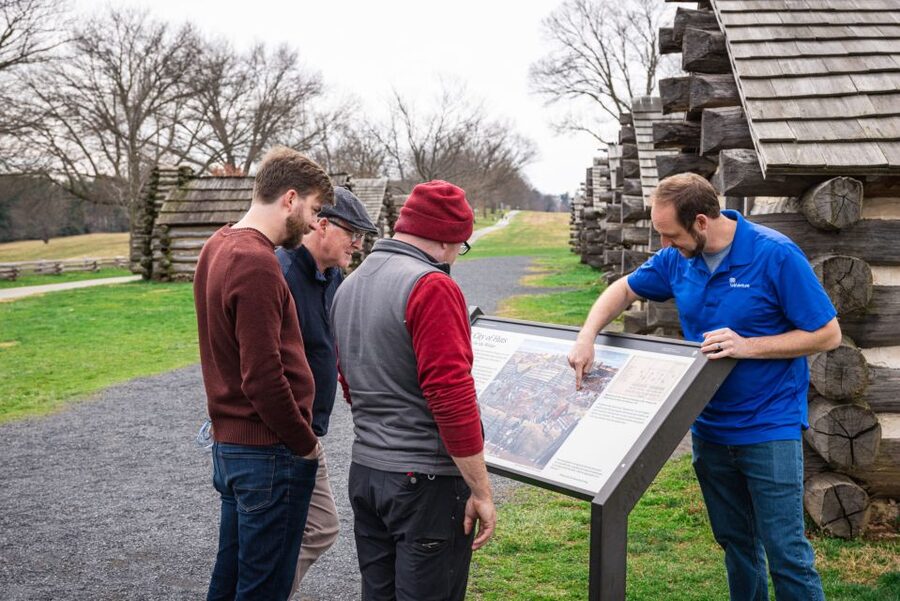
The Washington Memorial Chapel adds a ceremonial and reflective stop to the route. It connects the site to the long memory of Washington and the soldiers who served with him.
The chapel is not the same kind of experience as the visitor center or the huts. There, you are piecing together daily life. Here, you are considering how later generations chose to honor the army and preserve the memory of Valley Forge.
The tour also includes the National Memorial Arch, which commemorates Washington and his army. Depending on the route and timing, you may view it as a dedicated stop or as part of the drive through the park. Either way, it is one of the most recognizable features of Valley Forge.
I appreciate having both types of sites in the program. The huts show hardship at ground level. The chapel and arch show the public memory built around that hardship. Together, they help you see how Valley Forge became a national symbol.
Same city, a different century:
- Big Island in a Day: Volcanoes Waterfalls Sightseeing and History
★ 5.0 · 6,569 reviews - Boston: Freedom Trail History Small Group Walking Tour
★ 5.0 · 6,450 reviews - Historic Charleston Guided Sightseeing Walking Tour
★ 5.0 · 6,216 reviews - Charleston Horse-Drawn Carriage Tour: Explore Historic Charleston
★ 5.0 · 3,561 reviews
Washington’s Headquarters along the Schuylkill River
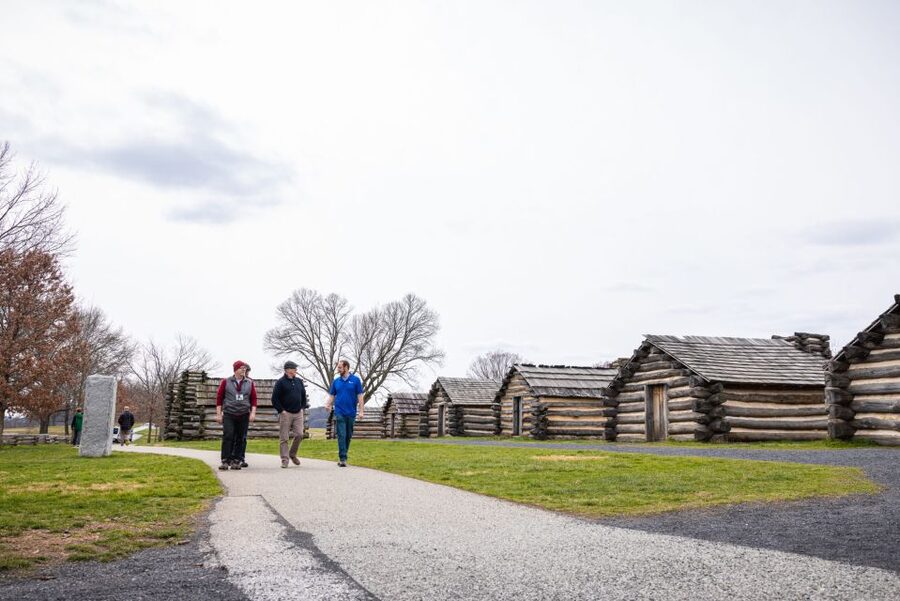
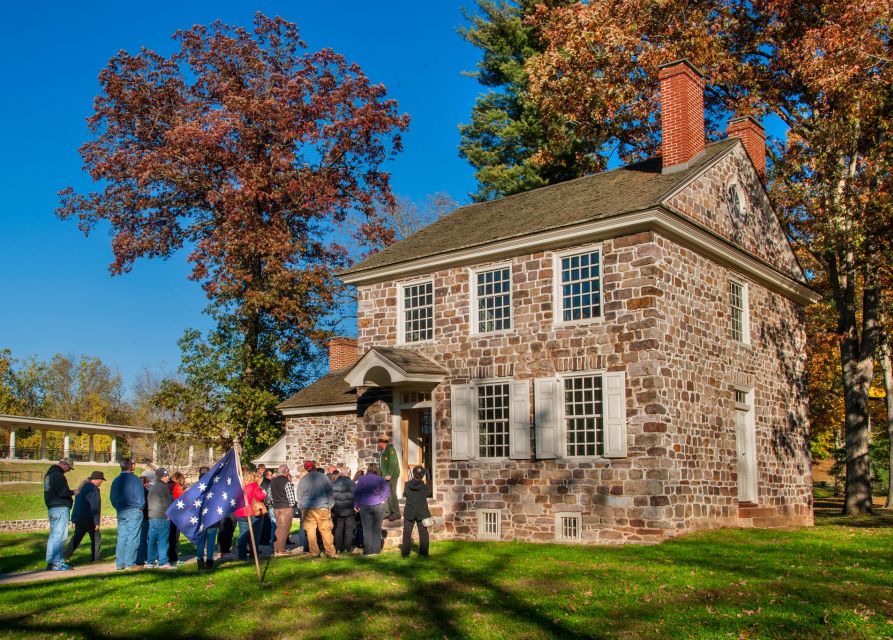
Washington’s Headquarters is one of the strongest stops because it gives you a direct connection to the army’s command structure. Washington used the building during the encampment, and it remains open to the public.
The site sits along the Schuylkill River, adding a natural setting to the historical visit. The building itself is more intimate than a grand monument. That helps you think about the decisions being made inside while thousands of soldiers lived in rough conditions elsewhere in camp.
Your guide can explain the people around Washington who helped keep the army functioning. The story is not only about the commander. Officers, staff members, and ordinary soldiers all played a part in holding the encampment together.
You should expect the guide to give you time to look, then add short explanations at key points. That pattern is useful. You are not forced to listen to a nonstop lecture, but you also are not left to interpret every building on your own.
General Wayne’s statue and the people behind the army
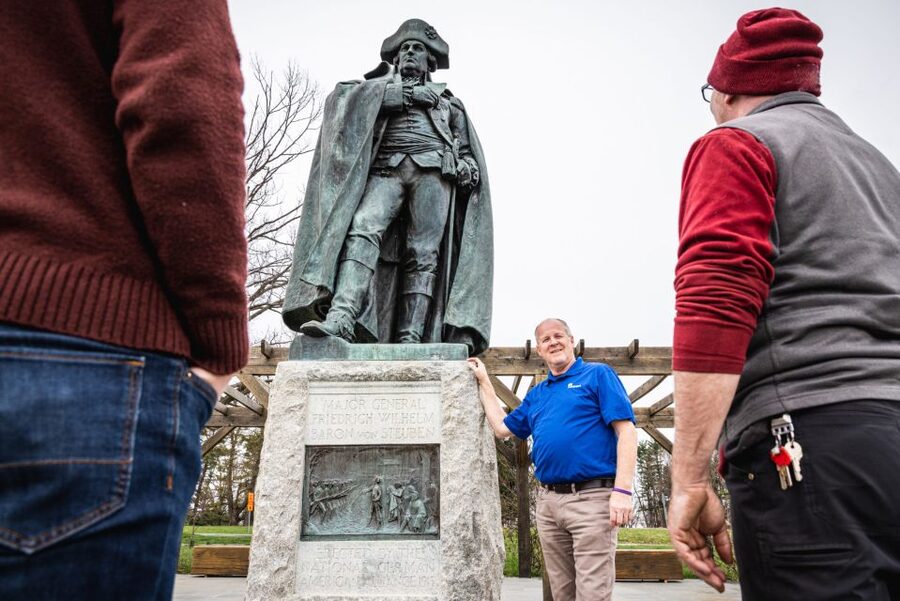
The stop at the General Wayne Statue brings another military figure into view. It helps widen the story beyond Washington and reminds you that the army depended on many officers with different responsibilities and personalities.
One of the better features of this tour is its attention to the people who helped Washington turn the camp into a stronger military force. The guide explains the figures and decisions that do not always appear in a standard schoolbook account.
That human focus is why the tour works well for families. Several guides have taught the material in a way that keeps younger visitors involved, while still offering enough detail for adults who already know the broad outline.
You can also ask questions at this point. Guides such as Marty and Tom have been praised for explaining small details and for making the subject easy to discuss. If you are researching the Revolution or writing about the period, bring specific questions. The guides are prepared to go beyond the basic script.
Varnum’s Quarters and the Commander in Chief’s Guard Huts
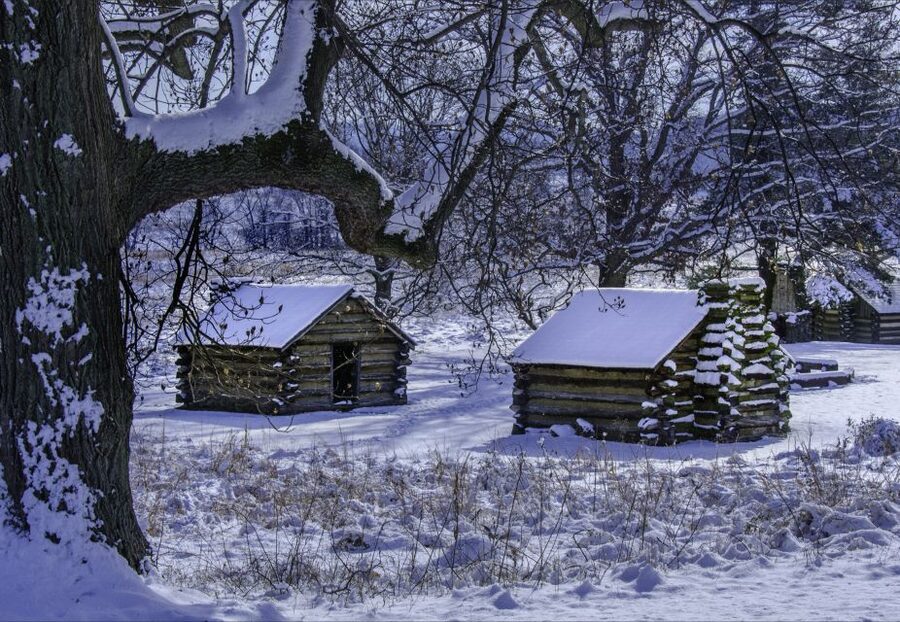
Varnum’s Quarters and the Commander in Chief’s Guard Huts bring the focus back to the physical camp.
The quarters help show how officers and soldiers occupied different parts of the encampment. The guard huts offer a direct look at the men responsible for protecting Washington and the command area.
These stops are valuable because they make military organization visible. The army was not simply a crowd of exhausted men. It had ranks, duties, patrols, living areas, and a chain of command, even while supplies were scarce.
The recreated huts can be more powerful than a polished museum display because their simplicity leaves room for your imagination. You can picture how little privacy and comfort the soldiers had. At the same time, remember that a modern reconstruction cannot reproduce the cold, sickness, fear, and exhaustion of the original camp. The guide’s context is what gives the buildings meaning.
Muhlenberg Brigade and Artillery Park from the vehicle
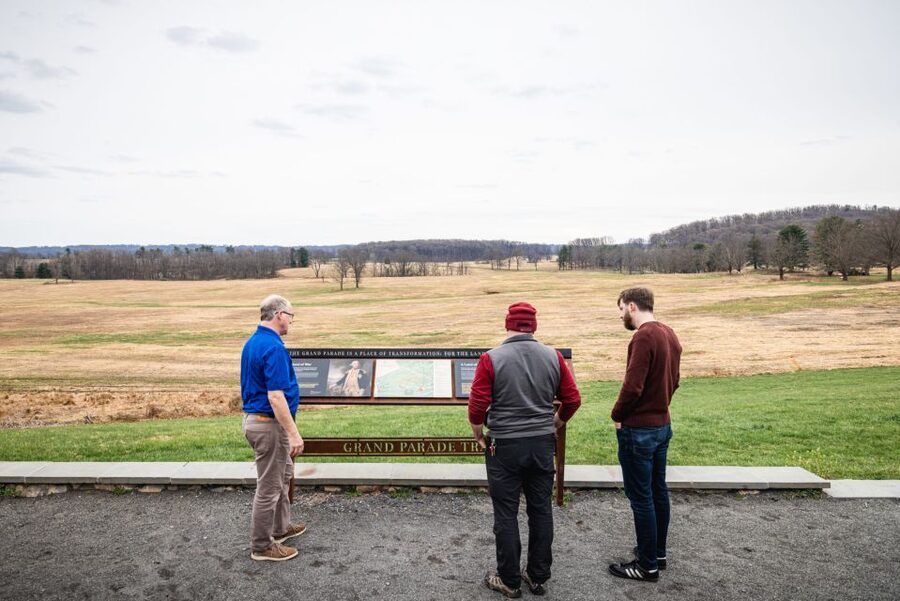
The route also passes the Muhlenberg Brigade and Artillery Park. These are not always extended walking stops, so you may get a shorter explanation or a view from the vehicle.
That is a minor limitation if you want to inspect every site closely. The benefit is that you cover more of the park during a four-and-a-half-hour outing. A self-guided visit might let you spend longer at one area, but you would need to plan the route and understand what you are seeing.
The pass-by portions also help you grasp the scale of the encampment. Valley Forge was not one building or one small cluster of huts. It was a substantial military camp spread across a broad area.
What the guides add to the experience
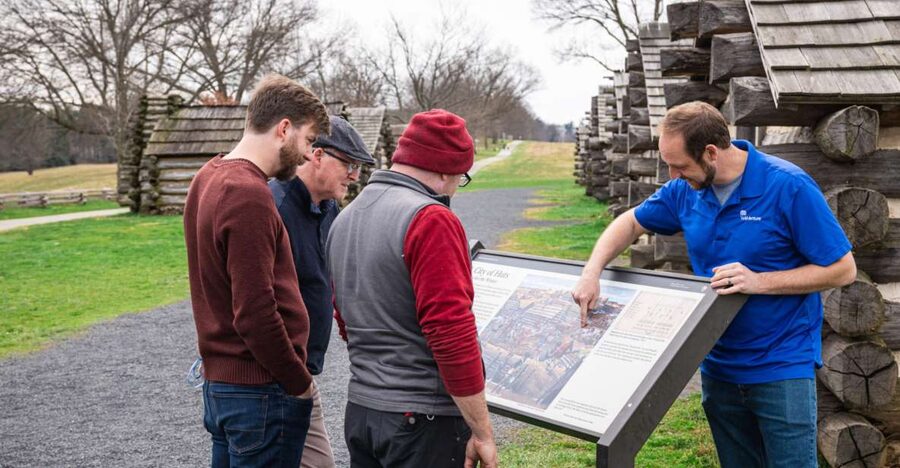
The strongest part of this outing is the guide. The company uses different guides, so the exact personality and emphasis can vary, but the guide names that recur in the feedback include Marty, Tom, James, Dale, Adam, Owen, Rick, and others.
Marty has a background as a teacher and has been especially good at giving families a clear path through the material. Tom brings strong detail and enthusiasm, while James, a history professor, has been praised for offering useful context on the ride to the park. Dale is known for organizing the day carefully and paying attention to individual needs.
I would not book this expecting a theatrical performance. The appeal is a smart, conversational explanation of the park, with room for questions. Guides have also offered suggestions for other Philadelphia museums and restaurants, which can help you shape the rest of your visit.
The style may vary from one guide to another. That is normal with a small company using several guides. The consistent strength is the ability to explain the story clearly rather than simply reciting dates.
Is $115 a fair price?
At $115 per person, the tour costs more than driving to Valley Forge on your own. The value comes from the transportation, the guide, the structured route, and the donation to Valley Forge National Historical Park.
For a first visit, I think the price is reasonable if you want historical context. You could walk through parts of the park independently, but you would need to research the encampment beforehand and manage the drive from Philadelphia. The tour also takes you to several named sites in one half-day.
The value is strongest for people who want to understand what they are seeing. It is less compelling if you prefer to wander alone, spend a long time photographing one location, or read every display at your own speed.
Food and drinks are not included, so plan accordingly. The supplied information does not specify a meal stop, and the tour lasts 270 minutes. A snack before departure is sensible.
Timing, weather, and accessibility
The full outing lasts four hours and 30 minutes, including transportation from Philadelphia and the return trip. That makes it easy to fit into a longer Philadelphia visit without giving up a full day.
The tour runs rain or shine. Check the forecast and dress for outdoor time, especially since the park includes walking between historic sites. Comfortable shoes are a practical choice, and you should be prepared for conditions that may change during the day.
The activity is listed as wheelchair accessible. If you need a particular vehicle arrangement or have specific mobility needs, confirm the details when booking so the operator can plan properly.
You can cancel up to 24 hours in advance for a full refund, and the reserve-now, pay-later option lets you hold a place without paying immediately. Those policies are useful if your Philadelphia schedule is still changing.
Who will enjoy this Valley Forge tour?
I would recommend it most strongly to:
- First-time visitors to Valley Forge who want the story explained clearly
- Families with school-age children
- People staying in Philadelphia without a car
- History fans who want more than a quick monument stop
- Visitors who prefer a small group to a large coach
- Anyone interested in Washington, the Continental Army, and the daily life of Revolutionary War soldiers
You may prefer a self-guided visit if you want complete control over your timing. The guided format means the schedule is set, and some locations receive only a pass-by explanation.
Still, the mix of transportation, expert interpretation, and several major sites makes this a strong use of half a day. The park’s calm setting also gives you a break from central Philadelphia without requiring a complicated excursion.
Should you book the Valley Forge tour?
Book it if you want to understand why Valley Forge mattered and prefer to let a guide handle the driving, route, and historical setup. The small group and repeated praise for guides such as Marty, Tom, James, and Dale make this more personal than a standard bus outing.
Skip it if your main goal is solitary exploration or a long, unhurried visit to each building. For most first-time visitors, though, the combination of Washington’s Headquarters, the recreated huts, the memorial sites, and clear storytelling makes the $115 price worthwhile.
FAQ
How long does the Valley Forge tour last?
The tour lasts 270 minutes, or four hours and 30 minutes, including roundtrip transportation from Philadelphia.
Where does the tour begin?
Meet at the southwest corner of 12th and Arch Streets in Philadelphia. Look for the WeVenture Tours sign.
Is transportation from Philadelphia included?
Yes. Roundtrip transportation from Philadelphia is included.
What language is the tour conducted in?
The live tour guide speaks English, and the activity is listed as English-language only.
How large is the group?
The tour is limited to 14 participants. Some departures may feel smaller depending on the number of bookings.
What sites are included at Valley Forge?
The route includes Valley Forge National Historical Park, the visitor center, Washington Memorial Chapel, Washington’s Headquarters, the General Wayne Statue, the Philander Chase Knox Estate, Varnum’s Quarters, and the Commander in Chief’s Guard Huts. The tour passes the Muhlenberg Brigade and Artillery Park.
Is food included?
No. Food and drinks are not included.
Does the tour operate in bad weather?
Yes. The tour runs rain or shine.
Can I cancel or pay later?
You can cancel up to 24 hours before the tour for a full refund. You can also reserve your place and pay later, subject to the booking terms.
Just added around the USA
- Red Rocks Amphitheatre Historical Walking Tour★ 5.0 · 74 reviews
- 1-Hour Segway Tour of Cheyenne Cañon Art, History and Nature★ 5.0 · 36 reviews
- Colorado Springs – Guided Walking Ghost / History Tour★ 5.0 · 168 reviews
- Ancient Landscapes Private Geology Hike at Garden of the Gods★ 5.0 · 31 reviews
- Village Food Tours Lunch & History Tour★ 5.0 · 80 reviews
- 2.5 Hour Kayaking with Manatee and History Tour in Tarpon Springs★ 5.0 · 24 reviews
- Safety Harbor Ghost Tour★ 5.0 · 60 reviews
- Historical Bicycle Tour of Dunedin★ 5.0 · 44 reviews
Philadelphia History Tours, compared.
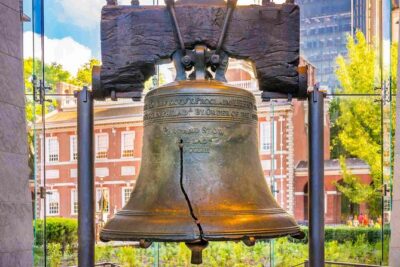
Revolution and the Founders: History Tour of Philadelphia
Read our review →
Philadelphia Old City Historic Walking Tour with 10+ Top Sites
Read our review →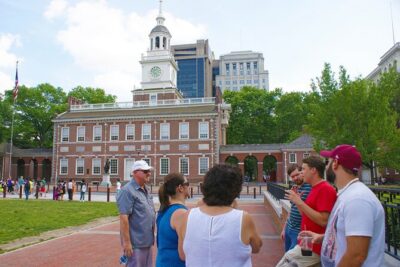
2.5 Hour Philadelphia History Tour with Washington War Tent Show
Read our review →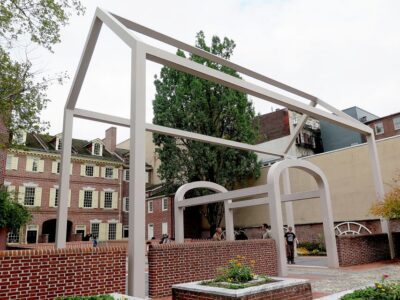
Philadelphia: Revolution and The Founders History Tour
Read our review →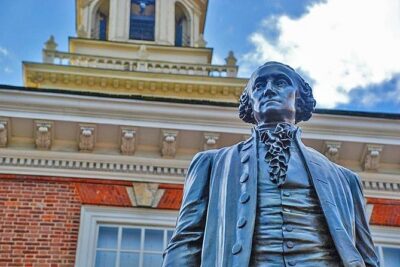
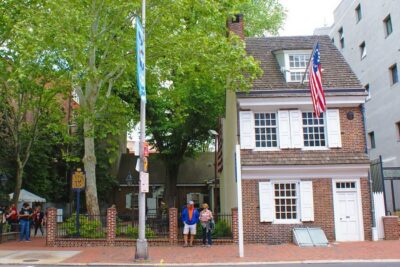
Philadelphia: History, Highlights & Revolution Walking Tour
Read our review →
Philadelphia: Grim, Dark, and Twisted History Tour
Read our review →
Philadelphia: Revolutionary Walk Through Historic Old City
Read our review →Browse the lists this tour appears in