Review · USA
Alaska Native Heritage Center Admission Ticket
The most compelling part of this Anchorage visit is the chance to learn about Alaska Native cultures through people, performance, and place. You’ll see Alaska Native dancing and games, then walk among six life-sized dwellings beside Lake Tiulana, where Culture Bearers explain traditional lifeways from across Alaska.
I like the mix of live demonstrations and outdoor village sites, and I like that the Ch’k’iqadi Gallery supports Alaska Native artists directly. The main drawback is transportation: the center is outside central Anchorage, and one visitor had trouble finding a ride back after arriving by Uber.
Key points to know before you go
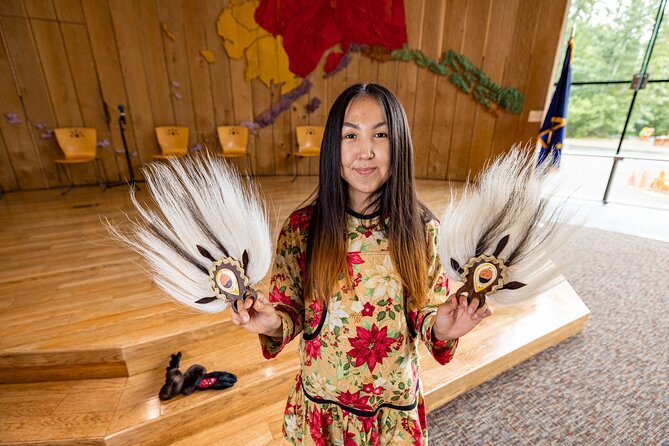
- Six life-sized dwellings sit in a wooded area around Lake Tiulana, giving the visit a strong sense of place.
- Eleven Alaska Native peoples are represented, including Inupiaq, Athabascan, Tlingit, Yupik, Unangax, and Alutiiq/Sugpiaq communities.
- Live dancing, Native Games, music, and storytelling make this more than a display of objects behind glass.
- The Ch’k’iqadi Gallery sells Alaska Native art and jewelry, with purchases supporting artists from across the state.
- Plan about four hours, including roughly three hours at the center and 30 minutes in the gallery.
- Book ahead for $30 per person if you want guaranteed entry during the May 11 to September 15, 2026 season.
Why this center matters in Anchorage
Anchorage can make Alaska feel like a place of mountains, wildlife, roads, and glaciers. The Alaska Native Heritage Center adds something essential: the people and cultures that have shaped this region for thousands of years.
The center introduces you to a wide range of Alaska Native peoples rather than presenting one single version of Indigenous life. You’ll encounter the Inupiaq, St. Lawrence Island Yupik, Athabascan, Eyak, Haida, Tsimshian, Tlingit, Unangax, Alutiiq/Sugpiaq, Yupik, and Cup’ik peoples.
That range matters. Alaska is enormous, and its Native cultures are not interchangeable. Languages, environments, artistic traditions, games, clothing, and daily practices vary from one region to another. A visit here helps you see those differences while also learning about shared values such as community, skill, endurance, and respect for the natural world.
The presentation is designed to be engaging for families, but it is not simply a show. You’ll hear cultural explanations, watch demonstrations, and have time to look at displays and dwellings. If you want a quick entertainment stop with no background information, this may feel more serious than expected. If you want a thoughtful introduction to Alaska Native life, the center gives you a useful starting point.
The experience has earned a 4.7 out of 5 rating from 65 ratings, with 94 percent recommending it. Those numbers fit the strongest parts of the visit: the dancing, Native Games, young performers, and the chance to learn directly through cultural presentation.
More Tickets in the USA:
- The National WWII Museum Admission Ticket New Orleans
★ 5.0 · 2,202 reviews - Medieval Torture Museum Ticket with Audio Guide and Ghost Hunting
★ 5.0 · 962 reviews - New Orleans: The National WWII Museum Ticket
★ 4.8 · 704 reviews
Entering the six village sites at Lake Tiulana
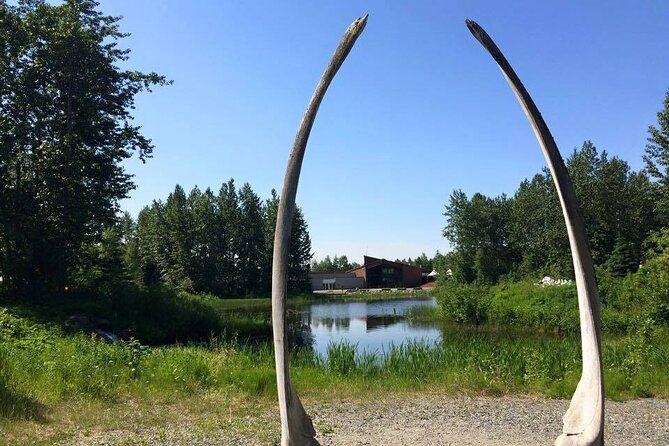
The outdoor portion is the heart of the visit. Six authentic, life-sized Native dwellings are arranged in a wooded area around beautiful Lake Tiulana. Rather than looking at a flat exhibit map, you move through a setting that gives the structures room and context.
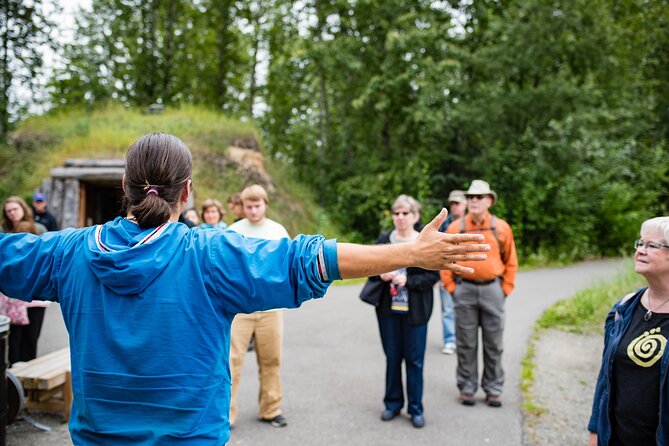
A Culture Bearer introduces the traditional lifeways of the different peoples represented at the center. That term is important here. The goal is not simply to show you old buildings. You are being introduced to living cultures and the ways communities have passed knowledge from one generation to the next.
As you walk, take your time with the setting. The wooded paths and lake make this feel less like a standard indoor museum and more like an outdoor cultural center. The setting also gives children something physical to explore, although you should allow enough time for the explanations rather than rushing from one structure to the next.
The village sites are especially useful after the live presentations. You can connect what you have heard about food, shelter, work, community, and survival with the buildings themselves. You may find that the outdoor sites are more memorable than a display case because they show how people shaped their homes around local conditions and available materials.
The center describes this portion as about three hours, but your actual pace may vary. If you stop for photographs, spend time listening to each Culture Bearer, and attend the demonstrations, the morning or afternoon will pass quickly.
Native dancing and games bring the stories to life
The live presentations are among the most praised parts of the experience. You can expect Alaska Native dancing, music, storytelling, and demonstrations of Native Games.
The games are not filler between museum sections. They show physical skill, focus, balance, endurance, and cooperation. One review specifically praised the young people demonstrating games and dancing, noting the pride and joy visible during the performances. That detail gives you a good sense of the tone: the presentations are educational, but they also have energy and warmth.
The dancing offers another way into the cultures represented here. You are not just reading names on a wall. You see movement, hear music, and watch traditions presented by people connected to the cultures being discussed. For many visitors, this is the part that turns the visit from a research-style stop into something more personal.
Still, expectations matter. This is an educational cultural center, not a theater production built around spectacle. The performances support the teaching. You should listen to the explanations and consider the meaning behind the activity rather than treating the presentation as a short show with nothing else to see.
The schedule of individual performances can change, and the supplied information does not give exact performance times. Check the current schedule when you arrive so you do not miss the dancing or Native Games demonstrations.
A closer look at the cultures represented
The center’s broad coverage is one of its greatest strengths. You will hear about peoples from coastal, island, river, forest, and northern regions of Alaska.
The Inupiaq and St. Lawrence Island Yupik represent northern and island cultures. Athabascan communities are connected with much of Alaska’s interior. The Haida, Tsimshian, and Tlingit are among the Southeast Alaska peoples represented. The Eyak, Unangax, Alutiiq/Sugpiaq, Yupik, and Cup’ik add further regional and cultural perspectives.
You do not need prior knowledge to follow the visit. The center is built as an introduction, so it works well if this is your first serious look at Alaska Native cultures. At the same time, the range of communities means you will not learn everything in one visit. Think of the center as a foundation, not a complete account of every Alaska Native tradition.
Families may find the live activities easier for children to follow than a long indoor exhibit. Adults who want more detail should listen closely to the Culture Bearers and allow time for questions when that is possible. A guided experience can add useful context. One particularly positive account praised a guide named Cheyenne for making the history and cultural information easy to understand. If Cheyenne is leading during your visit, you may be in for a memorable introduction, but guide assignments are not guaranteed.
More History Tours in the USA:
- History and Hauntings of Salem Guided Walking Tour
★ 5.0 · 14,564 reviews - Charleston’s Old South Carriage Historic Horse & Carriage Tour
★ 5.0 · 10,023 reviews - Beneath The Streets Underground History Tour
★ 4.5 · 8,006 reviews - Big Island in a Day: Volcanoes Waterfalls Sightseeing and History
★ 5.0 · 6,569 reviews
The Ch’k’iqadi Gallery and buying Native art
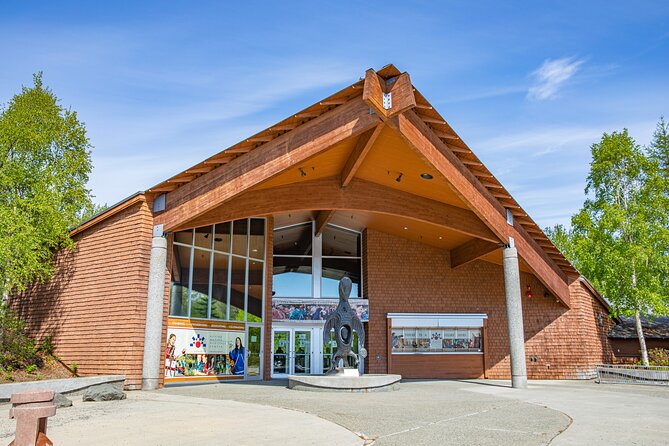
Set aside about 30 minutes for the Ch’k’iqadi Gallery. The name is a Dena’ina Athabascan word meaning things we buy, and the gallery focuses exclusively on authentic Alaska Native arts.
You can browse art, jewelry, and other work from artists representing all regions and cultures of Alaska. This is not just a standard museum shop filled with generic souvenirs. Your purchase directly supports the Alaska Native artist community and helps provide a place for artists to sell their work over time.
That makes the gallery a useful final stop. After learning about different cultural traditions, you can see how those traditions continue through contemporary art. You may find something small to take home, or you may simply want to look carefully at the materials, designs, and regional styles.
Prices and specific items are not provided, so do not arrive with a fixed expectation about what you can buy for a certain amount. The $30 admission does not include purchases. If you are interested in Alaska Native art, leave both time and room in your budget for the gallery.
Is four hours and $30 a good value?
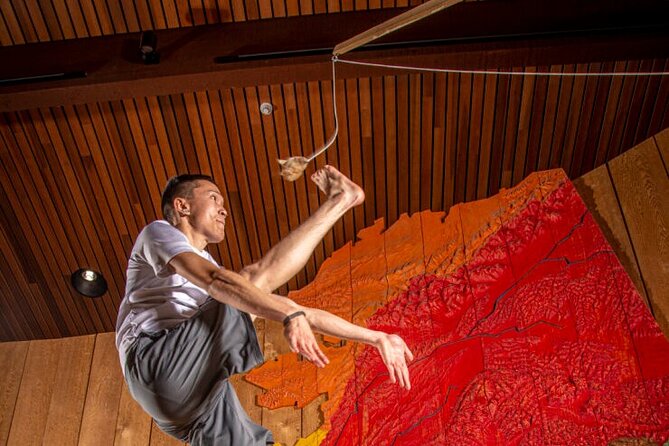
At $30 per person, this is a reasonable use of half a day in Anchorage, especially if you attend the live programs and spend time at the outdoor village sites. Your admission covers a substantial visit, not just entry to a single room.
The value comes from the combination of elements:
- Indoor cultural interpretation
- Live dance and music
- Native Games demonstrations
- Storytelling
- Six outdoor dwellings
- Access to Culture Bearers
- A gallery devoted to Alaska Native art
Parking fees are included, which helps if you are driving. Lunch is not included, so plan to eat before or after the visit. The supplied information does not list a restaurant arrangement, so you should not count on the ticket covering food.
A four-hour visit may feel long if you only want a quick stop between Anchorage activities. It feels much more worthwhile if you treat the center as one of your main cultural visits in the city. I would not squeeze it into a rushed schedule with a flight, cruise departure, or timed excursion immediately afterward.
The ticket is mobile, and booking ahead guarantees entry. The experience is offered in English. During the 2026 season, opening hours are daily from 9 a.m. to 5 p.m., from May 11 through September 15. Booking 46 days ahead is the average, so reserving early makes sense if your Anchorage dates are fixed.
Getting there and avoiding the return-trip problem
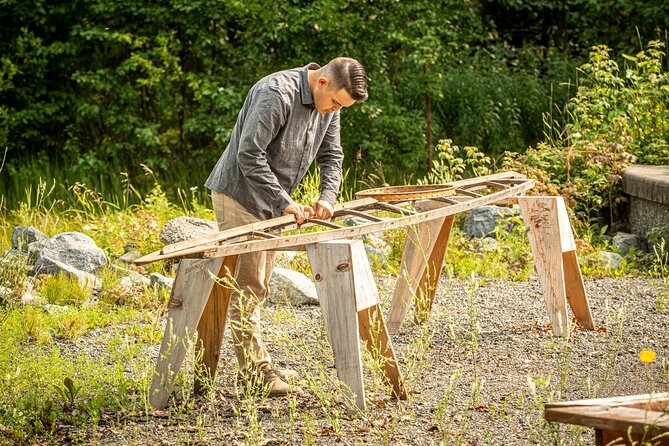
The Heritage Center is near public transportation, and parking is included. Those are useful advantages, but you still need a clear transportation plan.
One visitor arrived by Uber and then could not get an Uber back. A shuttle bus was available, but confusion about the departure point and timing led to a long wait and an unexpected taxi ride. The practical lesson is simple: do not assume a ride-hailing car will be waiting outside when you finish.
Before you begin, ask about the shuttle schedule, pickup location, and last departure. Write down the details or take a photograph of the posted information. If you use public transportation, check the return route before entering the center. If you drive, the included parking makes that the least complicated option.
The center allows service animals, is near public transportation, and says most people can participate. Specific accessibility details are not provided, so anyone with mobility or other access needs should contact the provider before booking.
Who will enjoy this Anchorage visit most?
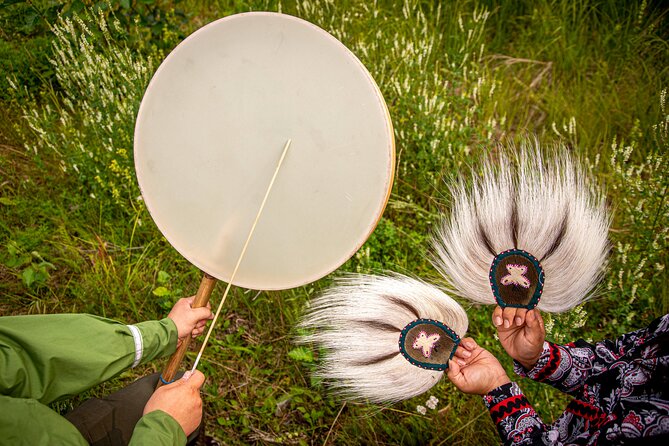
I would recommend this experience to families, first-time visitors to Alaska, and anyone who wants more cultural context than a scenic drive can provide. Children may connect with the games and dancing, while adults can focus on the explanations, history, and art.
It is also a strong choice for visitors who have already seen Alaska’s natural sights and want a different side of the state. Mountains and wildlife are part of the trip, but understanding the people and cultures of Alaska makes your time here more complete.
You may want to skip it if your schedule allows only a short stop, if you are looking strictly for entertainment, or if getting across Anchorage without a car will be difficult. The center rewards attention and time. It is not a quick photo opportunity.
Should you book the Alaska Native Heritage Center?
Book it if you want a respectful, engaging introduction to Alaska Native cultures, especially if you can give it the full four hours. The strongest reasons are the live dancing and Native Games, the six village dwellings around Lake Tiulana, and the chance to learn about 11 distinct Alaska Native peoples.
The $30 price is fair for the amount of programming included, and parking plus free cancellation up to 24 hours before the start time add practical value. Just plan your return transportation before you arrive, and remember that lunch is not included.
If you are choosing between this and another generic Anchorage attraction, I would pick the Heritage Center for cultural depth. Come ready to listen, walk, and spend time with the material. You will leave with a better sense of Alaska as a home of living Native cultures, not simply a destination of scenery.
FAQ
How much does admission cost?
Admission costs $30 per person.
How long should I plan to stay?
Plan for approximately four hours. About three hours are set aside for the Alaska Native Heritage Center visit, followed by about 30 minutes at the Ch’k’iqadi Gallery.
What can I see at the Heritage Center?
You can see Alaska Native dancing, Native Games demonstrations, storytelling, and six life-sized Native dwellings in a wooded area around Lake Tiulana.
Which Alaska Native peoples are represented?
The center introduces the Inupiaq, St. Lawrence Island Yupik, Athabascan, Eyak, Haida, Tsimshian, Tlingit, Unangax, Alutiiq/Sugpiaq, Yupik, and Cup’ik peoples.
Is parking included?
Yes. Parking fees are included with the experience.
Can I cancel my booking?
Yes. You can cancel for a full refund if you cancel at least 24 hours before the experience start time. Cancellations or changes made less than 24 hours before the start time are not accepted for a refund.
Just added around the USA
- Red Rocks Amphitheatre Historical Walking Tour★ 5.0 · 74 reviews
- 1-Hour Segway Tour of Cheyenne Cañon Art, History and Nature★ 5.0 · 36 reviews
- Colorado Springs – Guided Walking Ghost / History Tour★ 5.0 · 168 reviews
- Ancient Landscapes Private Geology Hike at Garden of the Gods★ 5.0 · 31 reviews
- Village Food Tours Lunch & History Tour★ 5.0 · 80 reviews
- 2.5 Hour Kayaking with Manatee and History Tour in Tarpon Springs★ 5.0 · 24 reviews
- Safety Harbor Ghost Tour★ 5.0 · 60 reviews
- Historical Bicycle Tour of Dunedin★ 5.0 · 44 reviews
USA History Tours, compared.
History and Hauntings of Salem Guided Walking Tour
Read our review →
Charleston’s Old South Carriage Historic Horse & Carriage Tour
Read our review →
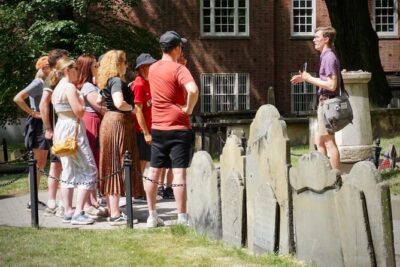
Boston: Freedom Trail History Small Group Walking Tour
Read our review →
Historic Charleston Guided Sightseeing Walking Tour
Read our review →
Savannah History and Haunts Candlelit Ghost Walking Tour
Read our review →
Tour of Historic Fenway Park, America’s Most Beloved Ballpark
Read our review →