
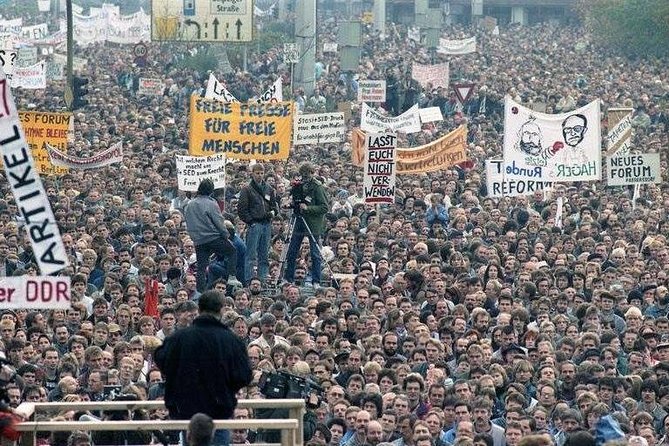
Review · BERLIN
Cold War, Berlin Wall, Spies and the East Side Gallery
Berlin’s Cold War story becomes clearest when you follow the places where ordinary people faced extraordinary rules. This tour links the Palace of Tears, the Berlin Wall, former border areas, and the East Side Gallery with stories of escape, surveillance, military tension, and daily life in East Germany.
I like two things especially: the tour uses public transport to connect several parts of the city, and guides such as Klaus, Maria, Nikolai, Paul, and Cameron bring strong personal and historical detail. The main drawback is that the experience depends heavily on the guide and group management, and the €10 transport ticket is extra.
Key points to know before booking
- The Palace of Tears gives the tour its emotional center: This former border crossing shows how the Wall split families and friendships.
- You visit more than the famous Wall murals: Alexanderplatz, Karl-Marx-Allee, Bernauer Strasse, and former border zones add political and personal context.
- The tour uses Berlin’s U-Bahn: Bring or buy the required AB Zone ticket, currently listed at €10 per person.
- Guides make a major difference: Klaus, Nikolai, Paul, James, Jasper, and others are praised for clear explanations, stories, and answers to questions.
- The finish at East Side Gallery is memorable but busy: You end beside Berlin’s best-known stretch of surviving Wall art, with easy onward transport.
- The pace is moderate but the subject is serious: Wear comfortable shoes, dress for the weather, and arrive 15 minutes early.
Why Cold War Berlin makes sense on foot
Berlin was not simply a city with a wall. It was the place where the United States, NATO allies, the Soviet Union, and their partners tested each other without launching a direct war. Military power, political pressure, spy networks, propaganda, and ordinary family life all collided here.
That mix makes this a useful tour for anyone who knows the basic outline but wants the human details. You hear about CIA, KGB, and Stasi surveillance methods, then see the streets and buildings where those tensions played out. The best parts connect large events to small choices: what you could say, where you could travel, whom you could trust, and how a family handled a border crossing.
The experience also covers more than the years of the Wall. Your guide places Cold War Berlin within the city’s wider story, from its beginnings through the Nazi period, the postwar occupation, division, and reunification. The focus remains on the Cold War, but that wider frame helps explain why Berlin became such a sensitive prize after World War II.
More Cold War and Communism Tours in Berlin:
- Berlin: Third Reich & Cold War Guided Walking Tour
★ 4.9 · 8,378 reviews - Berlin’s Best: 2 Hour Walking Tour Third Reich and the Cold War
★ 5.0 · 5,486 reviews - Berlin: Cold War Walking Tour on Berlin Wall Route
★ 4.8 · 437 reviews
Friedrichstrasse Station and the underground border
The tour begins at 10 a.m. near Friedrichstrasse Station, at Reichstagufer 17. Arrive 15 minutes early. This is not a casual suggestion. A walking tour that uses the U-Bahn cannot wait long for late arrivals, and one unhappy booking involved a missed start after an incorrect drop-off well away from the meeting point.
Friedrichstrasse is an excellent place to begin because it was a working border point between East and West Berlin. Your guide sets up the basic map of divided Berlin here, explaining how the city was split into sectors and how transport routes crossed, stopped, or changed under the border system.
The tour includes a ride on the underground, described as a former ghost train route. During the Cold War, some trains passed beneath East Berlin without stopping at stations that had been sealed off. Guards watched the platforms, and passengers saw little more than dark, closed stations slipping past.
You need a Berlin public transport ticket for Zone AB, which is not included. The listed price is €10 per person. That extra cost is worth noting when you compare this tour with other walking tours, since the transport is part of the experience rather than an optional convenience.
The Palace of Tears and the cost of separation
The Tränenpalast, or Palace of Tears, is one of the tour’s most powerful stops. It was a border crossing at Friedrichstrasse Station where people from East and West Berlin said goodbye under strict rules. Families could meet, but departures were controlled, temporary, and often final for an uncertain length of time.
The name comes from the farewells that took place here. The building’s impact is not based on grand architecture. It comes from the ordinary human pain attached to the place. A goodbye at this border could mean months or years apart, and East German citizens faced controls that made casual travel impossible.
Today, the building contains a museum with displays about escape attempts, separation, border procedures, and reunification. Admission is included on the tour. Allow roughly 20 minutes here, though the emotional weight can make the stop feel longer than the clock suggests.
I like this part because it corrects a common mistake in Cold War sightseeing. The Wall is easy to treat as a political symbol. The Palace of Tears reminds you that division was experienced through missed birthdays, restricted visits, anxious inspections, and families forced to part in public.
SED politics at Admiralspalast
The next stop is Admiralspalast, where the Socialist Unity Party of Germany, known as the SED, was founded in 1946. The party later controlled East Germany’s political system.
You spend only about five minutes here, so do not expect a full political lecture at the building. Its value is as a marker in the city’s postwar power story. The SED was not simply one party among many. It became the central force in the German Democratic Republic, directing public life, political decisions, and much of the state’s security system.
This quick stop works best when your guide links it to later places, especially Alexanderplatz and Karl-Marx-Allee. Those sites show what SED rule looked like in public space: rallies, monuments, carefully planned architecture, and close official control.
More History Tours in Berlin:
- Third Reich Berlin: Hitler and WWII Walking Tour
★ 5.0 · 3,301 reviews - Berlin: Third Reich, Hitler, and WWII Walking Tour
★ 4.9 · 1,757 reviews - Berlin: 3-Hour World Heritage Cruise to Potsdam
★ 4.5 · 1,569 reviews - Berlin: History of the Third Reich Guided Walking Tour
★ 4.7 · 791 reviews
Alexanderplatz, where public life met surveillance
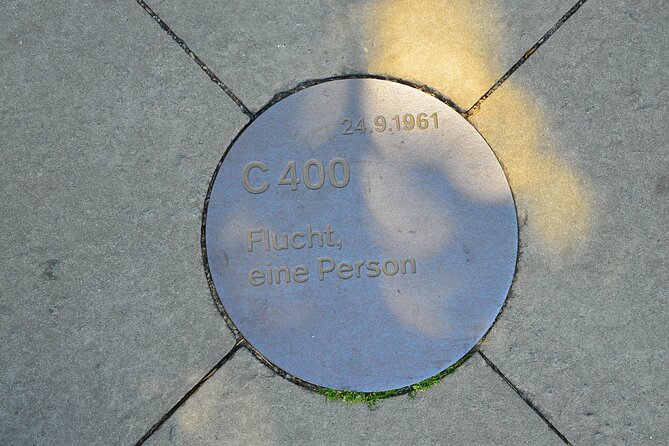
Alexanderplatz was the main public center of East Berlin. It was used for political rallies, official displays, shopping, transport, and everyday life. That combination makes it an important stop because the Cold War was not lived only at the Wall. It was present in streets where people worked, met friends, and moved through the city.
Your guide explains how the square functioned as a stage for communist power. The surrounding GDR architecture and socialist symbols were meant to project order and strength. Yet public space also carried another layer. People understood that they were living under a heavily watched system, even when they were simply crossing a square or heading to work.
This is where the tour’s surveillance theme becomes easier to grasp. You learn about the Stasi, East Germany’s secret police, as well as CIA and KGB methods. The aim is not to turn the visit into a spy thriller. It is to show how information, informants, observation, and fear shaped daily decisions.
The stop lasts about 15 minutes. That is enough for orientation and explanation, but not enough to explore every building or tell the whole story of East German society. If you want a fuller look at the Stasi, add a separate Stasi Museum visit to your Berlin plans.
Karl-Marx-Allee and the architecture of power
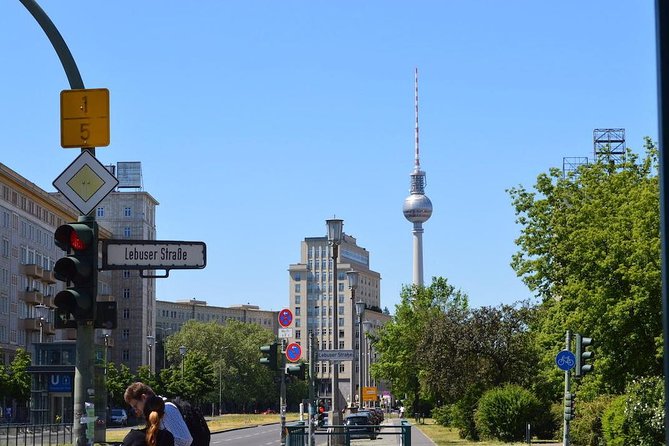
Karl-Marx-Allee is one of the clearest examples of architecture used as political messaging. This broad boulevard was built as a showcase of East German socialism, with monumental buildings influenced by Stalinist design.
The scale matters. Grand facades, repeated forms, and a long ceremonial avenue were intended to make the state look strong, modern, and permanent. Your guide explains how this public image differed from the daily reality behind the Iron Curtain, where shortages, travel limits, surveillance, and political restrictions shaped life.
You spend about 20 minutes here. The boulevard is also one of the places where the walking portion can feel less like a standard sightseeing route. You are not just checking off a monument. You are reading the city itself, noticing how streets and buildings were designed to project ideology.
Karl-Marx-Allee may appeal most to people interested in architecture, politics, and urban planning. If you prefer only dramatic Wall remnants, this section can feel slower. I think it earns its place because it shows how the East German state communicated power without saying a word.
Bernauer Strasse and the death strip
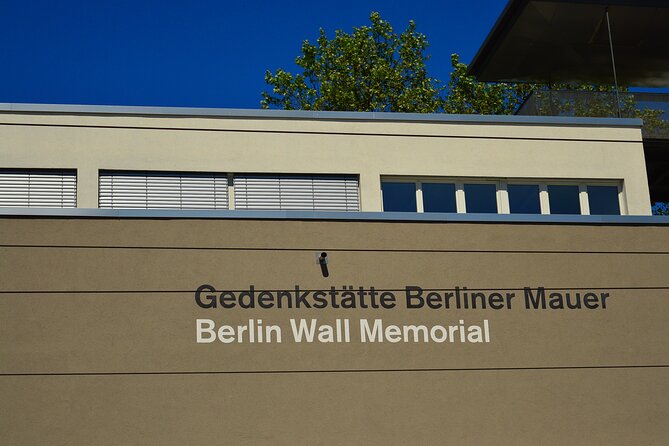
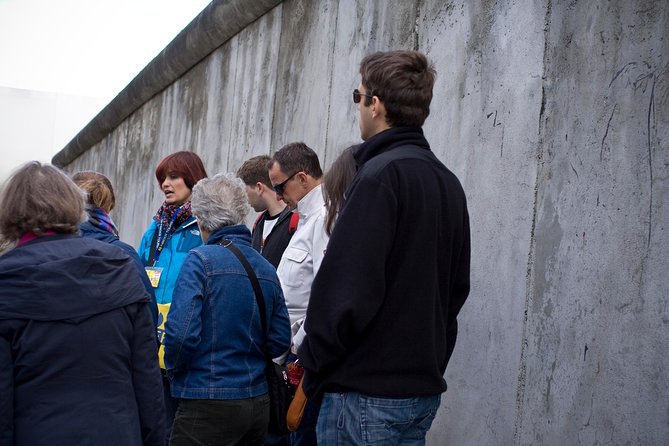
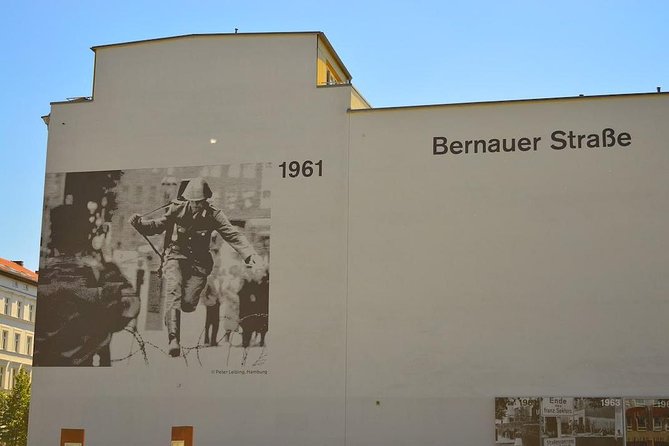
Bernauer Strasse is among the most important Wall sites in Berlin. It became known for escape attempts and for the way the border cut directly through the lives of local residents.
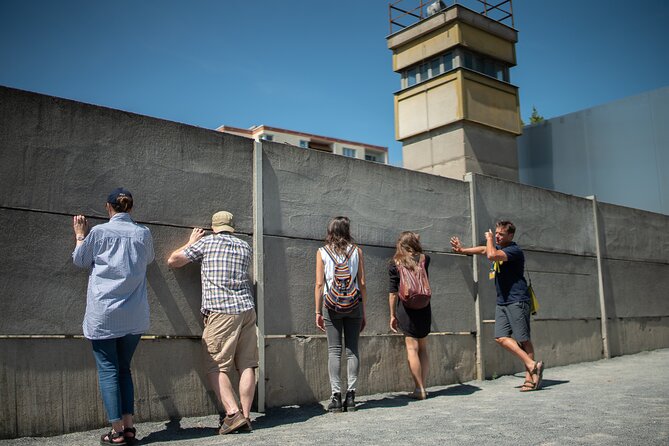
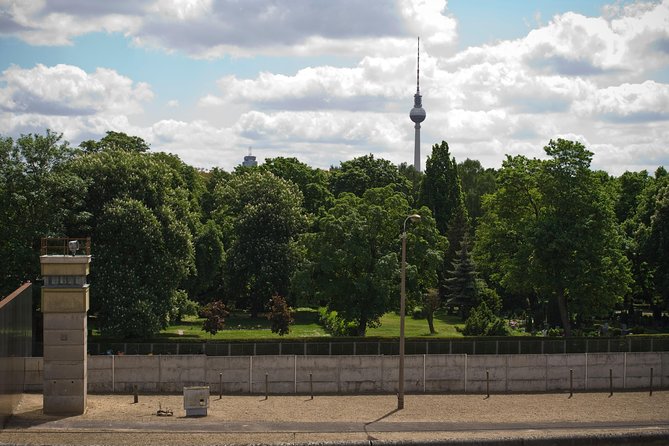
Here, the tour focuses on the death strip, the controlled zone between sections of the border system. It included barriers, watchtowers, patrol routes, and open ground designed to expose escape attempts. The area was not a single wall. It was a layered security system intended to stop people before they reached the West.
The remains and memorial areas help you understand the physical arrangement. One especially sobering experience described by the tour is looking toward the western side of the Wall through an opening from the eastern side, across the former death zone. That view turns an abstract border into a narrow, controlled space where a person could be seen, stopped, or shot.
Bernauer Strasse also carries stories of tunnels, jumps, hidden routes, and desperate escapes. Your guide may use photographs on a tablet or other visual material to show how the area looked before reunification. Guides such as Paul have been noted for using images to make the explanation clearer.
This section requires attention and patience. It is not a quick photo stop. If you want only cheerful sightseeing, the subject matter may feel heavy. That seriousness is also its strength.
The Brandenburg Gate and a changed national symbol
The Brandenburg Gate is one of Berlin’s most famous monuments, but its meaning changed sharply over time. During the Cold War, it stood near the border and became a symbol of division between East and West Berlin, as well as between East and West Germany.
Today it represents unity and peace. Your guide uses the gate to explain how a monument can carry different meanings depending on the political world around it. You see the same columns and sculpture, but the surrounding city has changed from a guarded frontier to an open capital.
The gate is also a useful reminder that the Wall did not simply divide two neighborhoods. It divided a nation and became one of the clearest signs of the wider Cold War conflict. The tour’s broader timeline helps you understand why this one location mattered so much to Berliners and to the outside world.
East Side Gallery, where the Wall became art
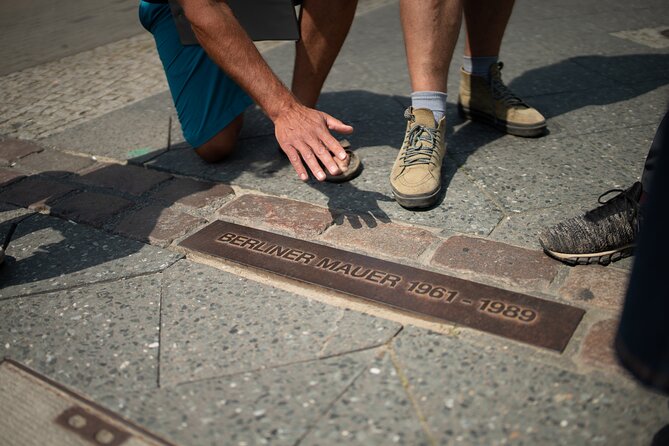
The tour ends at the East Side Gallery, the largest remaining section of the Berlin Wall and the longest permanent graffiti wall in the world. The murals were painted after the Wall’s fall, turning a structure built to restrict movement into a public display of freedom and political expression.
This is a strong ending because the mood shifts. Earlier stops focus on surveillance, separation, fear, and state control. At East Side Gallery, artists use the former border as a canvas for hope, protest, humor, and memory.
The site is popular and can feel more crowded than the quieter memorial areas. You also need to remember that the murals are exposed to weather and city wear. Still, the gallery gives the tour a clear final image: concrete once used to keep people in has become a place where ideas move freely.
The tour ends at Mühlenstrasse, 10243 Berlin, with many public transport choices nearby. That makes it easy to continue sightseeing or return to your accommodation.
Guide quality, group size, and tour style
The advertised maximum is 22 people, which is a reasonable size for a city walk but large enough to affect the experience. A strong guide will keep the group together, speak clearly, and manage U-Bahn transfers without losing people. Jasper, for example, is praised for maintaining a good pace and keeping the group organized during public transport sections.
The guide is the biggest variable. Klaus is praised for his wide command of Cold War history, clear explanations, and willingness to answer questions. Nikolai is noted for connecting the subject to his family’s experience of the Iron Curtain. Cameron brings a historian’s approach, while Tobi offers a firsthand perspective on growing up in East Germany.
Other guides named in the feedback include Maria, Ariel, Xavier, Paul, Grayson, James, Jamie, Tina, Rohan, Lewis, Aran, Glen, and Eran. Their strengths vary, but the strongest pattern is clear: you get the most from this tour when your guide tells personal stories, answers questions, and links each site to daily life.
There is one practical caution. One poor experience described unclear explanations, weak group control, difficulty hearing, and too much time spent on guessing games. That does not match the very high overall rating, but it is a useful reminder that a walking tour is not a fixed museum exhibit. Guide style matters.
Price, timing, and who gets the best value
At $18.04 per person, the tour is inexpensive for roughly three hours with a local guide and several major Cold War sites. The added €10 AB Zone transport ticket raises the real cost, but the route would be harder to cover efficiently on foot alone.
I see good value here if you want a structured introduction rather than a private tour or a full museum day. The guide supplies the timeline, the stories, and the connections between places. You then have a better basis for returning to the Stasi Museum, the Berlin Wall Memorial, or other sites on your own.
The tour suits adults, families with older children, students, and anyone interested in modern European history. It also works well if you have only a few days in Berlin and want to cover several districts in one morning. Young children may find the political detail and serious subject matter demanding, though the personal escape stories can make the past easier to understand.
Wear comfortable shoes and dress for the weather. You will walk outdoors, wait for public transport, and spend time in exposed former border areas. Most people can take part, and service animals are allowed.
Cancellation is free up to 24 hours before the start time. Changes or cancellations made later are not refunded, so check your schedule carefully before booking.
Should you book this Cold War Berlin tour?
I would book it if you want to understand how division felt in daily life, not just photograph a surviving piece of Wall. The Palace of Tears, Bernauer Strasse, the death strip, Alexanderplatz, and Karl-Marx-Allee give you a fuller picture than the East Side Gallery alone.
You should skip it if you want a short, purely visual sightseeing walk, dislike public transport, or need a tightly controlled museum-style presentation. The tour covers a lot, and guide quality can shape the day.
For most history-minded visitors, the low price and broad route make this a sensible choice. Arrive early, buy the required transport ticket, stay close to your group, and ask questions. With a guide such as Klaus, Nikolai, Maria, Paul, or Cameron, you can leave with more than a few Wall photographs. You can leave with a clearer sense of what it meant to live behind it.
FAQ
Where does the Cold War Berlin tour begin?
The stated meeting point is Reichstagufer 17, 10117 Berlin, near Friedrichstrasse Station. The start time is 10 a.m., and you should arrive 15 minutes early.
Where does the tour finish?
The tour ends at the East Side Gallery on Mühlenstrasse, 10243 Berlin. The area has several public transport options for continuing your day.
Is public transport included?
No. You need a Berlin Zone AB transport ticket, listed at €10 per person. The tour uses Berlin’s U-Bahn to connect some of the sites.
How long does the tour last?
The tour takes about three hours. It can sometimes run longer if the guide allows extra questions and discussion.
What language is the tour offered in?
The tour is offered in English and includes a local expert guide.
How large is the group?
The maximum group size is 22 people. Most travelers can participate, and service animals are allowed.
Can I cancel for a refund?
Yes. You can cancel at least 24 hours before the local start time for a full refund. Cancellations or changes made less than 24 hours before the tour are not accepted for a refund.
Just added around Berlin
- Berlin Food & Cultural Tour: Must-Try German & Berliner Classics★ 5.0 · 51 reviews
- Berlin Half-Day World War II Walking Tour★ 4.5 · 48 reviews
- Small-Group Historical Bike Tour in Berlin★ 4.5 · 103 reviews
- Historic center of Berlin – Tour in Italian★ 5.0 · 143 reviews
- Berlin Cold War & World War II Third Reich Walking Tour★ 4.5 · 30 reviews
- Private Taxi Tour City East & West History and Architecture 3-4h★ 5.0 · 42 reviews
- Berlin Wall and Cold War Bike Tour in Small Groups★ 5.0 · 114 reviews
- Private Tour: Jewish Heritage Walking Tour of Berlin★ 5.0 · 29 reviews
Berlin History Tours, compared.

Berlin: Third Reich & Cold War Guided Walking Tour
Read our review →
Berlin’s Best: 2 Hour Walking Tour Third Reich and the Cold War
Read our review →
Third Reich Berlin: Hitler and WWII Walking Tour
Read our review →
Berlin: Third Reich, Hitler, and WWII Walking Tour
Read our review →
Berlin: 3-Hour World Heritage Cruise to Potsdam
Read our review →
Berlin: History of the Third Reich Guided Walking Tour
Read our review →
Browse the lists this tour appears in