
Review · SOUTH KOREA
Gyeongju UNESCO World Heritage Guided Day Tour from Busan
Gyeongju is Korea’s ancient capital, where royal tombs rise beside modern cafés and an eighth-century temple still draws worshippers. This full-day trip from Busan gives you a useful sweep of the city without the fuss of arranging several buses and entry tickets yourself.
I especially like the choice between the UNESCO route and the Museum route. I also like the evening visit to Donggung Palace and Wolji Pond, when the water and buildings take on a different mood. The tradeoff is the schedule: with 10 to 12 hours on the road, some stops can feel brisk, and most of the day is spent outdoors.
What makes this Gyeongju day trip worth considering
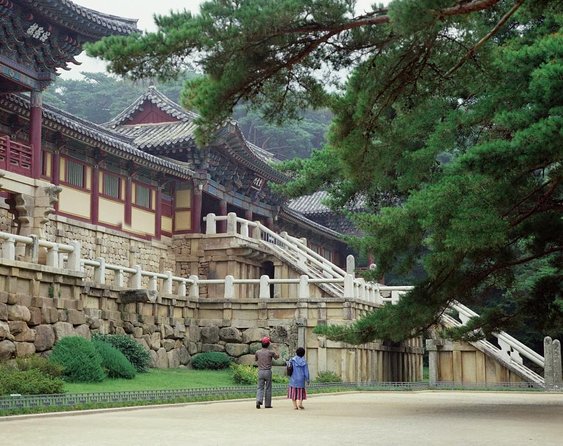
- Yangdong Village gives you a real sense of old Korea, with traditional homes spread across wooded hills rather than displayed behind glass.
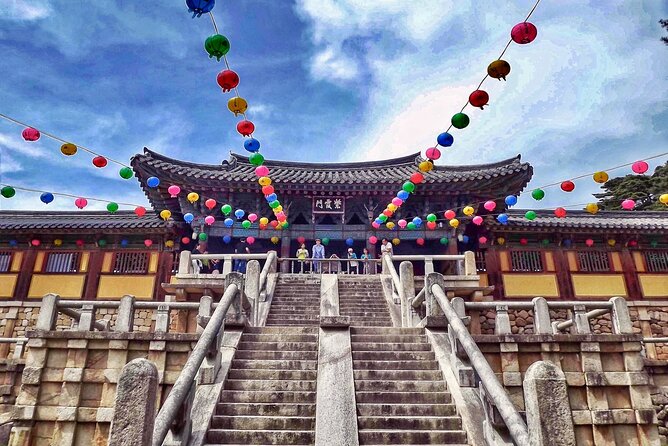
- Bulguksa Temple brings Silla-era architecture to life, with time to see its stone terraces, gates, and Buddhist details.
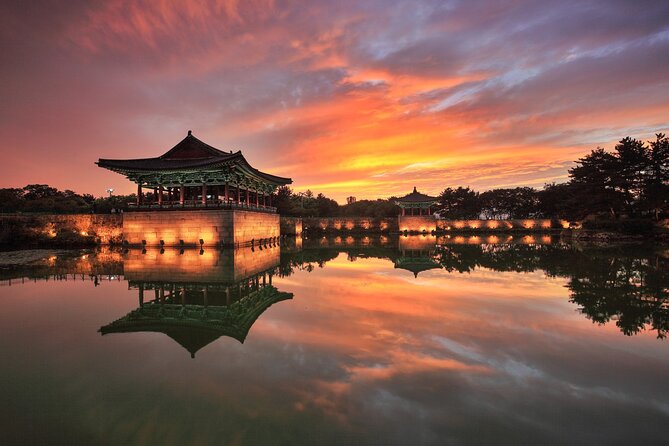
- The UNESCO route includes Wolji Pond after dark, one of the most attractive photo stops of the day.
- The Museum route swaps the village for indoor context, including Silla crowns, Buddhist objects, and other archaeological treasures.
- Round-trip transport from central Busan saves planning time, especially if you want to cover several separated sites in one day.
- Guides such as Sol, Vincent, Irene, Bobby Kim, and Lucy add historical explanation and practical help, including directions, timing, and photo suggestions.
Why Gyeongju deserves a full day from Busan
Gyeongju served as the capital of the Silla Kingdom for centuries. That long run left the city with temples, royal burial mounds, palace remains, bridges, and traditional homes scattered across a broad area.
That spread is the main reason this tour makes sense. You can visit Gyeongju independently, but moving between Yangdong Village, Bulguksa, Daereungwon, Wolji Pond, and the museum takes planning. A coach and guide turn a complicated day into a single route.
You should still think of this as a highlights tour, not a slow historical study. The day covers a lot, and the guide usually gives a clear explanation before allowing time to explore on your own. I like that balance, but anyone who wants long, quiet visits at each site may find the pace tight.
At about $57.14 per person, the price is sensible for the transport, guide, and included admissions. You are paying for convenience as much as sightseeing. Meals are extra, and the value is best if you want several major sites in one day rather than one relaxed visit.
More UNESCO World Heritage Tours in the world:
- World Heritage Shirakawa-go and Experience Tours from Kanazawa
★ 5.0 · 4,049 reviews - From Tirana: Berat UNESCO Heritage & Belshi Lake Tour
★ 4.9 · 3,863 reviews - Bali: Tanah Lot UNESCO World Heritage Sites Full-Day Tour
★ 4.7 · 1,947 reviews
Bulguksa Temple opens the Silla story
The first major stop is Bulguksa Temple, one of Korea’s best-known Buddhist sites and a UNESCO World Heritage property. The complex dates back to the eighth century and is admired for its stone stairs, terraces, pagodas, and carefully arranged halls.
You get about 1 hour and 10 minutes here. That is enough to see the main sections and hear the basic story, though it is not enough for a leisurely inspection of every detail.
I would listen closely during the guide’s introduction, then use your free time for photographs and a slower look at the stonework. Bulguksa rewards attention to small features, so do not spend the entire visit taking wide shots from the entrance.
The site involves walking and some uneven or sloping sections. Wear shoes you can use comfortably for a long day. In cooler months, the stone areas can feel exposed, while summer visits may feel hot because so much of the route is outside.
Yangdong Village feels different from a museum
On the UNESCO route, the next large stop is Yangdong Folk Village, with about 2 hours and 15 minutes to explore. It is one of Korea’s best-preserved traditional villages, with old homes, tiled roofs, farm buildings, and hills around the settlement.
This is one of the tour’s most distinctive stops. Instead of seeing a single restored house, you get a broader picture of how a village was arranged. Paths lead between buildings and slopes, so the visit feels more like walking through a living setting than checking off an exhibit.
The time here is useful, but the ground can be demanding. You will want comfortable shoes and enough energy for inclines. The village is also one of the places where the weather matters most, since you spend much of the visit outdoors.
Lunch takes place around the village area and is not included. Food arrangements can vary in convenience, so I would bring a small snack if you tend to eat early or need a vegetarian option. A traditional Korean meal may be available, but you should not assume that every preference will be covered by the set choices.
Royal tombs and Hwangnidan-gil show old and new Gyeongju
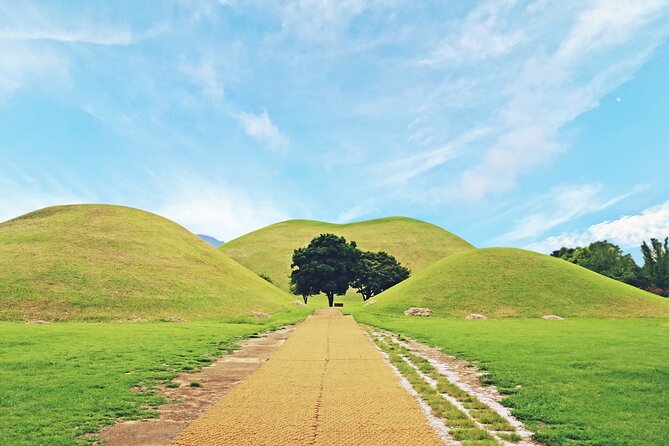
Daereungwon Tomb Complex gives you about 45 minutes among 23 large Silla burial mounds. The green, rounded tombs are easy to recognize, but the scale becomes clearer when you walk beside them.
The included Cheonmachong Tomb ticket lets you enter one tomb site. That adds a useful interior view to the outdoor walk and helps explain how royal burial chambers were built.
Right next to Daereungwon is Hwangnidan-gil, a modern street set among older architecture. You get another 45 minutes here, with time for cafés, snacks, and small shops.
This stop is a welcome change of pace after temples and village paths. You can grab food or coffee, but do not expect a full guided cultural visit. It is free time, and the street can feel more commercial than the earlier historical sites.
Dinner is also at your own expense. The nearby food choices can be convenient, but the meal is not organized as part of the tour. Keep track of the meeting time, since the group still has evening sightseeing ahead.
More Guided Tours in the world:
- Pompeii: Entry Ticket and Guided Tour with an Archaeologist
★ 4.8 · 19,459 reviews - History and Hauntings of Salem Guided Walking Tour
★ 5.0 · 14,564 reviews - Edinburgh: Edinburgh Castle Guided History Tour with Tickets
★ 4.8 · 9,933 reviews - Berlin: Third Reich & Cold War Guided Walking Tour
★ 4.9 · 8,378 reviews
Woljeonggyo Bridge gives the itinerary a short visual stop
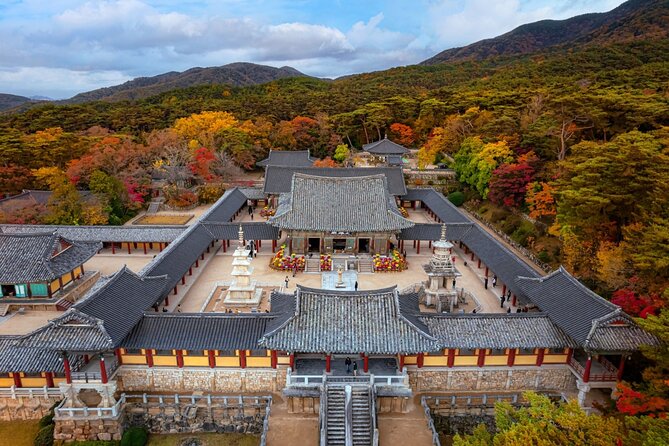
The UNESCO route includes about 20 minutes at Woljeonggyo Bridge. The reconstructed bridge uses stone arches and recalls the engineering of the Silla period.
Twenty minutes is short, so this is mainly a photo and orientation stop. You will not have time for a long walk around the area, but the bridge adds variety to a day otherwise centered on temples, tombs, and buildings.
I like this kind of brief stop when the main sites already require more time. Just keep your expectations in check: it is a quick look, not a full bridge visit.
Wolji Pond is the evening payoff
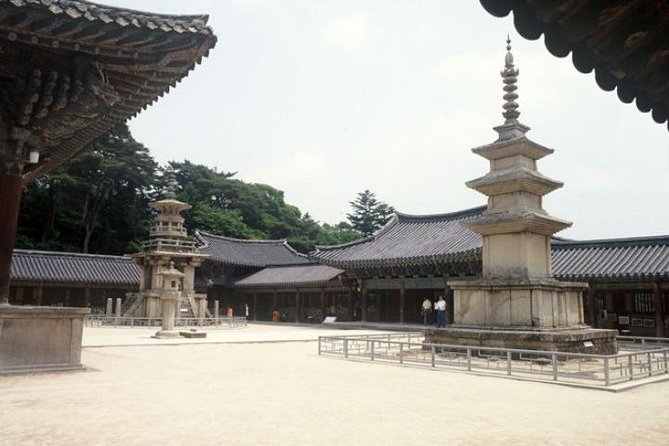
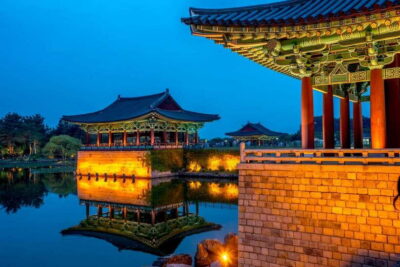
Donggung Palace and Wolji Pond is one of the strongest parts of the route, especially when the visit reaches the evening. The pond was created in 674 as part of a palace complex, and the illuminated buildings reflected in the water can be striking.
You get about an hour here, with admission included. The setting feels different from Bulguksa or Yangdong Village because the focus is on palace remains, water, night lighting, and open views.
Many people find this the most memorable photographic stop. It also helps explain why the timing can run late. If you prefer to return to Busan early, this evening visit is part of the cost of seeing Gyeongju at its most atmospheric.
Bring a layer even in warm weather. The tour spans much of the day, and temperatures can change between the coach, open sites, and evening stops.
The Museum route offers a calmer alternative
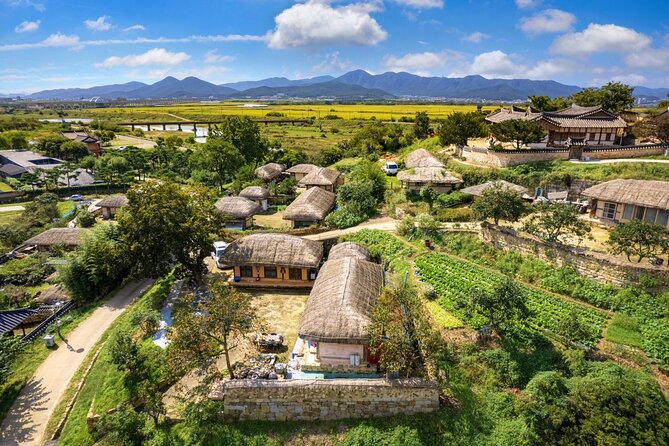
The second option replaces Yangdong Village, Daereungwon, Hwangnidan-gil, Woljeonggyo Bridge, and Wolji Pond with Hwangnidan-gil and the Gyeongju National Museum, according to the route arrangement.
The museum visit lasts about an hour and focuses on Silla objects, including golden crowns and Buddhist relics. This option suits you if you want historical objects and indoor interpretation rather than a long village walk.
You still visit Bulguksa, so you retain the major temple experience. Hwangnidan-gil adds a short modern break, with cafés and food nearby.
Choose the Museum route if you prefer artifacts, displays, and shelter from the weather. Choose the UNESCO route if you want the wider range of outdoor sites, especially Yangdong Village and Wolji Pond. Check the exact day and option carefully when booking, since the two routes do not cover the same stops.
Guides make the long day easier to manage
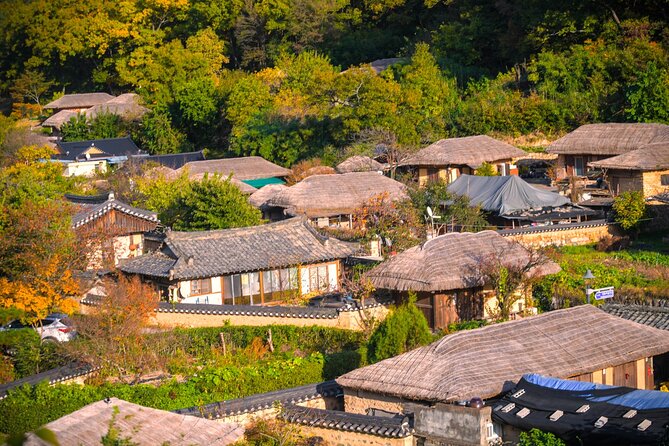
The tour offers English, Chinese, and Korean-speaking guides. Names associated with the experience include Sol, Vincent, Irene, Bobby Kim, Lucy, Tomy, Lan, Charles, Roy, Juna, and Bryan.
The best guides do more than recite dates. Sol is described as organized and good at giving historical context, while Vincent is noted for clear narration and advice on good photo locations. Irene is praised for keeping the group on schedule, and Bobby Kim for answering questions and helping people feel comfortable.
That matters on a group tour of up to 43 people. A guide has to keep the bus moving, explain the next meeting point, and prevent people from getting lost. You may also receive help with photos, directions, and practical questions during the day.
The group size can affect the mood. A full coach may feel lively and social, but it also means waiting for others and moving at the group’s pace. One useful habit is to note the guide’s instructions and meeting times before walking off to explore.
Transport and timing require realistic expectations
The coach or minivan is air-conditioned, and round-trip transport from central Busan is included. Pickup time and return time can vary with traffic, weather, and the selected route, so leave flexibility in your evening plans.
The full day may last 10 to 12 hours. Some departures have taken place around 9 or 10 in the morning, with return to Busan around 8 or 9 at night. The route includes long drives, and traffic can add time.
The coach is a major benefit because Gyeongju’s sites are spread out. The cost is that you cannot leave early or linger at one favorite place. If you want a quiet temple visit or detailed photography session, a private trip or overnight stay would suit you better.
Most stops are outdoors. Wear layers, use sun protection in warm weather, and bring water. The day includes substantial walking, hills, and open paths, so I would not treat it as a passive sightseeing ride.
Meals, mobile tickets, and practical details
Admission is included for Yangdong Village, Donggung and Wolji, and the Cheonmachong Tomb visit on the UNESCO route. The Museum route includes its planned admissions, while meals and personal spending are not covered.
Lunch and dinner are your responsibility. Some food stops may accept cash only, and food quality and portion size can vary. If you have dietary needs, carry a backup snack rather than relying on a single village café or street-food area.
A mobile ticket makes the start simple. Confirmation arrives at booking, and the tour is near public transportation. Most people can participate, but the walking and length of the day still matter more than the basic participation note.
You can cancel for a full refund up to 24 hours before the start time. Changes or cancellations inside that window are not accepted for a refund.
Who should book this Gyeongju tour?
I would choose this trip if you are based in Busan and want a strong first look at Silla-era Korea without arranging intercity transport. It is particularly useful for first-time visitors who want a guide to explain what they are seeing.
The UNESCO route suits you if outdoor heritage sites matter most. The Museum route is better if you want artifacts and a less exposed schedule.
I would hesitate if you dislike early starts, long coach rides, group timing, or evening returns. The itinerary is packed, and the biggest sites may feel rushed. Still, for the price, the included transport, admissions, and wide range of stops make this a practical way to see Gyeongju in one day.
FAQ
How long does the Gyeongju tour from Busan last?
The tour lasts approximately 10 to 12 hours. Traffic and weather can affect the exact schedule and return time.
How much does the tour cost?
The listed price is $57.14 per person.
What tour options are available?
You can choose the UNESCO route or the Museum route. The UNESCO route includes Yangdong Village, Daereungwon, Woljeonggyo Bridge, and Donggung Palace and Wolji Pond. The Museum route includes the Gyeongju National Museum and Hwangnidan-gil instead of those UNESCO route stops.
Is transport included?
Yes. Round-trip transport from central Busan is provided by air-conditioned coach or minivan.
Are entrance fees included?
Yes, included admissions cover the listed attractions for the selected route. The UNESCO route specifically includes Yangdong Village, Donggung and Wolji, and the Cheonmachong Tomb ticket.
Are meals included?
No. Lunch, dinner, and other personal expenses are not included.
What languages are offered?
The tour provides English, Chinese, and Korean-speaking guides.
How large can the group be?
The tour can have a maximum of 43 participants.
Can I cancel for a full refund?
Yes. You must cancel at least 24 hours before the experience start time for a full refund. Cancellations or changes made less than 24 hours before the start are not accepted for a refund.
Just added around the world
- Scenic Train ride to historical cities of Morretes and Antonina★ 4.0 · 188 reviews
- 6-Day Cultural Tour to Machu Picchu★ 5.0 · 76 reviews
- Jewish Heritage of Curacao★ 4.5 · 68 reviews
- The Curacao’s Colorful History Walking Tour★ 5.0 · 55 reviews
- Discover Scuba Diving Amathounta’s Ancient Port★ 5.0 · 30 reviews
- Olous – Guided Snorkelling Excursion to Discover Olous Sunken Ancient City★ 4.5 · 31 reviews
- Night Walking Tour of Medieval Cuenca★ 5.0 · 64 reviews
- Knossos & Archaeological Museum Shared Guided Tour from Chania★ 5.0 · 41 reviews
South Korea History Tours, compared.
From Busan: Gyeongju UNESCO World Heritage Guided Day Tour
Read our review →
Seoul: Evening Dark History, Folklore & Ghost Story Walking Tour
Read our review →
Old Korea Thousand History Tour of Gyeongju from Busan
Read our review →
Hanbok Photoshoot and History Tour at Gyeongbokgung Palace
Read our review →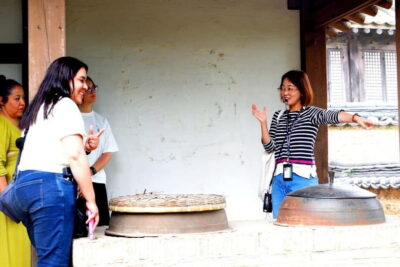
From Seoul: Dae Jang Geum Park Historic K-Drama Set Tour
Read our review →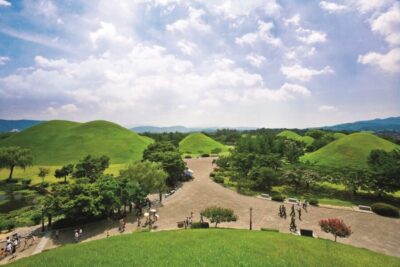
Gyeongju: UNESCO Heritage Tour Including Bulguksa Temple
Read our review →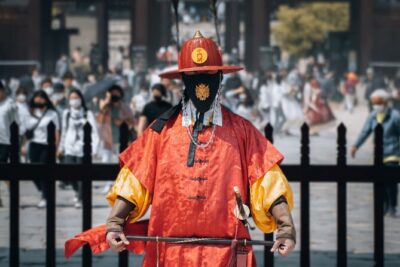
Seoul: City Highlights and Historical Experience No Shopping
Read our review →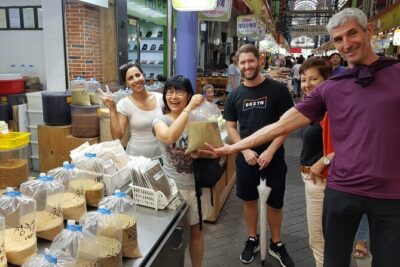
Busan history and market food tour with local chef
Read our review →Browse the lists this tour appears in