
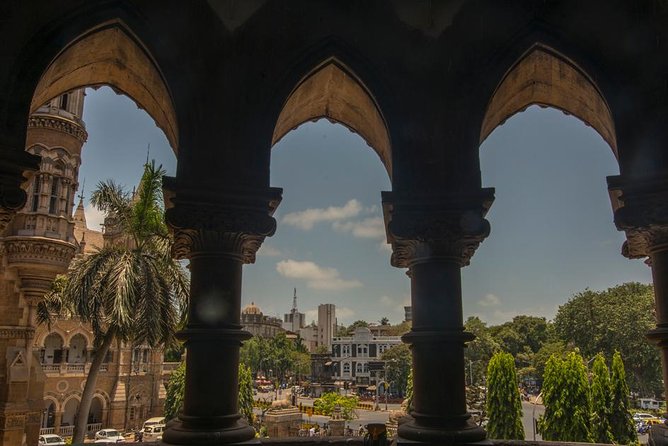
Review · MUMBAI
Heritage Walk: Recommended by Gigi Hadid as a must-do in Mumbai
South Mumbai’s grand buildings make more sense when someone connects them to the people, politics, and odd little stories behind the stone. This private walk takes you from Town Hall through Fort and Kala Ghoda, ending near the old docks, with tales of banyan-tree stock trading, Parsi baking, Jewish merchants, and an Ice King along the way. I love the strong local focus, and I like that you get a quick bite at Yazdani Restaurant rather than just another monument stop.
The private format is another real advantage. Guides such as Meherbeen and Dereck have adjusted the pace and route to suit individual interests, and Dereck even waited for a late-arriving group. The main consideration is that this is chiefly an exterior walking tour. If you expect to enter several historic buildings, you may find the sightseeing less satisfying.
Key points at a glance
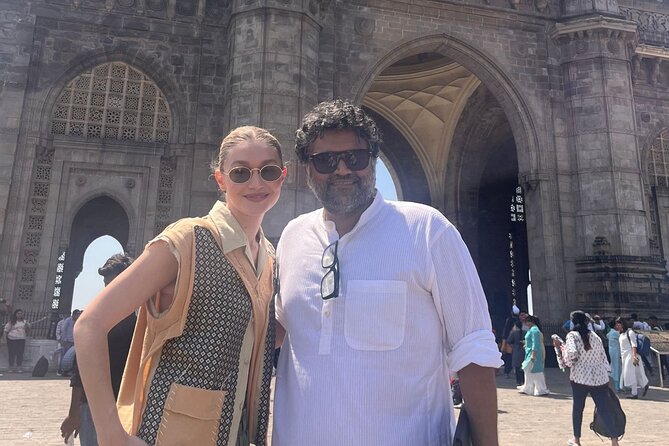
- A private walk through Fort and Kala Ghoda: Your group gets the guide’s full attention rather than sharing a fixed commentary with strangers.
- Yazdani bakery adds a useful local pause: A quick snack breaks up the walking and brings Parsi food culture into the tour.
- The stories reach beyond architecture: Hear about the Bombay Stock Exchange, the Sassoon family, Watson Hotel, Maharashtra’s political history, and Mumbai’s old docks.
- Hotel pickup and drop-off are offered: Transport from Mumbai suburban hotels may cost extra, so check your address before booking.
- The route covers about three to four hours: You need moderate fitness for a mostly pedestrian tour through central South Mumbai.
- Guides can adjust the experience: Meherbeen and Dereck have been singled out for flexibility, patience, and personal attention.
Why this private South Mumbai walk works

This is a good introduction to Mumbai because it gives you a clear geographic path. You begin at Town Hall, once part of the old Fort area, then move through Horniman Circle, past Flora Fountain and the Bombay Stock Exchange, into Kala Ghoda, and finally toward Lion Gate.
That route shows how South Mumbai changed from a fortified colonial settlement into a financial, cultural, and port city. You are not simply ticking off famous facades. You are watching the city shift from government power to commerce, art, religion, and shipping as you walk.
The guide is the key part of the experience. A private tour lets you stop for questions, spend more time on subjects that interest you, and move faster when a building is less compelling. The guide also has room to shape the storytelling. Meherbeen, for example, has been praised for tailoring the walk and bringing an easy local energy to the morning. Dereck has shown similar flexibility, including waiting when a group arrived late.
The tour is promoted as a must-do in Mumbai by Gigi Hadid, but the more useful reason to consider it is simple: South Mumbai is easy to pass through and hard to understand without context. A local guide gives you a framework for what you are seeing.
More History Walking Tours in India
- Fontainhas Heritage Walk by Make It Happen
★ 5.0 · 2,834 reviews - The Great Indian Food Tour: Old Delhi Food and Heritage Walk
★ 5.0 · 1,698 reviews - Old Goa Heritage Walk by Make It Happen
★ 5.0 · 797 reviews
Town Hall and the old Bombay Fort
The walk begins at the Asiatic Society in Town Hall, behind the old Bombay Castle area. This is a strong starting point because the story of South Mumbai begins with the Fort, the former defensive center around which the city developed.
Expect an orientation rather than a long interior visit. The first stop is brief, with time to hear how the old Fort shaped the area and how Bombay began extending beyond its early limits.
The Asiatic Society adds another layer. Its grand setting is tied to the intellectual and civic life of nineteenth-century Bombay. Your guide explains how gas lights were first exhibited here and brings in local anecdotes, including a humorous story connected with Jinnah, who later became the founder of Pakistan.
This is where the tour’s style becomes clear. You are getting stories that are easy to miss if you only photograph the columns and move on. The stop is short, so ask questions early if colonial politics, urban growth, or the city’s early institutions interest you.
Horniman Circle and the walk toward St. Thomas Cathedral
From Town Hall, you walk through Horniman Circle, a curved urban precinct with a more formal civic feel than the lanes around the old Fort. The route then moves toward St. Thomas Cathedral, giving you a sense of how closely Mumbai’s commercial and religious landmarks sit together.
The official stop here lasts about 20 minutes. That is enough for a guided look and some photographs, though not enough for a detailed architectural study of every building in the area.
This portion is useful for getting your bearings. Mumbai can feel like a wall of traffic, stone, signs, and people when you first arrive. A guide helps you read the street plan and see how the old precincts connect.
Keep your expectations practical. The activity is designed as a walking overview, not a full architectural tour with long indoor visits. The sights are primarily viewed from outside, and the guide’s storytelling carries much of the value.
Yazdani Restaurant and the taste of Parsi Mumbai
The 30-minute stop at Yazdani Restaurant and Bakery is one of the most appealing details of the walk. You get a quick bite at this old Parsi bakery, adding a food stop to what might otherwise be a building-heavy morning.
That matters because Mumbai’s past is not only found in monuments. Food traditions, family businesses, and neighborhood institutions also show how different communities shaped the city. Yazdani gives the walk a more ordinary, lived-in pause.
The snack is included, along with the guide and taxes. It is not presented as a full meal, so you should eat beforehand if you need a substantial breakfast or lunch. The stop is best viewed as a taste and a breather rather than a food tour.
The timing also helps the overall pace. Three or four hours on foot can feel long if every stop is another lecture. A short bakery break gives you a chance to sit, eat, and ask your guide about what you have seen so far.
Same city, a different century:
- Old Delhi Food, Heritage&Cultural Walk with Rickshaw ride to Masterji Kee Haveli
★ 5.0 · 742 reviews - Blue City Heritage Private Walking Tour With Pickup and Drop-Off
★ 5.0 · 441 reviews - Kolkata Heritage Tram Tour
★ 4.0 · 395 reviews - Private Heritage Walking Tour in Jaisalmer Fort and Old Bazaar
★ 5.0 · 306 reviews
Flora Fountain and the political story of Maharashtra
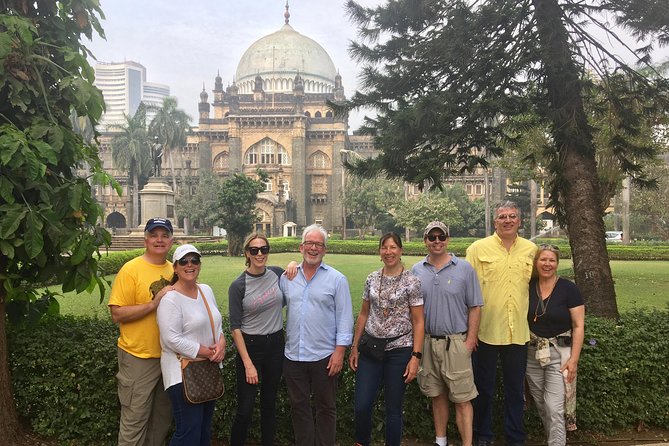
Flora Fountain marks the point where the old Bombay settlement expanded beyond the Fort limits. The fountain itself is the visual anchor, but the more interesting part is the political story connected with the Hutatma Smarak nearby.
Your guide explains the division of the state of Maharashtra and the events remembered by the memorial. This brings modern regional politics into a route otherwise filled with colonial buildings, merchants, and port stories.
The stop lasts around 15 minutes. That is enough to understand the basic context and take in the surrounding streets, but you should not expect a long memorial visit or a detailed political seminar.
I like this stop because it keeps the tour from becoming a parade of grand architecture. Mumbai’s identity was shaped by language, statehood, protest, and public memory as much as by trade and empire.
The Bombay Stock Exchange and the power of trade
The Bombay Stock Exchange is one of the most memorable stops for visitors who want to understand modern Mumbai. The guide traces its beginnings under a banyan tree before explaining how that modest gathering grew into the major institution housed here today.
That story is valuable because it shows how commerce developed alongside the city. You move from the old Fort and its colonial administration to the financial engine that helped define Mumbai’s modern character.
The stop is short, about 10 minutes, and the building is viewed from outside. You will not be taking a guided tour of the exchange itself. Still, the origin story gives the facade a purpose beyond its size.
If finance does not interest you, the guide can likely keep this section concise. If you enjoy business history, ask how the exchange fits into the growth of Bombay’s merchant communities and port economy.
Keneseth Eliyahoo Synagogue and the Sassoon family
The Keneseth Eliyahoo Synagogue introduces Mumbai’s Jewish heritage. It is a brief stop, listed at about five minutes, but it adds an important community story to the route.
The guide connects the synagogue with the Sassoon family and their influence on Mumbai. Their name appears elsewhere in the city, particularly in stories of trade, philanthropy, and the development of the port area. This stop helps you see that South Mumbai was shaped by more than one colonial administration or religious tradition.
Because the visit is short, the stop works best as part of the wider narrative rather than as a standalone attraction. You should not assume that the tour includes a lengthy interior visit. The main value comes from the explanation of the people and networks behind the building.
This is also a useful moment to ask your guide about Mumbai’s Jewish community, especially if you want more than the scheduled five-minute overview.
Kala Ghoda, art, and Watson Hotel
Kala Ghoda is the cultural center of the route. The precinct is known for its art institutions and galleries, and the tour takes about 25 minutes to explain the area and its connections to the Sassoons and Jewish Mumbai.
You also hear about Watson Hotel, described as the first iron-cast building in the city and a place associated with Mark Twain. That kind of detail gives the district a slightly eccentric edge. The stop is not just about polished galleries and public art. It is also about an older city of hotels, merchants, visitors, and unusual construction.
The tour ends near the Archana and Harish Mittal Art Initiative at Ador House on K Dubash Marg. This is not the same place as the starting point at Town Hall, so plan your next move from Kala Ghoda rather than assuming you will finish where you began.
For many people, Kala Ghoda will be the most visually rewarding section. It also makes a good place to continue independently, though the activity itself ends at the stated meeting point.
Lion Gate and Mumbai’s port stories
The final stop is Lion Gate, near the old docks. The stories here shift again, from art and finance to shipping, empire, and waterfront trade.
The guide covers the mysterious Ice King, Mumbai’s connection with the American Civil War, and other port tales. These subjects show how far the city’s commercial reach extended. They also give the tour a lively finish, with stories that may be more surprising than the formal monuments earlier in the morning.
This is a 15-minute stop, so it is a conclusion rather than a long exploration of the docks. You will hear the stories and see the setting, but the activity does not promise access to working port facilities or a specialist maritime tour.
Ending here gives the walk a useful sense of movement. You have traveled from the city’s old fortified center through civic, religious, financial, artistic, and port districts.
What the $44.39 price gets you
At $44.39 per person, the cost is reasonable if you value a private guide and want an introduction to South Mumbai without organizing the route yourself. The price includes the professional guide, taxes, and the quick bite at Yazdani.
The strongest value comes from the private format. A couple, family, or small group can ask questions and adjust the emphasis without waiting for a large party. You are also paying for a route that links landmarks into one story rather than booking separate visits.
The value is less obvious if you mainly want interior access. Most stops are exterior viewpoints, and the tour does not include entry tickets to the buildings named along the way. A self-guided walk could cover some of the same streets for less money, but it would not provide the same local explanations or personal pacing.
The activity is often booked around 25 days ahead. That suggests you should reserve early if your Mumbai dates are fixed, especially if you want a particular morning or guide.
Timing, pickup, and the walking effort
The experience lasts about three to four hours. Start and end times may shift because of traffic and local conditions, and the guide has discretion over the order of stops. That flexibility can help the tour run smoothly, but you should keep a little space in your schedule afterward.
Hotel pickup and drop-off are offered. Transport from hotels in the Mumbai suburbs may involve an additional cost, so confirm the arrangement if you are staying outside central South Mumbai. The listed start is at the Asiatic Society in Town Hall, while the listed finish is in Kala Ghoda.
You need moderate physical fitness. The route is on foot, with several stops and city streets between landmarks. Wear comfortable shoes, bring water, and avoid scheduling a demanding activity immediately afterward.
The experience is near public transportation, which helps if you arrange your own way to the start or continue from the end. The order can change, so treat the listed route as a guide to the places covered, not a guarantee of the exact sequence.
Who should book this walk
I would recommend it to first-time visitors who want a clear introduction to South Mumbai, especially if they enjoy local stories more than formal museum visits. It also suits couples and families who prefer a private guide and want to ask questions along the way.
It is a good choice for people interested in architecture, business, religion, food, politics, and city development. The route covers enough ground to show how different parts of Mumbai connect.
Families should note that children below nine years old can join free of charge. The walking requirement still matters, so younger children may need a slower pace even if the price is favorable.
I would hesitate to recommend it to anyone expecting a series of indoor tours. One person found the experience too dull because the buildings were not entered, and that is a fair warning. The tour depends on your interest in stories, streetscapes, and context.
Should you book the Heritage Walk?
Book it if you want a private, story-led introduction to South Mumbai and like the idea of pairing famous landmarks with smaller local details. The Yazdani snack, the Sassoon and Jewish heritage, the banyan-tree beginnings of the stock exchange, and the port stories at Lion Gate give the route more character than a simple photo stop.
Choose another activity if you need extensive interior access or a highly specialized architecture tour. For everyone else, the combination of a sensible route, personal guide, hotel pickup options, and flexible pacing makes this a useful first look at Mumbai’s historic core.
Free cancellation is available up to 24 hours before the start time. The tour requires good weather, and No Footprints may cancel or change the schedule when conditions or local events require it. It does not operate on the day of the Mumbai Marathon.
FAQ
How long does the Heritage Walk last?
The tour lasts approximately three to four hours.
What landmarks are included?
The route includes Town Hall and the Asiatic Society, Horniman Circle, Yazdani Restaurant and Bakery, Flora Fountain, the Bombay Stock Exchange, Keneseth Eliyahoo Synagogue, Kala Ghoda, and Lion Gate.
Is hotel pickup included?
Hotel pickup and drop-off are offered. Additional transport costs may apply for pickup from hotels in Mumbai’s suburbs.
Is this a private tour?
Yes. Only your group participates in the private activity.
Is food included?
A quick bite at Yazdani Restaurant and Bakery is included. A full meal is not specified.
Can children join the tour?
Children below nine years of age can take the tour free of charge.
Where does the tour start and finish?
It starts at the Asiatic Society in Town Hall and ends at the Archana and Harish Mittal Art Initiative at Ador House in Kala Ghoda.
Just added around India
- Exploring Mylapore: A Cultural & Historical Walking Tour★ 5.0 · 42 reviews
- Chennai Heritage & Cultural Walk (2 Hours Guided Walking Tour)★ 3.5 · 32 reviews
- Georgetown heritage walking tour in Chennai about the founding of Chennai★ 5.0 · 144 reviews
- The Hipster Chandigarh Architecture History Tour★ 5.0 · 54 reviews
- See Bangalore through my eyes (Cultural / Historical / Walking Tour)★ 5.0 · 60 reviews
- 2 days Private tour of Hampi world heritage site from Bangalore by car★ 5.0 · 75 reviews
- Discover Bangalore with Me (A Private Historical Walk Tour)★ 5.0 · 24 reviews
- Treasures of Mysuru – day tour★ 5.0 · 27 reviews
Mumbai History Tours, compared.
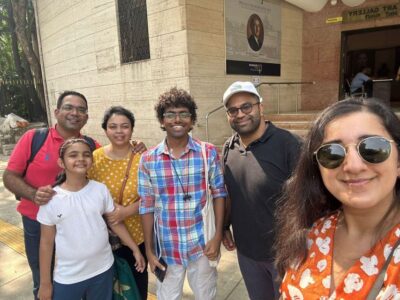
Mumbai: South Mumbai Heritage Walking Guided Tour
Read our review →
Hill-station & Heritage: Lonavala & Karla Caves Tour from Mumbai
Read our review →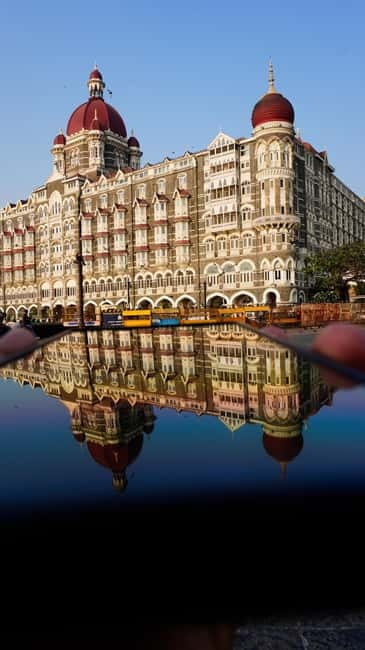
Browse the lists this tour appears in