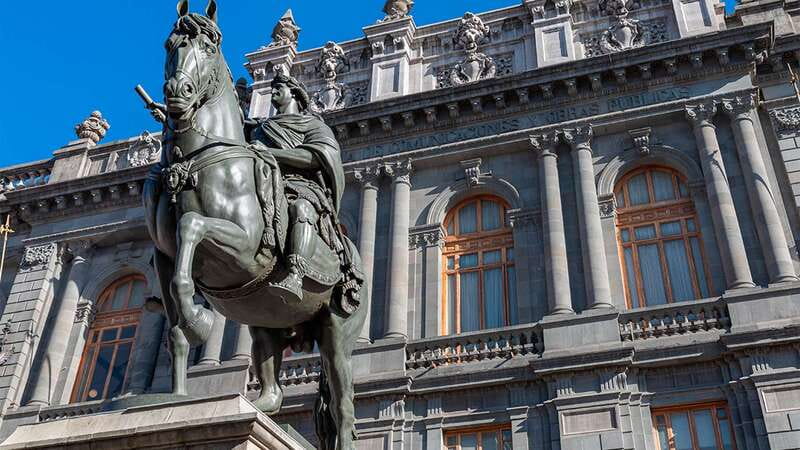
Review · MEXICO CITY
Mexico City: Historic Downtown Walking Tour
Mexico City’s past is packed into a walkable three-hour route: Aztec ruins beside a Spanish cathedral, a grand post office, a department store with a stained-glass ceiling, and a bakery piled high with Mexican sweet bread. I love the way this tour puts several eras side by side, making the city’s story easy to grasp.
I also like the practical help built into the walk. Guides such as Emiliano, Mar, Nadia, and Daniella have been praised for clear explanations, shade-conscious pacing, safety, and useful food advice. The drawback is sound: street vendors and music can make a guide hard to hear, and some stops receive only a short look rather than a full museum visit.
Key points to know before you go
- Three hours in the Centro Histórico: A brisk introduction to Mexico City’s central sights, rather than a slow museum tour.
- Aztec and Spanish history together: See Templo Mayor ruins beside the Metropolitan Cathedral and Zócalo.
- Several interiors included: Enter the cathedral, Post Office Building, and a department store with an ornate stained-glass ceiling.
- A taste of everyday Mexico: Visit a traditional bakery and see the huge range of Mexican sweet breads.
- Strong guide focus: English and Spanish guides such as Emiliano, Mar, Nadia, Mariel, and Daniella are praised for storytelling and local tips.
- Plan for city noise and weather: Wear good shoes, bring sun protection, and expect the walk to continue in rain or shine.
Why this three-hour walk works as a first look
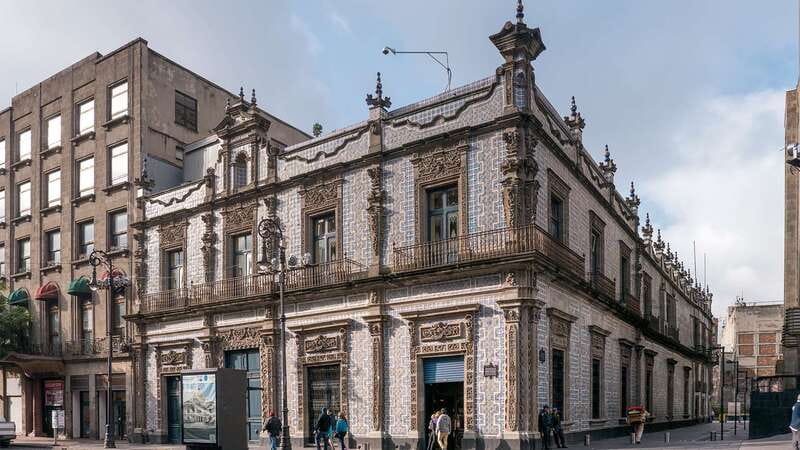
I see this as a useful first-day tour for Mexico City. The route gives you a working map of the central district while explaining how the city grew from an ancient Aztec capital into the colonial and modern capital you see today.
The tour costs $26 per person. That is a fair price for three hours with a local guide, especially because the route includes several major buildings and practical recommendations for eating and exploring afterward. You are paying less for formal admissions and more for the explanation that connects the sights.
That distinction matters. You can walk across Zócalo on your own, but it is harder to understand why the ruins are there, why the cathedral occupies such a commanding position, or how the city’s architecture reflects different periods. A good guide turns a collection of impressive buildings into a story.
The pace is active but manageable for most people who are comfortable walking for three hours. Guides have adjusted for hot sun by seeking shade when possible, and some have taken care to keep the group together around busy streets. Still, this is an urban walk, not a relaxed café outing. Wear supportive shoes and bring water, sunscreen, sunglasses, and clothing suited to the weather.
More History Walking Tours in Mexico
- Historic Downtown Walking Tour
★ 5.0 · 1,289 reviews - Walking Tour of the Historic Center of Mexico City
★ 5.0 · 870 reviews - Historical and Cultural Walking Tour of San Miguel de Allende
★ 5.0 · 641 reviews
Meeting beneath the Zócalo’s white umbrellas
The meeting point is in front of the McDonald’s in Zócalo Main Square. Look for the white umbrellas used by Mexico a Pie Walking Tours, and search Meeting Point Mexico a Pie in Google Maps before leaving your hotel.
The morning group meets shortly before 9:30 a.m. The afternoon group meets shortly before 4:30 p.m. A valid cellphone number is requested, which is useful if you have trouble finding the group. One guide even helped a late-arriving participant catch up by sharing a live location through WhatsApp, but you should still aim to arrive early. Zócalo is large, crowded, and easy to cross in the wrong direction.
The square itself gives you an immediate sense of scale. It is often called the heart of Mexico, and the tour uses it as the starting point for understanding the city’s political, religious, and cultural center. Your guide may also point out the resting place of Hernán Cortés during this part of the route.
Because the tour runs rain or shine, check the forecast before you leave. A compact rain layer can be just as useful as sunscreen.
Inside the Metropolitan Cathedral
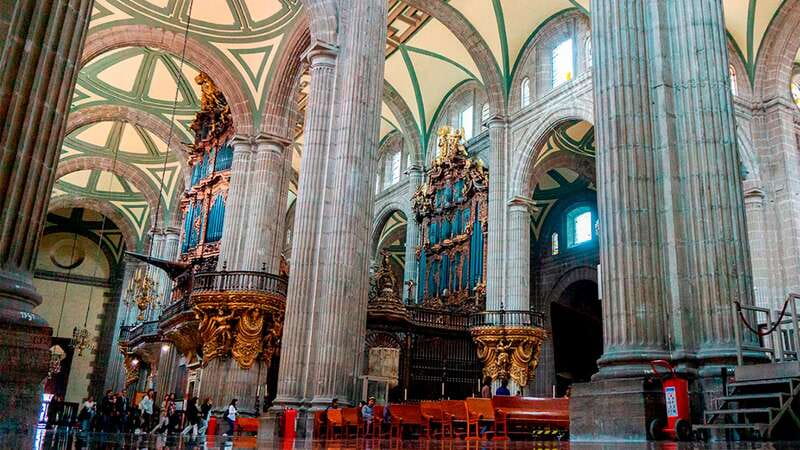
The walk begins inside the Metropolitan Cathedral, one of the route’s strongest stops. It was the largest church in the Americas for more than three centuries, and its size helps explain the power the church held during Mexico’s colonial period.
This is not simply a photo stop. Your guide explains what you are seeing and asks you to treat the space with respect. Daniella, in particular, was praised for encouraging a quiet and reverent approach inside the cathedral, a welcome touch in a place that can otherwise feel like another stop on a busy sightseeing circuit.
The cathedral is also a good early lesson in the city’s layered architecture. You are looking at a building shaped by long construction periods and changing artistic tastes. Details can be easy to miss when you visit alone, so stay close enough to hear the explanation.
The main limitation is time. Three hours covers a lot of ground, so you should not expect a detailed architectural study or an unhurried look at every chapel. If religious art and church interiors are your main interest, plan to return later with more time.
Zócalo and the city beneath your feet
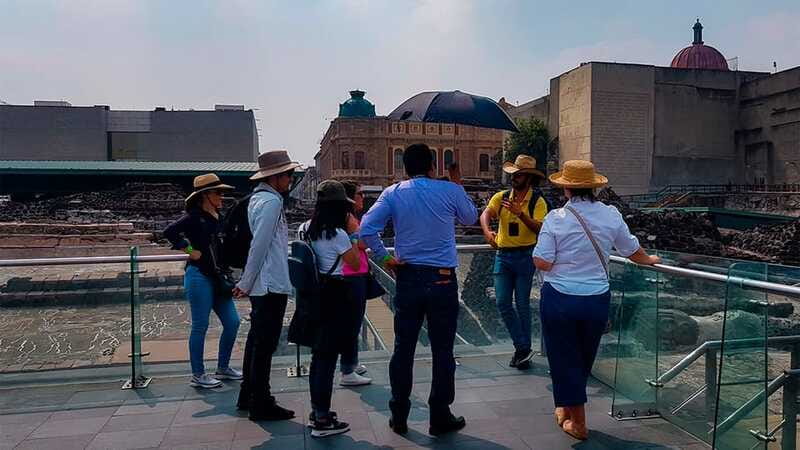
Back outside, the Zócalo makes more sense after the cathedral visit. It is not just an open plaza for photographs. It is the central stage for major events and a place where Mexico’s older and newer identities meet.
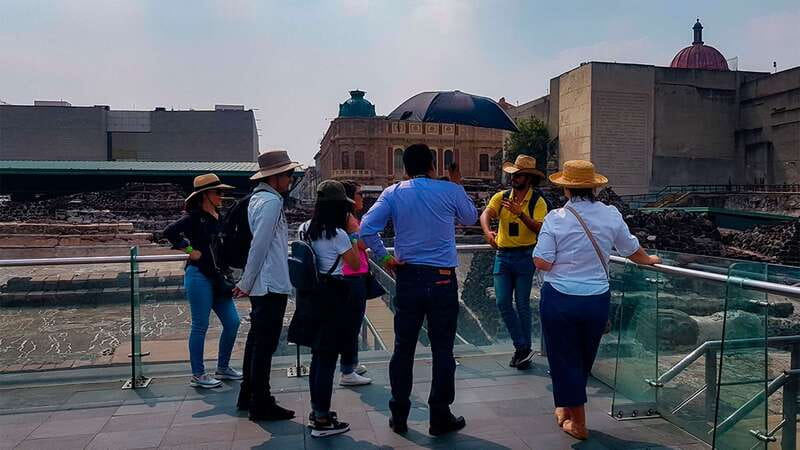
From here, the tour moves toward the remains of the ancient Aztec city, usually known as Templo Mayor. This is where the route makes its most striking historical connection. Modern Mexico City was built over the Aztec capital, so the exposed ruins sit beside later buildings rather than in an isolated archaeological park.
You will stand near the remains and learn about the ancient city, but do not expect this experience to replace a full Templo Mayor visit. One guide-led route allowed only about 10 minutes at the ruins and did not include a complete circuit of the site or museum. If you want to examine the archaeological displays, return separately and allow extra time.
That short stop is still valuable. It gives you the physical evidence needed to understand the rest of the tour. After seeing ancient stonework beside the cathedral, Mexico City’s layered past is no longer just an abstract lesson.
More Old Town and Historic Centre Walks in Mexico
- Historic Center Food Tour in Mexico City
★ 5.0 · 1,263 reviews - Mexico City Historical Centre Food Tour with 7 Authentic Tastings
★ 5.0 · 723 reviews - Private Walking Tour Gems of the Historic Center of Mexico City
★ 5.0 · 87 reviews - Mérida: Montejo Boulevard and Historic Center bike tour
★ 4.7 · 43 reviews
The Post Office Building’s surprising elegance
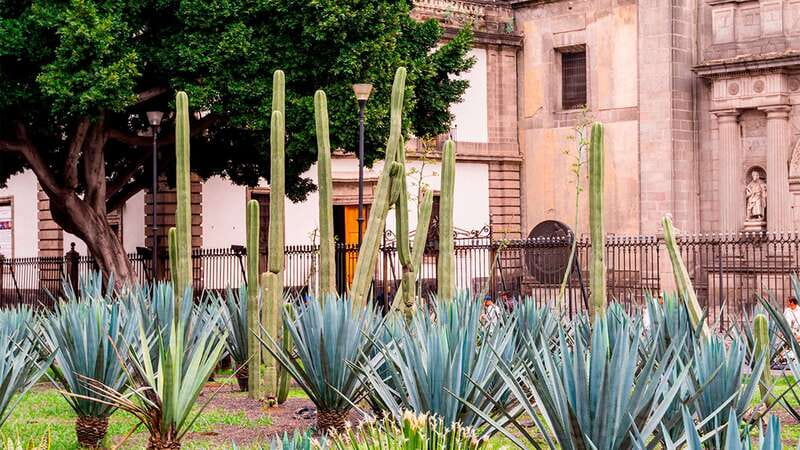
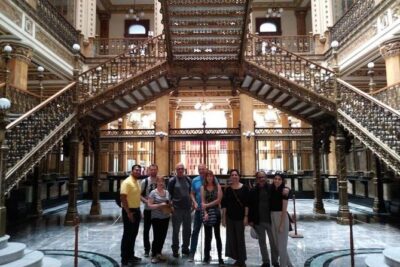
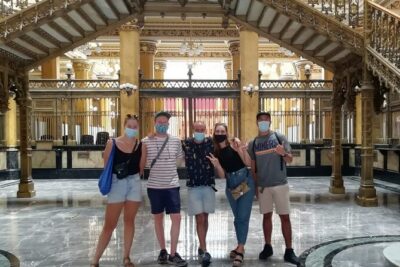
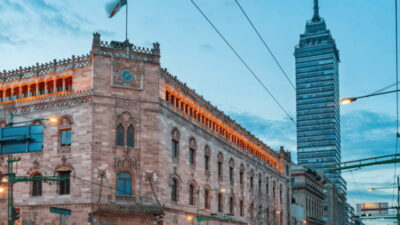
The Palacio Postal, or Post Office Building, is one of the tour’s most memorable interiors. From the outside, it may not look like a standard sightseeing highlight. Inside, its ornate metalwork, polished details, and carefully designed decoration make it feel more like a palace than a place for mailing a letter.
Entering the building is important. You get more than a street-level photograph, and your guide can explain the style and purpose of the building while you look at the details. It is a good example of how Mexico City can hide grand architecture in places still used for everyday business.
This stop also breaks up the historical sequence. After Aztec ruins and a cathedral, the Post Office brings you into another period of the city’s development. The route works best when you pay attention to these contrasts rather than treating every building as a separate attraction.
City noise can be a problem here and elsewhere. Street sellers, passing groups, and music sometimes make it difficult to hear a guide, even when the guide speaks clear English. Stay near the guide and ask for repetition if needed. An audio system would make this section easier for everyone.
A department store with a stained-glass ceiling
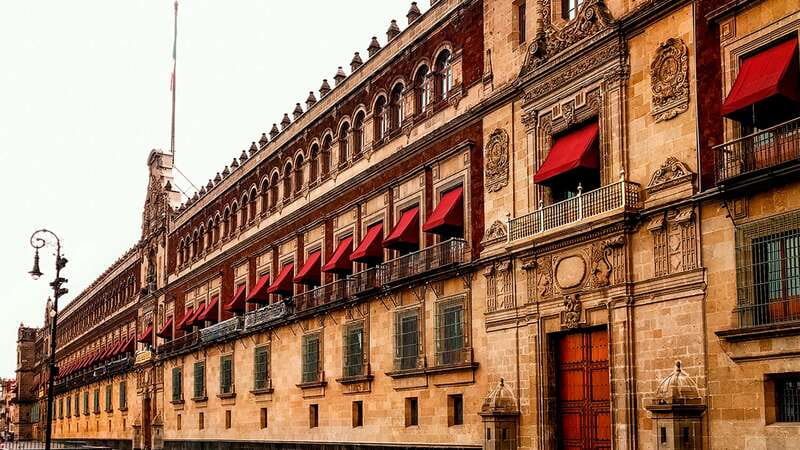
The route includes an unusual modern commercial stop: a department store with an extravagant stained-glass ceiling. This is exactly the kind of detail you might walk past without a guide.
The ceiling gives the tour a lighter visual surprise after the cathedral and ruins. It also shows how grand design appears in ordinary city spaces, not only in museums and official monuments. Look upward when you enter. The best detail is easy to miss if you focus only on the shop floor.
This stop will appeal to you if you enjoy architecture and city life more than a checklist of famous landmarks. It is not presented as a major museum, and you should not expect a long independent visit. Its value is in seeing another side of central Mexico City and understanding how historic buildings remain part of daily commerce.
The Palace of Fine Arts from the outside
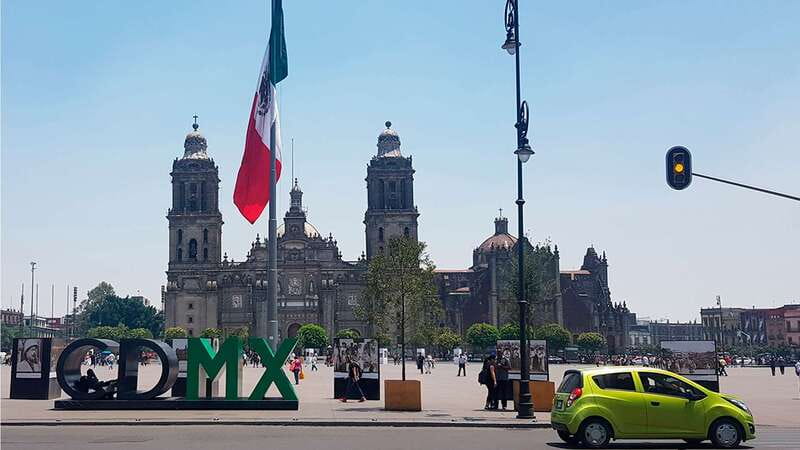
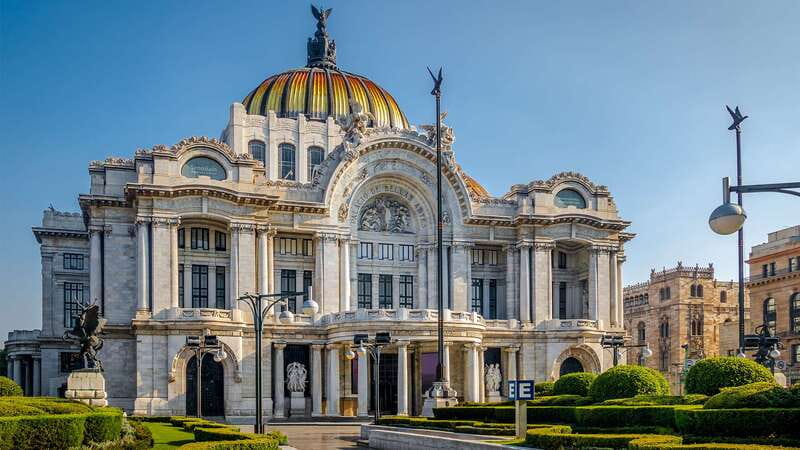
The Palace of Fine Arts is another major landmark on the route. Its architecture gives the walk a strong visual finish, with a grand presence that contrasts with the narrow streets and older buildings around it.
The guide explains the building and its place in Mexico City’s cultural life, while giving you time to admire the exterior. The supplied details do not promise an extended interior museum visit, so treat this as an orientation stop rather than a substitute for attending a performance or touring the art collections.
That is a recurring theme here. The tour gives you context and a useful first look at several places. It is ideal if you want to decide which ones deserve a longer return visit.
Mexican sweet bread at a traditional bakery
The bakery visit is one of the most approachable parts of the walk. Inside, you see the remarkable range of traditional Mexican sweet bread, with far more choice than a quick pastry counter usually suggests.
You may taste something if you wish, but food and drinks are not included in the $26 price. Bring some pesos or another accepted form of payment if you want to buy a piece. The visit is also useful even if you do not eat, since the bakery gives you a glimpse of an everyday Mexican habit rather than another grand monument.
I especially like this stop because it turns the tour toward daily life. Mexico City’s story is not only about rulers, churches, and ruins. It is also about what people buy on the way home and how food fits into the rhythm of the city.
Guides also offer eating advice during the tour. You can ask where to look for tacos and other local food, and you may get suggestions for places to eat, drink, and continue sightseeing. Treat these recommendations as a starting point, then choose what suits your budget and appetite.
What the guides add to the route
The guide can make or break a walking tour, and this experience has drawn repeated praise for its staff. Emiliano is noted for a relaxed, friendly delivery and strong explanations of Mexican history. Nadia is praised for storytelling and for answering questions. Mar has been especially attentive about shade, sound, and practical food advice.
Other guides named in the experience include Daniella, Arturo, Mariel, Alex, Lily, Robert, Andrés, Muriel, Maria, Stephania, and Sandra. You cannot select a particular guide from the information provided, but the range of names suggests a staffed operation rather than a single-person tour.
The strongest guide style here seems to be conversational and well organized. Guides explain the route step by step, keep people moving, and connect early Mesoamerican history with Mexico’s present-day culture. That is useful if you arrive knowing little about the country.
The main weakness is repetition. One participant found that some information was repeated, while another wished for a microphone or speaker in noisy areas. The solution is simple: stay near the front, especially in the Zócalo, and ask questions when the group pauses.
Timing, walking comfort, and accessibility
Transportation to and from the meeting point is not included. You must make your own way to Zócalo, so allow extra time if you are coming by metro, taxi, or on foot. The tour itself lasts three hours and does not include food or drinks.
The route operates in all weather. Bring comfortable walking shoes, sunscreen, sunglasses, and weather-appropriate clothing. Guides may look for shade, but you will still spend time outdoors in a busy central district.
The accessibility information is inconsistent. The activity details describe the tour as wheelchair accessible, but the same information says it is not suitable for wheelchair users and lists wheelchair users under not suitable for. Baby strollers are not allowed. If you use a wheelchair or need a stroller, contact the provider before booking and ask for a clear route assessment.
Free cancellation is available up to 24 hours before the start time, and you can reserve now and pay later. That flexibility is useful when your Mexico City schedule is still changing.
Who should book this Mexico City walking tour?
Book it if you are visiting Mexico City for the first time, want a quick orientation, or prefer history explained in plain language while you walk. It is also a good choice for solo visitors, since the group setting gives you company and a structured way to see the center.
You will get the most from it if you enjoy architecture, cultural context, and local food suggestions. The bakery and department store add variety, while the cathedral, Zócalo, ruins, Post Office, and Palace of Fine Arts cover the city’s major central themes.
Skip it if you want long, quiet visits inside museums or archaeological sites. The tour moves on schedule, and Templo Mayor receives only a brief look rather than a full exploration. Also think twice if you need guaranteed wheelchair access until the provider resolves the conflicting information.
At $26, this is a sensible introduction to central Mexico City. The price is strongest when you use the tour to choose where you want to return later. For a first morning or afternoon in town, I would book it, arrive early at the white umbrellas, stay close enough to hear the guide, and save room for sweet bread.
FAQ
How long does the Mexico City Historic Downtown Walking Tour last?
The tour lasts three hours.
How much does the tour cost?
The price is $26 per person.
Where is the meeting point?
Meet in front of McDonald’s in Zócalo Main Square. Look for the white umbrellas marked for Mexico a Pie Walking Tours.
What time does the tour start?
The morning tour meets shortly before 9:30 a.m., and the afternoon tour meets shortly before 4:30 p.m. Check availability for the exact starting time.
What languages are available?
Live guiding is available in English and Spanish.
Is food included?
No. Food and drinks are not included, although you may taste or buy bread during the bakery visit.
What should I bring?
Bring comfortable shoes, sunglasses, sunscreen, and clothing suitable for the weather.
Does the tour run in the rain?
Yes. The tour operates rain or shine.
Can I cancel for a full refund?
Yes. You can cancel up to 24 hours in advance for a full refund. You can also reserve now and pay later.
Just added around Mexico
- Private Half Day Cultural Tour to Mayan Ruins and Cenote★ 4.5 · 31 reviews
- Ancient Chacchoben Mayan Ruins & Mayan Experience from Costa Maya★ 5.0 · 96 reviews
- Colima Volcano Cultural Tour: Coffee Plantation, Hacienda and Comala Magic Town★ 5.0 · 30 reviews
- Private Tour in Chichen Itza Official History Guide★ 5.0 · 36 reviews
- 5 Days Mayan Heritage History Tour★ 4.5 · 31 reviews
- Archaeological Tour in Tulum and Coba with Kuxtal Cenote★ 4.0 · 114 reviews
- Calakmul Ancient Maya City Tour – From Campeche★ 4.5 · 24 reviews
- Calakmul Ancient Maya City Tour From Xpujil★ 4.5 · 38 reviews
Mexico City History Tours, compared.


Mexico City Historical Centre Food Tour with 7 Authentic Tastings
Read our review →
Walking Tour in Mexico City for Exploring their Cultural Heritage
Read our review →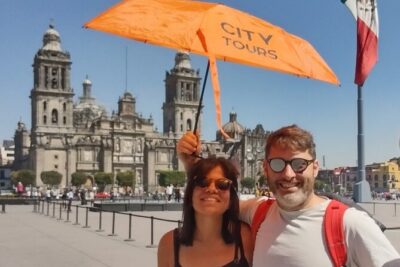
Mexico City: Guided walking tour through the most historic parts of the city.
Read our review →