
Review · NEW ORLEANS
New Orleans: Swamp Boat Ride and Historic Plantation Tour
The best part of this tour is the sharp change of scene: in one day, you move from a grand plantation avenue to a swamp where alligators slide through dark water. The Manchac Swamp boat ride gives the day its wild edge, while the plantation visit supplies the difficult human history that makes the setting more than a pretty backdrop.
I like the two route choices, Oak Alley in the morning or Destrehan in the afternoon. I also like the way the day combines round-trip transport, a house tour, and a wildlife cruise for $126. The main drawback is the pace: at 7.5 hours, this is a full day, and some people will want more time at the plantation and swamp.
Key points to know before booking
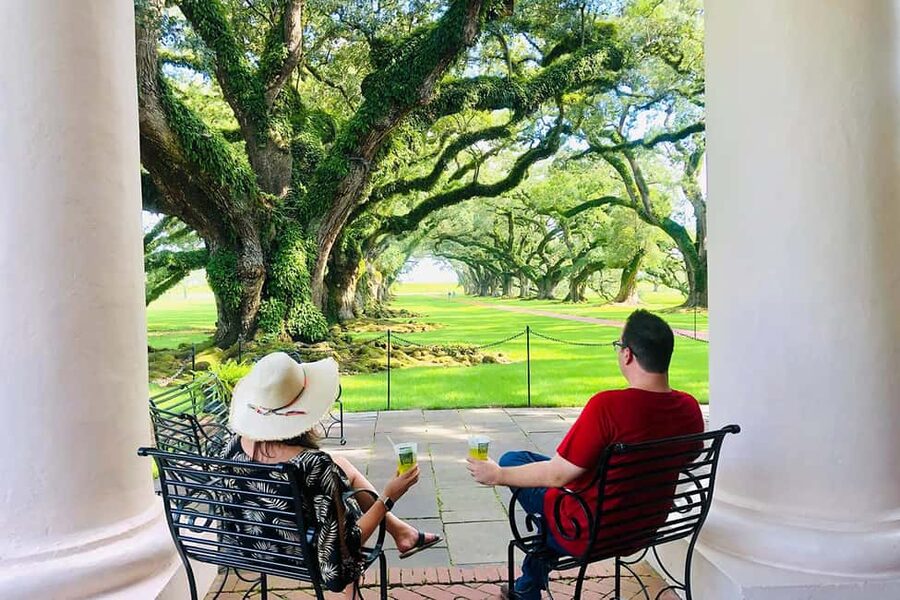
- Oak Alley gives you a quarter-mile avenue of oak trees, some more than 250 years old, leading toward the Mississippi River.
- Destrehan offers the older documented house, founded in 1787 and built in the French Colonial style.
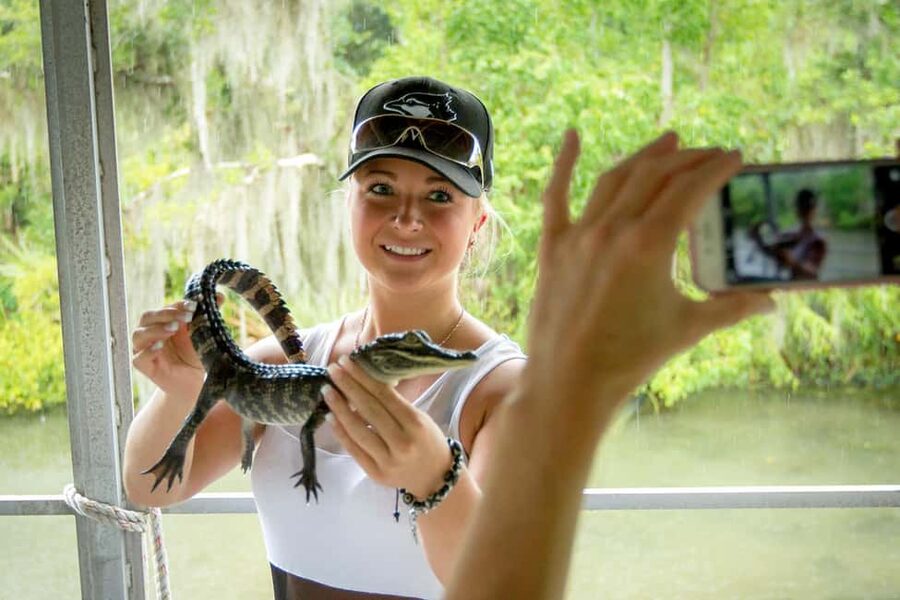
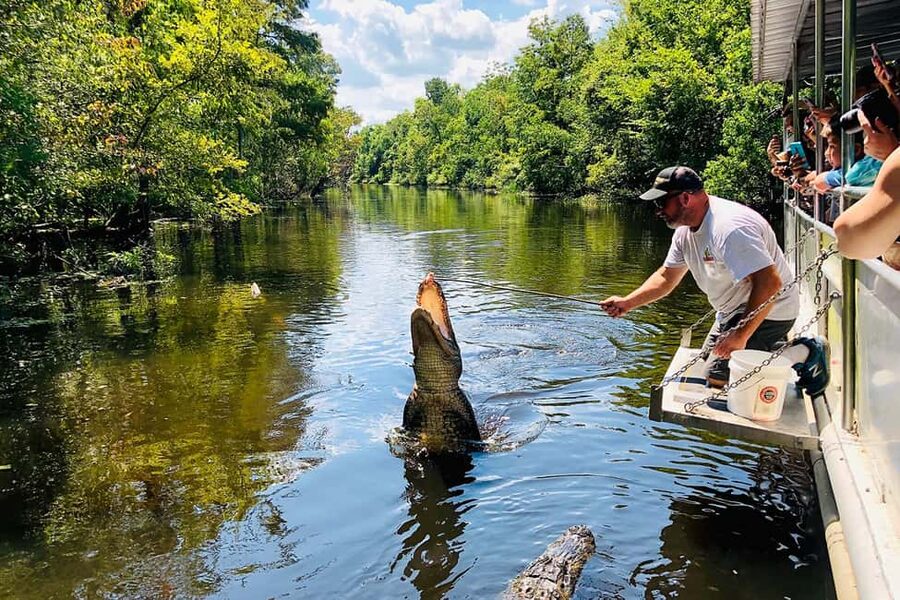
- The Manchac boat ride is the liveliest part, with chances to see alligators, raccoons, and other swamp wildlife.
- Guides shape the day, with guides such as Dionne, Robi, Kate, Midge, and Joanne praised for clear storytelling and local context.
- The tour handles the long distances for you, with round-trip bus transportation from New Orleans and a return to the same meeting point.
- The plantation visit is not only about architecture, with exhibits and demonstrations addressing slavery, trades, sugar production, and daily life.
From Toulouse Street to Louisiana’s plantation country
You begin at the Gray Line Lighthouse ticket office on Toulouse Street in New Orleans. Exchange your voucher for a boarding ticket, then settle in for the ride out of the city.
The bus matters here. Oak Alley, Destrehan, and Manchac are not quick walks from the French Quarter, and driving yourself would mean dealing with directions, parking, and the timing of three separate stops. The vehicles have bathrooms, and several guides, including Midge, Robert, Stacey, and Bob, have also provided local commentary during the ride.
This is not just dead travel time. Guides such as Dionne and Robi have filled the road portion with stories about New Orleans, French and Spanish rule, Creole and Cajun culture, food, music, and slavery. The quality can vary with the individual guide, but the best guides turn the bus into part of the tour rather than a simple shuttle.
Expect an English-language tour and a group setting. The schedule is long enough to feel like a proper day out, not a quick photo stop, but it also means you should eat before boarding or plan to buy food and drinks at the swamp stop. Meals are not included.
More History Tours in New Orleans:
- New Orleans Garden District History Walking Tour
★ 5.0 · 2,879 reviews - French Quarter Historical Sights and Stories Walking Tour
★ 5.0 · 2,724 reviews - New Orleans Small-Group Haunted History Carriage Tour
★ 4.5 · 2,289 reviews
Oak Alley: beauty with a difficult story
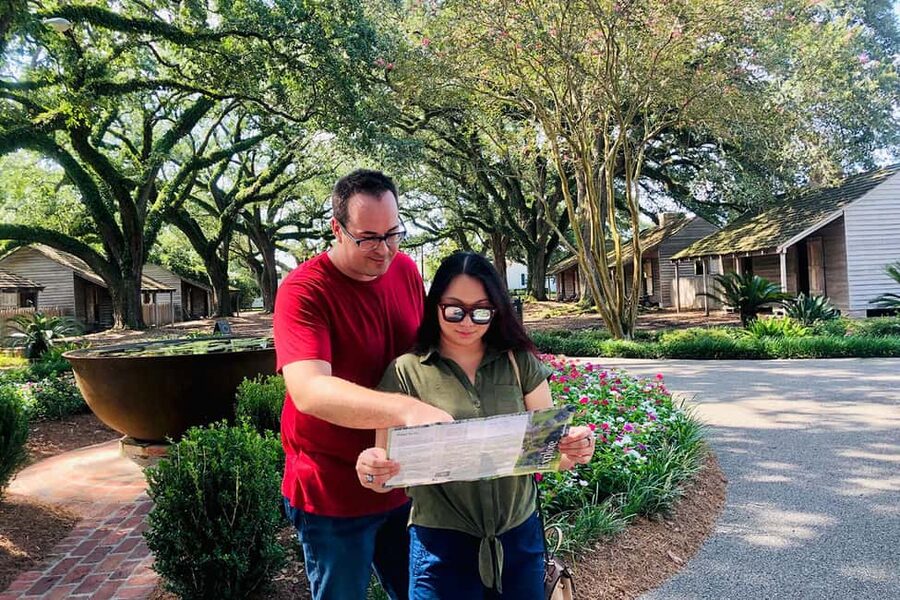
The morning option takes you to Oak Alley Plantation, built in 1839. Its famous quarter-mile avenue of live oak trees is the first thing you notice. The trees are more than 250 years old, creating a long canopy toward the plantation house and the Mississippi River.
This is an undeniably beautiful setting. The grand approach, river-bordering cypress trees, and old house make it easy to understand why Oak Alley is one of the area’s most photographed historic sites. Still, the tour works best when you resist treating the avenue as a simple backdrop for photos.
The guided visit addresses the site’s former residents and uses. More important, Oak Alley has several on-site exhibits that widen the story:
- Slavery at Oak Alley examines the people forced to work on the plantation and the system that supported the sugar economy.
- The Blacksmith Shop shows a trade that was essential to plantation life.
- The Sugarcane Theater explains the crop and work that shaped the plantation’s finances.
I appreciate this combination because the house alone could leave you with a polished, incomplete picture. The additional displays help connect the elegant architecture to labor, tools, sugarcane, and the lives of enslaved people.
The plantation’s beauty can still dominate the visit, so pay attention to how much time your guide gives the slavery exhibit and working areas. One person specifically wanted more information about the enslaved people who lived and worked there. That is a fair caution: the interpretation is present, but the balance between architecture, scenery, and human history can depend on your guide and the time allowed.
Oak Alley is smoke-free, and video recording is not permitted inside the plantation. The historic nature of the house also means that reaching the second floor requires stairs. You can enjoy the grounds and much of the experience without going upstairs, but this is worth knowing before you reserve.
Destrehan: an older house and living demonstrations
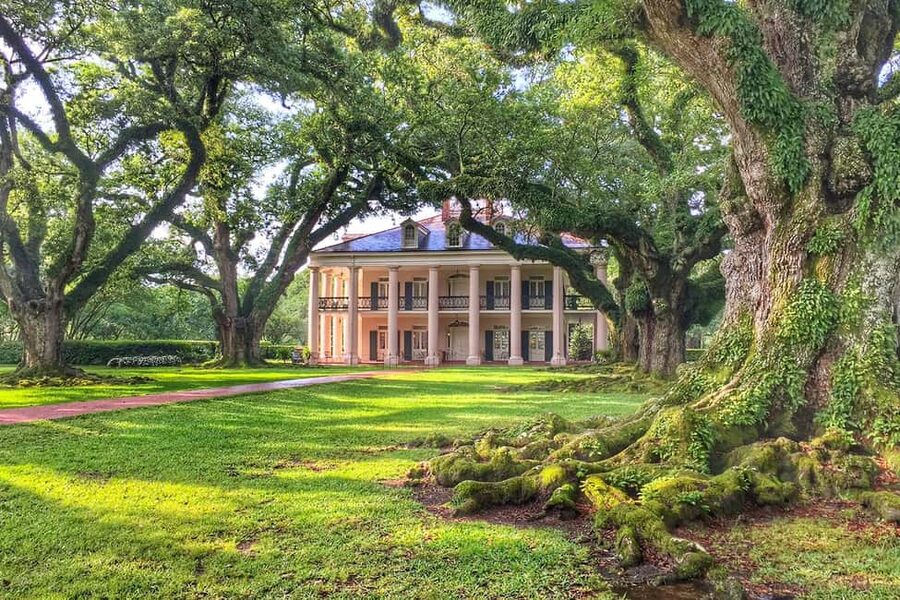
The afternoon option visits Destrehan Plantation, established in 1787. It is the oldest documented French Colonial-style house in the lower Mississippi Valley, and its position beside the Mississippi gives the visit a strong sense of place.
The house reflects a different architectural and historical period from Oak Alley. Instead of focusing mainly on the grand oak approach, Destrehan offers a closer look at French Colonial design, the Destrehan family’s sugar dynasty, and major events connected with the property.
Costumed docents lead the house tour. Their clothing is not just decoration: it helps show how the site presents domestic work, plantation society, and the trades that supported everyday life. Daily demonstrations by costumed artisans add practical detail, showing skills that would otherwise remain abstract.
I would choose Destrehan if you care most about architecture, early Louisiana history, and demonstrations. Choose Oak Alley if the grand oak avenue and a larger set of exhibits about plantation life appeal more to you. Both sites deal with slavery and the plantation economy, but the tone and emphasis differ.
Destrehan is also a useful choice for visitors who have already seen a famous antebellum mansion and want a house with older French Colonial roots. The tour is still about a plantation, not a neutral mansion visit, so you should expect the history to include the sugar business, enslaved labor, and the people who controlled the property.
Manchac Swamp by boat
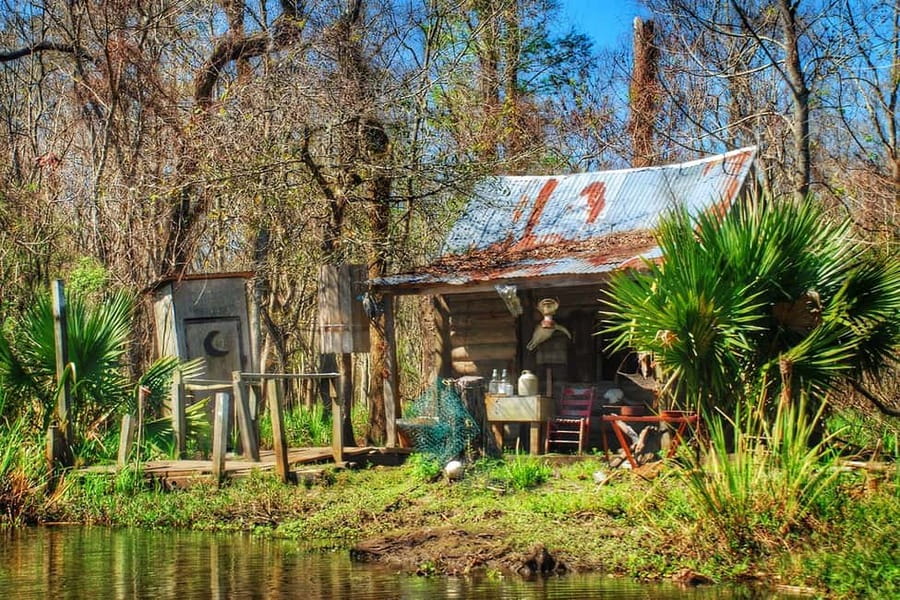
After the plantation visit, the tour heads toward Manchac Swamp, a privately owned wildlife refuge. This is where the day changes from formal history to wetland wildlife.
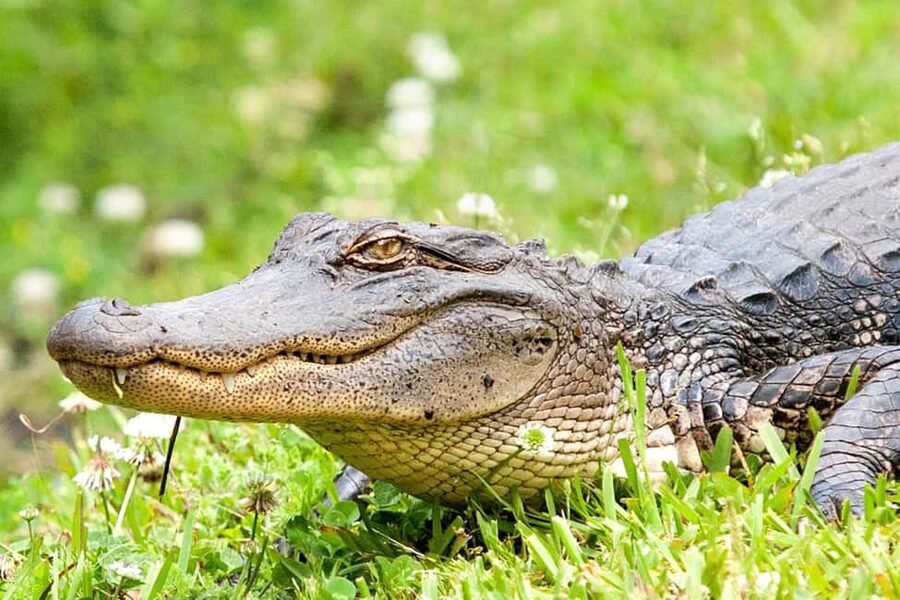
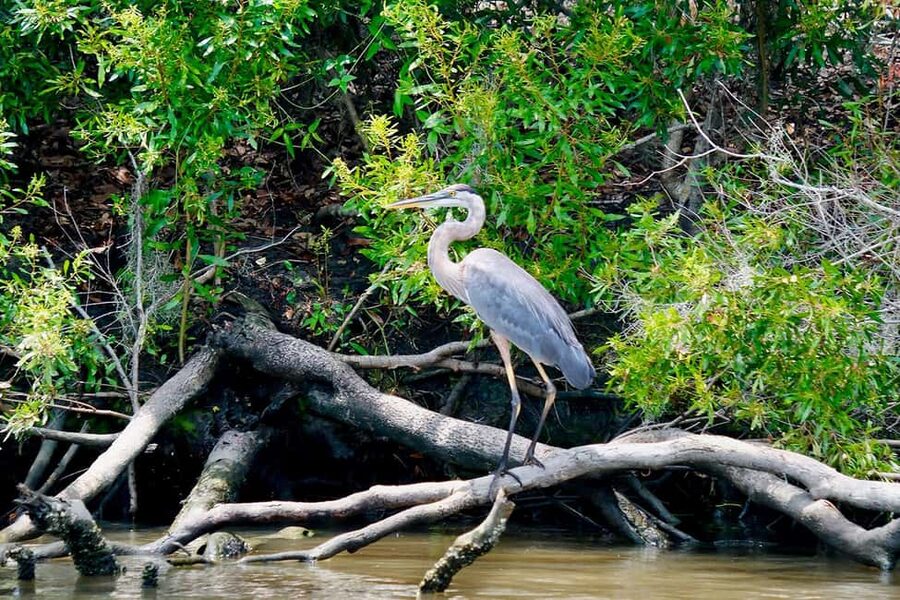
The boat brings you into the swamp rather than leaving you to view it from a roadside. You may see alligators close to the boat, along with other wildlife such as raccoons. Sightings are never fully predictable, but several guides have worked hard to find animals when conditions were less favorable.
Captain Brandon has been singled out for his Cajun background, humor, and extra effort. On a cold day, he reportedly searched sunny areas where alligators were more likely to gather, giving the group a better chance of seeing them. Captain Danny and other boat guides have also been praised for making the ride lively and informative.
The Rougarou legend adds a local storytelling layer. This werewolf-like creature belongs to Louisiana folklore, and hearing the tale while moving through the swamp is more fun than hearing it in a city restaurant. The story should be enjoyed as folklore, not treated as a wildlife fact.
The alligators are the main draw, especially for families. Children as young as 9 and 12 have enjoyed seeing and feeding them under the boat operator’s direction. Still, do not book this only for a guaranteed animal count. The swamp is a living environment, and wildlife sightings can change with weather, season, and the animals’ behavior.
You may find the swamp ride more exciting than the plantation because it feels less controlled. The boat, dark water, trees, and sudden animal sightings create a stronger sense of adventure. On the other hand, visitors who dislike heat, humidity, or being outdoors for part of a long day should consider the conditions carefully.
Same city, a different century:
- The National WWII Museum Admission Ticket New Orleans
★ 5.0 · 2,202 reviews - New Orleans Haunted History Ghost Tour
★ 4.5 · 2,084 reviews - Paddlewheeler Creole Queen Historic Mississippi River Cruise
★ 4.5 · 1,948 reviews - New Orleans Food and History Walking Tour
★ 5.0 · 1,544 reviews
What the guides add to the day
The guide can make a major difference on a combined tour like this. You are not only being moved between attractions. You need someone who can connect the plantation economy, New Orleans history, Cajun culture, Creole traditions, and the swamp.
Dionne has been praised for explaining French and Spanish periods, slavery before and after American rule, and the food, music, and customs of Creole and Cajun communities. Robi has impressed people with his New Orleans history and lively personality. Kate, Joanne, Elizabeth, Midge, and Bob have also been noted for storytelling, organization, and keeping the long day moving.
The boat guide offers a different kind of explanation. A Cajun guide such as Brandon can provide local context about swamp life and Cajun heritage, while also keeping the boat ride light and entertaining. That contrast works well: the bus guide often handles the broad historical picture, and the boat guide gives you a more local connection to the wetlands.
No individual guide can be guaranteed. The useful point is that this tour has several moving parts, and the staff have an important role in tying them together. A strong guide will encourage questions and explain the painful parts of plantation history without smoothing them over.
Is $126 a fair price?
At $126 per person, this is not the cheapest way to see a plantation or swamp. It is also not an unreasonable price for a 7.5-hour day that includes transportation, plantation admission or a guided house tour, and the Manchac boat cruise.
The value comes from combining two experiences that are awkward to arrange independently. You avoid renting a car, finding the plantation, locating a swamp operator, and keeping track of return times. The coach transportation also lets you enjoy the day without driving after a long outing.
The price feels strongest if you want both history and wildlife. If you only want Oak Alley, a shorter plantation visit may suit you better. If you only want alligators, a separate swamp cruise may give you more time on the water. But if you want a broad introduction to the area outside New Orleans, the two-part format earns its keep.
Food and drinks are extra, with purchases available at the swamp. Budget for that, and bring water if permitted by the operator. The tour is long enough that a small snack before departure is sensible.
Who should book this experience?
I would recommend it to first-time visitors who want to see more than the French Quarter without planning a complicated day. It also suits families, since the boat ride supplies an obvious highlight for children while the plantation offers adults more historical substance.
It is a good choice for anyone interested in the overlap of environment and history. Sugar plantations depended on the Mississippi River, wetlands, labor, and transport. The tour lets you see those subjects in physical settings instead of discussing them only in a museum.
Choose Oak Alley if you want the grandest visual setting and the strongest collection of on-site exhibits. Choose Destrehan if you prefer an older French Colonial house, costumed interpretation, and trade demonstrations.
I would hesitate if you dislike full-day group tours or want a slow, private visit. The itinerary is tightly timed, and some people will wish for more time at both the plantation and the swamp. Also think carefully about mobility: buses can store folding wheelchairs, but scooter users need an accessible bus arranged with the local partner at least 48 hours ahead. The plantation’s second floor is stairs only.
Final call: book it for the contrast
This tour earns its place on a New Orleans itinerary because it gives you two very different Louisiana experiences in one day. The oak-lined plantation is carefully arranged and visually grand. The Manchac Swamp is less predictable, more playful, and often the day’s biggest thrill.
Book it if you want efficient transport, strong regional storytelling, alligator sightings, and a serious look at plantation life. Pick Oak Alley for scenery and exhibits, or Destrehan for French Colonial architecture and demonstrations. Skip it only if you need a slow schedule or would rather devote an entire day to one site.
Free cancellation up to 24 hours before departure and reserve-now, pay-later booking make it easier to fit into a changing itinerary. You return to the Toulouse Street meeting point after roughly 7.5 hours, with no need to arrange your own ride back.
FAQ
How long does the plantation and swamp tour last?
The experience lasts 7.5 hours. Starting times vary, so check availability when booking.
Where does the tour start and end?
You start at the Gray Line Lighthouse ticket office on Toulouse Street in New Orleans. Exchange your voucher for a boarding ticket, and the tour returns to the same meeting point.
Which plantations can I visit?
The morning option visits Oak Alley Plantation, built in 1839. The afternoon option visits Destrehan Plantation, established in 1787.
Is the Manchac Swamp boat ride included?
Yes. The Manchac Swamp boat cruise is included with both plantation options.
Is food included?
No. Food and drinks are not included, but you can purchase them at the swamp.
Is the tour wheelchair accessible?
The tour vehicles can store folding wheelchairs. If you use a scooter, special arrangements for an accessible bus must be made with the local partner 48 hours before the tour date. Access to the plantation’s second floor is by stairs only.
Can I cancel the tour?
You can cancel up to 24 hours in advance for a full refund. Reserve-now, pay-later booking is also available.
Just added around New Orleans
- New Orleans: 1.5-Hour Voodoo History Evening Tour★ 4.5 · 34 reviews
- New Orleans: Wicked History Walking Tour with a Local Witch★ 4.3 · 29 reviews
- New Orleans: Garden District Food, Drinks & History Tour★ 4.9 · 97 reviews
- New Orleans: Tremé African American & Creole History Tour★ 4.9 · 208 reviews
- New Orleans: French Quarter Saints & Sinners History Tour★ 4.6 · 56 reviews
- New Orleans: Drunk History Walking Tour★ 4.2 · 165 reviews
- New Orleans: Haunted Drunken History Walking Tour★ 4.9 · 50 reviews
- New Orleans, French Quarter: Pirate History Walking Tour★ 5.0 · 45 reviews
New Orleans History Tours, compared.
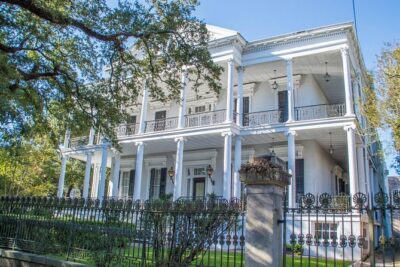
New Orleans Garden District History Walking Tour
Read our review →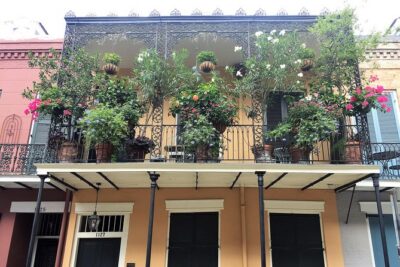
French Quarter Historical Sights and Stories Walking Tour
Read our review →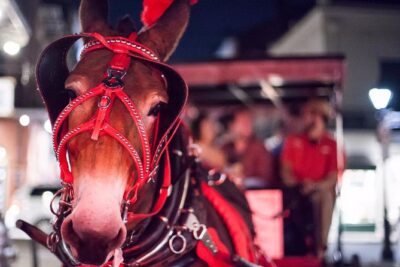
New Orleans Small-Group Haunted History Carriage Tour
Read our review →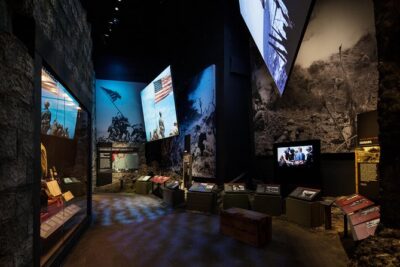
The National WWII Museum Admission Ticket New Orleans
Read our review →
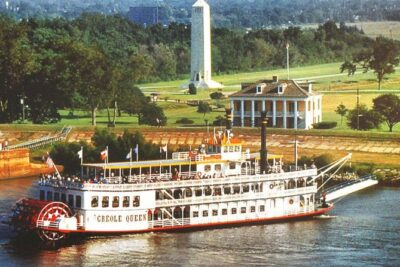
Paddlewheeler Creole Queen Historic Mississippi River Cruise
Read our review →
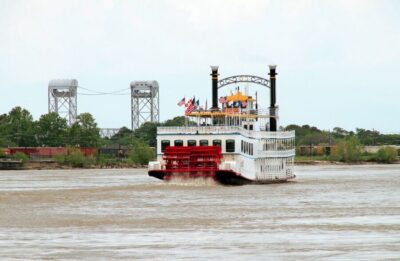
New Orleans: Creole Queen History Cruise with Optional Lunch
Read our review →Browse the lists this tour appears in