
Review · NEW ORLEANS
New Orleans: Garden District Food, Drinks & History Tour
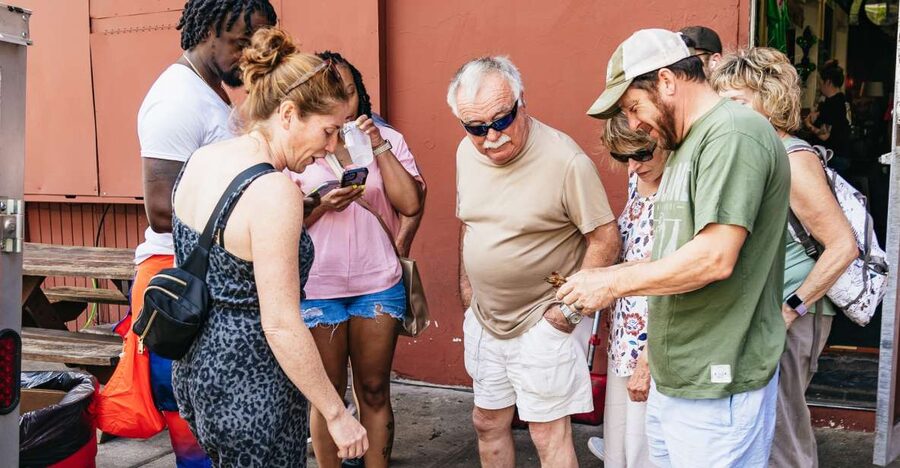
New Orleans tells its story through food, music, funerals, family customs, and grand old houses. This three-hour Garden District tour brings those threads together, beginning outside Lafayette Cemetery No. 1 and ending with beignets and café au lait. Guide Michelle Mashon gives the walk a local feel, connecting the neighborhood to the people who shaped the city.
I like the three-stop meal, which gives you enough food to count as lunch rather than a few token samples. I also like the mix of architecture, history, small shops, and artist-made goods, since you see more than restaurant tables. The main caution is group size: the experience is advertised for up to 10 people, but one recorded departure had 17, which made it harder to hear the guide on narrow sidewalks.
Key points to know before booking
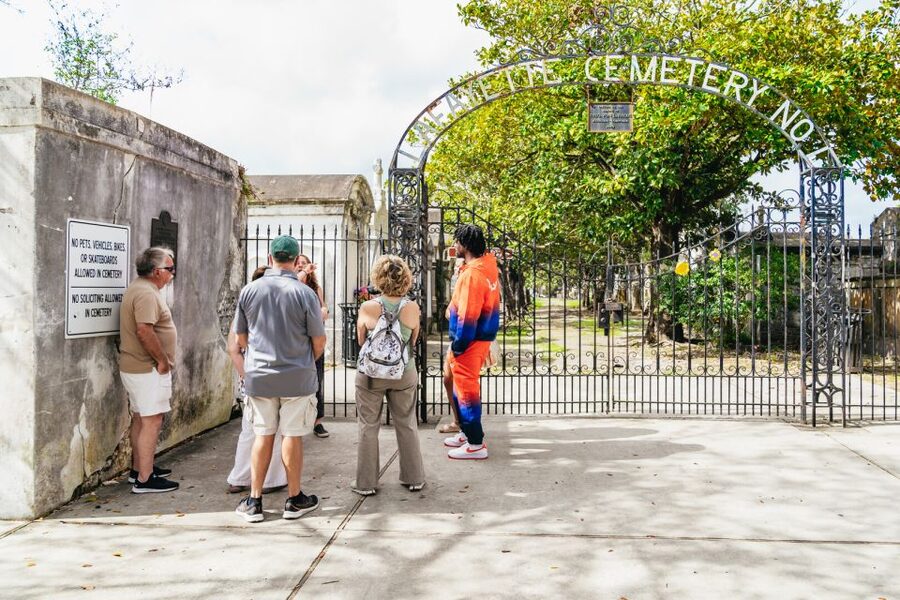
- Start outside Lafayette Cemetery No. 1: The cemetery is currently closed for repair, so the opening talk takes place outside the gates.
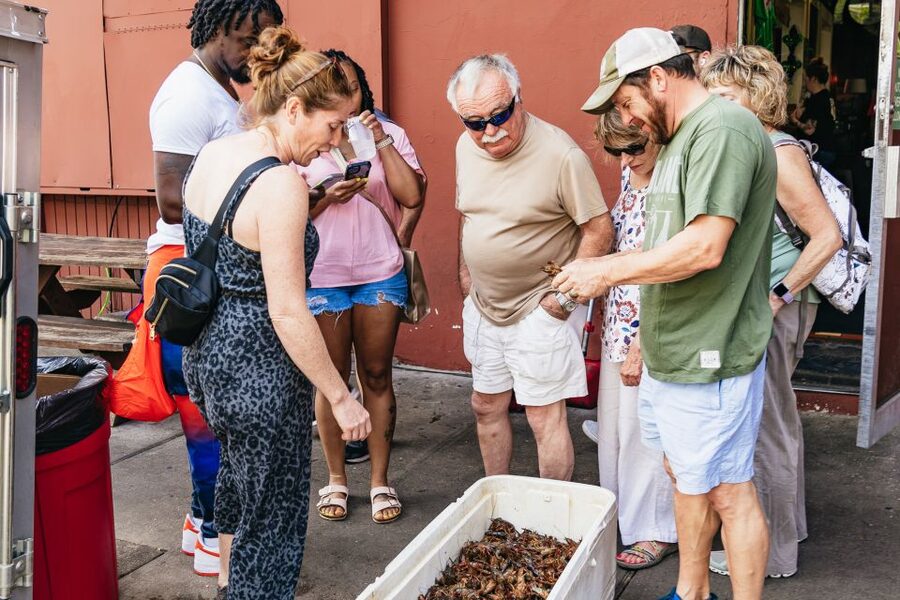
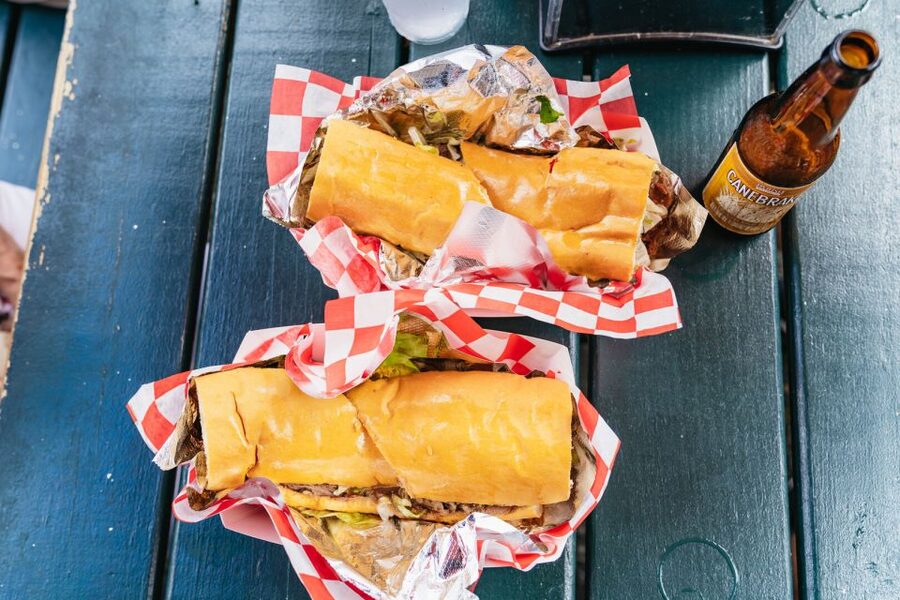
- Eat at three local stops: Expect a full meal of Cajun and Creole specialties, including a beignet stop with café au lait or tea.
- Drinks are part of the price: Alcoholic or non-alcoholic drinks are included at each stop, according to your preferences.
- Michelle Mashon leads the walk: Her local ties and easygoing approach are central to the experience.
- Magazine Street adds local flavor: You may browse small businesses, vintage shops, an artist co-op, and a gallery.
- Plan for less than one mile of walking: Comfortable shoes are still important, and the tour is not suited to people with mobility impairments.
A food tour that starts with New Orleans customs
The most interesting part of this tour is the way it treats food as a doorway into New Orleans culture. You do not simply eat a sausage, pastry, or Creole dish and move on. You hear how Italian, German, Irish, Afro-Caribbean, and Cajun influences helped shape the city’s cooking.
The opening stop at Lafayette Cemetery No. 1 sets the tone. Since the cemetery is under repair and closed to the public, you will look through the gates while Michelle explains New Orleans funeral customs and the city’s early years. That change limits what you can see, but the cemetery still gives the conversation a strong setting.
I like this beginning because it avoids jumping straight into restaurant talk. New Orleans has unusual traditions around death and remembrance, and learning about them before you see the Garden District helps explain why the city feels so different from other American destinations.
More Food and Drink Trips in New Orleans:
- New Orleans Food and History Walking Tour
★ 5.0 · 1,544 reviews - New Orleans Cocktail and Food History Tour
★ 5.0 · 819 reviews - New Orleans: French Quarter Food History Walking Tour
★ 4.9 · 713 reviews
Meeting at Washington Avenue and Coliseum Street
The tour begins at the corner of Washington Avenue and Coliseum Street, across from Commander’s Palace. That is a useful landmark, especially if you are staying in or visiting the Garden District.
If you are using the St. Charles Streetcar, get off at Washington Avenue and walk two blocks south to Coliseum Street. Pickup and drop-off are not included, so you will need to make your own way to the starting point.
The activity lasts about three hours. The walking distance is less than one mile, but New Orleans heat and humidity can make a short route feel longer, particularly in summer. I would wear comfortable shoes and bring whatever sun and rain protection you normally use for a city walk.
Lafayette Cemetery and the first look at the Garden District
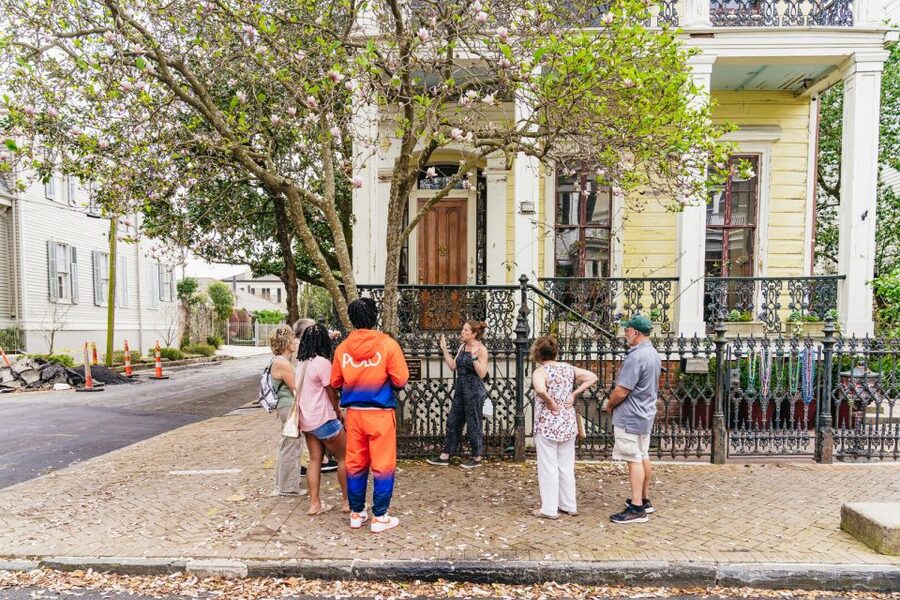
The cemetery discussion is brief, then the route moves into the Garden District. This neighborhood is known for historic mansions, colorful shotgun houses, and broad oak trees. The contrast is part of the appeal. You get grand homes beside more modest buildings, with the streets offering clues about different periods and social groups.
Michelle’s role matters here. Several comments describe her as a New Orleans local who speaks about the neighborhood with personal connection rather than delivering a list of dates. She also shares present-day suggestions, including ways to use the streetcar and places to visit later in your stay.
That local perspective is useful if this is your first visit. You are not only looking at house fronts. You are learning how the Garden District connects to nearby parts of the city and how to keep exploring after the tour ends.
The architecture portion is listed as about 20 minutes, though the walk between major stops gives you more time to look around. One concern is that a larger-than-advertised group made it difficult for people at the back to hear commentary along narrow sidewalks. If your group is larger than expected, stay close to Michelle and ask questions when you reach a stop.
The main meal: Cajun and Creole flavors in context
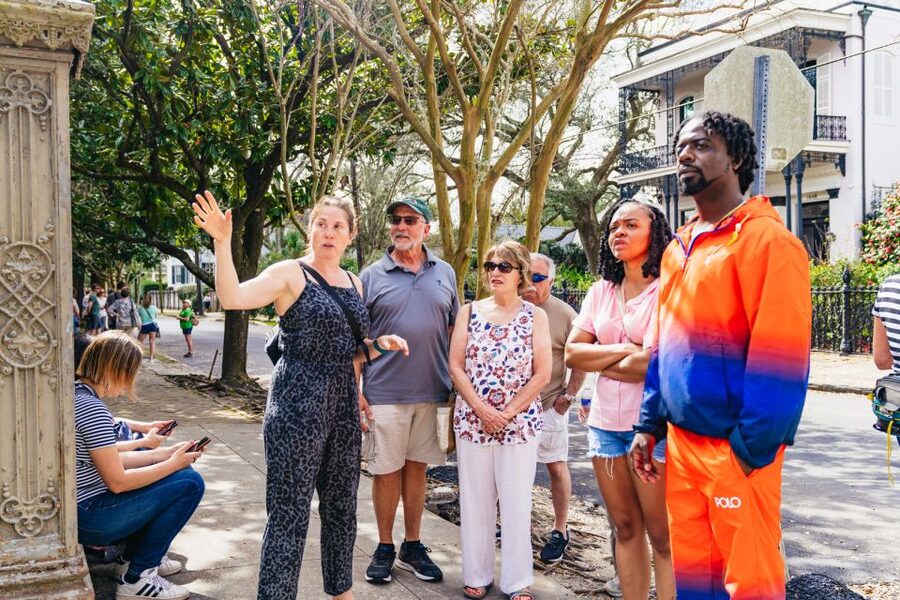
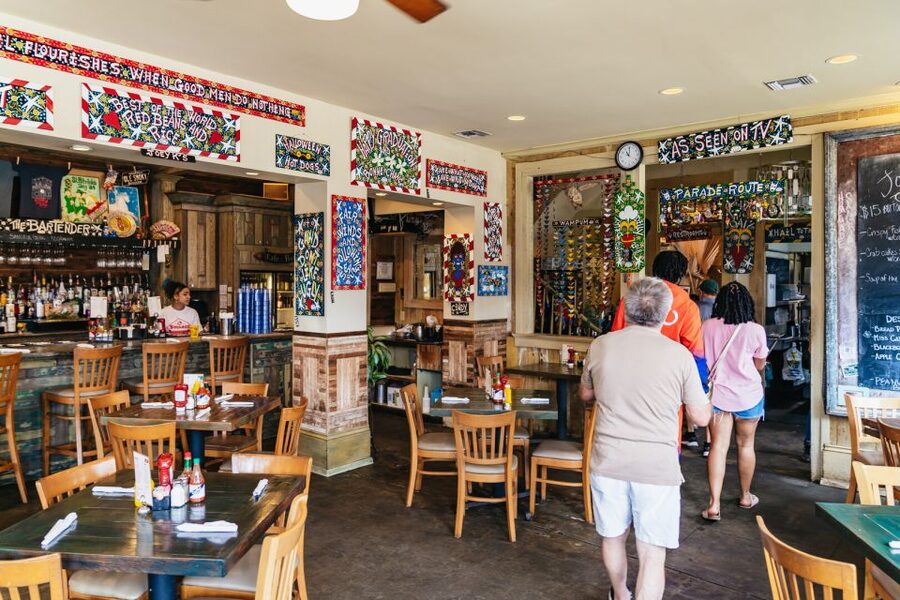
The longest part of the experience is the restaurant portion, lasting roughly two and a half hours. Food is spread across three local eateries, so you are not sitting down for one conventional meal. Instead, you move through the neighborhood and build a meal in stages.
The first food stop focuses on Creole fusion and the many communities that shaped New Orleans cooking. Italian, German, Irish, and Afro-Caribbean influences are part of the discussion, along with the role of Cajun people in Louisiana food traditions.
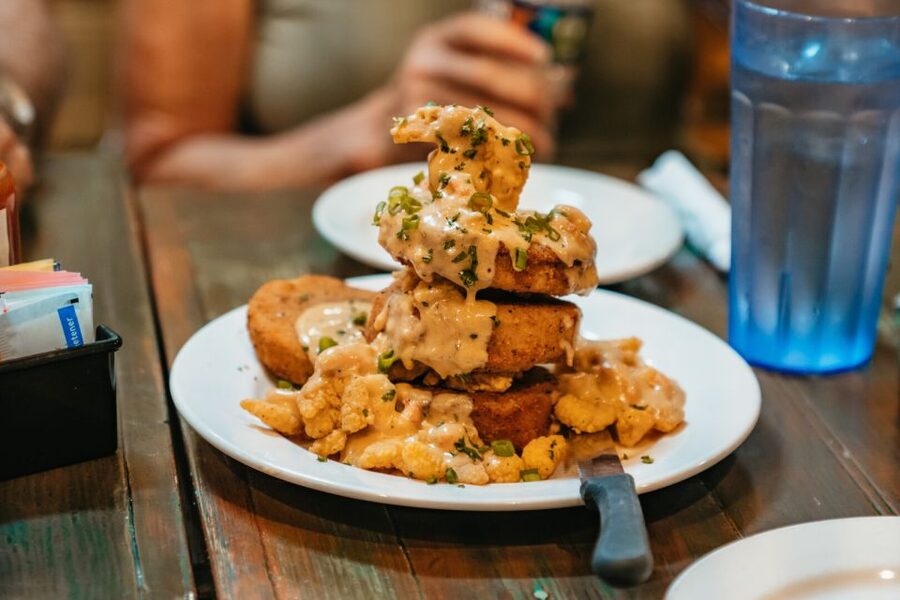
This is valuable because Cajun and Creole are often treated as interchangeable labels. The tour gives you a chance to hear how the traditions differ and overlap, while tasting food connected to that story. You should arrive hungry. The portions and number of stops are intended to make a full meal, not a light snack crawl.
At two of the food stops, you can choose a special alcoholic drink or a non-alcoholic option. This makes the tour easier to share with a mixed group. You can enjoy the food and local drink culture without being required to drink alcohol.
Tax and tips for the servers are included. At $95 per person, that matters when judging the price. You are paying for a three-hour guided walk, a full meal, multiple drinks, local history, and service charges rather than just three small tastings. Additional food and drinks beyond the planned menu cost extra.
More Food Trips in New Orleans:
- New Orleans: Combo Cocktail and Food History Tour
★ 4.9 · 180 reviews - Amsterdam Food and Cultural Tour with Tastings
★ 5.0 · 4,315 reviews - Barcelona: Tapas Walking Tour with Food, Wine, and History
★ 4.8 · 4,261 reviews - Sevilla Food Tour: Tapas, Wine, History & Traditions
★ 5.0 · 3,468 reviews
Magazine Street shops and artist-made goods
The route also includes a look at Magazine Street, where you can check out locally owned shops, vintage stores, an artist co-op, and a gallery. Shopping is not the main event, and that is probably a good thing. The food and history carry the tour, while the shops show how the neighborhood works in the present day.
One person found the shopping portion less interesting, but also noted that it was short. I see it as a useful pause between food stops rather than a reason to book the experience by itself. You might find a small gift or a piece of locally made art, but you should not expect a dedicated shopping excursion.
The best use of this section is to ask Michelle for ideas. She can point out places that fit your interests and suggest areas to explore on your own. Several comments describe her recommendations for streetcar rides, parks, biking, and evening plans as an extra benefit of the tour.
The beignet stop and a sweet finish
The final café stop includes beignets with café au lait or tea. A king cake beignet was a particular favorite for one participant, and the pastry stop gives the meal a clear New Orleans finish.
The coffee matters, too. Chicory coffee is tied closely to New Orleans café culture, and choosing café au lait lets you sample that tradition without ordering a full meal. Tea is available if coffee is not your preference.
Finishing with something sweet also keeps the tour from feeling like three separate restaurant visits. By this point, you have heard about local customs, looked at the neighborhood, tasted savory food, and walked along Magazine Street. The beignet provides a simple final note.
Michelle Mashon’s guiding style
Michelle Mashon receives nearly all of the praise in the supplied feedback. The descriptions are consistent: she is friendly, relaxed, easy to talk with, and deeply familiar with New Orleans history and food.
I would expect her style to suit you if you prefer conversation over a formal lecture. She appears comfortable answering questions and adjusting her approach to the group. One comment specifically praised the amount of information, saying it was enough to keep everyone engaged without becoming tiring.
Her connection with local businesses is another advantage. The food stops are not presented as anonymous tourist counters. You visit places she knows and can return to later. One person went back to two of the stops that same evening, which is a good sign if you like to collect practical restaurant ideas during a trip.
The personal feel does come with a small tradeoff. A relaxed local guide may spend time answering individual questions or sharing present-day observations, so the pace can feel less scripted. For most people, that is part of the charm. If you want a tightly timed architectural lecture with constant commentary, this may not be your ideal walk.
Group size, walking, and comfort
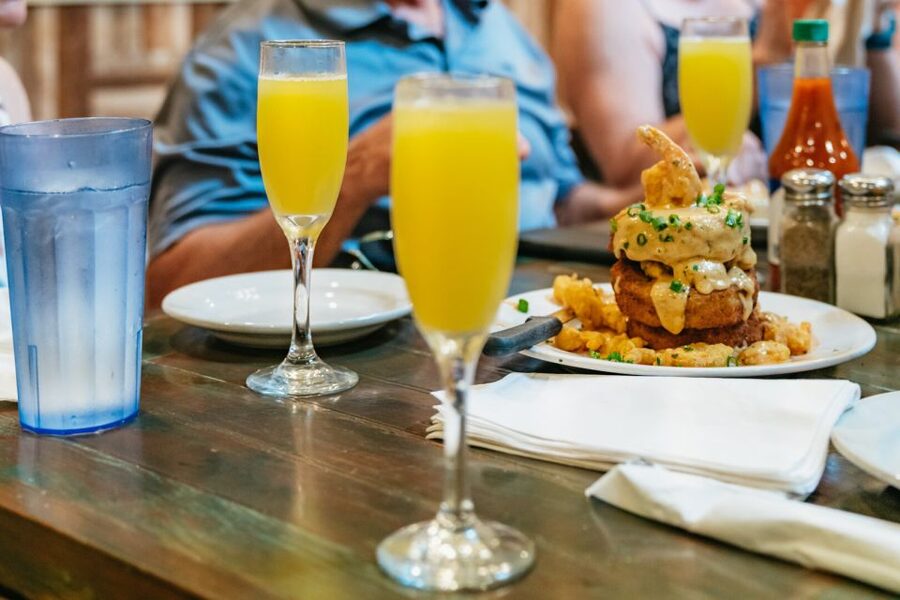
The planned group is limited to 10 participants. That is a sensible size for food service, sidewalk conversations, and questions. Small groups also make it easier for Michelle to adjust food choices for vegetarians and many allergies if you tell the operator in advance.
One recorded tour had 17 people, despite the stated limit. That created two problems: people at the back had trouble hearing, and serving food to a large group took more effort. This appears to be a possible operational issue rather than the stated format, but I would keep it in mind when booking.
The route is less than one mile, yet you should still be comfortable walking and standing. The tour is not suitable for people with mobility impairments. Children under three may join free, but no food or drink is provided for them.
Weather also deserves attention. New Orleans can be hot and humid, and one July departure was described as warm and sticky, though still worthwhile. A morning or late-day start may feel easier, but starting times vary, so check availability for your date.
Dietary needs and drink choices
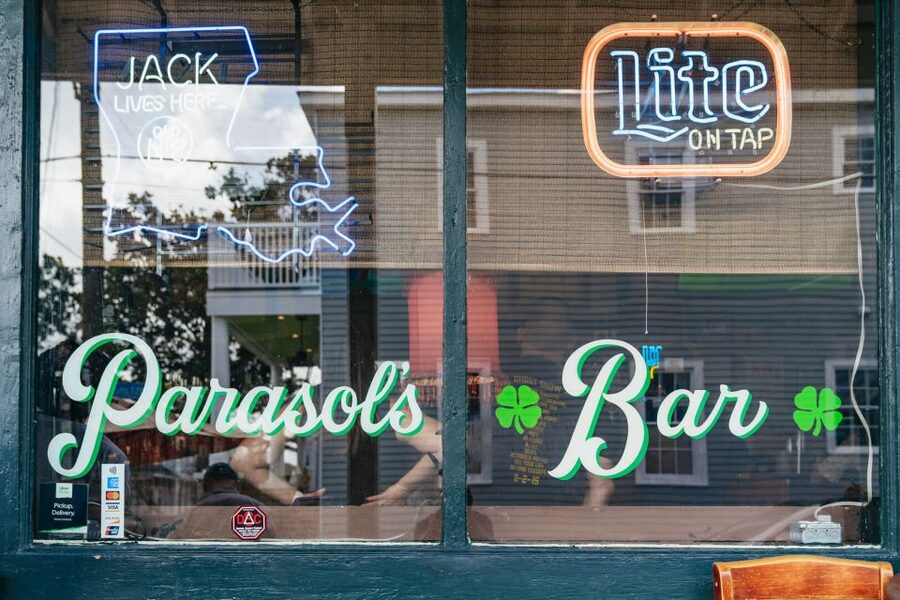
Vegetarians and many dietary allergies can be accommodated if you advise the operator ahead of time. Do not wait until the first restaurant. Give clear information when booking so the food stops can be prepared properly.
The included drinks are flexible. At two food stops, you choose either an alcoholic specialty drink or a non-alcoholic beverage. At the beignet stop, café au lait or tea is available.
Additional food and drink are not included. Since the tour provides a full meal, most people should not need to buy more during the three hours. If you have a large appetite or want to try dishes outside the planned menu, bring extra money.
Is $95 a fair price?
I consider $95 reasonable for the right kind of visitor. The cost covers three hours, a full meal divided among three stops, drinks, tax, and tips. You also receive a guided neighborhood walk and personal suggestions for the rest of your visit.
The value is strongest if you are new to New Orleans and want one booking to handle lunch, orientation, and local context. It is less compelling if you mainly want a cheap food crawl or if you already have a detailed Garden District plan and restaurant reservations.
The three-stop format also spreads out the meal. You taste several kinds of food without committing to one large entrée. That variety is useful when you want to sample Cajun and Creole specialties but do not know which dishes to order on your own.
Who should book this Garden District tour?
I would choose this experience for first-time visitors who want food and place explained together. It also suits couples, small groups, and solo visitors who enjoy asking questions during a walk.
Food-focused visitors should appreciate the full meal and drink choices. History-minded visitors get the cemetery customs, architecture, neighborhood background, and discussion of the communities that shaped Louisiana cooking.
You may want another option if you have limited mobility, dislike walking in heat, need a wheelchair-accessible route, or want a strictly architectural tour. I would also ask about the expected group size if hearing every word is important to you.
Should you book it?
Book this tour if you want a friendly introduction to the Garden District with enough food to replace lunch. Michelle Mashon’s local perspective, the cemetery opening, the architecture, Magazine Street, and the three food stops make it more useful than a simple restaurant crawl.
Skip it if your priority is a small, quiet group and you cannot accept any chance of a larger departure. Also skip it if you want specific classic dishes such as gumbo, red beans and rice, étouffée, or muffuletta guaranteed on the menu, since those items are not promised.
For most visitors, the strongest reason to book is the combination of context and appetite. You finish with a full stomach, a better sense of the Garden District, and a list of places to explore on your own.
FAQ
Where does the tour begin?
Meet at the corner of Washington Avenue and Coliseum Street, across from Commander’s Palace restaurant.
How do I reach the meeting point by streetcar?
Take the St. Charles Streetcar, exit at Washington Avenue, and walk two blocks south to Coliseum Street.
How long does the tour last?
The tour lasts three hours.
How far do you walk?
The route is less than one mile in total, though you will also stand and move between food stops.
Is Lafayette Cemetery open during the tour?
No. Lafayette Cemetery No. 1 is under repair and closed to the public. The cemetery portion takes place outside the gates.
How many food stops are included?
The tour includes a full meal spread across three local eateries.
Are drinks included?
Yes. An alcoholic or non-alcoholic drink is included at each stop according to your preferences. The beignet stop includes café au lait or tea.
Can dietary needs be accommodated?
Vegetarians and many dietary allergies can be accommodated. You need to advise the operator in advance.
Are children under three charged?
Children under three are free, but food and drinks are not provided for them.
Is pickup and drop-off included?
No. You are responsible for reaching the meeting point and arranging your own transportation afterward.
Just added around New Orleans
- New Orleans: 1.5-Hour Voodoo History Evening Tour★ 4.5 · 34 reviews
- New Orleans: Swamp Boat Ride and Historic Plantation Tour★ 4.7 · 303 reviews
- New Orleans: Wicked History Walking Tour with a Local Witch★ 4.3 · 29 reviews
- New Orleans: French Quarter Saints & Sinners History Tour★ 4.6 · 56 reviews
- New Orleans: Tremé African American & Creole History Tour★ 4.9 · 208 reviews
- New Orleans, French Quarter: Pirate History Walking Tour★ 5.0 · 45 reviews
- New Orleans: Drunk History Walking Tour★ 4.2 · 165 reviews
- New Orleans: Haunted Drunken History Walking Tour★ 4.9 · 50 reviews
New Orleans History Tours, compared.

New Orleans Garden District History Walking Tour
Read our review →
French Quarter Historical Sights and Stories Walking Tour
Read our review →
New Orleans Small-Group Haunted History Carriage Tour
Read our review →
The National WWII Museum Admission Ticket New Orleans
Read our review →
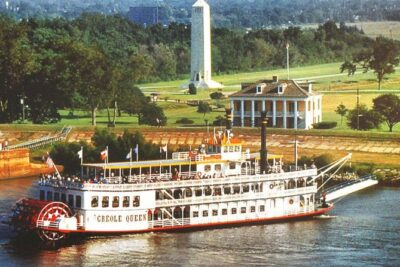
Paddlewheeler Creole Queen Historic Mississippi River Cruise
Read our review →

New Orleans: Creole Queen History Cruise with Optional Lunch
Read our review →Browse the lists this tour appears in