
Review · PALERMO
Palermo: Mafia history and present, Street Food Walking Tour
Palermo’s Mafia story is not presented as movie material here. It is tied to ordinary choices: which shop you support, how businesses resist the pizzo racket, and how organized crime still affects civic life. Guide Elena, a law graduate with experience at Italy’s Supreme Court, leads the conversation while you walk the old center and eat your way through four stops.
I like the small maximum group of 10, which gives this serious subject room for real questions. I also like the clear link between food and civic action: every stop is a pizzo-free business. The one thing to consider is that this is not an art-and-monuments tour. If you want detailed explanations of Palermo’s churches and architecture, choose a different walk.
Key points to know before booking
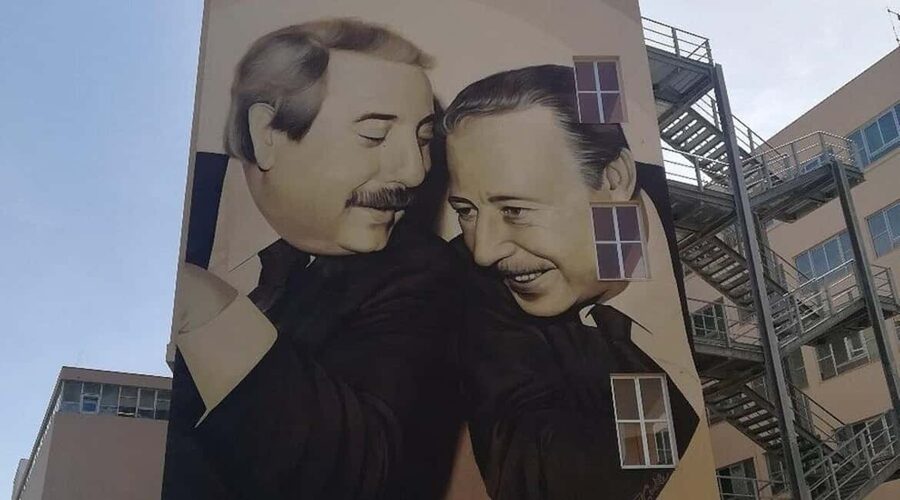
- Elena brings legal experience: Her background includes work at the Italian Supreme Court, giving the discussion a firm grounding in law and present-day crime.
- Four substantial food stops: Expect fried Sicilian snacks, sfincione, pani câ meusa, craft beer, and traditional desserts.
- Every venue is pizzo-free: Your meal supports businesses that refuse Mafia protection payments.
- The focus is modern Palermo: You discuss current social behavior, civic choices, and local scandals, not only old Mafia legends.
- Small and multilingual: The group is limited to 10, with guides available in English, Italian, Russian, German, Spanish, Greek, and French.
- Come hungry: The food is generous enough that eating before the tour would be a poor strategy.
Palermo’s Mafia story begins with daily life
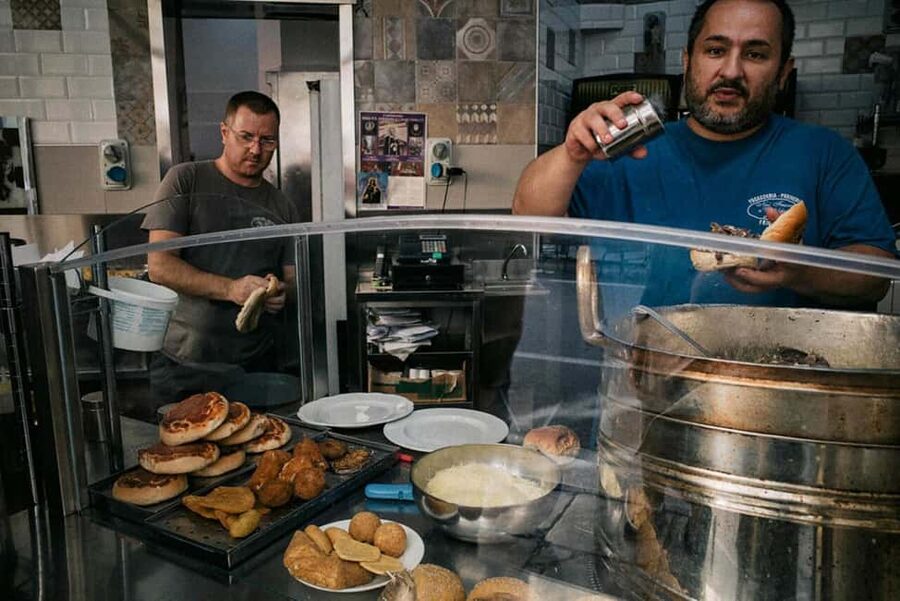
This experience works because it treats the Sicilian Mafia as a living social problem, not a museum subject. You learn where the organization came from and how it developed, but the conversation keeps returning to the present: businesses that resist extortion, people who refuse silence, and the effect of organized crime on everyday decisions.
That approach matters in Palermo. You are not simply collecting facts about famous trials or notorious figures. You are considering why a shop owner might pay protection money, why another business refuses, and how customers can support the second choice. The tour makes those questions part of an evening in the city.
Elena’s legal background is a useful fit for the subject. She is not presented as a guide who only memorized a timeline. Her experience at the Italian Supreme Court gives her a professional connection to the justice system, while her strong affection for Palermo keeps the discussion personal and local. The result should suit you if you want context, conversation, and candid questions rather than a scripted crime tour.
The mood is serious but not grim. Food, movement, and informal discussion keep the evening human. You hear about people who chose to say no to the Mafia, which gives the tour a useful sense of agency. Palermo is shown as a city dealing with a difficult past and an unfinished present.
More Food and History Tours in Italy
- Palermo: Street Food and History Walking Tour
★ 4.9 · 1,486 reviews - Rome Food Tour in the Historic Centre with 8+ Food Tastings
★ 5.0 · 1,000 reviews - Walking Tour and street food Tour Palermo / History and Food
★ 5.0 · 386 reviews
Starting in Vucciria, then walking the old center
The meeting point is the Epic Sicily base in Vucciria, which functions as an information point, locker area, and rest stop. You will need to make your own way there, since transportation is not included. Give yourself enough time to locate the base before the scheduled start, especially if you are unfamiliar with Palermo’s narrow central streets.
From there, the experience moves on foot through Palermo’s historic center. Comfortable shoes are a sensible choice. This is a three-hour walk with several food breaks, so you should expect time standing, moving between venues, and pausing for conversation.
The route is not designed as a conventional sightseeing circuit. You may pass important buildings and old streets, but the guide’s attention is on their connection to city life and organized crime. You will not receive a full explanation of every church, palace, or monument. That limitation is worth taking seriously when planning your day.
I would pair this with a separate architecture tour or your own visit to Palermo’s major sights. This experience gives you a social reading of the center. It does not replace a tour focused on art, Norman architecture, or church interiors.
The evening timing is a good match for the food. Palermo’s streets take on a different feel after the hottest part of the day, and the aperitivo format gives the walk a natural rhythm. You move, listen, eat, and talk rather than spending three straight hours in one lecture.
First tastes: panelle, crocchè, and fried vegetables
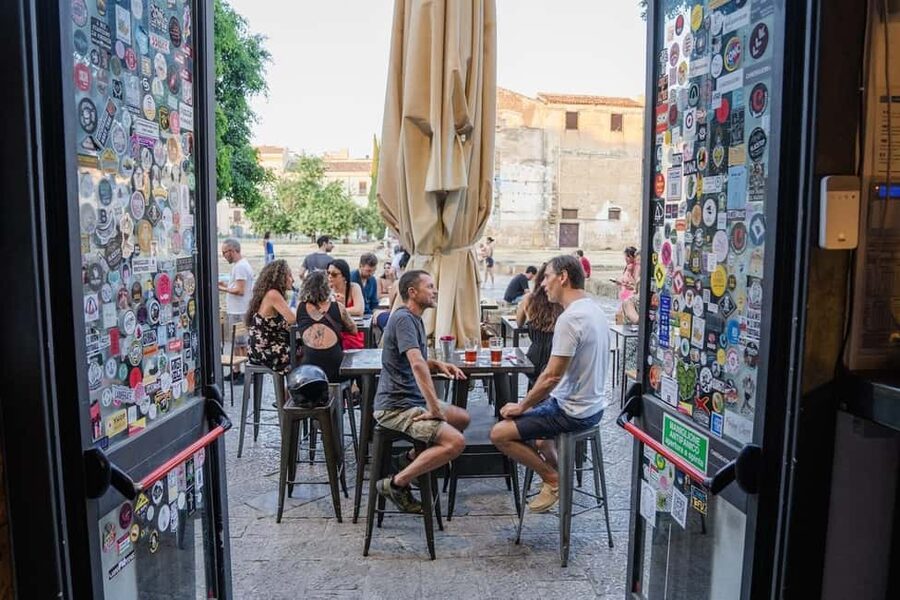
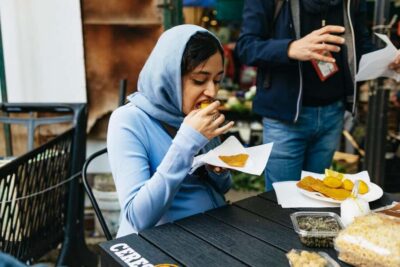
One early food stop focuses on traditional fried treats. The selection includes panelle, crocchè, and fried vegetables, all familiar parts of Palermo’s street-food culture.
Panelle are chickpea fritters, while crocchè are potato croquettes. Together with fried vegetables, they give you a useful introduction to the city’s casual food traditions. These are not decorative tasting portions meant only for photographs. The overall food offering is generous, so arrive with an appetite.
This stop also helps set the tone for the pizzo-free idea. The venue is not selected only because it serves local food. It is part of a network of businesses that refuse the pizzo, the protection payment demanded by organized crime. You are eating in a place linked to civic resistance, not merely checking off a snack.
That connection is one of the tour’s strongest features. A food walk can easily become a list of dishes with a few local anecdotes attached. Here, the meal carries a wider point about how consumption can support the kind of city you want to see.
Dietary needs deserve attention before you book. Vegetarian, vegan, and children’s options are available, but the published food list includes several dishes built around meat, dairy, or frying. If you have specific restrictions, tell the provider in advance rather than assuming every stop can adapt without notice.
Sfincione and pani câ meusa at a Palermo street-food stop
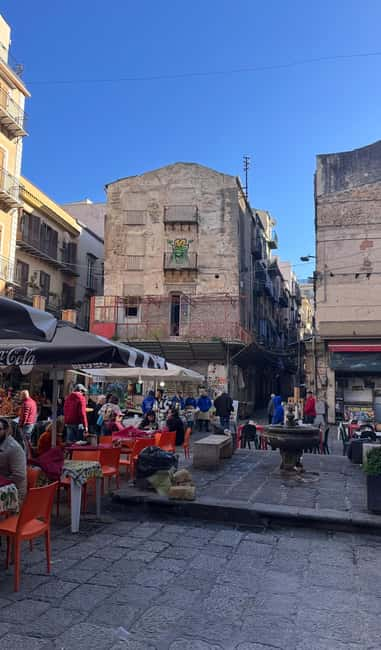
The next major tasting includes sfincione and pani câ meusa, two foods that give the tour a stronger sense of place.
Sfincione is Palermo’s thick, soft style of pizza-like street food, usually associated with a seasoned topping and a breadier base than a standard slice. Pani câ meusa is a local sandwich made with spleen. It is one of the city’s most distinctive foods, but it is not for everyone.
If you are curious about Sicilian food, this is the stop that may stay with you. It is direct, local, and far removed from the safe Italian dishes found everywhere. If organ meat is not your thing, ask about alternatives before the tasting begins. The tour offers vegan and vegetarian choices, but the exact substitute at this stop is not specified.
The venue is described as an iconic Palermo street-food spot and is also pizzo-free. That combination gives the stop two layers. You get a recognizable local specialty, and you learn why the business matters beyond the plate.
Food is used here as an entry point to Palermo’s social structure. You are not expected to treat the meal as proof that everything is simple or picturesque. Instead, you see how an ordinary sandwich can be tied to questions of work, fear, dignity, and public support.
More History Walking Tours in Italy
- Venice: City Center Historical Guided Walking Tour
★ 4.2 · 1,873 reviews - Verona: History and Hidden Gems Guided Walking Tour
★ 5.0 · 1,379 reviews - Florence Walking Tour with Accademia, Uffizi & Lunch
★ 4.0 · 1,033 reviews - Naples Spanish Quarters Walking Tour Street Art, Folklore & Sweet
★ 5.0 · 797 reviews
Sicilian craft beer and the pizzo-free principle
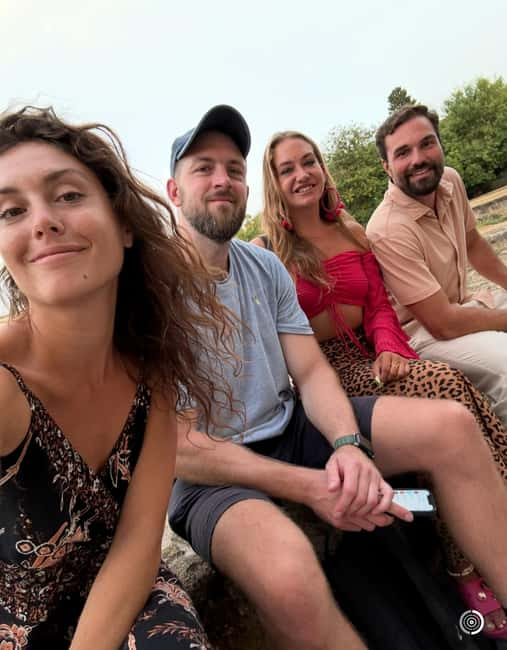
A Sicilian craft beer tasting follows the savory food. It gives the group a chance to slow down and talk, and it makes the evening feel like an aperitivo rather than a hurried sequence of samples.
The important detail is the setting. The businesses visited are pizzo-free, meaning they refuse to pay the Mafia racket. Your spending is therefore part of the tour’s central message. You are not only hearing about resistance. You are visiting places that make a practical choice and accepting their products as a customer.
That distinction makes the experience more useful than a tour that treats the Mafia as a closed chapter. You can ask Elena how organized crime affects business, what resistance looks like, and how public behavior influences the strength of that resistance. The advertised format encourages open conversation, so this is a good time to bring thoughtful questions.
The beer is included, but additional drinks are not. If you want more than the listed tasting, plan to pay separately. The same applies to any extra food.
The tour is limited to 10 people, which is especially helpful during discussion stops. In a large group, sensitive questions can disappear under the noise. Here, you have a better chance to hear the guide clearly and take part in the conversation. Group size can vary within the limit, but the small format is one of the main reasons the experience feels more personal than a standard city walk.
Desserts finish the evening on a lighter note
The final food section includes different Sicilian desserts. This is where you get the sweet side of the local table, and it provides a pleasant contrast to the fried snacks and savory street food earlier in the walk.
The precise desserts are not listed, so you should not book this expecting one particular pastry. You can expect a selection of typical Sicilian sweets, with options considered for different diets. The food quantity is a recurring practical point: several people describe the tasting as abundant, and the advice to come hungry is well founded.
I like ending with dessert because it leaves space for reflection. The tour does not finish with a dramatic crime story or a theatrical reveal. Instead, you discuss what the evening means and how organized crime continues to influence society.
The guide may bring up current local scandals from the newspaper. That keeps the conversation connected to Palermo now, rather than freezing the Mafia in the era of famous twentieth-century cases. The exact topics will change, which is part of the appeal. You get a discussion shaped by the city’s current concerns.
What you will learn about resistance and civic choice
A central theme is the courage to say no. You hear about individuals and businesses that resist Mafia pressure, and you visit establishments that make that resistance visible through their daily work.
The value here is not simply learning names or dates. You start to see resistance as a series of choices made by shop owners, customers, lawyers, journalists, and ordinary residents. The tour asks you to consider how a city changes when people stop treating extortion as unavoidable.
That can make the subject uncomfortable, which is appropriate. This is not a light entertainment tour with a Mafia label added for atmosphere. The discussion deals with criminal power and its social effects. If you prefer a purely cheerful food walk, this will feel heavier than expected.
At the same time, the experience is not only bleak. Elena’s passion for Palermo, her legal experience, and her ability to tell personal stories give the tour a hopeful direction. You leave with a better sense of the people pushing back, not just the forces causing harm.
A PDF no-Mafia guide is included for further reading after the walk. That is useful because three hours can introduce the subject but cannot cover every person, period, and institution connected with it. Treat the PDF as a way to continue learning, not as a replacement for the conversation on the streets.
Price, timing, and who gets the best value
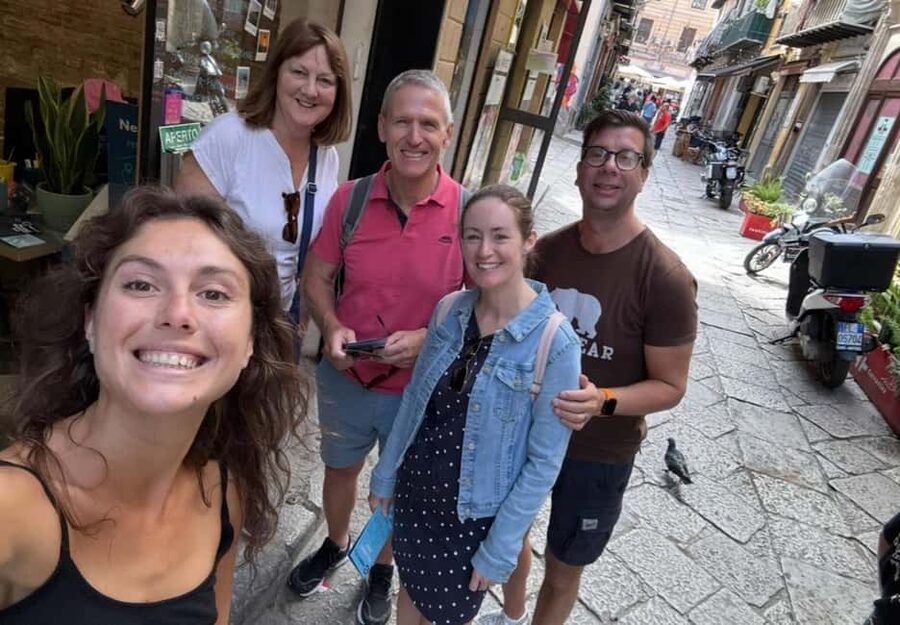
At $79 per person, this is more expensive than a simple street-food walk and less than a full-day private experience. The value depends on how much you want from the non-food side.
You are paying for three hours of guiding, four tasting stages, visits to pizzo-free businesses, a small group capped at 10, and a specialist perspective on organized crime. If you only want to eat panelle and pastries, you can likely find cheaper food experiences. If you want the social and legal context, the price is easier to justify.
The food is described as generous, not symbolic. That helps the cost, especially because the tastings include several different categories: fried treats, sfincione, pani câ meusa, craft beer, and desserts. Extra food and drinks are not included, so avoid assuming the $79 covers anything beyond the planned selection.
The three-hour length is enough to create a real evening without consuming your whole day. I would schedule it when you can give the discussion your attention. It is not ideal as a rushed activity between major sights.
Free cancellation is available up to 24 hours before the start, and you can reserve now and pay later. The experience is wheelchair accessible, though the route is on foot through the historic center. If mobility is a concern, confirm the practical route details with the provider before booking.
Guiding is available in English, Italian, Russian, German, Spanish, Greek, and French. Check the available language for your chosen departure, since the language list does not mean every start time offers every option.
Who should book this Palermo food and Mafia tour?
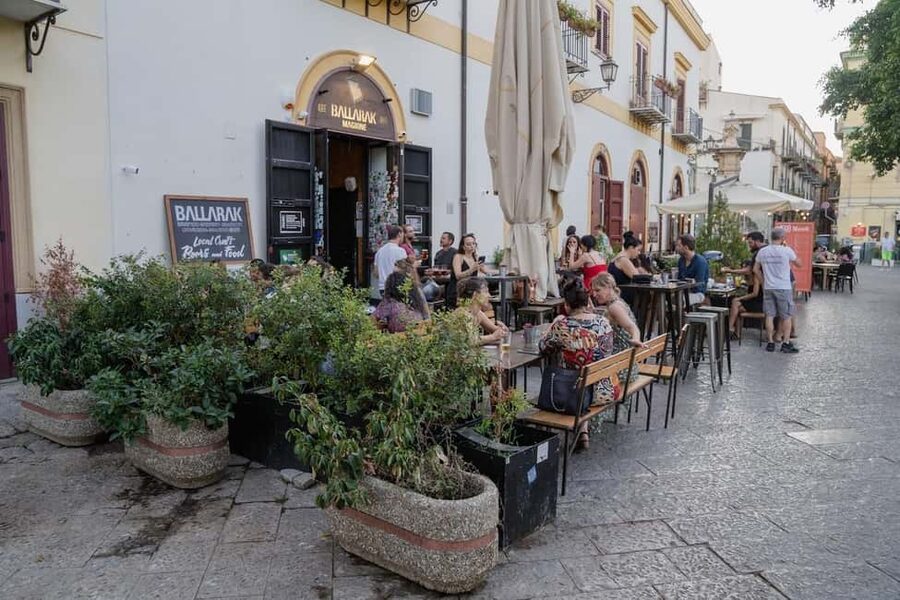
I would recommend it to you if you want to understand Palermo through people and present-day issues, not just monuments. It is especially suitable if you enjoy asking questions, trying unfamiliar food, and connecting a meal with the way a city functions.
It also suits visitors who have already seen Palermo’s main churches and palaces and want another angle. The tour can add meaning to later walks through the center because you will have heard how businesses and residents respond to pressure.
Families may find it workable because children’s options are available, but the Mafia subject is serious. Parents should decide if the discussion suits their children. Vegetarian and vegan choices are available, but anyone with strict dietary restrictions should contact the provider first.
I would not choose it as your only Palermo tour. You will not get a full art or architecture explanation, and the Mafia topic shapes the entire evening. Pair it with a standard historic-center visit if you want both the city’s monuments and its modern social story.
Should you book it?
Book this tour if you want a thoughtful food walk with a civic purpose, and if you are comfortable discussing organized crime without turning it into entertainment. Elena’s legal background, the small group, the current-affairs angle, and the pizzo-free businesses make it more substantial than a standard tasting route.
Skip it if you want only snacks, shopping, or monument facts. Also think twice if you dislike organ meat or have complex dietary needs, though alternatives are available and should be arranged ahead of time.
For most curious visitors, I would make this an evening priority in Palermo. Come hungry, wear comfortable shoes, and leave room for a conversation that may change how you read the city.
FAQ
How long does the Palermo Mafia and street-food tour last?
The experience lasts three hours and includes walking through Palermo’s historic center, discussion of the Sicilian Mafia, and four food and drink tasting stages.
What food is included?
The included tastings feature panelle, crocchè, fried vegetables, sfincione, pani câ meusa, Sicilian craft beer, and different typical Sicilian desserts.
Is the food served at pizzo-free businesses?
Yes. Every food stop is hosted by a pizzo-free establishment, meaning a business that refuses Mafia protection payments.
Who leads the experience?
The host is Elena, a law graduate with experience at the Italian Supreme Court. The tour focuses on open discussion of organized crime, civic life, and Palermo today.
Is this a conventional sightseeing tour?
No. It is not focused on detailed historical or artistic explanations of Palermo’s monuments. The main subjects are Mafia history, present-day social dynamics, civic resistance, and local food.
Are vegetarian, vegan, and children’s options available?
Yes. Vegetarian, vegan, and children’s options are available. If you have specific dietary restrictions, you should confirm the details before the tour.
What are the cancellation and payment options?
You can cancel up to 24 hours before the experience for a full refund. You can also reserve now and pay later.
More Food Trips in Italy
- Bologna: Street Food Tour in the Historic Center
★ 4.8 · 125 reviews - Palermo: Historic Center Guided Bike Tour with Food Tasting
★ 4.7 · 85 reviews - Pastrengo: Lake Garda Wine & Food Tasting in Historic Fort
★ 4.7 · 73 reviews - Rome: Ultimate Street Food Tour in the Old Town by Do Eat Better
★ 5.0 · 73 reviews
More Food and Drink Trips in Italy
- Discover Palermo in 3 hours. Art, history, markets and street food
★ 5.0 · 352 reviews - Lake Garda: Historic Castle Cruise with Wine Tasting
★ 4.5 · 241 reviews - Roman countryside Food & Wine Tasting in a medieval winery
★ 4.5 · 220 reviews - Private Rome Food Tour in the Historic Centre with 8+Tastings
★ 5.0 · 135 reviews
Just added around Italy
- Guided Cultural Tour of the Godfather Film in Messina★ 5.0 · 31 reviews
- Guided tour of the Riace Bronzes and the Archaeological Museum of Reggio Calabria★ 5.0 · 44 reviews
- SU NURAXI BARUMINI Unesco World Heritage Site★ 5.0 · 129 reviews
- Brescia the Unexpected: History, Local Stories & a drink★ 5.0 · 31 reviews
- Bolognese Cooking Class with Margherita in the Historic Center★ 5.0 · 26 reviews
- Tower and Power, Virtual tour in Medieval Bologna★ 4.5 · 54 reviews
- Bologna historical art walking tour with hidden gems and tastings★ 5.0 · 108 reviews
- Best of Bologna in one day : Food, architecture, art and history★ 5.0 · 27 reviews
Palermo History Tours, compared.
Palermo: Street Food and History Walking Tour
Read our review →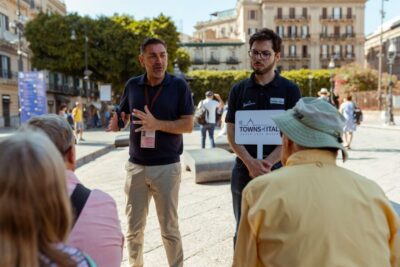
Palermo: UNESCO World Heritage Sites Guided Walking Tour
Read our review →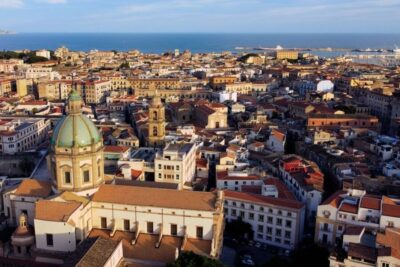
Palermo: Walking Tour of Historic Markets and Monuments
Read our review →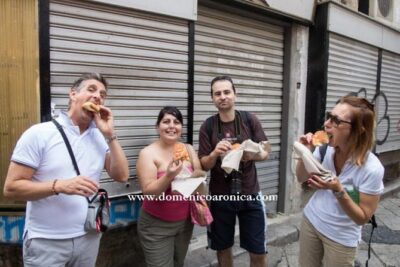
Walking Tour and street food Tour Palermo / History and Food
Read our review →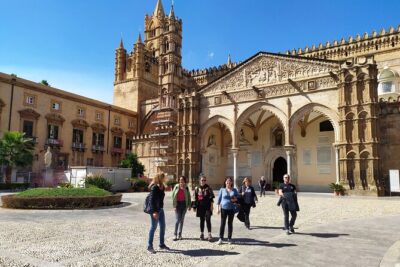
Discover Palermo in 3 hours. Art, history, markets and street food
Read our review →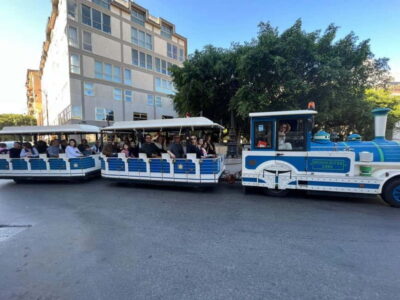
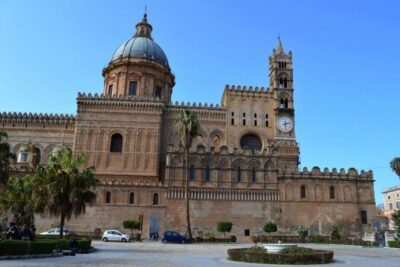
Palermo : Historic Markets & monuments Walking Tour
Read our review →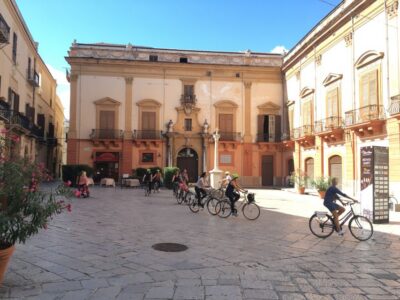
Palermo: Historic Center Guided Bike Tour with Food Tasting
Read our review →Browse the lists this tour appears in