
Review · GOA
Panaji: Heritage Walk through Goa’s Latin Quarter
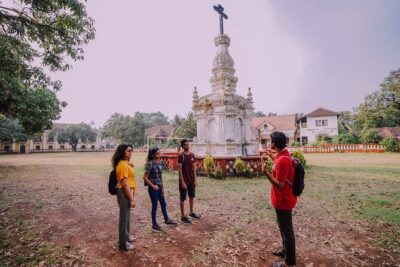
Fontainhas is the sort of neighborhood that rewards walking slowly. Its narrow lanes, painted houses, old chapels, art spaces, and Portuguese street names reveal a side of Goa that a beach holiday can easily miss. This tour gives you the stories behind the façades, rather than just a photo stop.
I especially like the local scale of the walk and the way it connects architecture with food, music, and daily life. The bakery visit, art galleries, and meeting with a Goan musician make the past feel close at hand. Guides such as Yashasvi, Divya, Calvin, and Trancy have earned praise for turning facts into lively stories.
The main consideration is that this is a group walk of up to 20 people, and Fontainhas is best explored on foot. Bring comfortable shoes, water, and patience for uneven lanes. Anyone with a mobility impairment may find the route difficult.
Key points to know before you book
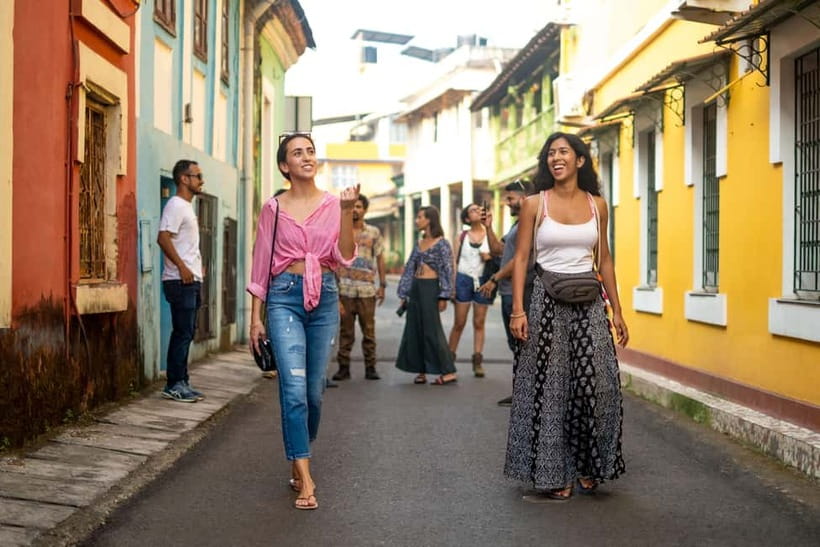
- Fontainhas is the heart of the walk: Explore Panaji’s oldest and largest Latin quarter in Asia, with colorful homes and Portuguese-influenced street names.
- The tour mixes more than buildings: Expect art galleries, a heritage home, bakery treats, local drinks, craftwork, and Goan music.
- Your guide shapes the experience: Guides including Yashasvi, Divya, Calvin, Trancy, and Rachana have been praised for strong storytelling and useful local context.
- The pace is manageable but still involves walking: The main Fontainhas sections last about 45 minutes and 30 minutes, with shorter guided stops between them.
- The $12 price is strong value: You receive a 2.5-hour guided visit, heritage-home entry, and a meeting with a Goan musician, while food, drinks, and souvenirs cost extra.
- Timing matters: Morning walks can be cooler and quieter, while the 4:30 p.m. departure has been especially appealing for a more comfortable end to the day.
Why Fontainhas deserves more than a quick photo stop
Many people come to Panaji, take a few pictures of the colorful houses, and move on. That is pleasant, but it leaves out the reason Fontainhas looks the way it does.
The neighborhood developed in the late eighteenth century near the springs below the Altinho hills. Its name comes from the Portuguese word for little fountain. Portuguese influence remains visible in the house fronts, balconies, colors, chapels, road names, and older civic buildings.
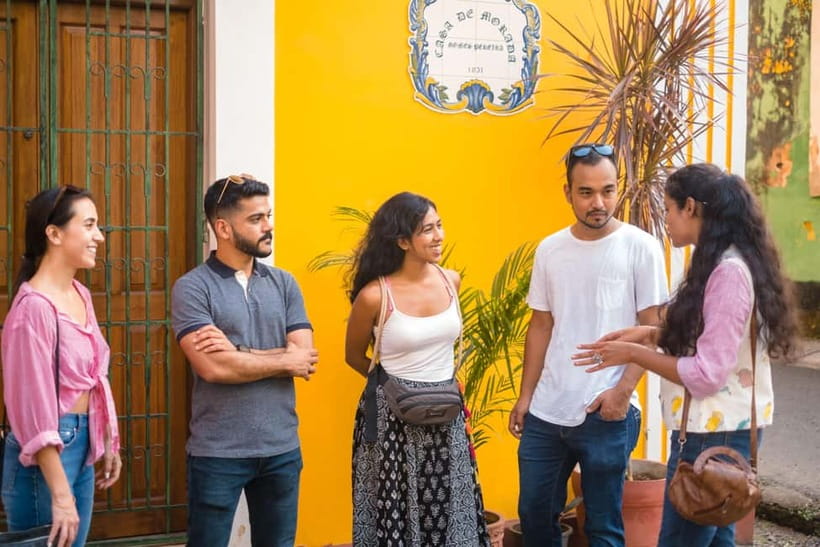
A guide helps you read these details. You learn to look at the proportions of a house, the position of a window, or the shape of a balcony as part of Goa’s cultural story. You also get a sense of how Portuguese customs mixed with local Goan life instead of replacing it completely.
That balance is the real strength of the experience. The walk is not only about colonial architecture. It also touches on food, music, art, local folklore, and the lives of people who still live and work in the quarter.
More History Walking Tours in India
- Fontainhas Heritage Walk by Make It Happen
★ 5.0 · 2,834 reviews - The Great Indian Food Tour: Old Delhi Food and Heritage Walk
★ 5.0 · 1,698 reviews - Old Goa Heritage Walk by Make It Happen
★ 5.0 · 797 reviews
Meeting at Panjim Head Post Office
The walk begins at the entrance of the Panjim Head Post Office near the Mala district. The Sao Tome Chapel is given as a closer landmark, so keep that in mind if you are asking for directions locally.
The meeting point is practical, but you should allow time to find the correct entrance. Panaji’s older streets can feel confusing at first, especially if you are arriving by taxi or auto-rickshaw. The tour does not include hotel pickup or drop-off, so you make your own way to the post office.
The opening part of the experience sets up the story of Portuguese arrival in Goa. Starting at Tobacco Square gives the guide a useful place to explain how Panaji developed and how the old quarter fits into Goa’s wider past.
This introduction matters because the buildings make more sense once you know what to look for. Instead of seeing a collection of pretty façades, you begin to notice how the neighborhood reflects trade, religion, family life, and changing political control.
Tobacco Square and the first streets of the Latin quarter
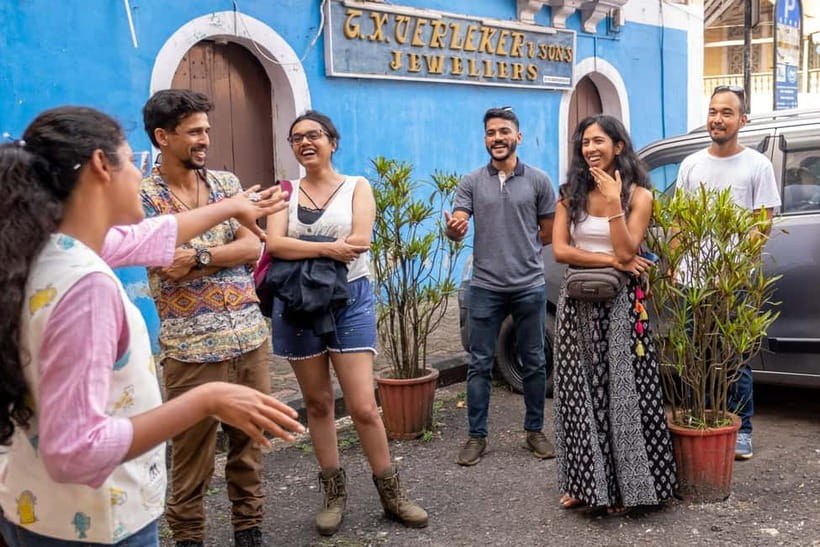
From Tobacco Square, the route moves toward the older streets of Fontainhas. The walk is not a fast march from one landmark to the next. You pause often, and the guide can shape the conversation around your interests.
This flexibility is useful. If you care about architecture, you can ask about Portuguese design features. If music interests you, you can steer the discussion toward Goa’s musical traditions. If you want practical context about modern Panaji, guides have also been praised for explaining everyday local life.
The small Church of San Thome appears along the route. It is not presented as a grand cathedral, and that is part of its appeal. The stop helps show how religious buildings fit into the close streets of the quarter, where chapels and homes sit near one another.
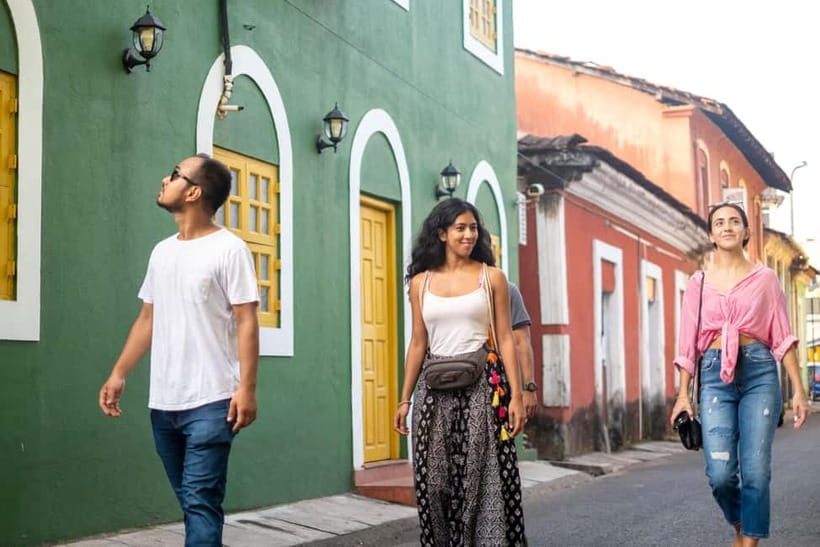
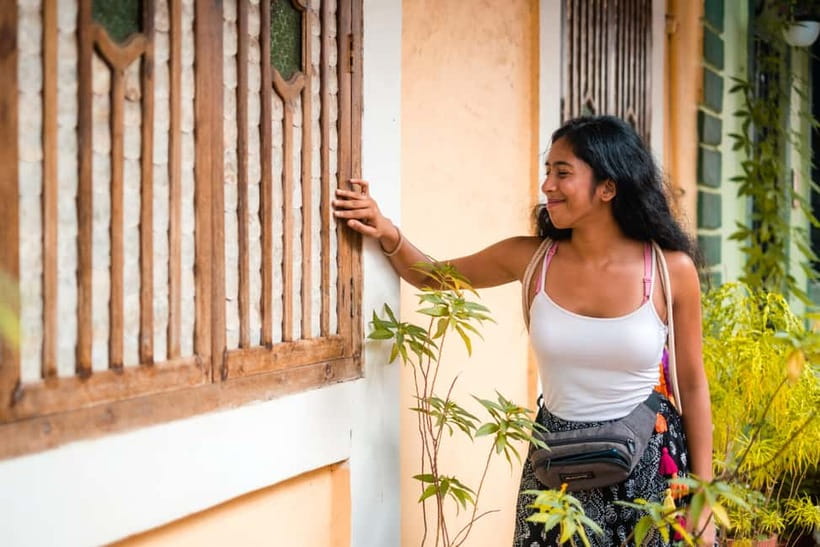
You will also pass houses in shades of blue, yellow, pink, and white. These colors make Fontainhas highly photogenic, but remember that this is a living neighborhood. Keep the mood respectful, avoid blocking doorways, and ask before photographing people or private interiors.
The 31st January Bakery and local flavors
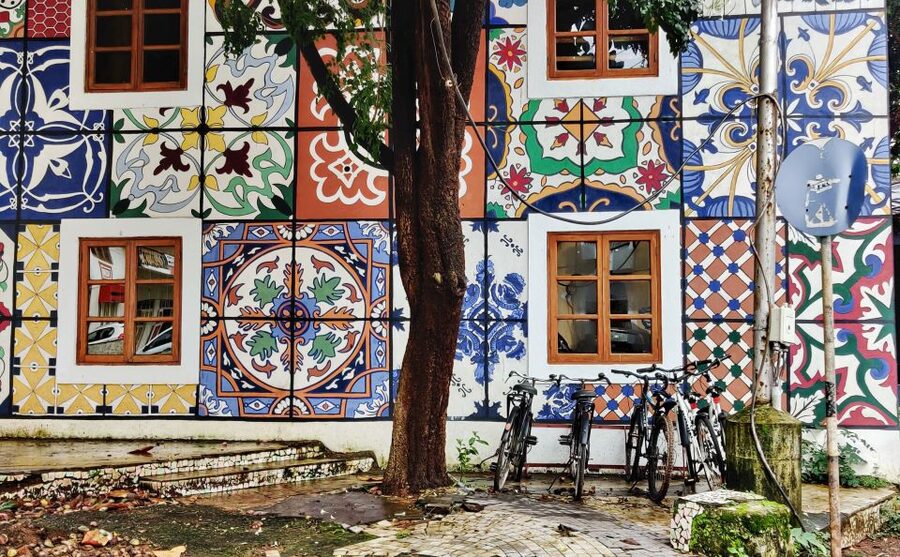
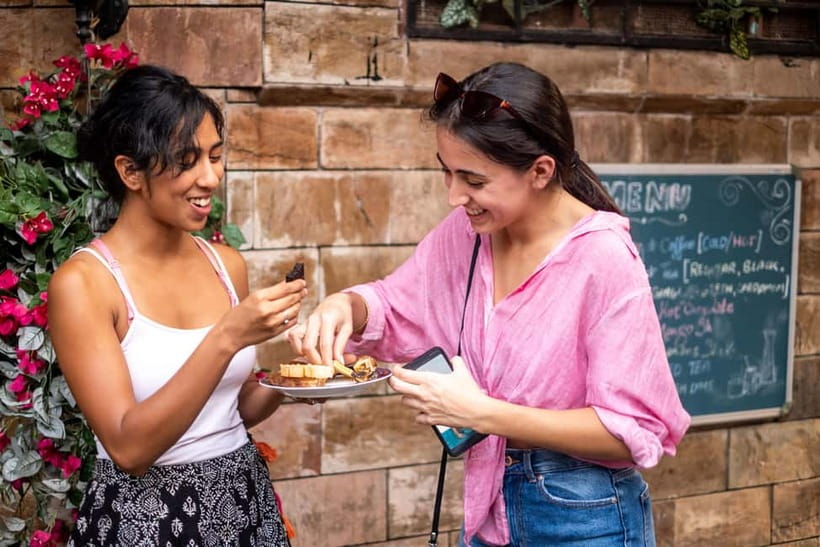
A stop at the 31st January Bakery adds a welcome change from looking at buildings. The bakery is associated with Goan-Portuguese baking and dates back to 1930. You may have a chance to sample pastries or local baked goods, including treats such as pastel de nata.
The precise food arrangement can vary, so do not treat the tour price as an all-you-can-eat allowance. Additional food and drinks are officially not included, and personal purchases are your responsibility. Still, bakery stops and small tastings have been part of the experience for many groups.
This is one of the better details of the walk because food explains cultural exchange in a direct way. Portuguese influence in Goa is not only visible in walls and chapels. It also appears in baking, drinks, music, and family traditions.
You may also encounter a local drink such as kokum during the wider experience. Again, offerings can change, but the point is clear: the tour tries to connect history with things you can taste and hear.
Same city, a different century:
- Old Delhi Food, Heritage&Cultural Walk with Rickshaw ride to Masterji Kee Haveli
★ 5.0 · 742 reviews - Blue City Heritage Private Walking Tour With Pickup and Drop-Off
★ 5.0 · 441 reviews - Kolkata Heritage Tram Tour
★ 4.0 · 395 reviews - Private Heritage Walking Tour in Jaisalmer Fort and Old Bazaar
★ 5.0 · 306 reviews
San Sebastian Chapel and Fontainhas photo stops
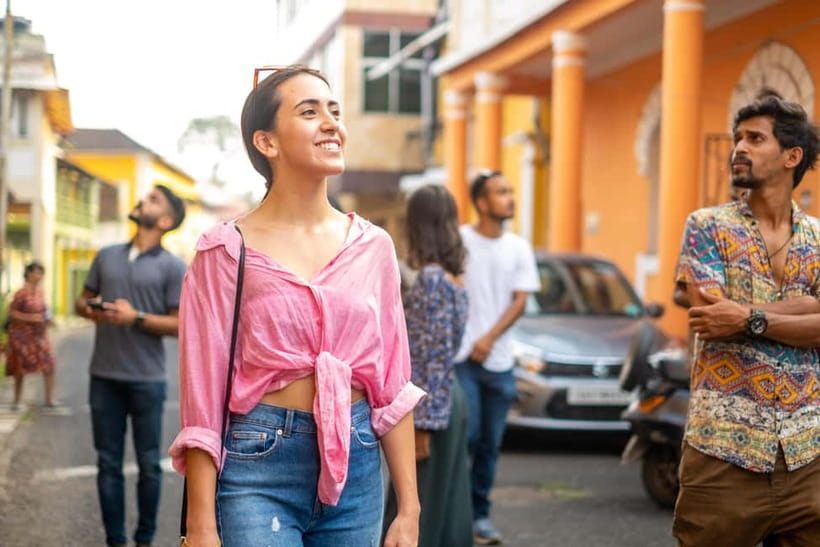
The walk continues toward the Chapel of San Sebastian. Along the way, you have time for photographs and for a closer look at the lanes.
The chapel is a useful pause in the route because it brings together several themes of the tour: religion, neighborhood life, architecture, and local memory. Your guide explains what you are seeing rather than leaving you to rely on a quick photograph.
Fontainhas is compact, so the route never feels like a citywide sightseeing circuit. That is good news in Goa’s heat. You cover enough ground to understand the quarter, but the walk includes shorter stops and pauses rather than demanding hours of continuous walking.
The drawback is that the streets can be tight and the route is not designed for people with mobility impairments. Comfortable shoes are essential. A reusable water bottle is also sensible, especially during warmer months.
Panjim Inn, Fundacao Orient, and Galerie Gitanjali
The route includes interesting buildings around Panjim Inn, Fundacao Orient, and Galerie Gitanjali. These stops show that Fontainhas is not preserved as a museum frozen in the past.
Panjim Inn helps you appreciate the old quarter’s domestic and hospitality architecture. Fundacao Orient and Galerie Gitanjali bring art into the picture, with works by local and international artists. This gives the walk a creative edge that many standard city tours lack.
Galerie Gitanjali is particularly useful if you want to see how modern art and heritage spaces interact. The gallery visit is not simply an extra indoor stop. It helps you understand that Fontainhas remains a place for present-day cultural activity, not only a backdrop for old houses.
Opening hours and access can vary, so do not assume every gallery will operate in exactly the same way on every date. One useful practical warning comes from a Sunday visit: some places may be closed, which can reduce the indoor portion of the walk.
Meeting a Goan musician
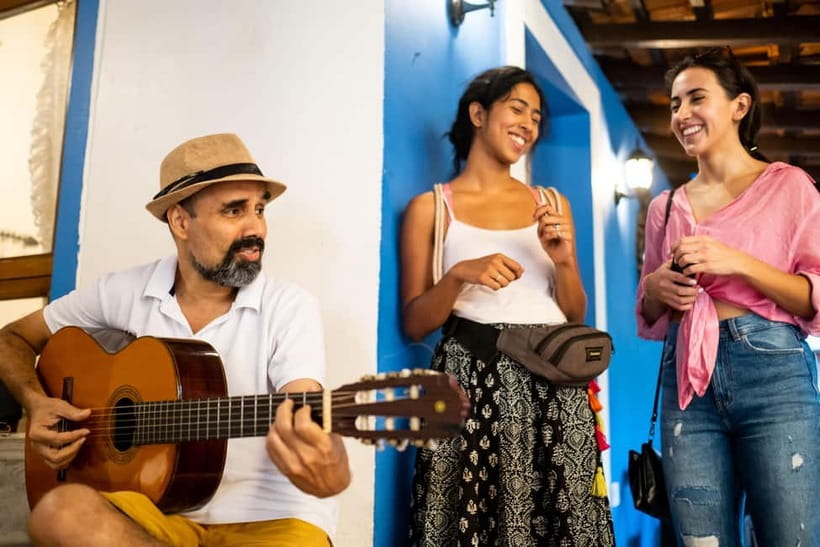
The most distinctive part of the experience comes near the end, when you meet a well-known Goan musician and hear live music.
This is more than a performance added for decoration. Your guide explains how Portuguese influence shaped Goan music, while the musician gives you a direct example of that tradition. Several guides, including Alita and Yashasvi, have been praised for making this meeting feel personal and memorable.
The musician’s identity and exact format can vary, but the live element is included. That makes this tour different from a standard architecture walk. You are not only looking at traces of the past. You hear how cultural influence continues through sound.
If you enjoy music, this alone may justify choosing the tour. It also makes the experience appealing to families and first-time visitors who might not want a long lecture about urban design.
The closing craft stop and what is included
Before returning to the post office, the route may include a studio making handcrafted ceramic souvenirs. This is a useful final stop because it connects local creativity with something tangible.
Souvenirs are not included, so treat the studio as a chance to browse rather than an automatic gift shop benefit. Some past groups have received small surprises, postcards, or sweet treats, but these extras should not be assumed on every departure.
The core inclusions are clear: an English-speaking local guide, entry into heritage homes, and the meeting with a Goan musician. Hotel transfers, insurance, extra food and drinks, and personal purchases are not included.
At $12 per person, that is a fair package. You are paying for local interpretation and access to places that would be easy to pass without understanding. If you walked alone, you could see many of the colorful façades, but you would likely miss the stories, the musician, and the links between food, architecture, and music.
Choosing the best time and group size
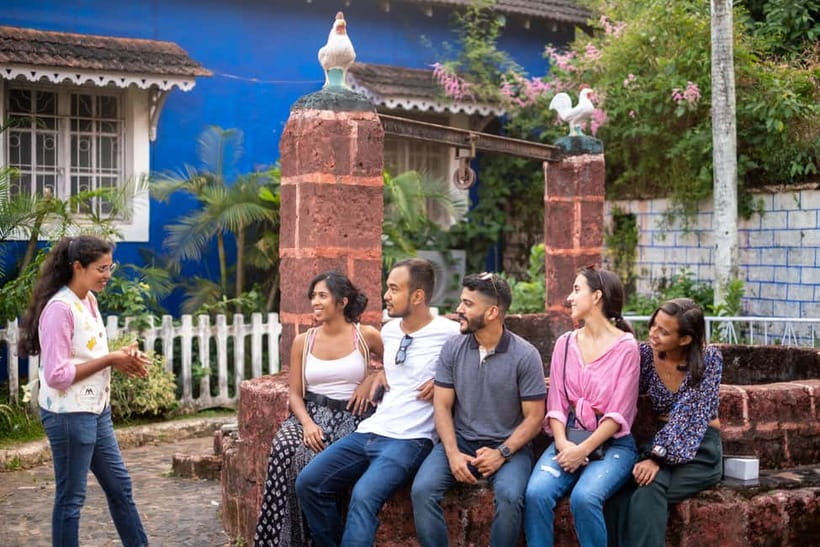
The walk lasts 2.5 hours, with a maximum group size of 20. A smaller group is more comfortable in Fontainhas because the lanes are narrow and it is easier to hear the guide.
Morning departures can work well if you want lower heat and fewer people in the streets. One 10:30 a.m. outing was especially appreciated for its quiet lanes and lack of crowds. The 4:30 p.m. slot is another smart choice, since the temperature is often more comfortable and the tour can finish around dinner time.
You should check the available starting times for your date. The tour is conducted in English, and the guide may be someone different from the names highlighted in past experiences. Strong guides have included Divya, Yashasvi, Calvin Gomes, Trancy, Rachana, Alita, Shreeya, Vaibhav, and Priyanka, but you cannot assume a particular person will lead your departure unless the operator confirms it.
Who will enjoy this Panaji walking tour
I would choose this experience if you want more from Goa than beaches, resorts, and restaurant streets. It is especially useful early in your Panaji stay because it gives you cultural context for the rest of your time in Goa.
It suits:
- First-time visitors who want an easy introduction to Panaji
- Architecture and photography enthusiasts
- People interested in Portuguese influence in India
- Art lovers who enjoy gallery visits
- Music fans who want a local performance
- Couples and families looking for a short cultural outing
- Visitors who prefer stories and conversation to a large sightseeing bus
It is less suitable if you dislike walking, need step-free access, or want a private tour with complete control over the route. A group of 20 can also feel large in the narrowest lanes, though smaller groups are possible.
Should you book it?
At $12, this is one of the more sensible ways to spend a morning or late afternoon in Panaji. I like that the tour treats Fontainhas as a living neighborhood rather than a row of colorful façades. The bakery, galleries, heritage homes, and Goan musician give the experience real variety.
Book it if you want local stories, cultural context, and a gentle introduction to Panaji. Choose a morning slot for cooler streets and fewer people, or the 4:30 p.m. option for a more comfortable end to the day.
Skip it only if mobility is a concern, you strongly prefer private touring, or your visit falls on a day when gallery and heritage stops may be closed. For most culturally curious visitors, the combination of architecture, art, food, and music makes the price easy to justify.
FAQ
Where does the Panaji heritage walk begin?
The guide meets you at the entrance of the Panjim Head Post Office near the Mala district. Sao Tome Chapel is a closer landmark for finding the meeting point.
How long does the walking tour last?
The experience lasts 2.5 hours and returns to the Panjim Head Post Office.
What language is the tour conducted in?
The tour is conducted in English by a live English-speaking guide.
How large can the group be?
This is a group tour with a maximum group size of 20 people.
Does the tour include hotel pickup?
No. Hotel pickup and drop-off are not included, so you must make your own way to the Panjim Head Post Office.
Are food and drinks included?
Additional food and drinks are not included. The route includes a stop at the 31st January Bakery, and some departures may offer local treats or drinks, but you should bring cash for personal purchases.
Is a meeting with a Goan musician included?
Yes. The experience includes a meeting with a well-known Goan musician and a live performance.
Is the tour suitable for people with mobility impairments?
No. The activity is not considered suitable for people with mobility impairments. Comfortable shoes and clothes are recommended, along with a reusable water bottle.
Just added around India
- Exploring Mylapore: A Cultural & Historical Walking Tour★ 5.0 · 42 reviews
- Chennai Heritage & Cultural Walk (2 Hours Guided Walking Tour)★ 3.5 · 32 reviews
- Georgetown heritage walking tour in Chennai about the founding of Chennai★ 5.0 · 144 reviews
- The Hipster Chandigarh Architecture History Tour★ 5.0 · 54 reviews
- See Bangalore through my eyes (Cultural / Historical / Walking Tour)★ 5.0 · 60 reviews
- 2 days Private tour of Hampi world heritage site from Bangalore by car★ 5.0 · 75 reviews
- World heritage Somnathpur sculptures and Talakadu temple mystery★ 5.0 · 79 reviews
- Discover Bangalore with Me (A Private Historical Walk Tour)★ 5.0 · 24 reviews
Goa History Tours, compared.
The Cultural And Historical Walking Tour in Margao
Read our review →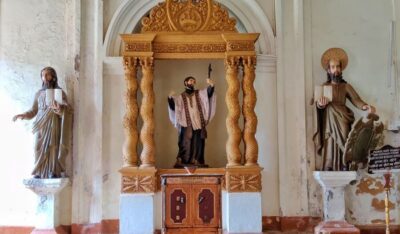
Browse the lists this tour appears in