
Review · GREECE
Paul’s Biblical and Ancient Corinth Half-Day Tour
Paul’s Corinth is more than a Bible-study footnote. It was a major crossroads where Paul worked as a tentmaker, preached, faced trial, and spent about 16 months around 51 A.D. This tour connects those places in a way that makes the letters to the Corinthians feel tied to real streets, ports, and hills. I like the personal pickup and comfortable Mercedes vehicle, and I like that guides such as Kostas, Nick, George, and Konstantinos often adjust the pace or point out lesser-known places.
The main drawback is that this is a driver-led tour, not a licensed archaeological tour. Ancient Corinth is largely self-guided unless you arrange another guide, and entrance tickets and lunch are extra. You also need an early enough start if you want time inside Acrocorinth, since one traveler missed the castle after choosing a later pickup.
Key points to know before booking
- Paul’s Corinth in one day: Connect the Corinth Canal, Kenchreai, Ancient Corinth, the Bema, and Acrocorinth in roughly six hours.
- Strong personal guiding: Kostas, Nick, George, Konstantinos, and other English-speaking guides provide biblical context, local history, and practical help.
- Comfortable private transport: Pickup is available from Piraeus, Rafina, Laurium, Spata, and other parts of Attica in a black Mercedes vehicle or minivan.
- Kenchreai adds an important biblical link: This ancient harbor is associated with Paul, Priscilla, and Aquila, and gives the journey a clear connection to the sea.
- Bring extra money: The $150 price does not include monument tickets, lunch, or a licensed archaeological guide.
- Leave early for Acrocorinth: Opening times matter, and the castle may be closed if your pickup begins too late.
Why Paul’s Corinth feels different from a standard day trip

The best reason to take this excursion is its focus. A regular Corinth outing usually centers on ruins and photographs. Here, the route follows the places connected with Paul’s work and travel, including the ancient harbor where he encountered fellow Christian workers Priscilla and Aquila, the public platform known as the Bema, and the high fortress of Acrocorinth.
I like this approach because it gives the archaeology a human scale. You are not simply looking at fallen columns. You are considering where Paul worked, how people entered and left Corinth, and why this city mattered to the early Christian movement.
The tour also works for people who are interested in Greek history but are not Christian. The Corinth Canal, Roman-era ruins, harbor remains, mountain views, and Acrocorinth make the day worthwhile on their own. The biblical layer gives the sites a clear thread, rather than turning every stop into a disconnected monument.
Still, you should know what you are buying. The guide is an English-speaking driver-guide, not a licensed guide included with the booking. The biblical explanation may be the strongest part of the experience, while the museum and archaeological details may be less formal than they would be with a specialist guide.
More Ancient History Tours in Greece
- Athens: Acropolis & up to 5 Archaeological Sites Combo Pass
★ 4.2 · 13,904 reviews - Athens: Ancient Greek Theater Performance
★ 4.7 · 2,481 reviews - Historical Delphi One Day Tour with Arachova Stop & Expert Guide
★ 4.5 · 1,247 reviews
From Athens to Corinth in a Mercedes
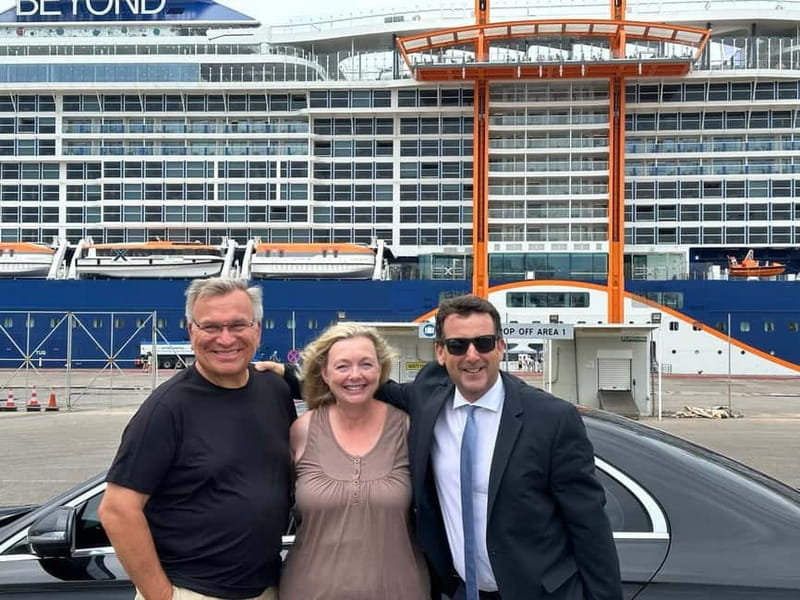
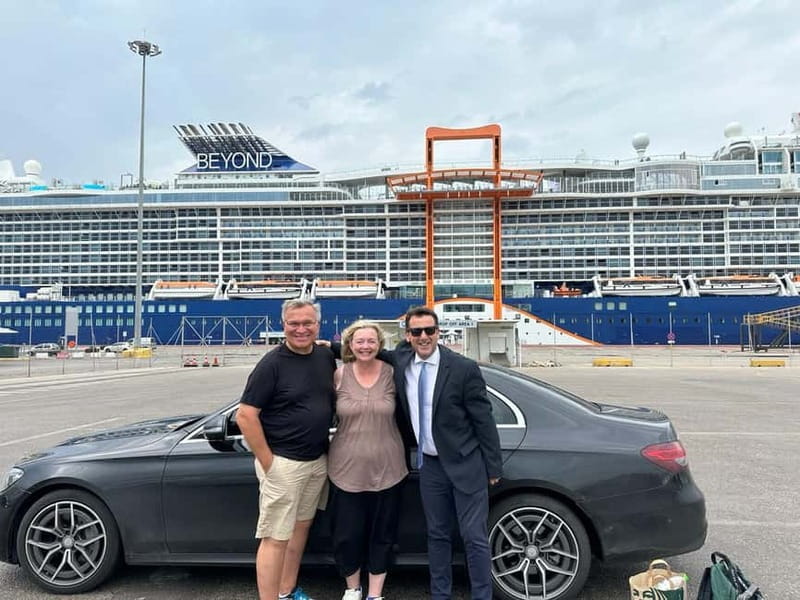
The tour includes pickup from locations such as Piraeus, Rafina, Laurium, Spata, and elsewhere in Attica. You meet a black Mercedes vehicle with your name displayed, then spend about an hour on the road before reaching the Corinth area.
That hour matters. It gives the guide time to explain the route and the role of the Isthmus, the narrow strip of land linking mainland Greece with the Peloponnese. Guides including Kostas and Konstantinos are often praised for safe driving, clear communication, and conversation about both ancient and modern Greece.
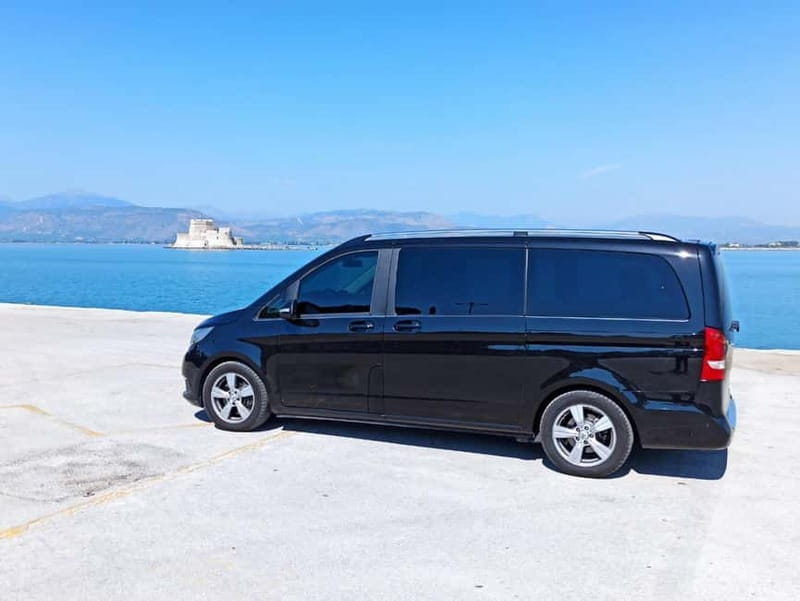
The vehicle is one of the tour’s practical strengths. It is described as a Mercedes electric limousine or minivan, and several bookings used a clean, spacious, air-conditioned van. That is useful in the hot months, when walking among ruins can be tiring. Cold bottled water has also been provided on some trips.
Pickup timing deserves attention. One booking had an advertised 8 a.m. pickup but the vehicle arrived at 9 a.m. without an update, while other guides were praised for handling flight delays, taxi problems, or changes of plan. Confirm the pickup time directly before the day begins, especially if you have a cruise departure or another booking afterward.
The Corinth Canal: a sharp modern contrast
The first major stop is the Corinth Canal, usually with about 30 minutes for photographs, a walk, and free time. The canal was completed in 1882 during the reign of King George I, long after Paul’s visit, so it is not a biblical site in the strict sense.
It is still an excellent opening stop. You see the dramatic cut through the isthmus and understand why this narrow crossing mattered for trade and movement. In Paul’s time, the modern waterway did not exist. The area was instead a crossing point, with roads and bridges linking the two sides.
That contrast is useful: the tour shows you both the ancient route Paul used and the modern engineering project that changed Corinth. The stop is short, but the canal is visually powerful and easy to appreciate without a long explanation.
Kenchreai, the harbor linked with Priscilla and Aquila
Kenchreai, also spelled Cenchreae or Kechries, was an ancient harbor on the Saronic Gulf side of the Corinthian territory. The tour gives you about 30 minutes here for photographs and a walk.
For a biblical itinerary, this is one of the most meaningful stops. Paul is connected with Kenchreai, and the tour presents it as the place where he met or worked alongside Priscilla and Aquila. It helps you picture Corinth as a port city with people constantly arriving and departing, not as an isolated ruin.
Do not expect a fully reconstructed harbor complex. This is a quieter archaeological stop, and the appeal comes from the setting and the story rather than a long list of intact buildings. The guide’s explanation matters here, since the remaining structures may not be immediately clear to you.
I would pay close attention during the drive and at the site. Several guides have included extra roadside locations tied to Paul’s route, and the smaller stops can add more meaning than a quick photograph at a famous monument.
Same city, a different century:
- Athens: National Archaeological Museum Ticket & Audio Guide
★ 4.3 · 1,330 reviews - Mykonos Town: Archaeological Site of Delos Guided Day Trip
★ 4.6 · 1,296 reviews - From Athens: Ancient Corinth Day Trip with Canal & VR Guide
★ 4.6 · 1,073 reviews - Historic Athens: Small Group Electric Bike Tour
★ 4.9 · 966 reviews
Ancient Corinth and the Bema of Paul

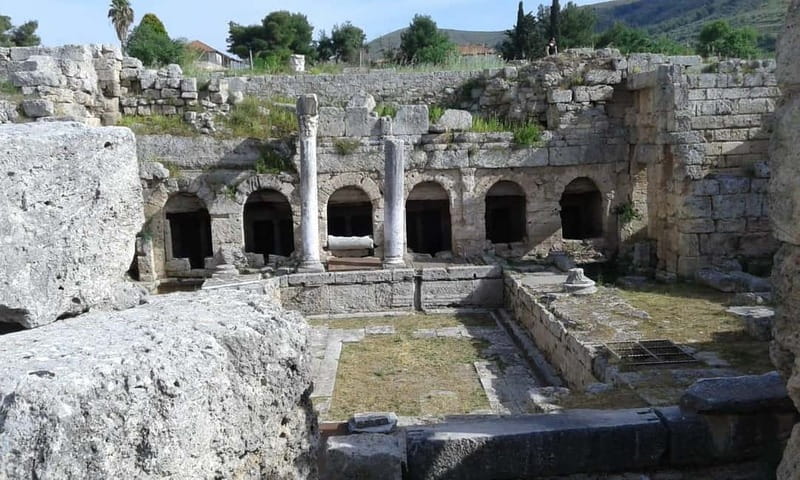
Ancient Corinth receives about an hour, followed by a separate visit to the Temple of Apollo and the archaeological museum. In practical terms, you should expect to walk over uneven ground and spend much of this portion outdoors.
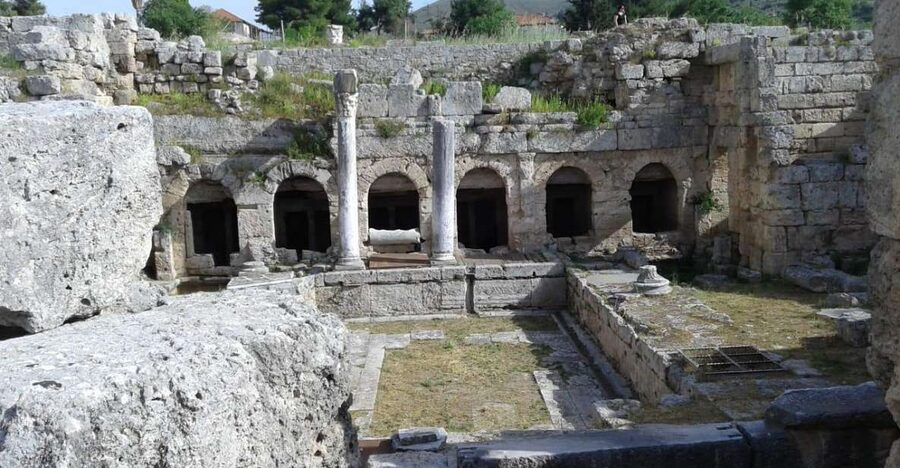
The Bema, or public speaking platform, is the emotional center for many people taking this tour. Paul’s connection with Corinth includes his appearance before the Roman proconsul Gallio, and the Bema gives you a physical point for that episode. It is easier to understand the setting when you can see the public center of the city rather than read about it in a book.
The site also reveals why Corinth was important. You see the remains of a city shaped by commerce, Roman administration, religion, and public life. The Temple of Apollo adds an older Greek layer, while the museum helps place statues, architectural pieces, and everyday objects in context.
One practical warning: the Ancient Corinth entrance ticket is not included. One booking described an extra charge of about €15 per person, but prices can change, so confirm the current fee before you go. The archaeological portion may be self-guided, and one person specifically wished for an audio guide. If you want detailed information about every structure, bring a guidebook or arrange a licensed guide separately.
The site map can also be confusing. Give yourself time to get your bearings before rushing between the ruins. The tour usually allows free time, which is helpful for photographs, but your guide may not enter the archaeological area with you under the included arrangement.
The museum and Temple of Apollo
The Temple of Apollo is listed as a 30-minute stop for photographs and sightseeing. Its surviving columns are among the clearest visual reminders of Ancient Corinth, and they make a good anchor for understanding the wider site.
The museum follows with about an hour. This is where the smaller finds help fill in the gaps left by the open-air ruins. If you are more interested in objects and inscriptions than wide views, you may want to protect the full museum time rather than letting lunch or an extra stop take over the schedule.
The exact order can change. Your guide may adjust the route for opening hours, heat, traffic, or your interests. That flexibility is useful, but ask early how much time you will have inside each place. A six-hour tour can feel generous, yet the drive from Athens and the number of stops leave little room for a long museum visit, a full Acrocorinth climb, and a leisurely meal unless the timing is carefully managed.
Acrocorinth: the high point of the day

Acrocorinth is the fortified acropolis above Ancient Corinth. The tour describes it as a historic castle and includes the ancient Church of Paul among the biblical points of interest. Some guides also take you toward the former Temple of Aphrodite area, where the high views are a major reward.
This is the stop that needs the most planning. The fortress sits high above the lower ruins, and the site may close before a late afternoon tour reaches it. One booking began at 2:30 p.m. and could not enter the castle. If Acrocorinth is important to you, request an early pickup and confirm the opening time on your travel date.
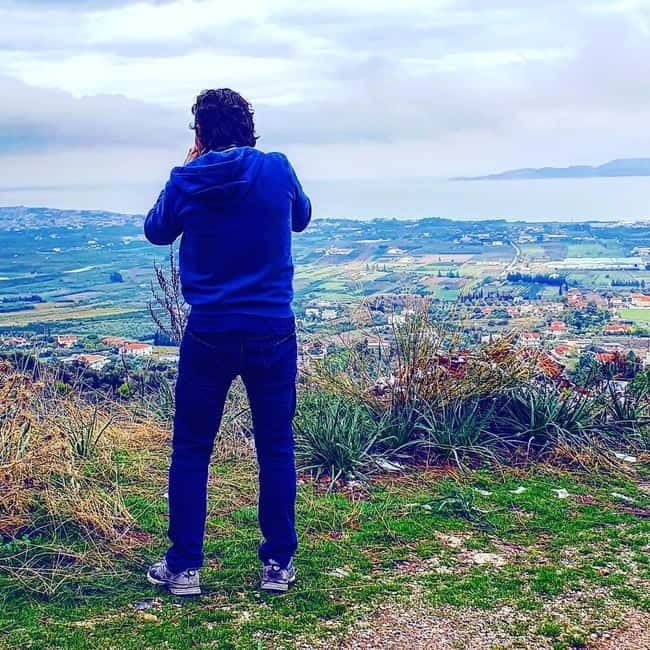
The views are a major part of the appeal. From the mountain, you can look across the Corinthian region and understand the defensive value of the site. The climb and uneven surfaces may be difficult for some visitors, although the activity is listed as wheelchair accessible. That accessibility note should not be taken to mean every upper fortress path is easy for a wheelchair, so ask the operator exactly which sections are reachable.
This is also a good place to ask your guide to separate established archaeological facts from later religious tradition. The tour has a clear Christian focus, while Acrocorinth itself contains layers from different periods. A good conversation can make the site more useful for both religious and general history interests.
The Church of Paul and a quieter stop
The itinerary includes a monastery described as the Church of Paul, a popular religious site established roughly 20 years ago. It is listed as a 30-minute stop for a walk and photographs.
This part of the day gives the tour a modern Greek Orthodox dimension. You are not only seeing places connected with the first century, but also how Paul is remembered in Greece today. For Christian visitors, that link may be especially moving.
The monastery is not an ancient monument in the same sense as Apollo’s Temple or the Roman forum. Keep your expectations straight. It is a modern religious stop connected to the tour’s theme, not a substitute for the archaeological site. Dress and behave respectfully, and ask the guide what is open during your visit.
Lunch, extra stops, and the value of flexibility

Lunch is not included, but guides often recommend a local restaurant. Several itineraries have included a meal with mountain or coastal views, generous portions, and a relaxed pace. The quality and price depend on the place chosen, so ask whether the restaurant is part of the planned timing and what you should budget.
One useful point came up repeatedly: guides may add places not printed in the basic route. These have included the ancient Diolkos, the old paved track used to move boats across the isthmus, modern Corinth, roadside markers, quiet religious sites, and the Temple of Aphrodite area.
That flexibility is a real benefit of a private tour. You can spend more time at Ancient Corinth, stop for photos, or shorten a place that does not interest you. It can also make the schedule less predictable. Tell the guide at the start if your priorities are Acrocorinth, the museum, biblical sites, or lunch.
What the $150 price really covers
At $150 per person, the price is easiest to justify for a small private group that wants door-to-door transport and a guide who can shape the day around its interests. You are paying for the vehicle, fuel, pickup from Athens-area locations, and roughly six hours of driving and sightseeing.
For a solo visitor or a couple, that is not a cheap way to reach Corinth. A larger group can get better value because the private vehicle cost is spread across more people. The comfort matters too, especially in summer, when a cool ride between exposed ruins is far better than managing several public transport connections.
Budget separately for monument tickets, lunch, and any licensed archaeological guide. The included service is an English-speaking driver-guide. If you want formal archaeological commentary inside Ancient Corinth, ask about arranging a licensed guide before booking.
The flexible cancellation policy allows a full refund when you cancel at least 24 hours ahead, and reserve-now-pay-later booking is available. Those terms are useful when your Athens plans may change, but the larger decision is still whether private transport and personal attention matter enough to you to justify the cost.
Who will get the most from this tour
I would recommend this tour most strongly to:
- Christian visitors who want to connect Paul’s letters with actual places.
- Families who prefer a private vehicle and adjustable pacing.
- Cruise passengers arriving at Piraeus who want a guided day beyond Athens.
- People with limited time who want Corinth without arranging transport.
- History fans who enjoy seeing ancient ruins alongside modern Greek religious life.
- Visitors who want a guide to add small stops and local context.
It is less suitable if you want a formal archaeological lecture at every monument, a long museum visit, or a fully scheduled group tour with fixed timings. It may also disappoint if you expect every biblical claim to be marked by a surviving structure. Some locations are identified through historical or religious tradition, and the remains can be subtle.
Practical advice for a better day
Book an early start if Acrocorinth matters to you. Wear firm shoes, carry sun protection, and keep water with you, even if the vehicle provides bottles.
Ask three questions before departure: Which entrances are open today? How much time will I have inside Ancient Corinth and the museum? Will the driver-guide accompany me into the ruins, or is that section self-guided?
Use the drive to ask about Paul’s route, tentmaking, Priscilla and Aquila, Gallio, the Isthmus crossing, and the difference between the ancient harbor and modern Corinth. Guides such as Kostas, Nick, George, and Konstantinos are often praised for making the day personal, but you will get the most from them if you tell them what you want to understand.
Should you book Paul’s Biblical and Ancient Corinth Half-Day Tour?
Book it if you want a comfortable, personal route through Corinth with Paul as the central thread. The strongest parts are the private pickup, flexible pacing, Kenchreai, the Bema, and the chance to see Acrocorinth without arranging several separate rides.
Think twice if you want tickets included, a licensed archaeological guide, or a guaranteed long visit at every site. For everyone else, especially families, church groups, cruise passengers, and first-time visitors to the Peloponnese, this is a practical way to connect biblical Corinth with the wider story of ancient Greece.
FAQ
How long does the tour last?
The tour lasts six hours, including transportation from the Athens area and the return drive.
Where can pickup take place?
Pickup is available from Piraeus, Laurium, Rafina, Attica, and Spata. The exact pickup point and time should be confirmed with the operator.
What vehicle is used?
Pickup is provided in a black Mercedes vehicle, described as a luxury electric limousine or minivan. The vehicle displays a sign with the names of the people being collected.
Is lunch included?
No. Lunch is not included in the price. Guides may recommend a restaurant during the day, but you should budget separately for the meal.
Are monument entrance tickets included?
No. Tickets for the monuments are not included. An extra charge of about €15 per person was reported for Ancient Corinth, but you should confirm current prices before visiting.
Is a licensed archaeological guide included?
No. The included service is an English-speaking driver-guide. The Ancient Corinth section may be self-guided unless you arrange a licensed guide separately.
Can I cancel the booking?
You can cancel up to 24 hours in advance for a full refund. Reserve-now-pay-later booking is also available.
More Half-Day Trips in Greece
- Naxos: Half-Day Guided History and Culture Sightseeing Tour
★ 4.7 · 435 reviews - From Athens: Half-Day Ancient Corinth Tour
★ 4.4 · 59 reviews - Ancient Corinth – Acrocorinth & Corinth Canal Private Half-Day Trip from Athens
★ 5.0 · 52 reviews - Ancient Corinth Half-Day Private Tour from Athens
★ 5.0 · 46 reviews
Just added around Greece
- Olous – Guided Snorkelling Excursion to Discover Olous Sunken Ancient City★ 4.5 · 31 reviews
- WWII – The Battle of Crete Day Tour★ 5.0 · 103 reviews
- Heraklion Highlights: Knossos, Museum & Historic City Drive★ 5.0 · 64 reviews
- Knossos & Archaeological Museum Shared Guided Tour from Chania★ 5.0 · 41 reviews
- Chania’s Clash of Empires: A Self-Guided Audio Tour★ 4.5 · 28 reviews
- Ancient Corinth Private Tour from Corinth★ 5.0 · 56 reviews
- Epidavros sea kayak at the Ancient sunken city tour, small ancient theater★ 5.0 · 96 reviews
- Small-group Corfu Town Historical Walking Tour★ 5.0 · 39 reviews
Greece History Tours, compared.
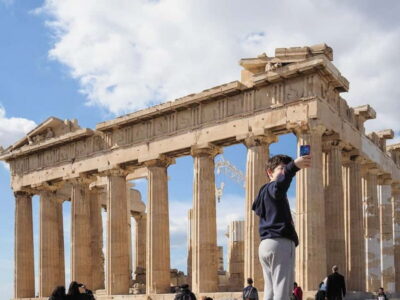
Athens: Acropolis & up to 5 Archaeological Sites Combo Pass
Read our review →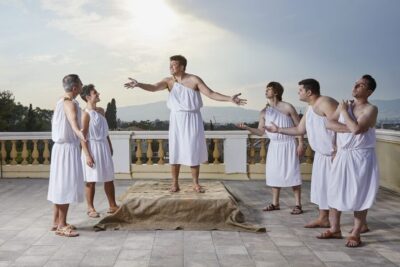
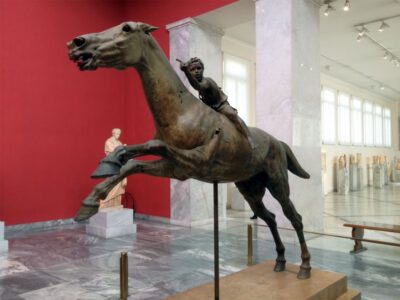
Athens: National Archaeological Museum Ticket & Audio Guide
Read our review →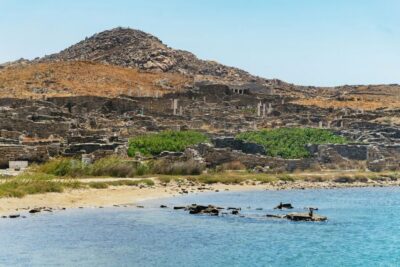
Mykonos Town: Archaeological Site of Delos Guided Day Trip
Read our review →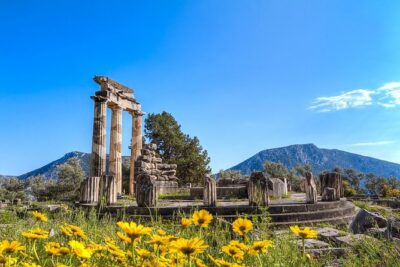
Historical Delphi One Day Tour with Arachova Stop & Expert Guide
Read our review →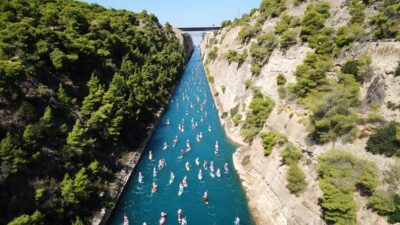
From Athens: Ancient Corinth Day Trip with Canal & VR Guide
Read our review →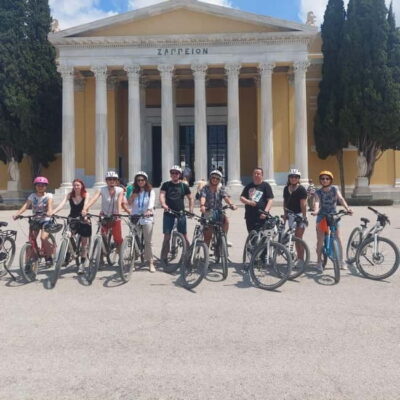
Historic Athens: Small Group Electric Bike Tour
Read our review →
Acropolis, Parthenon & Athens Old City Heritage Walking Tour
Read our review →Browse the lists this tour appears in