
Review · GREECE
Private Guided Tour of Ancient Olympia
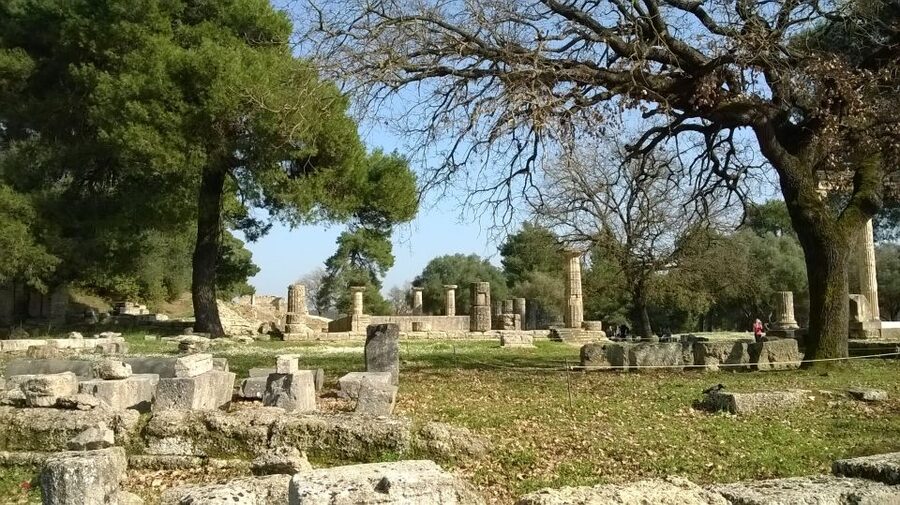
The most powerful part of this tour is the walk through Olympia’s sacred grove, where sport, worship, myth, and politics once shared the same ground. You’ll see the ancient stadium, the site of the Temple of Zeus, the modern Olympic flame location, and the museum’s original sculpture.
I like the private format, since your guide can keep the pace suited to your group of up to seven. I also like the focus on both ruins and original artworks, with guides such as Maria explaining how the Olympic festival grew from a local event into a celebration for Greeks across the ancient world.
The main point to weigh is time. The walking tour lasts almost 2.5 hours, and one cruise passenger found that a short shore visit made the experience feel rushed. Museum admission also costs extra, so add that to your budget before booking.
Key points to know before you book
- A private group of up to seven: You get a guide dedicated to your party rather than a large shared group.
- Nearly 2.5 hours on foot: Plan for a steady walking visit through the archaeological site and museum.
- The original Olympic stadium: You walk into the old sports ground where the ancient Games were held.
- The Temple of Zeus site: The tour explains the former home of one of the Seven Wonders of the ancient world.
- A strong guide-led museum visit: Maria receives repeated praise for clear, detailed explanations in English and German.
- Museum tickets are extra: Guiding is included, but you buy the entry tickets yourself.
What this private Olympia tour is really about
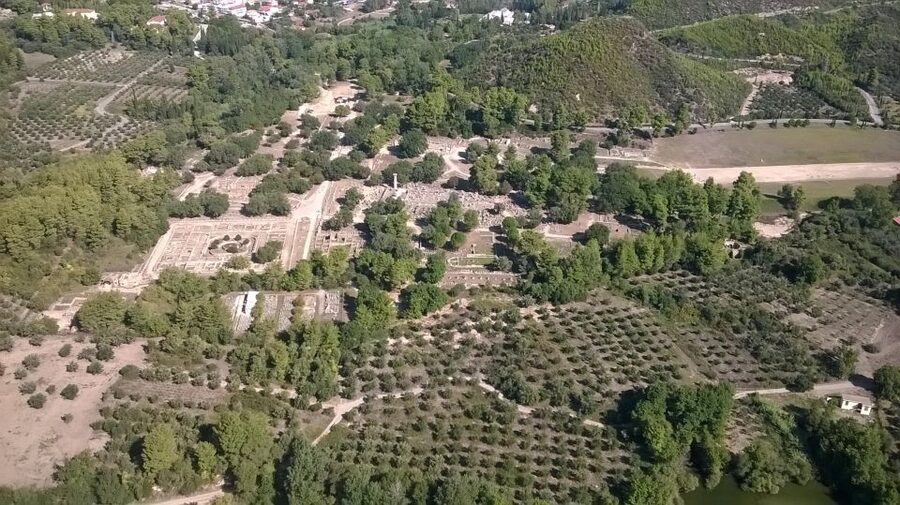
Ancient Olympia was not simply an early sports venue. It was a sanctuary dedicated to Zeus, a place where religious ceremonies, athletic contests, myths, sculpture, and political ideas met.
The first festival is dated to 776 BC. At first, it was a local gathering. Over the following centuries, it drew Greek communities from across the ancient world and became a Panhellenic event. The festival reached its high point during the Greek classical period in the fifth century BC.
That context changes the way you see the ruins. The stadium is important, but it was only one part of a larger sacred center. Your guide leads you through the grove of Zeus, pointing out religious buildings and supporting structures that helped the festival function.
I find this approach more useful than treating Olympia as a quick photo stop. The tour connects the physical remains to ideas that mattered to ancient Greeks: peace, fair competition, physical training, philosophy, worship, and the balance of body and mind.
More Ancient History Tours in Greece
- Athens: Acropolis & up to 5 Archaeological Sites Combo Pass
★ 4.2 · 13,904 reviews - Athens: Ancient Greek Theater Performance
★ 4.7 · 2,481 reviews - Historical Delphi One Day Tour with Arachova Stop & Expert Guide
★ 4.5 · 1,247 reviews
Walking through the sacred grove of Zeus
The tour begins at the ticket booth of the archaeological site. From there, you enter the ancient sanctuary on foot with your guide.
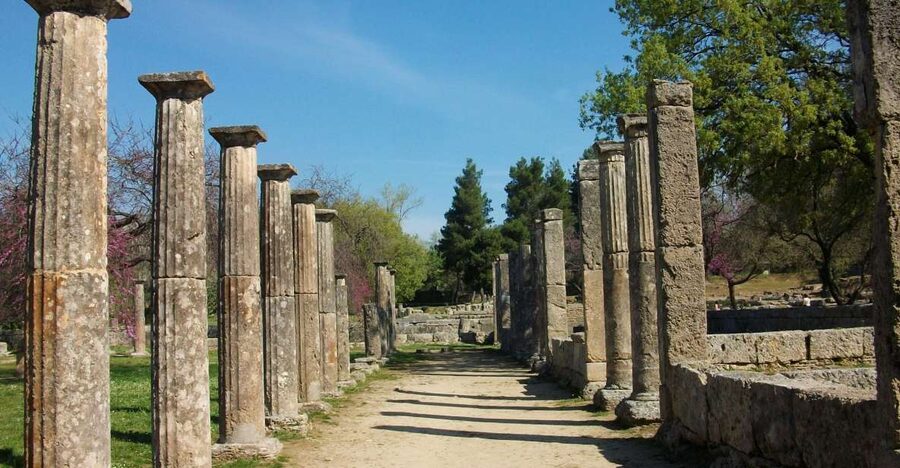
The site includes the religious buildings associated with Zeus as well as auxiliary buildings that supported worship and the athletic festival. Some structures are preserved as ruins, while others are understood through foundations, columns, sculpture, and the guide’s explanation.
This is where a private guide earns the fee. Without help, you may see scattered stones and partial walls. With a guide, those remains become parts of a functioning sanctuary. You can ask about the role of each building, how the festival worked, and how religious rituals connected to the contests.
The setting also helps explain the ancient Greek view of the world. The gods, heroes, and myths were not separate from daily life. They shaped public ceremonies and gave meaning to athletic achievement. Sacrifices and shared meals formed part of the religious setting, while contests gave athletes a public stage.
You should expect plenty of walking and standing. The tour is accessible to wheelchair users, but the experience still takes place in a large archaeological area, so you should discuss any specific mobility needs with the provider before arriving.
Entering the oldest Olympic stadium
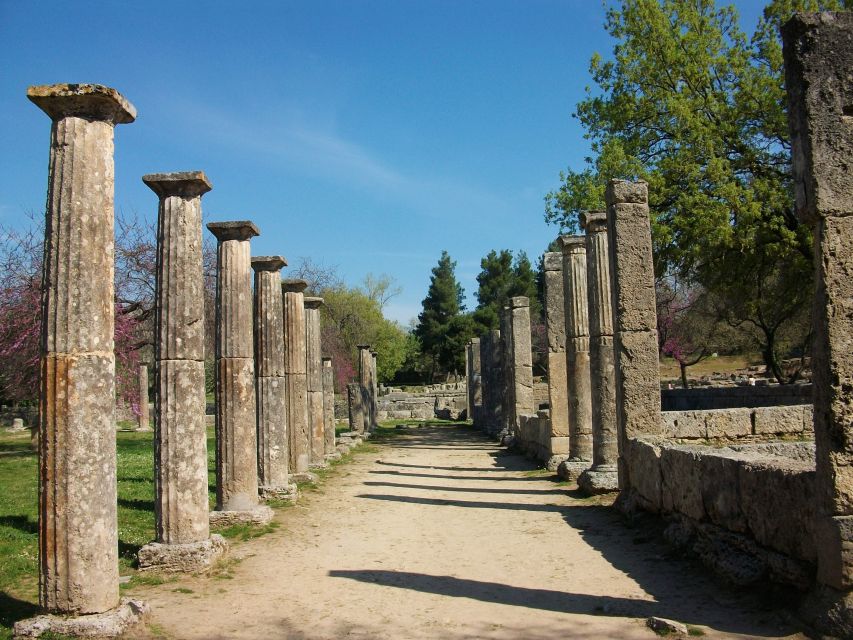
The ancient stadium is the clearest physical link between Olympia and the Games. You walk into the old sports ground rather than viewing it only from a distance.
The stadium was built for athletic contests connected to the festival of Zeus. Its importance is not just that events took place there. It also shows how sport was woven into religion and public life. Competition was held within a sacred setting, under the protection of the gods.
Your guide can help you picture the stadium as a gathering place rather than an empty field. The tour’s theme of harmony between body and mind fits especially well here. Athletic skill mattered, but the festival also celebrated discipline, honor, and the ideals of good competition.
Do not expect a modern stadium with seats, signs, or a polished visitor route. The appeal is the open ground and the sense of scale. You are walking through an ancient athletic setting and learning how it fit into the wider sanctuary.
If you are visiting during a tight cruise schedule, this is one place where you may wish you had extra time. One booking came from a cruise passenger who wanted longer at the site but had limited time onshore. The guide was not the problem. The schedule was.
The Temple of Zeus and one of the ancient wonders
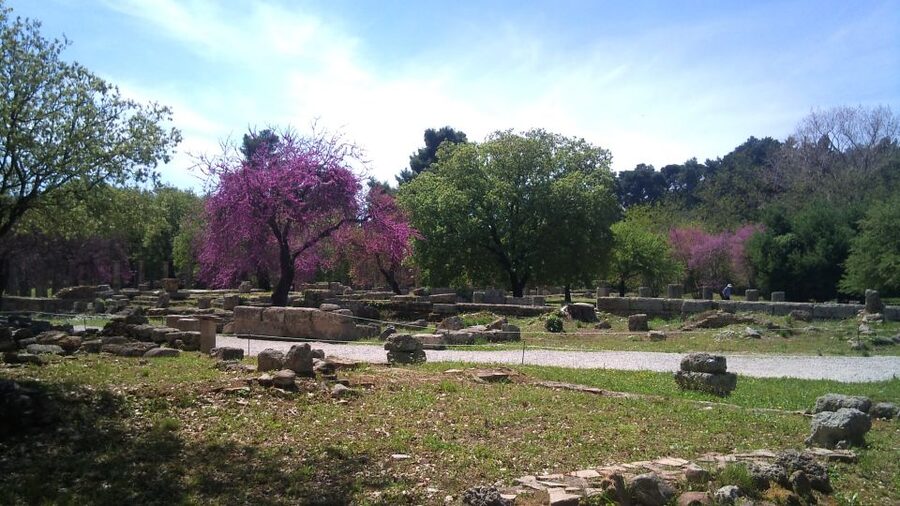
The Temple of Zeus was the religious center of Olympia and one of the Seven Wonders of the ancient world. The temple itself survives in ruins, but its former scale and importance are central to the visit.
Your guide explains the temple’s place in the sanctuary and the role of Zeus in the Olympic festival. This helps you understand why Olympia was more than a venue for athletic contests. The Games were part of a religious celebration honoring the chief Greek god.
The temple site can also help you connect the outdoor ruins with the museum visit later. The museum holds original statues and decorative pieces associated with the temple, so what you see among the foundations gains a second life indoors.
I like this two-part structure. The archaeological site gives you the setting, while the museum gives you the surviving works of art. One shows where the objects belonged. The other lets you study the objects themselves.
More Private History Tours in Greece
- Private Biblical Tour Ancient Corinth & Isthmus Canal from Athens
★ 5.0 · 762 reviews - Private Tour of Apostle Paul’s Footsteps in Ancient Corinth
★ 5.0 · 275 reviews - Ancient Corinth, Epidaurus, Nafplio full day private tour from Athens
★ 5.0 · 206 reviews - The History of Athens: Greek Mythology Private Tour
★ 5.0 · 138 reviews
Seeing where the modern Olympic flame begins
The tour also visits the place where the fire for the modern Olympics is lit every four years.
This creates a direct link between ancient Olympia and the modern Games. The current Olympic tradition is not identical to the ancient festival, but the modern ceremony deliberately returns to Olympia for its beginning. Seeing the location gives the symbolism a physical place.
Your guide can place this ceremony within the larger story of Olympia’s influence. The ancient festival became associated with peace among Greek communities, and the modern Olympic movement uses similar ideas of international competition and unity.
This stop is likely to interest anyone who follows the Olympics, but it is also useful for families. It gives children a simple thread to follow: the contests of ancient Olympia and the Olympic ceremonies known today are separated by many centuries, yet both point back to this site.
The tour description does not promise a ceremony or a flame-lighting event during your visit. You are visiting the location connected with that ritual.
The Site Museum and original sculpture
The museum is included in the guided tour, but entry tickets are not included in the price. Buy or arrange those tickets separately, and remember that the tour’s stated skip-the-line feature does not mean museum admission is free.
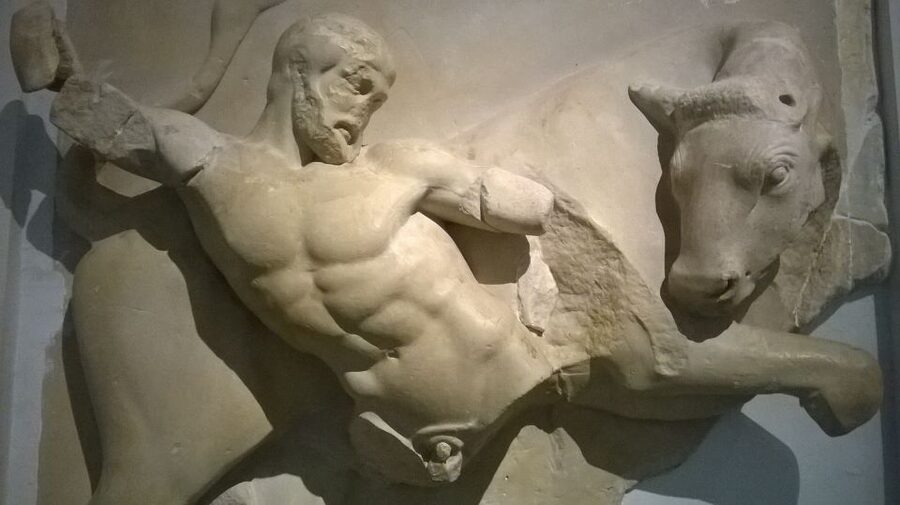
Inside, you see original statues and other works that decorated the Temple of Zeus. These pieces are among the most valuable parts of the visit because they retain the artistic detail that weather and time have taken from the outdoor ruins.
The museum also gives your guide a chance to explain how Greek sculpture expressed the ideal of the human body, divine power, and the relationship between physical beauty and moral character. That connects directly with the ancient idea of harmony between body and mind.
Maria is the guide name that appears most often in the supplied feedback. She guides in English and German, and one German-language booking describes her museum explanations as detailed and inspiring. Another English-language booking says her explanations added a fuller understanding to the visit.
I would give the museum proper attention rather than treating it as a quick final stop. If your schedule allows only a short visit to Olympia, the guide can help you decide which parts deserve your limited time. If you have flexibility, the outdoor site and museum work best together.
Why the private format matters
The price is $294 per group of up to seven people. That is not a low-cost choice for a solo visitor, but the calculation changes when you fill the group.
For seven people, the guide fee works out to about $42 per person before museum admission. For four people, it is about $74 each. For two people, it is $147 each. These figures do not include entry tickets, but they show why this tour makes more sense for a family or small group than for one person.
The private format gives you a direct line to the guide. You can ask about the Temple of Zeus, the stadium, the Olympic flame, or the museum without waiting for a large group to catch up. You can also request more explanation in the areas that interest you most, within the fixed tour time.
The languages offered are English, German, and Greek. When you book, state the time of day you prefer. The supplier asks you to provide that information and then contacts you by email, so check your spam folder if you do not see the reply.
You can cancel up to 24 hours in advance for a full refund, and the reserve-now-pay-later option lets you keep your plans flexible. The activity is valid for one day, with starting times based on availability.
Who will get the most from this tour
I would recommend it most strongly to visitors who want the meaning behind the ruins, not just a walk around the stones.
It suits:
- Families who want a guide to explain the site in clear language
- Small groups who can share the private fee
- First-time visitors to Olympia
- Cruise passengers with a confirmed amount of time ashore
- Anyone interested in Greek sculpture, ancient sport, or the Olympic tradition
- German-speaking visitors who want a guided museum visit in German
You may not need this tour if you prefer to explore archaeological sites alone and read at your own pace. The almost 2.5-hour format is also a poor match for a very short stop unless your timing is carefully arranged.
For visitors who enjoy detailed explanations, the strongest reason to book is the guide. The supplied feedback gives special attention to Maria’s command of the subject and her ability to make the museum meaningful. One person even felt the group learned more on this tour than from a lifetime of general exposure to the subject.
Practical tips for making the visit work
Meet at the ticket booth of the archaeological site. Since tickets are not included, allow enough time to handle admission before the walking tour begins.
Tell the provider your preferred starting time as early as possible. You should also watch your email, including the spam folder, for confirmation of the agreed time.
Wear shoes suitable for walking and allow the full 2.5 hours. The experience covers a large sanctuary, the stadium, and the museum, so rushing will weaken the visit.
If you are coming from a cruise ship, work backward from your required return time. One passenger’s main regret was not a problem with the tour content, but having too little time onshore. Olympia rewards a calm visit, especially if you want to hear the explanations and look closely at the sculpture.
The activity is wheelchair accessible. Still, because this is an archaeological site with extensive outdoor walking, ask the provider about your particular route and needs before you arrive.
Should you book the Ancient Olympia private tour?
Book it if you want clear historical context, a private guide, and both the ruins and museum in one visit. The tour gives Olympia a human shape: athletes competing, worshippers honoring Zeus, artists creating images of gods and heroes, and communities gathering under the idea of peace.
The value is strongest when six or seven people share the $294 fee, or when you place a high value on a guide who can explain the details. Maria is a particularly appealing choice for English or German speakers based on the detailed feedback attached to her guiding.
Skip it if you want the cheapest possible visit, have only a very short shore stop, or prefer to wander without a set structure. Also budget for museum tickets separately.
For most small groups with enough time, I would book it. Olympia is easier to appreciate when someone explains how the stadium, temple, sculpture, myths, and modern Olympic flame belong to one larger story.
FAQ
Where does the private Ancient Olympia tour meet?
The meeting point is the ticket booth of the archaeological site.
How long does the tour last?
The guided walking tour lasts almost 2.5 hours.
What does the tour include?
It includes a guided visit through the archaeological site and the museum.
Are museum entry tickets included?
No. Museum entry tickets are not included in the tour price.
How many people can join the private group?
The price covers a private group of up to seven people.
What languages are available?
The live guide is available in English, German, and Greek.
Can I cancel the booking?
Yes. You can cancel up to 24 hours in advance for a full refund.
Just added around Greece
- Olous – Guided Snorkelling Excursion to Discover Olous Sunken Ancient City★ 4.5 · 31 reviews
- WWII – The Battle of Crete Day Tour★ 5.0 · 103 reviews
- Heraklion Highlights: Knossos, Museum & Historic City Drive★ 5.0 · 64 reviews
- Knossos & Archaeological Museum Shared Guided Tour from Chania★ 5.0 · 41 reviews
- Chania’s Clash of Empires: A Self-Guided Audio Tour★ 4.5 · 28 reviews
- Ancient Corinth Private Tour from Corinth★ 5.0 · 56 reviews
- Epidavros sea kayak at the Ancient sunken city tour, small ancient theater★ 5.0 · 96 reviews
- Small-group Corfu Town Historical Walking Tour★ 5.0 · 39 reviews
Greece History Tours, compared.
Athens: Acropolis & up to 5 Archaeological Sites Combo Pass
Read our review →
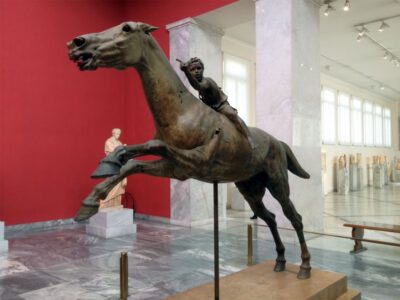
Athens: National Archaeological Museum Ticket & Audio Guide
Read our review →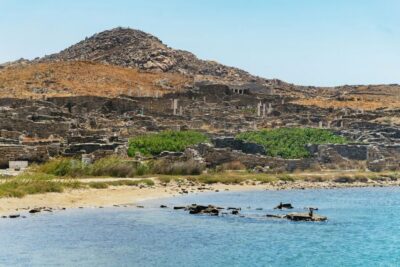
Mykonos Town: Archaeological Site of Delos Guided Day Trip
Read our review →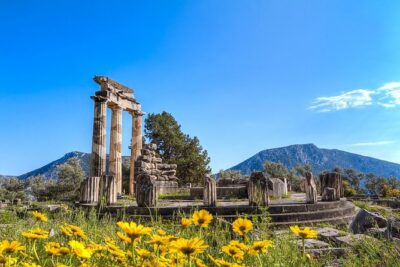
Historical Delphi One Day Tour with Arachova Stop & Expert Guide
Read our review →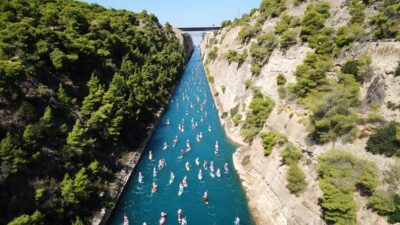
From Athens: Ancient Corinth Day Trip with Canal & VR Guide
Read our review →
Historic Athens: Small Group Electric Bike Tour
Read our review →
Acropolis, Parthenon & Athens Old City Heritage Walking Tour
Read our review →Browse the lists this tour appears in