Review · GUIDED
Samarkand: Historical Monuments Guided Walking Tour
Samarkand’s great sights are close enough to connect on foot, yet each one tells a very different story. This tour links Gur-e-Amir, Registan Square, Bibi-Khanym Mosque, and Shah-i-Zinda in one focused day, ending at Siyob Bazaar where the city feels less like an open-air museum and more like a living place.
I like the way the experience joins famous monuments with ordinary Samarkand life at the market. I also like the emphasis on stories, legends, architecture, and local customs rather than simply pointing out blue tiles. Guides including Gulsanam, Sarvinoz, Shahrizoda, Sevinch, and Sevara have earned especially warm praise for clear explanations, patience, and help with photographs.
The main consideration is the walking. The monuments are spread across the historic center, and the stated stop times add up to slightly more than five hours. Add the entrance fees, sun, uneven surfaces, and religious-site dress rules, and this is a rewarding but active outing rather than a gentle stroll.
Key points at a glance
- Four major monuments in one walk: See Gur-e-Amir, Registan Square, Bibi-Khanym Mosque, and Shah-i-Zinda without arranging separate visits.
- A strong guide makes the difference: Gulsanam, Sarvinoz, Shahrizoda, Sevinch, and Sevara are among the guides praised for storytelling, patience, and local advice.
- Siyob Bazaar adds a local finish: Browse dried fruit, nuts, bread, and other goods after the formal monuments.
- Budget for about $21.50 in entry fees: The $20 tour price does not include admission to the four paid sites.
- Plan for several hours on foot: Comfortable shoes, a hat, sunscreen, and water are sensible choices.
- The route may end near sunset: Shah-i-Zinda is scheduled for the final hour, giving the last stop a particularly atmospheric setting.
Why this route works for a first look at Samarkand
Samarkand can feel overwhelming at first. Its monuments are large, highly decorated, and tied to rulers, scholars, religious figures, and centuries of trade. A guide gives you a framework, so the buildings become more than a series of impressive facades.
The route covers the core sights without spending the day in a vehicle. You move from the mausoleum of Amir Timur to the ceremonial scale of Registan, then to Bibi-Khanym, the market, and the sacred lane of Shah-i-Zinda. That sequence gives you architecture, politics, religion, food, and daily life in one outing.
At $20 per person, the guiding fee is modest for a five-hour experience. The real cost is closer to $41.50 before food and personal purchases once you add the stated entrance fees: 75,000 UZS for Gur-e-Amir, 100,000 UZS for Registan, 50,000 UZS for Bibi-Khanym, and 50,000 UZS for Shah-i-Zinda. You can pay by card or cash at the destinations.
The value depends on what you want. If you only need directions and photographs, you can visit the monuments independently. If you want the events, legends, and connections explained in English, the guide is the useful part of the purchase.
More History Walking Tours in the world:
- History and Hauntings of Salem Guided Walking Tour
★ 5.0 · 14,564 reviews - Lisbon: History, Stories and Lifestyle Walking Tour
★ 4.8 · 10,902 reviews - Amsterdam: Life of Anne Frank and World War II Walking Tour
★ 4.8 · 10,467 reviews
Starting at Gur-e-Amir and meeting Amir Timur
The meeting point is the entrance to the Gur-i Amir complex, also written as Gur-e-Amir. This is important because hotel pickup is not included. You need to make your own way to the entrance and arrive ready to begin.
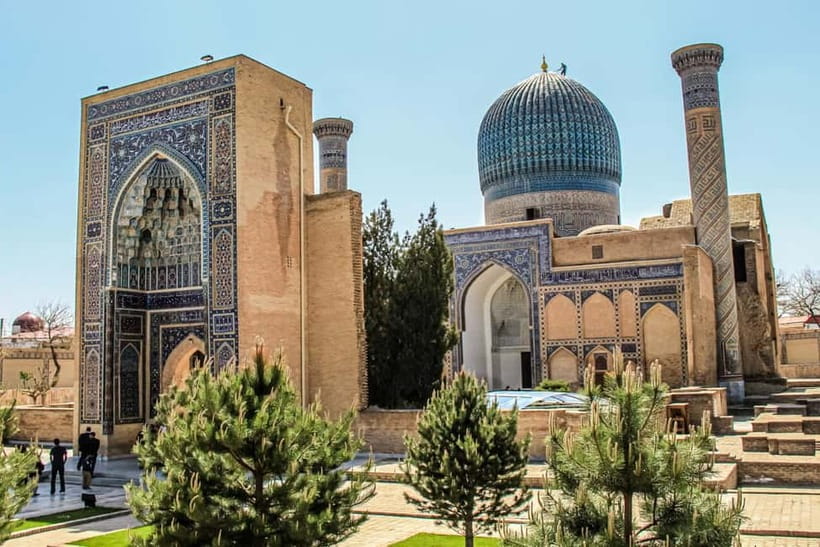
The first visit lasts about 100 minutes, making it one of the longer stops. Gur-e-Amir is the burial place of Amir Timur, also called Tamerlane, the ruler whose empire shaped Samarkand’s place in Central Asian history. The blue dome is the familiar exterior image, but the interior is where the stop becomes especially worthwhile.
A guide can explain the mausoleum’s connection to the Timurid dynasty and the way its decoration reflects royal ambition. The tour description also points to stories about Timur’s legacy, so you should expect more than a list of dates and names.
This is a religious site, not simply a photo backdrop. Dress modestly, avoid very short or thin clothing, and remember that smoking is not allowed inside. Photography is permitted, but flash photography is not permitted indoors.
The fee here is listed as 75,000 UZS, or about $6. It is a small additional cost for one of Samarkand’s most important buildings, but keep local cash available in case card payment is inconvenient.
Two hours among the three madrasahs at Registan
Registan receives the longest scheduled visit, about two hours, and that makes sense. The square is not one building but a grand ensemble of three madrasahs: Ulugh Beg, Sher-Dor, and Tillya-Kori.
You will have time to compare their facades, tile patterns, domes, entrances, and courtyards instead of rushing through for one photograph. The scale is the point. Registan was designed to impress, and it still does that job very well.
A guide helps separate the three structures and explains their different roles. The tour also places them within Samarkand’s wider Silk Road story, a useful way to understand why this city became such an important center of power, learning, and trade.
I would save some quiet time here after the formal explanation. Look closely at the tilework, then step back to take in the full square. If you like architecture, this will likely be the visual center of the day. If you prefer small lanes and local life, two hours may feel long, though the time includes walking, photographs, and independent looking.
Admission is listed as 100,000 UZS, or about $8.50. This is the highest individual fee on the route, but Registan is also the site where a guide’s explanations can prevent the visit from becoming a quick circuit around a courtyard.
Bibi-Khanym Mosque and the price of ambition
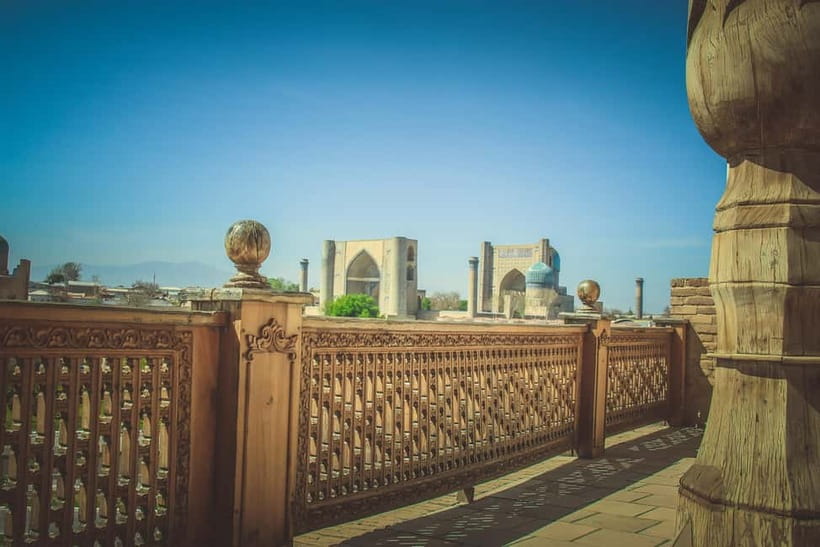
Bibi-Khanym Mosque receives about 30 minutes. That is enough for a guided introduction and photographs, but it is the briefest monument stop, so you should not expect the same amount of time you receive at Registan or Gur-e-Amir.
The mosque represents the scale of Amir Timur’s building program. Its size and decoration were meant to express power, and the tour uses the site to explain the ambition behind its construction. Legends linked to the mosque add a human and dramatic layer to the architectural story.
This is one place where the guide’s judgment matters. A good explanation can help you notice proportion, entrance design, tilework, and the relationship between the surviving structure and the wider complex. Without context, you may simply see a large historic mosque and move on.
The stated entry fee is 50,000 UZS, about $3.50. Since this is an active religious setting, modest clothing and respectful behavior are expected. Keep flash photography off inside the monuments, and do not smoke indoors.
More Guided Tours in the world:
- Pompeii: Entry Ticket and Guided Tour with an Archaeologist
★ 4.8 · 19,459 reviews - Edinburgh: Edinburgh Castle Guided History Tour with Tickets
★ 4.8 · 9,933 reviews - Berlin: Third Reich & Cold War Guided Walking Tour
★ 4.9 · 8,378 reviews - Historic Charleston Guided Sightseeing Walking Tour
★ 5.0 · 6,216 reviews
Siyob Bazaar, from monuments to daily life
After the major architectural stops, the group reaches Siyob Bazaar for about 30 minutes. This is a welcome change of pace. Instead of studying monumental tilework, you can look at food, packaging, bargaining, and the everyday rhythm of Samarkand.
The market is known as the city’s largest and oldest, and the tour leaves time for a break, photographs, and shopping. Dried fruit and nuts are specifically suggested, and Samarkand bread is another local purchase worth considering. One visitor gave a price of 8,000 soms for a loaf, though prices can change.
Thirty minutes is enough for a taste, not a full market expedition. If you enjoy shopping, ask the guide for help with local products and prices. Sevinch has been praised for assisting with souvenirs and purchases, which can be useful when you are unsure what is a fair amount or how to choose among similar goods.
This stop also gives you a chance to ask about present-day life in Uzbekistan. Several guides, including Gulsanam, Sarvinoz, and Sevinch, are praised for answering broader questions about living in Samarkand, not just reciting monument facts.
Shah-i-Zinda at the end of the day
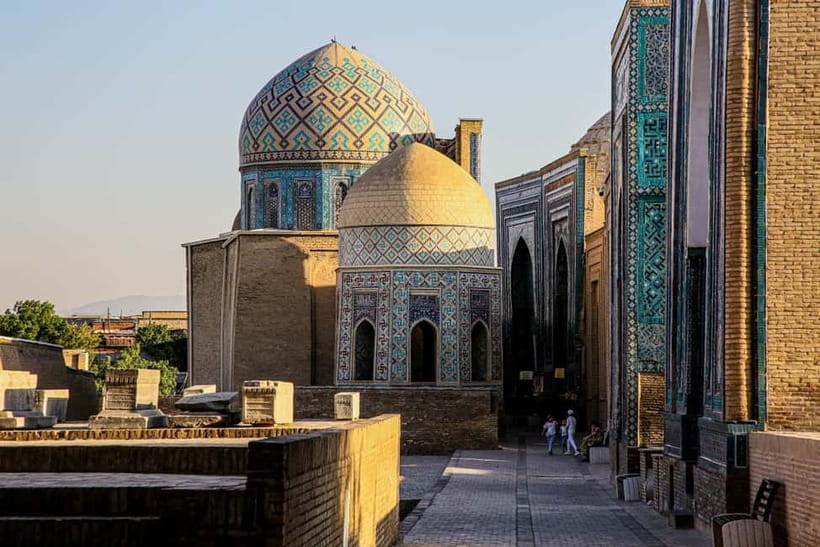
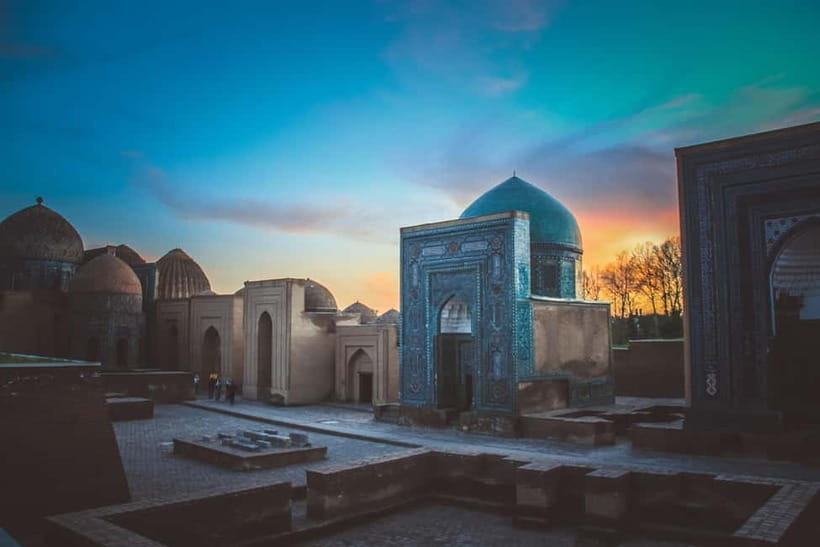
The final major stop is Shah-i-Zinda, scheduled for about one hour and described as a sunset visit. This necropolis is a narrow sequence of mausoleums, passageways, mosaics, and turquoise tilework. Its tighter scale feels very different from the broad openness of Registan.
The site has strong spiritual importance, so respectful conduct matters here even more than at a purely historical structure. The narrow route can also make the visit feel more personal. You look from one decorated facade to the next, noticing how the complex reflects different periods of construction and design.
Ending here is a good choice. The final hour has a quieter, more reflective mood than the busy opening at Registan, and the light can be helpful for photographs. Guides are often asked to take pictures, and this is one of the places where knowing the right angle can make a real difference.
Admission is listed as 50,000 UZS, about $3.50. Allow extra energy for steps and walking surfaces. The supplied information says the tour is not suitable for wheelchair users or people with mobility impairments, even though the general activity details also describe it as wheelchair accessible. Because those statements conflict, anyone with limited mobility should contact the provider before booking rather than rely on the accessibility label.
The guide can shape the whole experience
The route is fixed, but the tone can change with the guide. Names appearing repeatedly in the available feedback include Gulsanam, Sarvinoz, Shahrizoda, Sevinch, Sevara, Shah, Zulfina, Charos, Amira, and Abrorbek.
The strongest pattern is not a single historical specialty. It is the guides’ ability to explain clearly, adjust the pace, answer questions, and connect monuments to modern Uzbekistan. Gulsanam is especially praised for patient storytelling, a warm manner, and taking photographs. Sarvinoz is described as friendly, professional, and good at explaining both the sights and everyday life. Shahrizoda receives praise for history, culture, communication, and photography.
You may be in a small group, and a private group option is available. When numbers are low, the experience can feel more like a conversation than a formal lecture. That can be useful if you have questions about food, customs, religion, or what to do after the walk.
The English-language guide is included. Meals, hotel transport, personal spending, and monument admission are not.
Walking, weather, clothing, and timing
Bring comfortable walking shoes. This is not just a suggestion: the sites are spread across the city, and the route involves several hours of walking. One experience of the tour included enough breaks, but the total distance can still feel demanding if you are not used to walking on a sightseeing day.
Samarkand can be sunny, so carry a hat and sunscreen. The tour is offered in different seasons, and conditions may vary. A cold or rainy day does not cancel the walking requirement, so dress for the forecast.
The listed duration is five hours, while the stated stop times total 100 minutes at Gur-e-Amir, 120 at Registan, 30 at Bibi-Khanym, 30 at Siyob Bazaar, and 60 at Shah-i-Zinda. That adds up to 340 minutes, or five hours and 40 minutes, before any pauses between sites. I would keep your schedule flexible and allow roughly five to six hours.
Children under six are not recommended. The tour is also not suitable for wheelchair users or people with mobility impairments according to the specific restrictions, despite the conflicting accessibility note mentioned above.
Who should book this Samarkand walk?
I would choose this tour if you have limited time in Samarkand and want the main monuments explained in one outing. It is also a good fit if you are visiting Central Asia for the first time and want help making sense of Timur, the Timurid period, Islamic architecture, and the Silk Road setting.
It suits solo visitors particularly well. A low headcount can turn the walk into a flexible private-style experience, while the private-group option gives families or friends more control over pace and questions.
I would hesitate if you dislike long walks, need guaranteed step-free access, or want plenty of time for market shopping. The tour moves through several major sites, so it favors breadth and context over slow photography at every stop.
The overall rating is 4.8 from 446 reviews, and the consistent praise centers on the guides’ warmth, clear English, historical explanations, flexibility, and photography help. That makes the human side of the tour its strongest asset.
Should you book it?
Book it if you want a well-priced introduction to Samarkand’s main monuments and prefer stories and local conversation to exploring alone. At $20, the guiding fee is fair, even after adding the roughly $21.50 in admission charges.
Before booking, be ready for a full day on foot, modest clothing, and a schedule that may run longer than five hours. Confirm accessibility if needed, and bring cash or a card for the monument fees. For most first-time visitors with decent walking stamina, this is an efficient way to understand why Samarkand is more than a collection of beautiful blue buildings.
FAQ
Where does the tour begin?
Meet the guide at the entrance of the Gur-i Amir Complex in Samarkand.
How long does the tour last?
The advertised duration is five hours. The listed stop times total about five hours and 40 minutes before walking between sites, so allow extra time.
Which monuments are included?
The tour visits Gur-e-Amir Mausoleum, Registan Square, Bibi-Khanym Mosque, and the Shah-i-Zinda necropolis. It also finishes at Siyob Bazaar.
Is hotel pickup included?
No. Hotel pickup and drop-off are not included.
Are entrance fees included in the $20 price?
No. The stated fees are 75,000 UZS for Gur-e-Amir, 100,000 UZS for Registan, 50,000 UZS for Bibi-Khanym, and 50,000 UZS for Shah-i-Zinda.
How much should I budget for monument admission?
The four listed admission fees total 275,000 UZS, shown as approximately $21.50 in the supplied information.
Is the tour conducted in English?
Yes. The live tour guide language is English.
Is the tour suitable for wheelchair users?
The information is conflicting. One section describes the activity as wheelchair accessible, while the specific restrictions say it is not suitable for wheelchair users or people with mobility impairments. Contact the provider before booking if accessibility is important.
What should I wear and bring?
Wear comfortable walking shoes and bring a hat and sunscreen. Because the sites are religious, avoid very short or thin clothing.
Is photography allowed?
Yes, photography is allowed. Flash photography is not permitted inside the monuments, and smoking is not allowed inside.
Can I cancel the booking?
You can cancel up to 24 hours in advance for a full refund. A reserve-now-and-pay-later option is also available.
Just added around the world
- Scenic Train ride to historical cities of Morretes and Antonina★ 4.0 · 188 reviews
- 6-Day Cultural Tour to Machu Picchu★ 5.0 · 76 reviews
- Jewish Heritage of Curacao★ 4.5 · 68 reviews
- The Curacao’s Colorful History Walking Tour★ 5.0 · 55 reviews
- Discover Scuba Diving Amathounta’s Ancient Port★ 5.0 · 30 reviews
- Olous – Guided Snorkelling Excursion to Discover Olous Sunken Ancient City★ 4.5 · 31 reviews
- Night Walking Tour of Medieval Cuenca★ 5.0 · 64 reviews
- WWII – The Battle of Crete Day Tour★ 5.0 · 103 reviews
Guided, compared.
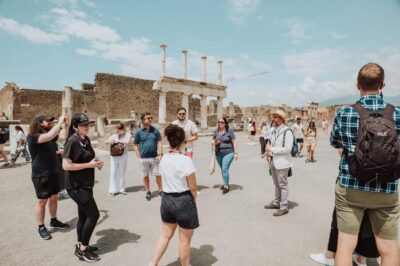
Pompeii: Entry Ticket and Guided Tour with an Archaeologist
Read our review →
History and Hauntings of Salem Guided Walking Tour
Read our review →
Edinburgh: Edinburgh Castle Guided History Tour with Tickets
Read our review →
Berlin: Third Reich & Cold War Guided Walking Tour
Read our review →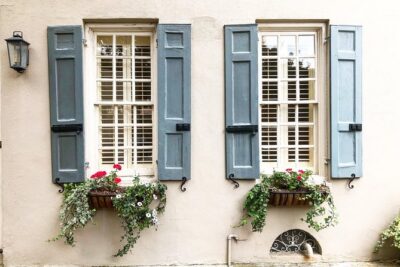
Historic Charleston Guided Sightseeing Walking Tour
Read our review →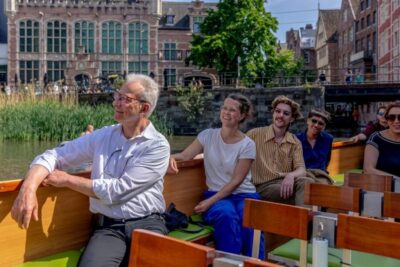
Ghent: 50-Minute Medieval Center Guided Boat Trip
Read our review →
Rome: Colosseum with Arena, Roman Forum and Palatine Guided Tour
Read our review →