
Review · BRAZIL
São Paulo: Downtown Historical Bike Tour
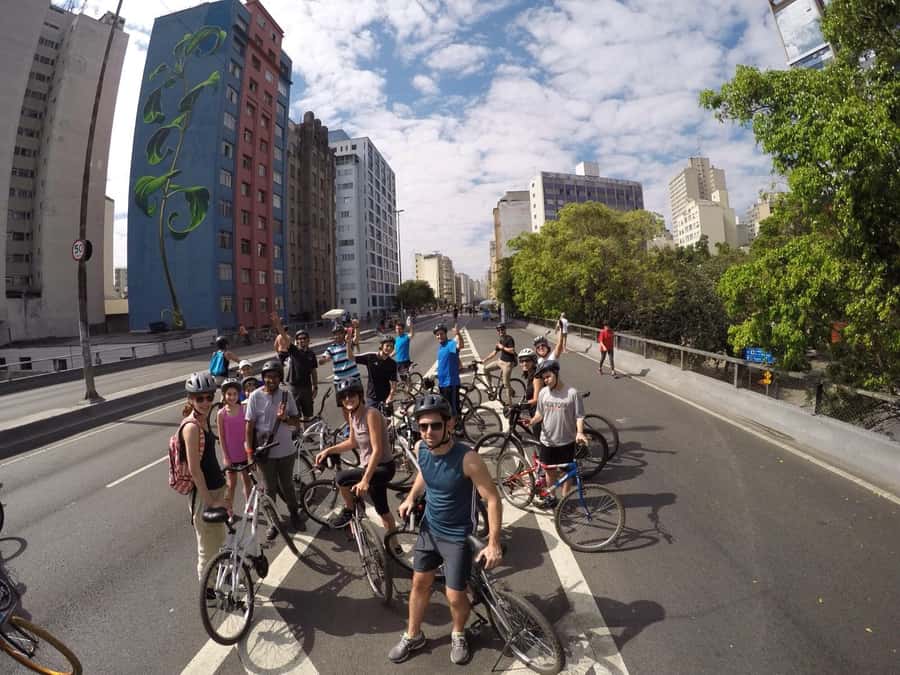
São Paulo reveals itself quickly from a bicycle. In three hours, you move from the polished towers of Paulista Avenue to the old railway quarter, the birthplace of the city, and the lantern-lined streets of Liberdade. It is a useful way to understand how many very different São Paulos fit into one enormous city.
I like the route’s range, from MASP and Oscar Niemeyer’s Copan Building to Luz Park and Sé Cathedral. I also like the human scale: a small group of no more than 10, a guide such as Juliana, Arthur, Pedro, or Roberto, and pauses for Brazilian coffee, iced mate, pão de queijo, and other local treats.
The main consideration is the riding itself. You cover 9 to 12 miles, sometimes among cars and pedestrians, and there can be steep sections. Most of the route uses bike lanes, but you need to ride confidently, watch traffic, and keep your attention on the road.
Key points to know before you book
- Covers a huge slice of São Paulo: Paulista Avenue, the historic center, Luz, and Liberdade all fit into one three-hour ride.
- Small groups make the ride personal: The maximum is 10 people, with guides adjusting the pace and checking that nobody falls behind.
- The route mixes major sights with daily city life: You see museums and grand buildings, but also parks, cafés, viaducts, and busy streets.
- Expect real city cycling: Bike lanes help, yet traffic, pedestrians, and occasional hills require confidence.
- Good for a first day in São Paulo: The ride gives you a practical map of the city before you return to favorite areas on foot or by metro.
- Useful extras are included: Bike, helmet, water bottle, raincoat if needed, a souvenir, iced mate, and pão de queijo come with the $85 price.
Why this bicycle route works in São Paulo
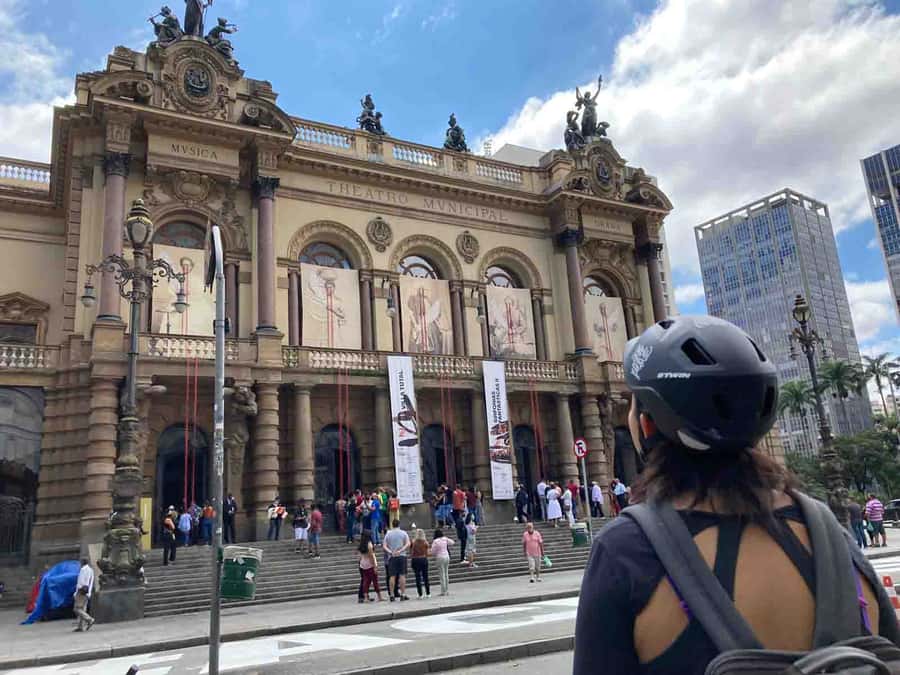
São Paulo can feel too large to grasp from a car window. Its sights are scattered across a broad urban area, and walking between Paulista Avenue, Luz, Sé, and Liberdade would take far too long for most visitors. A bicycle gives you enough range to connect these places while still letting you stop, look up, and hear the guide explain what you are seeing.
The ride starts at Portinha183 Café on Rua França Pinto in Vila Mariana. It is five minutes from Ana Rosa Station on the blue and green metro lines, which makes the meeting point practical if you are staying elsewhere. Arrive 10 minutes early so you have time to meet the guide, collect your bike, and test the equipment.
I like that the café remains part of the experience rather than serving only as a pickup point. You can have Brazilian coffee or juice before setting off, and iced mate and pão de queijo are included before or after the ride. At the end, you can also settle in with coffee, ice cream, or an açaí bowl at your own cost.
The group limit of 10 matters here. City cycling works better when the group is compact, and several guides have been praised for keeping an eye on the rear of the pack, taking photos without distracting from riding, and adjusting the speed to suit the group. Some rides may have two guides, one near the front and one at the back.
More History Tours by Bike, Segway and Tuk-Tuk in Brazil:
- Historical Singapore Bike Tour on Full-Sized Bicycles
★ 5.0 · 1,421 reviews - Charlotte’s Ultimate Southern Charm Historical City Cart Tour
★ 5.0 · 1,347 reviews - Barcelona: 2.5-Hour Bike or E-Bike Historical Tour
★ 4.5 · 1,262 reviews
Paulista Avenue, Casa das Rosas, and MASP
The first major stretch takes you toward Paulista Avenue, São Paulo’s famous central artery. This is a good place to begin because the avenue shows the city’s modern side: tall buildings, cultural venues, heavy movement, and a strong cycling presence.
Casa das Rosas offers a gentler first stop. The French-style mansion has been preserved as a cultural center, and its older architecture gives you a useful contrast with the towers around it. You do not simply race past another façade here. The stop gives you a chance to pause, take photos, and see how the avenue changed over time.
Next comes the São Paulo Museum of Art, better known as MASP. Its bold structure, raised above the ground on large red supports, is one of São Paulo’s most recognizable sights. The tour makes a photo stop rather than a museum visit, so do not book this ride expecting time inside the collection.
That distinction is important. This is a city orientation ride, not a series of long museum visits. You see the buildings, learn why they matter, and mark down places to return to later. If MASP is a priority, plan a separate visit.
Trianon Park and Augusta Park: city green space
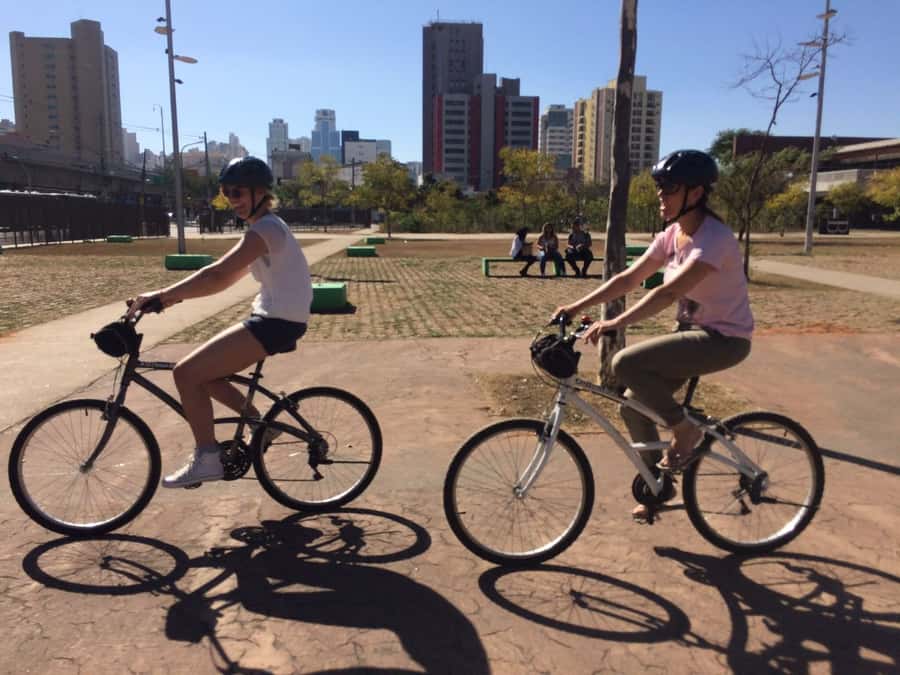
Trianon Park sits directly beside Paulista Avenue and feels like a quick break from the hard surfaces of the city. The stop lasts about 20 minutes, enough to look around, cool down, and take photos. Its position makes the contrast especially clear: one side is a major urban avenue, the other is a pocket of trees.
Augusta Park adds another kind of city green space. It blends recreation, local life, and a more informal feel than the formal cultural stops. The route description includes it as a place to pause and take photos, although the timed stop list does not always spell out every intermediate point. Your exact sequence can vary with traffic and the group’s pace.
This section is one reason I would choose the bike tour early in a São Paulo visit. You get a feel for how residents use central public spaces, not just a checklist of monuments. You also have a chance to recover before the ride heads into the denser historic center.
Copan Building and Vale do Anhangabaú
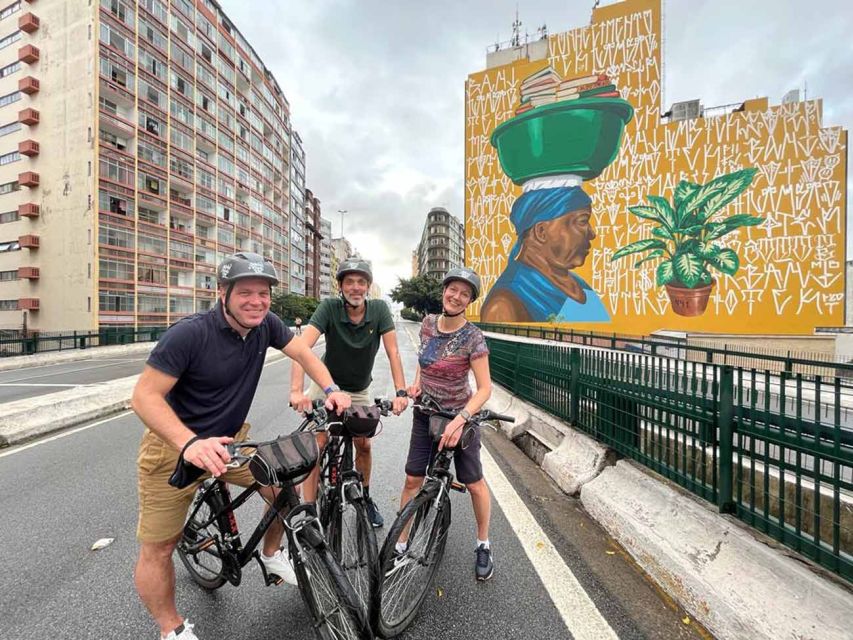
The Copan Building is one of the ride’s strongest architectural stops. Designed by Oscar Niemeyer, the huge modernist structure curves through downtown like a wave. It is a reminder that São Paulo’s story is not only colonial churches and railway stations. The city also became a center of ambitious modern architecture.
You stop outside for about 20 minutes. That is enough time to appreciate the shape, hear the guide place it in the city’s development, and take photographs. Several guides, including Pedro, have been praised for explaining how architecture connects to economic and social changes. That kind of context makes the stop more useful than a quick photo alone.
The route continues to Vale do Anhangabaú, a broad historic square shaped by major political and cultural events. The space has a different feel from Paulista Avenue and Copan. Here, the scale opens up, and the surrounding buildings help you read the older center as a civic stage.
You should expect the downtown ride to feel more demanding than the park sections. Cars, pedestrians, traffic lights, and changing road conditions require attention. One rider noted that busy paths sometimes demanded more focus on the road than on the sights. That is a fair warning. You will see more by bicycle, but you cannot look around carelessly while moving.
More Cycling Trips in Brazil:
- Asheville Historic Downtown Guided Electric Bike Tour with Scenic Views
★ 5.0 · 1,234 reviews - Historic Athens: Small Group Electric Bike Tour
★ 4.9 · 966 reviews - Bordeaux: Historic Center & Chartrons District Bike Tour
★ 4.8 · 709 reviews - Intramuros, Manila: Historical Bamboo Bike Tour
★ 4.8 · 583 reviews
Luz Station, Pinacoteca, and Luz Park
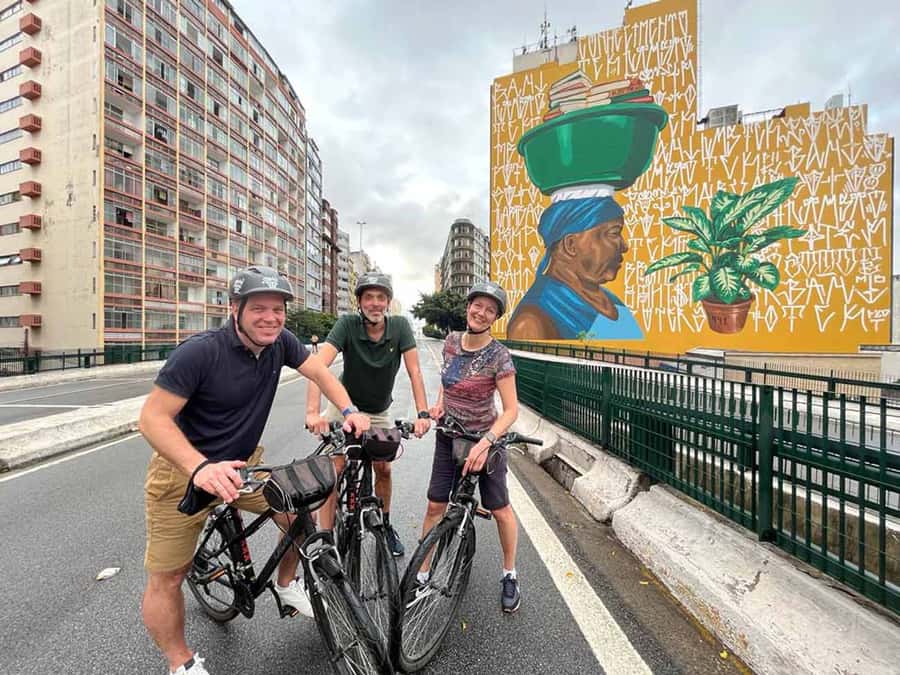
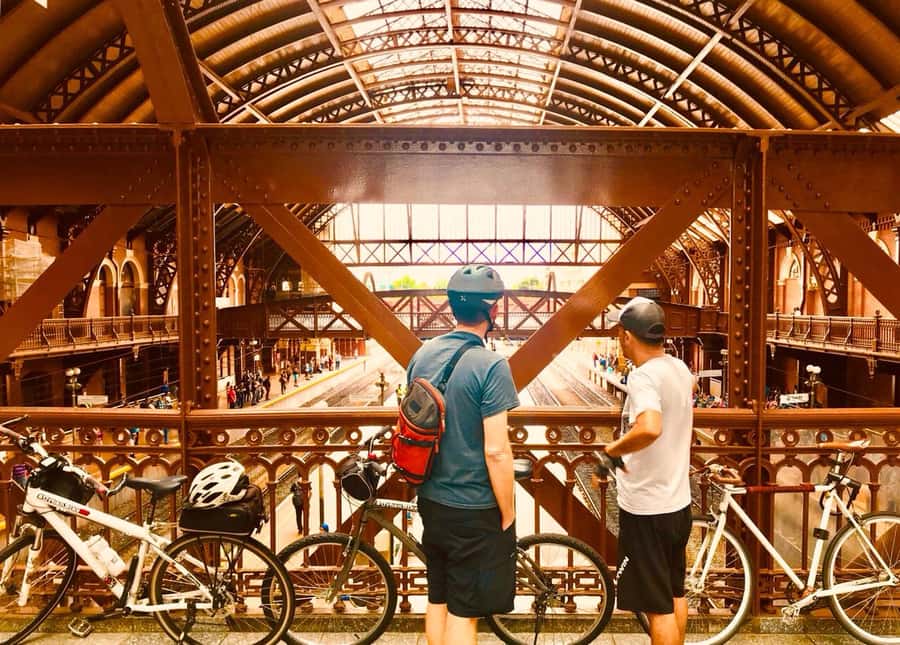
Luz Station brings the ride into São Paulo’s railway past. The grand 19th-century station is one of the most striking historic structures on the route, and its scale helps explain the importance of rail connections to the city’s growth.
Nearby, the Pinacoteca is one of Brazil’s key art museums. The stop is mainly for viewing the exterior and getting oriented, not for a full museum visit. If Brazilian art interests you, note its location and return with several hours free.
Luz Park provides a calmer pause after the traffic and hard edges of downtown. The route may also include the Santa Ifigênia Viaduct, a strong place for views across the historic center. These stops work well together: railway architecture, a major museum, a public park, and a high viewpoint show several layers of the city in a short stretch.
The ride through this area also asks you to keep an open mind. Downtown São Paulo includes visible poverty and social hardship. Jefferson, one of the guides, has been praised for explaining colonial legacies and present-day social issues in a clear way, including a stop at the Favela Museum on some versions of the route. That stop is not guaranteed in the supplied schedule, so ask your guide what your departure will include.
Pátio do Colégio and Sé Cathedral
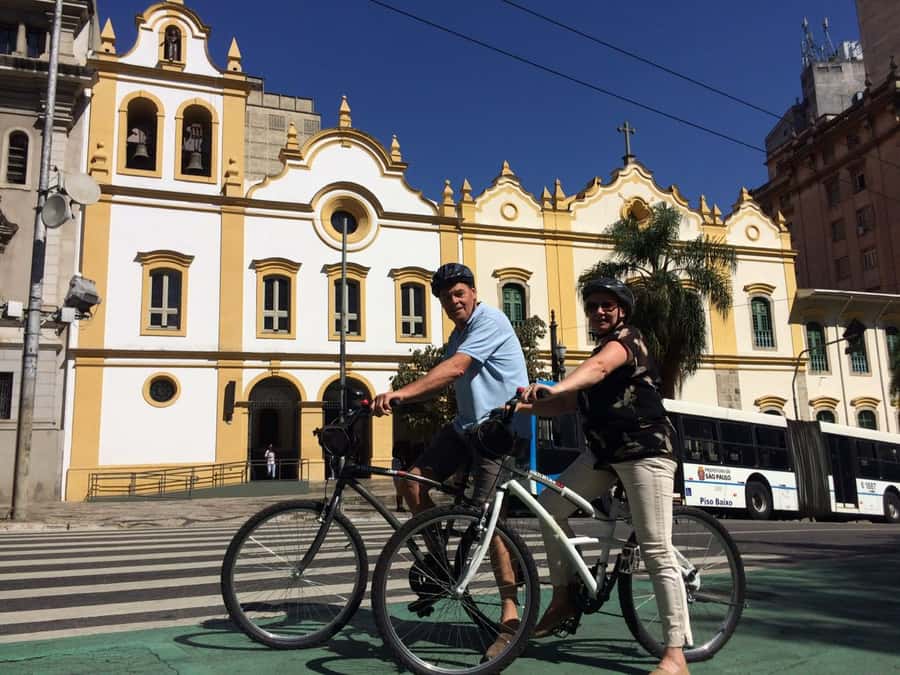
Pátio do Colégio marks the foundation of São Paulo in 1554. It is one of the most important historical points on the route because it connects the modern metropolis to its earliest beginnings. The stop is short, around 10 minutes, so listen closely and use the time to take in the setting.
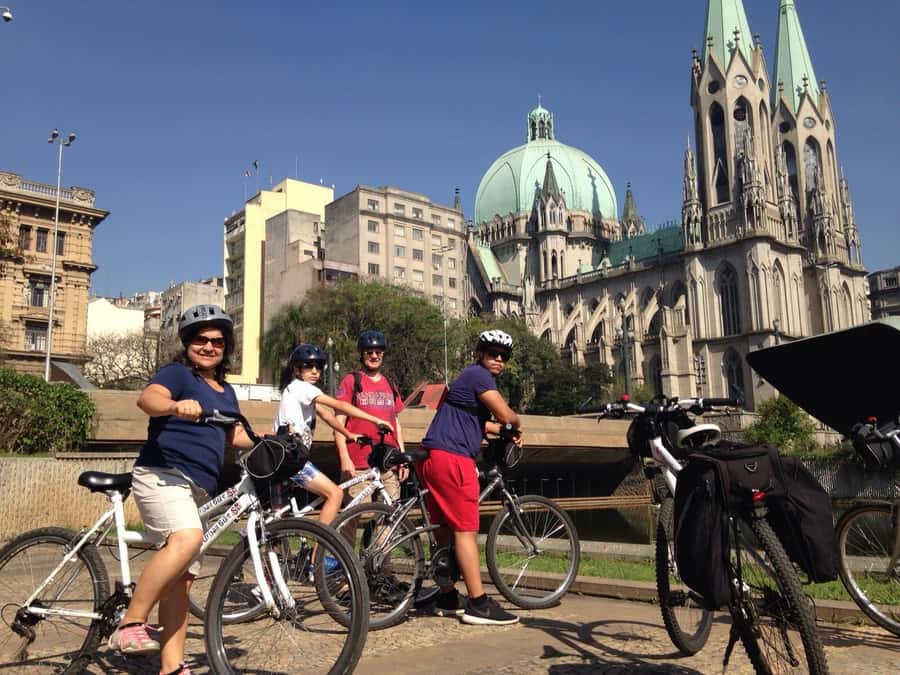
A few minutes away, Sé Cathedral brings a different kind of grandeur. Its neo-Gothic design, stained glass, and tall interior columns make it one of the city center’s key landmarks. Again, the tour focuses on an outside visit and orientation rather than a long indoor stop.
I find this pairing useful because the guide can explain the city’s timeline while you move only a short distance. São Paulo’s scale can make its history feel scattered. Here, the foundation site and major cathedral sit close enough together for the story to become easier to follow.
Liberdade and the final local snack
Liberdade gives the route a strong change of mood. The neighborhood is home to the largest Japanese community outside Japan, and its lanterns, torii gates, shops, and street details reflect the meeting of Japanese traditions and Brazilian life.
The scheduled photo stop lasts about 30 minutes, making it one of the longer pauses. You get time to look around instead of taking one hurried picture from the saddle. The area is also a good place to note for a later meal or walk, though the tour does not promise a full food tour.
Local snacks are part of the final portion of the experience. Depending on the day and route, you may encounter items such as sugarcane juice or fresh coconut, as well as the included pão de queijo and iced mate. The food element is modest, but it adds a taste of everyday São Paulo rather than leaving you with only monuments.
The ride returns to Portinha183 Café. That makes the ending convenient and gives you a place to cool down, compare notes, and collect the included souvenir.
Safety, fitness, and the actual riding
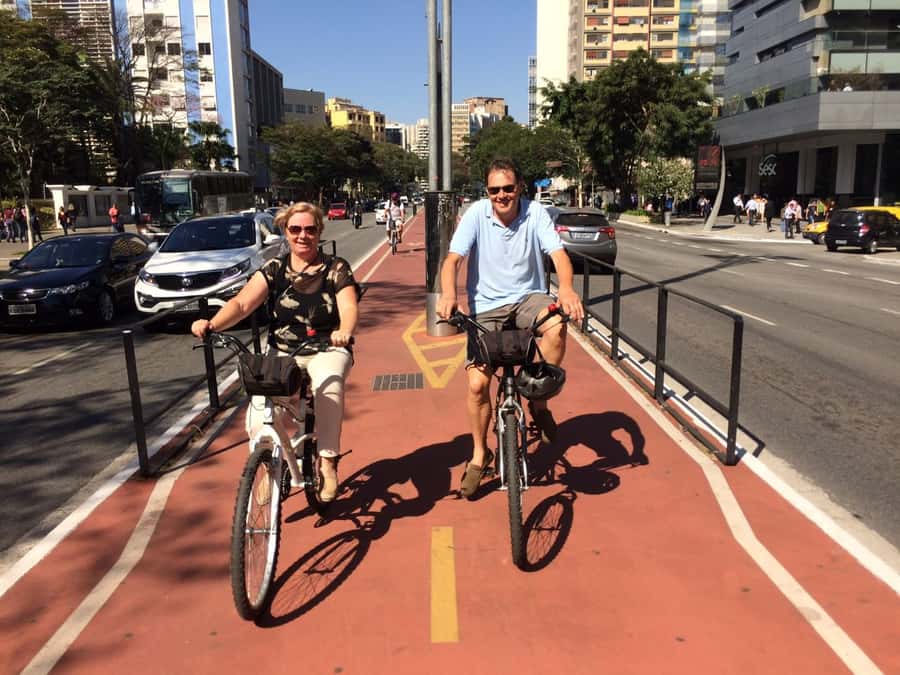
You must know how to ride a bicycle. This is not a passive sightseeing vehicle, and the 9 to 12 mile distance makes basic comfort on two wheels essential. The route is described as generally manageable, with one rider calling it smooth and noting that the hills were easy, but another pointed out that some parts can be steep depending on your cycling experience.
Most of the route uses bicycle paths, which is a major advantage in a city this large. Guides also manage traffic and help the group stay together. Still, a bike lane does not remove every risk. You may share space with pedestrians, cross busy streets, and need to obey traffic lights while keeping a steady line.
Wear comfortable clothing and sunscreen. The supplied raincoat is useful if weather changes, and São Paulo can shift from rain to strong heat during one ride. One experience began with showers and finished at 32 C, so a light, practical outfit is smarter than dressing only for the morning forecast.
Bring your phone or camera, but use it carefully. The provider specifically warns about city risks, and the safest approach is to stop fully before taking pictures. Ask the guide to photograph you when possible. Arthur has been praised for taking photos and videos while keeping his own attention on safety.
Sunday may be worth considering. One rider found that Sunday offered more room for cycling when traffic lanes closed. That is not a promise of empty streets, but it is a useful planning tip if you want a less pressured ride.
Is $85 a fair price?
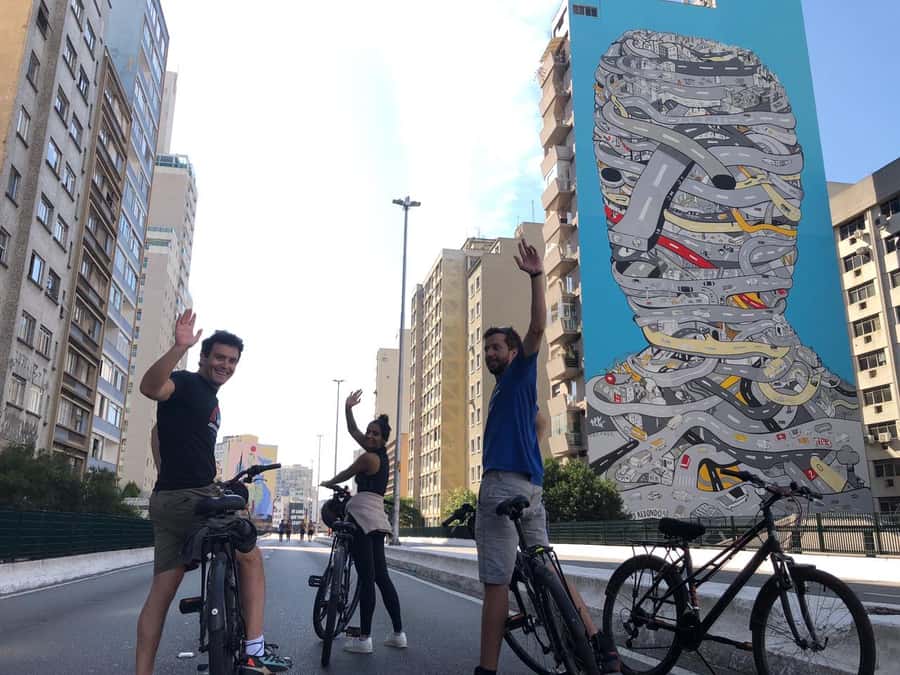
At $85 per person, this is not São Paulo’s cheapest sightseeing option. You are paying for more than a bike rental, though: a three-hour guided route, equipment, a multilingual guide, drinks and snacks, a souvenir, and the chance to cover several distant districts without arranging separate transport.
The value is strongest if you have only one day in São Paulo, are visiting for business, or want an orientation before exploring on your own. The route covers far more ground than a walking tour, and the guide adds the historical and social context that a self-guided ride would lack.
The value is less clear if you already know the city, dislike traffic cycling, or want long museum visits. You will see MASP and Pinacoteca, but you will not have time to explore their galleries. You will also spend part of the three hours managing the bike, waiting at crossings, and staying with the group.
The rating of 4.9 from 191 bookings reflects strong satisfaction, and the praise is notably consistent about guide quality, safety support, route range, and the café meeting point. The one recurring reservation is price, along with the need to pay attention in busy traffic. Those are the two points I would weigh most carefully.
Who should book this São Paulo bike tour?
I would recommend it to confident cyclists who want a fast, thoughtful introduction to São Paulo. Solo visitors benefit from the small group and the built-in company, while couples and business visitors can see major districts without spending a full day navigating metro connections and traffic.
It is also a good fit if history interests you but you do not want a formal lecture. Guides such as Roberto, Juliana, Arthur, Pedro, Jefferson, Lucas, and Troccli have brought different strengths, from architecture and political history to music and social questions. The experience depends partly on who leads your departure, but the format allows room for questions and conversation.
I would skip it if you cannot comfortably ride 9 to 12 miles, are uneasy around cars, or want a slow cultural visit with lots of indoor time. Children under 13 cannot join, and the city conditions make this better for teens and adults who can manage their own bicycle.
You can cancel without charge up to 24 hours before the start, and reserve now while paying later. The tour runs in English, Spanish, and Portuguese, with departure times depending on availability.
Should you book it?
Book this tour if you want to understand São Paulo through movement rather than a string of isolated stops. The route connects Paulista Avenue’s modern city, the historic center, Luz’s museums and railway architecture, and Liberdade’s Japanese-Brazilian character in one manageable outing.
I would choose a morning or Sunday departure if available, especially if you want cooler conditions or less pressure from traffic. Arrive early, wear sunscreen, and treat the ride as active sightseeing rather than a relaxed pedal through empty streets.
At $85, it earns its price through distance, guiding, equipment, and local context. For a first visit, a short stay, or a solo trip, it is one of the most efficient ways to get your bearings. Just make sure you are ready to ride with your eyes on the road as well as on São Paulo.
FAQ
How long is the São Paulo Downtown Historical Bike Tour?
The tour lasts three hours. You can expect to ride approximately 9 to 12 miles, including stops at major landmarks, parks, and neighborhoods.
Where does the bike tour start?
It starts at Portinha 183 Café, Rua França Pinto, 183, in Vila Mariana. The café is about five minutes from Ana Rosa Subway Station on the blue and green lines.
What is included in the price?
The $85 price includes bike rental, a helmet, a water bottle, a raincoat if needed, a guide, a souvenir, iced mate tea, and pão de queijo.
What languages are available?
Guides lead the experience in English, Spanish, or Portuguese.
Do I need cycling experience?
Yes. Knowing how to ride a bike is essential. The route is generally manageable, but it can include busy streets and some steep sections.
Can children join the tour?
No. The experience is not suitable for children under 13.
Just added around Brazil
- Scenic Train ride to historical cities of Morretes and Antonina★ 4.0 · 188 reviews
- Germanic Route – Cultural and historical in Ilhota, Blumenau and Pomerode★ 4.5 · 67 reviews
- Rio: Historical Walking Tour★ 4.7 · 32 reviews
- Rio: Olympic Boulevard, Museum of Tomorrow & History Tour★ 4.1 · 47 reviews
- Rio de Janeiro: Historical Downtown and Lapa Walking Tour★ 4.4 · 32 reviews
- Salvador Historic Walking Tour – Pelourinho★ 4.8 · 62 reviews
- From Foz do Iguazu: Triple Frontier Landmark Ticket★ 4.4 · 136 reviews
- Florianópolis: Historical Center, Beach & Nature Tour★ 3.3 · 25 reviews
Brazil History Tours, compared.
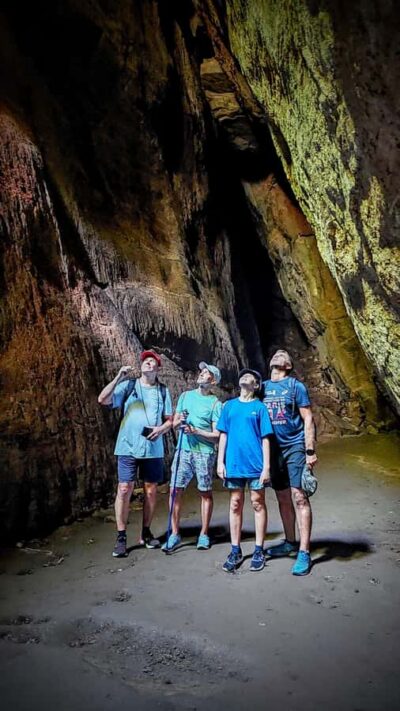
Rio: Tijuca Forest Small Group Hike to Caves and Waterfalls
Read our review →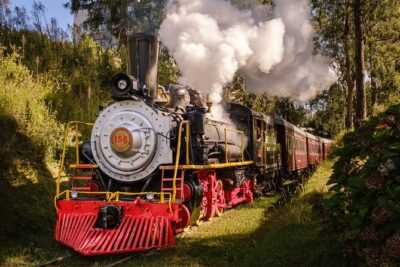
Rio de Janeiro: Historic Rio and Santa Teresa Half-Day Tour
Read our review →
Scenic Train ride to historical cities of Morretes and Antonina
Read our review →
Rio de Janeiro: Little Africa Heritage Walking Tour
Read our review →
Ancient Rio and Santa Teresa Tour with Hotel pick-up and drop-off
Read our review →
From Foz do Iguazu: Triple Frontier Landmark Ticket
Read our review →
Paraty: Historic Centre Walking Tour & Cachaça Tasting
Read our review →Browse the lists this tour appears in