
Review · DRINKING TOURS
Vesterbro Tour With Beer & Pub Visits – Max 10 People
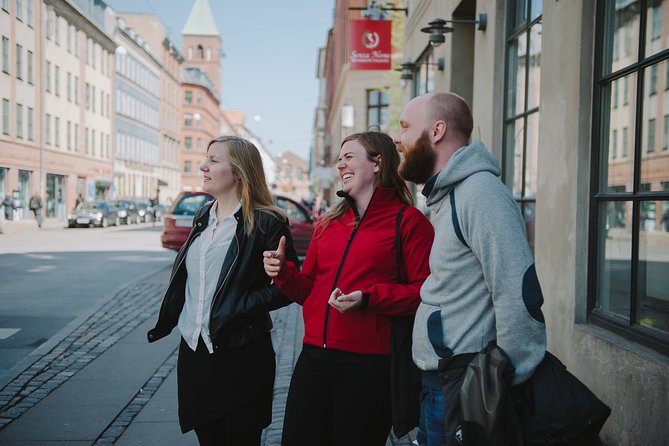
Vesterbro’s best stories are told over a beer, and this three-hour walk takes you from an old working-class pub to the sleek home of Mikkeller. You’ll hear how a rough neighborhood changed without losing all of its edge. I especially like the contrast between Freddy’s traditional bar and Mikkeller’s clean-lined craft-beer room, plus the walk through the Meatpacking District at the end.
I also like the small group size, which makes it easier to talk with guides such as Kenneth, Liva, Oskar, or Lucas. The main drawback is the first pub: indoor smoking may be part of the old brown-bar experience, so this tour is not a good fit if smoke bothers you or if you have asthma.
Key points to know before booking
- Three contrasting beer stops: Expect one traditional Danish beer and two craft beers, usually at three very different pubs.
- Vesterbro beyond the postcard: The walk covers Istedgade, the former red-light district, street art, Skydebanehaven, Sønder Boulevard, and the Meatpacking District.
- Small group, local guide: The maximum is 10 people, with guides such as Kenneth, Liva, Oskar, Lucas, Kim, or Jacqueline leading the walk.
- A cultural tour first: You’ll learn about neighborhood change, Danish drinking culture, WWII history, public planning, and local customs, not brewing science alone.
- Smoke is a real consideration: One traditional bar may allow indoor smoking, although outdoor seating is often available.
- Good final location: The tour ends near the Meatpacking District, close to restaurants, bars, and evening activity.
Why Vesterbro makes such a good beer walk
Copenhagen is polished in many places, but Vesterbro gives you a more complicated picture. The district grew around work, railways, factories, cheap rooms, and a rough nightlife. It later became fashionable, yet parts of its old character remain visible in the pubs, street art, and stubbornly local corners.
That contrast gives this experience its purpose. You are not simply moving from bar to bar for three drinks. You are watching a neighborhood change as you walk through it, with the beer acting as a social thread.
The meeting point is at Reventlowsgade 7, near Copenhagen Central Station. Your guide meets you in front of the old gates that once marked an entrance to the city. Arrive early. The guide is scheduled to be there 10 minutes before the 3 p.m. start, and the station area can be busy enough to make a rushed meeting awkward.
The walk itself is not especially strenuous. Comfortable shoes still make sense, but this is not a long-distance hike. Most of the value comes from stopping, looking, and listening rather than covering huge distances.
More Small-Group History Tours in the world:
- Pompeii: Small Group Tour with an Archaeologist
★ 4.8 · 12,264 reviews - London Small Group Tour of Historical Pubs
★ 5.0 · 10,422 reviews - Pompeii Small Group Tour with an Archaeologist
★ 5.0 · 6,593 reviews
From Central Station to Istedgade
The opening explanation sets up Vesterbro’s identity. Your guide connects the station area with the neighborhood that developed around it, giving you a clearer sense of why Vesterbro became associated with workers, nightlife, and people passing through Copenhagen.
You then walk along Istedgade, once Copenhagen’s best-known red-light district. The guide explains its past links with drugs and prostitution, but the point is not to sensationalize the street. You’ll also hear how public programs helped make the area safer while allowing parts of its less tidy identity to remain.
I like this early stop because it gives context to everything that follows. A trendy bar means something different after you understand that it sits in a district once viewed as rough and disreputable. The walk also makes clear that Vesterbro is safe to visit today, even though its reputation still carries a certain shadow.
The stop on Istedgade is brief, around five minutes. Think of it as a street-side introduction rather than a full historical lecture.
Freddy’s Bar and the old brown-bar tradition
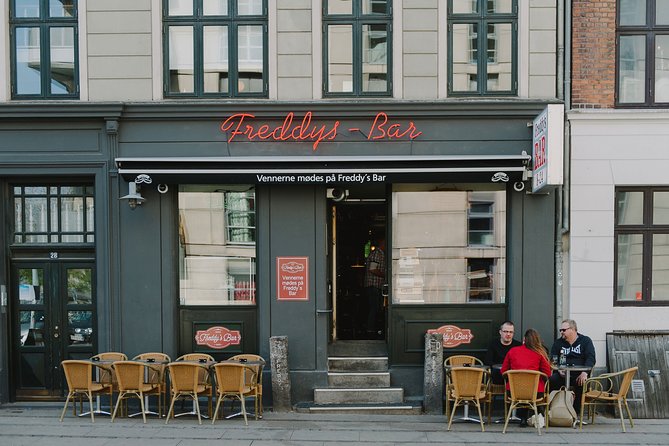
Freddy’s is the first proper pub stop, with about 30 minutes set aside for a classic Danish beer. This is a traditional brown bar, the kind of plain local establishment once closely tied to working people and the Carlsberg brewery workforce.
The setting is intentionally different from a modern beer bar. You are there to see how people used these pubs after work, why they mattered to neighborhood life, and how a simple room with inexpensive beer could serve as a social center.
That contrast is one of the strongest parts of the experience. A guide such as Kenneth or Liva can turn the drink into a conversation about daily life, not just a tasting note. You may learn what makes a brown bar different from a newer white bar, and why Danes still speak about these places with affection.
There is one important warning. Smoking indoors may be permitted at this stop. Several people have found the smoke unpleasant, and anyone with asthma should take the warning seriously. Outdoor seating is available in many places, but you should ask your guide about options before settling in.
If you enjoy old-fashioned pubs, Freddy’s may become a highlight. One particularly useful feature of this tour is that your guide may recommend returning later if you like the atmosphere. That is a good sign that the stop is meant to feel like a real local place, not a bar selected only for tourists.
The Meatpacking District, from industrial work to evening food
After the first pub, the walk continues through Copenhagen’s Meatpacking District. The old industrial buildings have been given new uses, and the area is now known for restaurants, bars, shops, and creative businesses.
Your guide explains the district in stages, including its former purpose and its newer role in local life. The walk is useful because you get to see both the buildings and their changing function. You are not simply told that the area is fashionable. You see how older structures were adapted rather than erased.
The tour ends nearby, so you can return later for dinner or more drinks. That practical ending matters. The Meatpacking District is one of the best places on this route to continue your evening, and your guide can offer personal food recommendations.
Keep in mind that the tour does not include dinner. The three included drinks are meant to support the walk, not replace a meal.
More Pub and Bar Trips in the world:
- Prague Historic Pub Tour with Drinks Included
★ 5.0 · 2,084 reviews - Soho Music & Historic Pubs Tour
★ 5.0 · 1,993 reviews - Southern Flavors Food, Pub Crawl, and History Walking Tour
★ 4.5 · 1,623 reviews - London: Historic Pubs of Central London Walking Tour
★ 4.9 · 1,065 reviews
Viktoriagade and Vesterbro’s rebellious side

Viktoriagade may not look dramatic at first glance, but the guide uses it to explain Vesterbro’s more unruly past. This is a short stop, about five minutes, focused on local identity and the marks people have left on the neighborhood.
If your guide has a pen, you may be invited to make a small drawing in an approved location. That playful detail gives the group something to do, but it also reflects the district’s long connection with informal expression and street culture.
Do not expect a major monument here. The value is in the explanation. Vesterbro’s character is often tucked into ordinary streets, and a local guide can point out why a seemingly modest corner matters to residents.
Mikkeller: Copenhagen’s craft-beer turning point
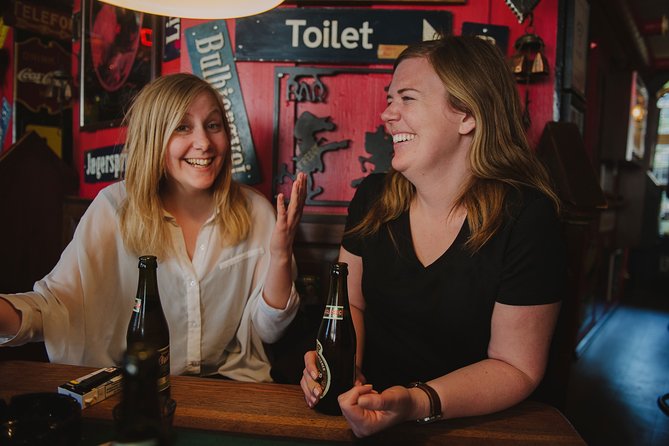
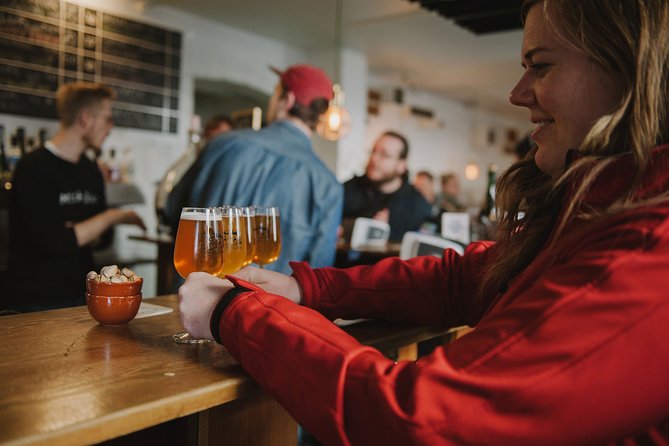
The second beer stop is Mikkeller Bar, where you sit down for a craft beer and hear the story of two brothers who turned an interest in brewing into a globally known brand.
The bar provides a sharp visual contrast with Freddy’s. Instead of the old common-room feel, Mikkeller presents a cleaner, more modern setting. That side-by-side comparison is central to the tour. You get to taste the newer Copenhagen beer culture while still carrying the atmosphere of the traditional pub with you.
You may be offered one of the four early beers associated with Mikkeller’s beginnings. The guide can explain how the brand grew and why it fits Copenhagen’s current reputation for experimentation and design.
This is not a technical brewing class. If you want detailed instruction on yeast, fermentation temperatures, or production methods, this is probably not the right experience. The emphasis is on the people, the places, and the social meaning of beer in the city.
That said, the beer knowledge varies by guide. Kenneth and Oskar have been especially strong at helping people choose a beer and explaining the products available. Guides such as Liva have also been praised for making the tasting approachable even for people who do not usually drink much beer.
Small details between the bars
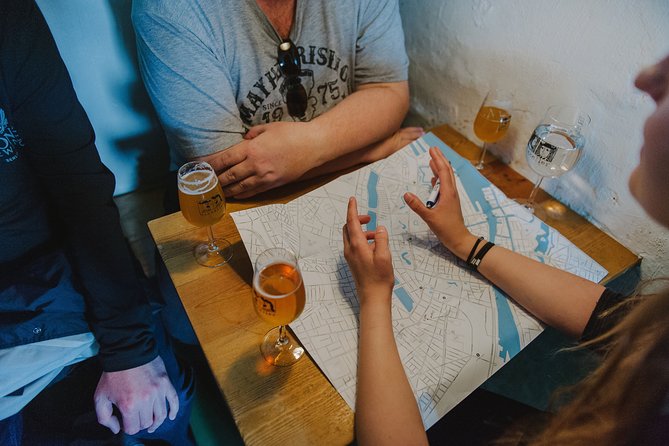
The route includes several short walking sections that reward attention. Near the New Theatre, your guide points out a small detail connected with the boundary between Vesterbro and Frederiksberg. It is a minor feature, but it reflects how neighborhood borders can carry symbolic weight.
You may also pass a charming small building with one upper-floor window and a story tied to the area’s past. These moments are easy to miss if you walk through Vesterbro alone. They are not grand attractions, and that is exactly why a local guide helps.
This part of the walk also keeps the experience from becoming a simple pub crawl. The drinks are spaced between small observations about architecture, local habits, and the way the district grew.
Westend’s sanctioned street art
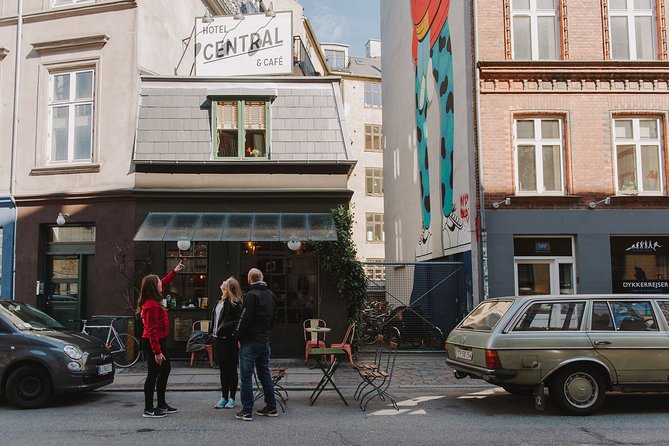
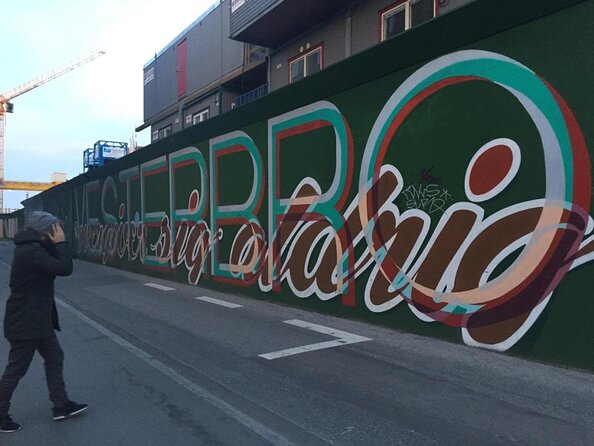
In Westend, the group turns into what is described as the French quarter and visits several graffiti pieces approved by the municipality. Your guide explains the stories behind the works and why sanctioned graffiti areas matter in a historic city.
Copenhagen has to balance preservation with modern expression. Approved spaces give artists room to work while reducing the pressure to paint on protected buildings. You will not see every piece in the city, but this stop gives you a useful look at how local authorities handle street art.
The stop lasts about 10 minutes. It is short, but it adds visual variety to the route and helps explain why Vesterbro feels less formal than central Copenhagen.
Skydebanehaven and the story of shooting the parrot
The route then reaches Skydebanehaven, a green area entered through a gate that can make you wonder if a castle is hiding inside. Instead, the guide explains what the site once meant to royalty and why a seemingly unnecessary wall was built beside the park.
This is one of the more unusual historical stops. You also hear the origin of the Danish expression to shoot the parrot, connected with the site’s former use. The phrase gives the place a memorable link to Danish culture and makes the explanation easier to remember.
Skydebanehaven also changes the pace. After streets and bars, the green space provides room to breathe. It is a useful reminder that Vesterbro is not only nightlife and old industrial buildings.
Sønder Boulevard and the neighborhood’s public makeover
The walk continues toward Sønder Boulevard, an area that once suffered from heavy traffic and pollution. Changes in public planning during the late 1990s helped turn it into a place with green leisure areas where locals now spend time.
This section makes the neighborhood’s improvement visible. You can understand the change better by walking through a former traffic-heavy corridor than by hearing a general statement about urban renewal.
I appreciate that the story is not presented as a total replacement of old Vesterbro. The district did improve, but the tour keeps returning to the idea that its past still shapes the present. That balance is more useful than pretending the area was either always charming or completely transformed overnight.
Fermentoren and the final craft-beer choice
The final stop is Fermentoren Beer Bar, especially useful if weather prevents an outdoor beer stop. It combines some of the homely feel of the old traditional pub with a large selection of changing craft beers.
There are many taps, and the selection changes regularly. If the choices feel overwhelming, you may even roll the dice and let chance pick your drink. This is a relaxed ending rather than a formal tasting.
The tour includes one traditional Danish beer and two craft beers. The exact brands and selections can change, so do not book this expecting a fixed menu. Think of the beer as a set of examples that helps you compare old and new Copenhagen drinking culture.
You can stay at the bar after the official walk if you wish. The guide can also suggest nearby restaurants for dinner, though food and any extra drinks cost more.
Is the $72.59 price fair?
At $72.59 per person, the tour is not the cheapest way to drink three beers in Copenhagen. If you measure value only by the volume of alcohol, the price will probably feel high.
I think the better comparison is with a private local orientation. You are paying for three hours of guiding, neighborhood history, three pub settings, one traditional beer, two craft beers, and personal suggestions for the rest of your time in the city. The group limit of 10 also matters. A smaller group gives you more room to ask questions and makes conversation with the guide easier.
The value depends heavily on what you want. If you already know Vesterbro and simply want inexpensive drinks, skip it. If you are new to Copenhagen and want a social way to understand the west side of the city, the price is easier to justify.
One person may get a private-style experience if the rest of the group does not show up, but you should not book expecting that. The normal maximum is 10 people.
Who will enjoy this walk most?
I would choose this tour if you like local pubs, neighborhood stories, and an easy walking pace. It suits solo visitors especially well because the guide helps create conversation, and the small group makes it less awkward to arrive alone.
It also works for couples and friends who want more than a standard sightseeing route. You will see places you might not enter on your own, especially the traditional brown bar.
Beer fans should enjoy the range from classic pilsner to changing craft selections. People who are less enthusiastic about beer can still have a good time if they like urban history and local culture, but the three drinks remain central to the experience.
I would avoid it if you cannot tolerate smoke, if you want a full meal, or if you are under 18. The tour does not accept anyone under 18, and all participants need to be comfortable walking between stops.
The tour is offered in English. Service animals are allowed, and most people can take part, but bring an umbrella or rain jacket if the forecast looks uncertain.
Should you book it?
Book this Vesterbro walk if you want to understand how Copenhagen can be both polished and rough-edged within the same few streets. The best parts are the contrast between Freddy’s and Mikkeller, the guide’s personal stories, and the chance to finish near the Meatpacking District for dinner.
Go in knowing that this is a cultural beer walk, not a brewing seminar. The smoking issue at the first pub is the key caution. If that does not trouble you, the small group, local guide, and varied stops make this a useful three-hour introduction to Vesterbro.
FAQ
How long does the Vesterbro beer tour last?
The tour lasts approximately three hours and starts at 3 p.m.
Where does the tour begin?
It begins at Reventlowsgade 7, 1651 København, Denmark, near Copenhagen Central Station.
Where does the tour end?
It ends at Halmtorvet 27E, 1700 København, Denmark, near the Meatpacking District.
How many people can join the tour?
The tour has a maximum of 10 participants.
What beers are included?
The experience includes one traditional Danish beer and two craft beers.
Is food included?
No. Additional food, drinks, dinner, and personal purchases are not included.
Are people under 18 allowed to participate?
No. Participants must be at least 18 years old.
Is the tour conducted in English?
Yes. The tour is offered in English with a native English-speaking guide.
Is smoking possible at any of the bars?
Yes. Indoor smoking may be possible at the traditional brown bar stop. Outdoor seating is available in many bars, but people with asthma or strong smoke sensitivity should consider this carefully.
More Food and Drink Trips in the world
- Amsterdam Food and Cultural Tour with Tastings
★ 5.0 · 4,315 reviews - Barcelona: Tapas Walking Tour with Food, Wine, and History
★ 4.8 · 4,261 reviews - Sevilla Food Tour: Tapas, Wine, History & Traditions
★ 5.0 · 3,468 reviews - Normandy D-Day Small-Group Day Trip with Omaha Beach, Cemetery & Cider Tasting
★ 5.0 · 2,786 reviews
Just added around the world
- Scenic Train ride to historical cities of Morretes and Antonina★ 4.0 · 188 reviews
- 6-Day Cultural Tour to Machu Picchu★ 5.0 · 76 reviews
- Jewish Heritage of Curacao★ 4.5 · 68 reviews
- The Curacao’s Colorful History Walking Tour★ 5.0 · 55 reviews
- Discover Scuba Diving Amathounta’s Ancient Port★ 5.0 · 30 reviews
- Olous – Guided Snorkelling Excursion to Discover Olous Sunken Ancient City★ 4.5 · 31 reviews
- Night Walking Tour of Medieval Cuenca★ 5.0 · 64 reviews
- WWII – The Battle of Crete Day Tour★ 5.0 · 103 reviews
Drinking Tours, compared.
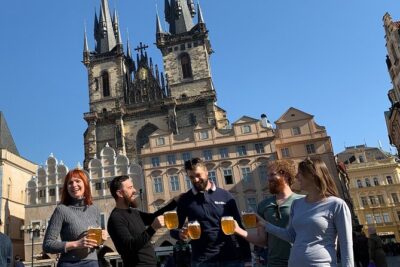
Prague Historic Pub Tour with Drinks Included
Read our review →
Southern Flavors Food, Pub Crawl, and History Walking Tour
Read our review →
London: Historic Pubs of Central London Walking Tour
Read our review →
Boston Freedom Trail History Pub Crawl Small-Group Tour
Read our review →
London: Soho Music and Historic Pubs Walking Tour
Read our review →
Royal Historic Pubs Walking Guided Tour in London
Read our review →Browse the lists this tour appears in