Review · MEXICO
Guanajuato: Culture & History Private Guided Tour – Day Trip
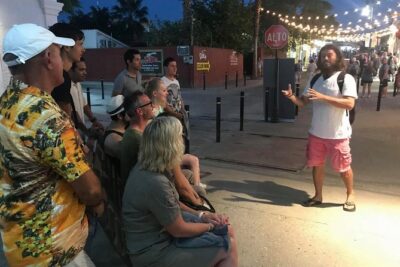
Guanajuato reveals its character underground as much as above street level. This private tour takes you from the Pipila Monument viewpoint into modern tunnels, old mining spaces, a Baroque church, and the famous Mummies Museum. It is a useful way to connect the city’s silver-mining past with the colorful streets you see today.
I like the private format, which gives you room to ask questions and adjust the pace. I also like the mix of big sights and odd, memorable stops, especially the mine, underground street, and mineral crafts. The main caution is that museum entry fees are extra, and the Baroque church may be closed to tour groups on Sundays.
Key points at a glance
- Eight major stops in five hours: The route covers viewpoints, tunnels, a church, a mine, museums, and local crafts.
- Private transport for up to four: You can book the vehicle for your own small group rather than joining a crowded bus.
- Mario and Santiago have guided the route: Mario is noted for clear history talks and flexibility, while Santiago is praised for patience.
- The mine adds real context: You see how Guanajuato’s mineral wealth shaped the city, rather than only admiring its colorful buildings.
- Museum tickets are not included: Budget extra for the Inquisition Museum and Mummies Museum, plus any other admission charges.
- English and Spanish are available: The main guide can speak either language, though some museum narrators speak Spanish only.
Why Guanajuato makes a five-hour guided tour worthwhile
Guanajuato is not a city you understand by looking at one pretty plaza. Its story runs through silver mines, narrow streets, churches funded by mining wealth, and road tunnels cut below the city. A good route needs to connect those pieces.
That is the real value here. In five hours, you see Guanajuato from above, at street level, and below ground. You are not limited to churches and viewpoints. The itinerary also includes a tourist mine, the underground road system, an Inquisition Museum, mineral crafts, and the Mummies Museum.
I would choose this tour early in a Guanajuato stay. It gives you a working map of the city and helps explain why the streets and traffic system look so unusual. The private format also matters. If your group has children, different interests, or limited time, you can ask for clearer explanations or spend more time at a favorite stop.
The tour costs $116 for a group of up to four people. That works out to $29 each for four, before museum admissions, and becomes less attractive for a solo visitor unless you value private transport and one-on-one guiding. For a family or small group, the price is easier to justify because it includes transportation, a specialist guide, and vehicle insurance.
More Local Culture and Traditions Tours in Mexico
- Historical and Cultural Walking Tour of San Miguel de Allende
★ 5.0 · 641 reviews - Historical and Cultural Walking Tour of San José del Cabo
★ 5.0 · 576 reviews - Walking Tour in Mexico City for Exploring their Cultural Heritage
★ 5.0 · 245 reviews
Starting above the city at the Pipila Monument
The Pipila Monument is the natural opening point. The 20-meter statue of El Pipila, built from pink sandstone in 1953, looks over Guanajuato from a high viewpoint. You get the broad picture first: colorful buildings pressed into the hills, church towers, winding streets, and the city’s compact shape.
This stop is more than a photo break. From above, the city’s unusual road system becomes easier to understand. Your guide can place the mines, churches, historic center, and tunnels in context before you move through them.
Bring a little patience if you want to take photos. The view is one of the strongest parts of the tour, but the guide’s explanation is what turns it into a useful orientation. I would pay attention to how the city climbs the surrounding slopes. That geography helps explain the tight streets and the need for underground routes.
Seeing Guanajuato through its modern tunnels
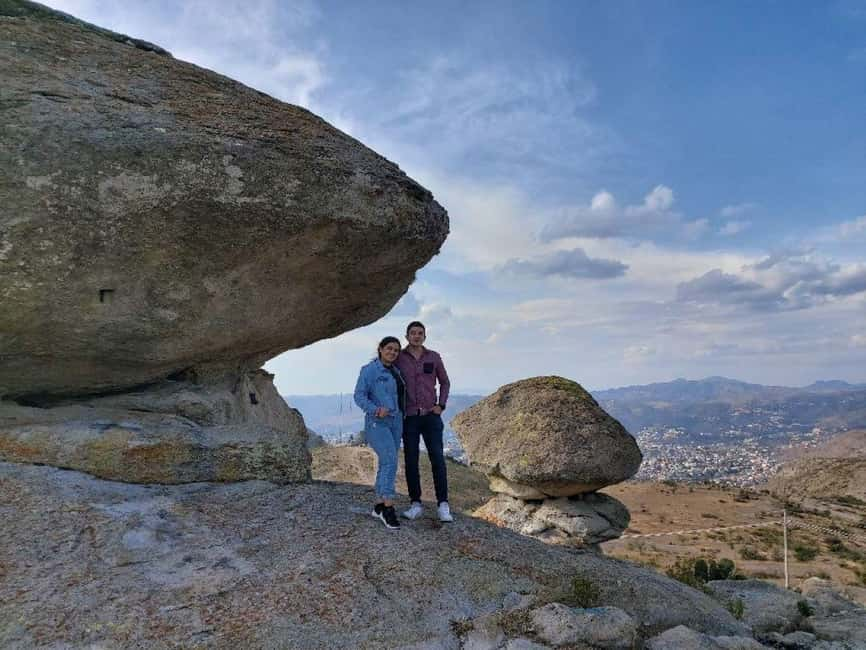
Guanajuato’s modern tunnels are one of the city’s most distinctive features. They carry vehicles beneath the historic streets and provide a practical answer to the city’s steep, crowded layout.
You will pass through these routes by vehicle, getting a different view of Guanajuato than you would on foot. The tunnels are not polished museum spaces. They are working transport routes, and that is precisely why they are interesting. They show how the city adapted its old mining terrain for modern traffic.
The tunnel section also saves time. Walking between all eight locations would make a five-hour schedule difficult, particularly in a city with steep streets. Transportation lets you cover more ground without turning the day into a long march.
The underground street and the city below street level
The underground street gives Guanajuato another layer. Instead of simply seeing a tunnel used by cars, you get a closer look at how daily life and city planning developed below the historic center.
This is a good place to listen for the relationship between the old city and the newer infrastructure. Guanajuato is unusual because the underground network is not just a short passage or a modern parking route. It is part of the city’s identity.
The exact amount of time at each stop can vary. On a private tour, ask your guide to explain what you are seeing rather than rushing from one photo point to the next. If underground spaces make you uneasy, keep in mind that this portion is part of the vehicle route and the tour also includes an actual mine visit, which has a different feel.
More Private History Tours in Mexico
- Private Tour Mexico City – Best Rated
★ 5.0 · 220 reviews - Private Guide Service in the Archaeological Zone of Chichen Itza
★ 5.0 · 151 reviews - Private tour with Archaeologist at National Anthropology Museum
★ 5.0 · 88 reviews - Private Walking Tour Gems of the Historic Center of Mexico City
★ 5.0 · 87 reviews
The Temple of San Cayetano and its gold altarpieces
The Temple of San Cayetano brings the mining story into a church setting. Its Baroque architecture and gold altarpieces reflect the money and devotion connected with Guanajuato’s mineral wealth.
This is one of the most visually detailed stops. Look closely at the layered decoration rather than treating the church as a quick interior photo. The contrast between the ornate gold work and the rougher, industrial mine spaces gives the day a useful balance.
There is one important scheduling point. The church can be closed to tour groups on Sundays, so it should not be treated as guaranteed on that day. If this stop matters to you, confirm the Sunday arrangement before booking or ask whether the route can be adjusted.
Going inside a tourist mine
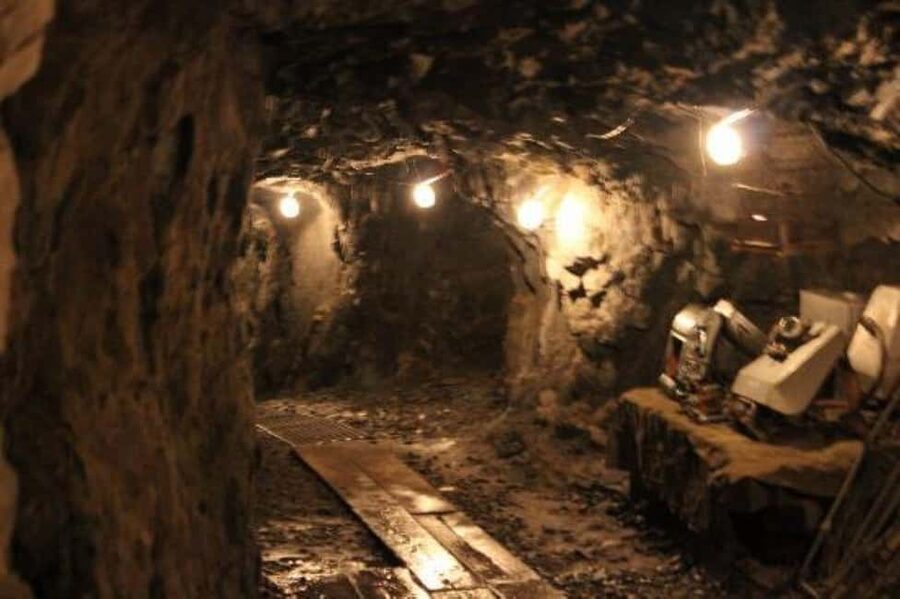
The tourist mine is the stop that best explains why Guanajuato exists in its present form. You enter a former or adapted mining space and learn about the extraction of minerals such as quartz.
The experience is more physical than a museum display. You are looking at the kind of underground environment tied to the city’s economic past, not just reading a timeline on a wall. The local mine guide may provide much of the explanation at this stop.
A practical language note matters here. Museum and site narrators may speak Spanish only, even when your private guide speaks English. If you need full English interpretation, ask your guide to translate or explain the main points afterward.
The mine is also a strong stop for families and older children because it gives the history a setting they can see. It is easier to understand mining when you are standing inside the earth rather than only viewing silver objects in a display case.
The Inquisition Museum: a darker historical stop
The Inquisition Museum shifts the tone. Here you examine trials and punishment connected with the Inquisition period. It is a smaller, darker chapter of the route, but it adds historical range.
Do not expect the same cheerful mood as the viewpoint or the colorful streets. The museum deals with accusation, religious authority, and suffering. Your guide can help place the displays in context, which is useful because objects and labels alone may not explain the wider story clearly.
Admission is not included in the tour price. Since the route includes more than one museum, keep an extra amount available for tickets. The exact total is not stated, so check current prices when you reserve.
Quartz crafts and the link between geology and local work
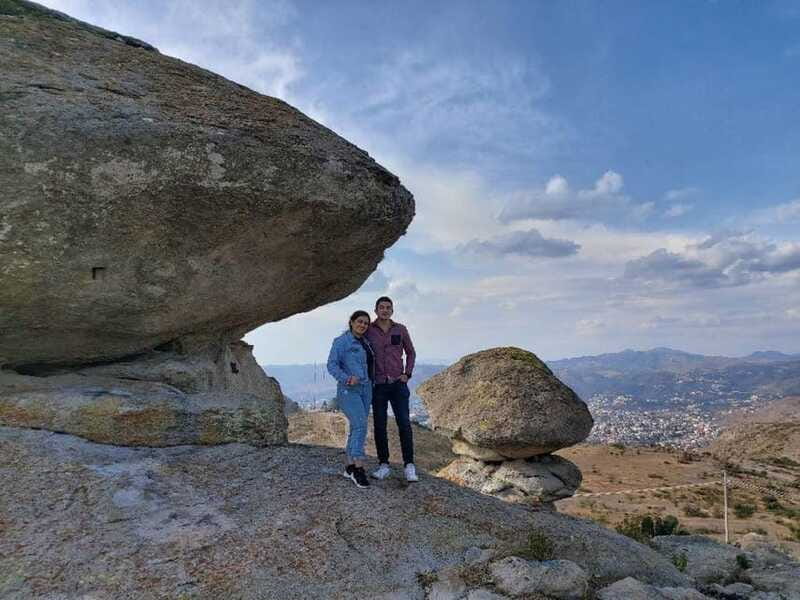
The mineral craft stop connects the mine to present-day shopping and local workmanship. You can see pieces made with extracted minerals, especially quartz, and may have the chance to buy something.
This section works best if you are selective. Mineral souvenirs can be attractive, but you do not need to purchase anything to get value from the stop. Look at the materials and ask where they came from, how they were prepared, and how the work relates to Guanajuato’s mining tradition.
For shoppers, this is more personal than a standard souvenir stop because the material connects directly with the local ground. For everyone else, it provides a pause between museums and a concrete reminder that mining is not only a subject from the past.
Ending at the Mummies Museum
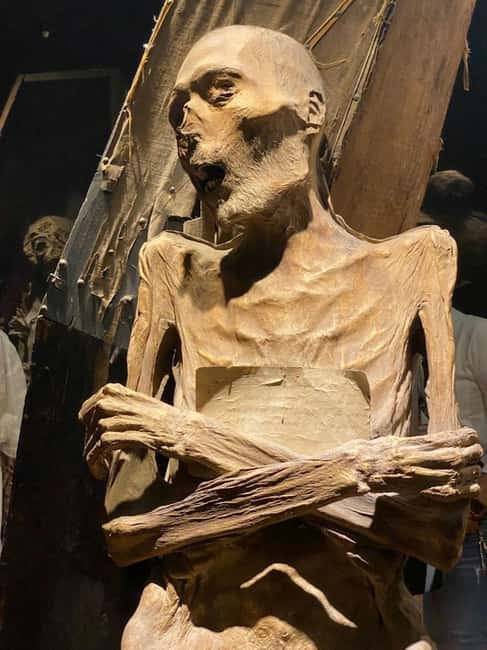
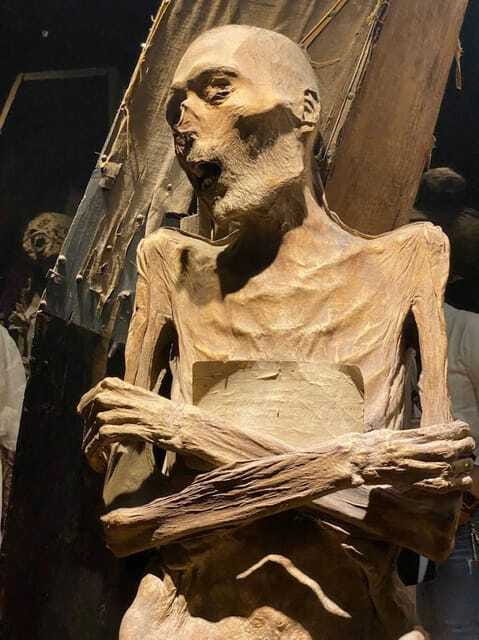
The Mummies Museum is an unusual final stop. Naturally preserved mummies offer a look at Guanajuato’s burial practices and local traditions, and the displays are unlike anything else on this route.
The museum can be startling. It is not a lighthearted attraction, and some displays may be uncomfortable for children or sensitive visitors. If your group includes young people, decide in advance how much detail you want to discuss.
As a closing stop, it leaves you with a strong memory, but it also changes the mood of the day. You move from the bright city view and gold altarpieces to a museum focused on death and preservation. That contrast is part of the experience, though some people may prefer to visit the Mummies Museum separately and end the tour somewhere lighter.
What the private guide adds
The guide is the main reason to choose this format instead of arranging the stops alone. Mario has guided this route with a clear, personal account of Guanajuato’s development, including the silver mines, architecture, painted houses, and unusual city rules. He is also described as punctual, professional, and willing to adapt the day.
Santiago is another named guide associated with the experience. His patient manner is particularly useful for families or for anyone taking the tour in Spanish. The tour is offered in English and Spanish, and guides can explain the sights in a way that links them together rather than presenting disconnected facts.
The private group format gives you a better chance to ask basic questions without feeling rushed. It can also help if you are traveling with children. One family found that the guide spoke clearly enough for children who were anxious about completing the experience in Spanish.
Flexibility can be real, but it is not unlimited. The five-hour schedule still has to cover a lot of ground, museum hours can affect the route, and the church may be unavailable on Sundays. I would tell the guide at the start which two or three stops matter most to you.
Timing, transport, and practical value
The advertised duration is five hours, with the overall description allowing roughly four to five hours. That is enough for a strong overview, not a slow study of every museum. You will cover a lot of ground, and the vehicle keeps the day manageable.
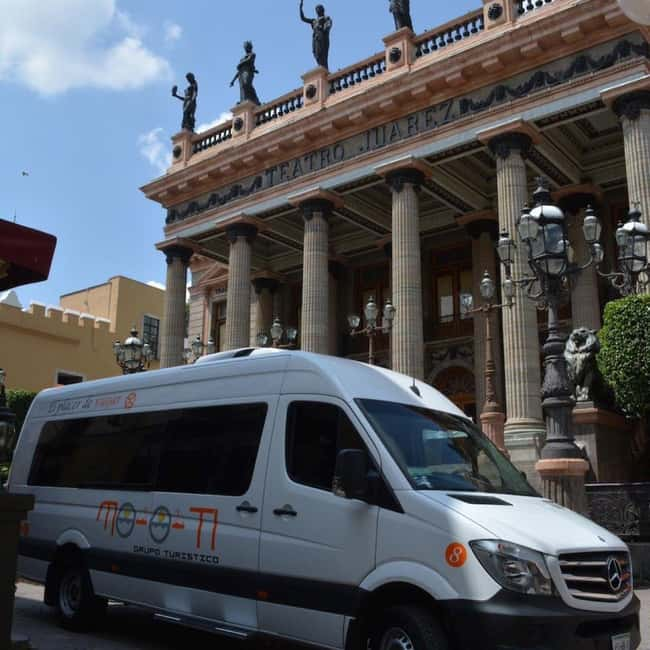
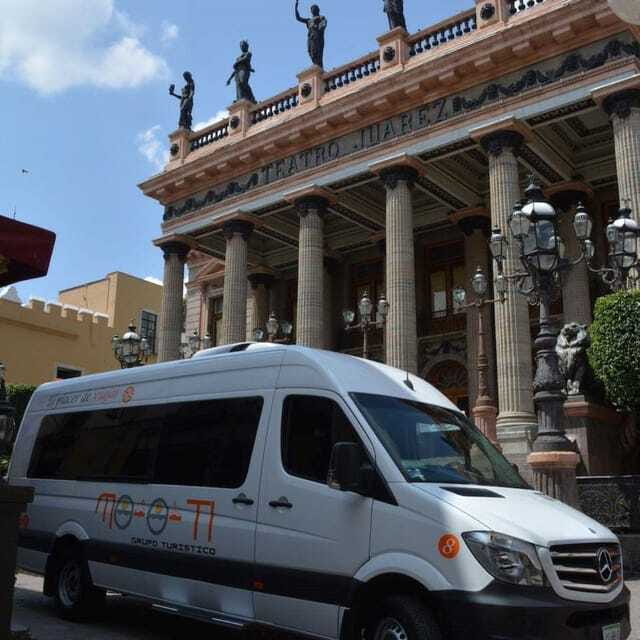
Pickup is available from the Explanada de la Alhondiga in the city center or from a nearby hotel. Transportation is included, along with vehicle traveler insurance. That makes the tour useful if you do not want to work out the city’s tunnels, steep routes, and separate museum locations yourself.
Museum admission is the key extra cost. The price does not include entry fees, and some in-museum narrators may ask for tips because they are not paid through the admission charge. Carry some cash if you want to use those services, but do not confuse a requested tip with an included part of the tour.
You can cancel up to 24 hours ahead for a full refund, and the reserve-now, pay-later option keeps your plans flexible. Starting times depend on availability, so check the schedule before building the rest of your day around it.
Who should book this Guanajuato tour
I would recommend it most strongly to a first-time visitor with half a day available. It is also a good fit for families, couples, and small groups who want private transport and a guide who can adjust explanations.
It suits you if you want:
- A broad introduction to Guanajuato in one morning or afternoon
- A mix of history, architecture, mining, museums, and views
- English or Spanish guiding
- A private vehicle for up to four people
- Help making sense of the city’s tunnels and steep layout
I would think twice if you want long, unhurried museum visits. Eight stops in five hours means the schedule is active. You should also consider a different plan if your group dislikes underground spaces, mines, or the graphic subject matter of the Mummies Museum.
Should you book it?
Book this tour if you want Guanajuato’s major cultural pieces joined into one practical route. The strongest points are the private format, the mine and tunnel access, the city view from the Pipila Monument, and guides such as Mario who can explain how mining shaped the city.
Before paying, confirm which stops operate on your chosen day, especially the Temple of San Cayetano on Sunday. Add museum admissions to the budget, and ask how Spanish-only narrators will be handled if you need English at every stop.
For four people, $116 is a fair price for five hours of transport and private guiding. For one person, the value depends on how much you care about personal attention and avoiding the work of arranging the route yourself. If that sounds useful, this is a smart way to get your bearings and see far more than Guanajuato’s central plazas.
FAQ
How long does the Guanajuato private tour last?
The experience lasts about five hours, with the tour description allowing roughly four to five hours depending on the schedule.
How many people can join one booking?
The price covers a private group of up to four people.
What languages are available?
The live guide is available in English and Spanish.
Where can pickup take place?
Pickup is available at Explanada de la Alhondiga in Zona Centro, Guanajuato, or at a nearby hotel.
Is transportation included?
Yes. Transportation and vehicle traveler insurance are included.
Are museum entry fees included?
No. Admission fees for the museums are not included in the tour price.
Will the Temple of San Cayetano always be open?
No. The church may be closed to tour groups on Sundays, so confirm its availability if this stop is important to you.
Can I cancel for a refund?
Yes. You can cancel up to 24 hours in advance for a full refund.
Can I reserve now and pay later?
Yes. The reserve-now, pay-later option lets you hold a place without paying at the time of booking.
More Day Tours in Mexico
- Normandy D-Day Sites & Cemetery Day Trip from Paris with Lunch
★ 5.0 · 6,877 reviews - Kyoto: Fushimi Inari, Kinkakuji, Bamboo Grove 1 Day Bus Tour
★ 4.8 · 4,316 reviews - From Bangkok: Ayutthaya Historical Park Guided Day Trip
★ 4.6 · 3,020 reviews - Normandy D-Day Small-Group Day Trip with Omaha Beach, Cemetery & Cider Tasting
★ 5.0 · 2,786 reviews
Just added around Mexico
- Private Half Day Cultural Tour to Mayan Ruins and Cenote★ 4.5 · 31 reviews
- Ancient Chacchoben Mayan Ruins & Mayan Experience from Costa Maya★ 5.0 · 96 reviews
- Colima Volcano Cultural Tour: Coffee Plantation, Hacienda and Comala Magic Town★ 5.0 · 30 reviews
- Private Tour in Chichen Itza Official History Guide★ 5.0 · 36 reviews
- 5 Days Mayan Heritage History Tour★ 4.5 · 31 reviews
- Archaeological Tour in Tulum and Coba with Kuxtal Cenote★ 4.0 · 114 reviews
- Calakmul Ancient Maya City Tour – From Campeche★ 4.5 · 24 reviews
- Calakmul Ancient Maya City Tour From Xpujil★ 4.5 · 38 reviews
Mexico History Tours, compared.


Tulum Archaeological Site & Sian Ka’an Muyil Tour from Tulum
Read our review →
Mexico City Historical Centre Food Tour with 7 Authentic Tastings
Read our review →
Historical and Cultural Walking Tour of San Miguel de Allende
Read our review →