
Review · FLORENCE
Guided Medici Tour Florence: Discover Mysteries & History
The best thing about this tour is its clear story: money, politics, art, and family rivalry all meet on Florence’s streets. You follow the Medici from palaces and squares to the Medici Chapel, where Commesso Fiorentino mosaics turn family power into polished stone. I like the 90-minute length, which gives you a useful introduction without burying you in names. I also like the guides’ practical style. Julia, Eduardo, Chiara, Rosa, and others are praised for making complicated Medici politics easy to follow.
The main thing to watch is the chapel arrangement. Admission is included only with the option selected, and one guest was directed to visit the chapel after the walking portion rather than during it. If the chapel matters most to you, confirm how the visit fits into your booking and schedule.
Key points at a glance
- The Medici Chapel gives the tour a powerful finish: See Commesso Fiorentino, the Florentine mosaic technique associated with lavish Medici decoration, if chapel admission is included in your option.
- The family story is tied to real places: Palaces, churches, squares, and streets help explain how the Medici shaped Florence.
- Guides make difficult politics manageable: Julia, Eduardo, Chiara, Rosa, and other guides are praised for clear explanations and lively storytelling.
- Ninety minutes is a useful time frame: You get a focused introduction rather than an exhausting all-day lecture.
- You can choose your language and group style: Tours are offered in English, French, German, Portuguese, Russian, Italian, and Spanish, with private groups available.
- It works well early in your stay: The tour gives you names, family links, and artistic context that can make later museum visits easier.
Following the Medici through Florence
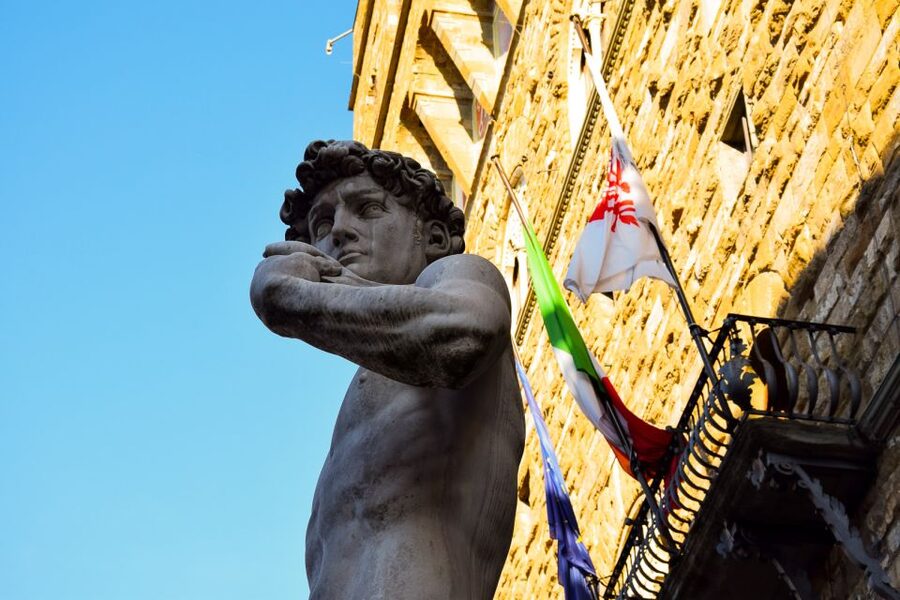
The Medici story can feel like a long family tree with too many similar names. This tour gives it a physical shape. Instead of trying to understand the dynasty from a museum label, you walk through the city where its decisions were made, displayed, and sometimes challenged.
Your guide connects the family to art, church power, politics, and competition. The rivalry with the Strozzi and Pazzi families adds drama, but the useful part is seeing how those rivalries fit into Florence’s wider development. Money did not sit quietly in a bank. It paid for buildings, paintings, chapels, political influence, and public prestige.
That approach suits me because Florence is compact but visually dense. You can pass a palace or church without noticing why it matters. A good guide slows down the right moment, points out a detail, and explains the people behind it. Several guides use visual aids such as Medici family trees, portraits, and family crests, which can help you keep track of a complicated cast.
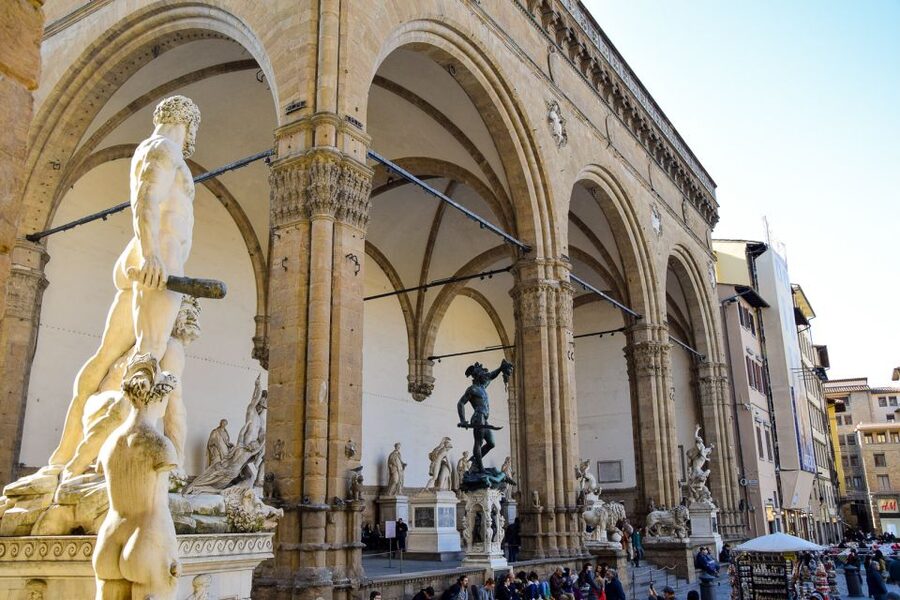
You should expect a walking tour rather than a museum lecture. The guide leads you through historic streets, squares, palaces, and landmarks linked to Medici power. The exact balance can vary by guide, language, group, and timing, but the point is consistent: the city itself becomes the evidence.
More Guided Tours in Italy:
- Pompeii: Entry Ticket and Guided Tour with an Archaeologist
★ 4.8 · 19,459 reviews - Rome: Colosseum with Arena, Roman Forum and Palatine Guided Tour
★ 4.0 · 5,598 reviews - Venice: St. Mark’s Basilica Guided Tour & VR History Intro
★ 3.9 · 4,880 reviews
Why the 90-minute format works
I like the discipline of a 90-minute tour. Florence offers enough art and history to fill several days, but that does not mean every introduction needs to last half a day. This experience gives you a compact framework, then leaves you free to explore on your own.
A shorter format also helps families and anyone who tires during long walking tours. One parent found the children stayed engaged because the guide kept the Medici stories moving. Another guest said the length gave the right amount of information without overload.
You will still cover a lot. Guides may connect the Medici to major Florence landmarks, the church, artists, and nearby places of interest. One guide even helped guests understand local Florentine cuisine and offered restaurant suggestions. Treat those recommendations as an extra benefit, not the main purpose of the tour.
The trade-off is simple: you get breadth more than extended interior visits. The tour cannot give every palace, church, or work of art the time it deserves. If you want detailed art analysis inside several museums, book a specialist museum tour instead. If you want a strong first orientation, 90 minutes is a sensible choice.
The Medici Chapel and Commesso Fiorentino
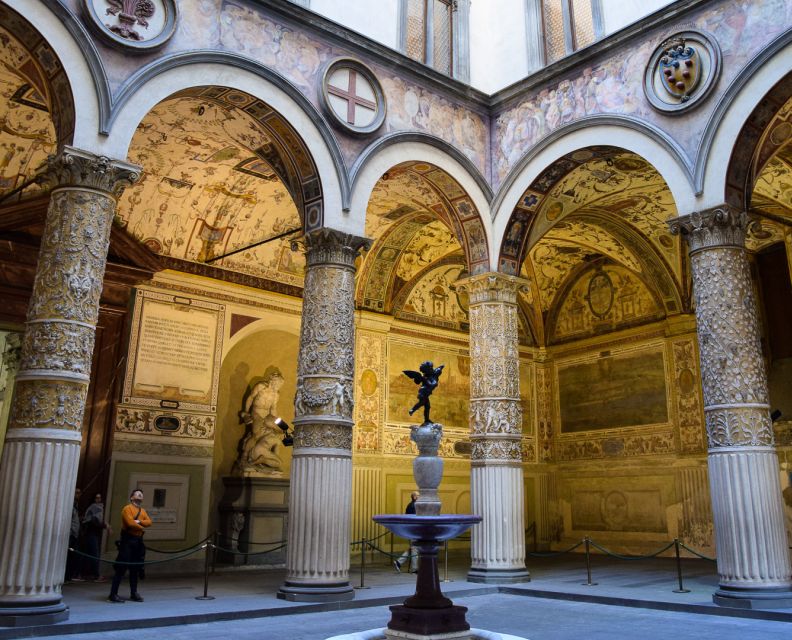
The chapel is the clearest visual expression of Medici wealth on this experience. Its Commesso Fiorentino mosaics are made from carefully fitted pieces of colored stone. Rather than simply painting decoration onto a wall, artisans created elaborate images and patterns from hard materials, producing a surface that feels both artistic and architectural.
That detail matters because it shows how the Medici used art to make status permanent. Their influence was not limited to political decisions. It appeared in churches, family monuments, decoration, and the public image of Florence.
If you select the option with admission, check the practical details before you arrive. The supplied information says chapel admission is included only when that option is chosen. Also, the walking route and chapel visit may not always happen in the exact order you expect. On one occasion, a participant was asked to visit the chapel afterward, which caused a problem because of a departing flight.
My advice is simple: leave a little time after the tour if the chapel is essential to your plans. If you have a tight train or flight schedule, ask at the meeting point when and how the admission will be used. This is not a reason to reject the tour, but it is a reason to read the option carefully.
The chapel can also work as a bridge to later sightseeing. Once you understand the family’s wish to link power, faith, and artistic patronage, other Medici sites make more sense. You start to see Florence not as a pile of famous buildings, but as a city shaped by a small number of ambitious families.
Palaces, churches, and the Medici city
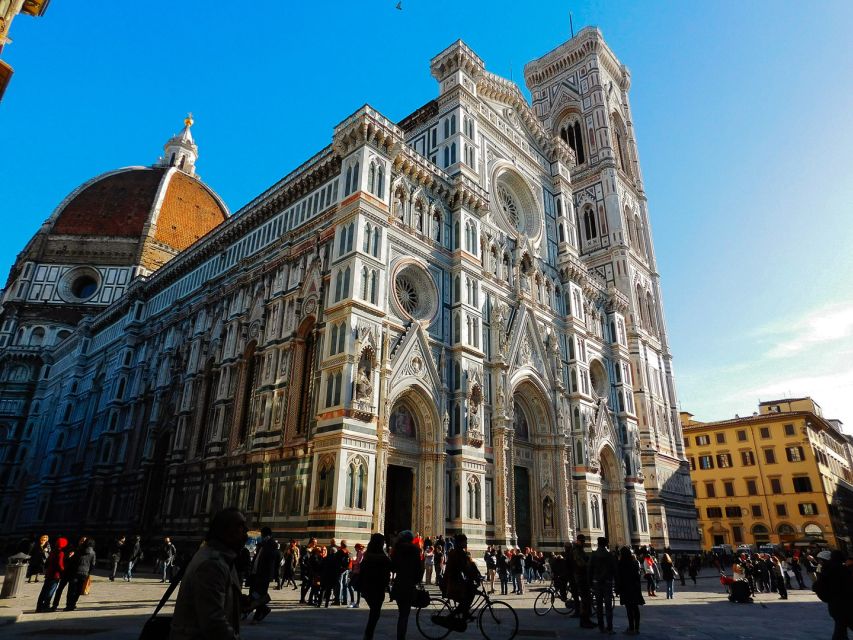
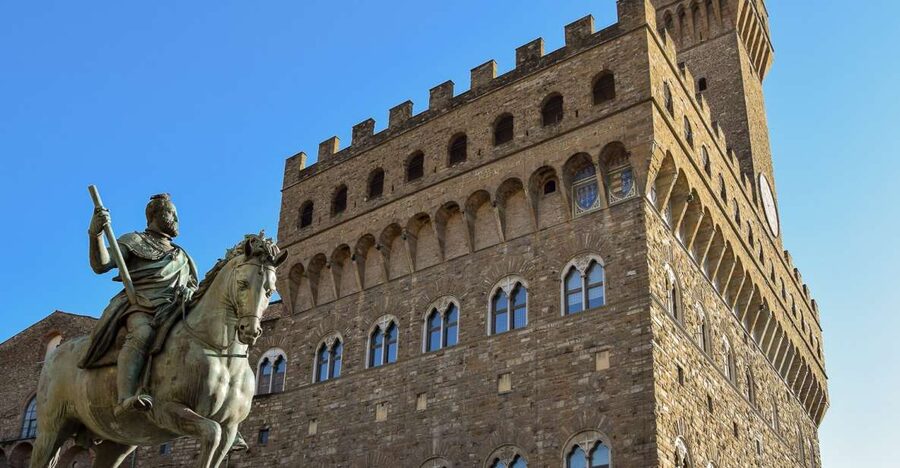
The outdoor part of the tour explains what the Medici changed and how they presented themselves. Your guide points out palaces and churches tied to the family, then places them within the streets of central Florence.
You hear about the Medici connection to artists and the church. That connection is important because Renaissance Florence was not divided into neat categories. Art supported religion, religion supported political legitimacy, and political power funded more art. A guide who can connect those parts gives you more than a list of names.
The tour also helps you notice small details that you might otherwise miss. Guides have pointed out family crests, architectural clues, and links between nearby buildings. This is where the experience earns its place at the start of a Florence visit. You learn what to look for before entering major museums or walking the same streets alone.
Do not expect every stop to receive equal time. The tour’s purpose is to build a story across several locations. You may pause outside a landmark for an explanation, then continue to the next place. That is useful for orientation, but less satisfying if you want long periods to admire one building.
The route is also a city walk, so comfortable shoes matter. The information says the tour is wheelchair accessible, but you should still communicate any needs when booking, since the experience covers historic streets and several sites.
More History Tours in Italy:
- Colosseum: Underground and Ancient Rome Tour
★ 4.7 · 12,691 reviews - Pompeii: Small Group Tour with an Archaeologist
★ 4.8 · 12,264 reviews - Pompeii Small Group Tour with an Archaeologist
★ 5.0 · 6,593 reviews - Colosseum with Arena, Roman Forum and Palatine Hill Guided Tour
★ 4.5 · 3,526 reviews
Rival families and the drama behind the buildings
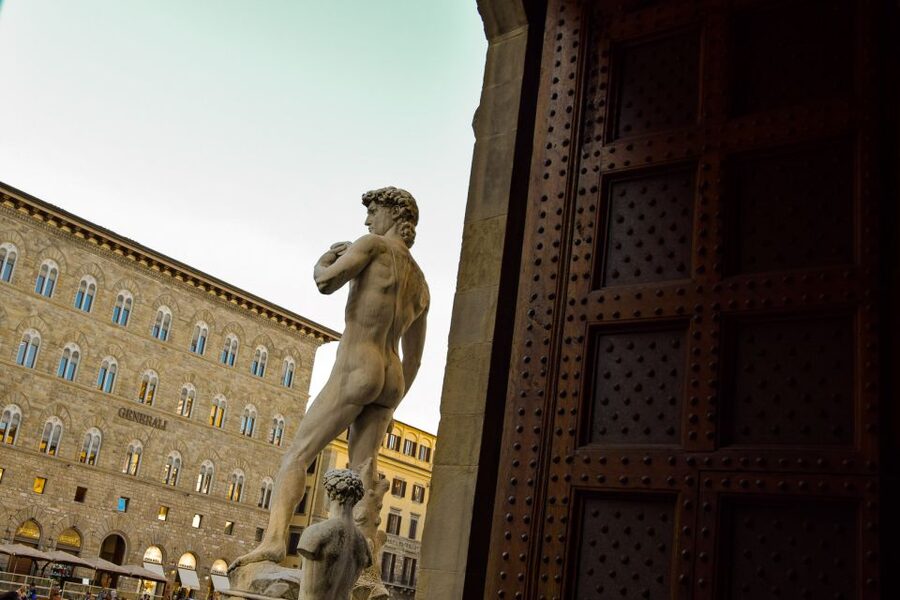
The Medici story is more interesting when you hear about opposition. The tour brings in the Strozzi and Pazzi families, showing that Florence was shaped by rivalry as well as patronage.
This keeps the experience from becoming a simple celebration of one dynasty. The Medici were influential, but their rise involved ambition, alliances, competition, and resistance. Your guide explains how wealth and family connections affected public life, rather than presenting the Renaissance as a calm parade of masterpieces.
A strong guide can make this material feel like a human story. Julia is repeatedly praised for turning difficult history into something understandable and entertaining. Eduardo is described as warm and easy to follow, while Chiara is praised for answering questions and adding context about other places in Florence. These details matter because the quality of a walking tour depends heavily on the person leading it.
The guide can also adjust the emphasis. If you ask about the church, artists, architecture, or other nearby sights, there is room for questions. The best use of your time is to ask about anything you plan to visit later. A short explanation in the street can save you from staring at a museum label with no idea why the object matters.
What the guides add to the experience
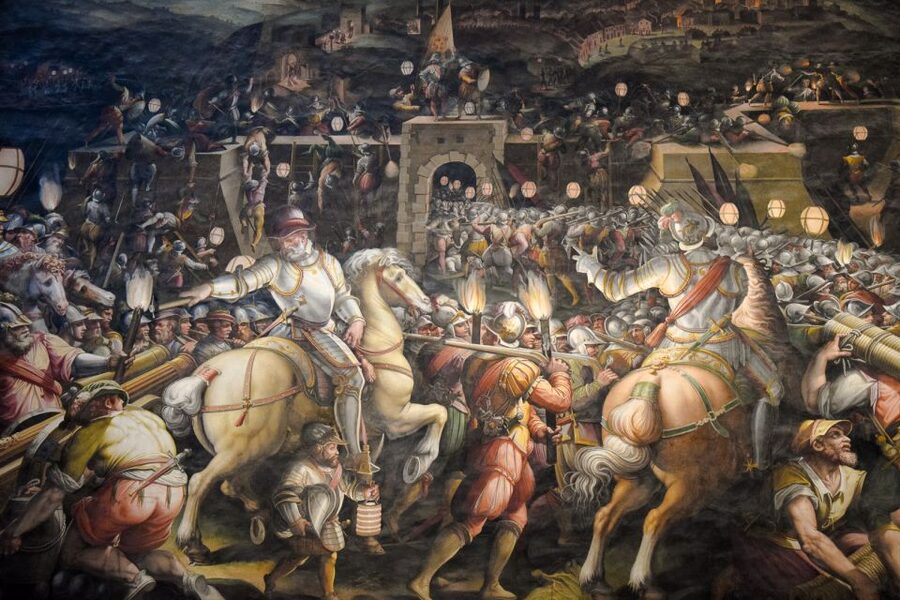
The guide is the real variable here. The tour is offered in English, French, German, Portuguese, Russian, Italian, and Spanish, and named guides praised for their delivery include Julia, Eduardo, Chiara, Rosa, Emanuela, Rachel, Silvia, Luigi, Vera, and Otto.
That is a long list, but it makes one point clear: your experience may differ by guide. The strongest pattern is not one particular personality. It is clear explanation, warmth, and enthusiasm for Florence.
Some guides bring portraits and family trees. Others add restaurant advice or suggestions for later sightseeing. Some groups are very small, including occasions with only one couple or one guest and a guide. A small group can make it easier to ask questions and hear every explanation, though you should not assume every departure will be private.
Private groups are available if you want more control over the pace and questions. The standard group option is likely the better value for most people, especially if you mainly want an introduction. A private booking makes more sense for families, people with a specific interest in Medici art, or anyone who wants a more personal pace.
The guide’s language ability is also worth considering. If you are comfortable touring in Italian, French, or another listed language, booking in that language can add a nice layer to the experience. Availability depends on the departure you choose, so check the language before paying.
Is $57 a fair price?
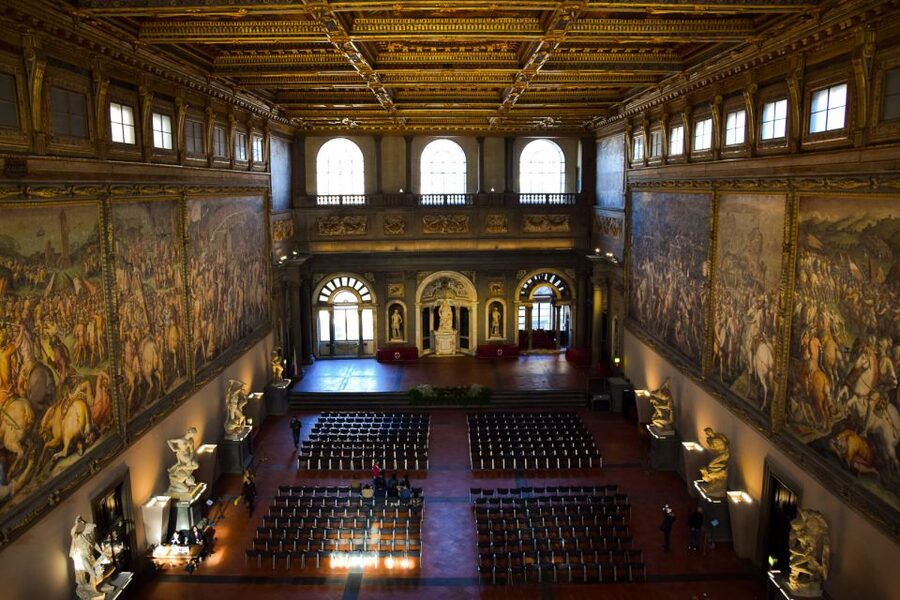
At $57 per person, this is not the cheapest way to walk around Florence. You are paying for a live guide, a focused historical route, and chapel admission if you select the relevant option. The value is strongest when you want context rather than simply a map of Medici-related addresses.
Think of it as a compact orientation session with a major monument attached. If you later visit museums, churches, or Medici buildings on your own, the explanations can help you understand what you are seeing. That makes the price easier to justify for a first visit.
The value drops if you already know the Medici story well or plan to spend most of your time inside museums with specialist guides. It also drops if your main aim is a guaranteed long visit inside the chapel. Confirm the admission arrangement before booking.
For many people, the price is reasonable because the tour saves research time. You do not need to build a family tree, identify every palace, or work out how the Medici connected art and politics before arriving. You pay for the story to be organized and delivered in the street.
Who should book this Florence walk?
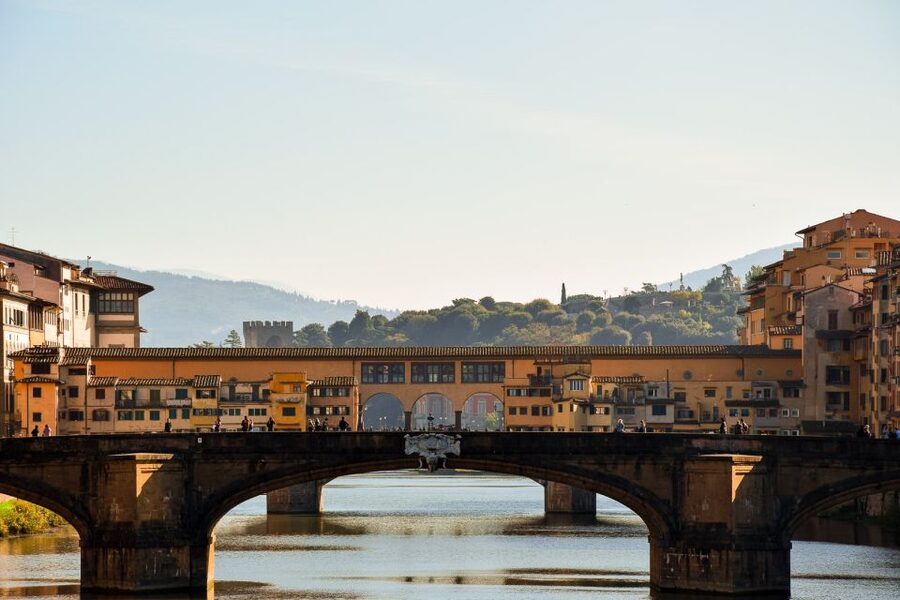
I would choose this tour early in a Florence stay. It gives you a map of ideas, not just a map of streets. Afterward, you can return to the places that caught your attention and visit them with better context.
It suits:
- First-time visitors who want an introduction to Florence
- Families whose children need a moving, story-led tour
- Museum lovers who want background before seeing Renaissance works
- History fans interested in power, rivalry, and dynastic politics
- Visitors with only a short block of free time
- People who prefer a guide to explain details that are easy to miss
It may not suit you if you want a quiet, slow art study or a full tour of every Medici interior. The format is active and broad. You walk, listen, ask questions, and keep moving.
Monday can be a particularly useful day for this kind of activity, since some museums may be closed. The tour still gives you a substantial historical experience outdoors, though you should not assume every museum or chapel arrangement will be the same on every date.
Free cancellation up to 24 hours before the start and the reserve-now, pay-later option make it easier to fit into a changing itinerary. The experience is listed as wheelchair accessible, and private groups are available. Starting times vary, so check the schedule rather than building your day around a fixed hour.
Should you book it?
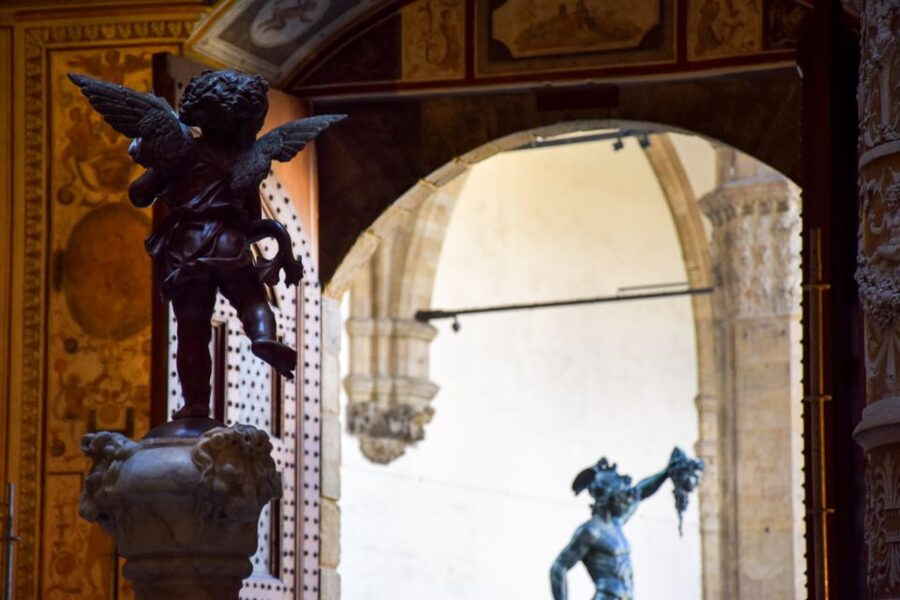
Book it if you want Florence to make sense before you tackle its museums. The combination of Medici politics, Renaissance art, church connections, family rivalry, and a chapel visit gives you a useful first layer without taking over your day.
I would especially recommend it for first-time visitors, families, and anyone who finds Renaissance history confusing at first. Choose the chapel admission option carefully, leave time afterward, and ask questions about places you plan to visit next.
Skip it if you already have a detailed Medici itinerary and prefer long, specialist explanations at individual sites. For everyone else, this is a practical 90-minute way to connect Florence’s buildings with the people who paid for them, fought over them, and used them to shape the city.
FAQ
Where does the tour meet?
The meeting point is the My Green Tour Head Office, opposite the Eataly restaurant.
How long does the Medici tour last?
The tour lasts 90 minutes. Starting times vary, so check availability for the date you want.
What is the price?
The listed price is $57 per person. Medici Chapel admission applies when you select the option that includes it.
Is admission to the Medici Chapel included?
It is included only with the option selected for chapel admission. Check your booking choice carefully, and ask how the chapel visit fits into the walking tour schedule.
Which languages are available?
Live guiding is available in English, French, German, Portuguese, Russian, Italian, and Spanish.
Is the tour wheelchair accessible?
Yes, the activity is listed as wheelchair accessible.
Can I book a private group?
Yes. A private group option is available.
Can I cancel for a full refund?
You can cancel up to 24 hours in advance for a full refund. The reserve-now, pay-later option also lets you book without paying immediately.
Just added around Italy
- Guided Cultural Tour of the Godfather Film in Messina★ 5.0 · 31 reviews
- Guided tour of the Riace Bronzes and the Archaeological Museum of Reggio Calabria★ 5.0 · 44 reviews
- SU NURAXI BARUMINI Unesco World Heritage Site★ 5.0 · 129 reviews
- Brescia the Unexpected: History, Local Stories & a drink★ 5.0 · 31 reviews
- Bolognese Cooking Class with Margherita in the Historic Center★ 5.0 · 26 reviews
- Tower and Power, Virtual tour in Medieval Bologna★ 4.5 · 54 reviews
- Bologna historical art walking tour with hidden gems and tastings★ 5.0 · 108 reviews
- Private or semi-private tour of the historic center of Bologna★ 5.0 · 34 reviews
Florence History Tours, compared.
Siena, San Gimignano and Chianti Wines Day Tour from Florence
Read our review →
Florence Walking Tour with Accademia, Uffizi & Lunch
Read our review →
Tipsy Tour: Guided Bar Crawl In Florence with Dark History
Read our review →
Renaissance & Medieval Florence Guided Walking Tour plus mobile App
Read our review →
Florence to Fiesole golf cart tour:History & Panoramic views
Read our review →
Florence: Fashion History Guided Walking Tour & Museum Visit
Read our review →
Florence Wine &Food: Taste Tuscan Flavors in Historic Cellar
Read our review →Browse the lists this tour appears in