
Review · GERMANY
Hamburg: Speicherstadt Historical Guided Walking Tour
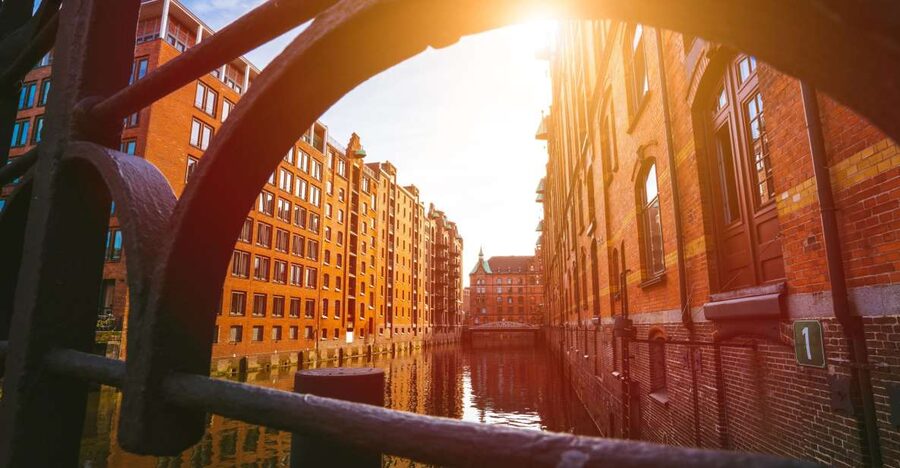
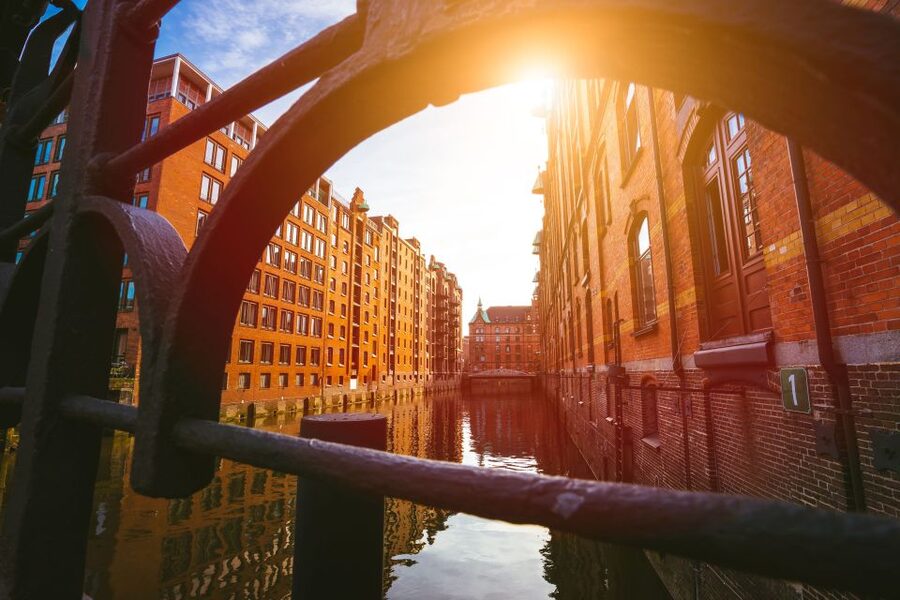
Hamburg’s Speicherstadt is more than a handsome row of red-brick warehouses. It is the place where duty-free coffee, carpets, and other imported goods helped Hamburg build its trading power. This two-hour walk brings that story to life through courtyards, quiet corners, and close views of the district’s unusual architecture.
I like the focus on economic history, which gives the buildings a purpose beyond their good looks. I also like the chance to walk away from the obvious streets and hear small details from a local historian. The main drawback is practical: the tour is in German, covers 2 to 3 miles, runs rain or shine, and ends somewhere different from where it starts.
Key points
- Coffee and carpet trade: Learn how duty-free goods helped shape Hamburg’s warehouse district and local economy.
- UNESCO-listed architecture: See Speicherstadt’s striking warehouse blocks, courtyards, alcoves, and quiet corners on foot.
- German-speaking historian: Guides such as Paul and Jana have led engaging walks, though the assigned guide can vary.
- Small-group feel: A recent walk with Paul included extra explanations because the group was small.
- Two hours and 2 to 3 miles: Plan for a steady outdoor walk, not a short photo stop.
- Rain-or-shine format: Comfortable shoes, water, and weather-ready clothing are essential.
Why Speicherstadt deserves a walking tour
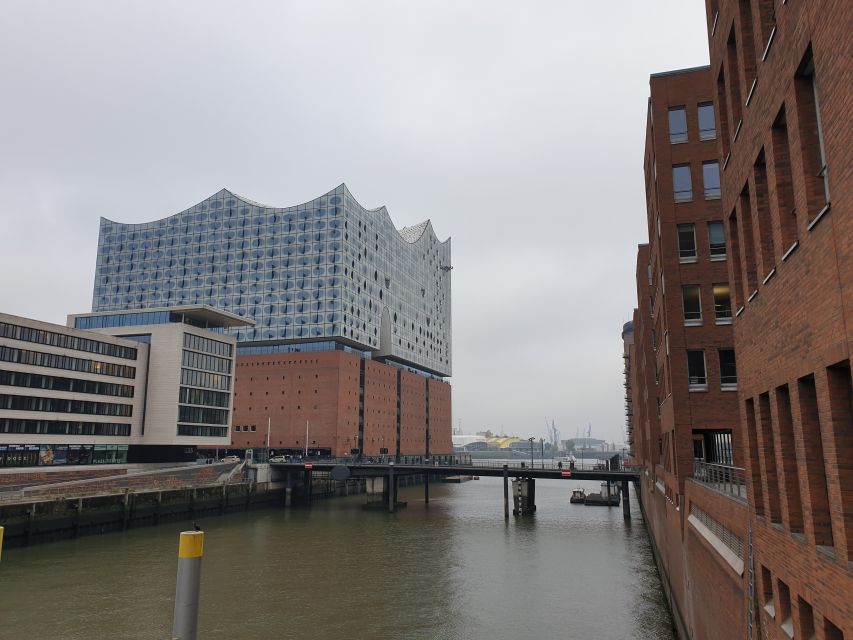
You can look at Speicherstadt and see handsome brick buildings. A guide helps you see the business machine behind them.
This district was created as a warehouse center for Hamburg’s trade. Its purpose was not simply to store goods. It supported a system in which imported products such as coffee and carpets could be handled and sold without the same duty burden found elsewhere. That arrangement helped Hamburg compete in international commerce and affected the lives of local people.
That economic link is the heart of this experience. You are not just hearing architectural facts. You are learning why the district formed, what moved through it, and how trade shaped Hamburg’s place in the wider world.
I find that useful because Speicherstadt can otherwise feel like a scenic backdrop. The tour gives each building a job and each quiet passage a reason to matter.
More History Walking Tours in Germany
- Berlin: Third Reich & Cold War Guided Walking Tour
★ 4.9 · 8,378 reviews - Munich: Third Reich & WWII Walking Tour
★ 4.6 · 6,181 reviews - Berlin’s Best: 2 Hour Walking Tour Third Reich and the Cold War
★ 5.0 · 5,486 reviews
Starting among the warehouse facades

The walk begins in the Speicherstadt district, though the exact meeting point and start time depend on the date you select. From there, expect to move through the warehouse area with several pauses for explanation.
The architecture is the first thing that catches your eye. The district’s large warehouse structures create a strong visual rhythm, with brick facades and narrow spaces that make the area feel distinct from ordinary city streets. You will see the buildings from close range rather than simply viewing them from a passing bus or a quick waterfront stroll.
A guide can point out how the design supported storage and trade. The supplied details do not specify every architectural feature or named stop, so you should not expect a fixed list of landmarks in a particular order. The value comes from following the guide through the district and learning how its spaces worked together.
Bring comfortable shoes from the start. The walk lasts two hours and covers roughly 2 to 3 miles, with time spent both walking and standing. This is a manageable distance for many people, but it is not a gentle ten-minute introduction.
Following coffee, carpets, and Hamburg’s trade
The strongest part of the tour is the link between ordinary goods and global economics. Coffee and carpets may sound like simple examples, yet they show how far Hamburg’s commercial reach extended.
You will learn how exotic goods were traded and sold in the warehouse district, including coffee that could pass through Hamburg duty-free. That detail helps explain why the warehouses mattered. They were tied to a larger system of merchants, cargo, taxes, storage, and sales.
The guide also explains how the formation of Speicherstadt affected Hamburg’s locals. This is an important angle. Trade can sound grand and distant when presented only through shipping figures or merchant names. Connecting it to residents gives the story a more human scale.
Expect the guide to pause at several points and explain what happened there. One recent walk with Jana included stops where the group was shown and told about different parts of the district. With Paul, a small group allowed room for extra information beyond the basic route.
The exact anecdotes will depend on the guide. Paul has been praised for his enthusiasm, humor, and broad explanations. Jana has also led a tour described as informative and well structured. Those names give you a sense of the style you might encounter, but they do not guarantee your assigned guide.
Finding the quieter corners of Speicherstadt
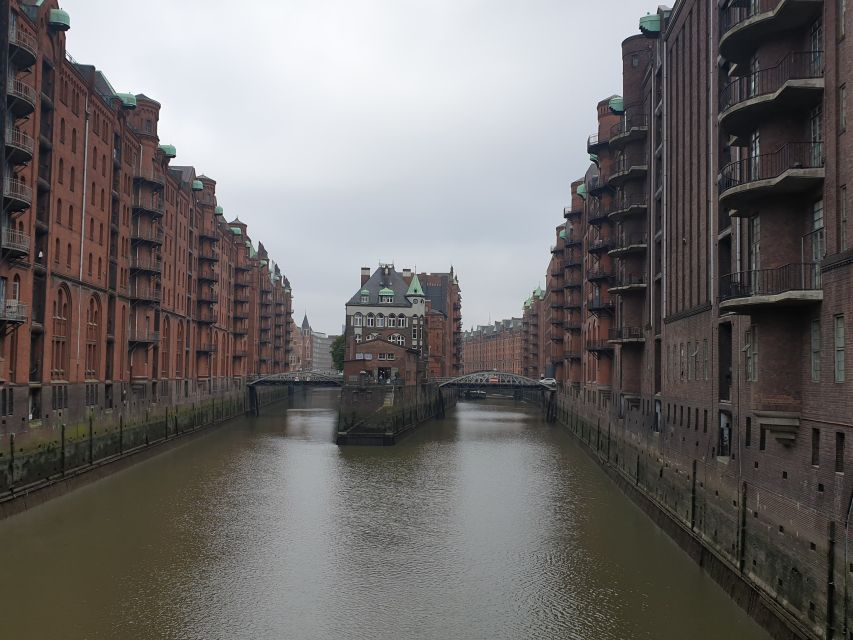
The experience is not limited to the main views. One of its pleasures is moving into hidden courtyards and quiet corners that are easy to miss when you explore alone.
These spaces help you understand the district’s scale. From a distance, Speicherstadt can look like one long block of warehouses. Inside and between the buildings, the layout becomes more layered. The guide uses these less obvious spots to explain how the district was formed and how its spaces supported commerce.
Do not expect every corner to be a dramatic sight. Some stops will likely be more valuable for the story than for photography. That is a fair trade. A guided walk works best when you want context, not just a sequence of postcard views.
The quiet areas also provide a change from the larger streets. One of the appealing features of this route is that it does not treat Speicherstadt as a quick march from one famous facade to another. You get time to notice the less polished, more functional character of the warehouse district.
Same city, a different century:
- Leipzig: City History Canal Sightseeing Tour on a Motorboat
★ 4.7 · 7,671 reviews - Third Reich Berlin: Hitler and WWII Walking Tour
★ 5.0 · 3,301 reviews - Leipzig: 1.5-Hour Historical Walking Tour in German
★ 4.7 · 2,217 reviews - Nuremberg: Medieval Dungeons Guided Tour
★ 4.8 · 2,214 reviews
What the historian adds
The guide is the main reason to book this rather than walk through Speicherstadt with a map. A brochure is included, but the real benefit is the live explanation in German.
A good historian can connect the district’s formation, architecture, trade rules, and local economic effects without making each fact feel separate. The tour information promises unique historical facts, insights, and anecdotes, and the recent guide feedback points to an enthusiastic style.
Paul, in particular, has been described as eager to share information with humor. One small but memorable detail from his route was a planned stop at a public toilet. That may sound odd, but it shows an awareness of the practical needs of a walking group. Two hours on foot are easier when the guide thinks about comfort as well as content.
Still, you should book with the right expectation. This is a German-language tour. If you do not understand German well enough to follow a spoken history talk outdoors, the experience will lose much of its value. There is no English option listed.
Because the tour uses a live guide, the tone may vary. You could get a highly animated presentation, a more formal historical explanation, or something in between. The common thread is the subject: Speicherstadt’s creation, architecture, trade, and economic effect.
Reading the district as a working place

The best way to approach the walk is to imagine Speicherstadt as a place of work rather than a scenic attraction.
The warehouses were tied to the movement of goods. Coffee and carpets were not decorative ideas. They were products that passed through a commercial system and helped shape Hamburg’s economy. As you walk, pay attention to the scale of the buildings and the way the guide describes their purpose.
This perspective also explains why the district’s preservation matters. The UNESCO World Heritage designation recognizes an important part of Hamburg’s built and commercial past. You will see attractive architecture, but the deeper point is that the architecture records a way of organizing trade.
I like tours that leave you better able to read a city. After this walk, you should understand why Speicherstadt was built, why imported goods mattered, and why Hamburg’s growth cannot be separated from international commerce.
The tour does not promise entry into every building. Its focus is an outdoor walking route through the district, with explanations at various points. If your priority is indoor exhibitions or a long look at individual museum collections, this is not that kind of outing.
Two hours on foot, rain or shine
The schedule is compact but active. Two hours gives the guide enough time to tell a connected story without turning the tour into a full-day commitment.
You should allow for steady walking over approximately 2 to 3 miles. Wear shoes that you can trust on city streets, and bring water. Weather-appropriate clothing matters because the tour operates rain or shine.
Hamburg’s weather can change your comfort quickly, so a light waterproof layer may be more useful than dressing only for the forecast at departure. The tour data specifically advises comfortable shoes, suitable clothing, and water. Follow that advice rather than treating this as a polished indoor lecture.
The tour does not finish at its starting point. This matters if you have a restaurant booking, another timed activity, or a train to catch. Since the endpoint is different, leave room in your schedule to orient yourself afterward.
No transportation is included. That is not a serious weakness for this experience because the route itself is the activity, but you are responsible for getting to the start and continuing on after the finish. Food and drinks are also not included.
Pets are not allowed.
Is $29 a fair price?
At $29 per person, I see this as a reasonable price if you want interpretation rather than a self-guided stroll. The fee pays for a two-hour walk with a local historian, plus a tour brochure, and the subject has enough depth to fill the time.
The value depends heavily on your language ability and interest. If you already know Hamburg’s trade history and mainly want photographs, you could explore the district independently at less cost. If you want to understand why Speicherstadt was built and how coffee, carpets, and duty-free trade affected the city, the guide adds something you would have to research on your own.
The strongest value comes from the combination of place and explanation. You are standing inside a UNESCO-listed district while learning how its warehouses fit into global commerce. That is more useful than hearing a generic city overview.
The price also compares well with the limited time commitment. Two hours is long enough to cover the main story, yet short enough to fit into a day of sightseeing. Just remember that the tour is not private, and the exact guide and group size can vary.
Who should book this walk?
I would recommend it most strongly to German-speaking visitors who enjoy urban history, architecture, and trade. It also suits people who prefer a local guide to a headset or a printed route.
You are a good match if you want:
- A focused look at Hamburg’s Speicherstadt
- Historical context for the district’s warehouses and trade
- A walking route with courtyards and less obvious corners
- A small-group atmosphere when available
- A two-hour activity that fits into a wider Hamburg itinerary
You may want to skip it if you need an English-language tour, have difficulty walking 2 to 3 miles, or prefer indoor sightseeing. The experience is not suitable for people with mobility impairments, and there is no promise of a route adapted to limited mobility.
Families and older visitors should consider the walking distance and weather before booking. The route includes outdoor walking and standing, and it takes place in all weather. If you are comfortable with that, the historical subject gives the outing more substance than a simple photo walk.
Practical ways to get more from the route
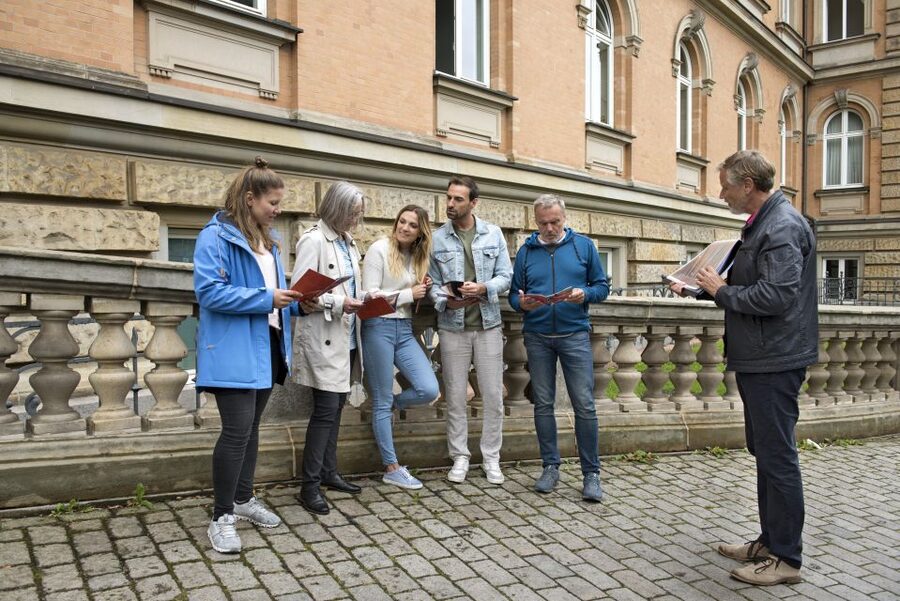
Read the brochure after the tour rather than relying on it as your main guide. The live explanations are the part that connects the facts, while the printed material can help you remember names and themes afterward.
Ask yourself three questions as you walk:
- Why was Speicherstadt formed in the first place?
- How did duty-free goods affect Hamburg’s trade?
- What did the warehouse district mean for local people?
These questions match the main strengths of the experience. They also help you notice details instead of treating the route as a series of brick facades.
Arrive ready for an outdoor walk. Bring water, wear comfortable shoes, and dress for the forecast. Since the route does not return to its starting point, keep your next activity flexible.
If you are hoping for the most social version of the tour, a smaller group may help. Paul’s recent walk allowed extra explanations because there were fewer people. Group size is not guaranteed, but it is worth appreciating when it happens.
Should you book the Speicherstadt tour?
Book this tour if you want Hamburg’s warehouse district explained in German, with a historian who can connect its architecture to coffee, carpets, duty-free trade, and the city’s economic growth. The route offers more than a surface-level look, especially when the guide takes you through courtyards and quieter corners.
Skip it if you need English, cannot manage 2 to 3 miles on foot, or want a fully indoor experience. For the right audience, $29 is a fair price for two hours of focused local history in one of Hamburg’s most important districts. Just wear sensible shoes, accept the weather, and leave time to find your way after the tour ends.
FAQ
Where does the tour take place?
The tour takes place in Hamburg’s Speicherstadt district in northern Germany, a UNESCO World Heritage Site.
How long does the tour last?
The tour lasts two hours.
How far will I walk?
The tour includes approximately 2 to 3 miles of walking.
What language is the tour in?
The live tour is conducted in German.
Is transportation included?
No. Transportation is not included.
Are food and drinks included?
No. Food and drinks are not included.
What should I bring?
Bring comfortable shoes, weather-appropriate clothing, and water.
Does the tour operate in bad weather?
Yes. The tour takes place rain or shine.
Does the tour return to its starting point?
No. The tour does not end where it begins.
Are pets allowed?
No. Pets are not allowed.
Just added around Germany
- Berlin Food & Cultural Tour: Must-Try German & Berliner Classics★ 5.0 · 51 reviews
- Berlin Half-Day World War II Walking Tour★ 4.5 · 48 reviews
- Small-Group Historical Bike Tour in Berlin★ 4.5 · 103 reviews
- Historic center of Berlin – Tour in Italian★ 5.0 · 143 reviews
- Berlin Cold War & World War II Third Reich Walking Tour★ 4.5 · 30 reviews
- Private Taxi Tour City East & West History and Architecture 3-4h★ 5.0 · 42 reviews
- Berlin Wall and Cold War Bike Tour in Small Groups★ 5.0 · 114 reviews
- Private Tour: Jewish Heritage Walking Tour of Berlin★ 5.0 · 29 reviews
Germany History Tours, compared.

Berlin: Third Reich & Cold War Guided Walking Tour
Read our review →
Leipzig: City History Canal Sightseeing Tour on a Motorboat
Read our review →
Berlin’s Best: 2 Hour Walking Tour Third Reich and the Cold War
Read our review →
Third Reich Berlin: Hitler and WWII Walking Tour
Read our review →
Leipzig: 1.5-Hour Historical Walking Tour in German
Read our review →
Berlin: Third Reich, Hitler, and WWII Walking Tour
Read our review →Browse the lists this tour appears in