
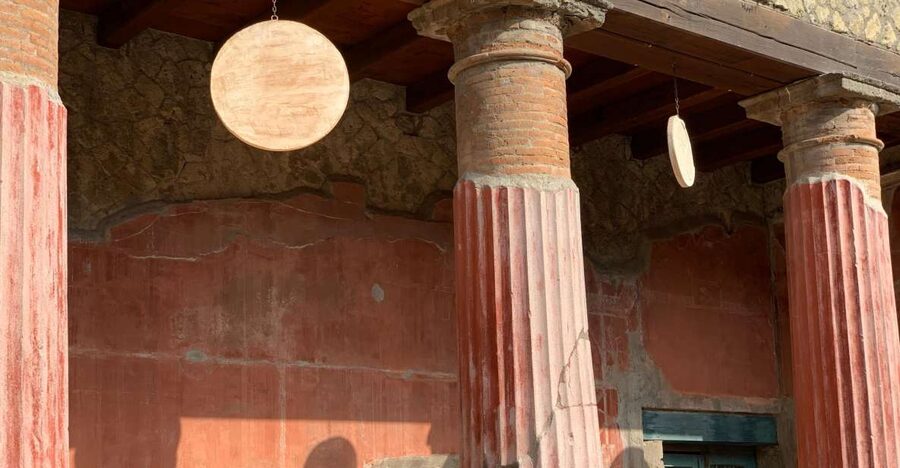
Review · ITALY
Herculaneum: Tickets & Tour with a Local Archaeologist
Herculaneum is the ancient Roman town where the small details survived: wooden doors, beds, furniture and carbonized food still hint at daily life beneath Vesuvius. A two-hour tour with a local archaeologist helps you see why this smaller site can feel more personal and more complete than Pompeii.
I like the small-scale layout, which makes it possible to understand the town without spending a full day on your feet. I also like the focus on human stories, from elegant villas and public baths to the skeletons found near the old waterfront. The main drawback is the tight schedule: two hours gives you a strong overview, but not time for every corner.
Key points before you book
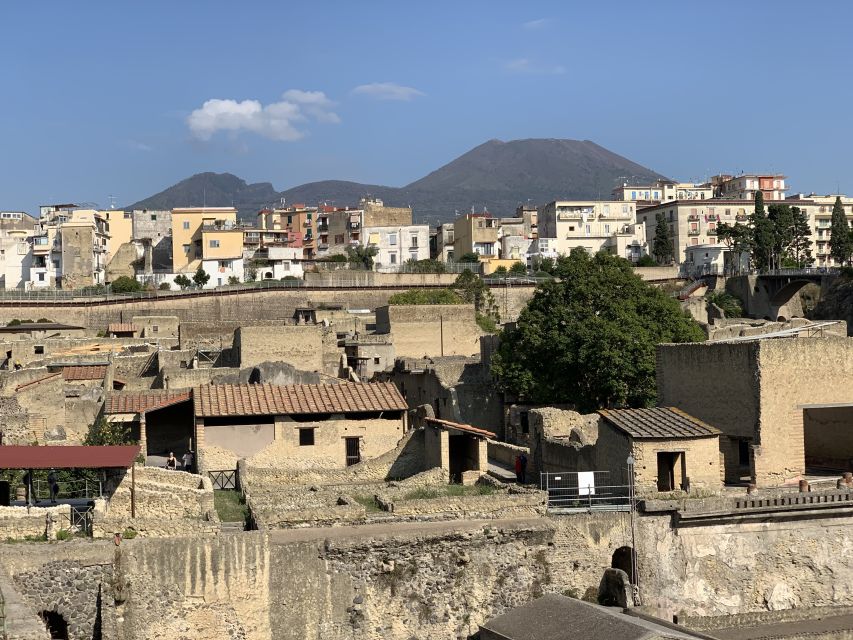
- Original Roman streets remain underfoot, with homes, shops, public baths and upper floors still visible.
- The House of the Deer and House of Neptune and Amphitrite show off some of the site’s best-known domestic decoration.
- The boat houses and skeletons provide the tour’s most serious and moving moment.
- A licensed archaeologist leads the visit, with guides available in English, Italian, Spanish and French.
- Skip-the-line entry is included, and headsets are supplied if the group has more than 11 people.
- The tour suits fit visitors who can manage stairs and uneven paths, but it is not suitable for wheelchair users or electric wheelchairs.
Why Herculaneum can beat Pompeii for a short visit
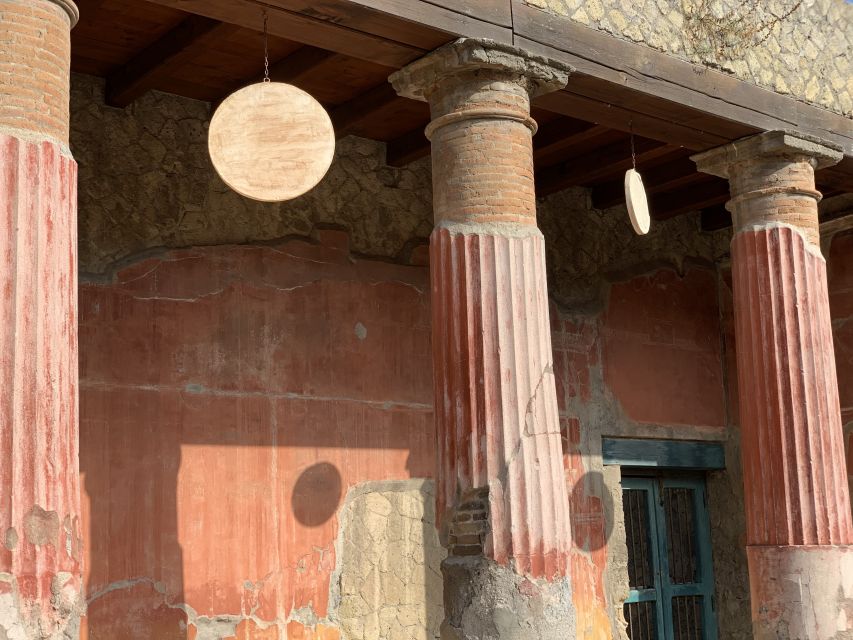
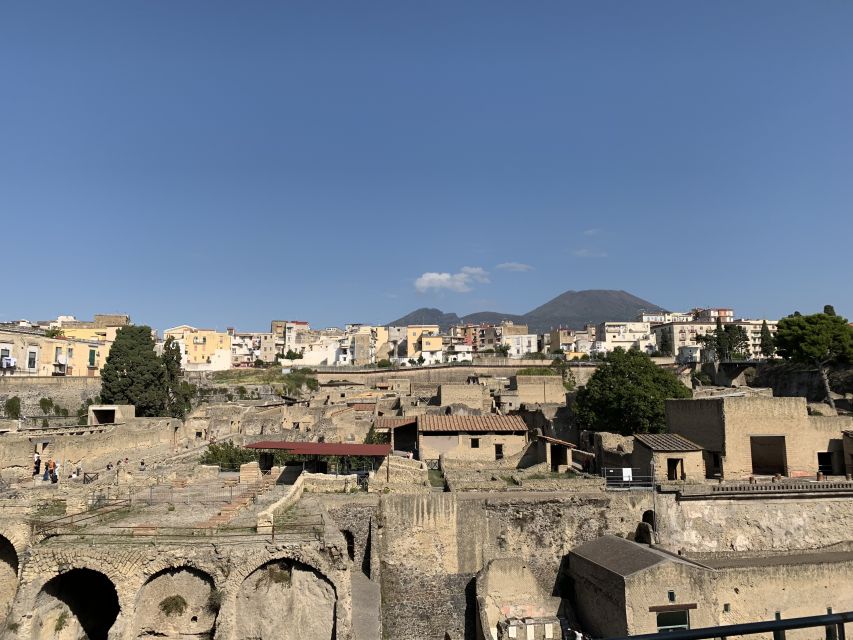
Pompeii is famous for its size. Herculaneum wins on intimacy and preservation. The town is smaller, so you can form a clearer picture of how its streets, homes and public spaces fitted together within two hours.
The eruption of Mount Vesuvius in 79 AD buried both towns, but Herculaneum was covered by a different mix of volcanic material. That helped protect details that usually vanish from ancient sites. You might see wooden features, carbonized objects and rooms that still feel enclosed rather than reduced to foundations.
I especially like the way the site connects grand architecture with ordinary life. A decorated villa tells you about wealth, but a shop, tavern or water system tells you how the town worked. A guide can point out those links while you are standing in the actual room, rather than leaving you to decode a bare wall and a label.
The site is not a theme park version of antiquity. Some remains are damaged, some buildings are closed or only partly visible, and the skeletons near the old waterfront are difficult to see. That seriousness is part of the experience. You are looking at the final moments of real people, not just attractive ruins.
More Ancient History Tours in Italy
- Pompeii: Entry Ticket and Guided Tour with an Archaeologist
★ 4.8 · 19,459 reviews - Colosseum: Underground and Ancient Rome Tour
★ 4.7 · 12,691 reviews - Pompeii: Small Group Tour with an Archaeologist
★ 4.8 · 12,264 reviews
Meeting at the Biglietteria Ercolano
You meet at the Biglietteria Ercolano, the site ticket office, 10 minutes before departure. Hotel pickup and drop-off are not included, so you need to make your own way to Ercolano.
The meeting instruction is simple, but do not arrive at the last second. A short buffer gives you time to find the ticket office, confirm the guide and settle in before entering. Bring water and a passport or ID card, as both are listed among the required items.
The tour includes skip-the-line entrance tickets. That matters most during busy periods, when standing outside a major archaeological site can eat into a short visit. The ticket benefit is practical rather than glamorous: you spend your limited time looking at Herculaneum instead of waiting to get in.
Starting times vary, so check availability when booking. The activity lasts two hours and returns to the same general starting point.
The House of the Deer: villas with a view of Roman comfort
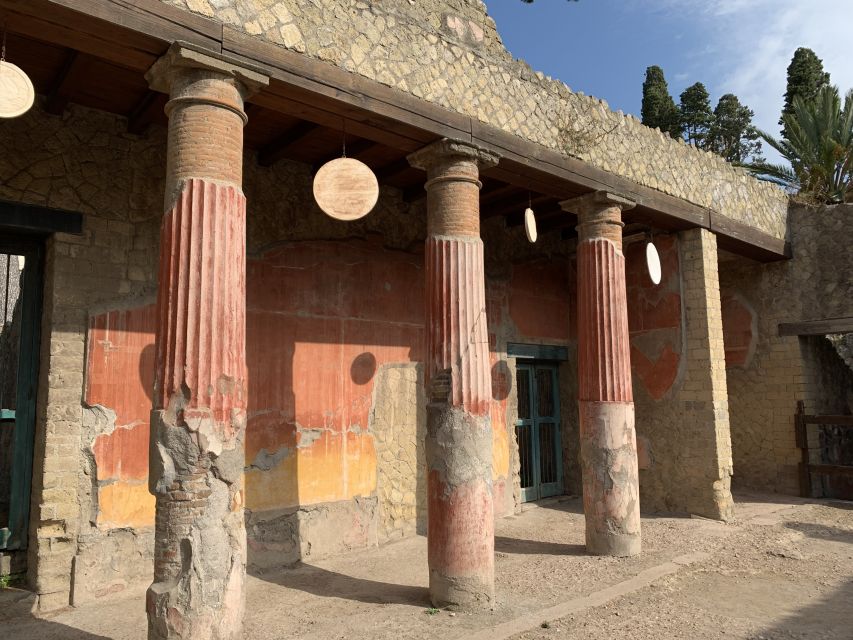
The Casa dei Cervi, or House of the Deer, is one of the tour’s key stops. Its name comes from the deer sculptures found there, and the house helps show how wealthy residents used architecture, decoration and open space to present themselves.
This is where an archaeologist’s explanation earns its keep. Without guidance, you may notice rooms, walls and decoration but miss how the house was organized. A guide can help you read the difference between public-facing areas and more private spaces, and explain what the surviving layout says about Roman domestic life.
The house is also a useful counterpoint to the more modest parts of town. Herculaneum was not only a place of grand villas. It was a working seaside community with people of different means, and this stop gives you one end of that social range.
Neptune and Amphitrite: color, craft and household display
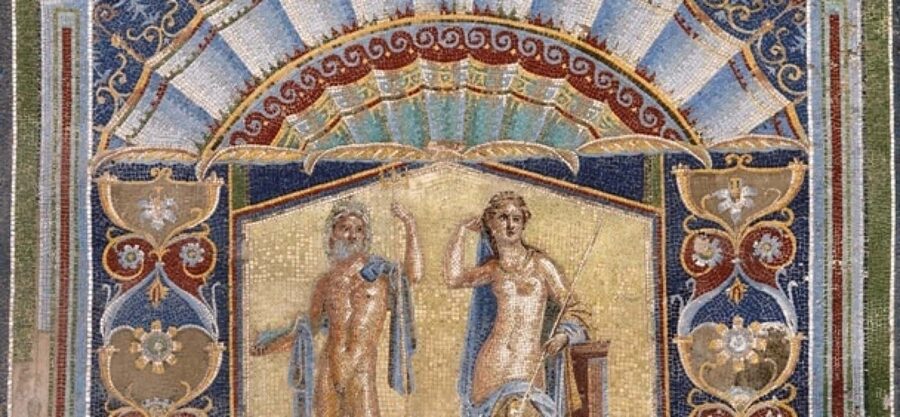
At the Casa di Nettuno ed Anfitrite, you see one of the site’s most memorable decorative settings. The house is known for its mosaics and the wall decoration associated with Neptune and Amphitrite.
The appeal here is visual, but the guide adds the context. Roman homeowners used mythological scenes and fine materials to signal taste, status and education. A mosaic was not just a pretty floor. It helped shape the character of a room and told visitors something about the person who paid for it.
You may find that some decoration at Herculaneum does not match the most spectacular examples at Pompeii. That is a fair comparison to make, especially if you visit both sites on the same day. Herculaneum’s strength is not that every fresco is the finest surviving Roman artwork. Its strength is the combination of decoration, intact rooms, wooden objects and a more compact town plan.
More Archaeological Site Tours in Italy:
- Pompeii Small Group Tour with an Archaeologist
★ 5.0 · 6,593 reviews - Herculaneum: Skip-the-Line Guided Tour with Archaeologist
★ 4.8 · 3,439 reviews - Pompeii: Archaeological Park Tour with Ticket on request
★ 4.5 · 2,283 reviews - Discover the Ancient Ruins of Pompeii: Day Trip from Rome
★ 3.5 · 2,247 reviews
The Augustales and the public face of the town
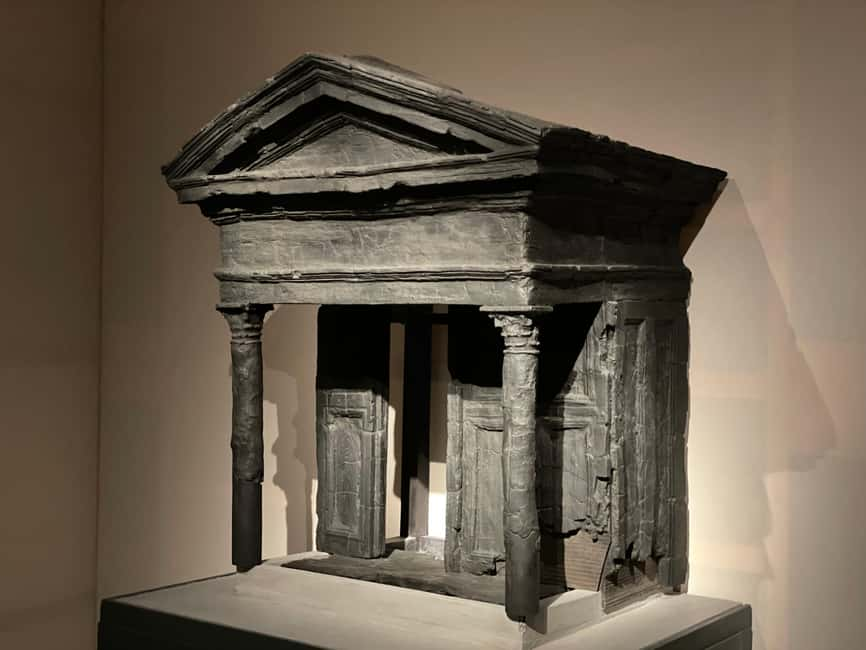
The Sacellum of the Augustales introduces the civic and religious side of Herculaneum. This was connected with the Augustales, a group involved in the worship of the emperor and public life.
A stop here keeps the tour from becoming a parade of private houses. You get a sense of how Roman communities expressed loyalty, status and shared identity in public spaces. Your guide can also explain the building’s role without burying you under dates and names.
That balance is one of the tour’s strongest features. Guides such as Riccardo, Raffaele, Carlo, Giovanni and Ornella have been praised for explaining the site through stories and visible details rather than a long list of facts. The exact guide depends on the date and language, but the format is designed around live explanation and questions.
The House of Skeletons and the boat houses
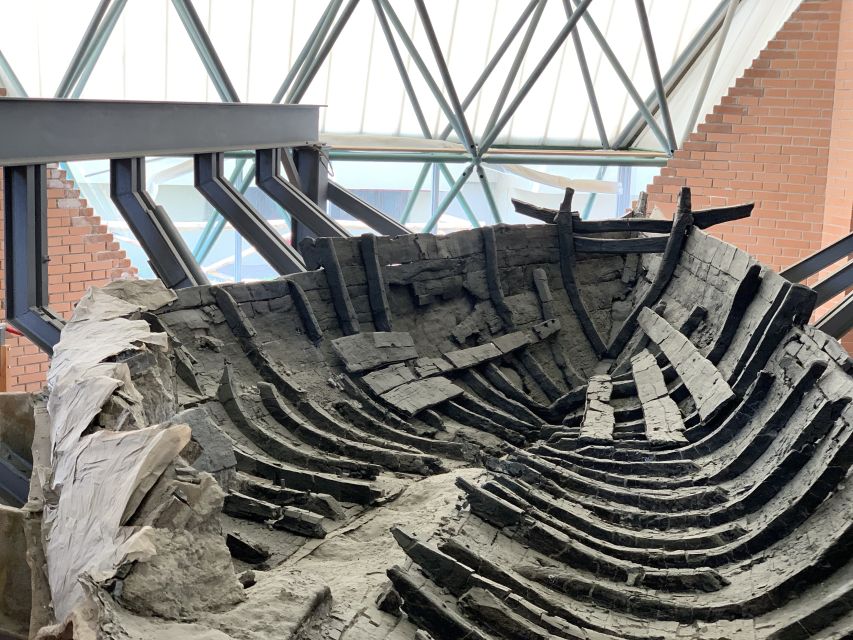
The House of Skeletons and the nearby boat houses bring the eruption into sharp focus. Herculaneum’s victims sought refuge near the waterfront, and skeletons remain there, preserving a grim record of the disaster.
This is the most emotionally demanding part of the route. I would not rush it, and a good guide should give the subject the right weight. The strongest tours treat the skeletons as evidence of individual lives, not as a spectacle.
The remains also correct a common misunderstanding. Herculaneum is not simply a smaller Pompeii with better decoration. Its burial conditions preserved different evidence, including organic material and the final positions of people caught by the eruption. That makes the site especially valuable for anyone interested in how archaeology reconstructs an event from physical traces.
If you are visiting with children, the subject may need a little preparation. One family found that children aged 11 and 15 stayed engaged because the town itself was so well preserved, but the boat-house area can still feel heavy. You know your own group best.
The baths, shops and Casa dell’Albergo
The itinerary also includes the Casa dell’Albergo, along with the public baths, shops and taverns found around the archaeological site. These stops help you move beyond wealthy homes and picture the town as a place where people washed, worked, traded and met one another.
The baths are particularly useful for understanding Roman engineering. You can see how water systems and heated spaces supported daily routines. It is easy to walk past such remains and think only of broken walls. With an archaeologist, the arrangement begins to make practical sense.
The shops and taverns add a human scale. You can imagine goods being sold, meals being served and conversations taking place at street level, while decorated homes rose behind them. The original cobbled roads tie these separate places together.
Some visitors feel that two hours passes quickly here. That is fair. A small group can usually hear the guide well and ask questions, but a slower pace may mean seeing fewer rooms. One past group felt the tour could have covered more ground, while others valued the careful explanations. If you want every open building, book extra time at the site if available. If you want a clear reading of the most important areas, two hours is a sensible length.
What a local archaeologist adds
You can visit Herculaneum alone, but the site does not explain itself at every turn. Labels cannot always tell you why one room matters, how a water system worked or what a fragment of wood reveals about Roman life.
The archaeologist guides used on this experience have been praised for bringing strong subject knowledge without making the tour dry. Raffaele Romano, described as having doctoral training in archaeology, has guided groups through the site’s everyday life and eruption evidence. Riccardo has linked Roman words to languages used today and adapted explanations to the group’s interests. Other guides, including Enrica, Carlo, Giovanni and Ornella, have been singled out for warmth, clear storytelling and enthusiasm.
Those names are not a guarantee of who you will meet. They do show the type of guide the experience aims to provide. The best guide will adjust the detail to your group, answer questions and keep the story tied to what is directly in front of you.
English is available, along with Italian, Spanish and French. If the group exceeds 11 people, headsets are provided. That is useful in open courtyards, where voices can get lost. Still, one visitor found a strong accent hard for young children to follow, and another noted that background noise sometimes made facts difficult to hear. A small group or private option can help if clear communication is a top concern.
Group size, pace and physical effort
A private group is available, but the standard format may include other participants. Small groups have an obvious advantage here: the guide can respond to your interests and you can ask questions without holding up a large crowd.
The paths include old cobbles, uneven surfaces and stairs. A fit couple in their early 60s had no trouble with the walking and steps, but the site is not suitable for wheelchair users or electric wheelchairs. Wear comfortable shoes and bring water.
Timing also affects the mood. An afternoon visit, including one at 4 pm, can be quieter, with fewer people around and less competition to hear the guide. You should check the available start times rather than assume the best hour is always morning.
Is $58 good value for two hours?
At $58 per person, this is not the cheapest way to enter Herculaneum. The price includes the archaeological site ticket, skip-the-line access and a live licensed guide, which makes the comparison fairer than looking at the admission cost alone.
I see the value in the guide rather than in the ticket shortcut. Herculaneum’s strongest features are easy to miss: the difference between a private villa and a public building, the meaning of the water system, the importance of carbonized objects and the evidence found near the waterfront.
The price makes the most sense if you have limited time, are visiting Herculaneum for the first time or want help comparing it with Pompeii. It is less compelling if you prefer to wander alone, read every available sign and return for a longer self-guided visit.
The reserve-now-and-pay-later option keeps your plans flexible, and cancellation is free up to 24 hours before the tour for a full refund. Those terms matter if your Campania schedule depends on trains, weather or a visit to Vesuvius.
Who should book this Herculaneum tour?
I would choose this tour for first-time visitors, families with older children, history fans and anyone who wants the site explained in plain language. It is also a good fit after Pompeii, because Herculaneum gives you a smaller, more concentrated view of Roman life.
You should think twice if you need step-free access, dislike uneven ground or want several hours to explore at your own pace. You should also allow for the possibility that the guide’s pace will favor explanation over covering every building.
The experience works best when you arrive ready to look closely. Notice the thresholds, wall surfaces, water channels, mosaics and surviving wood. The guide provides the larger story, but your attention to small details is what makes the visit feel real.
FAQ
Where does the Herculaneum tour meet?
The meeting point is the Biglietteria Ercolano, at the site ticket office. You should arrive 10 minutes before the tour begins.
How long does the tour last?
The guided visit lasts two hours and returns to the Biglietteria Ercolano area.
Is admission to Herculaneum included?
Yes. Skip-the-line entrance tickets to the archaeological site are included.
Which languages are available?
Live tours are available in English, Italian, Spanish and French.
Is this a private tour?
A private group option is available. The standard experience may include other participants.
Are headsets provided?
Headsets are provided if the group has more than 11 people.
What should I bring?
Bring water and a passport or ID card.
Is the tour suitable for wheelchair users?
No. The experience is not suitable for wheelchair users or electric wheelchairs.
Can I cancel the booking?
You can cancel up to 24 hours before the tour for a full refund. Reserve-now-and-pay-later booking is also available.
Should you book it?
Book this experience if you want Herculaneum to make sense, not just look impressive. The preserved homes, mosaics, baths and wooden objects are worth seeing on their own, but the archaeologist helps connect them to the people who lived there and to the catastrophe that ended the town.
At $58, it is a reasonable choice for a focused first visit, especially when skip-the-line entry and a licensed guide are included. Just expect a brisk two hours, some stairs and a serious stop at the skeletons. If that sounds like the right balance of history, human detail and practical structure, this is a strong way to meet Herculaneum.
Just added around Italy
- Guided Cultural Tour of the Godfather Film in Messina★ 5.0 · 31 reviews
- Guided tour of the Riace Bronzes and the Archaeological Museum of Reggio Calabria★ 5.0 · 44 reviews
- SU NURAXI BARUMINI Unesco World Heritage Site★ 5.0 · 129 reviews
- Brescia the Unexpected: History, Local Stories & a drink★ 5.0 · 31 reviews
- Bolognese Cooking Class with Margherita in the Historic Center★ 5.0 · 26 reviews
- Tower and Power, Virtual tour in Medieval Bologna★ 4.5 · 54 reviews
- Bologna historical art walking tour with hidden gems and tastings★ 5.0 · 108 reviews
- Best of Bologna in one day : Food, architecture, art and history★ 5.0 · 27 reviews
Italy History Tours, compared.
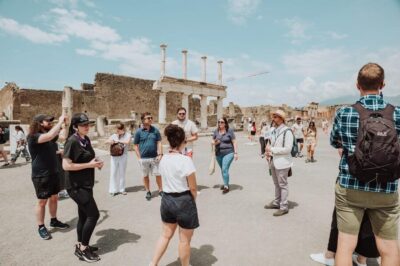
Pompeii: Entry Ticket and Guided Tour with an Archaeologist
Read our review →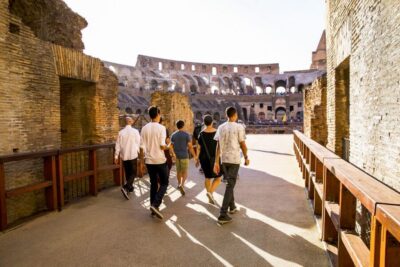
Colosseum: Underground and Ancient Rome Tour
Read our review →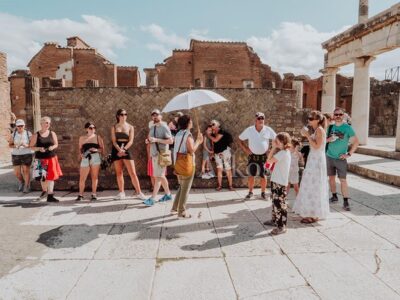
Pompeii: Small Group Tour with an Archaeologist
Read our review →Pompeii Small Group Tour with an Archaeologist
Read our review →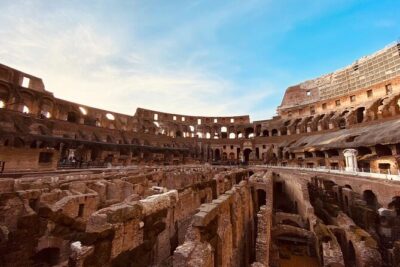
Rome: Colosseum with Arena, Roman Forum and Palatine Guided Tour
Read our review →
Venice: St. Mark’s Basilica Guided Tour & VR History Intro
Read our review →
Colosseum with Arena, Roman Forum and Palatine Hill Guided Tour
Read our review →
Herculaneum: Skip-the-Line Guided Tour with Archaeologist
Read our review →Browse the lists this tour appears in