
Review · GREECE
Archaeological Museum of Heraklion: Guided Walking Tour
The Minoans gave Europe its first advanced civilization, and this 90-minute guided tour puts their art, religion, daily life, and trading world into a clear story. You move through 5,000 years of Cretan culture, from the Neolithic period to Roman times, inside one of Europe’s leading archaeological museums.
I like the small group limit of 10, which makes it easier to hear the guide and ask questions. I also like the museum itself: its Bauhaus design, colorful marble, and Minoan-inspired details make the building part of the experience. The main drawback is the price, $147 per person, especially since the instructions also tell you to bring money for the €12 adult admission, so confirm exactly what your booking covers.
Key points to know before you book
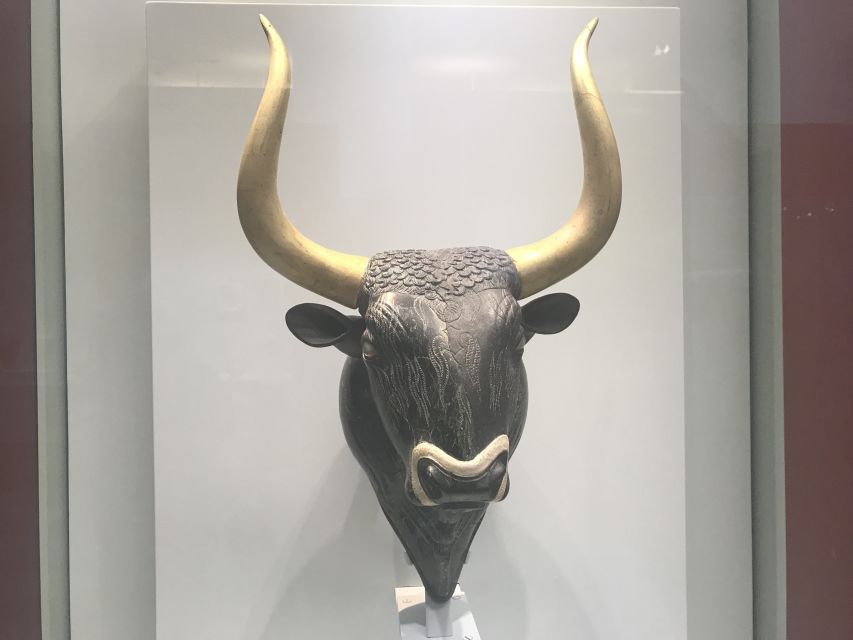
- Minoan masterpieces: See some of the world’s finest surviving art from Bronze Age Crete.
- A 90-minute route: The tour gives you a focused introduction without taking up an entire day.
- Small English-speaking group: The group is limited to 10 people, with a licensed guide leading the visit.
- A museum worth looking at: The 1937 to 1940 building is an important example of Bauhaus and modernist design.
- Central meeting point: Meet at the museum entrance and look for the WeGuide meeting-point sign.
- Plan around parking: Parking can be difficult, so being dropped off is the practical choice.
Why this museum matters to your Crete trip
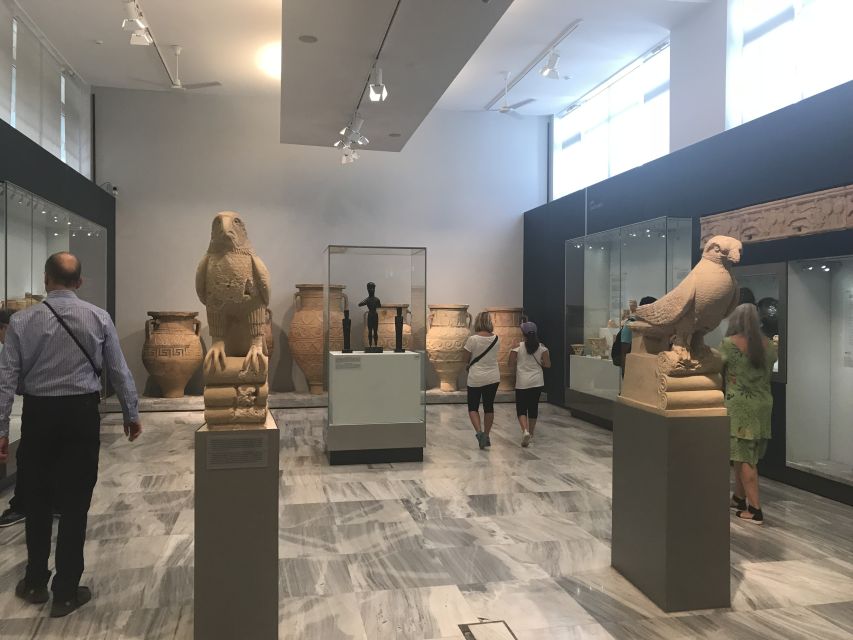
Many people come to Crete for Knossos, but the Archaeological Museum of Heraklion is where the objects from that ancient world make sense. At Knossos, you see the remains of palaces and courtyards. Here, you see the objects that show how Minoan people worked, worshipped, traveled, dressed, and made art.
The museum covers about 5,000 years, beginning in the Neolithic period and continuing through the Roman era. The Minoan material is the main attraction, but the wider time span helps you see change rather than treating Crete as one frozen moment.
I especially like the way a guide can connect a painted vessel or figurine to the larger story of Bronze Age Crete. Without help, you may recognize the famous pieces but miss why they matter. A good guide turns a line of display cases into a story about trade, status, belief, craft, and daily routines.
This is also a good choice if you have already visited Knossos. One guest who had the same guide, Akrivi, for both experiences found that the museum visit made more sense after seeing the palace site first. That order works well: visit Knossos earlier in the day, then see the objects and artistic details at the museum afterward.
More History Walking Tours in Greece
- Acropolis, Parthenon & Athens Old City Heritage Walking Tour
★ 4.5 · 876 reviews - Athens: History of Rebellion Walking Tour
★ 5.0 · 110 reviews - Ancient Athens for Kids 4-Hour Private Walking Tour
★ 5.0 · 66 reviews
Meeting the guide at the Heraklion museum entrance
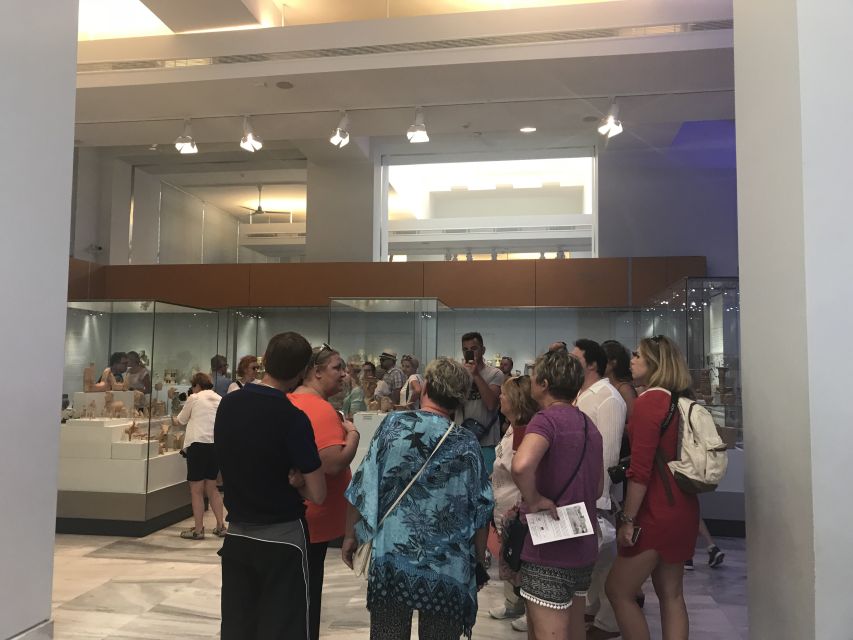
The tour begins at the entrance of the Archaeological Museum of Heraklion. Look for the Meeting Point, WeGuide sign. This is a simple arrangement because you do not need to find a separate office or arrange a hotel transfer.
The museum is in Heraklion town center, but parking can be a headache. If you have a rental car, plan extra time or arrange to be dropped off. One practical note is worth taking seriously: the museum is easy to reach on foot or by local transport, but arriving late because of parking would put unnecessary pressure on a short tour.
Bring comfortable shoes, your passport or ID card, and a camera. Large bags and luggage are not allowed, and pets are not permitted. The museum is wheelchair accessible, which makes this a useful option for many visitors with mobility needs.
The experience is offered in English. The small group is limited to 10 participants, a useful size for a museum where you need to stay close to the guide and hear explanations over the normal room noise.
The building is part of the visit
Before focusing on the ancient objects, take a moment to look at the museum itself. The building was designed by architect Patroklos Karantinos and built between 1937 and 1940 on the former site of the Roman Catholic monastery of Saint Francis, which was destroyed by an earthquake in 1856.
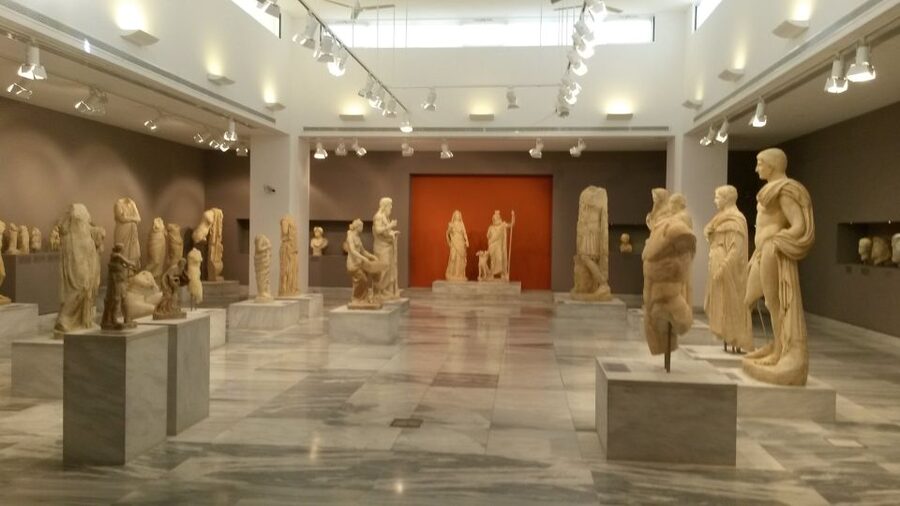
Its design is modern rather than traditionally Greek. The two-story building is an important example of Bauhaus architecture and received a Bauhaus commendation. Its antiseismic construction was a serious practical choice, but the building is not merely functional.
The colors and veined polychrome marbles recall Minoan wall paintings and the marble-like surfaces shown in ancient decoration. That connection between modern design and Bronze Age visual ideas gives the visit an unusual extra layer. You are not simply entering a neutral box filled with old objects. The architecture was designed with Crete’s ancient art in mind.
The museum contains 27 galleries, along with an audio-visual display gallery, conservation laboratories, a cloakroom, a cafeteria, and a museum shop. You will not cover every room in 90 minutes, and that is a good thing. A guided visit needs a clear route, not a rushed attempt to see everything.
A 90-minute route through 5,000 years
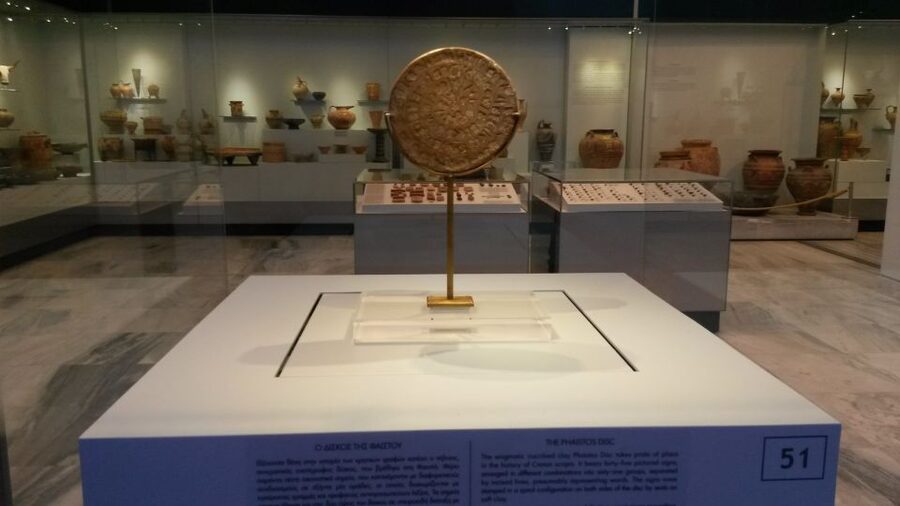
The tour lasts about an hour and a half and returns to the same museum entrance. That makes it easy to fit into a day of sightseeing, though you may want additional time afterward if the collection catches your interest.
Your guide leads you through the major periods and explains how Cretan life changed over time. The focus is not only on beautiful objects. You learn about occupation, religion, architecture, travel, and art, along with the way Cretan people used the objects around them.
The best guides make the museum approachable for different ages. A guide who can explain complicated archaeology with humor is especially useful for families and for anyone who does not normally spend hours in museums. Akrivi has been praised for combining up-to-date historical information with an engaging way of telling the story, and she has also worked well with children.
Because the group is small, you should have a better chance to ask about objects that catch your eye. A private tour would offer more time, but a group of no more than 10 gives you a reasonable middle ground between personal attention and cost.
More Archaeological Site Tours in Greece:
- Athens: Acropolis & up to 5 Archaeological Sites Combo Pass
★ 4.2 · 13,904 reviews - Athens: National Archaeological Museum Ticket & Audio Guide
★ 4.3 · 1,330 reviews - Mykonos Town: Archaeological Site of Delos Guided Day Trip
★ 4.6 · 1,296 reviews - Delphi: Archaeological Site & Museum Ticket with Audio Tours
★ 4.3 · 721 reviews
Neolithic Crete and the beginning of the story
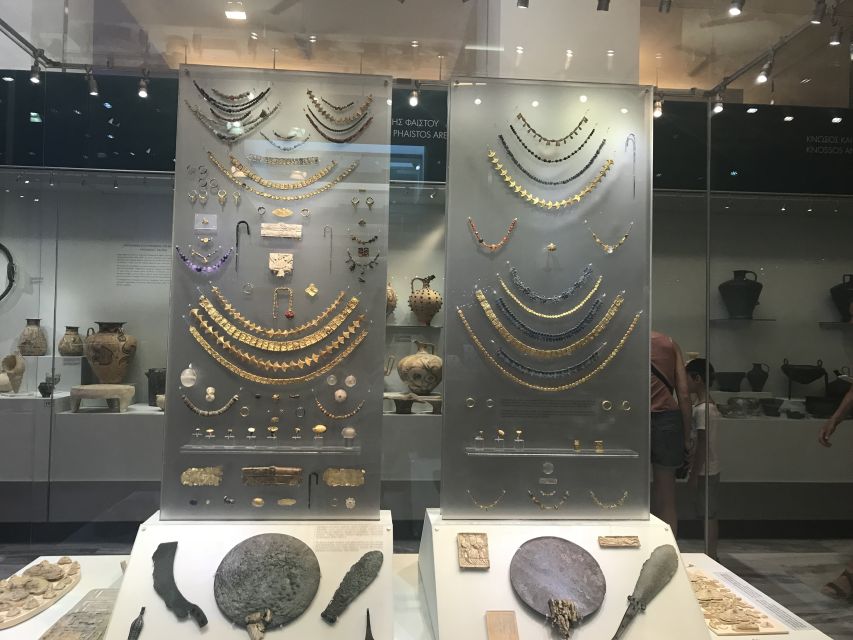
The route begins with the earliest periods represented in the museum. These objects help establish that Crete’s story did not begin with the famous palaces. Human settlement, craft, and ritual developed over a long period before the height of Minoan civilization.
This opening section is valuable because it gives you a sense of scale. The Minoans did not suddenly appear as a fully formed culture. Their art and social systems grew from earlier communities, skills, and traditions.
You may find the earliest displays less immediately dramatic than the famous Minoan pieces. That is normal. Think of this part as the foundation of the tour. It helps you understand that the museum’s collection covers a long sequence of change, not only the most photogenic artifacts.
Minoan art, religion, and daily life
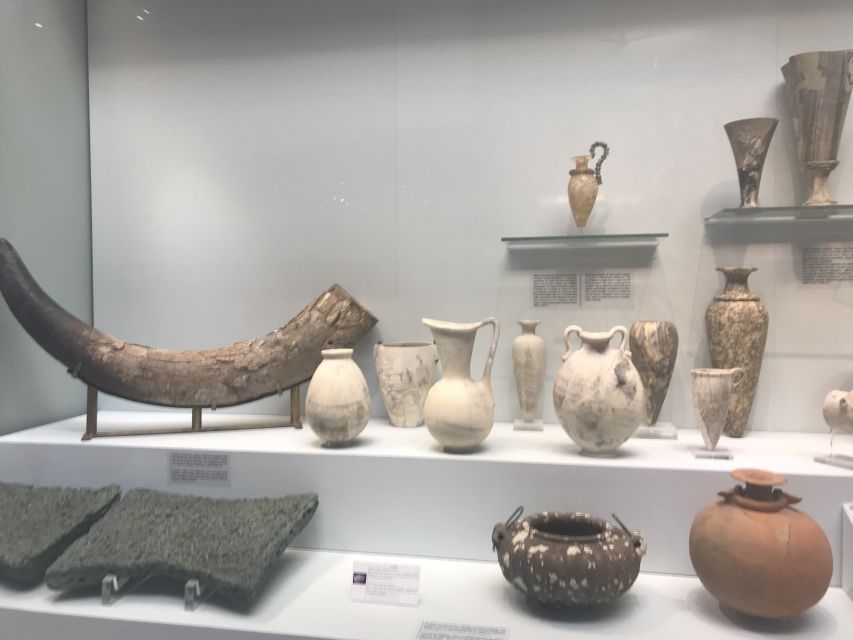
The central part of the experience focuses on Minoan culture, which flourished during the Bronze Age on Crete. The collection is considered one of the finest presentations of Minoan culture anywhere, and it contains unique examples of Minoan art.
This is where a guide earns the fee. A display label can tell you an object’s date and material. A guide can explain what the object suggests about work, worship, social rank, or contact with other places.
The tour also examines religion and ceremony. Minoan culture is often associated with lively images, graceful forms, and connections to nature, but it is easy to reduce the civilization to attractive wall paintings. A guide helps you look beyond the colors and ask what the images may have meant in their original setting.
Architecture is another key theme. The museum’s objects came from places that had organized spaces, skilled builders, and complex communities. Seeing objects from those settings inside the museum helps connect the displays to the palaces and settlements you may visit elsewhere on Crete.
The famous Minoan collection
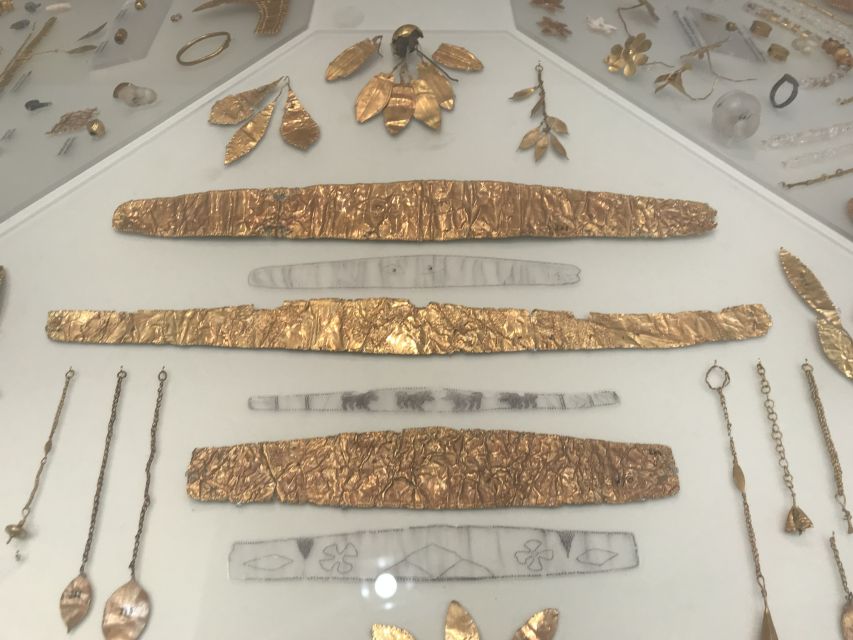
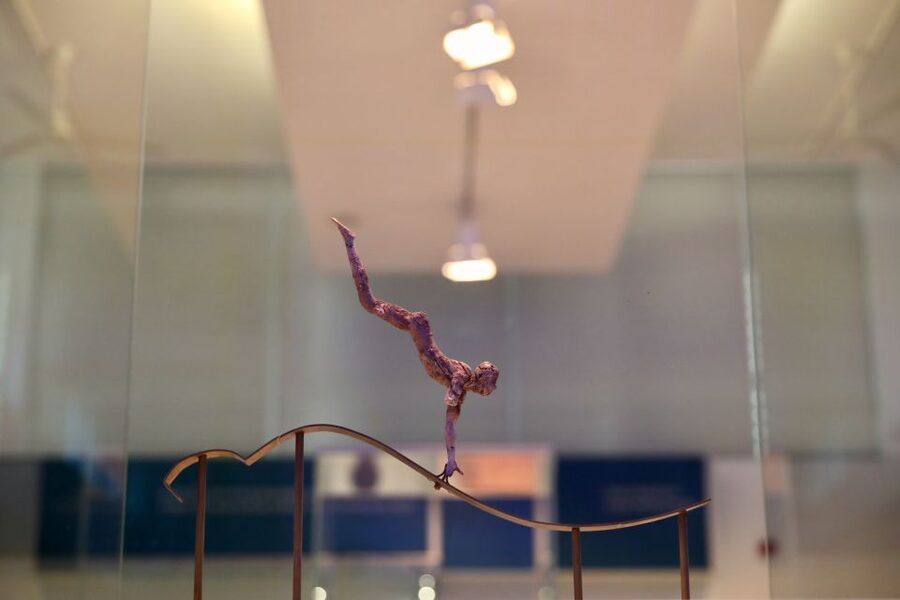
The museum is particularly important for its Minoan collection, which includes many recognized masterpieces. You will see the kind of work that makes this museum essential for anyone interested in the Bronze Age Aegean.
The art is not valuable only because it is old. It shows a sophisticated visual culture with careful attention to movement, pattern, animals, people, and ceremony. A guide can point out details that are easy to miss when you are looking quickly or trying to photograph everything.
Your guide may also connect the museum displays with travel and trade. Crete was not an isolated island culture. The subject of movement helps explain why materials, ideas, and artistic forms could appear across the region.
If you have already visited Knossos, this section becomes even more useful. The palace ruins can leave you with a strong impression but many unanswered questions. The museum supplies the objects and artistic evidence that help you picture how those spaces functioned.
From later Crete to the Roman era
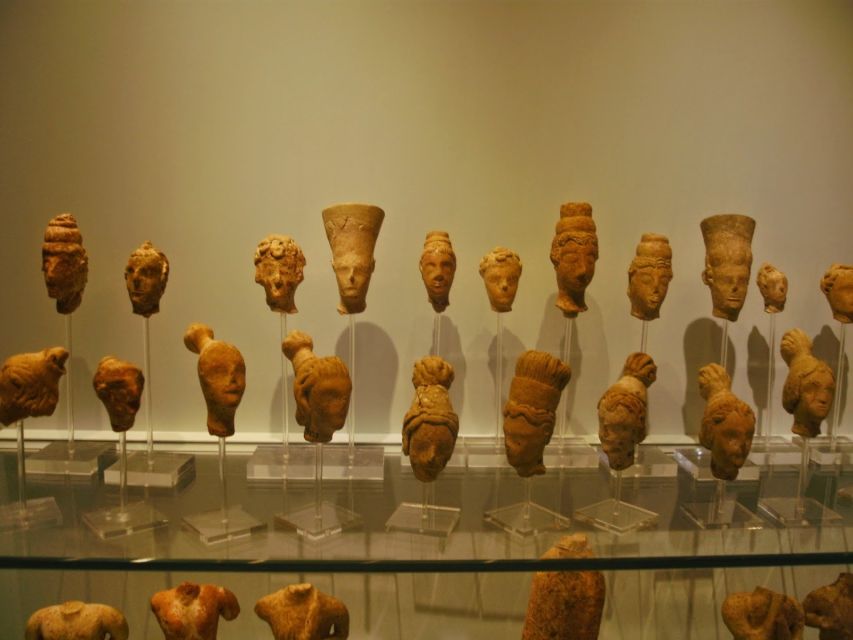
The tour extends beyond the Minoan period to the Roman era. This broader span keeps the visit from presenting ancient Crete as one single culture with no later developments.
You will see how the island’s story continued after the peak of Minoan civilization. The exact emphasis depends on the guide and the route used that day, but the tour is designed to explain the transition from the Neolithic period through later ancient history.
For some people, the Roman material will be less of a draw than the Minoan galleries. Still, it gives useful context. Crete was occupied, influenced, and reshaped over many centuries, and the museum shows that the island’s past did not end when the palaces declined.
Is $147 a fair price?
At $147 per person, this is not a casual add-on. You are paying a premium for a licensed English-speaking guide, a small group, and a focused visit to a major museum.
The value depends on what you want. If you are happy to read labels and set your own route, the price may feel high for a 90-minute museum visit. The museum itself is the attraction, and independent visitors can still see its collection.
I think the guided option makes more sense if you want a clear introduction, have limited time, or are visiting Knossos and want the two sites explained together. The guide helps you avoid wandering without context, and the group size is small enough to keep the experience personal.
There is one cost detail you should check before paying. The activity information includes the €12 adult museum entry, but the practical instructions also tell you to bring money for the ticket. Reduced admission is listed as €6 for eligible visitors. Confirm whether the admission is collected separately on the day or already covered by your reservation.
The reserve-now, pay-later option and free cancellation up to 24 hours before the tour add flexibility. Those terms matter if your Crete schedule depends on ferries, weather, or changing plans.
Who will get the most from this tour?
This tour suits you if you want archaeology explained in plain English rather than trying to build the story from labels. It is also a strong choice for first-time visitors to Heraklion, families, and anyone with only a short window in the city.
It works especially well as part of a Knossos day. A morning visit to Knossos followed later by the museum can give you a better sense of how the palace, art, and wider Minoan culture fit together. Starting early at Knossos is sensible in warm weather, then the museum offers a cooler, more structured follow-up.
The experience may not suit you if you prefer to spend several hours alone with every display. Ninety minutes gives you a guided framework, not a full examination of all 27 galleries.
You should also think about the cost if you are traveling with a large family. The small group and expert explanation have real value, but the total can rise quickly at $147 per person, particularly if admission is extra.
Small details that make the visit easier
Wear comfortable shoes, even though this is a museum tour. You will be on your feet for much of the 90 minutes.
Do not arrive with large luggage or bags, since these are not allowed. A camera is permitted and useful, but keep your attention on the objects rather than viewing the entire tour through a screen.
Bring identification if you may qualify for the reduced €6 entry. Adults are listed at €12. You should also arrive at the museum entrance with enough time to find the WeGuide sign, particularly if you are relying on a taxi or drop-off.
The English-language format keeps the booking simple. You do not need to choose among several language options, and the limited group size should help you follow the guide’s explanations.
Should you book the Heraklion museum tour?
Book it if the Minoans are a major reason you came to Crete, if you want help connecting Knossos with the objects inside the museum, or if you value a short and well-organized introduction. The strong 4.9 rating from 26 bookings fits the experience’s main strengths: excellent guides, clear meeting instructions, small groups, and useful historical storytelling.
The museum is worth visiting on its own, so independent visitors can save money. But if you want the collection to make sense rather than simply admire the famous pieces, this guided option is a sensible choice.
Before booking, confirm the admission arrangement and plan your arrival without a car if possible. With those details settled, the 90-minute tour gives you a focused way to meet Europe’s first advanced civilization without giving up an entire day.
FAQ
Where does the tour begin?
Meet at the entrance of the Archaeological Museum of Heraklion. Look for the Meeting Point, WeGuide sign.
How long does the guided visit last?
The tour takes approximately 90 minutes.
What language is the tour conducted in?
The live guided tour is conducted in English.
How large is the group?
The experience is a small-group tour limited to 10 participants.
Is museum admission included?
The activity information lists a €12 adult entry ticket as included, but the instructions also tell you to bring money for admission. Confirm the exact ticket arrangement before attending. Reduced admission is listed as €6.
Do I need to bring identification?
Bring a passport or ID card. You will need identification if you qualify for a reduced ticket.
Can I bring luggage or a large bag?
No. Luggage and large bags are not allowed.
Is the museum wheelchair accessible?
Yes, the activity information states that the experience is wheelchair accessible.
Can I cancel the booking?
Yes. You can cancel up to 24 hours in advance for a full refund. The reserve-now, pay-later option lets you hold a place without paying immediately.
Just added around Greece
- Olous – Guided Snorkelling Excursion to Discover Olous Sunken Ancient City★ 4.5 · 31 reviews
- WWII – The Battle of Crete Day Tour★ 5.0 · 103 reviews
- Heraklion Highlights: Knossos, Museum & Historic City Drive★ 5.0 · 64 reviews
- Knossos & Archaeological Museum Shared Guided Tour from Chania★ 5.0 · 41 reviews
- Chania’s Clash of Empires: A Self-Guided Audio Tour★ 4.5 · 28 reviews
- Ancient Corinth Private Tour from Corinth★ 5.0 · 56 reviews
- Epidavros sea kayak at the Ancient sunken city tour, small ancient theater★ 5.0 · 96 reviews
- Small-group Corfu Town Historical Walking Tour★ 5.0 · 39 reviews
Greece History Tours, compared.
Athens: Acropolis & up to 5 Archaeological Sites Combo Pass
Read our review →
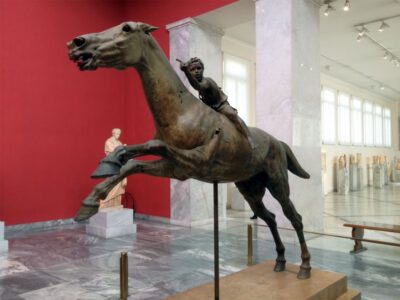
Athens: National Archaeological Museum Ticket & Audio Guide
Read our review →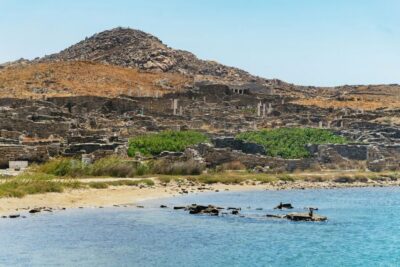
Mykonos Town: Archaeological Site of Delos Guided Day Trip
Read our review →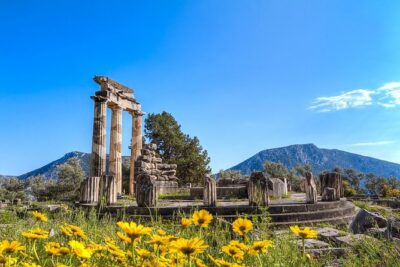
Historical Delphi One Day Tour with Arachova Stop & Expert Guide
Read our review →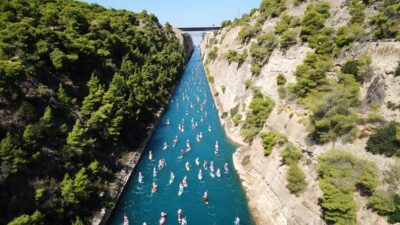
From Athens: Ancient Corinth Day Trip with Canal & VR Guide
Read our review →
Historic Athens: Small Group Electric Bike Tour
Read our review →
Acropolis, Parthenon & Athens Old City Heritage Walking Tour
Read our review →Browse the lists this tour appears in