
Review · MEXICO CITY
Mexico City: Queer Mexican History
Mexico City’s Historic Center looks grand on the surface, but this walking tour asks you to notice the queer people, artists, activists, and stories that helped shape it. Starting at Alameda Central and ending near Templo Mayor, it connects famous sights with a part of Mexican history that standard city tours often leave out.
I like the small group limit of 10, which gives the guide room to explain sensitive topics and answer questions. I also like the mix of historic figures and contemporary queer artists and activists. Guides including Ada Narcissa and Mannu bring a warm, human tone, with room for both serious history and humor.
The main consideration is the pacing. The advertised duration is 150 minutes, but one booking reported a much shorter 30-minute experience. Confirm the start time and expected length when you book, and plan for a full walk in the sun.
Key points
- A queer history walk through Mexico City’s best-known center: Follow Alameda Central, Palacio de Bellas Artes, Avenida Francisco I. Madero, Zócalo, and Templo Mayor.
- Guides with a personal, welcoming style: Ada Narcissa and Mannu are named guides associated with especially warm and informative tours.
- History meets the present: The walk remembers important queer people while also discussing current artists and activists.
- A compact small-group experience: No more than 10 participants makes conversation easier than on a large city excursion.
- Good value for history-minded visitors: At $30, the tour costs less than many private walks while offering a focused subject and a two-and-a-half-hour route.
- Bring practical walking gear: Comfortable shoes, water, sunscreen, and an umbrella will make a real difference.
Why this walk changes the way you see the Historic Center
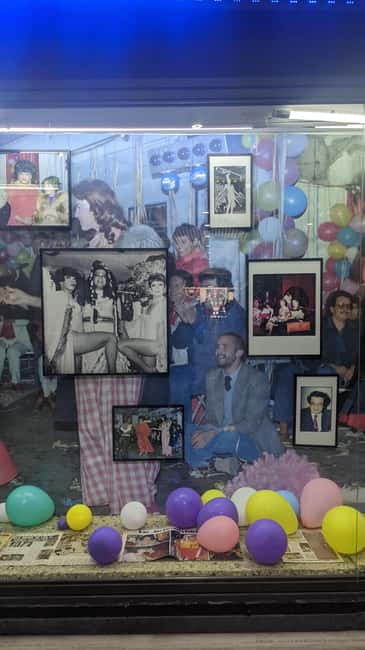
The main appeal here is not a parade of famous buildings. You will see those buildings, but the guide uses them as markers for a larger story about queer life in Mexico and Mexico City.
That approach matters because the Historic Center can feel familiar even on a first visit. Alameda Central, Bellas Artes, Avenida Madero, Zócalo, and the cathedral appear in almost every city guide. A queer-focused walk gives you a different set of questions: Who has been remembered? Who was left out? How have artists and activists made space for themselves?
The subject also reaches beyond the past. The tour includes contemporary queer artists and activists, so you are not asked to treat LGBTQ+ life as a closed historical chapter. The result should feel less like a list of dates and more like a guided conversation about how the city continues to change.
The guide matters a great deal. Mannu is described as warm, welcoming, and able to handle both serious material and humor. Ada Narcissa is also named as a friendly and well-prepared guide who points out several locations along the route. Since the tone can shape the entire experience, these details are worth considering when choosing a date or guide option.
More History Tours in Mexico:
- Historic Downtown Walking Tour
★ 5.0 · 1,289 reviews - Historic Center Food Tour in Mexico City
★ 5.0 · 1,263 reviews - Mexico City: Historic Downtown Walking Tour
★ 4.8 · 1,039 reviews
Starting under the colorful umbrella at Alameda Central
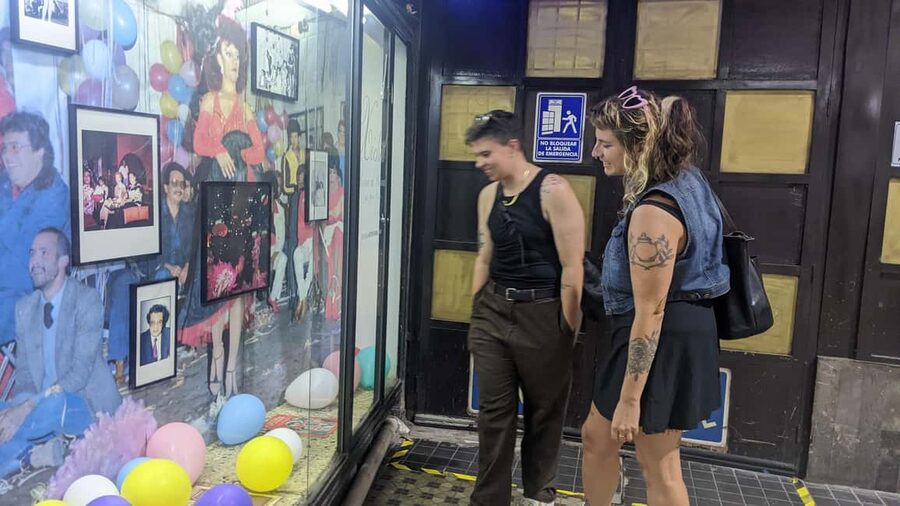
The meeting point is at Alameda Central, near the corner of Avenida Hidalgo and Dr. Mora Street. The guide will be holding a colorful umbrella, an easy signal in a busy central area.
There are two listed starting-location options connected with Av. Hidalgo 437, so check your confirmation carefully before setting out. The walk begins with an introduction, then heads through Alameda Central toward the first main stop, the Hemiciclo a Juárez.
Alameda Central is a sensible opening point. It puts you in one of the Historic Center’s major public spaces right away, while giving the guide room to establish the theme before the group reaches the denser streets. The first portion includes about 35 minutes in the park and nearby area, so this is not simply a quick gathering followed by a rushed departure.
You should arrive ready to walk. The route is outdoors, and Mexico City’s sun can be strong even when the temperature feels comfortable. Comfortable shoes, water, sunscreen, and an umbrella are not fussy extras here. They are the basic kit for enjoying a 150-minute urban walk.
Hemiciclo a Juárez and the opening history lesson
At the Hemiciclo a Juárez, the queer Mexican history portion begins in earnest. The supplied details do not list every person or story covered, and that is useful to keep in mind. You are booking a guided interpretation rather than a fixed museum exhibition with a printed checklist.
The value of this stop is the way it anchors discussion in a real public place. Instead of hearing queer history in an isolated lecture room, you begin among the monuments and daily movement of central Mexico City. The guide can connect the city around you with the people and events being discussed.
This part may be especially useful if you know Mexico City’s major landmarks but have not yet considered them through an LGBTQ+ lens. It can also suit visitors who want more than nightlife or present-day entertainment. The emphasis is on people, memory, activism, and the role of queer Mexicans in the city’s story.
The subject may include difficult or serious material. The tour description promises a look at important queer people in Mexican history, not just cheerful anecdotes. A guide who can balance care, humor, and clarity is important, and Mannu’s reported style fits that need.
Bellas Artes, Madero, and the city in motion
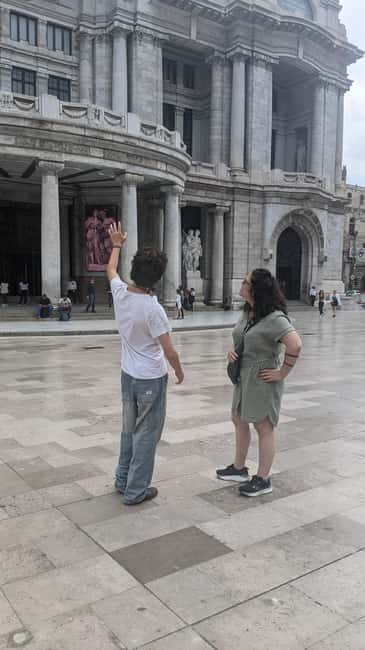
From Alameda Central, the route includes a sightseeing stop at the Palace of Fine Arts, or Palacio de Bellas Artes. The building is one of Mexico City’s best-known cultural landmarks, but the tour’s main purpose is not a standard architecture lesson.
Here, you can expect the building and its surroundings to serve as a setting for the wider discussion of artists, public culture, and queer visibility. The contemporary section of the walk gives this stop added purpose. You are not only looking backward at historical figures. You are also considering the work of queer artists and activists today.
The route then continues on foot along Avenida Francisco I. Madero toward the Zócalo. Madero is a central pedestrian route, so this portion gives the tour a more active city feel than the park opening. It also means you should expect an urban walk rather than a quiet, slow-paced stroll.
The distance itself is manageable for most people who can comfortably walk for two and a half hours, but the surface, crowds, heat, and frequent stops can make the route feel longer. The organizers specifically recommend walking shoes and water. Take that advice seriously, especially if you have scheduled another walking attraction afterward.
Same city, a different century:
- Walking Tour of the Historic Center of Mexico City
★ 5.0 · 870 reviews - Tulum Archaeological Site & Sian Ka’an Muyil Tour from Tulum
★ 5.0 · 824 reviews - Mexico City Historical Centre Food Tour with 7 Authentic Tastings
★ 5.0 · 723 reviews - Historical and Cultural Walking Tour of San Miguel de Allende
★ 5.0 · 641 reviews
Reaching the Zócalo through a queer lens
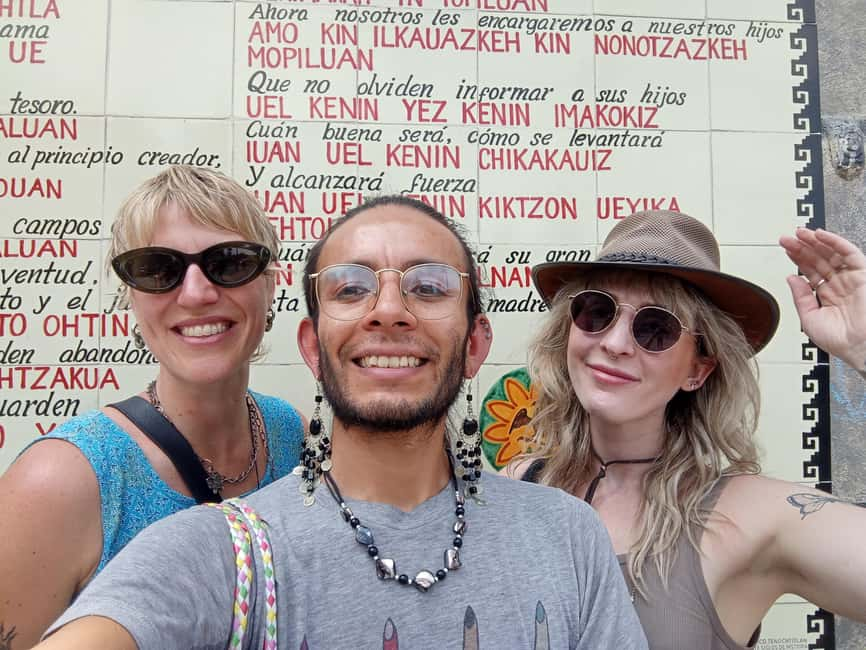
The Zócalo, or Plaza de la Constitución, is the route’s grand central moment. It is one of the most recognizable spaces in Mexico City, and the guide uses the square as another place to connect national history with LGBTQ+ lives and public memory.
A conventional tour may explain political power, religious buildings, and national ceremonies here. This experience adds a different line of thought by asking how queer people fit into the story of the city and the country. That can make a familiar square feel less like a photo stop and more like a place with competing memories.
You will have time for sightseeing, but this is not designed as a full visit to every surrounding attraction. The focus remains the guided story. If you want extensive time for photographs, architecture, or shopping, you may need to return to the area on your own.
That is one of the tour’s strengths and limits. At $30 per person, you are paying for a focused subject and a guide’s interpretation, not a full Historic Center sightseeing package. I consider that fair value if queer Mexican history is a priority for you. It is less suitable if you simply want a general introduction to Mexico City’s monuments.
Templo Mayor and the final walk through layered history
The walk finishes behind the Metropolitan Cathedral, near Templo Mayor. The itinerary also lists Templo Mayor Museum as a sightseeing point, but entry to the museum is not included. Do not assume the walking tour gives you admission or time for a complete museum visit.
Ending in this part of the center is fitting. The area brings together major layers of Mexico City history, and the guide can close by placing queer stories within the city’s larger past and present. The final stop is not presented as a formal museum tour. It is the end point for the walking discussion.
The listed finishing location is La Casa de las Sirenas. Since meeting and finishing details can vary by the option booked, keep your phone handy and check the exact instructions before leaving your hotel. The guide’s colorful umbrella should help at the start, but the final location still deserves attention if you are arranging transport afterward.
What the $30 price really includes
The $30 fee includes a walking tour with an English-speaking guide. French is also listed as an available language, so check the booking option if you prefer French. The group is limited to 10 people, a useful feature for a subject that benefits from questions and conversation.
You are not paying for food, drinks, souvenirs, or museum admission. That keeps the cost clear, but you should budget for your own small lunch and anything you want to buy along the route. The guide specifically recommends having a small lunch before or during your plans, so do not count on food being part of the experience.
For value, compare this with the cost of arranging a private specialist guide. At $30, you get a focused route and access to a guide who can connect historic and current LGBTQ+ themes. The price is strongest for solo visitors and couples who want a subject-specific experience without paying private-tour rates.
The small group also adds value. Ten people is still enough for a lively group, but it is far more manageable than a large city walk. You have a better chance of hearing the guide clearly and asking about people or topics that interest you.
The guides and the tone of the experience
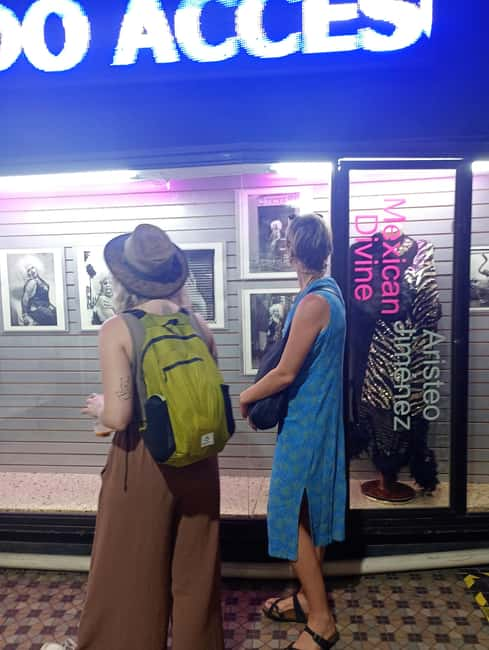
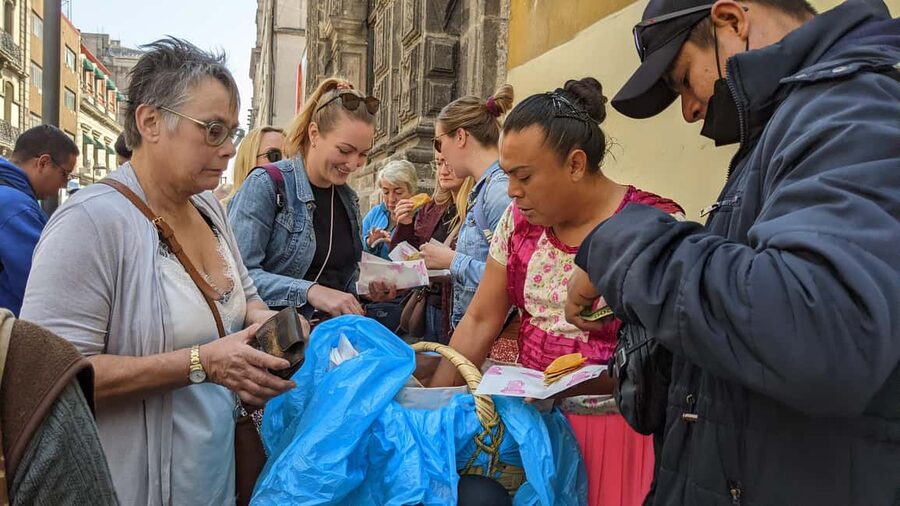
The most important factor is likely the guide rather than the route. Mannu is associated with a kind, welcoming approach and with explaining how the gay community has influenced Mexico City. Ada Narcissa is also identified as a warm and friendly guide who introduces many different places along the walk.
Those descriptions point to a tour that relies on conversation. You should expect interpretation, explanation, and personal warmth rather than a dry lecture. The experience has been described as both serious and funny, which is a good balance for a subject that includes painful history as well as creativity and community life.
The language choices are also helpful. The tour is available in English and French, but confirm the exact language for your selected departure. If you need a very formal academic presentation, this may not be the right fit. If you want history explained in a human and accessible way, the tone should suit you well.
The age limit is clear: children under 11 are not suitable for this activity. That is reasonable given the length, subject matter, and walking format. Older teenagers may find it meaningful, but the provided information only sets a firm limit for children under 11.
Practical advice for a comfortable 150 minutes
Plan on being outside for the full advertised two and a half hours. Wear shoes you can walk in, bring water, and use sunscreen. An umbrella helps with sun and weather, and the guide also uses a colorful umbrella as a meeting signal.
A small lunch is recommended. You could eat before the start or plan food after the finish, but food is not included. Avoid bringing more than you need, since a light bag is easier on a long city walk.
This is not a tour for people who want to remain indoors or move only between major monuments by vehicle. You will walk through public spaces, along a pedestrian avenue, across the Zócalo area, and toward Templo Mayor. The route has a clear endpoint, but the experience is active from beginning to end.
One caution deserves mention. The advertised length is 150 minutes, while one booking account described a 30-minute version. That is a major difference. I would confirm the duration with the provider before booking, particularly if you are fitting this between museum visits or timed reservations.
Free cancellation is available up to 24 hours before the activity for a full refund, and you can reserve now and pay later. Those policies make it easier to fit the walk into a changing Mexico City schedule, but they do not remove the need to verify the meeting point and start time.
Who should book this queer Mexico City walk?
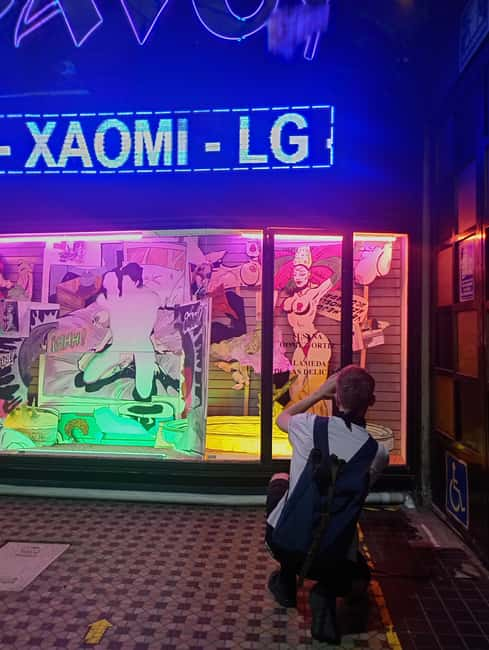
I would recommend it to LGBTQ+ visitors who want historical context alongside sightseeing, and to allies who want to understand Mexico City through a wider human story. It also suits repeat visitors who have already seen the standard sights and want a focused way to revisit the center.
It is a good choice if you value small groups, direct conversation, and a guide-led interpretation of public places. Mannu’s warm style and Ada Narcissa’s friendly presentation are especially encouraging if you want a tour that feels welcoming rather than formal.
I would be more cautious if you need guaranteed precise timing, dislike walking in sun, or want extensive interior visits. The route is primarily outdoors, and museum or food costs are separate. You should also confirm the duration because of the conflicting timing report.
Should you book it?
Book this tour if you want to connect Mexico City’s famous Historic Center with queer Mexican people, artists, and activists. For $30, the small group and focused subject offer good value, particularly when you choose a guide such as Mannu or Ada Narcissa and come prepared for a full walk.
Skip it if your priority is a general monument tour, a museum-heavy schedule, or a very short activity. For everyone else, this is a thoughtful way to see familiar streets with a different set of questions, and perhaps leave with a stronger respect for the people who helped shape the city.
FAQ
Where does the tour start?
The tour starts at Alameda Central, near the corner of Avenida Hidalgo and Dr. Mora Street. The listed starting information also includes Av. Hidalgo 437, and the exact meeting point may vary by the option booked.
How long does the tour last?
The advertised duration is 150 minutes. One booking account reported a much shorter experience, so confirm the expected duration and start time before booking.
Where does the tour finish?
The walking tour finishes behind the Metropolitan Cathedral, near Templo Mayor. La Casa de las Sirenas is listed as the finishing location.
What sights are included along the route?
The route includes Alameda Central, the Hemiciclo a Juárez, the Palace of Fine Arts, Avenida Francisco I. Madero, the Zócalo, the Metropolitan Cathedral area, and Templo Mayor.
Is museum admission included?
No museum admission is listed as included. Templo Mayor Museum is included as a sightseeing point, but you should expect to pay separately for any entry.
What languages are available?
The tour is available with a live guide in English or French. Check the language option when selecting your departure.
How many people are in the group?
The tour is limited to 10 participants, making it a small-group experience.
What should I bring?
Bring comfortable walking shoes and water. Sunscreen and an umbrella are also recommended, and a small lunch is advised.
Is the tour suitable for children?
The activity is not suitable for children under 11 years old.
Can I cancel the booking?
You can cancel up to 24 hours in advance for a full refund. A reserve-now, pay-later option is also available.
Just added around Mexico
- Private Half Day Cultural Tour to Mayan Ruins and Cenote★ 4.5 · 31 reviews
- Ancient Chacchoben Mayan Ruins & Mayan Experience from Costa Maya★ 5.0 · 96 reviews
- Colima Volcano Cultural Tour: Coffee Plantation, Hacienda and Comala Magic Town★ 5.0 · 30 reviews
- Private Tour in Chichen Itza Official History Guide★ 5.0 · 36 reviews
- Archaeological Tour in Tulum and Coba with Kuxtal Cenote★ 4.0 · 114 reviews
- 5 Days Mayan Heritage History Tour★ 4.5 · 31 reviews
- Calakmul Ancient Maya City Tour – From Campeche★ 4.5 · 24 reviews
- Calakmul Ancient Maya City Tour From Xpujil★ 4.5 · 38 reviews
Mexico City History Tours, compared.


Mexico City Historical Centre Food Tour with 7 Authentic Tastings
Read our review →
Walking Tour in Mexico City for Exploring their Cultural Heritage
Read our review →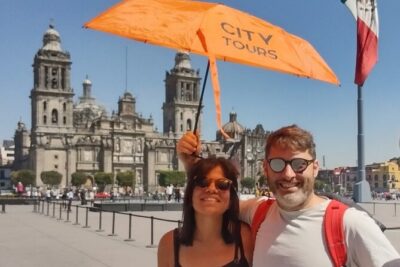
Mexico City: Guided walking tour through the most historic parts of the city.
Read our review →Browse the lists this tour appears in