
Review · ITALY
Naples: National Archaeological Museum of Naples Guided Tour
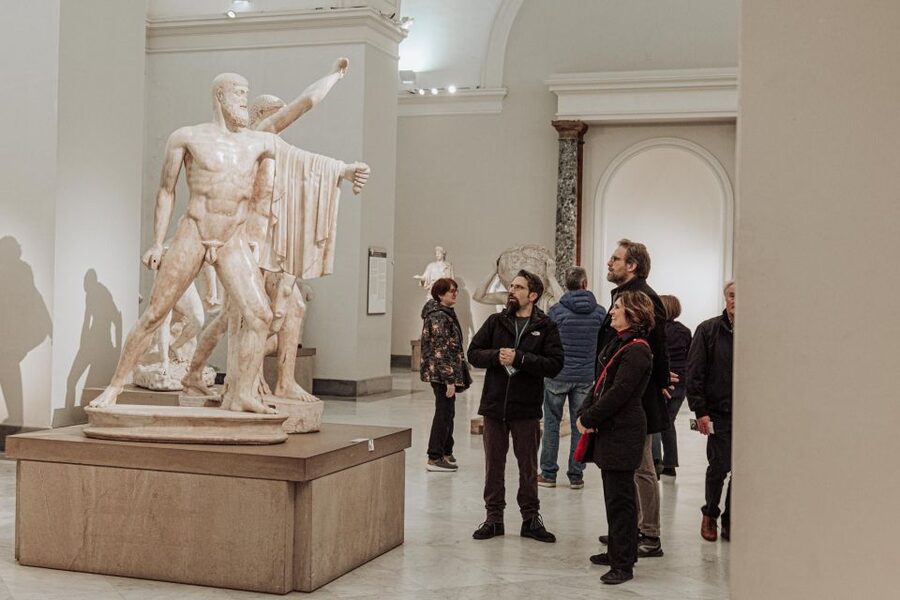
The most rewarding part of this tour is seeing Pompeii and Herculaneum through the museum’s finest objects. A street in Pompeii can show you how people lived, but here you see the paintings, mosaics, sculpture, and small treasures that give those ruins a sharper human face. The Farnese Hercules, Toro Farnese, and the Alexander mosaic are the big draws.
I like the skip-the-line entry, which saves you from starting your visit with a ticket queue. I also like the archaeologist-led approach. Guides such as Silvia, who works at Pompeii and teaches archaeology, and Nicoletta, praised for her clear storytelling about the Bay of Naples, can explain not only what you are seeing but how to look at it.
The main drawback is simple: two hours cannot cover a museum this large. You may also find it hard to hear if the group is spread out or the audio equipment is weak. Plan to stay afterward if you want more time with the galleries.
Key points at a glance
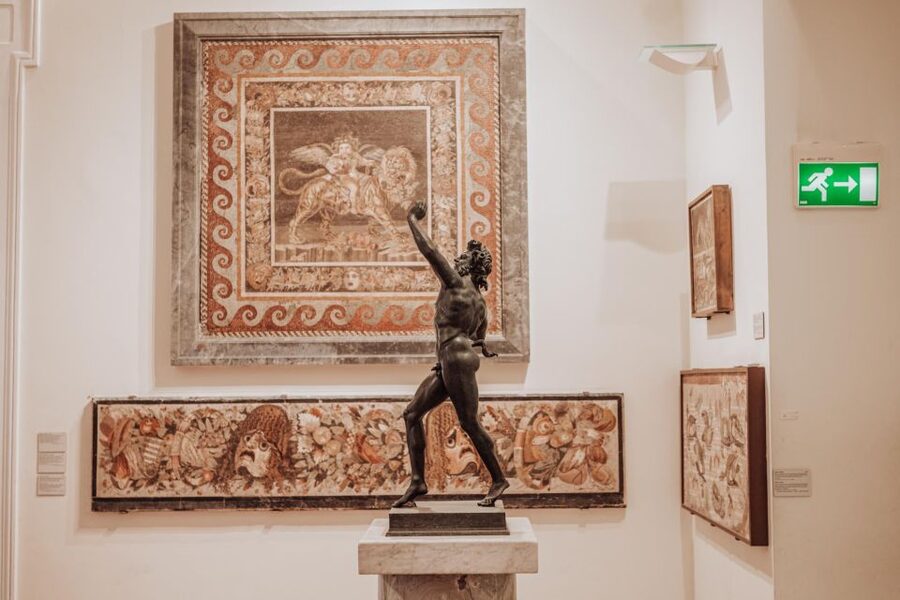
- Pompeii connections: See frescoes, mosaics, and objects removed from the towns buried by Vesuvius in AD 79.
- Farnese masterpieces: Meet the Farnese Hercules, Toro Farnese, Greek gods, Roman emperors, and other major sculptures.
- Archaeologist guides: Guides including Silvia, Nicoletta, Salvatore, Carmine, and Adele bring specialist training and lively explanations.
- Two-hour orientation: Get a focused route through the museum, then remain inside to explore at your own pace.
- Useful after Pompeii: The museum makes far more sense after you have walked through Pompeii or Herculaneum.
- Important restrictions: Large bags, oversize luggage, strollers, and non-folding wheelchairs are not allowed.
Why this museum matters after Pompeii
Naples National Archaeological Museum is not just another room full of old statues. It is the place where many of the most important objects from the Bay of Naples are gathered, including art found at Pompeii and Herculaneum. That makes it a strong companion to a visit to the excavations.
At Pompeii, you stand in houses, shops, temples, and streets. At the museum, you see the details that were removed for protection or study. A wall painting becomes easier to appreciate when you have already seen the room it came from. A mosaic feels less like a decorative floor and more like part of a real Roman home.
I would schedule this tour after Pompeii if your plans allow. Several guides make that connection directly, and it is good advice. You will recognize places, subjects, and artistic styles instead of meeting everything as a disconnected collection of ancient objects.
If you visit the museum first, the tour still works. Your guide will give you the setting you need, then point out the objects most likely to make sense later at Pompeii and Herculaneum. But after seeing the ruins, you get more from the paintings and mosaics because you can picture them in use.
More Archaeological Site Tours in Italy:
- Pompeii: Entry Ticket and Guided Tour with an Archaeologist
★ 4.8 · 19,459 reviews - Pompeii: Small Group Tour with an Archaeologist
★ 4.8 · 12,264 reviews - Pompeii Small Group Tour with an Archaeologist
★ 5.0 · 6,593 reviews
Meeting the guide outside the ticket office
The meeting point is outside the museum ticket office. Look for the guide holding an ASKOS TOURS sign. This is worth taking seriously because the museum is a major public building, and arriving at the wrong entrance can eat into a two-hour visit.
The tour includes admission and skip-the-line access. You are not simply being handed a ticket and left to find your way around. The guide gathers the group, gets you inside, and begins the museum visit with a plan.
The practical benefit is greater than it first appears. This museum can feel bewildering on your own, especially if you have limited time. A guide chooses a sensible route and gives you a story to follow, rather than asking you to decide which of hundreds of statues, cases, and wall paintings deserve attention.
The tour is offered in English or Italian. Several guides have been singled out for clear English, while one past experience noted that a sore throat and weak sound equipment made the visit harder to follow. If you have hearing difficulties, ask about the audio setup at the start. One visitor with hearing loss found the provided earpieces especially useful, but the equipment may not feel equally effective in every group.
The Farnese Collection and its giant sculptures
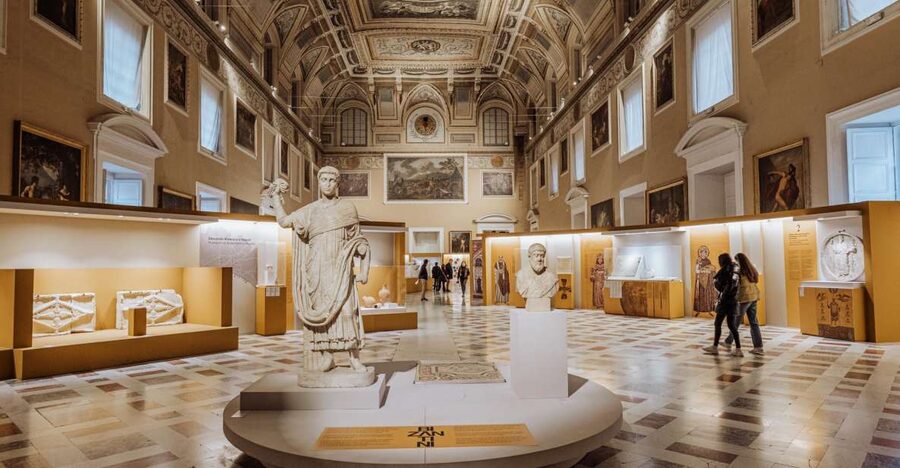
The Farnese Collection is the first major reason to book a guided visit. It is famous for its ancient sculpture, and the scale of some works can make a strong first impression before your guide says a word.
The Farnese Hercules is the obvious star. This muscular figure is not a small museum piece that disappears among other statues. Its size and physical force make it easy to remember, and a guide can help you read the pose, expression, and ancient ideals behind it.
The Toro Farnese is another major work. The sculpture shows a dramatic mythological scene with several figures locked into a complicated composition. On your own, you might admire the twisting marble and move on. With an archaeologist explaining the story and the restoration history, the group becomes easier to read.
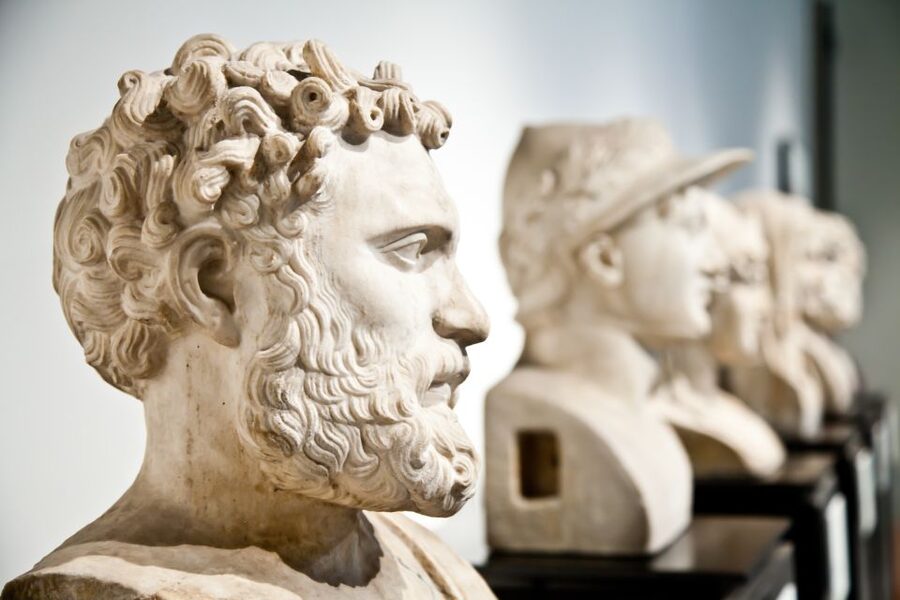
The galleries also include figures of Greek gods, Roman emperors, and other classical subjects. The corridors lined with busts create one of the museum’s most memorable visual effects. You walk past face after face, each one offering a small clue about how ancient people represented power, age, beauty, and authority.
I like this part of the tour because it gives you a basic vocabulary for classical art. Instead of treating every statue as a handsome but nameless body, you learn to notice attributes, poses, clothing, and symbols. That helps later when you visit other museums and archaeological sites in Italy.
Pompeii and Herculaneum’s color and detail
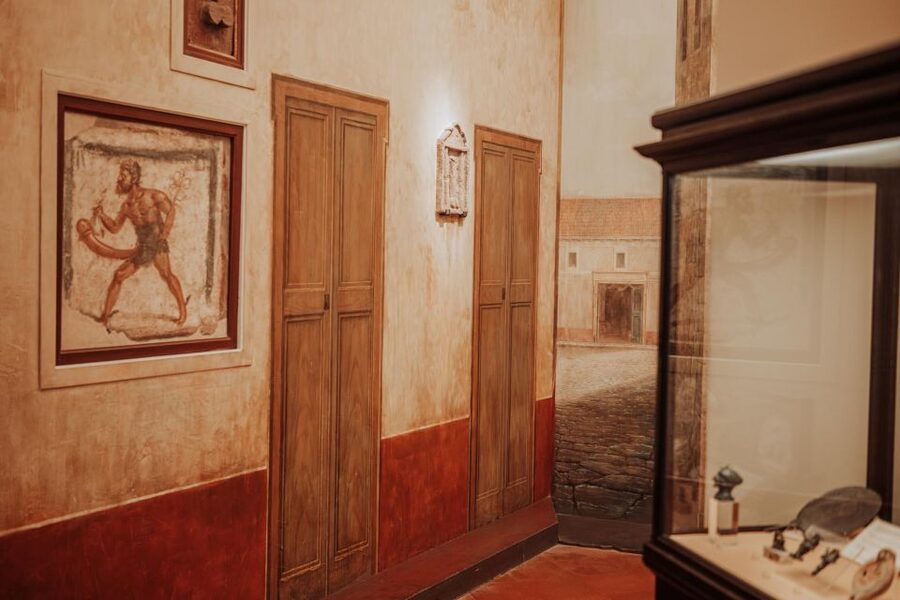
The museum’s frescoes and mosaics are the emotional center of the visit for many people. They survived the eruption of Mount Vesuvius in AD 79, along with other objects from the buried towns. Their survival is remarkable, but the real reward is seeing how polished and imaginative Roman domestic art could be.
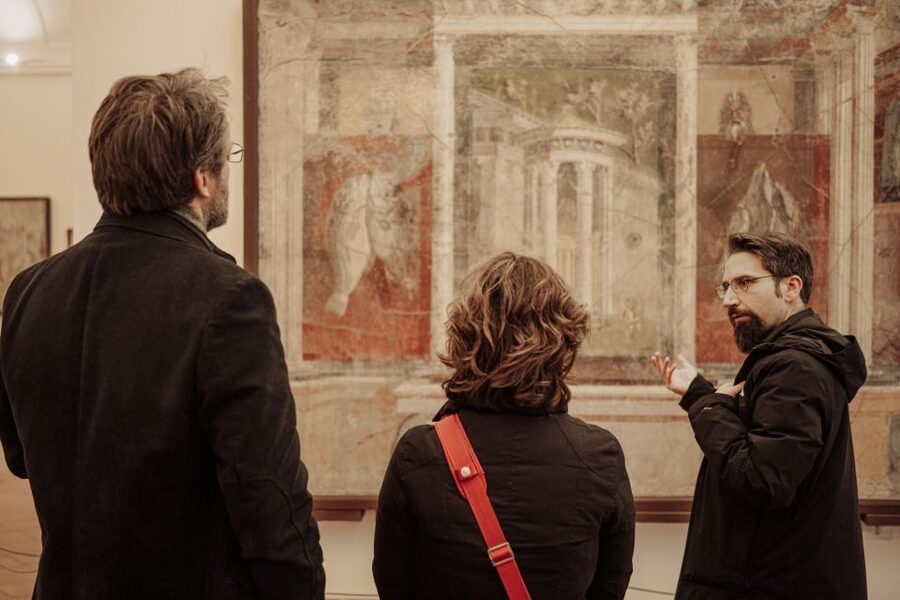
The paintings are not all grand public works. Many came from houses and private rooms, which makes them useful evidence of daily taste and ambition. A guide can point out repeated mythological scenes, decorative patterns, and the way Roman artists used architectural effects to make walls seem more open.
The mosaics reward patience. Look for the precision of the tiny pieces, the range of colors, and the way the images create movement. The famous Alexander mosaic, showing Alexander the Great and Darius, is one of the museum’s most important works, although its display or restoration status can change. One past visit found it under restoration, so check current conditions if this specific mosaic is your main reason for going.
The connection to Herculaneum matters, too. Herculaneum was smaller than Pompeii but preserved different kinds of material, including vivid decorative work. Your guide can place the objects within the wider Bay of Naples area instead of treating Pompeii and Herculaneum as identical sites.
This is where an archaeologist guide can make the greatest difference. Silvia has been described as someone who works at Pompeii and teaches archaeology at university. That sort of background can help you understand how excavators interpret an object, how a painting fits its room, and why preservation affects what you see today.
More Guided Tours in Italy:
- Rome: Colosseum with Arena, Roman Forum and Palatine Guided Tour
★ 4.0 · 5,598 reviews - Venice: St. Mark’s Basilica Guided Tour & VR History Intro
★ 3.9 · 4,880 reviews - Colosseum with Arena, Roman Forum and Palatine Hill Guided Tour
★ 4.5 · 3,526 reviews - Herculaneum: Skip-the-Line Guided Tour with Archaeologist
★ 4.8 · 3,439 reviews
A focused two-hour route through a huge museum
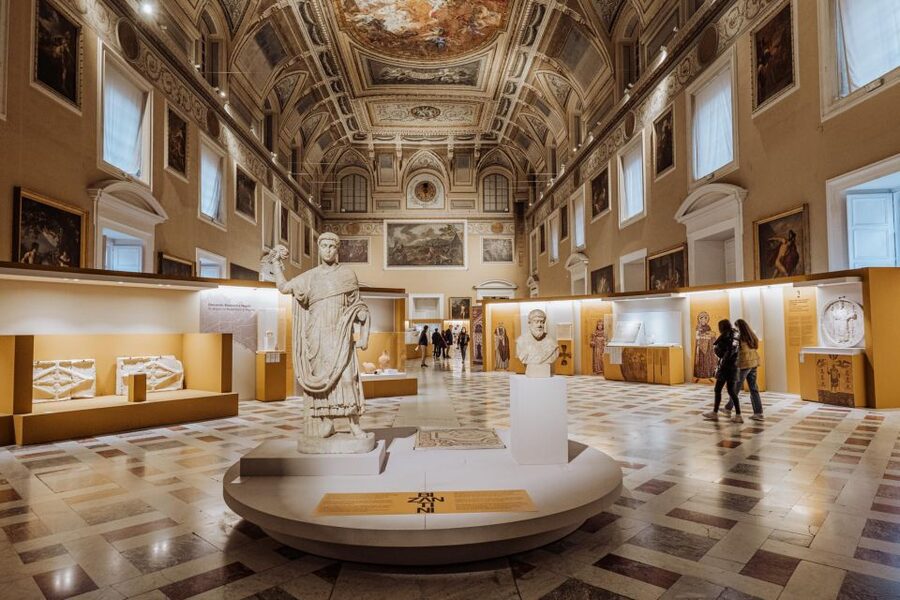
The advertised duration is two hours, and that is a useful amount of time for an introduction. It is long enough to cover major rooms without turning the tour into a tiring lecture, but short enough to fit into a busy Naples schedule.
Do not expect every gallery or floor. The museum is simply too large. A good guide concentrates on the Farnese Collection, the Pompeii and Herculaneum material, famous sculptures, selected mosaics, frescoes, coins, and wall paintings.
That focus is a strength, not a flaw. I would rather spend two hours properly looking at a smaller number of important works than rush through every corridor with a list of names. The route also gives you a map in your head, so you can return to sections that caught your attention.
Past groups have ranged from very small gatherings of around five or six people to larger groups of eight. A small group makes it easier to ask questions and stay near the guide. Group size can vary, so do not assume a private tour, but the format has often allowed direct conversation.
The pace is generally manageable, though the museum offers few natural breaks during an explanation-heavy route. One visitor specifically wished for more places to sit and rest. If you need frequent seating, plan your energy carefully and tell the guide early.
The value of an archaeologist rather than an audio guide
The adult museum admission included in the tour is listed as 20 euros, while the price of this experience is $52 per person. The difference pays for more than entry. You are paying for a live route, interpretation, questions, and help deciding what deserves your limited time.
For a first visit, I think that is fair value. The museum is too large for a casual glance, and the objects do not always explain themselves. A good guide turns a famous statue into part of a story about mythology, power, collecting, and Roman taste.
The tour is less compelling if you already know the museum well or prefer to read labels in silence. You may also feel the price more sharply if you are visiting on a day when the museum offers free admission, such as the first Sunday of the month, as one past visitor noted. Even then, the guide remains the main product, but the admission saving changes the calculation.
The strongest guide names appearing repeatedly in the tour’s recent history include Nicoletta, Silvia, Salvatore, Carmine, Adele, Laura, Barbara, and Gennaro. You are not guaranteed a particular person, but the pattern is encouraging: the guides are often described as archaeologists, teachers, or people with strong specialist training.
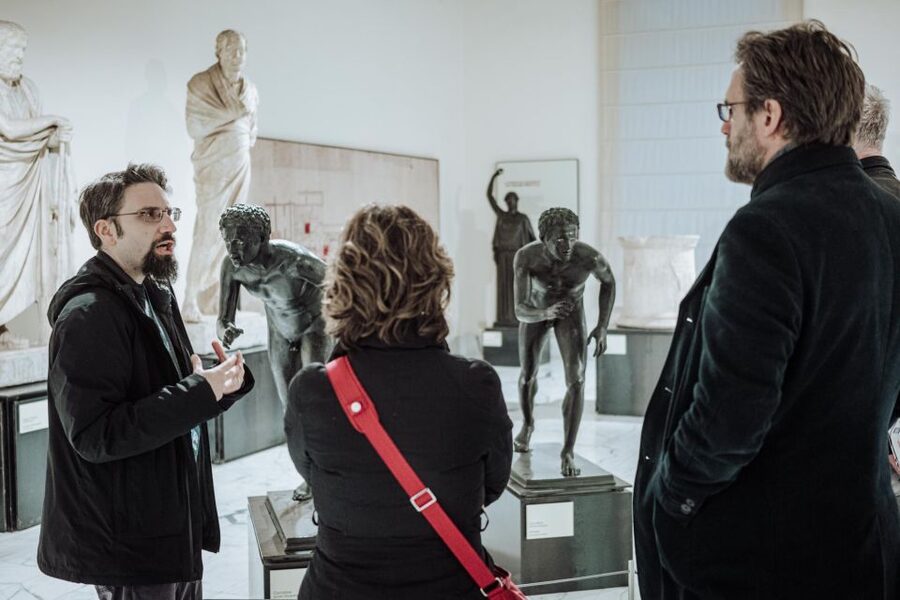
I especially value the interactive side. You can ask why a figure is shown in a certain pose, how a mosaic was found, or what a particular object tells us about life around Vesuvius. An audio guide gives information. A live guide can adjust the explanation to your questions.
What the experience feels like for different visitors
This tour suits first-time museum visitors who want a clear introduction without spending half a day wandering. It also works well for people who have visited Pompeii and want the objects to complete that experience.
History lovers will enjoy the depth, especially if you ask questions. Families and mixed-age groups may appreciate the stories and large sculptures, though two hours of concentrated looking can be tiring for younger children.
The experience can be good for older visitors when the pace is comfortable, but the mobility restrictions matter. The tour is not suitable for wheelchair users or people with mobility impairments. Non-folding wheelchairs, electric wheelchairs, baby strollers, large bags, and oversize luggage are not permitted.
For anyone with hearing concerns, confirm how the guide will use microphones and earpieces. Some groups found the sound system helpful, while others reported difficulty hearing. Staying close to the guide and speaking up quickly is sensible.
You do not need transportation, food, or drinks for this activity. They are not included, so treat the tour as a museum visit rather than a full-day excursion. You meet at the museum, spend two hours inside, and can continue on your own afterward.
How to make the most of your museum time
Read a little about Pompeii before you go, or better yet, visit Pompeii or Herculaneum first. You will arrive with questions, and the museum will answer many of them through objects rather than ruins.
Wear shoes you can comfortably use for two hours of standing and walking. The route passes through broad galleries and corridors, but a museum visit still asks more of your legs than it sounds like on paper.
Bring only what you need. Large bags and luggage are prohibited, and a heavy daypack is not a good companion for close viewing in crowded galleries. Since storage arrangements are not specified here, do not arrive assuming that every oversized item can be checked.
At the end, do not rush straight outside. Ask the guide which rooms are worth revisiting, then use the rest of your admission time to return to the Hercules, Toro Farnese, mosaics, or any painting that caught your eye. This extra time is one of the best features of the format.
If the Alexander mosaic is a priority, ask whether it is currently on display and accessible. Museum displays change, and past conditions have included restoration work. The broader Pompeii collection remains worthwhile even if one famous object is temporarily unavailable.
Should you book the Naples Archaeological Museum tour?
I would book it if you have two hours, care about Pompeii and Herculaneum, and want help making sense of a very large museum. The archaeologist-led route, skip-the-line admission, and chance to ask questions make it a practical choice for a first visit.
I would skip it if you prefer to explore alone, already know the Farnese and Pompeii collections, or are trying to keep costs as low as possible on a free-admission day. In that case, you can spend the money on extra time and read the galleries at your own pace.
For most first-time visitors, though, the guide is the difference between seeing a lot of ancient objects and understanding why the best ones matter. Schedule it after Pompeii if possible, stay afterward for a second look, and be ready for a museum that is far bigger than its two-hour introduction suggests.
FAQ
How long does the guided museum tour last?
The guided visit lasts two hours. You can remain in the museum afterward to look at additional exhibits or revisit major works, subject to museum access rules.
What does the $52 price include?
The price includes the tour, an archaeologist guide, and entry to the National Archaeological Museum of Naples. Standard adult museum admission is listed as 20 euros, with a 2 euro reduced rate for EU citizens aged 18 to 25.
What languages are available?
The live guide is available in English or Italian.
Where do I meet the guide?
Meet outside the ticket office of the Archaeological Museum of Naples. The guide will hold an ASKOS TOURS sign.
Can I bring luggage or a stroller?
No. Oversize luggage, large bags, baby strollers, non-folding wheelchairs, and electric wheelchairs are not allowed.
Is the tour suitable for wheelchair users?
No. The activity is listed as unsuitable for wheelchair users and people with mobility impairments.
Just added around Italy
- Guided Cultural Tour of the Godfather Film in Messina★ 5.0 · 31 reviews
- Guided tour of the Riace Bronzes and the Archaeological Museum of Reggio Calabria★ 5.0 · 44 reviews
- SU NURAXI BARUMINI Unesco World Heritage Site★ 5.0 · 129 reviews
- Brescia the Unexpected: History, Local Stories & a drink★ 5.0 · 31 reviews
- Bolognese Cooking Class with Margherita in the Historic Center★ 5.0 · 26 reviews
- Tower and Power, Virtual tour in Medieval Bologna★ 4.5 · 54 reviews
- Bologna historical art walking tour with hidden gems and tastings★ 5.0 · 108 reviews
- Best of Bologna in one day : Food, architecture, art and history★ 5.0 · 27 reviews
Italy History Tours, compared.
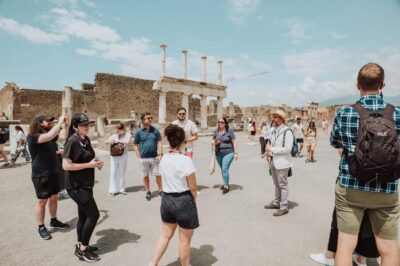
Pompeii: Entry Ticket and Guided Tour with an Archaeologist
Read our review →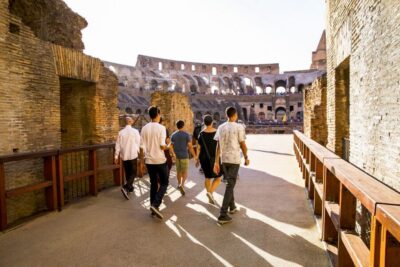
Colosseum: Underground and Ancient Rome Tour
Read our review →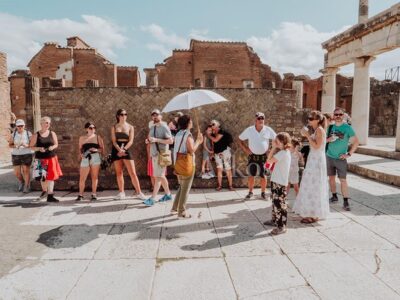
Pompeii: Small Group Tour with an Archaeologist
Read our review →Pompeii Small Group Tour with an Archaeologist
Read our review →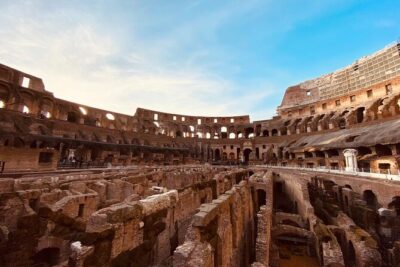
Rome: Colosseum with Arena, Roman Forum and Palatine Guided Tour
Read our review →
Venice: St. Mark’s Basilica Guided Tour & VR History Intro
Read our review →
Colosseum with Arena, Roman Forum and Palatine Hill Guided Tour
Read our review →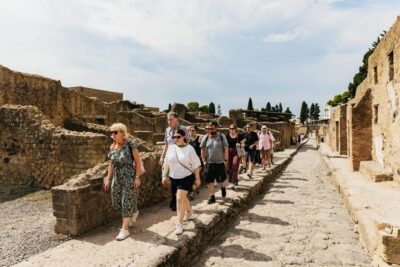
Herculaneum: Skip-the-Line Guided Tour with Archaeologist
Read our review →Browse the lists this tour appears in