
Review · GERMANY
POTSDAM: Old historical town, a walk with a certified guide
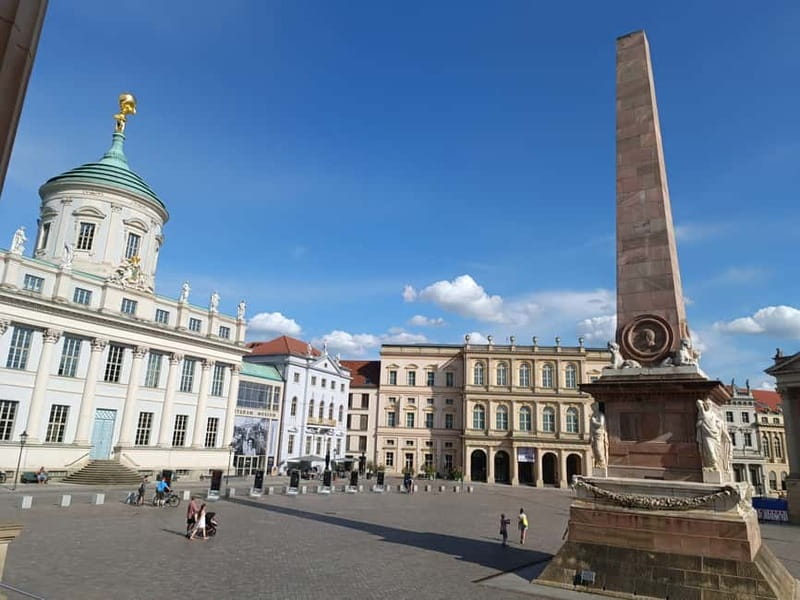
Potsdam’s old center is a place where history keeps changing shape. On this two-hour walk, you move from the Fortunaportal through historic streets toward the Dutch Quarter, hearing how rulers, builders, and city planners shaped what you see today. The route is less about ticking off monuments and more about connecting the buildings to the people behind them.
I like the focus on small details and overlooked corners, especially the questions about Potsdam’s different city gates and its oldest surviving building. I also like the clear finish in the Dutch Quarter, home to the largest enclosed group of Dutch-style buildings outside the Netherlands. The main drawback is that the guide speaks German, so this is not a good choice if you need an English-language tour.
Key points to know before you book
- The route links two strong landmarks: Begin beside the Fortunaportal and finish in the Dutch Quarter.
- The stories go beyond dates: The guide explains who shaped Potsdam and why its buildings look the way they do.
- The Dutch Quarter is the headline sight: See the largest closed Dutch-style building group outside the Netherlands.
- The tour runs in all weather: Wear comfortable shoes and bring rain gear.
- It is aimed at adults and older children: Children under 12 are not permitted.
- The German-language guide is certified by the City of Potsdam: Book only if you can follow spoken German.
A thoughtful walk through Potsdam’s old center
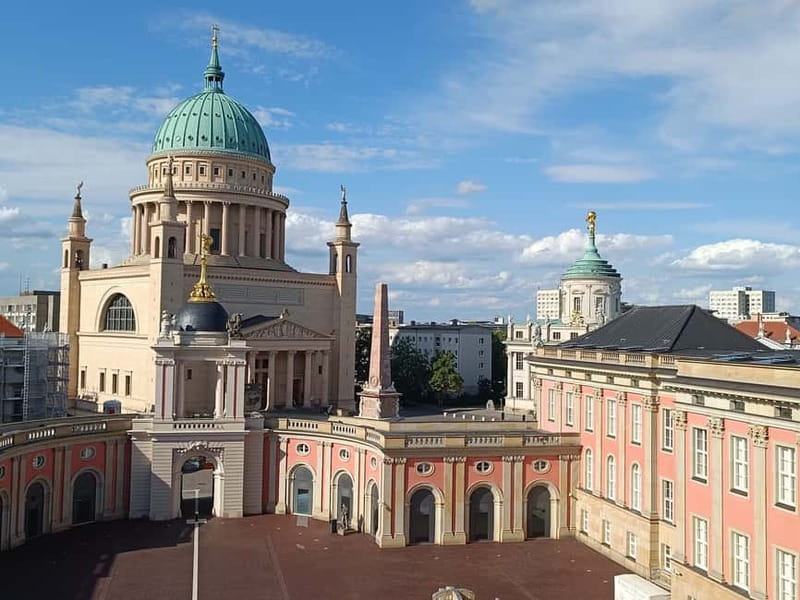
This tour gives you a useful first look at Potsdam without asking you to spend half a day on your feet. In two hours, the guide leads you through the historic center and explains how different periods overlap in the city.
That mix is the appeal. You are not shown one perfectly preserved old town and sent on your way. Instead, you encounter buildings that are old, buildings that are new, and buildings that are newly rebuilt or restored. Potsdam’s past is visible, but it is not frozen.
The route follows the footsteps of people who shaped the city. The supplied details do not name individual guides, but the guide is a certified City of Potsdam guide. Recent tour feedback describes the guiding style as humorous, friendly, informative, and full of useful local detail. That matters on a walking tour, where a good explanation can turn an ordinary-looking doorway or street corner into a meaningful stop.
The tone also appears to be relaxed rather than stiff. One February tour was enjoyed despite bitter cold, which tells you something practical: the walk keeps moving and does not depend on perfect weather. Still, you should dress for the season. This is an outdoor tour from start to finish.
More History Walking Tours in Germany
- Berlin: Third Reich & Cold War Guided Walking Tour
★ 4.9 · 8,378 reviews - Munich: Third Reich & WWII Walking Tour
★ 4.6 · 6,181 reviews - Berlin’s Best: 2 Hour Walking Tour Third Reich and the Cold War
★ 5.0 · 5,486 reviews
Starting beside the Fortunaportal
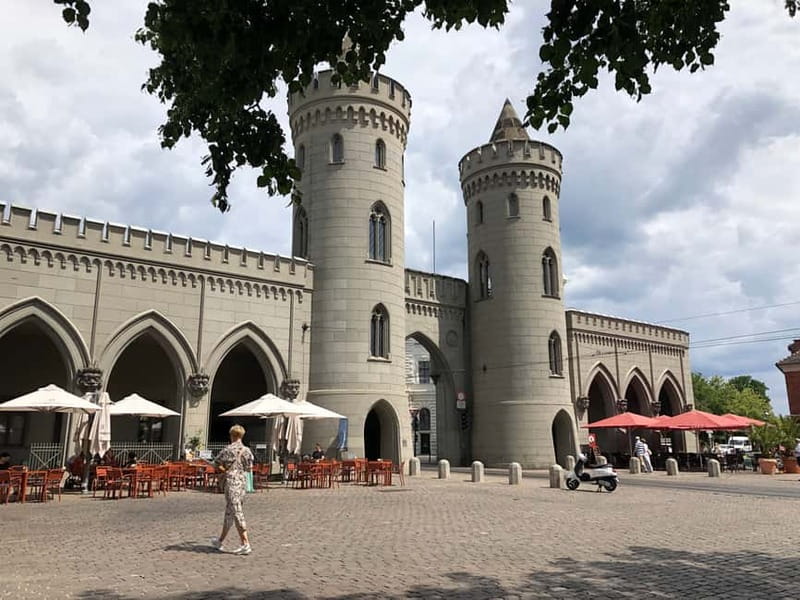
The meeting point is next to the Fortunaportal. That makes the start fairly easy to identify, but you should look for the guide beside the portal rather than assume the tour begins inside a building or at a ticket desk.
Beginning here gives the walk a strong visual opening. The Fortunaportal is one of those places where Potsdam’s grand architectural ambitions are immediately clear. From the first minutes, the guide can set up the main theme of the tour: how the city has been shaped, altered, and brought back to life over time.
You will want to arrive with enough time to find the exact meeting spot. The supplied information does not give a street address, group size, or details about nearby transport, so do not rely on last-second directions. Once the guide has gathered the group, the route continues on foot through the historic center.
City gates with different stories
One of the most interesting questions raised during the walk is why Potsdam’s city gates look so different from one another. That is a smart way to read the city. Instead of treating every gate as a similar piece of old architecture, you learn to look for the purpose and period behind each design.
The guide uses the gates to explain Potsdam’s changing identity. Different styles can point to different building campaigns, different ambitions, or different ideas about how the city should present itself. You are not simply taking pictures of a pretty entrance. You are learning why the city’s visual language changes from one location to the next.
This is also where a certified local guide adds value. A map can show you where the gates are, but it cannot easily explain their place in the city’s story. The walk gives you a person to ask when a detail catches your eye.
Finding Potsdam’s oldest surviving building
The tour also asks which building is the oldest one still standing in Potsdam. That question gives the walk a sense of discovery, even though this is not designed as a treasure hunt.
You will hear how the building fits into the wider story of the center and why survival matters. Potsdam has seen major changes, so an old building is not just an attractive backdrop. It is evidence of what remained while the city changed around it.
The exact answer and the full explanation are best heard from the guide on site. That is useful because the building’s importance is easier to understand when you are standing in front of it, rather than reading a detached fact in a guidebook.
Same city, a different century:
- Leipzig: City History Canal Sightseeing Tour on a Motorboat
★ 4.7 · 7,671 reviews - Third Reich Berlin: Hitler and WWII Walking Tour
★ 5.0 · 3,301 reviews - Leipzig: 1.5-Hour Historical Walking Tour in German
★ 4.7 · 2,217 reviews - Nuremberg: Medieval Dungeons Guided Tour
★ 4.8 · 2,214 reviews
The Dutch Quarter and its unusual connection to the Netherlands
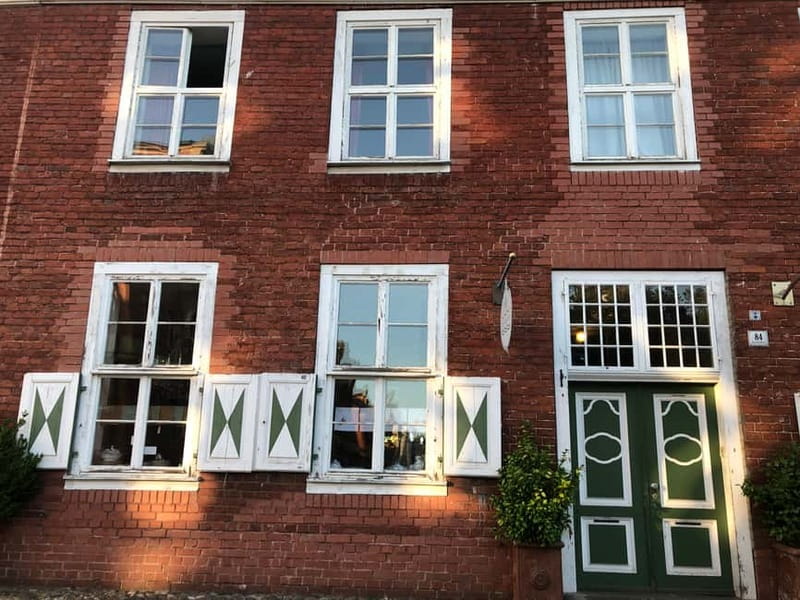
The Dutch Quarter is the finishing point and one of the clearest highlights. It contains the largest enclosed group of Dutch-style buildings outside the Netherlands, giving this part of Potsdam a distinct look within the city center.
The tour asks who caused the quarter to be built. That question shifts your attention from architecture to human decisions. You learn that the quarter was not an accidental collection of similar façades. It came from a plan and from a particular need or ambition connected with Potsdam’s development.
Finishing here is a good choice. By the end of the walk, you have heard about city gates, old buildings, political and civic changes, and the people behind them. The Dutch Quarter then gives you a strong visual conclusion.
The finish also makes the tour practical for the rest of your day. You can continue exploring the area independently after the guide says goodbye. The information provided does not promise restaurant suggestions, museum entry, or additional stops, so think of this as a focused walking introduction rather than a complete day program.
Old, new, and newly rebuilt Potsdam
A useful idea running through the walk is Potsdam’s mixture of old, new, and new old. That last category is important. Some places may look historic but have been rebuilt or reshaped, and the guide helps you notice the difference.
For you, this means the walk offers more than a parade of handsome façades. It encourages a careful look at what you are seeing. Is a building original? Was it restored? Was it reconstructed? What does its present form say about the way Potsdam remembers its past?
The tour also points out where the Landtag of Brandenburg is located. This adds a modern political layer to the old center. You are reminded that Potsdam is not only a historical setting. It is also the capital of Brandenburg and a working city with present-day government at its center.
That balance is one of the tour’s strengths. You get historic architecture, but you also see how the city functions now. The past is part of the setting, not the whole story.
What the two-hour pace feels like
Two hours is long enough to build a clear picture of the center, but short enough to fit around other plans. You can expect a steady walking tour rather than a series of long indoor visits. The supplied details do not include museum admissions or interior access, so plan on seeing the city primarily from its streets and public spaces.
The pace should suit you if you enjoy listening while walking and stopping for explanations. It may be less suitable if you want lots of time for photographs at every stop or prefer to explore at your own speed. A guided walk gives you structure, but it also means following the group.
The short duration is especially useful on a first visit. You can use the tour to get your bearings, learn which parts of the center deserve a second look, and return later on your own. It also works well for a compact Potsdam visit when you want historical context without committing to a full-day program.
Guide quality and language
The guide is certified by the City of Potsdam, and the strongest praise centers on the way the information is delivered. The guiding is described as humorous, open, friendly, and varied. One recent participant said the two hours passed quickly, which is a good sign for anyone worried about a dry lecture.
The guide’s role is especially important because the walk is built around questions. Why were the gates designed differently? Who ordered the Dutch Quarter? Which building is the oldest survivor? A good guide does not just recite answers. The guide links each answer to the street in front of you.
The tour is conducted in German only. This is the most important booking consideration. If you understand German well enough to follow a spoken explanation for two hours, the format should work. If not, the sights will still be visible, but much of the value will be lost.
Price, weather, and practical value
At $28 per person, the tour offers reasonable value if you want local explanation rather than a self-guided walk. You are paying for two hours with a certified city guide, a planned route, and context that would take time to assemble on your own.
The price is less attractive if you only want to see the main buildings quickly or if you already know Potsdam’s center well. It also does not include a meal, transport, or stated entry to attractions. Think of it as a compact orientation and history walk, not an all-inclusive sightseeing package.
The tour runs rain or shine. Bring rain gear and wear comfortable shoes. Potsdam’s center may look easy on a map, but two hours of walking is still two hours, and poor footwear can quickly spoil an otherwise enjoyable outing.
Free cancellation is available up to 24 hours before the start for a full refund. You can also reserve now and pay later, which helps if your schedule is still changing. Starting times depend on availability, so check the date carefully when booking.
Who should take this Potsdam walk
I would recommend this tour to adults and children aged 12 or older who want a clear introduction to Potsdam’s historic center. It suits people who enjoy architecture, local stories, city planning, and the link between historic buildings and present-day life.
It is also a good pick if you prefer a small dose of history with a human guide instead of reading signs at every stop. The praise for the humor and friendly manner suggests the experience is not overly formal.
I would skip it if you need English, dislike walking in bad weather, or want extensive access inside monuments. The tour’s value is in the guide’s storytelling and the connections between places, not in a long list of admissions.
Should you book it?
Book this Potsdam walk if you can follow German and want a focused introduction to the old center. The route has a clear shape, the Dutch Quarter gives it a memorable finish, and the questions about the city gates, oldest surviving building, and Brandenburg’s state parliament keep the history connected to what you see.
The best reason to choose it is the guide’s local explanation. You will leave with more than photographs of façades. You will understand why Potsdam looks so varied and how old, rebuilt, and modern elements share the same streets.
FAQ
Where does the tour begin?
The guide waits next to the Fortunaportal in Potsdam.
Where does the tour finish?
The walk finishes at the Dutch Quarter.
How long does the tour last?
The guided walk lasts two hours.
What language is the tour in?
The tour is conducted in German by a certified City of Potsdam guide.
Is the tour suitable for children?
Children under 12 are not permitted on this tour.
What should I bring?
Bring comfortable shoes and rain gear.
Does the tour run in bad weather?
Yes. The tour takes place rain or shine.
Just added around Germany
- Berlin Food & Cultural Tour: Must-Try German & Berliner Classics★ 5.0 · 51 reviews
- Berlin Half-Day World War II Walking Tour★ 4.5 · 48 reviews
- Berlin Cold War & World War II Third Reich Walking Tour★ 4.5 · 30 reviews
- Small-Group Historical Bike Tour in Berlin★ 4.5 · 103 reviews
- Historic center of Berlin – Tour in Italian★ 5.0 · 143 reviews
- Private Taxi Tour City East & West History and Architecture 3-4h★ 5.0 · 42 reviews
- Berlin Wall and Cold War Bike Tour in Small Groups★ 5.0 · 114 reviews
- Private Tour: Jewish Heritage Walking Tour of Berlin★ 5.0 · 29 reviews
Germany History Tours, compared.

Berlin: Third Reich & Cold War Guided Walking Tour
Read our review →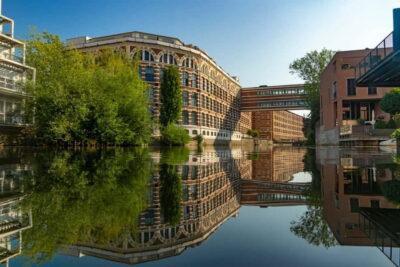
Leipzig: City History Canal Sightseeing Tour on a Motorboat
Read our review →
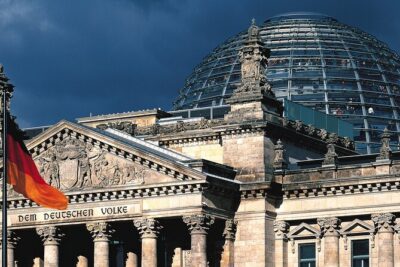
Berlin’s Best: 2 Hour Walking Tour Third Reich and the Cold War
Read our review →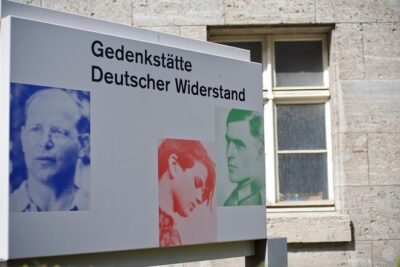
Third Reich Berlin: Hitler and WWII Walking Tour
Read our review →
Leipzig: 1.5-Hour Historical Walking Tour in German
Read our review →
Berlin: Third Reich, Hitler, and WWII Walking Tour
Read our review →Browse the lists this tour appears in