
Review · RIO DE JANEIRO
Rio de Janeiro: Historical Downtown and Lapa Walking Tour
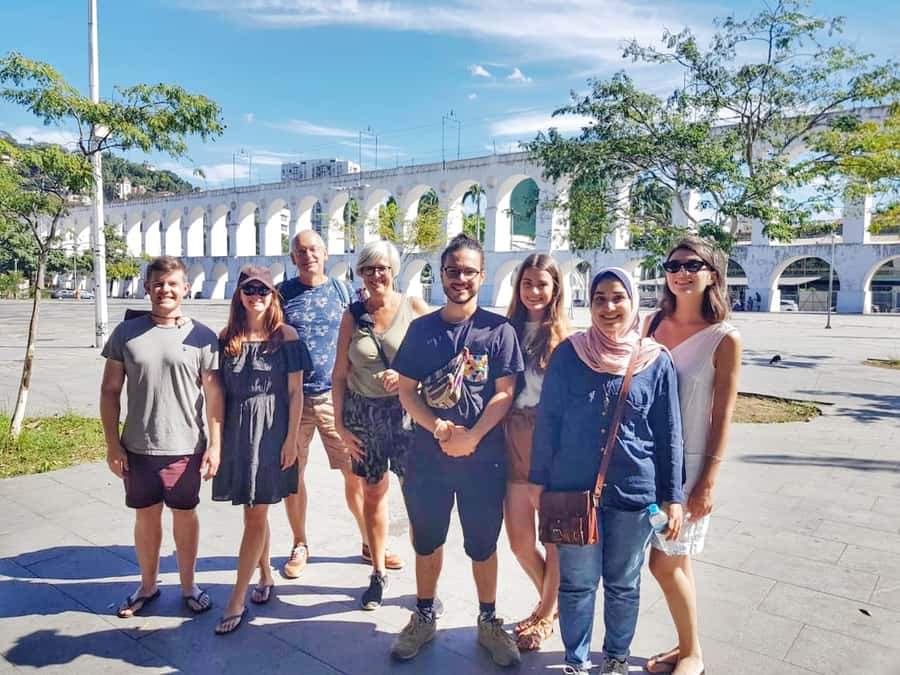
Rio’s past comes into focus on foot, beginning at Theatro Municipal in Cinelândia and moving through the old center toward Lapa. In three hours, you’ll see grand buildings, working city streets, and the sharp contrast between Rio’s modern daily life and its European-style imperial architecture.
I like the small groups of no more than 10 and the chance to enter the old cathedral, Imperial Palace, and National Library rather than simply view them from outside. I also like the practical side: guides can suggest good photo spots, restaurants, places to hear samba, and where to drink a caipirinha later. The main caution is that the meeting point may need clearer directions, and one English-language participant found the guide’s accent hard to follow.
Key points
- Starts at Theatro Municipal: Meet in Praça Cinelândia, one of central Rio’s key public spaces.
- Three important interiors included: Visit the old cathedral, Imperial Palace, and National Library.
- History tied to real city life: Learn about kings, queens, emperors, freedom fighters, revolutionaries, and present-day Rio.
- Small groups matter: With a maximum of 10 people, questions and route adjustments are easier.
- A useful first-day tour: Get restaurant, nightlife, samba, and photo advice from a local guide.
- Expect a true walking outing: Comfortable shoes are essential, and the tour runs in rain or shine.
Starting at Theatro Municipal in Cinelândia
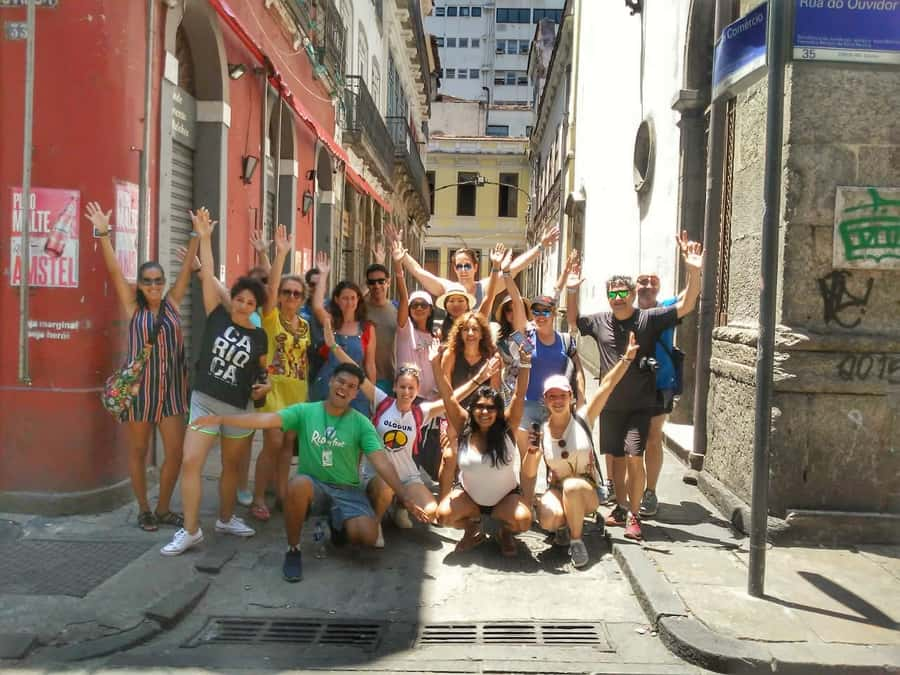
This tour begins in front of Theatro Municipal, in Praça Cinelândia. That gives you a strong starting point: instead of being dropped into a random street, you meet at a major civic and architectural part of Rio’s center.
From here, the tour sets up the story of the city. Rio is often sold through beaches, mountains, and sweeping views, but its downtown explains how the city became a seat of royal and imperial power. The walk connects the city you see today with the court, political movements, and social changes that shaped Brazil.
You should arrive with the meeting point clearly saved on your phone. The stated location is in front of Theatro Municipal, but one participant found the directions and phone contact less precise than they should have been. That is a small issue, yet it matters when you are standing in a busy square trying to find a guide.
The tour is offered in English, Portuguese, and Spanish. If you want the fullest possible explanation, choose the language in which you can comfortably follow a fast-moving discussion about names, dates, buildings, and political change.
More History Walking Tours in Brazil:
- Rio de Janeiro: Little Africa Heritage Walking Tour
★ 4.9 · 177 reviews - Paraty: Historic Centre Walking Tour & Cachaça Tasting
★ 4.8 · 96 reviews - Salvador Historic Walking Tour – Pelourinho
★ 4.8 · 62 reviews
The old cathedral and Rio’s religious past
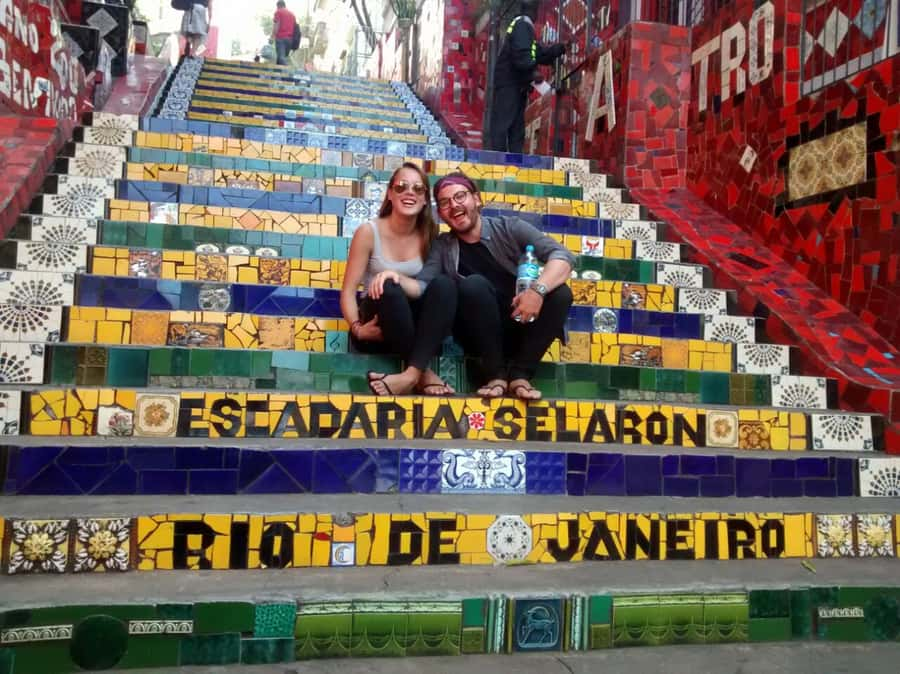
A key part of the walk is an interior visit to the old cathedral. This is more useful than a quick exterior stop because your guide can explain how religious buildings fit into Rio’s former court-centered society.
The cathedral also gives the tour a change of pace. After the open public space around the theater and the movement of central Rio, you step inside a place built for worship and ceremony. Your guide can connect the building to the wider story of kings, queens, emperors, and the people who challenged them.
The available details do not specify the cathedral’s name or the length of the visit, so do not expect a full guided church service or a long architectural lecture. Think of it as one stop in a wider walk, with the value coming from the explanation and the way it fits into Rio’s past.
For you, the main benefit is context. A historic building can look impressive but remain flat without a story. Here, the guide’s job is to show why the building matters and how it relates to the changing city around it.
Imperial Palace and the European court in Rio
The Imperial Palace gives the tour its clearest connection to Brazil’s royal and imperial era. Rio’s identity is not only about tropical scenery. The city also carries the marks of a European court, and this stop helps explain why the center contains such formal architecture.
An interior visit is included, which adds value to the $60 price. Many city walks point out major buildings and leave you at the door. Here, you are paying for access, interpretation, and a route that places the palace within the larger story of the city.
Your guide will cover the transformation of downtown over the centuries. That can include how royal power, imperial government, political movements, and ordinary city life shaped the same streets. The tour description specifically points to freedom fighters and revolutionaries, so the history is not limited to rulers and official buildings.
I would pay close attention here if you want to understand Rio beyond its famous coastline. The palace helps explain how the city became a center of power, while the surrounding streets show how that formal past now sits beside a modern working city.
National Library and the city’s public culture
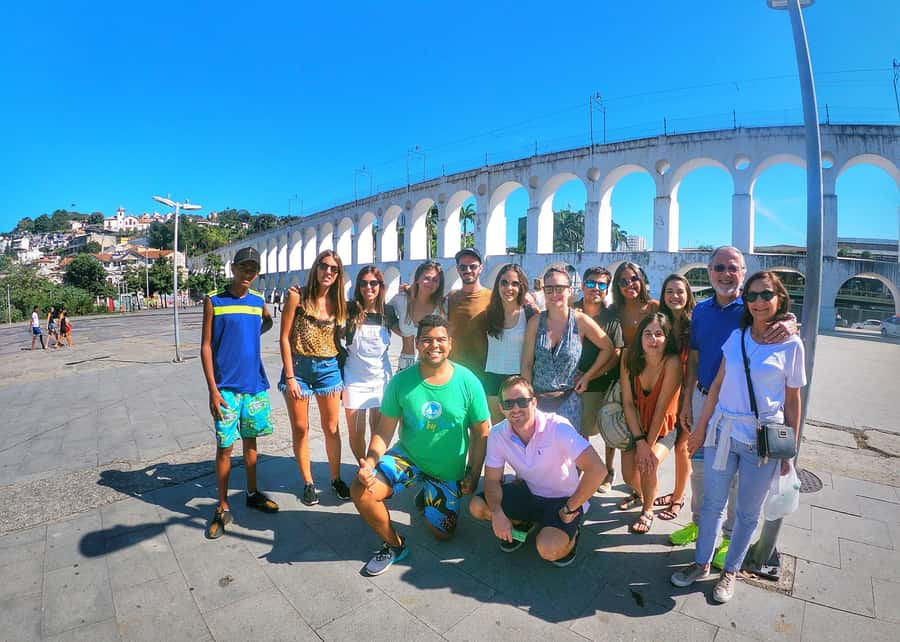
The National Library is another included interior visit. Its presence on the route broadens the story beyond religion and government. A library represents the role of books, education, public institutions, and recorded culture in a city that has changed hands, systems, and identities over time.
The tour does not promise a specialist library lecture, so keep your expectations practical. You should expect an informed explanation of the building and its place in Rio, not an extended research visit.
This stop is especially useful if you enjoy architecture with a civic purpose. The old cathedral shows religious life, the Imperial Palace shows authority, and the National Library points toward knowledge and public culture. Together, the three interiors give the walk more range than a simple parade of façades.
The contrast between old architecture and present-day use is one of the tour’s strongest ideas. You are not looking at a preserved museum city. You are walking through a center where historic buildings and everyday urban routines exist side by side.
More History Tours in Brazil:
- Maria Fumaça – Wines and History
★ 4.0 · 242 reviews - Rio de Janeiro: Historic Rio and Santa Teresa Half-Day Tour
★ 4.4 · 228 reviews - São Paulo: Downtown Historical Bike Tour
★ 4.9 · 191 reviews - Scenic Train ride to historical cities of Morretes and Antonina
★ 4.0 · 188 reviews
Lapa, local routines, and the modern center
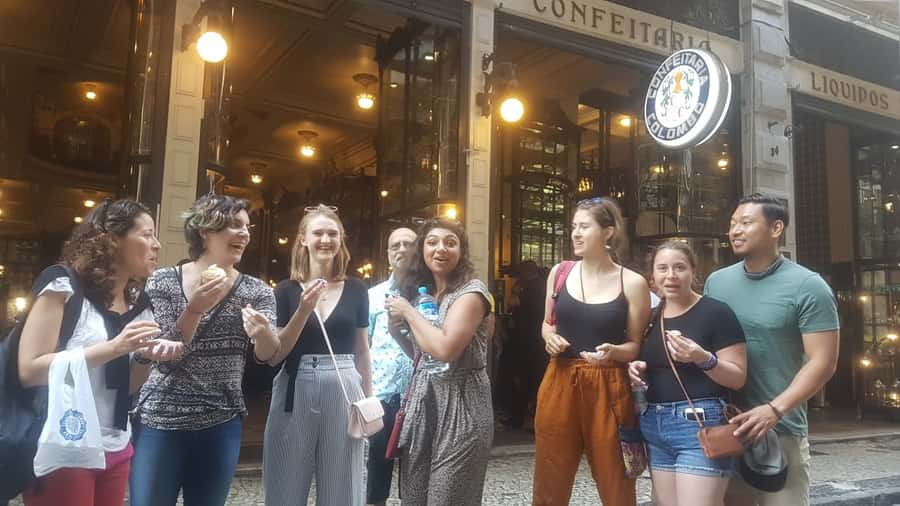
The title includes Lapa, and the broader experience is designed to show daily life as well as monuments. That means you should expect to walk through active central streets rather than remain inside formal sites for three hours.
This is where the tour can feel most useful on a first visit. A guide who knows the city can point out places for photographs, restaurants, evening dancing, samba, and caipirinhas. Those suggestions may save you from choosing a place at random later, especially if you want your time in Rio to include more than beach visits and major viewpoints.
The route also gives you a chance to see the contrast between historical and modern architecture. Grand civic or religious buildings may sit close to ordinary shops, offices, streets, and local routines. That contrast is not a flaw. It is the point of walking downtown instead of viewing Rio only from a scenic lookout.
Still, Lapa and the old center may not satisfy someone looking for a long list of spectacular sights. One participant felt that the old town did not contain many major highlights. I would book this walk for its explanation and atmosphere, not because every block is a postcard.
A guide-led history lesson, not a photo checklist
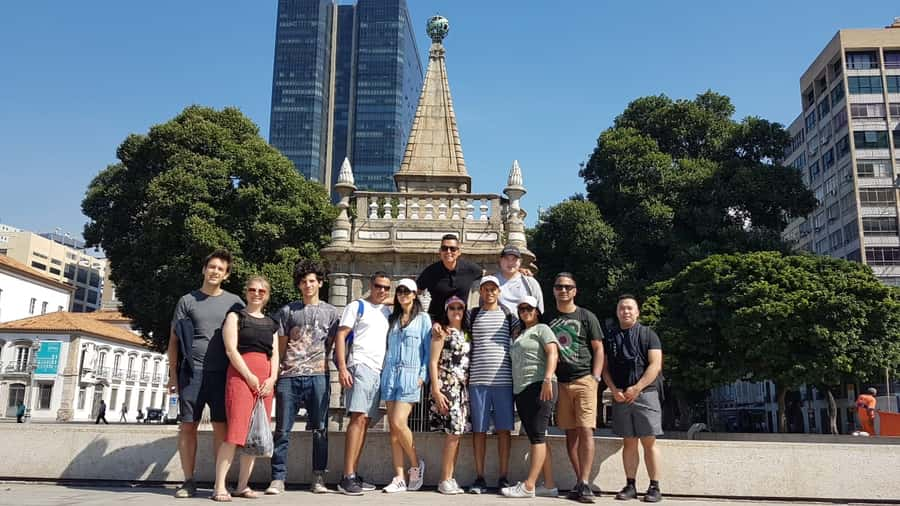
The strongest part of this experience is the guide’s role. The tour is built around passionate local guides who speak English, Portuguese, or Spanish and can answer questions along the way.
One English-language participant had no unanswered questions and praised the way the guide explained the city center’s changes over the centuries. Another found the information very interesting and appreciated being taken to places she would not have found alone. That tells you what this tour does best: it adds meaning and direction to streets you might otherwise pass without understanding.
Language fit still matters. One person found the guide’s accent difficult to follow in English. That does not mean the tour is unsuitable for English speakers, but you should be comfortable asking for repetition if a name, date, or explanation goes by too quickly.
The small-group limit helps. With up to 10 people, the guide can respond to questions more easily than on a large coach-style outing. In some cases, the group may be even smaller. One booking became a private experience with only the guide and one participant, who was able to request route changes and ask for extra explanations.
That flexibility is a real advantage, but it is not guaranteed. The advertised format is a small group, not a private tour.
The Colombo café pause and the value of a break

A well-timed stop at Colombo café was part of one successful outing. The available information does not say that every departure includes a café visit or whether food and drinks are included, so treat it as a possible pause rather than a guaranteed feature.
Still, the idea fits the tour well. Three hours on foot is long enough for a short break, especially in Rio’s heat or rain. A café stop can also connect the formal history of the center with the way people use it today.
Do not budget the $60 on the assumption that meals are included. The stated inclusions are the walking tour and the interior visits to the old cathedral, Imperial Palace, and National Library. If a café stop is made, expect to handle any personal purchase separately unless your booking details say otherwise.
Is $60 a fair price?
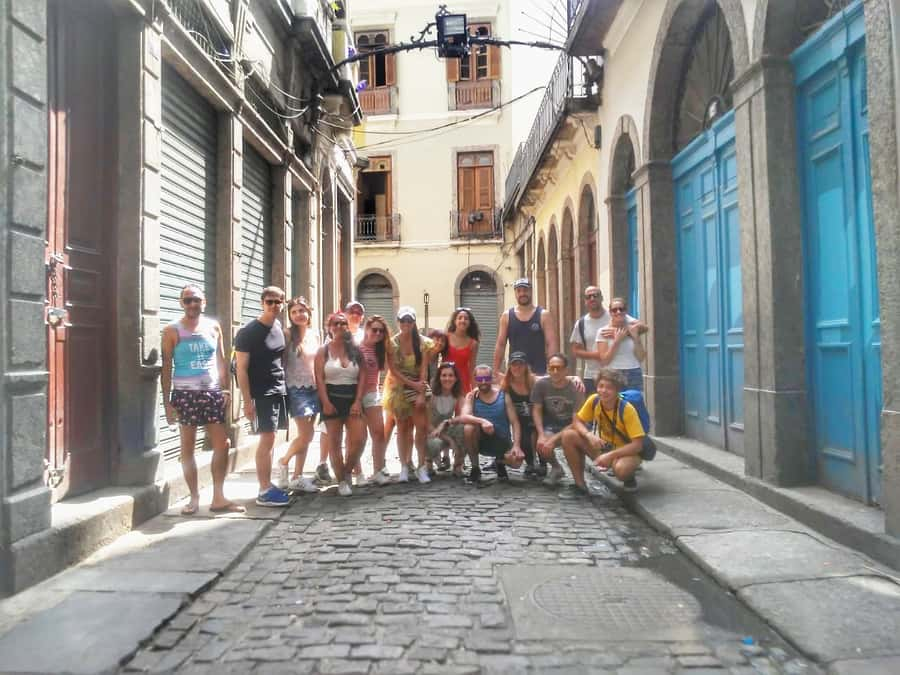
At $60 per person, this is not the cheapest way to walk around downtown Rio. The value depends on how much you want from a guide and how useful the interior access is to you.
I think the price is reasonable if you want a structured first look at the historic center, a guide in your language, entry to three significant interiors, and practical advice for the rest of your stay. A small group also gives the experience more personal attention than a free, self-guided walk.
The price is less appealing if you prefer to wander at your own speed, stop often for photographs, or focus mainly on famous views. The tour lasts three hours, and the main reward is explanation rather than a long list of dramatic sights.
The best way to judge it is by your first-day priorities. If you want to understand why Rio has imperial buildings, old religious sites, public institutions, and a living downtown, the fee buys useful context. If your plan is beaches, mountain views, and a quick look at Lapa at night, spend your money elsewhere.
Comfort, weather, and accessibility
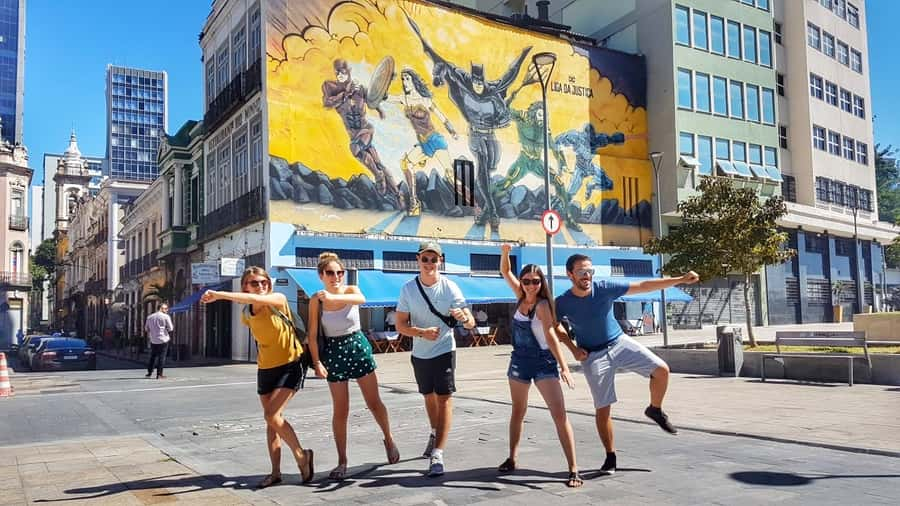
Bring comfortable shoes. This is a walking tour, not a sightseeing trip with regular vehicle transfers, and the experience takes place rain or shine.
Check the forecast before you leave and carry suitable rain protection if needed. The tour’s all-weather policy is clear, but that does not mean every participant will find a wet three-hour walk pleasant.
The experience is not suitable for people with mobility impairments. The supplied information does not give a step-free route, seating plan, or distance, so you should not assume that the walk can be adapted to your needs.
A small group can make the walk feel easier to manage, but it does not change the basic demands of the activity. If you need frequent rest or have difficulty walking on city streets, ask the provider before booking.
Who should book this Rio walking tour?
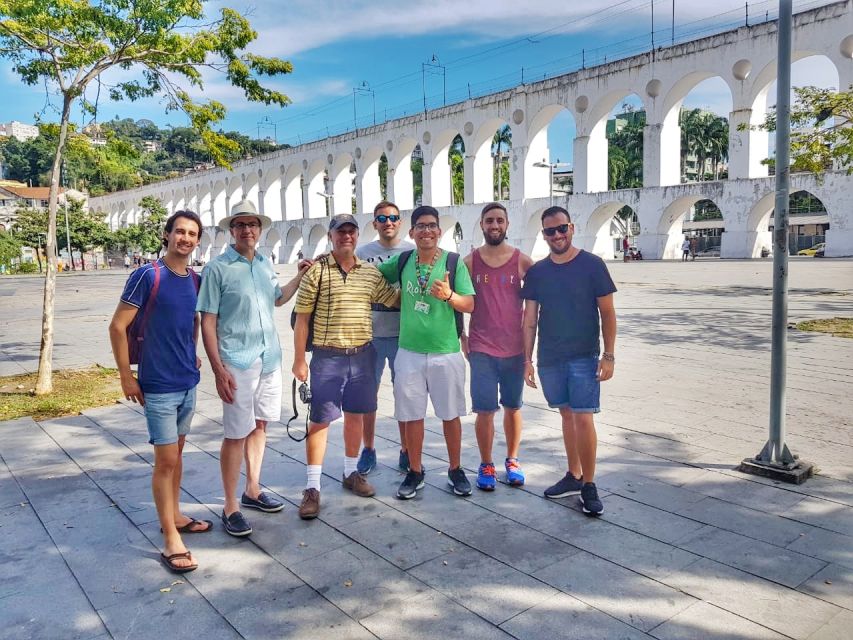
I would choose this tour for a first visit, especially if you want your beach time and evening plans to have some historical context. It suits people who enjoy asking questions, comparing architecture, and seeing how grand buildings fit into ordinary city life.
It is also a good fit if you want local advice. Suggestions for photos, restaurants, samba, and caipirinhas can be valuable when you have only a few days in Rio.
I would be more cautious if you are looking for famous attractions at every stop, dislike walking in uncertain weather, or need a highly polished English presentation. The guide quality appears strong overall, but accents and communication styles can vary.
Booking is flexible: you can reserve now and pay later, and cancellation is free up to 24 hours before the start time for a full refund. That makes the tour easier to fit into a changing Rio schedule.
Should you book it?
Book this walk if you want to understand Rio’s downtown rather than simply photograph it. The best reasons are the three interior visits, the small group size, the chance to ask questions, and the practical city advice that can shape the rest of your stay.
Skip it if your idea of Rio is limited to beaches, viewpoints, and headline attractions. The old center has important buildings, but it is the stories, contrasts, and guide commentary that make the three hours worthwhile.
FAQ
Where does the Rio historical downtown and Lapa tour meet?
The meeting point is in front of Theatro Municipal in Praça Cinelândia.
How long does the tour last?
The walking tour lasts three hours.
What languages are available?
The tour is available in English, Portuguese, and Spanish.
What sites can I enter during the tour?
The tour includes interior visits to the old cathedral, Imperial Palace, and National Library.
How large is the group?
The group is limited to 10 participants.
What should I bring?
Bring comfortable shoes suitable for a three-hour walking tour.
Does the tour operate in bad weather?
Yes. The walking tour takes place rain or shine.
Is the tour suitable for people with mobility impairments?
No. The experience is listed as unsuitable for people with mobility impairments.
Can I cancel or pay later?
You can reserve now and pay later. Cancellation is free up to 24 hours in advance for a full refund.
Just added around Brazil
- Scenic Train ride to historical cities of Morretes and Antonina★ 4.0 · 188 reviews
- Germanic Route – Cultural and historical in Ilhota, Blumenau and Pomerode★ 4.5 · 67 reviews
- Rio: Historical Walking Tour★ 4.7 · 32 reviews
- Rio: Olympic Boulevard, Museum of Tomorrow & History Tour★ 4.1 · 47 reviews
- Salvador Historic Walking Tour – Pelourinho★ 4.8 · 62 reviews
- From Foz do Iguazu: Triple Frontier Landmark Ticket★ 4.4 · 136 reviews
- Florianópolis: Historical Center, Beach & Nature Tour★ 3.3 · 25 reviews
- Paraty: Historic Centre Walking Tour & Cachaça Tasting★ 4.8 · 96 reviews
Rio de Janeiro History Tours, compared.

Rio: Tijuca Forest Small Group Hike to Caves and Waterfalls
Read our review →
Rio de Janeiro: Historic Rio and Santa Teresa Half-Day Tour
Read our review →
Rio de Janeiro: Little Africa Heritage Walking Tour
Read our review →
Ancient Rio and Santa Teresa Tour with Hotel pick-up and drop-off
Read our review →
Rio: Olympic Boulevard, Museum of Tomorrow & History Tour
Read our review →
Browse the lists this tour appears in