
Review · INDIA
Shimla: Guided Walk Tour-Heritage, Culture & Colonial Trail
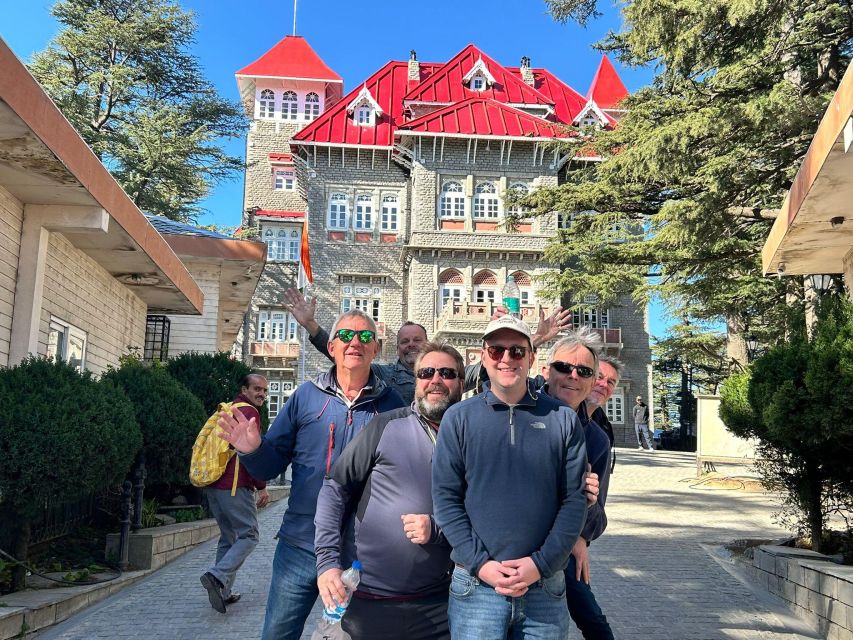
Shimla’s best stories are often found between its famous buildings. This private walk links Christ Church and the Ridge with Scandal Point, old government offices, Kali Bari Temple, and the former Viceregal Lodge, now home to the Indian Institute of Advanced Study. You get a useful introduction to the town rather than a quick string of photo stops.
I like the local point of view, especially the mix of British-era history, Indian politics, local customs, food suggestions, and everyday Shimla talk. I also like the one-way route: you finish at the Viceregal Lodge area instead of retracing your steps. The catch is the uphill and downhill walking. It is only two hours, but Shimla rarely offers a flat path, and the final stop can involve more uphill walking than you may expect.
I would book this early in a Shimla stay, when the town’s slopes, buildings, and names can feel confusing. Guides including Preeti, Pawan, Raghav, and Sunny have been praised for clear explanations and a relaxed manner, but you should still allow extra time if you walk slowly or want to enter any paid sights.
Key points to know before booking
- Christ Church to Viceregal Lodge: The route is one way, with no transport included, so plan your onward journey from the Indian Institute of Advanced Study.
- A history-heavy walk: Expect British-era architecture, Shimla’s role as a hill station, Indian political history, and local stories rather than only scenic viewpoints.
- Private guiding for $16: For a two-hour private group, the price is strong value if you want context at each building instead of only taking photographs.
- Slopes are part of the deal: The walk covers roughly 3 kilometers according to one detailed account, with repeated gradients and potentially slippery ground after snow.
- The guides add practical help: Preeti, Pawan, Raghav, and Sunny have been praised for food tips, museum suggestions, shopping advice, and help with wider Shimla plans.
- Monday needs care: The Viceregal Lodge and many attractions that allow tourist entry are closed on Mondays.
Why this route works better than a loose stroll
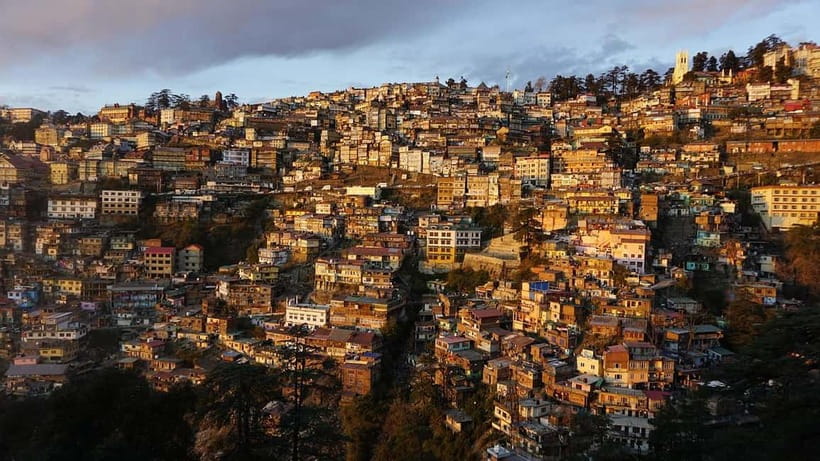
Shimla is easy to admire and surprisingly easy to misunderstand. You see grand stone buildings, narrow roads, churches, temples, hotels, and government offices, but their purpose and connections are not always clear from the outside. This walk gives those sights an order.
You begin at Christ Church and finish at the former Viceregal Lodge. In between, the guide explains how Shimla grew as a British hill station and how the town later became part of independent India’s political and cultural life. That sequence gives you a useful map in your head.
I especially like the one-way format. You are not spending half the tour walking back to the starting point, and the change in scenery keeps the outing moving. Since the guide does not provide transport, you need to arrange your own way to Christ Church and from the Indian Institute of Advanced Study, but the route itself is simple to follow with the guide.
The private format also matters. You can ask why a building looks the way it does, pause for photographs, or request a slower pace. That flexibility is more useful here than on a large group tour, since the streets can be crowded and the slopes can make a fixed pace tiring.
More History Walking Tours in India
- Fontainhas Heritage Walk by Make It Happen
★ 5.0 · 2,834 reviews - The Great Indian Food Tour: Old Delhi Food and Heritage Walk
★ 5.0 · 1,698 reviews - Old Goa Heritage Walk by Make It Happen
★ 5.0 · 797 reviews
Christ Church and the Ridge set the scene
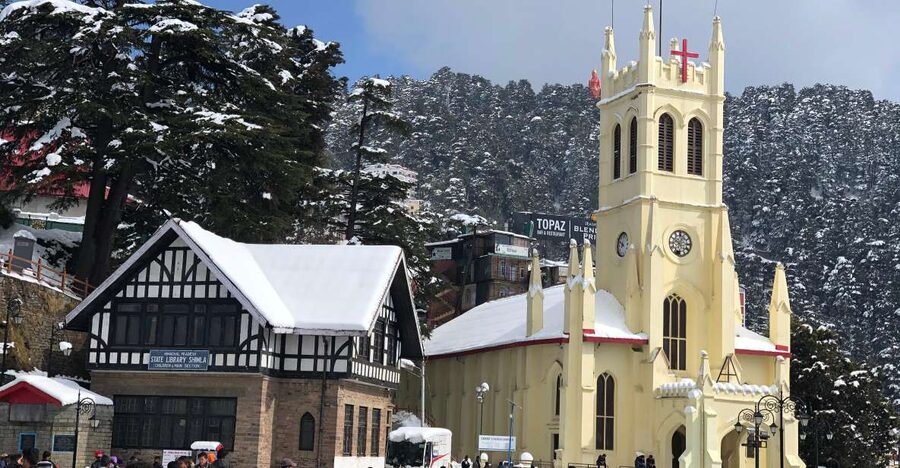
Christ Church is a fitting starting point. Its neo-Gothic design, stained-glass windows, and organ still in use give the walk an immediate sense of place. Your guide can explain the church’s role in old Shimla and point out details that are easy to miss if you only stop for a photograph.
From there, you walk toward the Ridge. This broad open area is one of Shimla’s main public spaces, used for gatherings and outdoor events. It also gives you a first look at how the town sits along steep hills rather than across a level plain.
The first short walk is listed at about 10 minutes, but do not read the timing too literally. Shimla’s pace depends on crowds, photographs, conversation, and the condition of the path. I would wear shoes with a firm grip, especially after rain or snow.
The Ridge is also where the guide can help you get your bearings. You will have a clearer idea of where the main central streets and viewpoints connect before the route heads toward Scandal Point.
Scandal Point and Shimla’s public life
Scandal Point is one of Shimla’s best-known meeting places and a natural pause in the route. The name alone invites a story, and your guide is likely to use it as an opening for local tales and discussion of the town’s social life.
This is one of the places where a local guide adds real value. A quick visit on your own gives you a plaza and a view. With an explanation, you begin to understand why this spot has remained part of Shimla’s public identity.
The walk from the Ridge is around 10 minutes. There is no admission cost listed for the stop, but any entry tickets elsewhere are separate from the tour fee. If you like taking photographs, this is a sensible place to pause before the route moves through more architectural sights.
Bantony Castle and the older buildings of Shimla
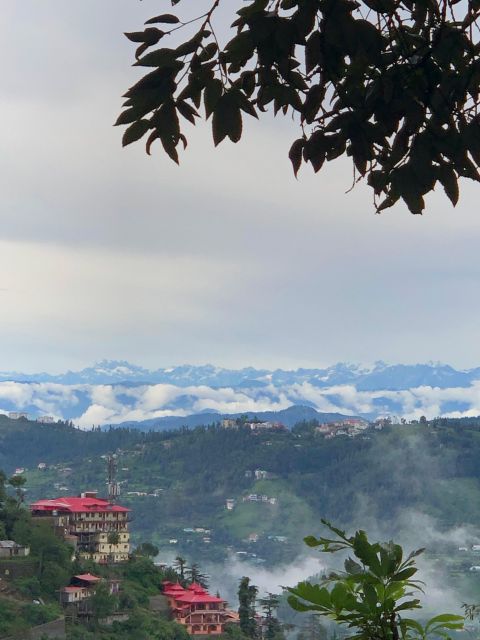
The route then continues to Bantony Castle, listed as a 15-minute walk from Scandal Point. The building helps shift the focus from open public spaces to Shimla’s older private and official architecture.
Your guide will explain what makes the structure important and how it fits into the town’s British-era story. The value is not simply seeing an old facade. It is learning why the building was built, who used such places, and how the town’s role changed over time.
The supplied tour details also refer to Betink’s Castle. If that name matters to you, ask your guide for clarification at the start, since the route information uses Bantony Castle in the stop-by-stop schedule. This is a small point, but it is worth knowing when you are comparing what you expect to see with what appears on the ground.
The route is not designed as a formal interior tour of every building. Some sights are best viewed from outside, and entry charges are not included. The guide’s explanations are therefore central to the experience.
More Local Culture and Traditions Tours in India
- Old Delhi Food, Heritage&Cultural Walk with Rickshaw ride to Masterji Kee Haveli
★ 5.0 · 742 reviews - The Cultural And Historical Walking Tour in Margao
★ 5.0 · 280 reviews - Experience Bangalore – City Tour, Authentic Food & market (Food/Culture/History)
★ 5.0 · 156 reviews - Old Delhi Walking Tour: Food, Culture & Spice Bazaars
★ 5.0 · 94 reviews
Kali Bari Temple adds a different voice
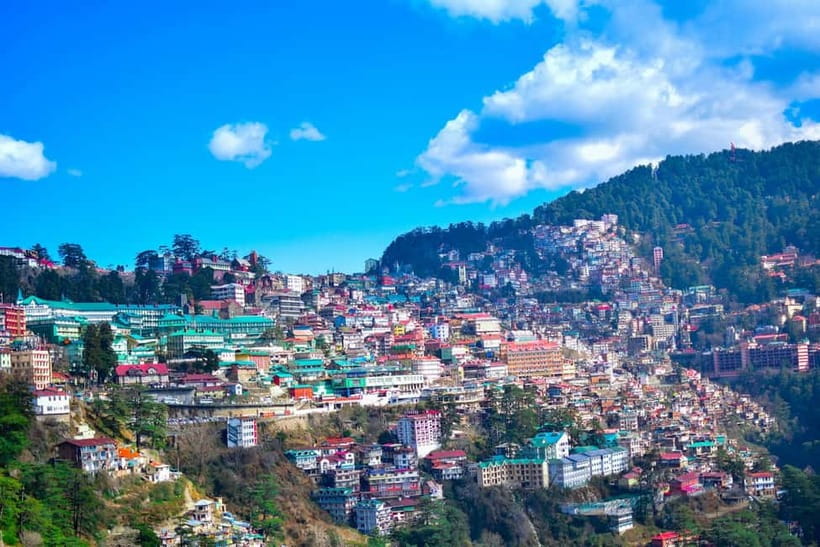
Kali Bari Temple brings a clear change in tone. After the church, public squares, and colonial buildings, you reach a place tied to Hindu worship and local religious life.
The temple is listed about 15 minutes from Bantony Castle, followed by another 15-minute guided walking segment. Your guide can explain the temple’s place in Shimla and the customs you encounter, helping you approach the site with appropriate respect.
The contrast is one of the route’s strengths. You are not being shown only the British face of the hill station. You also see how Shimla’s identity includes active religious spaces and Indian traditions that continue beyond the colonial period.
Entry rules and access can vary at religious sites. The tour does not include entry tickets, so ask the guide what is open and what visitors may enter on the day.
Railway Board Building and Gorton Castle
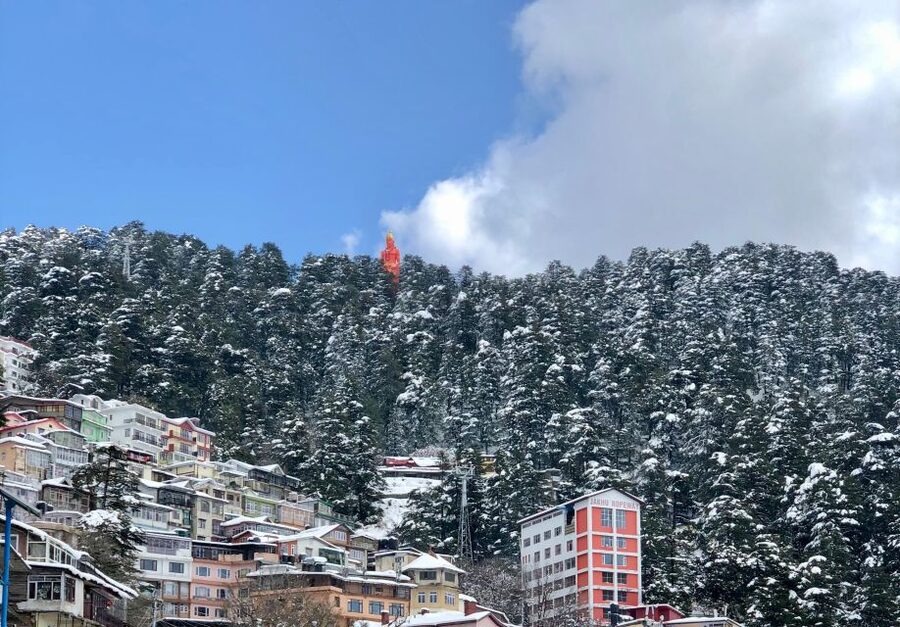
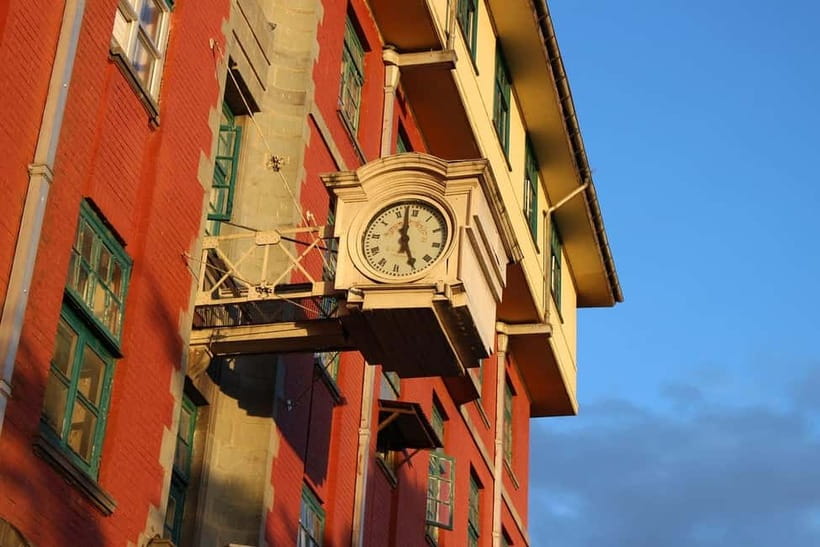
The Railway Board Building is one of the tour’s important architectural stops. Its presence recalls the administrative and transport systems that helped connect Shimla to the wider region. The building is best appreciated with an explanation of its original purpose and design.
From there, the route continues to Gorton Castle, another major British-era structure. The two stops work well together because you can compare their forms and official functions rather than seeing each one as an isolated old building.
The walk to each is listed at about 15 minutes. That is enough time to make the route feel active without turning it into a race. Still, the cumulative effect of several walking sections matters. If you have already spent the morning climbing around Shimla, your legs may notice these distances.
This is also where the guide’s delivery becomes important. Pawan has been praised for taking people through Shimla as a historical story rather than simply naming monuments. Raghav has been praised for explaining both British control and the town’s later history. Those are the kinds of connections that make these administrative buildings worth your time.
Vidhan Sabha and The Oberoi Cecil
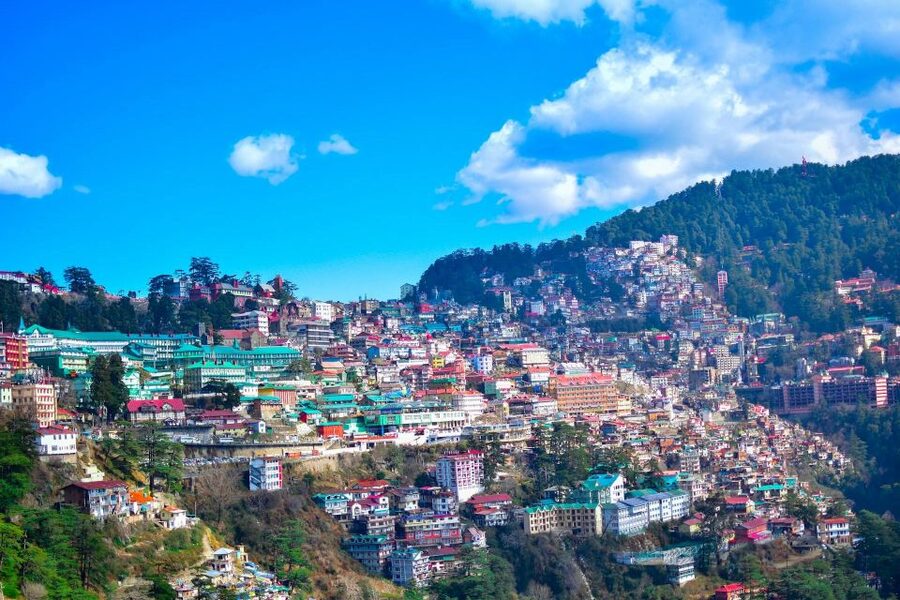
The Himachal Pradesh Vidhan Sabha adds a modern Indian political layer to the route. It helps you see that Shimla is not preserved only as a former British retreat. It remains tied to the government and public life of Himachal Pradesh.
The walk from Gorton Castle is listed at around 10 minutes. Your guide may connect the building and the surrounding area to current political history, a subject that several guides have handled well according to the supplied experiences.
Next comes The Oberoi Cecil, reached after roughly 5 minutes of walking. The hotel represents Shimla’s continuing role as a hill resort and a place associated with grand colonial-era hospitality. It is a short stop, but it helps explain how the town’s old architecture still shapes its tourism identity.
You should not expect a hotel tour or a meal here. Food is not included, though guides have offered useful recommendations for places to eat and drink afterward. Preeti and Pawan have been especially helpful with suggestions for meals, museums, shopping, and spare-time plans.
All India Radio and the final approach
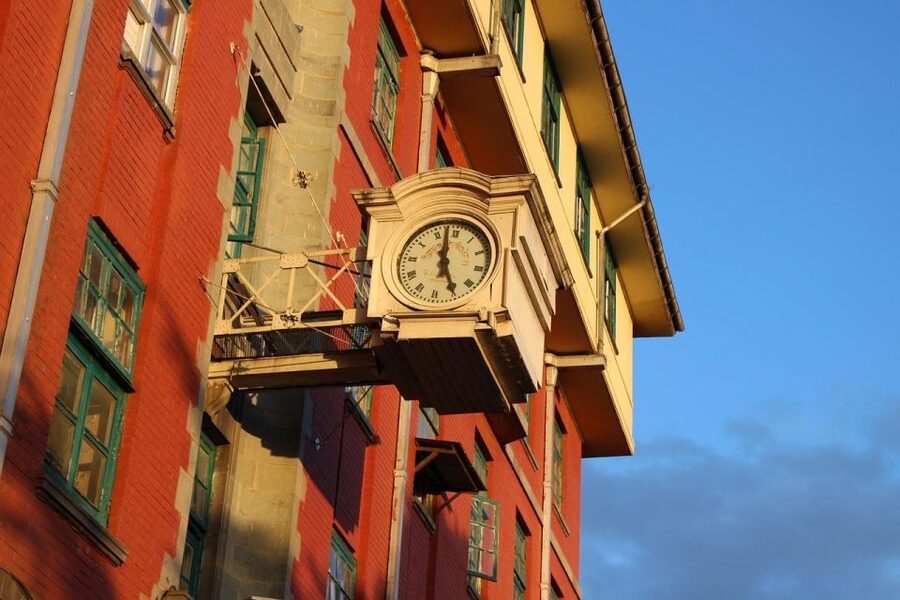
The All India Radio station is another brief but worthwhile stop. It adds broadcasting and public communication to the story of Shimla’s institutions. The walk from The Oberoi Cecil is listed at around 10 minutes.
This part of the route can feel more functional than scenic, which is not a flaw. It gives you a broader picture of the town’s working institutions instead of turning the outing into a parade of grand facades.
The final approach leads to the Indian Institute of Advanced Study, located in the former Viceregal Lodge. This is the tour’s main architectural finish and the place where the British political story comes into sharp focus.
Some tour information calls the final stop Viceregal Lodge, while the current institution is the Indian Institute of Advanced Study. You should understand these as the same final complex for the purpose of this route.
The Viceregal Lodge is a strong finish
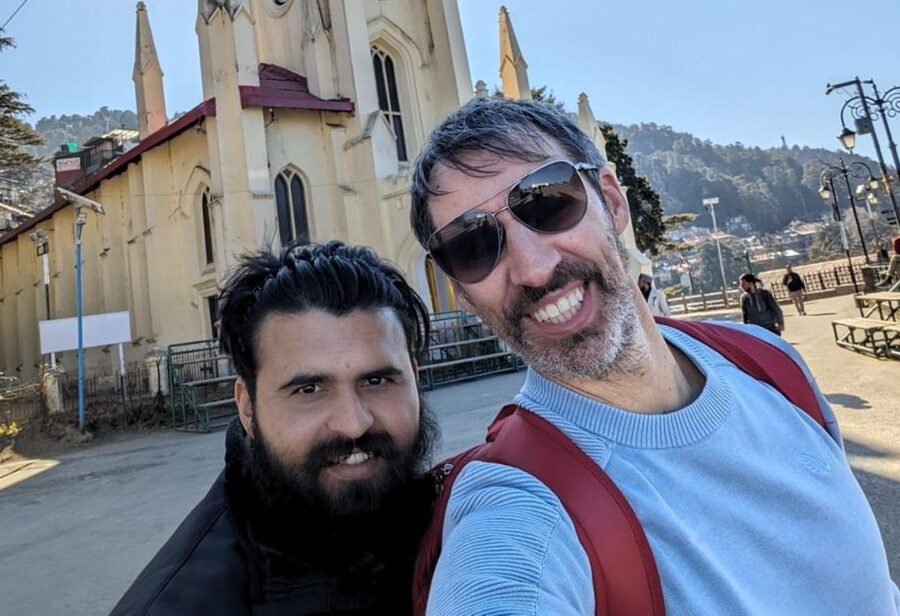
The former Viceregal Lodge provides a calm ending after the central streets and steady walking. The building and its grounds offer a more peaceful setting, and the route’s historical thread comes together here.
The lodge is significant because of its connection to British rule in India. A guide can explain why this building mattered and how its role changed after independence. That context is more useful than simply admiring the stonework.
Entry to the grounds or building is not included. One person paid 50 rupees to enjoy the gardens and sit after the tour, but fees and access can change. Treat that amount as a personal example, not a guaranteed current price.
The lodge closes on Mondays, and many other tourist attractions with visitor entry also close that day. If you book for Monday, you may still walk parts of the route, but the final stop and other interiors may not be available. I would choose another day if the lodge is a key reason for booking.
Also note the approach. One detailed account found that the final area involved another long uphill walk. Since the tour ends there, you are responsible for continuing your plans afterward. Ask your guide where you are being left and how much walking remains to the entrance or onward transport.
What the $16 price really gives you
At $16 per person, this is a good-value tour for a private two-hour introduction to Shimla. You are paying mainly for the guide’s time, route planning, historical explanations, local stories, and practical suggestions.
The price does not cover transport, hotel pickup, meals, monuments, or any entry ticket. That makes the tour less suitable if you want a fully packaged sightseeing outing. It is better viewed as a walking orientation with a local interpreter.
The price becomes especially attractive if you would otherwise wander past the buildings without knowing their purpose. A guide such as Pawan or Raghav can turn a series of government structures into a readable story, while Preeti and Sunny have been praised for a friendly, easygoing style.
The reserve-now-and-pay-later option and cancellation up to 24 hours before the tour also reduce planning pressure. Those policies are useful if your Shimla schedule depends on weather or changing transport plans, but they do not remove the need to check the Monday closures.
Fitness, timing, and practical planning
The advertised duration is two hours, but I would leave more room around it. The route includes roughly 3 kilometers of walking, according to one detailed experience, with uphill and downhill sections. You may stop for photographs, conversation, or a temple visit, so avoid scheduling a tight connection afterward.
Good footwear matters. Snow or wet ground can be slippery, and the repeated gradients are more demanding than the distance suggests. One participant combined this walk with the Jakhu Temple climb on the same day, but estimated around 10 miles of walking with constant gradients between the two activities. I would not copy that plan unless you are comfortable with steep walking.
The tour is not suitable for children under 10, babies under 1, or people over 95 under the stated conditions. The activity information lists English and Hindi, while the guide offering also includes Pahari. Confirm the language you want when booking.
Since this is a private group, you can ask for breaks. One guide allowed a slower pace and rest stops when an uphill section became difficult. That is worth requesting rather than trying to keep up silently.
Who should book this Shimla walk?
I would recommend it most to first-time visitors, history fans, architecture lovers, and anyone who wants a practical introduction to central Shimla. It also suits people who prefer a real conversation with a local guide over a large group with a fixed script.
You will get the most from it if you enjoy asking questions. The best parts are not only the buildings, but the links between British rule, Indian politics, religion, public life, food, and modern Shimla.
I would be more cautious if you have limited mobility, dislike hills, or need a completely flat route. You should also reconsider if your only free day is Monday and the Viceregal Lodge is essential to your plan.
Should you book it?
Book this walk if you want to understand Shimla while you see it. For $16, a private local guide can help you read the church, public squares, castles, government buildings, temple, hotel, radio station, and Viceregal Lodge as parts of one story.
Choose a non-Monday date, wear shoes with grip, and leave time after the finish for the uphill approach and your onward plans. If you can manage the slopes, this is a sensible first Shimla activity and a strong value for an experience built around local explanation rather than expensive admission tickets.
FAQ
Where does the Shimla walking tour begin?
The tour begins at Christ Church in Shimla.
Where does the tour finish?
It finishes at the Indian Institute of Advanced Study, located in the former Viceregal Lodge complex.
How long does the walking tour last?
The advertised duration is two hours.
Is transportation included?
No. This is a walking tour only, with no hotel pickup, drop-off, or other transportation included.
Are entry fees and meals included?
No. Monument fees, entry tickets, and meals are not included in the $16 price.
Is the Viceregal Lodge open on Mondays?
No. The final point, the Viceregal Lodge, remains closed on Mondays. Many other tourist attractions that allow entry also close on Mondays.
What languages are available?
The tour is offered in English and Hindi. The guide information also mentions Pahari-speaking local guides.
More Colonial History Tours in India
- Vung Tau Essential: Beach, Christ Statue & Colonial Heritage
★ 5.0 · 284 reviews - Full-Day Ho Chi Minh City Tour with Colonial Heritage & Chinatown
★ 5.0 · 246 reviews - Colonial Zone: Historical Tour with a visit to the Columbus Lighthouse and Tres Ojos Park
★ 4.9 · 157 reviews - Colonial History Tour in Williamsburg Virginia
★ 5.0 · 97 reviews
Just added around India
- Exploring Mylapore: A Cultural & Historical Walking Tour★ 5.0 · 42 reviews
- Chennai Heritage & Cultural Walk (2 Hours Guided Walking Tour)★ 3.5 · 32 reviews
- Georgetown heritage walking tour in Chennai about the founding of Chennai★ 5.0 · 144 reviews
- The Hipster Chandigarh Architecture History Tour★ 5.0 · 54 reviews
- See Bangalore through my eyes (Cultural / Historical / Walking Tour)★ 5.0 · 60 reviews
- 2 days Private tour of Hampi world heritage site from Bangalore by car★ 5.0 · 75 reviews
- Discover Bangalore with Me (A Private Historical Walk Tour)★ 5.0 · 24 reviews
- Treasures of Mysuru – day tour★ 5.0 · 27 reviews
India History Tours, compared.
The Great Indian Food Tour: Old Delhi Food and Heritage Walk
Read our review →

Old Delhi Food, Heritage&Cultural Walk with Rickshaw ride to Masterji Kee Haveli
Read our review →
Blue City Heritage Private Walking Tour With Pickup and Drop-Off
Read our review →
Private Heritage Walking Tour in Jaisalmer Fort and Old Bazaar
Read our review →
Old Delhi Food-Spice Market-Temples Tour Soon Featured on NETFLIX
Read our review →Browse the lists this tour appears in