
Review · BARCELONA
Barcelona in 2 Hours: Guided Walk Through History and Sights
Barcelona’s past is packed into narrow lanes, battered stone walls, grand civic squares, and churches that took centuries to build. This two-hour walking tour links those pieces together, starting at the old artists’ café Els 4 Gats and ending at Santa Maria del Mar in El Born.
I like the route for two clear reasons: it connects famous sights to Catalan history, and it includes small corners you could easily miss alone, such as Casa de l’Ardiaca and Plaça de Sant Felip Neri. Guides such as Darren, Petra, Jorge, Sonia, Lydia, and Vanessa have each been praised for clear storytelling and useful local advice.
The main drawback is pace. Eleven stops in two hours means you get a lively overview rather than long visits inside each building. The Cathedral and Santa Maria del Mar also charge admission separately, and city noise can make it hard to hear if the guide has no speaker.
Key points to know before you book
- The route joins the Gothic Quarter and El Born: You begin near Els 4 Gats and finish at Santa Maria del Mar.
- Catalan identity is a major theme: Expect stories about the defeat of 1714, La Diada, independence, religion, and civic life.
- Picasso and Gaudí appear early: Els 4 Gats gives the tour an artistic opening rather than a standard monument-first start.
- Most stops are free to see from outside: Entry to Barcelona Cathedral and Santa Maria del Mar is not included.
- The group can reach 20 people: That keeps the tour manageable, though hearing the guide may be harder in noisy lanes.
- The price is $22.99 per person: For a first look at two of Barcelona’s oldest districts, that is a fair orientation cost.
Why this two-hour route works
A good first walk in Barcelona should do more than point at old buildings. It should explain why the city looks the way it does, why Catalan identity matters here, and how art, religion, trade, politics, and war shaped the streets.
This tour does that by moving through Ciutat Vella, Barcelona’s old city. You begin in the Gothic Quarter, then continue toward El Born. The distance is not the main challenge. The narrow lanes, frequent stops, and constant stories require your attention, so wear comfortable shoes and bring sun protection. One past participant specifically advised good walking shoes and sunscreen, practical advice in a city where the pavement can absorb plenty of heat.
The tour is offered in English and has a maximum of 20 people. That is small enough for conversation, but not so small that every explanation will feel private. The private upgrade makes more sense if you want to ask many questions, need a slower pace, or are keen on a particular subject such as architecture, Jewish Barcelona, or Catalan politics.
More History Walking Tours in Barcelona
- Barcelona: Tapas Walking Tour with Food, Wine, and History
★ 4.8 · 4,261 reviews - Barcelona Tapas Walking Tour: Food, Wine & History
★ 4.5 · 1,928 reviews - Barcelona: Dark History Night Walking Tour
★ 4.8 · 344 reviews
Els 4 Gats begins with Barcelona’s artistic side
The meeting point is Plaça del Vuit de Març, in Ciutat Vella. From there, the walk heads to Els 4 Gats, a historic café and restaurant linked with Barcelona’s artistic life.
The café was associated with Pablo Picasso and Antoni Gaudí, among other artists and thinkers. Its Art Nouveau design and unusual exterior give you an early look at the city’s love of theatrical architecture. This is a smart first stop because it sets up Barcelona as more than a collection of Gothic churches. You begin with art, café culture, and the people who helped shape the city’s modern image.
The stop lasts about 10 minutes, and admission is free. Do not expect a long interior visit. The value is in the story and the setting, especially if you want to understand why Barcelona became such an important place for artists.
El Mon Neix En Cada Besada adds a political story
Next comes El Mon Neix En Cada Besada, a large photomosaic often treated as a quick photo stop. The tour gives it more weight by linking the artwork to Catalonia’s defeat on September 11, 1714.
That date matters to Catalan identity and is connected with La Diada, Catalonia Day. The point is not simply to admire a colorful wall. You learn how public art can carry memory, politics, and regional feeling.
This is one of the route’s best examples of its approach. You get a familiar city sight, then a reason to look at it differently. The stop takes about 10 minutes and costs nothing, though the quality of the explanation depends on how clearly you can hear the guide in the surrounding street noise.
Barcelona Cathedral reveals centuries of change

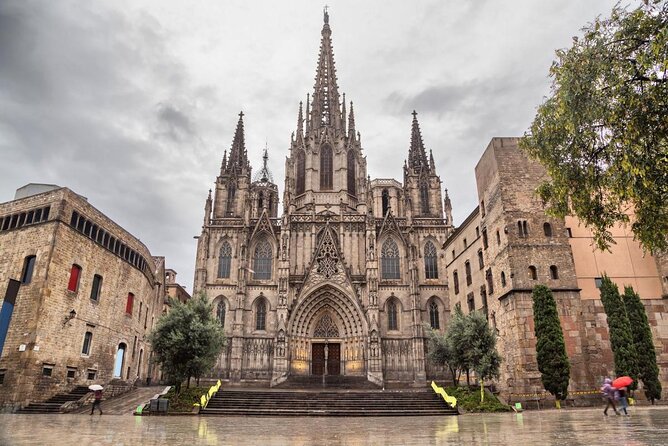
Barcelona Cathedral is one of the route’s major landmarks. Its Gothic form was built over many centuries, and its story centers on Saint Eulalia, the city’s patron saint.
You hear about Eulalia’s life and death, including the brutal events that made her a martyr. The cathedral therefore becomes more than an impressive stone façade. It connects religion with the city’s identity and gives you a reason to notice the building’s long construction rather than viewing it as one finished object.
The tour allows about 10 minutes here. Admission is not included, so you should treat this as an exterior explanation unless you choose to enter separately. That limitation is important. If you want time inside the cathedral, this walk will not replace a dedicated church visit.
More History Walking Tours in Spain
- Barcelona 1.5h Private Old Town, Gothic & Ramblas Walking Tour
★ 5.0 · 318 reviews - Barcelona: The Spanish Civil War Historical Walking Tour
★ 4.9 · 239 reviews - Barcelona Historical Walking Tour: Gothic Quarter and El Born
★ 5.0 · 217 reviews - Barcelona Dark History Night Walking Tour With Drinks
★ 5.0 · 153 reviews
Casa de l’Ardiaca links Gothic Barcelona to Roman Barcino
Casa de l’Ardiaca is a small but rewarding stop in the Gothic Quarter. Its design combines Gothic and Renaissance elements, while remnants of the old Roman wall and aqueduct arcades point back to Barcino, the Roman settlement beneath modern Barcelona.
I like this part of the route because it shows how many layers can occupy one short stretch of the city. Medieval architecture sits beside evidence of Roman engineering, and the building itself is easy to pass without understanding what you are seeing.
The stop is free and lasts around 10 minutes. It is best for people who enjoy details in walls, arches, and street plans. If you prefer major interiors and grand viewpoints, this smaller site may feel modest, but the explanation gives it purpose.
Pont del Bisbe comes with a legend
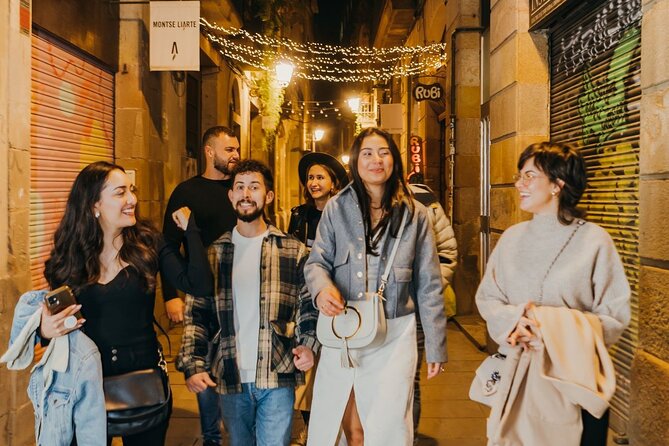
Pont del Bisbe, or Bishop’s Bridge, is one of the most photographed spots in Barcelona. The bridge crosses the narrow street between old Gothic buildings and has a dramatic, almost theatrical appearance.
The guide explains the legend connected with it. Superstitious people may think twice before walking beneath the bridge, while sceptics can enjoy the story as part of Barcelona’s tradition of urban mystery.
This is a quick stop, free to see, and easy to combine with the surrounding Gothic Quarter streets. It also gives the tour a lighter moment after the heavier stories of war, martyrdom, and political conflict.
Plaça Sant Felip Neri carries the tour’s darkest memory
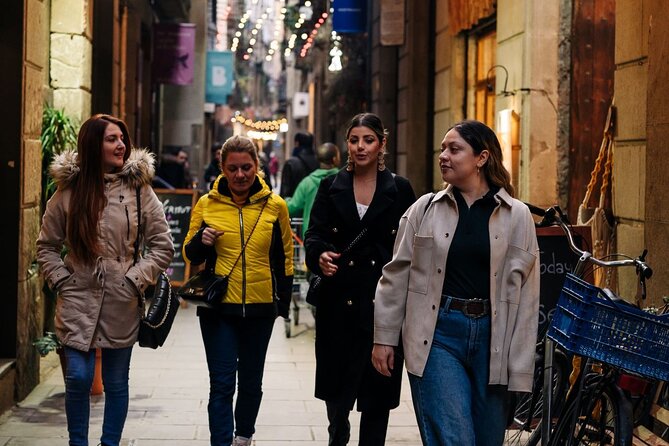
Plaça Sant Felip Neri is quiet, enclosed, and marked by a sombre past. Its story connects with Catalan independence and the violence that shaped the city.
The square’s damaged surfaces help make the past feel physical. You are not simply hearing a date and moving on. You are looking at a place that still carries visible traces of tragedy.
This can be an emotional stop, especially because the square feels so peaceful today. The guide’s explanation matters here. A short visit cannot cover every detail, but it can help you understand why this tucked-away space is important.
El Call recalls Barcelona’s Jewish community
The route then reaches MUHBA El Call, the former Jewish quarter. Narrow streets and medieval buildings reveal part of Barcelona’s religious and social past.
This stop broadens the tour beyond the usual Gothic Quarter highlights. You are asked to think about the people who lived, worked, worshipped, and faced pressure in this part of the city. The lanes are close and atmospheric, but the real value comes from historical context that is not obvious from the stonework alone.
The visit is free and takes about 10 minutes. You should expect an introduction rather than a museum tour. If Jewish history is a priority for you, use this stop as a starting point for more independent exploration.
Plaça de Sant Jaume is where Barcelona’s public life happens
Plaça de Sant Jaume is the city’s main civic square. It is home to the Catalan government and City Hall, and it has long served as a setting for celebration, protest, and public debate.
The guide also connects the square with an important figure honored during one of Catalonia’s best-loved holidays. That link helps explain why public ceremonies and political feeling carry such weight in Barcelona.
This is a useful place to pause and connect the earlier stories. The route has already touched on 1714, religion, independence, and medieval communities. Here those themes meet in the modern civic heart of the old city.
The square is free to visit, and the stop lasts about 10 minutes. Since it is open and public, conditions may vary. On a loud day, stand close to the guide.
Plaça del Rei brings royal power and the Inquisition
Plaça del Rei feels more imposing than many of the route’s tighter lanes. The square is home to the Royal Palace and offers a setting for stories about royal authority and the Spanish Inquisition.
This is another moment when the tour moves beyond attractive architecture. You learn how power operated in Barcelona and how the city’s religious and political past could turn severe.
The square is free to see, but a 10-minute explanation is only an introduction. If you want to explore the Royal Palace or nearby museum spaces at length, plan extra time after the walk.
Plaça de l’Àngel explains an unusual name
Plaça de l’Àngel was once known as Wheat Square because it was a major grain-trading center. Its later name came from a reported heavenly apparition during the procession of Saint Eulalia’s body.
That small story is easy to remember and gives the square a human touch. It also brings Saint Eulalia back into the route after the Cathedral stop, showing how one figure can appear in several parts of the city’s story.
The stop is free and takes about 10 minutes. It is not a major sightseeing destination by itself, but the explanation turns an ordinary urban space into a memorable landmark.
Santa Maria del Mar ends the walk in El Born
The final stop is the Basilica de Santa Maria del Mar, at Plaça de Santa Maria in El Born. This Gothic basilica is one of Barcelona’s best-known churches and is tied to the city’s maritime past.
Its location makes a fitting end to the route. You have moved through Roman remains, medieval streets, royal power, civic politics, and religious history. Now the walk reaches a church associated with the communities and trade that helped shape Barcelona’s waterfront district.
Admission is not included. The tour gives you an introduction outside or around the basilica, but you will need to pay separately if you want to enter. Allow extra time if the church matters to you, since the 2-hour schedule does not leave room for a long interior visit.
The endpoint is clearly defined at Basílica de Santa Maria, Plaça de Santa Maria, 1. That makes it easy to continue exploring El Born afterward, though the supplied details do not promise any additional guided time once the walk ends.
Guides, group size, and the listening problem
The guide makes a real difference on a history walk. Darren has been praised for clear English, strong enthusiasm, and useful suggestions for seeing more of Barcelona. Petra has been noted for bringing Catalan culture into the Gothic Quarter and El Born. Jorge is associated with hidden corners and practical local tips.
Sonia and Sonja have been praised for friendly delivery, with Sonia also bringing an archaeological angle to the route. Lydia is described as conversational and high-energy, while Vanessa has been especially effective at tying together archaeology, art, religion, Jewish Barcelona, and Catalan politics. Rolene has also been praised for fitting plenty of culture and history into two hours, though one assessment found the content less strong on a first outing.
Those names do not mean you can select a particular guide when booking. They show the range of delivery you might encounter. The consistent strengths are storytelling, questions, and local recommendations, but the exact quality can vary by guide and group.
One useful caution came from a tour conducted without a microphone or audio device. Street noise made some explanations hard to understand. If your hearing is sensitive, stay near the guide and ask questions when needed. A group of up to 20 is reasonable, but narrow streets and city traffic still create an audio challenge.
Is $22.99 a good value?
At $22.99 per person, the tour is priced as an affordable orientation rather than a full sightseeing package. You are paying for a local English-language guide, a carefully arranged route, and the time saved by connecting 11 sites in the old city.
The strongest value comes if this is your first day in Barcelona. You can learn the basic shape of the Gothic Quarter and El Born, then return later to the Cathedral, Santa Maria del Mar, El Call, or the Royal Palace with more time.
The price does not cover entry to Barcelona Cathedral or Santa Maria del Mar. That is not unusual, but include those costs in your plans if interiors are important. The tour also does not promise a meal, museum entry, or transport.
Group discounts may be available. A private upgrade costs more, but it could be worthwhile for families, couples who prefer a slower pace, or anyone with a strong interest in architecture and Catalan history.
Who should book this Barcelona walk?
I would choose this tour if you want a fast, story-led introduction to the old city. It suits first-time visitors, people with only a short stay, and anyone who prefers context over a checklist of postcard views.
It is also a good fit if you want practical advice after the walk. Several guides have offered recommendations for food and further places to see, including a successful tapas suggestion from Sonia.
I would choose something longer if you want detailed church interiors, museum time, or a slow photographic walk. The schedule is tight, and the route’s many 10-minute stops mean you will often listen, look, and move on.
Book at least 24 hours ahead if your plans may change, since cancellations made less than 24 hours before the start are not refunded. Confirmation is provided at booking, and the meeting point is near public transportation. Most people can participate, but you should expect a continuous city walk on uneven urban surfaces.
Final call: book it for context, not completion
Book Barcelona in 2 Hours if you want the old city to make sense quickly. Its best qualities are the mix of major sights and lesser-known corners, the attention to Catalan identity, and guides who can turn a wall, bridge, or square into a story.
Skip it if you want extended time inside the Cathedral or Santa Maria del Mar, or if you dislike moving at a steady pace. For $22.99, I see it as a strong first-day choice, especially when you follow it with your own return visits to the places that catch your interest.
FAQ
How long does the Barcelona walking tour last?
The experience lasts approximately two hours.
Where does the tour begin?
The meeting point is Plaça del Vuit de Març in Ciutat Vella, Barcelona, Spain.
Where does the tour finish?
The walk ends at Basílica de Santa Maria, Plaça de Santa Maria, 1, in Ciutat Vella.
Is the tour offered in English?
Yes. The tour is offered in English.
Are entrance fees included?
Admission is free at most listed stops, but entry to Barcelona Cathedral and Santa Maria del Mar is not included.
What is the cancellation policy?
You can cancel up to 24 hours before the start time for a full refund. Cancellations or changes made less than 24 hours before the start are not accepted for a refund.
More Two-Hour Tours in Barcelona
- Berlin’s Best: 2 Hour Walking Tour Third Reich and the Cold War
★ 5.0 · 5,486 reviews - 2-Hour Gettysburg Battlefield Guided History Bus Tour with a National Park Guide
★ 4.5 · 2,201 reviews - Kyoto Gion: 2-Hour Geisha Culture & History Walking Tour
★ 5.0 · 1,186 reviews - 2 Hour LoDo Historic Walking Tour in Denver
★ 5.0 · 1,106 reviews
Just added around Barcelona
- Girona, Costa Brava and Medieval Village from Barcelona★ 5.0 · 149 reviews
- Tarragona and Sitges Small Group Tour – Roman History & Culture★ 4.5 · 339 reviews
- Barcelona Tapas Food Tour, Taverns, History & Local Culture★ 5.0 · 42 reviews
- Savor Spain: Food, Wine, History & Culture Small Group Tour in Old Barcelona★ 5.0 · 140 reviews
- Private Pre-Pyrenees Medieval Village Hike from Barcelona★ 5.0 · 39 reviews
- Sip, Sites & Bites Barcelona Food, Drinks & History Tour★ 4.5 · 95 reviews
- History Museum of Catalonia & Rooftop Access Ticket★ 4.5 · 43 reviews
- Private Besalú & 3 Medieval Towns Tour with Hotel PickUp from Barcelona★ 5.0 · 37 reviews
Barcelona History Tours, compared.
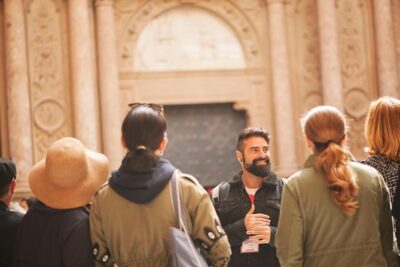
Montserrat with Black Madonna & Medieval Winery with Tapas/Lunch
Read our review →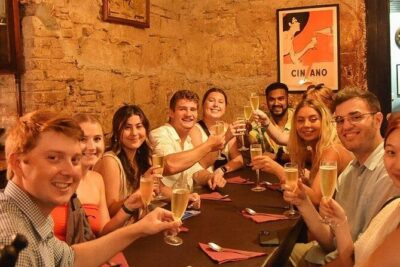
Barcelona Tapas Walking Tour: Food, Wine & History
Read our review →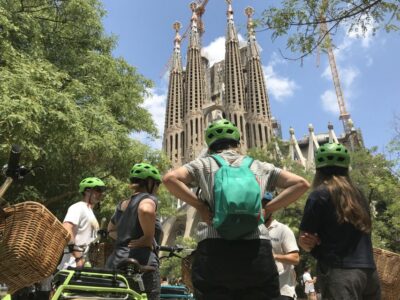
Barcelona: 2.5-Hour Bike or E-Bike Historical Tour
Read our review →
Pyrenees & Medieval Towns Small Group Tour from Barcelona
Read our review →
Besalu & 3 Medieval Towns Small Group Tour with Hotel Pick-Up
Read our review →
Costa Brava & Medieval Village Tour with Lunch
Read our review →
Barcelona Erotic Museum – Explore Art, History & Fun
Read our review →Browse the lists this tour appears in