Review · KYOTO
Kyoto Gion: 2-Hour Geisha Culture & History Walking Tour
Gion is more than a pretty street lined with wooden buildings. It is a working neighborhood shaped by geisha training, Shinto worship, old family businesses, and careful traditions. This walking tour takes you from Hanamikoji Street into quieter lanes, where a guide can explain what you are seeing instead of leaving you to guess.
I like two things in particular. First, the tour gives geisha culture useful context, including the long training of maiko, the dances, hairstyles, kimono work, and the path from maiko to geisha. Second, it connects Gion to the wider city through Yasaka Shrine, Hokan-ji Temple, Pontocho, and the Kamogawa River. The main drawback is the pace: two hours covers a lot, so some stops are brief, and there is no planned drink break.
Key points to know before booking
- Geisha culture gets real explanation: Learn about training, performance, dress, and daily traditions rather than simply hunting for photographs.
- The route mixes famous and quieter Kyoto: Hanamikoji and Hokan-ji provide classic sights, while backstreets and Gion Shirakawa slow things down.
- Late afternoon offers the best chance of a sighting: Several guides suggest starting around 5 or 6 p.m., when geisha and maiko may be heading to evening appointments.
- You visit several landmarks without paying separate entry fees: Yasaka Shrine and the other listed stops are free to enter.
- The group stays fairly small: A maximum of 15 people makes it easier to hear the guide and ask questions.
- Plan for steady walking: You need moderate physical fitness, and hot weather can make the two-hour route feel longer.
Why Gion makes sense with a guide
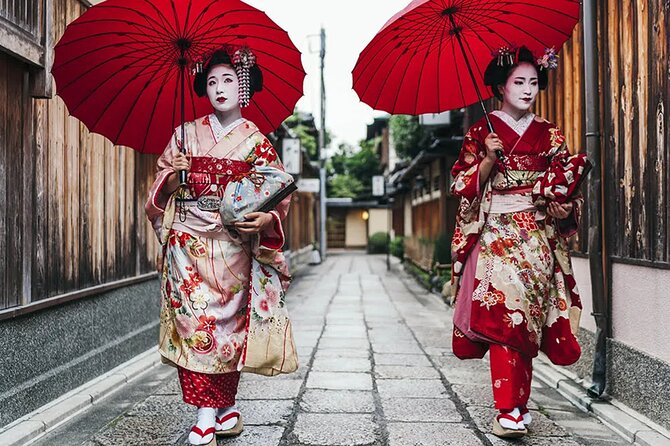
Gion can look simple at first glance: a few photogenic streets, painted wooden houses, and people in rented kimono posing for pictures. The meaning is less obvious. A guide helps you understand why some lanes are quiet, why certain buildings are carefully maintained, and how geisha culture fits into Kyoto today.
The tour begins near Shijo-ohashi Bridge, at the McDonald’s at 105-1 Hashimotocho. That is a practical starting point near public transportation, though it is not itself a scenic meeting place. You end at the same point, which makes the walk easy to fit into a Kyoto day.
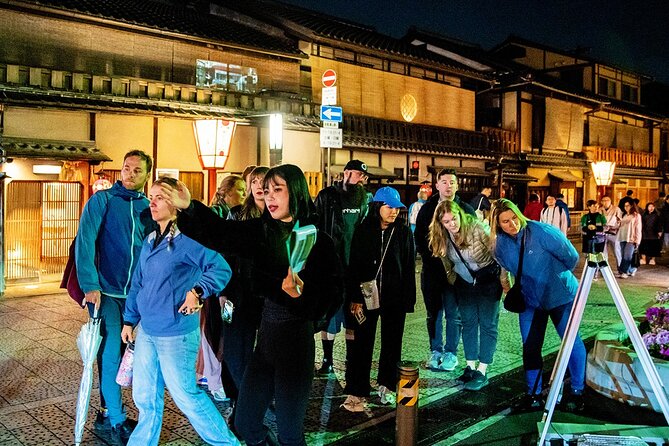
The group can include up to 15 people. That is not an intimate private walk, but it is still manageable for a city tour. Guides named in the tour feedback include Soyo, Uta, Dan, Kenta, Ukyo, Alex, Oliver, and Naoya. The strongest pattern is clear: the guide matters. These guides are praised for clear English, storytelling, patience, local suggestions, and an ability to keep people together across busy streets.
More History Walking Tours in Japan
- Tokyo: Imperial Palace and Shogun Historical Walking Tour
★ 5.0 · 2,251 reviews - Tokyo Castle & Imperial PalaceーShogun Walking Tour
★ 4.7 · 1,068 reviews - Tokyo: Imperial Palace Japanese History Walking Tour
★ 4.9 · 987 reviews
Hanamikoji Street and the world of geisha
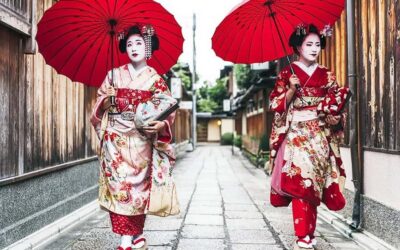
Hanamikoji Street is the natural place to begin. It is often called the heart of Gion, and its traditional facades make it one of Kyoto’s most recognizable walks. The tour spends about 15 minutes here, using the street as a doorway into geisha culture.
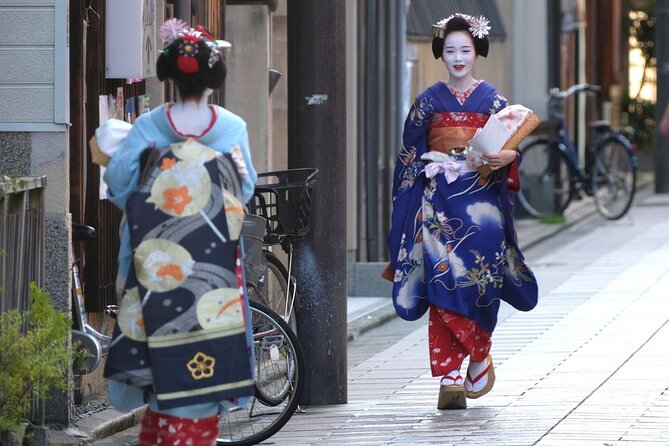
You learn about the difference between a maiko and a geisha, the demanding training involved, and the skills expected in dance, music, conversation, and formal hospitality. The discussion also covers the visual details you see in Gion: elaborate hairstyles, seasonal kimono, and the careful craftsmanship behind the full appearance.
This explanation matters because the district is not a stage set. Geisha and maiko are working performers, not characters placed for tourists. If you happen to see one, the respectful approach is to watch from a distance, keep the path clear, and avoid treating the person as a photo prop.
A sighting is possible but never guaranteed. The timing can help. The advice from several guides points to around 5 or 6 p.m. as a better window, when evening appointments begin. That makes a late afternoon booking appealing, especially if you want to see Gion change from daytime sightseeing to evening work.
Sannenzaka and Ninenzaka: famous lanes with a quick stop
The route then reaches Sannenzaka and Ninenzaka, two historic streets known for slopes, traditional buildings, shops, and excellent photo views. You spend about 15 minutes here.
These lanes can be busy, especially when buses and tour groups fill the area. The short stop is enough for an explanation and a few photographs, but not enough for a slow shopping visit. If you want souvenirs, tea, sweets, or craft browsing, return later on your own.
Your guide also explains the local rumor that falling on the steps means you will die within two years. The point is not to frighten you. It is a good example of how folklore grows around old streets, and the guide can separate the popular story from the actual meaning behind it.
Wear shoes that feel secure on slopes and stone steps. This is one of the places where the tour’s moderate fitness requirement becomes practical rather than formal.
Yasaka Shrine and Shinto customs
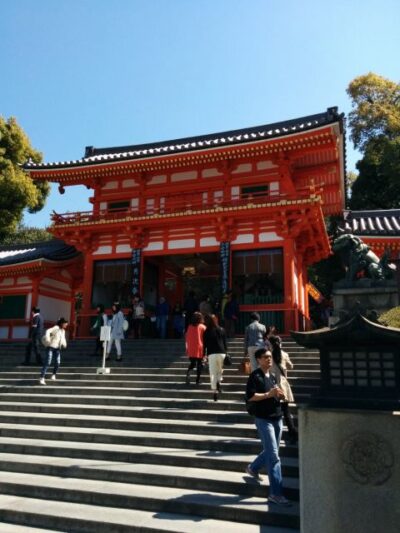
Yasaka Shrine receives about 20 minutes. The shrine is more than a quick photo stop, and the guide uses it to explain Shinto worship and the role of shrines in local life.
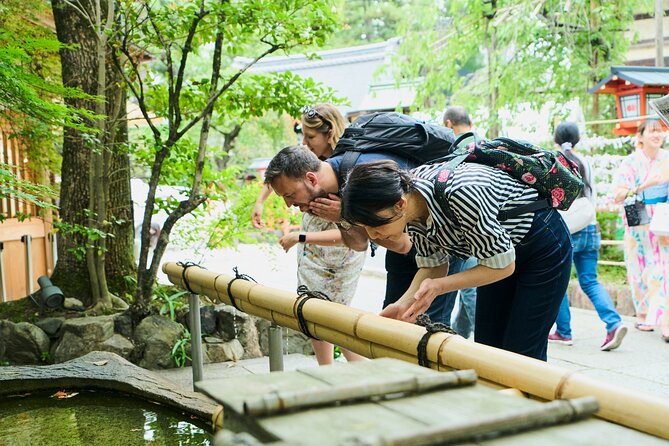
You can expect to learn how to behave in a shrine setting and what the buildings and rituals represent. This is especially useful if you have been visiting Kyoto independently and want more than a surface-level view of gates, lanterns, and offering boxes.
The shrine is also a helpful contrast to the private world of Gion’s teahouses. One part of the neighborhood is built around carefully controlled hospitality and professional performance. The shrine provides a more public setting, tied to community traditions and worship.
The 20-minute visit is focused. It will not replace a full shrine visit, but it gives you enough background to return later with a better sense of what you are seeing.
More Local Culture and Traditions Tours in Japan
- Nara: Half-Day UNESCO Heritage & Local Culture Walking Tour
★ 4.8 · 250 reviews - Tokyo: The Best of Izakaya in Shinjuku Food & Cultural Tour
★ 4.9 · 221 reviews - 2.5 Hour Private History and Culture Tour in Himeji Castle
★ 5.0 · 185 reviews - Kyoto: Nara & Traditional Matcha Experience Bus Tour
★ 4.9 · 185 reviews
Hokan-ji Temple and Kyoto’s best-known view
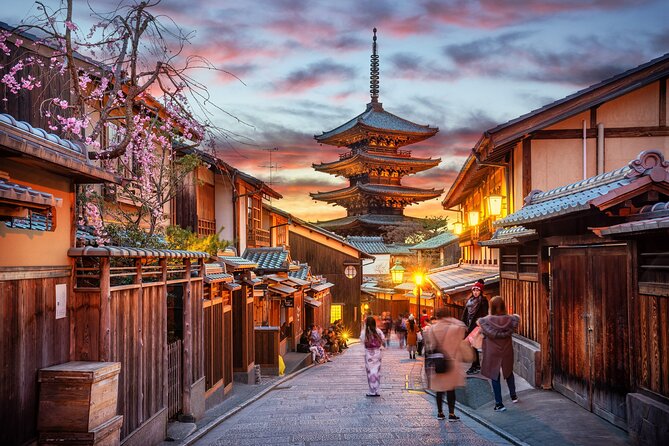
Hokan-ji Temple, often recognized by the Yasaka Pagoda, is scheduled for another 20 minutes. This is one of the most photogenic points on the walk, especially from the surrounding streets.
The view is classic Kyoto: a tall pagoda rising above low wooden buildings and sloping lanes. It is the kind of scene that can make a short stop worthwhile even if you have already taken dozens of city photographs.
The tradeoff is crowd pressure. This is a popular picture stop, and the tour does not promise a quiet visit. Your guide can help explain the setting and point out useful angles, but you should not expect a long, empty photo session.
Because the tour links Hokan-ji with nearby streets rather than treating it as a stand-alone attraction, you get a better sense of how the temple fits into the old district. The buildings, slope, and pagoda work together as one townscape.
Pontocho and the Kamogawa River
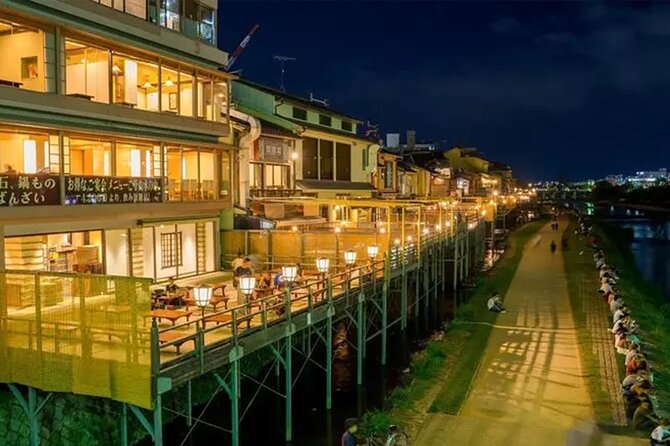
Pontocho is listed as a 15-minute stop and is described as a historic gourmet street. Its narrow lane runs near the Kamogawa River and is associated with restaurants, evening dining, and Kyoto’s traditional entertainment districts.
This is a useful place to ask for food advice. Guides such as Kenta and Ukyo are specifically praised for restaurant recommendations, while other guides have pointed out good restaurants and rooftop bars. Recommendations are not a substitute for checking menus and prices yourself, but they can help you understand where locals and regular visitors look for an evening meal.
The tour also includes a local break spot by the Kamogawa River. Exact details of the stop are not specified, so think of it as a brief pause and orientation point rather than a guaranteed picnic or café visit. The river gives the route a change of mood after the lanes and shrines.
One practical warning: the walk does not include a planned drink stop. In hot weather, bring water before you start. One guide received praise for making the route bearable in the heat, but the lack of a refreshment break was a real consideration.
Gion Shirakawa and Edo-period townhouses
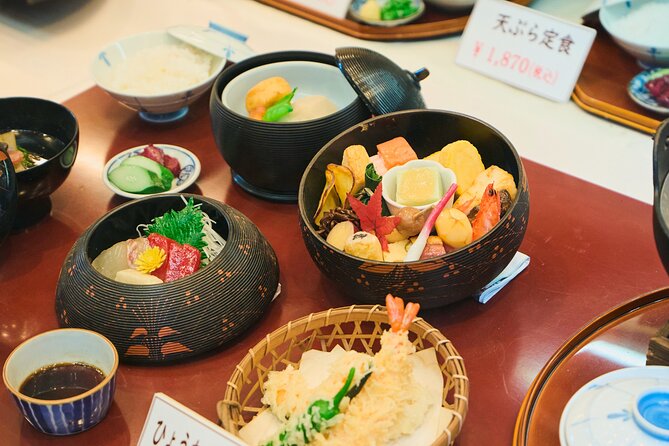
Gion Shirakawa is allotted about 20 minutes and provides one of the most atmospheric sections of the walk. The canal, traditional facades, and old wooden townhouses show a quieter side of Gion than the main shopping lanes.
Here, your guide explains the role and design of Edo-period townhouses. Look closely at the proportions, woodwork, entrances, and narrow frontage. These buildings were not simply decorative. They reflect the way older Kyoto neighborhoods were organized around limited street space and commercial life.
This stop is valuable because it shifts the focus from famous landmarks to everyday architecture. You begin to notice how much of Gion’s character comes from ordinary buildings, not just temples and pagodas.
The route may feel more peaceful here, but do not assume every lane is open for wandering. Gion remains a residential and working district. Your guide can help you enjoy the setting without blocking entrances or entering private areas.
Yasui-Konpiragu and the final lesson in worship
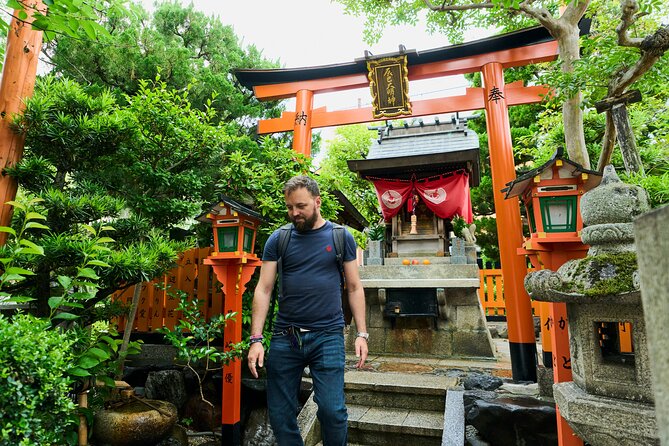
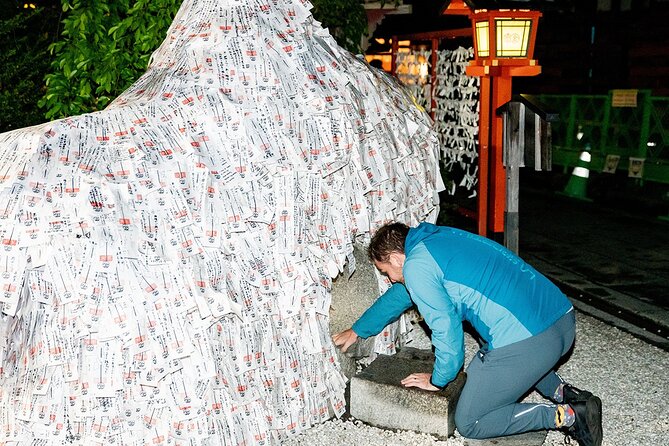
The walk ends with Yasui-Konpiragu, where you spend about 15 minutes learning about Shinto worship. This shrine is known for its distinctive customs and gives the tour a final cultural note rather than ending at a photo viewpoint.
The stop rounds out the route nicely. You have already heard about geisha work, old neighborhoods, temples, and public shrines. Yasui-Konpiragu brings those strands back to personal belief and ritual.
The tour then returns to the original meeting point. Since the route covers many areas in only two hours, the final section may feel brisk. That is useful if you want an introduction before a dinner reservation, but less useful if you prefer long pauses at each site.
What the $23.88 price gets you
At $23.88 per person, this is priced as an accessible introduction rather than a full-day cultural program. The value comes from interpretation. You are paying for a local guide who explains what Gion’s buildings, rituals, and customs mean, not for entry to a paid attraction.
All listed stops have free admission, so the price is easy to understand. You get about two hours of guided walking, a route through several central Kyoto districts, and practical suggestions for restaurants and later sightseeing.
I would book it early in a Kyoto visit. The tour can help you get your bearings and prevent Gion from becoming a string of disconnected photo stops. Afterward, you can return to Hanamikoji, Gion Shirakawa, Pontocho, or Yasaka Shrine with better context.
The price is less compelling if you already know Gion well or want a slow architectural study. The itinerary is active, group-based, and broad. You cover many stops, but most receive between 15 and 20 minutes.
Timing, walking, and group size
The tour lasts approximately two hours and requires moderate physical fitness. You should expect continuous walking through city streets, some slopes, and historic lanes. Comfortable shoes matter more than dressy footwear.
Late afternoon is the most useful time to consider. Around 5 or 6 p.m., you may have a better chance of seeing a geisha or maiko, and the light can be pleasant for photographs. A night stroll can also be attractive after the largest daytime crowds have eased, but one guide advised not starting too late because some places may be closed.
Bring water in warm weather. There is no promised drink stop, and the route can feel demanding during hot days. The mobile ticket is convenient, and confirmation is provided at booking.
The experience depends on good weather. If poor weather cancels the walk, you are offered another date or a full refund. You can cancel for a full refund up to 24 hours before the start time. Within 24 hours, cancellation changes are not accepted and the payment is not refunded.
Who will get the most from this walk
This tour suits first-time Kyoto visitors who want a clear introduction to Gion without committing to a costly private guide. It is also useful for anyone curious about geisha culture but unsure how to approach the subject respectfully.
You will get the most from it if you enjoy short explanations, local stories, and a steady route. Families with older children may appreciate the variety, since the walk changes setting often enough to keep the two hours moving.
It is less suitable if you need frequent seated breaks, dislike slopes, or want guaranteed geisha photographs. No tour can promise a sighting, and the route does not provide a long stop for shopping or meals.
The guide’s personality can shape the experience. Uta is praised for an engaging manner and strong English, Dan for storytelling and patience, Naoya for careful explanations and helping people who got delayed, and Soyo for friendly guidance through Gion. Since the guide assigned to your departure is not fixed in the information provided, book this for the route and subject rather than for one particular person.
Should you book the Gion walking tour?
Book it if you want a low-cost cultural orientation with a strong chance of learning something useful in two hours. The mix of geisha history, shrines, temples, old townhouses, Pontocho, and the river gives you a good first look at central Kyoto.
Choose a late afternoon departure if seeing a geisha is important to you, but keep your expectations realistic. Bring water, wear good shoes, and allow extra time afterward for dinner or a return visit to the places that caught your eye.
Skip it if you prefer a private, unhurried tour or already understand Gion well. For most first-time visitors, though, the price, manageable length, and range of sights make this a sensible way to begin exploring Kyoto’s most traditional district.
FAQ
How long is the Kyoto Gion walking tour?
The tour lasts approximately two hours.
Where does the tour start?
It starts at the McDonald’s near Shijo-ohashi Bridge, at 105-1 Hashimotocho, Shimogyo Ward, Kyoto, 600-8011, Japan.
Where does the tour end?
The activity ends back at the original meeting point.
Can I see a real geisha on the tour?
You might see a geisha or maiko, but a sighting is not guaranteed. Starting around 5 or 6 p.m. may give you a better chance.
How large is the tour group?
The maximum group size is 15 people.
Can I cancel for a refund?
You can cancel at least 24 hours before the start time for a full refund. Cancellations or changes made less than 24 hours before the start time are not refunded. If poor weather cancels the tour, you are offered another date or a full refund.
More Two-Hour Tours in Japan
- Berlin’s Best: 2 Hour Walking Tour Third Reich and the Cold War
★ 5.0 · 5,486 reviews - 2-Hour Gettysburg Battlefield Guided History Bus Tour with a National Park Guide
★ 4.5 · 2,201 reviews - 2 Hour LoDo Historic Walking Tour in Denver
★ 5.0 · 1,106 reviews - 2-Hour Historical Walking Tour from Dublin
★ 5.0 · 875 reviews
Just added around Japan
- Private sake pairing@ancient underground★ 5.0 · 27 reviews
- Tokyo: Asakusa & Sensoji ー Oldest Temple Walking Tour (2hrs)★ 5.0 · 213 reviews
- [30 minutes] Rickshaw tour around Asakusa [History, sightseeing, Tokyo Skytree]★ 5.0 · 38 reviews
- Tokyo: Edo Castle & East Garden of the Imperial Palace Tour★ 4.7 · 112 reviews
- Tokyo: Imperial Palace, the history of Japan (ENGLISH GUIDE)★ 5.0 · 77 reviews
- Tokyo: Customized Private Historical Guided Photoshoot Tour★ 5.0 · 25 reviews
- Osaka: Dark Side of Osaka Night Walking Tour★ 4.9 · 89 reviews
- Osaka: Osaka Castle & Historical Museum Guided Tour★ 4.8 · 28 reviews
Kyoto History Tours, compared.
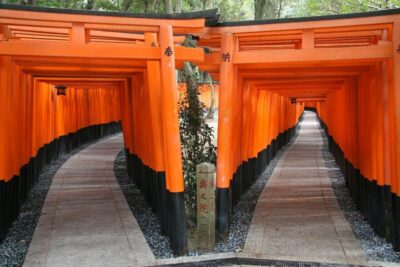
Kyoto: Fushimi Inari, Kinkakuji, Bamboo Grove 1 Day Bus Tour
Read our review →
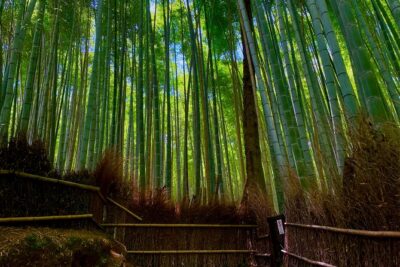
Kyoto Early Bird English Tour: Fushimi-Inari and Arashiyama
Read our review →
Kyoto: Nara & Traditional Matcha Experience Bus Tour
Read our review →