
Review · BERLIN
Berlin: Charité Hospital Walking Tour of Medical History
Charité is not just a hospital. It is a record of Berlin’s changing ideas about illness, science, power, and human rights. This two-hour walking tour begins with a plague house from 1710 and moves through bloodletting, medical breakthroughs, women’s education, Nazi crimes, and East German politics. The beautiful neo-gothic campus gives the story a memorable setting.
I like the visit to the Veterinary Anatomy Theatre, an 18th-century building where doctors studied disease in livestock and cavalry horses. I also like the tour’s honest treatment of Charité’s darker chapters, rather than presenting famous doctors as spotless heroes. The main drawback is simple: much of the tour happens outdoors, so cold or wet weather can make the two hours feel long.
Key Points
- The Veterinary Anatomy Theatre: Enter Berlin’s oldest surviving academic building and see where animal medicine was taught in the 18th century.
- Medical pioneers: Learn how Robert Koch and Rudolf Virchow shaped modern medicine at Charité.
- Rachel Hirsch’s breakthrough: Hear how she became the first woman to hold a medical professorship in Prussia in 1913.
- Nazi and socialist history: Explore how medicine was abused under National Socialism and used as a source of pride in East Germany.
- A mostly outdoor route: Wear warm layers and comfortable shoes, especially from autumn through spring.
- A useful central finish: The walk ends near Alexanderufer and Berlin Central Station, making it easy to continue sightseeing.
Why Charité Tells Berlin’s Medical Story So Well

Many Berlin walking tours focus on kings, wars, walls, or grand monuments. This one follows a different thread: the way a city treats disease, organizes hospitals, and decides who is allowed to become a doctor.
Charité began in 1710 as a basic plague house. Berlin needed a place to isolate people during an approaching epidemic, not a polished research center. Early treatment could involve bloodletting, mercury, or amputation. These methods may sound brutal now, but they help you understand how limited medical knowledge was before modern laboratory science.
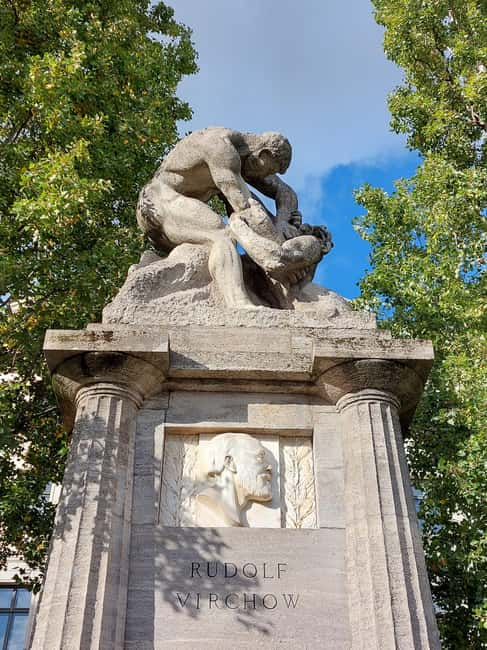
The tour then follows Charité into the age of medical discovery. Robert Koch and Rudolf Virchow worked in the orbit of this institution, and their names carry weight far beyond Berlin. Koch’s work is linked with the study of infectious disease, while Virchow helped shape modern pathology and social medicine.
What I appreciate here is the range. You do not get only a parade of famous men and scientific victories. The story also includes Rachel Hirsch, who became the first woman to hold a medical professorship in Prussia in 1913. Her appointment marked a major step for women in medicine, even though she faced resistance within the institution.
That mix gives the tour more substance than a simple campus stroll. You see Charité as a place where science advanced, social attitudes shifted, and political systems left their mark.
More History Walking Tours in Berlin
- Berlin: Third Reich & Cold War Guided Walking Tour
★ 4.9 · 8,378 reviews - Berlin’s Best: 2 Hour Walking Tour Third Reich and the Cold War
★ 5.0 · 5,486 reviews - Third Reich Berlin: Hitler and WWII Walking Tour
★ 5.0 · 3,301 reviews
Meeting at Robert-Koch-Platz

The tour begins at Robert-Koch-Platz, by the statue of Robert Koch. Look for the guide carrying an orange umbrella. That detail matters because the starting area is an urban public space, and a clear meeting marker saves you from circling the square while trying to identify a group.
Starting beside Koch’s statue also sets the tone. You are introduced to a person whose name appears throughout medical history, then begin walking through the institution where Berlin’s medical story took shape.
The route is designed for people who can walk and remain standing for about two hours. Wear comfortable shoes, bring water, and avoid treating this as a quick indoor museum visit. The guide leads you around the historic campus, but access to hospital and university buildings is limited because they remain active working spaces.
That restriction is worth understanding before you book. You will see the campus and visit the Veterinary Anatomy Theatre, but you should not expect to enter every impressive building or explore every corner with the group. Some areas are restricted during the guided walk, though certain parts may be explored independently afterward.
The Veterinary Anatomy Theatre and 18th-Century Medicine
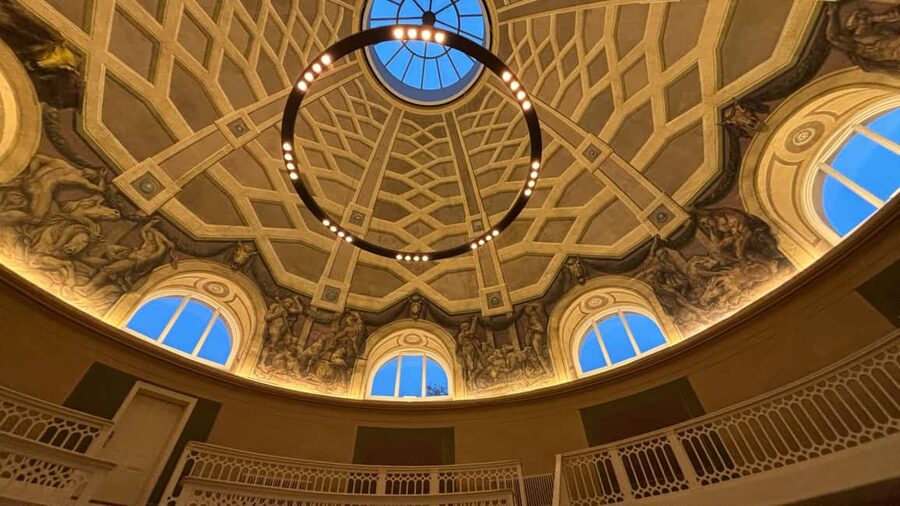
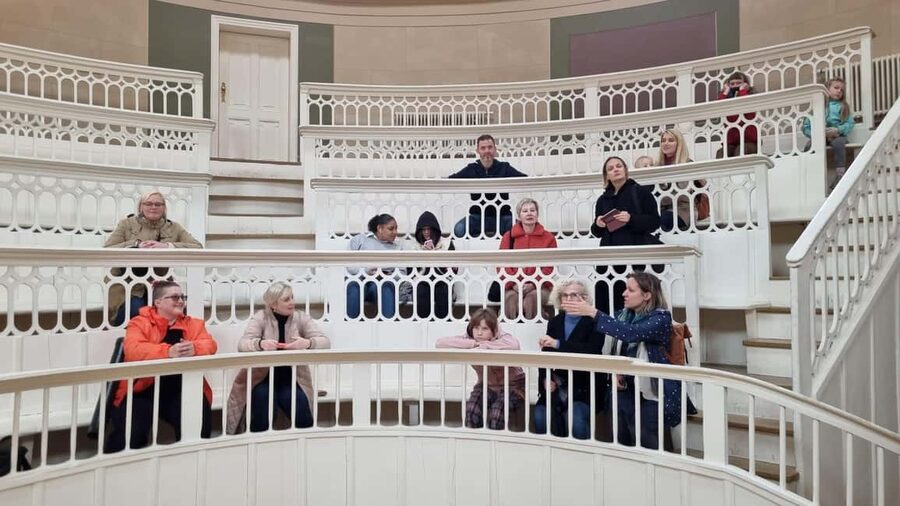
The Veterinary Anatomy Theatre is the tour’s clearest physical connection to old Berlin. Built for academic study, it is the oldest academic building still in existence in the city. The visit lasts about 15 minutes, but it adds a setting that photographs and lectures cannot replace.
Here, the subject is not only human medicine. In the 18th century, doctors and scholars examined illnesses affecting livestock and cavalry horses. That focus made practical sense. Horses supported military life, while healthy animals were essential to food and transport.
The theatre also reveals how medical teaching once worked. Before modern imaging, laboratory testing, and antibiotics, anatomy and observation were central tools. A building devoted to examining bodies and disease gives you a concrete sense of that process.
The theatre can occasionally be closed for internal events or public holidays. If this site is your main reason for booking, keep that possibility in mind. The wider walk still covers Charité’s history, but the indoor visit is an important part of the experience.
For many people, this will be the most unusual stop. Berlin has plenty of famous museums, but an old veterinary teaching theatre offers a more focused look at how medicine developed. It also prevents the tour from becoming only a sequence of names and dates.
Walking the Neo-Gothic Charité Campus
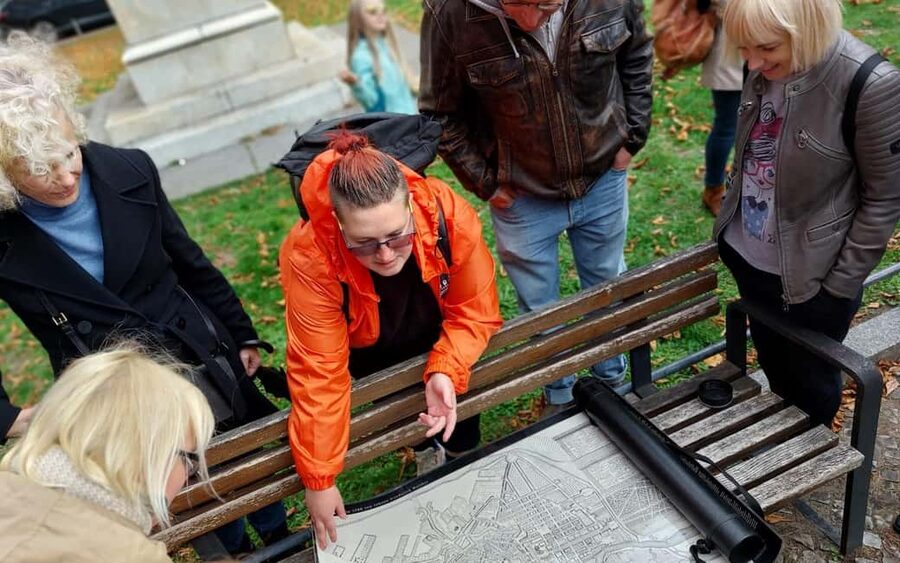
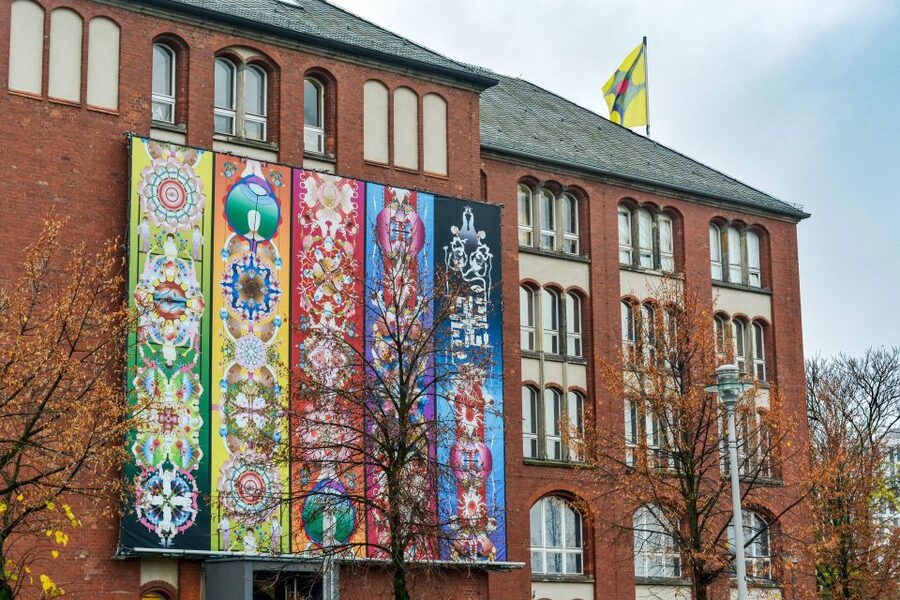
After the theatre, the guide takes you around the historical Charité campus. The neo-gothic architecture gives the walk a strong visual identity, with old institutional buildings that reflect the hospital’s importance and age.
You will spend much of this part outside. That makes the experience more atmospheric in good weather, since you can connect the architecture with the stories being told. It also creates the tour’s main practical weakness in winter. Berlin can be cold, damp, and windy, and the route does not become an indoor lecture simply because the weather turns unpleasant.
Dress more warmly than you think you need. A coat, sensible shoes, and water are the basic items listed for the walk, but warm layers are especially important in cold weather. The tour is wheelchair accessible, though the activity still involves walking and standing for roughly two hours.
The guide uses the campus as a series of historical clues. A building is not just a façade. It becomes part of the story of who worked there, what medicine believed at the time, and how political changes affected the hospital.
This approach should suit you if you like places with several layers of meaning. If you want a tour focused only on architecture or only on famous medical discoveries, the political and ethical sections may feel heavier than expected.
More History Walking Tours in Germany
- Berlin: Third Reich, Hitler, and WWII Walking Tour
★ 4.9 · 1,757 reviews - Berlin: History of the Third Reich Guided Walking Tour
★ 4.7 · 791 reviews - Berlin Historical Highlights Walking Tour
★ 4.9 · 657 reviews - Berlin Private Complete History All Day Walking Tour
★ 5.0 · 474 reviews
Robert Koch, Rudolf Virchow, and the People Behind the Names
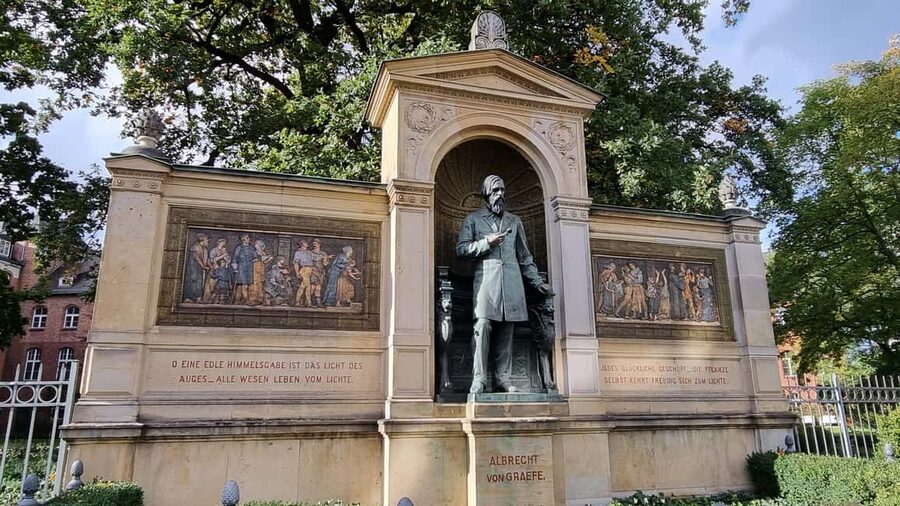
The Charité story includes some of the biggest names in medical history. Robert Koch and Rudolf Virchow are central figures, but the tour is not simply a list of achievements.
You hear about the development of medical careers and the conditions in which doctors worked. That helps turn familiar names into real historical figures. Their ideas emerged in a particular institution, under particular social and political pressures.
This is also where the guide’s medical background matters. The experience is offered in English and German, and the guide is expected to explain medical subjects in a way that connects with general visitors, not just specialists. One guide named in the feedback is Martina, who received praise for presenting the campus story in an impressive but lively way. Another recent assessment described the guide as combining medical knowledge with an authentic account of Charité’s main periods.
You do not need a medical background to follow the tour. Still, the recommended age is 14 and up because the content has historical and ethical weight. Younger children may find the walking and subject matter less suitable.
The best part of this section is the balance between science and people. Medical progress can sound abstract when reduced to dates and discoveries. Charité’s doctors had careers, rivals, institutions, and political surroundings. The guide places them inside that wider setting.
Rachel Hirsch and a Shift in Medical Education

Rachel Hirsch’s story gives the tour a needed social dimension. In 1913, she became the first woman to hold a medical professorship in Prussia. That appointment was a major step for women in medicine, but it did not mean the institution suddenly became welcoming or equal.
Her career shows how progress can be real and incomplete at the same time. A formal appointment opened a door, yet resistance remained inside the institution. That tension is more useful than a simple story of steady improvement.
I especially like this part for visitors interested in women’s history, education, or changing social roles. It also broadens the tour beyond the better-known names of Koch and Virchow.
The guide’s treatment of Hirsch is part of a larger effort to look at medical history with modern judgment while keeping the historical setting clear. You are encouraged to understand what changed, what did not, and why certain advances took so long.
This is one reason the walk works well for adults and older teenagers. It is not just about old equipment or grand buildings. It asks you to consider who had access to professional status and who was pushed aside.
Charité Under the Nazi Regime
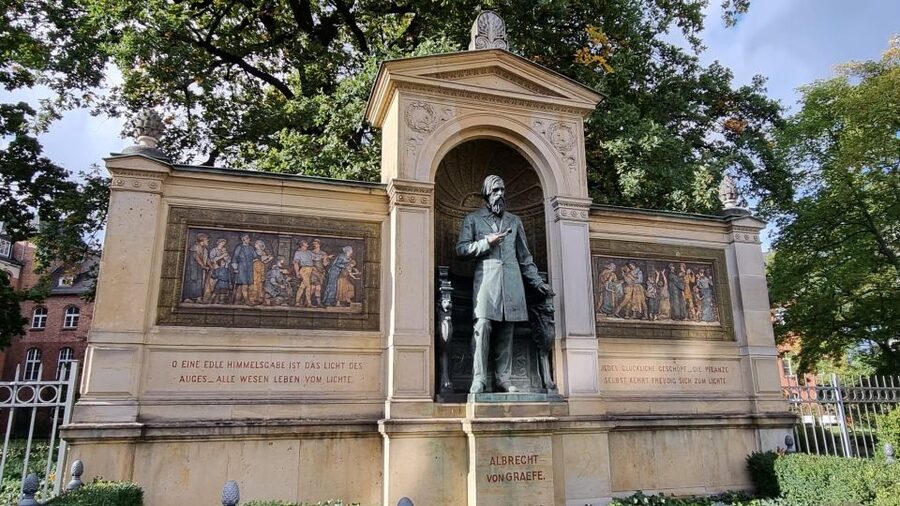
The most difficult section concerns the Nazi period. Under National Socialism, medical ethics were cast aside and racial hygiene was imposed with brutal force.
The hospital’s history includes doctors who remained silent and others who actively helped organize the extermination of psychiatric patients. That is not a pleasant subject, but it is essential to understanding how respected medical institutions can be used by a criminal political system.
The tour does not treat Charité as an uncomplicated symbol of scientific progress. It shows how professional authority and medical language could be turned into tools of persecution. For me, this is one of the tour’s strongest features because it refuses to separate scientific history from moral responsibility.
You should know this section involves serious material. The tour is not designed as light entertainment, despite the lively presentation described by the guide feedback. If you are looking for a cheerful campus walk, this is the wrong choice. If you want to understand how Berlin’s medical institutions responded to dictatorship, it offers important context.
The guide’s tone matters here. The most useful presentation is neither sensational nor evasive. The available feedback points to a differentiated treatment of the subject, which is exactly what this part requires.
Charité in East Germany
The tour continues into the decades of socialist East Germany. The Charité was presented as a source of national achievement, and its medical accomplishments were used to support the state’s image.
At the same time, the hospital’s location beside the border created a strange physical reminder of division. Windows facing the capitalist West were bricked up. That small architectural detail brings Cold War politics into the hospital itself.
This is a good example of how the tour links ordinary buildings with big political forces. You do not need a separate museum display to understand that Berlin’s division affected daily work, movement, and even what people could see from a window.
The East German section also keeps the story from ending with the Nazi period. Charité continued to operate under a new political system, and that system presented the institution in its own way. The result is a longer and more complicated account of the hospital than you would get from a single-era tour.
The Charité Television Connection
The tour also explains the real-life stories behind the Charité television series. That connection may appeal to you if you have watched the show or plan to see it after visiting Berlin.
The value is not just spotting a filming location or matching a name to a character. The walk helps separate drama from the historical people and institutions that inspired it. You get the background needed to understand which parts belong to documented medical history and which belong to television storytelling.
Even if you have never seen the series, this section can work as a bridge between popular culture and the actual campus. It gives the tour a modern entry point without turning the whole experience into a television-themed visit.
What You Get for $29
At $29 per person, this is reasonably priced for a two-hour guided walk that includes admission to the Veterinary Anatomy Theatre. The value comes from the guide’s interpretation, not from a large number of paid attractions.
You are paying for a focused history lesson, access to a distinctive academic building, and a route through a working medical campus that you might not understand on your own. The price is easier to justify if you enjoy social history, medical history, or Berlin’s political past.
It is less compelling if you mainly want indoor sightseeing or a tour filled with grand rooms. Entry to hospital and university buildings where medical or academic work continues is not included, and some campus areas are restricted for guided visits.
The two-hour length is well judged for the amount of material. A shorter walk would have to rush through the Nazi and East German sections. A much longer outdoor tour could become tiring, especially in cold weather.
The experience also offers free cancellation up to 24 hours before the start and a reserve-now, pay-later option. Those terms are useful if your Berlin schedule is still changing, but the real buying decision comes down to your interest in the subject and your willingness to walk outside.
Who Should Book This Charité Walk?
I would recommend it to you if you enjoy:
- Medical history and the development of modern science
- Berlin’s Nazi and Cold War past
- Historic buildings with an active institutional role
- Social history, especially women’s access to medicine
- Thoughtful tours that address ethical failures as well as achievements
- The Charité television series and its real historical background
It is also a good choice for older teenagers and adults who want something different from the usual Berlin route. The tour is suitable for anyone comfortable walking and standing for about two hours, and it is wheelchair accessible.
I would hesitate if you dislike outdoor tours, have little patience for serious historical material, or need guaranteed access to hospital interiors. The Veterinary Anatomy Theatre can also close for internal events or public holidays, so its visit is not certain on every date.
The finish near Alexanderufer, close to Berlin Central Station, is convenient. You can continue sightseeing from there instead of spending extra time returning to the starting point.
Should You Book the Charité Medical History Tour?
Book this tour if you want to see Berlin through the history of medicine rather than through palaces and war memorials. Its strongest features are the unusual Veterinary Anatomy Theatre, the clear account of Robert Koch, Rudolf Virchow, and Rachel Hirsch, and the direct treatment of Charité’s Nazi and East German past.
The main caution is practical: most of the experience takes place outside. Bring warm clothing, wear good shoes, and expect serious discussion rather than a light stroll.
For $29, the tour offers a well-focused look at one of Berlin’s most important institutions. I would choose it for a second or third day in the city, once you have seen the major sights and want a more specialized story. If that sounds like your kind of Berlin, the orange umbrella at Robert-Koch-Platz is a good place to start.
FAQ
How long does the Charité medical history tour last?
The tour lasts two hours.
Where does the tour begin?
It begins at Robert-Koch-Platz, beside the Robert Koch statue. Look for the guide holding an orange umbrella.
Where does the tour finish?
The tour finishes at Alexanderufer, near Berlin Central Station.
What languages are available?
The tour is available in English and German.
Is admission to the Veterinary Anatomy Theatre included?
Yes. Admission to the Veterinary Anatomy Theatre is included in the tour price.
Can I enter all Charité buildings during the walk?
No. Entry to buildings where hospital or university activities take place is not included. Some campus areas are also restricted for guided tours.
Is the tour suitable for children?
The tour is recommended for people aged 14 and up because of its historical depth. All minors must be accompanied by an adult, and children under 14 are not considered suitable for the activity.
What should I bring?
Bring comfortable shoes and water. Since most of the tour takes place outdoors, dress warmly in cold weather.
Is the tour wheelchair accessible?
Yes, the activity is wheelchair accessible. Participants should still be comfortable walking and standing for approximately two hours.
Just added around Berlin
- Berlin Food & Cultural Tour: Must-Try German & Berliner Classics★ 5.0 · 51 reviews
- Berlin Half-Day World War II Walking Tour★ 4.5 · 48 reviews
- Small-Group Historical Bike Tour in Berlin★ 4.5 · 103 reviews
- Historic center of Berlin – Tour in Italian★ 5.0 · 143 reviews
- Berlin Cold War & World War II Third Reich Walking Tour★ 4.5 · 30 reviews
- Private Taxi Tour City East & West History and Architecture 3-4h★ 5.0 · 42 reviews
- Berlin Wall and Cold War Bike Tour in Small Groups★ 5.0 · 114 reviews
- Private Tour: Jewish Heritage Walking Tour of Berlin★ 5.0 · 29 reviews
Berlin History Tours, compared.

Berlin: Third Reich & Cold War Guided Walking Tour
Read our review →
Berlin’s Best: 2 Hour Walking Tour Third Reich and the Cold War
Read our review →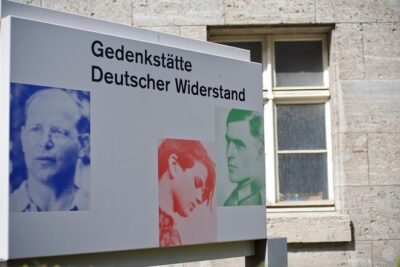
Third Reich Berlin: Hitler and WWII Walking Tour
Read our review →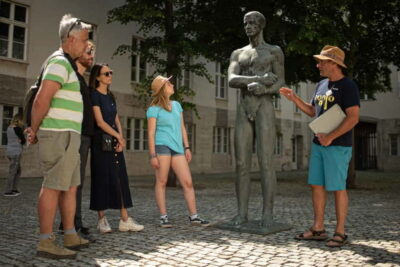
Berlin: Third Reich, Hitler, and WWII Walking Tour
Read our review →
Berlin: 3-Hour World Heritage Cruise to Potsdam
Read our review →
Cold War, Berlin Wall, Spies and the East Side Gallery
Read our review →
Berlin: History of the Third Reich Guided Walking Tour
Read our review →
Browse the lists this tour appears in