
Review · BRAZIL
Scenic Train ride to historical cities of Morretes and Antonina
The best part of this full-day outing is the train ride from Curitiba to Morretes, where old bridges, tunnels, waterfalls, and Atlantic rainforest unfold along the Serra do Mar. I like that the tour pairs this scenic railway journey with a proper taste of Paraná: a slow-cooked barreado lunch beside the Nhundiaquara River. I also like that transport, train tickets, snacks, and several stops are bundled into one day.
The main drawback is the packed schedule. Morretes deserves more than the roughly 90 minutes allotted for its historic center, while Antonina gets only about 20 minutes. You should also confirm your language arrangements carefully, since the guide service outside the train may not match the language you request.
Key points at a glance
- 19th-century railway: Travel on the Paranaguá-Curitiba Railway, opened in 1884, across more than 41 bridges, 13 tunnels, and major viaducts.
- Serra do Mar scenery: Watch for Atlantic rainforest, steep valleys, rivers, waterfalls, canyons, and railway engineering from your train window.
- Morretes lunch: Try barreado, Paraná’s signature coastal dish, with rice, bananas, oranges, manioc flour, and breaded fish.
- Short town visits: Morretes gets about 1 hour 30 minutes, while Antonina gets roughly 20 minutes, so the stops are introductory rather than leisurely.
- Useful all-in-one planning: The $128.40 price includes hotel transfers, train tickets, onboard refreshments, lunch, a guide, and the return road trip.
- Language matters: Commentary on the train can be arranged in Portuguese, English, or Spanish, but you should verify what is included after arrival in Morretes.
Why the railway is the real star
This is not simply a train ride with a few stops attached. The railway itself is the reason to book the day.
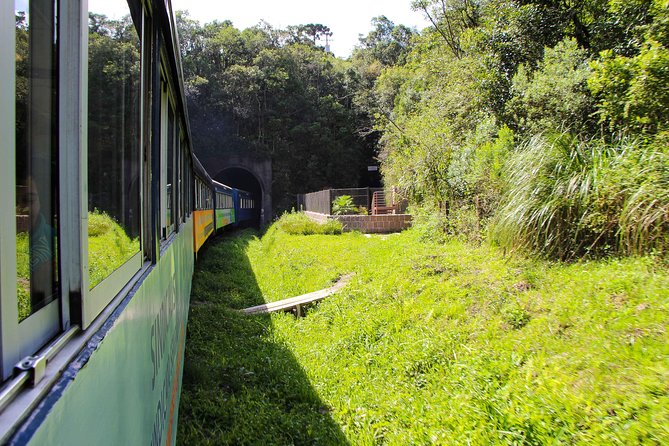
The Paranaguá-Curitiba Railway began service in the 19th century, with its inaugural journey made by Princess Isabel in 1884. The route passes through the Serra do Mar ecological reserve, using more than 41 bridges, hundreds of smaller structures, 13 tunnels, and striking engineering works such as Ponte São João and the Viaduto do Carvalho.
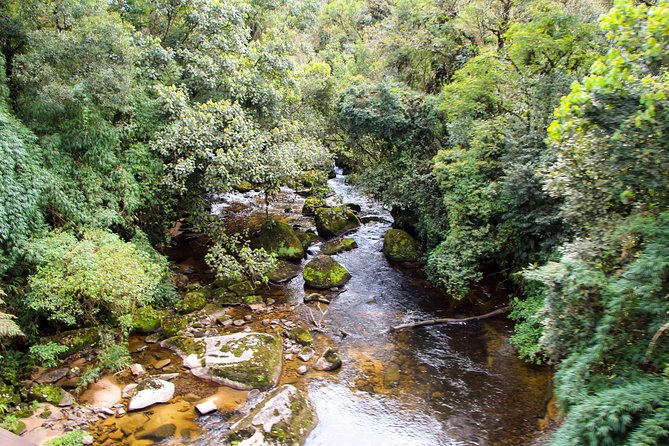
You will travel through thick Atlantic rainforest rather than open farmland. Look for steep green slopes, rocky gorges, rivers, waterfalls, and sudden views across mountain valleys. Cloud and rain can obscure the scenery, but the route still has plenty of atmosphere in poor weather. On a clear day, the views become the main event.
The train portion also has a useful comfort detail: snacks and either a soft drink or bottled water are included. You can move around within your section of the train, though boarding can take time because this is a popular railway excursion. The ride may also be delayed. One journey arrived in Morretes around two hours later than expected after stopping several times, so you should not plan a tight evening appointment in Curitiba.
The onboard guide can provide commentary in English, Spanish, or Portuguese if you choose your preferred language at booking. This arrangement appears strongest inside the train carriage. Afterward, language support may be less reliable, so English and Spanish speakers should confirm exactly what kind of guide is included before paying.
More Train Trips in Brazil:
- Puffing Billy Railway: Heritage Steam Train Journey
★ 4.6 · 1,195 reviews - Ancient Ostia Antica Semi-Private Day Trip from Rome by Train with Guide
★ 4.5 · 579 reviews - Dublin to Cork, Blarney Castle & Cóbh Heritage Centre by train
★ 4.5 · 510 reviews
Leaving Curitiba at 7 a.m.
The day begins early, with pickup from most Curitiba hotels around 7 a.m. You first ride by bus to the railway station, where the group boards the train for Morretes.
The exact pickup time is reconfirmed after booking, and you need to provide each passenger’s full name, birth date, and passport number. Brazilian passengers use an identity document or CPF. This information is required for the official passenger list, so check every name and number carefully.
The tour has a maximum of 30 people, which is manageable but not intimate. Expect some waiting at the station and a coordinated boarding process. This is an organized group outing, not an independent railway trip, and that structure is useful when you need a hotel pickup and a return vehicle in another city.
There have been serious complaints about missed pickups and incorrect passenger information. These appear to be service failures rather than normal features of the trip, but they make one practical point clear: keep your confirmation, check the pickup details, and contact the operator promptly if anything looks wrong.
Morretes: colonial streets and a short taste of town life
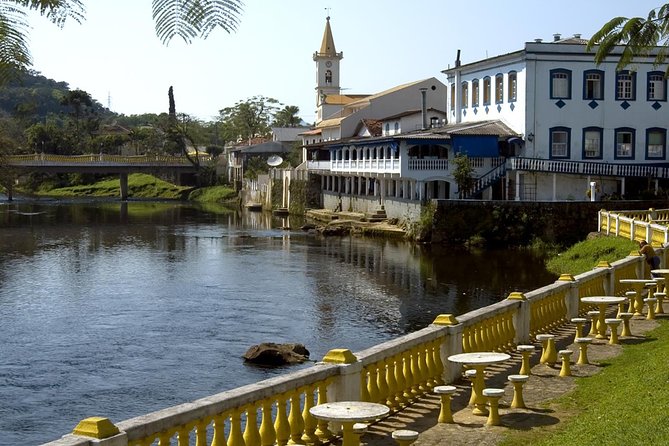
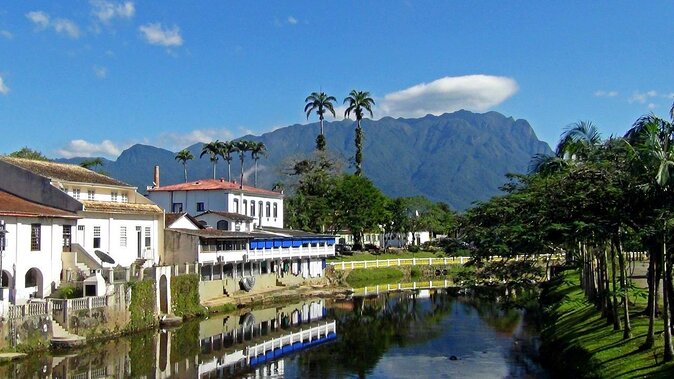
Morretes is the most rewarding stop on the ground. After the train arrives, you have about 1 hour and 30 minutes to walk through the historic center with the guide.
The town is known for colonial houses, churches, craft stalls, and a setting along the Nhundiaquara River. You can expect a compact walking visit rather than a long, unhurried exploration. The time is enough to see the central streets, browse local crafts, and get a feel for the town, but it is tight if you want to shop, take photographs, sit for a drink, and listen closely to the historical explanation.
I would give your attention to the architecture and the everyday details rather than trying to cover every street. Morretes is also the place to look for regional food products and handmade goods. If you prefer town walks to miniature museums or quick roadside stops, this is the part of the afternoon where you may wish you had more time.
The guide is meant to help explain the churches and older buildings, but the quality of the commentary depends heavily on language and organization that day. Some visitors received clear English or Spanish support, while others found that interpretation stopped after the train ride. If local history is important to you, ask before departure who will guide the Morretes walk and in which language.
Barreado beside the Nhundiaquara River
Lunch is one of the strongest reasons this tour works as a cultural day rather than just a scenic transfer.
You eat beside the Nhundiaquara River and try barreado, a traditional dish from the coast of Paraná. Beef is cooked slowly for many hours in a clay pot. The pot is sealed with manioc flour and water to keep the steam inside, leaving the meat soft enough to fall apart.
The dish comes with rice, sliced bananas, oranges, and manioc flour. Breaded fish is also served on the side. This combination may sound unusual if you have not eaten coastal Paraná food before, but the sweet fruit, crisp fish, rice, and deeply cooked beef make a filling regional meal.
Lunch is included, but drinks and dessert are not. Budget for those separately, and do not assume that every item on the table is part of the package. The meal lasts about 1 hour and 10 minutes, which gives you time to eat without turning lunch into a long restaurant stop.
The river setting adds to the experience. Depending on conditions and the exact timing, you may have a little time near the water after eating. Still, this is a group lunch within a fixed schedule, not a free afternoon beside the river.
More History Tours in Brazil:
- Maria Fumaça – Wines and History
★ 4.0 · 242 reviews - Rio de Janeiro: Historic Rio and Santa Teresa Half-Day Tour
★ 4.4 · 228 reviews - São Paulo: Downtown Historical Bike Tour
★ 4.9 · 191 reviews - Rio de Janeiro: Little Africa Heritage Walking Tour
★ 4.9 · 177 reviews
Hisgeopar: Paraná in miniature
After Morretes, the tour visits Parana Encantado Hisgeopar for about 30 minutes. The name can sound like an adventure park, but it is better understood as a moving miniature display about Paraná’s geography and history.
The models include small figures representing colonization-era work, a model railway linking Curitiba and Morretes, and a miniature train with a locomotive. There is also a model of the Itaipu Dam showing the area before and after the flooding of the Seven Falls, along with displays connected to Iguazu Falls and other Paraná landmarks.
This stop is most useful if you enjoy models, regional history, and visual explanations. It gives you a quick overview of places across the state that would otherwise require several separate journeys. If you expect rides, outdoor thrills, or a large amusement park, you may find the name misleading.
Thirty minutes is enough for a quick look but not a detailed study. I would treat Hisgeopar as a change of pace after the town walk and lunch, not as the main reason to book the tour.
Antonina gets only a brief visit
The final town stop is Antonina, a small coastal settlement with old streets, a waterfront, shops, and handmade sweets, especially banana-based products.
The planned visit lasts about 20 minutes. That is enough to get out, walk a short stretch, look at the shore, and check a few shops. It is not enough for a full town tour or a relaxed café stop.
This short stop is the least consistent part of the day. Some itineraries appear to focus on a shop or ice cream stop rather than a substantial walk through Antonina. If you want historic streets and time to explore, Morretes is the better stop. If you enjoy collecting regional sweets or simply want a quick look at another coastal town, Antonina adds variety.
I would not book this excursion mainly for Antonina. Think of it as a brief extra before the return journey.
The scenic road back to Curitiba
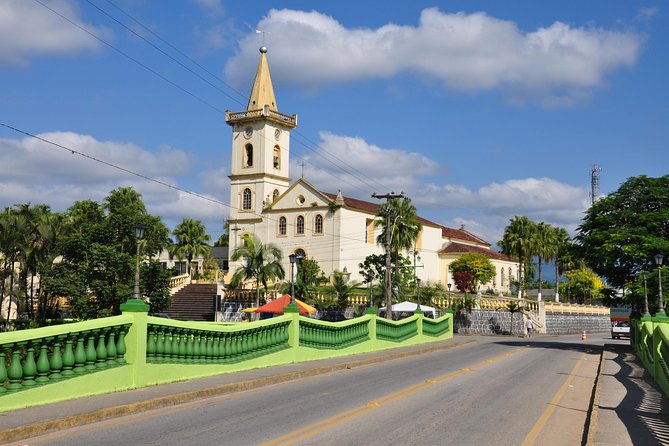
The return to Curitiba is by van, bus, or minibus rather than train. The intended route follows the Estrada da Graciosa, one of Brazil’s most picturesque roads, with a return arrival expected around 4:30 p.m.
The road can be slow and bumpy, particularly on stone sections and around its many curves. That is part of the trade-off for seeing another historic route through the mountains, but anyone prone to motion sickness should prepare accordingly.
Rain and other poor weather can change the return route. For safety, the operator may use the BR-277 instead of the Estrada da Graciosa. You will then lose that scenic road segment, but the change is sensible in difficult conditions.
The ride back also feels long after an early start. This is a nine-hour day on paper, and delays on the train can push the return later. Keep your evening open.
Is $128.40 a fair price?
At $128.40 per person, this is not the cheapest way to reach Morretes, but the price covers a great deal: hotel transfer, the train ticket, onboard snack and drink, a professional guide, Morretes and Antonina visits, Hisgeopar admission, lunch, and the return road transfer.
The value is strongest if you want someone else to manage the station, transport, meal, and return logistics. Independent arrangements could give you more time in Morretes, but they would require more planning and would not necessarily include the same combination of train, lunch, and road route.
The value is weaker if you mainly want a slow visit to Morretes or a carefully explained history tour in English or Spanish. The schedule moves quickly, the town stops are short, and language service outside the train needs careful checking.
This tour is also a better deal for someone who wants variety in one day: old railway, rainforest, colonial streets, local food, a miniature museum, a second coastal town, and a mountain road. It is less suitable for anyone who dislikes early starts, group timing, or long road transfers.
Language, comfort, and practical cautions
The train can offer bilingual commentary in Portuguese, English, or Spanish, but you must select your language at purchase. Do not assume that selecting English or Spanish guarantees a guide who will interpret every part of the day. Confirm whether the language applies only to the train carriage or also to the town visits and road transfer.
The group size can reach 30 people. That is small enough for a coordinated outing, but you should expect some waiting while people board, leave the train, and regroup.
Wear comfortable shoes for Morretes and bring water beyond the included train drink. The train can become hot, and the road home may be tiring. Rain can reduce the views, so a cloudy day is not a reason to cancel automatically, but clear weather gives you the best chance of seeing the mountains, waterfalls, and valleys.
You can cancel free of charge up to 24 hours before the start time. Changes or cancellations inside that 24-hour period are not accepted for a refund.
Should you book this Morretes train tour?
I would book it if you want the railway journey above all else and prefer an organized day that includes food and transport. The train through Serra do Mar is the memorable core, and the barreado lunch gives the outing a strong local flavor.
I would hesitate if your priority is slow exploration. Morretes deserves more time, Antonina is very brief, and the return drive can be tiring. I would also confirm the language service in writing if you do not speak Portuguese.
For most first-time visitors to Curitiba, this is a worthwhile day outside the city, especially in good weather. Just see it for what it is: a well-packed regional sampler with an exceptional train route, not a leisurely two-town walking tour.
FAQ
How long does the tour last?
The tour takes about nine hours. Pickup begins around 7 a.m., and the planned return to Curitiba is around 4:30 p.m., although train delays or road conditions can affect the timing.
Is hotel pickup included?
Round-trip transport is included for most hotels in Curitiba. The exact departure time is confirmed after booking.
What language is the guide service available in?
The bilingual guide in the train carriage can be arranged in Portuguese, English, or Spanish. You must choose your preferred language when booking. The information provided does not guarantee the same language coverage for every part of the day.
What food is included?
Lunch includes barreado, rice, sliced bananas, oranges, manioc flour, and breaded fish. Drinks and dessert are not included. A snack and either a soft drink or bottled water are included on the train.
How much time is spent in Morretes?
The visit to Morretes lasts about 1 hour and 30 minutes. It includes the historic area, colonial houses, churches, and craft market.
Does the tour visit Antonina?
Yes. The tour includes a short visit to Antonina, with time to walk around the streets and shore and browse shops with regional products and banana sweets. The planned stop lasts about 20 minutes.
What happens if the weather is bad?
If weather conditions make the Estrada da Graciosa unsafe, the return journey will use the BR-277 instead. Rain or cloud can also reduce the mountain views during the train ride.
Just added around Brazil
- Germanic Route – Cultural and historical in Ilhota, Blumenau and Pomerode★ 4.5 · 67 reviews
- Rio: Historical Walking Tour★ 4.7 · 32 reviews
- Rio: Olympic Boulevard, Museum of Tomorrow & History Tour★ 4.1 · 47 reviews
- Rio de Janeiro: Historical Downtown and Lapa Walking Tour★ 4.4 · 32 reviews
- Salvador Historic Walking Tour – Pelourinho★ 4.8 · 62 reviews
- From Foz do Iguazu: Triple Frontier Landmark Ticket★ 4.4 · 136 reviews
- Florianópolis: Historical Center, Beach & Nature Tour★ 3.3 · 25 reviews
- Paraty: Historic Centre Walking Tour & Cachaça Tasting★ 4.8 · 96 reviews
Brazil History Tours, compared.
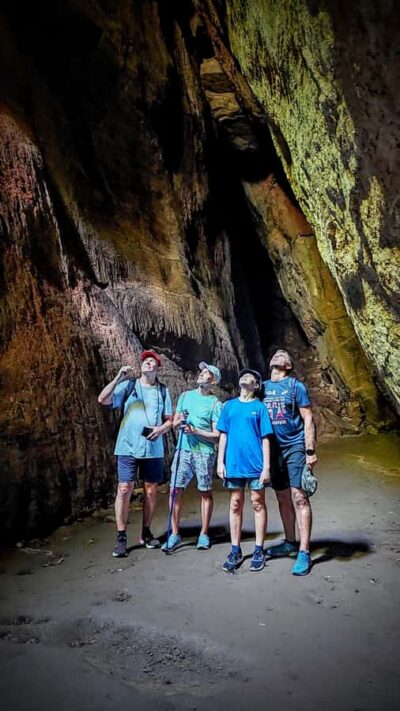
Rio: Tijuca Forest Small Group Hike to Caves and Waterfalls
Read our review →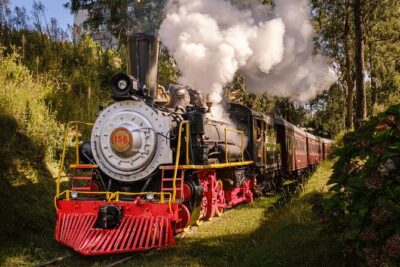

Rio de Janeiro: Historic Rio and Santa Teresa Half-Day Tour
Read our review →
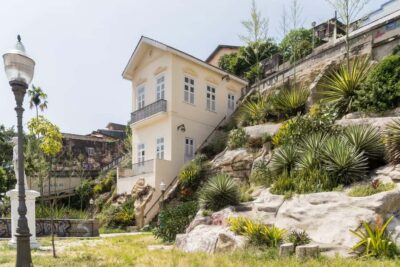
Rio de Janeiro: Little Africa Heritage Walking Tour
Read our review →
Ancient Rio and Santa Teresa Tour with Hotel pick-up and drop-off
Read our review →
From Foz do Iguazu: Triple Frontier Landmark Ticket
Read our review →
Paraty: Historic Centre Walking Tour & Cachaça Tasting
Read our review →Browse the lists this tour appears in