
Review · INDIA
Colonial Heritage Walking Tour in Darjeeling
Darjeeling’s past comes into focus on this walk, from the 1850s Clock Tower and British-era clubs to old photographs, churches, markets, and a Kathmandu-style temple. I like the way the route links colonial power with the town’s spiritual and commercial life. I also like the chance to see Darjeeling through old images at Das Studio, rather than only through buildings.
The main consideration is pace. Eighteen listed stops cannot all receive equal attention in two or three hours, especially with a group that may reach 50 people. Expect a brisk overview, with several stops likely viewed from outside or covered briefly. Keventer’s, Glenary’s, and the shops also tempt you to spend more than the tour price.
Key points to know before you book
- Darjeeling’s colonial story is told through real town landmarks: Visit the Clock Tower, Planters Club, Gymkhana Club, Head Post Office, St. Andrews Church, and Darjeeling Mall.
- Das Studio adds a rare visual record: Old panoramic photographs show how Darjeeling changed across different periods.
- The route includes more than British-era buildings: Dhirdham Temple, the Himalayan Tibet Museum, Hayden Hall, and Chittaranjan Das Memorial widen the story.
- Food and views are part of the walk: Keventer’s and Glenary’s offer optional stops for snacks, breakfast, drinks, or a sunset setting.
- The price is reasonable for a guided introduction: At $27.97 per person, taxes and fees are included, but purchases at food and shopping stops are extra.
- Plan for a fast group walk: The maximum group size is 50, and the full stop list is far too long for detailed visits at every location.
A town shaped by tea, empire, faith, and trade
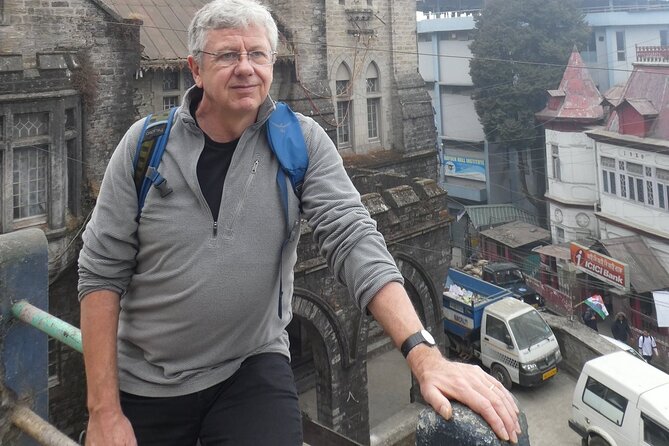
This is not a walk through a single preserved colonial quarter. Darjeeling is a working hill town, and its past sits beside post offices, shops, schools, temples, restaurants, and crowded streets. That mix is the real appeal.
The tour begins at Limbugaon and ends at St. Andrews Church, with the route reaching the Mall, the old market, Darjeeling Railway Station, and several landmarks around the center. The advertised length is roughly two to three hours. At $27.97, I see this as a useful orientation walk rather than a slow architectural study.
A professional guide gives the buildings a purpose. The Planters Club is not simply an old club. It points to the tea planters and British families who shaped Darjeeling’s early social order. The church, school, post office, railway, and market show how that system worked in daily life.
The route also makes room for Indian, Tibetan, Nepali, and Christian traditions. That balance matters. Darjeeling’s identity cannot be explained by colonial architecture alone.
More History Walking Tours in India
- Fontainhas Heritage Walk by Make It Happen
★ 5.0 · 2,834 reviews - The Great Indian Food Tour: Old Delhi Food and Heritage Walk
★ 5.0 · 1,698 reviews - Old Goa Heritage Walk by Make It Happen
★ 5.0 · 797 reviews
The Clock Tower and Planters Club set the tone
The Darjeeling Clock Tower is an obvious starting point. Built in the 1850s, it houses the Darjeeling Town Hall and marks the town with its hourly chime. You get about 30 minutes here, enough for an explanation of its role and a look at the surrounding streets.
The tower works well as a first stop because it places you in the civic center of old Darjeeling. It is also a practical meeting area, though the supplied details do not specify the exact meeting instructions beyond Limbugaon. Check the mobile ticket and booking confirmation carefully before setting out.
The Darjeeling Planters Club follows with another 30-minute stop. Founded in 1868 for British planters and their families, the club carries the social story of the tea industry. Its badminton courts, card rooms, library, and long-running traditions help explain how the colonial community spent its leisure time.
You should not assume that every interior is open for a full inspection. The tour describes admission as free, but access to working clubs can be limited. The value here is the guide’s explanation and the building’s place in Darjeeling’s past, not necessarily a long indoor visit.
Post office, railway, and the machinery of the hill town
The Darjeeling Head Post Office receives about 15 minutes. Built in May 1921, it is described as one of the region’s oldest post offices and identified in the tour details as a UNESCO World Heritage Site. The short stop suits a quick look at its exterior and a concise explanation of communications in a remote hill town.
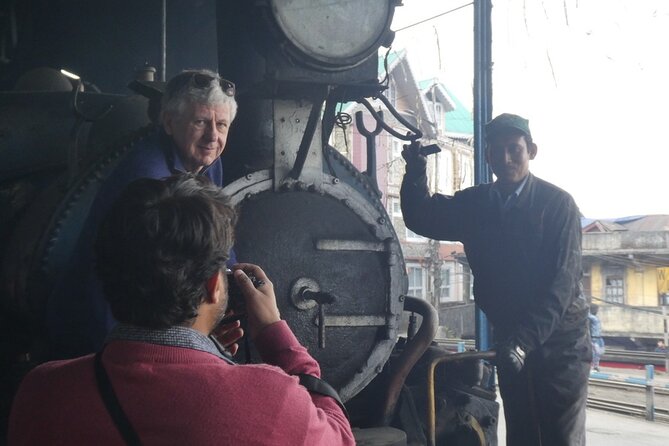
The route then connects the civic story to transport. Darjeeling is home to the Darjeeling Himalayan Railway, which began operating in the 1870s. The railway stop lasts about 15 minutes and is useful even if you are not taking a train during your visit.
The old market offers a sharper change of mood. It is tied to the old British Market, Darjeeling Old Railway Station, and the former British ropeway. Here, the walk shifts from official buildings to the everyday movement of goods and people.
This is one of the places where the pace may feel quick. The market is best understood as a short orientation stop, not a dedicated shopping visit. If you want time to browse, ask how much of the route will be spent there, or return later on your own.
Keventer’s and Glenary’s add a taste of old Darjeeling
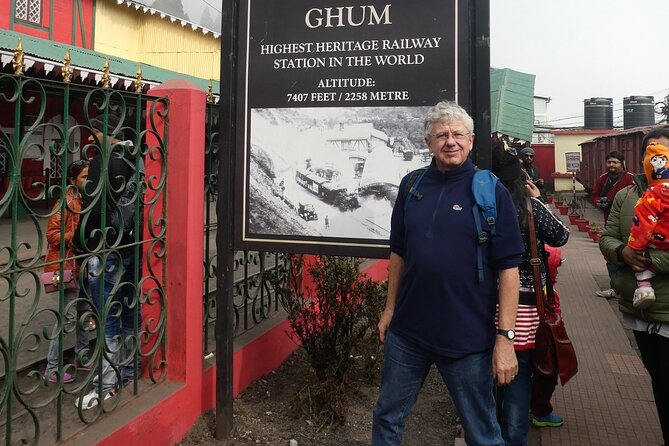
Keventer’s is allotted around 30 minutes, making it one of the longer stops. The restaurant recalls Edward Keventer’s dairy farm at Ghoom and is known in the tour details for hearty breakfasts, snacks, and a viewpoint in the middle of town.
This stop gives the walk a welcome practical pause. You can connect Darjeeling’s old dairy and food culture with the town’s visitor economy. Admission is included, but anything you buy is not. If you want food, drinks, or a more generous break, budget extra.
Glenary’s receives about 15 minutes. Founded by an Austrian, the bakery, tea room, restaurant, and pub are presented as places for snacks and sunset views. Its open cafeteria and bar add a social side to the old hill-town story.
The timing suggests that you may get an introduction and a look around rather than a full meal. If a sunset or a particular dish matters to you, do not rely on this tour to provide a long visit. The schedule has many other stops to cover.
More Colonial History Tours in India:
- Shimla: Guided Walk Tour-Heritage, Culture & Colonial Trail
★ 4.7 · 28 reviews - Vung Tau Essential: Beach, Christ Statue & Colonial Heritage
★ 5.0 · 284 reviews - Full-Day Ho Chi Minh City Tour with Colonial Heritage & Chinatown
★ 5.0 · 246 reviews - Colonial Zone: Historical Tour with a visit to the Columbus Lighthouse and Tres Ojos Park
★ 4.9 · 157 reviews
St. Andrews Church and the clubs of the old Mall
St. Andrews Church was originally built in 1843 as an Anglican church along Mall Road. It is linked to Lieutenant General A. Lyod, described in the tour details as the believed discoverer of Darjeeling.
The church adds a spiritual layer to the colonial story. It also shows how British institutions followed the growth of the hill station. You are given about 15 minutes, so expect a short visit and an explanation of its place in the town rather than an extended architectural tour.
The Darjeeling Gymkhana Club dates from 1909. Its facilities include badminton courts, card rooms, and a library, all connected with more than a century of club life. This stop is marked as having included admission, though the exact nature of access is not explained.
The Darjeeling Mall then brings together several threads. It was associated with Darjeeling’s period as a winter capital, and the Government House, now Raj Bhavan, is linked to a building first constructed by the British in 1840. Ownership later passed to the Maharaja of Coochbehar in 1877.
This is a good place to slow down after the denser historical stops. You get a sense of how official buildings, clubs, churches, and public spaces were arranged around the Mall.
Das Studio preserves Darjeeling in photographs
Das Studio may be the most distinctive stop on the route. Founded in 1927, it is one of Darjeeling’s oldest photography studios, with panoramic photographs of the town from different eras displayed on its walls.
Only about 10 minutes are assigned here, but the stop has unusual value. Old photographs can show changes that a building alone cannot. You may see earlier streets, buildings, views, and patterns of town life that make the rest of the walk easier to understand.
I would pay close attention here, even if photography is not your main interest. The studio links Darjeeling’s colonial period to its later development and gives the tour a human record of change.
Nearby, Habeeb Mullick & Sons, established in 1890, offers handcrafted curios. Oxford Book and Stationery Co. adds books, souvenirs, and a hill-style cottage building. These are optional shopping opportunities, not just filler stops.
The important point is to manage your expectations. Ten minutes is enough to look, ask a question, or note something to revisit. It is not enough for a relaxed shopping session at both locations.
Schools, memorials, and the broader Darjeeling story
Turnbull High School is presented as one of the less familiar colonial schools in Darjeeling. The stop lasts about 20 minutes and follows a visit near St. Columba’s Church, Nepali High School, and Bishop’s House.
Schools reveal a different side of colonial rule. They point to education, church networks, and the groups who had access to formal institutions. This part of the route is useful if you want more than grand clubs and scenic restaurants.
Chittaranjan Das Memorial, also called Step Aside, recalls a major figure in India’s independence movement. The stop lasts about 20 minutes and shifts the story from colonial administration to resistance and national politics.
That change is important. A good Darjeeling history walk should not treat the British period as the whole story. Here, you get at least a brief connection to the independence movement and the political life of the town.
Hayden Hall adds another perspective. The hall is described as a place to learn about its institute and the enterprising women associated with it. With around 15 minutes here, you should expect a compact introduction rather than a long program.
The Himalayan Tibet Museum and Dhirdham Temple
The Himalayan Tibet Museum receives about 30 minutes, making it another major stop. It holds accounts of Tibet’s indigenous history and the long relationship between Tibet and India.
This museum helps widen the tour beyond Darjeeling’s British-era layer. The town’s location has made it a meeting point for Himalayan cultures, and the museum gives you a place to consider that connection directly.
The tour ends at St. Andrews Church according to the stated endpoint, but the route also includes Dhirdham Temple near the railway station. Built in the style of Kathmandu’s Pashupatinath Temple, Dhirdham adds a striking Hindu architectural note to the walk.
The temple is allotted about 10 minutes. That is enough for a short look and an explanation of its place among Darjeeling’s different religious buildings. Dress and behavior should be respectful at all places of worship, even though specific dress rules are not provided.
Together, the museum and temple keep the walk from becoming a simple celebration of British buildings. You see Tibetan, Hindu, Christian, Indian nationalist, Nepali, and tea-related strands in one compact route.
What $27.97 buys you
At $27.97 per person, the tour offers a professional guide, a route through many central landmarks, and all listed fees and taxes. The mobile ticket is convenient, and group discounts may reduce the cost for larger bookings.
The value depends on how you use it. If you want context, a planned route, and a quick introduction to Darjeeling’s complicated past, the price is fair. You are paying for interpretation and organization, not for a series of major paid attractions.
Food, drinks, souvenirs, and anything else you buy are extra. Keventer’s, Glenary’s, Habeeb Mullick & Sons, and Oxford Book and Stationery Co. all make it easy to spend more, so set a separate budget.
The 5-star score from 55 ratings and a 100 percent recommendation figure suggest strong satisfaction, while one detailed assessment praised the comparison between Darjeeling and Shimla, the role of British tea development, and the way Tibetans came to the region as refugees. That observation points to the tour’s best quality: it can connect places to larger regional events instead of treating them as isolated photo stops.
Timing, group size, and practical limits
The tour operates Monday through Sunday from 7:00 AM to 7:00 PM during the stated booking period. The actual experience lasts about two to three hours, but the start time should be confirmed at booking.
A maximum of 50 participants is allowed. That is a large group for narrow streets and short indoor stops. If the group fills, stay close to the guide and expect less time for individual questions.
Most people can take part, and service animals are allowed. The route is near public transportation, but the details do not specify the amount of uphill walking, stairs, or uneven pavement. Darjeeling is a hill town, so comfortable shoes are a sensible choice, even though that specific footwear advice is not part of the formal tour information.
The experience requires good weather. If poor weather cancels it, you are offered another date or a full refund. You can cancel for a full refund up to 24 hours before the start time. Inside that 24-hour window, changes and refunds are not accepted.
Who should book this Darjeeling walk?
I would choose this tour if you are visiting Darjeeling for the first time and want the town’s main historical threads explained in one outing. It suits anyone interested in colonial buildings, tea culture, churches, temples, old markets, photography, Tibetan history, and local shopping.
It also works well early in your stay. The route can help you identify places to revisit, such as the Mall, Old Market, Das Studio, the museum, or Keventer’s. Since several stops are brief, you can return later with more time.
I would be less keen on it if your priority is a slow museum visit, detailed architecture, or a quiet small-group walk. The 18-stop plan is ambitious, and a group of up to 50 can make the experience feel more like a moving overview than a private history lesson.
Should you book it?
Book it if you want a reasonably priced introduction to Darjeeling that connects British institutions with Indian independence, Tibetan links, Hindu worship, railway history, food, and local commerce. Das Studio, the Planters Club, and the Himalayan Tibet Museum give the route character beyond standard sightseeing.
Skip it if you dislike brisk group tours or want guaranteed time inside every building. The best approach is to treat the walk as a first look. At $27.97, with taxes and fees included, it offers enough range and historical context to justify the cost, provided you accept that some stops will be short.
FAQ
How long does the Colonial Heritage Walking Tour in Darjeeling last?
The tour lasts approximately two to three hours.
What is the price of the tour?
The listed price is $27.97 per person. Group discounts may be available.
Where does the tour start?
The stated starting point is Limbugaon, Darjeeling, West Bengal 734101, India.
Where does the tour end?
The stated endpoint is St. Andrews Church at 27X8+4QG, Chauk Bazaar, Darjeeling, West Bengal 734101, India.
What landmarks are included?
Stops include the Darjeeling Clock Tower, Planters Club, Head Post Office, Keventer’s, Glenary’s, St. Andrews Church, Gymkhana Club, Darjeeling Mall, Das Studio, Old Market, the Himalayan Tibet Museum, Hayden Hall, and Dhirdham Temple, along with several other sites.
Are food and shopping included?
No. Anything you buy yourself is excluded. Food, drinks, and purchases at places such as Keventer’s, Glenary’s, and the listed shops cost extra.
How many people can join the tour?
The activity has a maximum group size of 50 participants.
What happens if the weather is poor or I need to cancel?
The experience requires good weather. If it is canceled for that reason, you are offered another date or a full refund. You can cancel up to 24 hours before the start time for a full refund. Cancellations or changes within 24 hours are not refunded.
Just added around India
- Exploring Mylapore: A Cultural & Historical Walking Tour★ 5.0 · 42 reviews
- Chennai Heritage & Cultural Walk (2 Hours Guided Walking Tour)★ 3.5 · 32 reviews
- Georgetown heritage walking tour in Chennai about the founding of Chennai★ 5.0 · 144 reviews
- The Hipster Chandigarh Architecture History Tour★ 5.0 · 54 reviews
- See Bangalore through my eyes (Cultural / Historical / Walking Tour)★ 5.0 · 60 reviews
- 2 days Private tour of Hampi world heritage site from Bangalore by car★ 5.0 · 75 reviews
- Discover Bangalore with Me (A Private Historical Walk Tour)★ 5.0 · 24 reviews
- Treasures of Mysuru – day tour★ 5.0 · 27 reviews
India History Tours, compared.
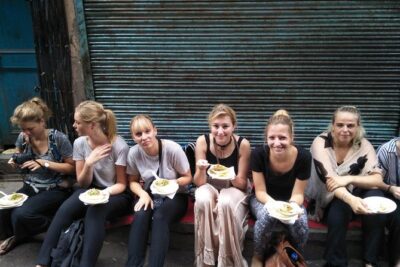
The Great Indian Food Tour: Old Delhi Food and Heritage Walk
Read our review →

Old Delhi Food, Heritage&Cultural Walk with Rickshaw ride to Masterji Kee Haveli
Read our review →
Blue City Heritage Private Walking Tour With Pickup and Drop-Off
Read our review →
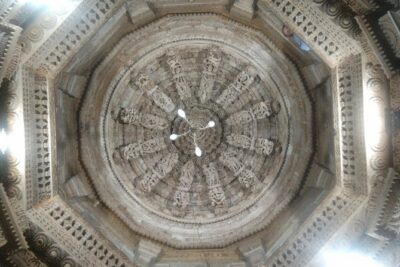
Private Heritage Walking Tour in Jaisalmer Fort and Old Bazaar
Read our review →
Old Delhi Food-Spice Market-Temples Tour Soon Featured on NETFLIX
Read our review →Browse the lists this tour appears in