
Review · KATHMANDU
Kathmandu Private Sightseeing Tour | UNESCO World Heritage Sites
Kathmandu can feel like several cities packed into one valley, and this private tour gives you a practical way to connect its palaces, stupas, temples, and sacred courtyards in a single day. The ambitious route covers up to seven UNESCO World Heritage sites, while shorter versions let you spend more time at fewer places.
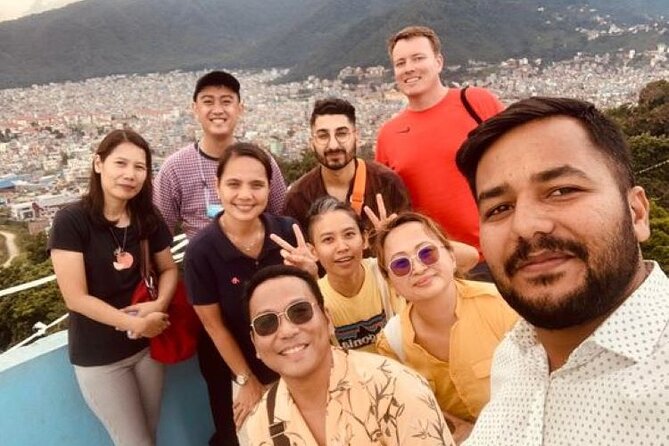
I like the private format, since you can ask questions without keeping pace with a large group. I also like the air-conditioned car and hotel pickup from Thamel, especially when traffic, heat, or rain make crossing Kathmandu a tiring chore.
The main drawback is pace. Seven sites in 8 to 10 hours is a demanding day, and entrance fees are not included. If you want time for photographs, lunch, and quiet observation, the four-site option is likely the wiser choice.
Key points to know before booking
- Seven sites are possible in one day, but the route will be long and fast.
- Manoj and Santos are named guides praised for clear explanations and patient answers.
- Thamel hotel pickup and a private air-conditioned car make city transport easier.
- Entrance fees cost extra, with the stated totals reaching 6,000 Nepali rupees for seven sites.
- Changunarayan is free, but the other listed monuments require admission payment.
- Free cancellation is available up to 24 hours before departure, subject to the stated weather and minimum-group conditions.
A smart way to see Kathmandu in one day
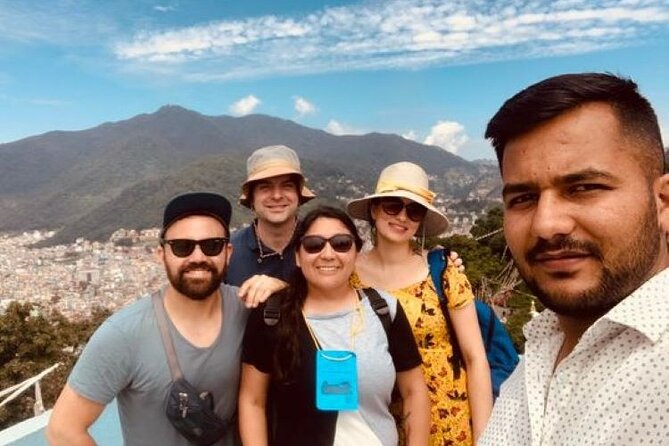
Kathmandu is not a city where the main sights sit neatly along one boulevard. Its historic squares and religious centers are spread across the valley, with traffic often adding uncertainty to even short drives.
That is where this tour earns its keep. You are not simply paying for a car. You are paying for a guide who can connect the places, explain what you are seeing, and adjust the day around your chosen route.
The experience is private, so only your group participates. The operator provides an English-speaking city guide, private car transport with air conditioning, bottled mineral water, and government taxes and official expenses as listed in the tour details.
The advertised price is $35 per person, which is attractive for a full day with private transport and a guide. Still, treat it as the starting cost. Monument admission is extra, lunch is extra, and tips and personal expenses are not included.
The listed entrance totals are 1,200 Nepali rupees for two UNESCO sites, 2,600 for four, and 6,000 for seven. Those costs can change the final value considerably, especially for a small private group. Ask for the current admission amounts when booking so your budget is clear.
More UNESCO World Heritage Tours in the world:
- World Heritage Shirakawa-go and Experience Tours from Kanazawa
★ 5.0 · 4,049 reviews - From Tirana: Berat UNESCO Heritage & Belshi Lake Tour
★ 4.9 · 3,863 reviews - Bali: Tanah Lot UNESCO World Heritage Sites Full-Day Tour
★ 4.7 · 1,947 reviews
Kathmandu Durbar Square and the old royal center
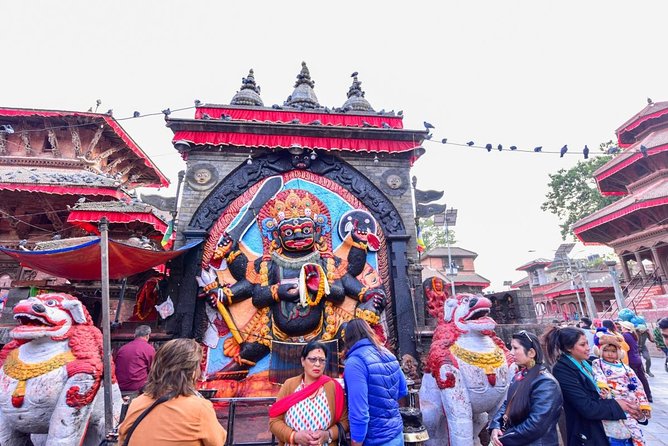
Begin at Kathmandu Durbar Square, also known as Basantapur or Hanuman Dhoka Palace. This is the former royal center, with palace buildings, courtyards, shrines, and carved architectural details gathered in one historic district.
You will visit Hanuman Dhoka Durbar, the old royal palace of Nepal. The square also connects with the Kumari tradition, represented by the living goddess Kumari, one of Kathmandu’s most distinctive religious customs.
The planned time here is about two hours, making it one of the better places to slow down. Your guide can help you understand which buildings served royal, religious, or ceremonial roles instead of leaving you to sort out the complex site on your own.
The itinerary also includes a Buddha Park where you can see three large Buddha statues. This adds a quieter visual stop to a section otherwise centered on palaces and dense urban streets.
Admission is not included, and this is one of the sites where you should expect to pay. The precise amount can depend on the current ticket arrangement, so carry Nepali currency or confirm accepted payment methods in advance.
Swayambhunath, the hilltop Monkey Temple
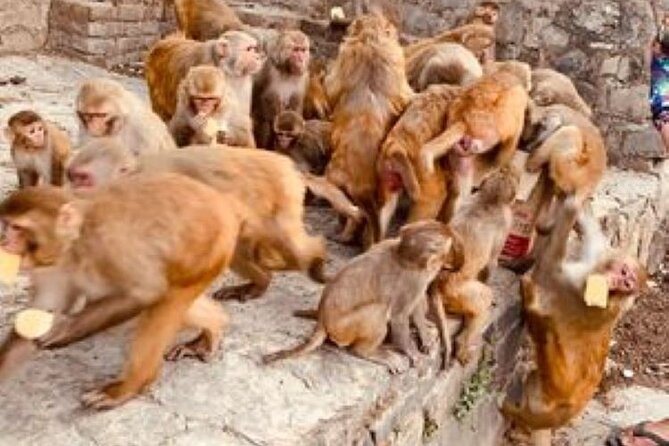
Swayambhunath is planned as a one-hour stop. The ancient stupa sits on a hill above Kathmandu and is widely known as the Monkey Temple.
The main stupa is marked by the familiar Buddha eyes, while smaller stupas and religious structures surround it. The hilltop setting gives the stop a different feel from the enclosed palace squares, although the tour details do not guarantee a particular viewpoint or amount of free time.
This is a good place to listen closely to your guide. Religious symbols can be easy to misread if you are seeing them for the first time, and a local explanation adds much more than a quick photograph.
The stop requires an admission ticket. Since you are already covering several paid monuments on this route, keep the extra charges in mind before choosing the seven-site version.
Pashupatinath and Guhyeshwari Temple
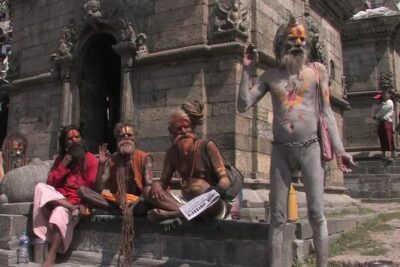
Pashupatinath is one of Nepal’s best-known Hindu pilgrimage sites and a UNESCO World Heritage site. It lies near Kathmandu’s international airport and is described as a sacred place connected with Shiva.
The planned visit lasts about an hour. The complex includes many temples, and the nearby Guhyeshwari Temple is also included in the route.
This stop is especially useful with a guide because religious etiquette matters. Pashupatinath is not simply an architectural attraction. It is an active sacred center, and the most respectful approach is to follow your guide’s instructions about where to walk, what to photograph, and how to behave.
The tour information does not promise entry into every temple area, so keep your expectations sensible. You are visiting an important religious site, not entering every part of a functioning place of worship.
Pashupatinath also adds a change of mood to the day. After royal courtyards and Buddhist stupas, you get a closer look at Kathmandu’s Hindu traditions and its continuing religious life.
More Private History Tours in the world:
- Private Historical Walking Tour of York
★ 5.0 · 1,324 reviews - Private Guided Historic Electric Cart Tour of St. Augustine
★ 5.0 · 1,194 reviews - Istanbul: Acemoglu Historical Turkish Bath w/Private Options
★ 4.6 · 1,190 reviews - From Cairo: Private Full-Day Tour of Historical Alexandria
★ 4.1 · 1,155 reviews
Boudhanath, the great spherical stupa
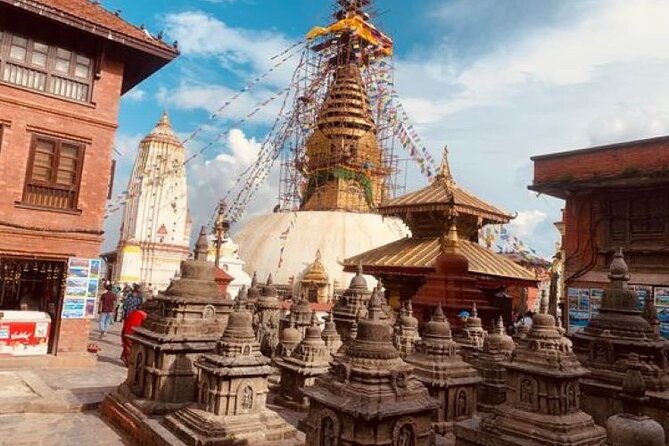
Boudhanath is scheduled for about an hour. The site is described as the world’s largest spherical stupa and dates from around the fifth century.
The white dome, central spire, and watchful Buddha eyes create one of Kathmandu’s clearest visual landmarks. The surrounding area is also an important Buddhist center, with smaller religious buildings and places connected to daily worship.
This is one of the easiest stops to appreciate even on a tight schedule. You can grasp the layout quickly, then use your guide to understand its symbols and importance.
The one-hour limit may feel brief if you want to walk around the entire stupa, stop often, or browse nearby shops. That is another reason I would not automatically choose seven sites for a first visit. The more places you add, the less room you have for unhurried time at Boudhanath.
Admission is not included. Your guide can help you handle the practical side, but the entrance cost remains your responsibility.
Patan Durbar Square and Newar craftsmanship
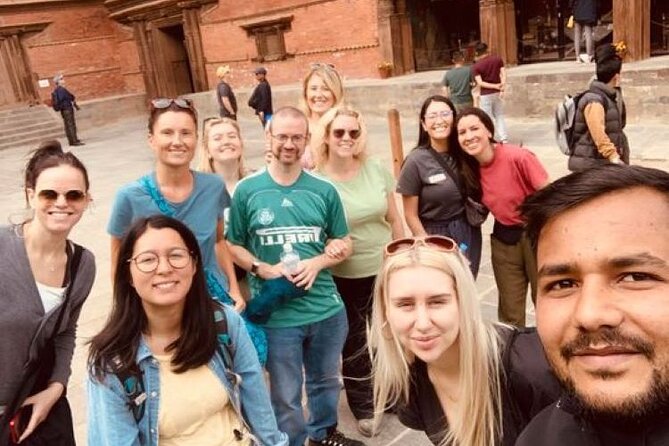
Patan Durbar Square sits in Lalitpur and is planned as a two-hour stop. It is filled with Buddhist and Hindu monuments, historic palaces, and finely worked architectural details.
Compared with the central Kathmandu square, Patan gives you another view of the valley’s royal and religious traditions. The combination of Buddhist and Hindu sites is especially valuable because it shows how closely those traditions have developed alongside one another in the Kathmandu Valley.
Two hours is a useful amount of time here. You can look closely at the courtyards and temple forms without treating the square as a quick photo stop.
Patan requires a separate admission fee. If you choose the four-site itinerary, this is a strong candidate because it offers plenty to see and rewards a slower visit.
Bhaktapur Durbar Square and the former royal city
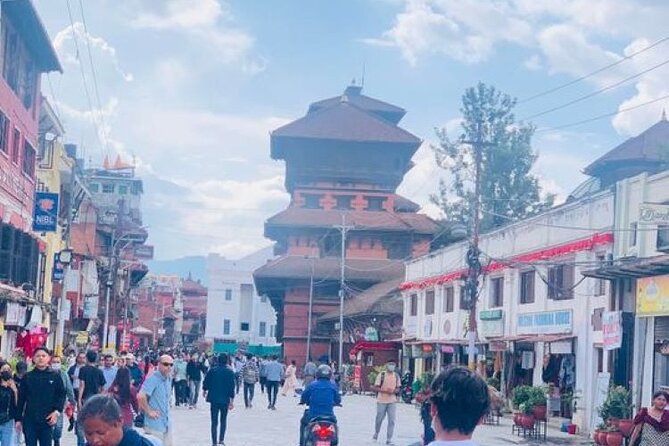
Bhaktapur Durbar Square, also called Khopa Lyaku, is the former royal palace area of Bhaktapur. The itinerary allows about two hours, matching the time planned for Kathmandu and Patan Durbar Squares.
The site is noted for its royal architecture, fourteen octagonal pillars, and eight architectural elements above the cornice. Those details may mean more when your guide points them out in place, rather than leaving you to inspect the buildings without context.
Bhaktapur is one of the most substantial stops on the route. If you are trying to complete all seven sites, the two-hour visit helps, but the full day will still be tiring once driving and traffic are added.
Admission is extra. Since the seven-site ticket total is listed at 6,000 Nepali rupees, you should compare that cost with your actual interest in each stop. Paying for every site makes sense if you want a broad introduction. It is less appealing if you prefer long visits and careful photography.
Changunarayan, the hilltop temple
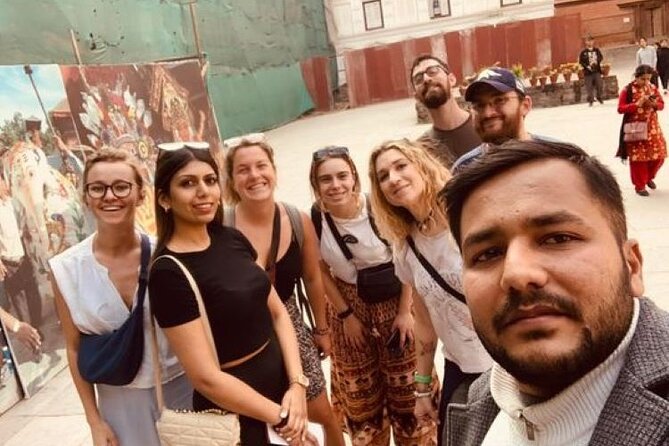
Changunarayan is the final listed stop and is planned for about one hour. It is an ancient Hindu temple on a hilltop in the Kathmandu Valley and is described as Nepal’s oldest temple, known for its distinctive construction and religious importance.
This stop differs from the larger palace squares and famous stupas. It is a temple visit with a more specific focus, and its hilltop location adds a different setting to the day.
The admission ticket is listed as free, unlike the other major monuments on the route. That helps slightly with the total cost, though getting there still takes time.
One useful planning point comes from the tour feedback: a person who selected the seven-site plan completed six because the guide, Manoj, advised that rushing all seven was not sensible. The same person planned to visit Changunarayan the next morning. That is good advice for you too. If Changunarayan can fit comfortably into another day, moving it may improve the rest of this tour.
Why the private car and guide matter
Kathmandu traffic can make a short distance take much longer than expected. A private car removes the need to arrange separate taxis between each site, and air conditioning gives you a more comfortable base during a long day.
The vehicle does not eliminate traffic, of course. One account specifically describes rain and difficult traffic, yet guide Manoj still managed to cover the planned sights. That suggests the guide can make practical decisions when the schedule starts to slip.
The English-speaking guide is the other key part of the experience. Manoj is described as an excellent guide, while Santos is praised for interesting explanations and patient answers. Those details matter because the value of a sightseeing day depends heavily on how well someone can explain what you are seeing.
A private tour also gives you more control than a fixed group excursion. You can ask to spend longer at Patan, move faster through a stop that interests you less, or choose two, four, or seven UNESCO sites. The available flexibility is the main reason to consider this over a standard group bus.
Choosing between two, four, and seven sites
The seven-site route suits you if this is your only day in Kathmandu and you want a broad first look at the valley. It gives you the widest coverage, but it will be physically tiring and leaves little room for an unhurried lunch or long pauses.
The four-site option is the best balance for many people. It lets you focus on major places such as Kathmandu Durbar Square, Swayambhunath, Pashupatinath, Boudhanath, Patan, or Bhaktapur without treating every stop like a checklist.
A two-site option makes sense if you want a shorter day or prefer to spend serious time at each location. The listed admission total is also much lower at 1,200 Nepali rupees.
Ask the operator which sites are included in your selected version before departure. The full route lists seven, but the shorter choices require a clear plan.
Who should book this Kathmandu tour?
I would choose this tour if you have one full day, want private transport, and prefer a guide to explain the religious and royal sites. It is also a good fit if you are staying in Thamel and value pickup from your hotel.
The tour works well for a small group that can share the private vehicle and spread the base cost. Group discounts are offered, but the exact discount is not specified, so ask for the current rate.
I would be cautious about choosing all seven sites if you dislike early starts, long car rides, repeated walking, or fixed schedules. Rain and traffic can make an already full day harder. The tour requires good weather, and poor conditions can lead to a different date or a full refund.
Most people can participate, and only your group takes part. Confirmation is provided at booking, and free cancellation is available until 24 hours before the local start time. Changes or cancellations inside that window are not accepted for a refund.
Should you book it?
Book this Kathmandu tour if you want an efficient introduction to the valley and understand that admission fees and lunch are extra. The private car, Thamel pickup, bottled water, and guide support make the $35 starting price appealing, especially for a small group.
My strongest advice is to choose four sites unless you have a very limited schedule. The seven-site route is impressive on paper, but the practical goal should be seeing Kathmandu well, not simply collecting stops. If you do choose seven, listen to the guide’s judgment, especially if rain or traffic cuts into the day.
FAQ
How long does the Kathmandu private sightseeing tour last?
The tour lasts approximately 8 to 10 hours.
Is hotel pickup provided?
Yes. Pickup is offered from hotels in Thamel.
Is this a private tour?
Yes. Only your group participates in the activity.
Which sites can be included?
The full route can include Kathmandu Durbar Square, Swayambhunath, Pashupatinath Temple, Boudhanath Stupa, Patan Durbar Square, Bhaktapur Durbar Square, and Changunarayan. Shorter two-site and four-site options are also available.
Are entrance fees included?
No. Monument entrance fees are not included. The stated totals are 1,200 Nepali rupees for two UNESCO sites, 2,600 for four, and 6,000 for seven. Changunarayan is listed as free.
What is included in the tour price?
The package includes an experienced English-speaking city guide, private sightseeing by air-conditioned car, bottled mineral water, and government taxes and official expenses as stated. Lunch, tips, personal expenses, and monument admission are not included.
Can I cancel for a full refund?
Yes, if you cancel at least 24 hours before the local start time. Poor weather or failure to meet the minimum number of participants may also lead to a different date or a full refund.
Just added around the world
- Scenic Train ride to historical cities of Morretes and Antonina★ 4.0 · 188 reviews
- 6-Day Cultural Tour to Machu Picchu★ 5.0 · 76 reviews
- Discover Scuba Diving Amathounta’s Ancient Port★ 5.0 · 30 reviews
- Jewish Heritage of Curacao★ 4.5 · 68 reviews
- The Curacao’s Colorful History Walking Tour★ 5.0 · 55 reviews
- Olous – Guided Snorkelling Excursion to Discover Olous Sunken Ancient City★ 4.5 · 31 reviews
- Night Walking Tour of Medieval Cuenca★ 5.0 · 64 reviews
- WWII – The Battle of Crete Day Tour★ 5.0 · 103 reviews
Kathmandu History Tours, compared.
Private Kathmandu Sightseeing Tour | UNESCO World Heritage sites
Read our review →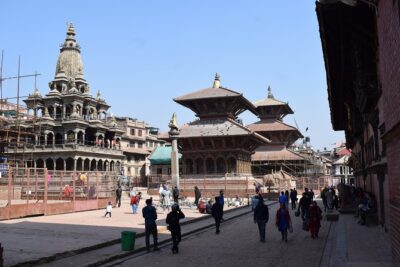
Nepal Discovery Tour: Heritage Sites & Scenic Hill Easy Hike
Read our review →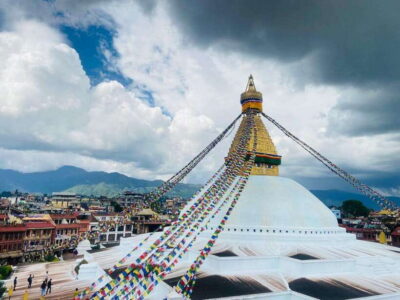
Kathmandu: Private UNESCO World Heritage Site Tour
Read our review →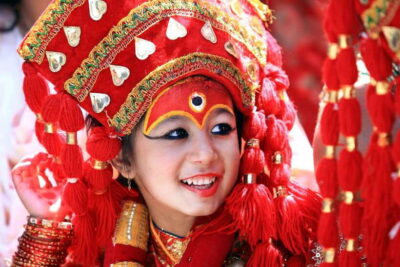
Private Kathmandu UNESCO World Heritage Sites Tour
Read our review →Browse the lists this tour appears in