

Review · ITALY
Amalfi Organic Lemon Tour & Tasting in the Historical Garden
Amalfi’s lemons grow in a world of stairs, stone walls, chestnut pergolas, and sea air. This small-group tour takes you into that working world at the Amalfi Historical Garden, where fourth-generation farmer Giovanna explains the old methods behind the coast’s famous Sfusato lemon. I like the family connection and the chance to see terrace farming up close, not just buy a bottle of limoncello in town.
I also like the simple tasting at the end: organic lemonade, lemon cake, and limoncello served with a wide view over Amalfi. The main drawback is clear: this is a steep, stair-filled farm with no concrete paths, so it is not suitable for people with mobility, heart, or respiratory problems.
Key points to know before booking

- A real family farm: Giovanna guides the visit and explains the work of a fourth-generation lemon-growing family.
- Vertical farming, not a flat orchard: You walk among terraces, hand-built stone walls, wooden pergolas, cisterns, and water channels.
- The tasting is part of the experience: Expect organic lemonade, lemon cake, and limoncello, with other local products sometimes available.
- A small-group setting: The tour is shared, with groups reported at around eight people, allowing time for questions.
- Stairs are unavoidable: The farm is reached from Amalfi center by an uphill route with many steps and steep sections.
- Best for nature and food lovers: The tour combines agriculture, local history, views, and a relaxed tasting rather than a formal museum visit.
Entering Amalfi’s lemon terraces
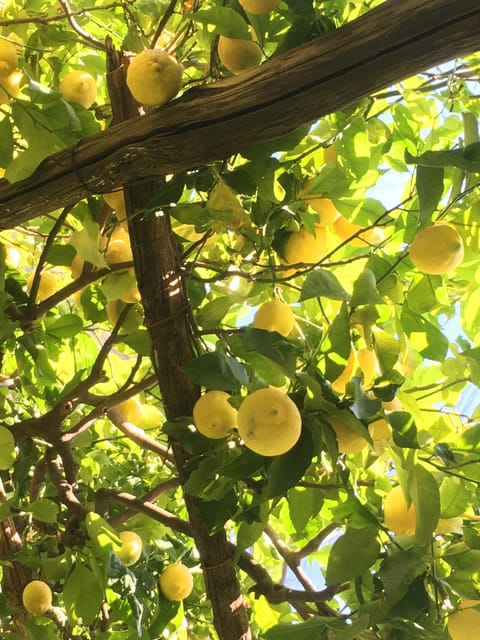
The tour begins at the gate of the Lemon Farm in Amalfi center. Exact meeting instructions arrive after booking, and the farm asks visitors coming down from Pontone or Scala to contact the team instead of going directly to the stated meeting point.
From the center, the setting changes quickly. Amalfi’s famous stairways lead upward through the hills, and the farm sits in the same stepped terrain that shaped local agriculture for centuries. You do not arrive at a level orchard with a paved loop. You climb into a vertical farm built into the slope.
That distinction matters. The Amalfi Coast’s lemon gardens are made from stacked terraces held together by macerine, dry stone walls that contain soil and rocks. Ancient stairways connect the levels. Chestnut wood from local forests supports pergolas over the trees, while cisterns and channels bring spring water to the farm.
I find this physical setting more useful than a standard talk about organic farming. You can see why growing lemons here takes so much labor. Every terrace needs care, every wall protects valuable soil, and every basket once had to be carried by hand or on a mule.
There are no concrete roads or platforms beneath the lemon trees. That keeps the garden’s character intact, but it also means the footing is uneven and the route is not designed for easy access. Wear sturdy shoes and comfortable clothes. This is a walking farm visit, not a stop you can manage in sandals without thinking.
More Food and Drink Trips in Italy:
- Palermo: Street Food and History Walking Tour
★ 4.9 · 1,486 reviews - Rome Food Tour in the Historic Centre with 8+ Food Tastings
★ 5.0 · 1,000 reviews - Walking Tour and street food Tour Palermo / History and Food
★ 5.0 · 386 reviews
What Giovanna explains about the Amalfi lemon
Giovanna, one of the farm’s owners, leads the tour in English. She has a clear connection to the land and explains both the family story and the practical work of growing citrus. Her talks cover the farm’s history, the varieties grown there, and the difference between organic and conventional cultivation.
The best-known local lemon is the Sfusato. You learn how it fits into Amalfi’s farming tradition alongside other lemon and citrus varieties. The point is not simply to identify fruit. You begin to understand why lemons became such an important part of local food, drink, farming, and family income.
The farm’s philosophy comes from an older peasant way of life based on balance and reuse. Organic matter had a purpose. Different plants and animals supported one another. Bees mattered. Waste was limited because families could not afford to throw useful materials away.
That lesson gives the tour more substance than a quick produce tasting. You see organic farming as a way of organizing daily life, not only as a label on a jar. The garden’s preservation depends on keeping old walls, water systems, planting methods, and local knowledge in use.
Giovanna also explains the difficult side of lemon farming. The trees have rough, twisted branches and thorns. Picking requires care, and the work has traditionally involved women as well as men. Farmers carried heavy baskets down the stairways on their shoulders, using their own feet and, in some cases, mules.
I appreciate this practical focus. The Amalfi lemon is often sold as a sunny symbol of the coast, but the tour shows the labor behind that image. You leave with a better sense of why these fruits cost more than ordinary supermarket lemons and why the terraces need continued support.
The garden’s views and quiet pace
The route includes a break in the lemon groves with views over Amalfi and the blue sea. This is the part where you can slow down, breathe in the citrus scent, and look back at the town from above.
The mood is peaceful rather than polished. You are surrounded by trees, stone, wood, and hillside paths. The absence of concrete helps, but it also means this place feels like a farm that still has work to do, not a purpose-built attraction.
The tour usually lasts about an hour and a half, though the full experience may take up to two and a half hours depending on the pace and the tasting. A small group makes a difference here. You have a better chance to ask about pruning, harvests, water, bees, or the various citrus fruits than you would on a large coach excursion.
The walking pace is described as relaxed, but relaxed does not mean flat. The stairs and incline are the central practical issue. If you have a heart or respiratory condition, limited mobility, or trouble with steep paths, choose another Amalfi activity. The farm is not suitable for those needs.
Lemonade, cake, and limoncello at the end
The tasting comes after the walk. You sample organic lemonade, lemon cake, and limoncello made with the farm’s lemons. The cake is prepared by the family, and the tasting gives you a chance to sit, ask more questions, and enjoy the view rather than rushing straight back to town.
The lemonade offers the simplest comparison. It lets you taste the fruit without alcohol or pastry. The cake shows how the lemon’s fragrance works in a dessert. Limoncello provides the strongest connection to the drink most associated with the coast.
Some visits also include other local products such as candied lemon peel, honey, perfume, mandaretto, or cheese cake. These extra samples are not listed as guaranteed parts of every booking, so treat them as possible additions rather than promises.
The tasting is modest, not a full meal. Lunch and dinner are not included, though they may be available by advance reservation. Plan another meal if you need something substantial.
You can also receive special prices on local products from the Historical Garden. The discount amount is not stated in the tour details, so ask the farm directly before booking if shopping is important to you. The experience is more valuable when you see the products as an extension of the farm’s work, not simply as souvenirs.
More History Tours in Italy:
- Pompeii: Entry Ticket and Guided Tour with an Archaeologist
★ 4.8 · 19,459 reviews - Colosseum: Underground and Ancient Rome Tour
★ 4.7 · 12,691 reviews - Pompeii: Small Group Tour with an Archaeologist
★ 4.8 · 12,264 reviews - Pompeii Small Group Tour with an Archaeologist
★ 5.0 · 6,593 reviews
Why the small group matters
The tour is shared and described as very small. One visit had eight people, with the group including people from several countries. That size suits a family farm because the guide can keep the conversation personal without turning the walk into a lecture.
Giovanna’s contact before one visit was also useful. She sent a message the day before with updates, which suggests the farm pays attention to meeting details and changing conditions. Still, confirm your instructions after booking, especially if you are approaching from Pontone or Scala.
The English tour depends on the guide’s explanations, and Giovanna has been praised for speaking clearly. This matters when the subject includes farming terms, water systems, family history, and local food traditions.
You may also meet other visitors during the tasting, which adds a social element without taking over the experience. The format works best if you enjoy asking questions and sharing a table or view with a small group.
Is $59 a fair price?
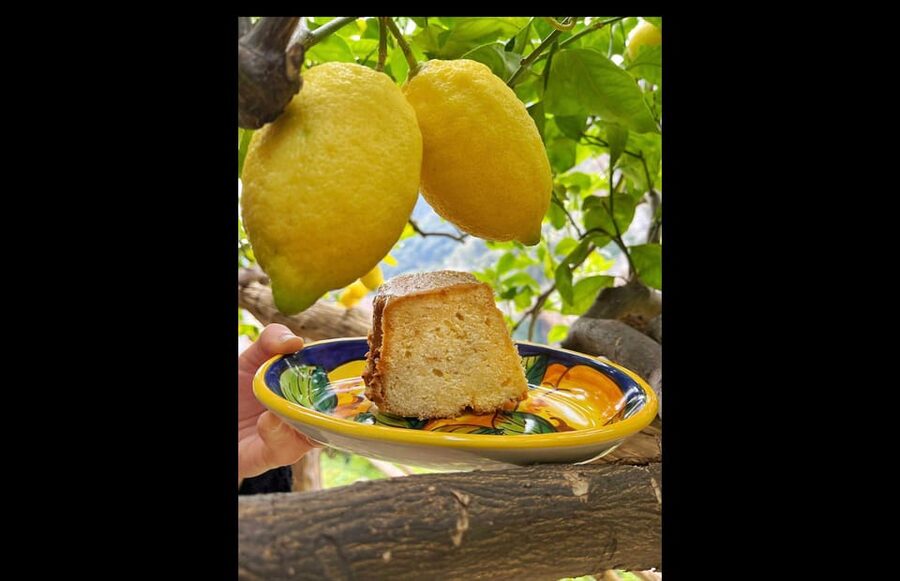
At $59 per person, this tour costs more than a quick limoncello sampling in town. You are paying for a guided visit to a working family farm, a small-group walk, historical material, three core tastings, and access to a place that is not part of a standard Amalfi sightseeing route.
The value depends on what you want from your day. If your goal is one drink and a souvenir bottle, this is more than you need. If you want to understand how the Amalfi Coast’s famous lemons are grown, the price is easier to justify.
I especially see value in the farm’s setting and the guide’s family connection. You are not only hearing that terraces are old and difficult to maintain. You are walking through them while someone who works there explains the problems directly.
There is also an important local benefit. Tours help provide income for maintaining the gardens. On a coast where development and crowds can put pressure on old agricultural spaces, supporting a working farm has more meaning than buying a generic lemon-themed product.
The tour offers free cancellation up to 24 hours before the start time, and you can reserve now and pay later. Those terms help if your Amalfi plans depend on ferries, weather, or a shifting day schedule.
Who should book this farm visit?

I would choose this tour if you like food with a story, small farms, local traditions, and outdoor walks. It suits couples, families with older children, and anyone who wants a break from shopping and the busiest streets of Amalfi.
It also works well for people interested in gardening or sustainable agriculture. The combination of terraces, water channels, organic methods, bees, and local citrus varieties gives the visit a clear subject beyond the scenery.
Families with teenagers can enjoy it, provided everyone is comfortable with stairs. The tasting gives younger visitors something immediate to look forward to, while the farm’s unusual construction makes the walk more memorable than a standard garden tour.
I would skip it if you need a flat route, have serious difficulty with heat or steep climbs, or want a full meal. I would also avoid booking it as a rushed shore excursion unless you have allowed enough time to reach the meeting point and return to the port.
Book early if the timing matters, since the experience is shared in small groups. Check the starting time and meeting instructions carefully, then arrive ready for a climb.
Timing your visit around the lemon season
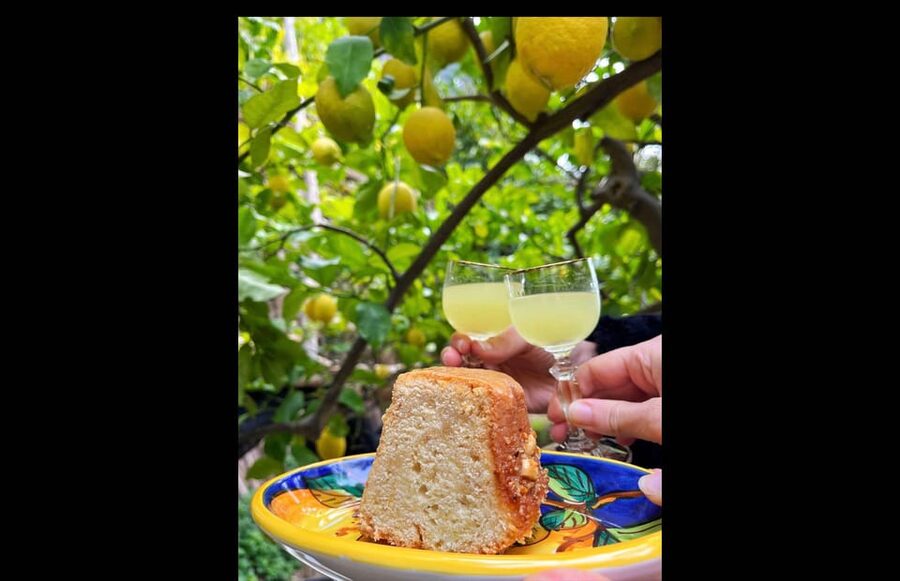
The farm notes that lemons are yellow only between February and July. That does not mean the garden disappears outside those months, but the trees may not show the same yellow fruit that many visitors expect from photographs.
If ripe yellow lemons are important to you, aim for the February through July period. At other times, the tour can still offer the terraces, trees, farming explanations, views, and tasting, but the visual experience may differ.
The exact duration ranges from one and a half to two and a half hours. Allow the longer end of that range when planning connections. Amalfi’s stairs can slow you down, and the tasting is meant to be enjoyed rather than swallowed in a hurry.
Should you book the Amalfi Lemon Tour?
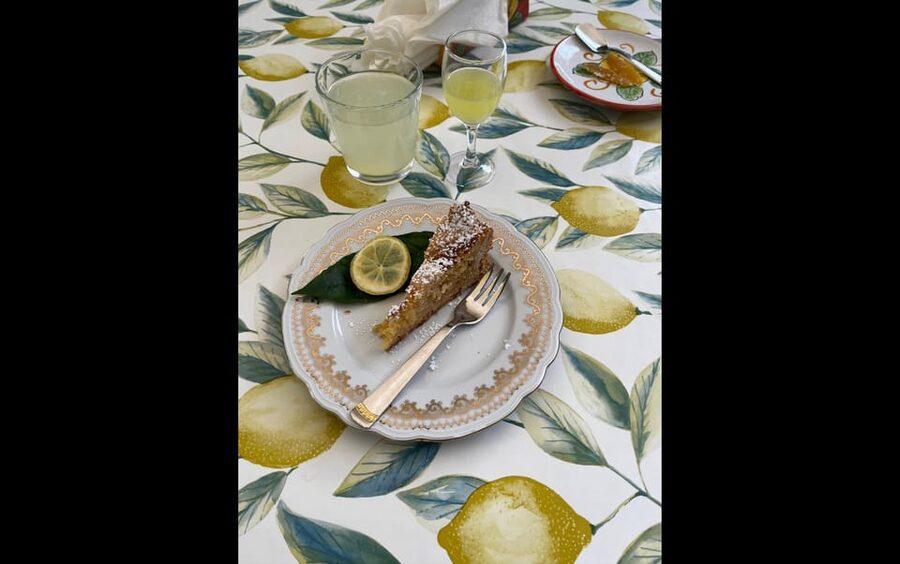
Book it if you want to see the working side of Amalfi, learn from a family grower, and taste products made from the fruit you have seen on the trees. The combination of ancient terrace engineering, personal storytelling, sea views, and a simple tasting makes this a strong choice for a slower half-day activity.
Do not book it for easy access or a quick snack. The route is steep, the garden is uneven, and the experience asks you to value farming work as much as the final lemonade or limoncello.
For most visitors who can manage the stairs, I think the $59 price is reasonable. You get a genuine sense of how much effort sits behind Amalfi’s lemon culture, and you leave with more than a bottle from a shop. You understand the terraces that made the bottle possible.
FAQ
Where does the Amalfi Lemon Tour begin?
The tour begins at the gate of the Lemon Farm in the Amalfi Historical Garden, in Amalfi center. Full meeting details are provided after booking.
How long does the experience last?
The guided tour lasts about one and a half hours. The full activity can take between one and a half and two and a half hours, depending on the timing.
What food and drinks are included?
The included tasting features organic lemonade, lemon cake, and limoncello.
Is lunch included?
No. Lunch and dinner are not included, though they may be available with advance reservation.
Is the tour offered in English?
Yes. The tour includes a live English-speaking guide.
How many people are in the group?
It is a shared tour in a very small group. One described visit had eight people, but the exact group size can vary.
Are there many stairs?
Yes. The farm uses the steep, terraced terrain typical of the Amalfi Coast. You should expect stairs and uphill sections.
Is the farm suitable for people with mobility impairments?
No. The experience is not suitable for people with mobility impairments, heart problems, or respiratory issues.
When are the lemons yellow?
The farm states that the lemons are yellow between February and July.
Can I cancel the booking?
Yes. You can cancel up to 24 hours in advance for a full refund. The experience also allows you to reserve now and pay later.
Just added around Italy
- Guided Cultural Tour of the Godfather Film in Messina★ 5.0 · 31 reviews
- Guided tour of the Riace Bronzes and the Archaeological Museum of Reggio Calabria★ 5.0 · 44 reviews
- SU NURAXI BARUMINI Unesco World Heritage Site★ 5.0 · 129 reviews
- Brescia the Unexpected: History, Local Stories & a drink★ 5.0 · 31 reviews
- Bolognese Cooking Class with Margherita in the Historic Center★ 5.0 · 26 reviews
- Tower and Power, Virtual tour in Medieval Bologna★ 4.5 · 54 reviews
- Bologna historical art walking tour with hidden gems and tastings★ 5.0 · 108 reviews
- Best of Bologna in one day : Food, architecture, art and history★ 5.0 · 27 reviews
Italy History Tours, compared.
Pompeii: Entry Ticket and Guided Tour with an Archaeologist
Read our review →
Colosseum: Underground and Ancient Rome Tour
Read our review →
Pompeii: Small Group Tour with an Archaeologist
Read our review →Pompeii Small Group Tour with an Archaeologist
Read our review →
Rome: Colosseum with Arena, Roman Forum and Palatine Guided Tour
Read our review →
Venice: St. Mark’s Basilica Guided Tour & VR History Intro
Read our review →
Colosseum with Arena, Roman Forum and Palatine Hill Guided Tour
Read our review →
Herculaneum: Skip-the-Line Guided Tour with Archaeologist
Read our review →Browse the lists this tour appears in