
Review · 3-HOUR EXPERIENCES
Belgrade: 3-Hour Serbian History Walking Tour
Belgrade’s story is unusually easy to see on foot. In three hours, you move from grand government buildings and pedestrian streets to Skadarlija’s old-town lanes, Orthodox churches, and the fortress above the meeting point of the Sava and Danube. The guide connects those places to Serbia’s long struggle between eastern and western powers.
I especially like the way this tour joins major sights with modern Serbian life, rather than treating history as a list of dates. I also like the guides’ clear handling of difficult subjects, from Yugoslavia and the 1990s to present-day politics. The main consideration is the pace: about 4 kilometers in three hours can feel demanding in hot weather or if you want long interior visits.
Key points at a glance
- A useful first-day orientation: Begin at Terazije and finish near Rajićeva Shopping Center, with central Belgrade explained along the way.
- History tied to real places: See Republic Square, Skadarlija, churches, Kalemegdan Park, and Belgrade Fortress as parts of one connected story.
- Strong English-language guiding: Guides including Marija, Pedja, Jovana, Tibor, Aleksandar, and Predrag are praised for clear explanations and thoughtful answers.
- Serbian and Balkan context: Expect discussion of empires, religion, Yugoslavia, the 1990s, current politics, customs, and daily life.
- A good walking distance, with limits: The route covers roughly 4 kilometers, so comfortable shoes and sensible pacing matter.
- Good value at $35: You receive three hours with a live guide, while the listed inclusion does not mention attraction admission fees.
Why Belgrade makes sense on foot
Belgrade is a city shaped by position. It sits where the Sava meets the Danube, at a point that has long linked central Europe, the Balkans, and the routes leading east. That geography helps explain why different armies and empires repeatedly fought for control of the city.
This tour uses that setting well. Instead of keeping you inside a museum for three hours, it lets you read the city itself. Government buildings, churches, squares, old restaurants, monuments, and defensive walls become evidence in a larger story.
You will hear about Celtic, Roman, Byzantine, Ottoman, Austro-Hungarian, German, and Russian influence, along with the more recent history of Yugoslavia and Serbia. The subject matter can be politically charged, but the strongest guides handle it with care. Marija is repeatedly praised for explaining complex events in simple language and for separating historical facts from personal viewpoints. Aleksandar receives similar praise for making the forces that shaped Serbia and Yugoslavia understandable.
That matters because Belgrade is not a city you fully understand by admiring its buildings alone. The tour gives you a framework for the rest of your visit.
More History Walking Tours in the world:
- History and Hauntings of Salem Guided Walking Tour
★ 5.0 · 14,564 reviews - Lisbon: History, Stories and Lifestyle Walking Tour
★ 4.8 · 10,902 reviews - Amsterdam: Life of Anne Frank and World War II Walking Tour
★ 4.8 · 10,467 reviews
Starting at Terazije and the National Assembly
Meet at Terazije Square, next to the fountain. This is a practical starting point because it places you in central Belgrade, close to several of the city’s main streets and civic buildings.
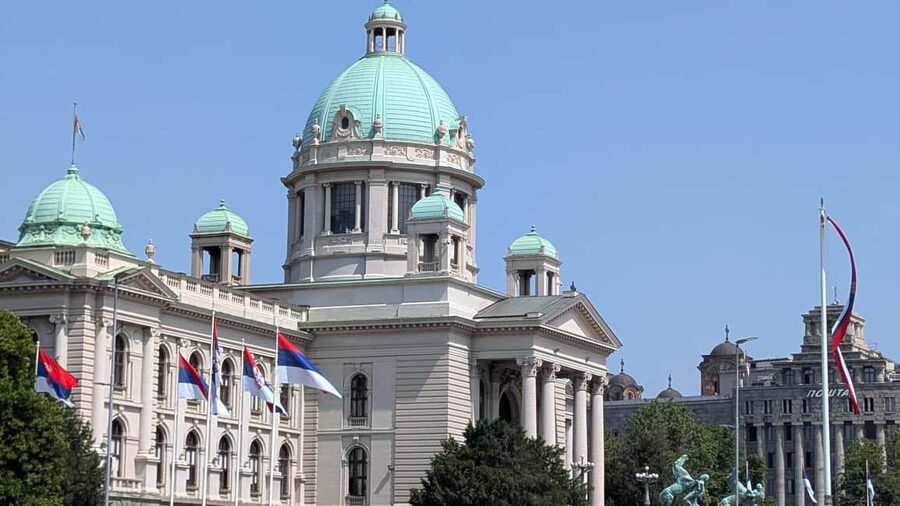
The first substantial stop is the National Assembly of the Republic of Serbia. About 20 minutes are allotted for guided explanation, sightseeing, and some free time. You can expect the guide to use the building and its surroundings to discuss Serbia’s political structure and modern statehood.
This is also where the tour begins to show its wider purpose. You are not simply being taken from one photogenic stop to another. The guide is setting up the political story that later helps explain Serbia’s role in the former Yugoslavia and the Balkans today.
Because the description does not promise an interior visit, treat this as an outdoor stop unless your guide tells you otherwise. The listed inclusion is the guide, not museum or building admission.
Kneza Mihaila and Republic Square
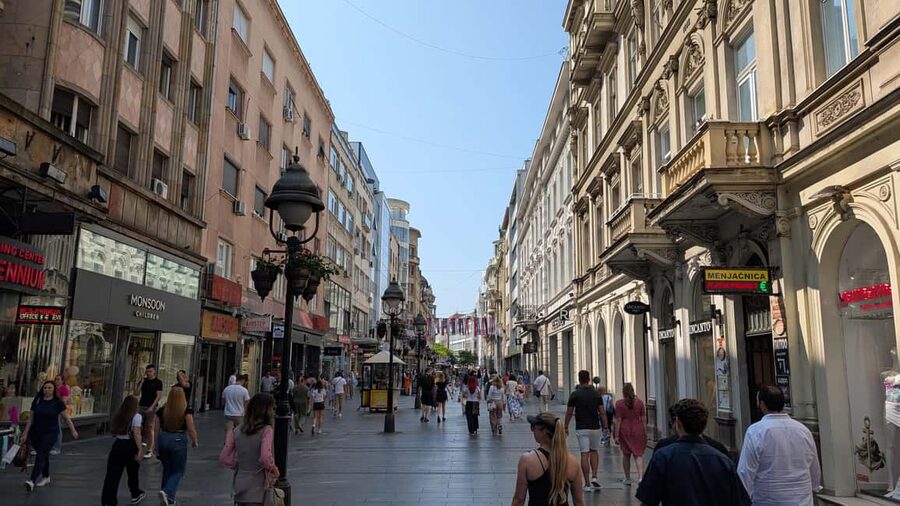
From Terazije, the walk continues toward Kneza Mihaila, Belgrade’s best-known central pedestrian street. The scheduled explanation here lasts about 20 minutes, enough to discuss architecture, public life, and the way this part of the city functions today.
This section should feel less like a formal history lesson and more like an introduction to daily Belgrade. You will see people moving between shops, cafés, public buildings, and meeting places. The guide can help you read the street as both a historic route and a modern social center.
Republic Square follows, with another 20-minute guided stop. The square is one of the city’s main reference points, and it is useful for getting your bearings before the route turns toward older Belgrade.
I like this early part of the walk because it eases you into the city. You first see the civic center and main pedestrian core, then move toward neighborhoods where the atmosphere becomes more intimate. If you are staying in central Belgrade, you will also learn where you are in relation to places you may want to revisit later.
Skadarlija, Belgrade’s old bohemian quarter
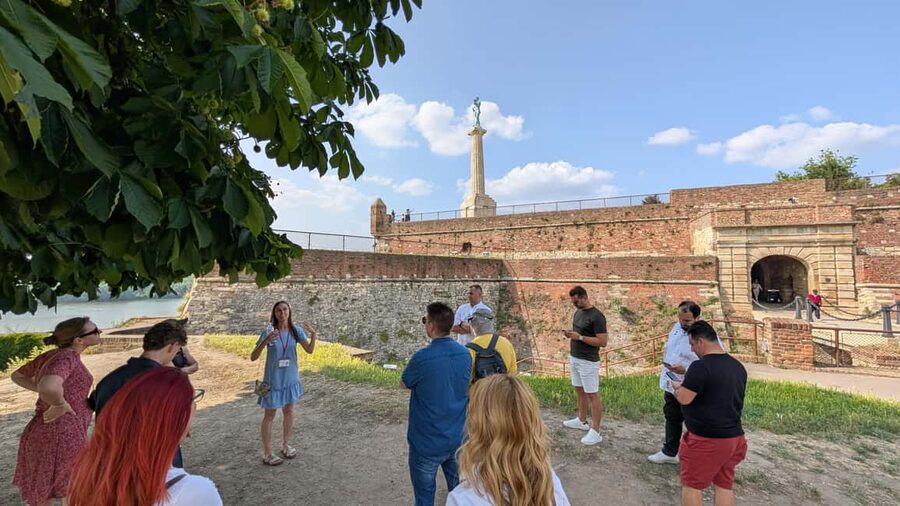
Skadarlija is one of the route’s most appealing stops. The tour allows about 20 minutes for a photo stop and guided sightseeing along Skadarska Street.
The street is associated with old restaurants, artists, musicians, and Belgrade’s bohemian past. It is a place where atmosphere matters as much as monuments. Your guide can explain how the quarter fits into the city’s cultural life and point out details you might otherwise pass without noticing.
Do not expect a long meal here. This is a walking tour, not a food tour, and the scheduled stop is short. Still, Skadarlija gives the route a welcome change of mood after the formal squares and government buildings.
Several guides are praised for adding local customs, restaurant suggestions, and practical advice for the rest of your stay. Jovana, for example, is noted for sharing Serbian traditions and recommendations for museums and restaurants. That kind of advice is especially useful here, where you may want to return later for an evening meal.
More Three-Hour Tours in the world:
- Berlin: 3-Hour World Heritage Cruise to Potsdam
★ 4.5 · 1,569 reviews - Edinburgh: 3-Hour Historical Walking Tour in Italian
★ 4.7 · 734 reviews - Pompeii Private Tour with an Archaeologist and Skip The Line – 3 hours
★ 5.0 · 564 reviews - 3-Hour Porto Jewish Heritage Walking Tour with Local Guide
★ 4.5 · 396 reviews
Student Park and the Church of Saint Michael
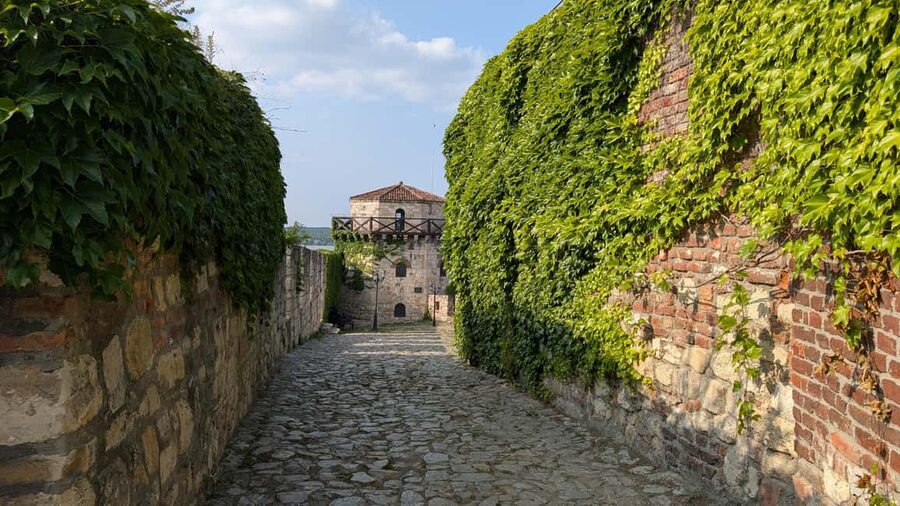
The walk continues through Student Park, with roughly 10 minutes of guided sightseeing. This is a brief stop, but it helps connect central Belgrade with the area around the city’s important religious and academic institutions.
Next comes the Church of Saint Michael, also known as the Cathedral Church of Saint Michael the Archangel. The scheduled visit lasts about 15 minutes. This gives you a chance to discuss Serbian Orthodox traditions and the role of religion in the country’s public and cultural life.
The religious material is important because Serbian history cannot be separated neatly into politics, territory, and faith. A good guide can explain how these subjects overlap without turning the stop into a sermon or a political argument.
Your guide’s approach makes a real difference here. The strongest comments about Marija, Tibor, Jovana, and others focus on their ability to explain sensitive subjects clearly, answer basic questions without impatience, and keep the tone approachable. If you want only architecture, this section may feel more talk-heavy. If you want to understand Serbia, it earns its place.
Kalemegdan Park and the approach to the fortress
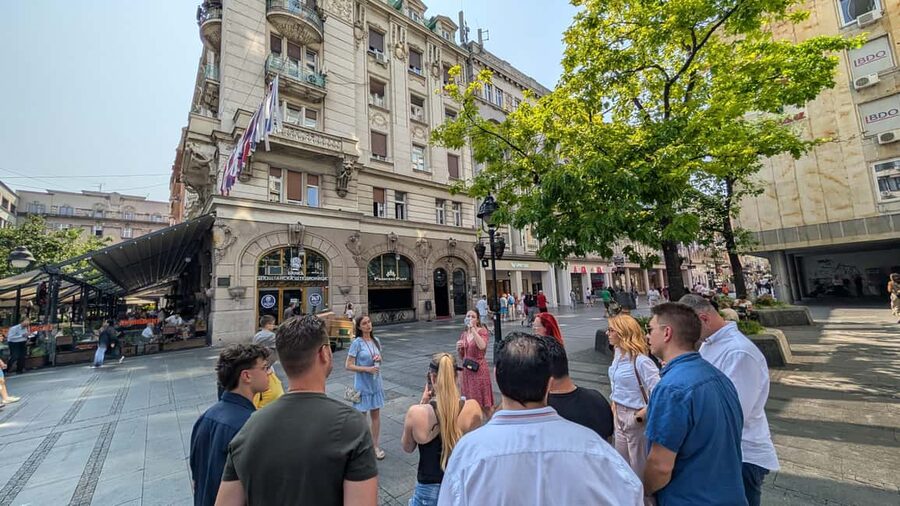
Kalemegdan Park is the gateway to Belgrade Fortress. The tour gives about 20 minutes to the park, including a visit, guided explanation, walking, and a pass by.
This is where Belgrade’s geography comes into sharp focus. From the fortress area, you can take in the river setting and understand why this hill mattered so much to rival powers. The city’s position between waterways was both an advantage and a danger.
The park also provides a change from the dense central streets. You are still within the city, but the route opens up and the views become a larger part of the experience. On a very hot day, the guide’s choice of shade and pacing can matter. One guide, Marija, was specifically praised for finding shaded places while keeping a full explanation going during extreme summer heat.
The time is limited, so do not expect to explore every path in Kalemegdan. Think of this as a guided introduction. You can return later if you want more time for the park, river views, or fortress grounds.
Belgrade Fortress and the Military Museum
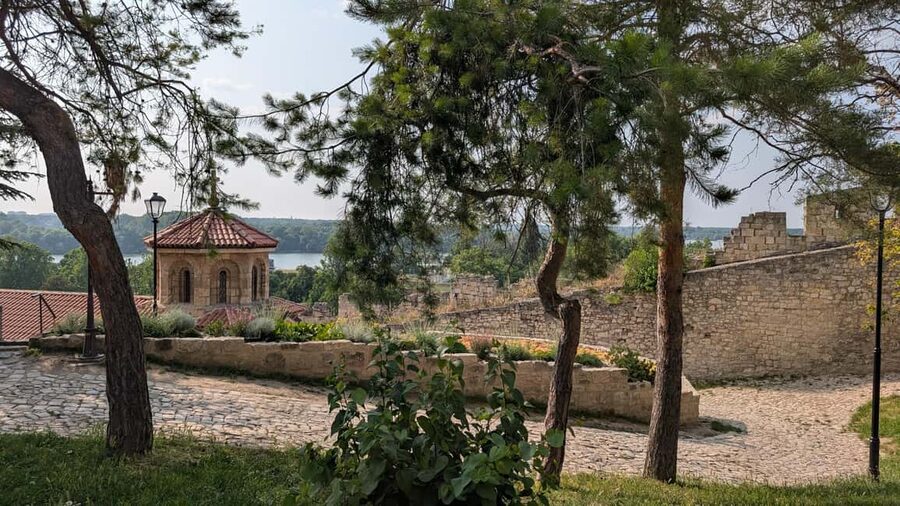
The fortress receives another 20-minute segment, including a photo stop, guided visit, walking, and scenic views. This is one of the tour’s main payoffs.
The fortress is not a single building with one neat historical period. It reflects repeated rebuilding and changing control. Roman, Byzantine, Ottoman, Austro-Hungarian, and later military chapters all help explain why this spot mattered.
Your guide will likely use the walls and viewpoints to explain the city’s strategic value. This is where the earlier discussion of geography becomes concrete. You can look toward the rivers and see why armies wanted this position, even before every period is explained.
The Military Museum is named among the tour highlights. However, no separate admission or interior visit is specified, and the listed inclusion is the guide. If the museum is important to you, ask before booking or at the start whether the route includes its interior. The tour still gives you military context around the fortress, but a museum visit would require more time than the schedule clearly promises.
Ružica Church and the Monument to France
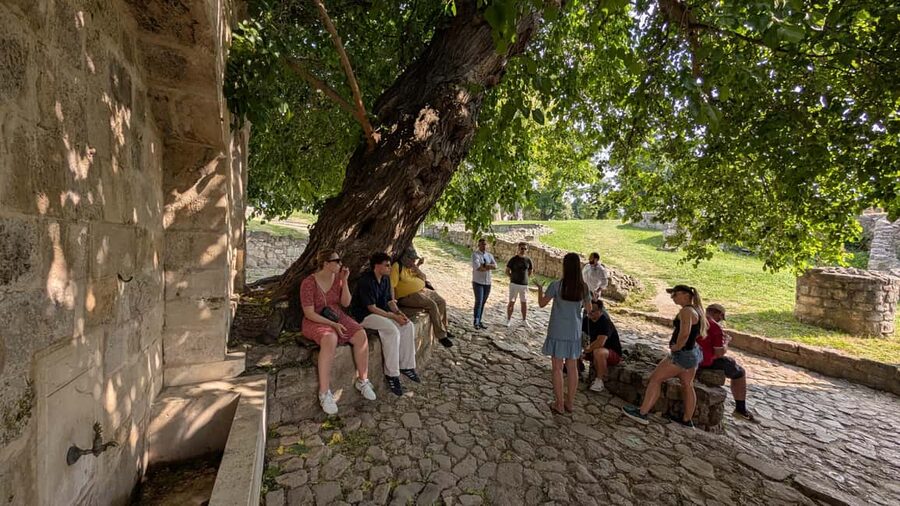
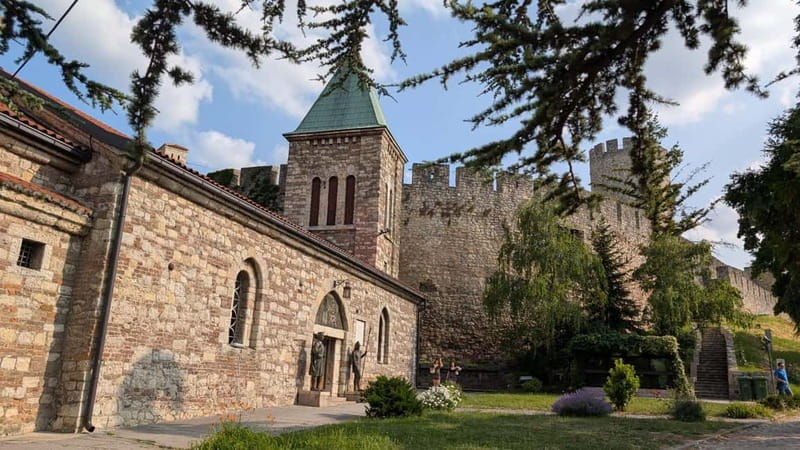
Ružica Church is one of the most distinctive stops. The route allows about 15 minutes for a visit, photos, and guided sightseeing. The church is described as dating to the 15th century, placing it among the city’s oldest religious sites.
Its position within the fortress area makes the visit especially meaningful. You are seeing a place of worship in a setting better known for armies and walls. That contrast helps show how ordinary religious life continued amid repeated conflict.
The final major sight is the Monument of Gratitude to France, with about 15 minutes for sightseeing. The monument adds a later European connection to a tour that has already covered empires, churches, and military history.
This last stop also gives the guide room to widen the story beyond Serbia’s immediate borders. The best guides do not present Belgrade as an isolated place. They explain its relationships with nearby countries and larger European powers, then connect those relationships to modern identity.
The tour finishes at Rajićeva Shopping Center. That is convenient if you want food, shopping, or a central place from which to continue exploring. It also means the tour does not return you to Terazije, so plan your onward route accordingly.
How the guides handle difficult history
The most praised part of this experience is the guiding, not any single monument. Names that appear repeatedly in strong feedback include Marija, Pedja, Jovana, Tibor, Aleksandar, Predrag, Tibi, and Andjelka.
Their strengths differ slightly. Marija is repeatedly praised for clear, balanced explanations of Serbian history, religion, politics, and the Balkans. Aleksandar is noted for making the forces behind Yugoslavia and its breakup easy to follow. Tibor is praised for condensing a long story while leaving time for questions.
Pedja is described as friendly, patient, and willing to offer practical help beyond the scheduled walk. That extra attention may be especially useful if you are traveling with a young child or need a slower pace. One parent specifically appreciated his patience with a two-year-old.
Andjelka is praised for witty storytelling and for connecting historical facts to human behavior. That can make a long political explanation easier to remember. Still, guide assignments can change, so you should not book solely on the expectation of one named person.
The subject matter includes the Ottoman period, religion, Yugoslavia, the 1990s, current politics, and regional tensions. You can ask direct questions, including questions you might hesitate to raise elsewhere. The tone appears open to discussion, but no guide can turn three hours into a full course on every Balkan conflict.
Is $35 a fair price?
At $35 per person, this is a reasonable price for a three-hour guided walk, especially if you want historical context rather than a quick photo circuit. You are paying for a live English-language guide, route planning, and the chance to ask questions as the city unfolds around you.
The value is strongest for a first visit. A good guide can save you hours of trying to place Belgrade’s monuments in sequence, and the route covers several central sights in one outing. It also helps you decide which places deserve a longer return visit.
Keep the limits in mind. The listed inclusion is the guide, and no entrance tickets, food, or drinks are included. The route covers about 4 kilometers, and several stops have only 10 to 20 minutes. If you want extended museum time, long church visits, or a relaxed café break, a private full-day arrangement may suit you better.
At the same time, the schedule is not rigid in spirit. Some guides have allowed time for questions, coffee, or individual needs. Do not assume that every departure will unfold the same way, but feel free to tell the guide if your group needs a slower pace.
Who should book this walk?
I would choose this tour early in a Belgrade stay if you enjoy history, politics, architecture, and local explanation. It is particularly useful if Serbia is new to you and you want a clear starting point before visiting museums or taking day trips.
Families can also manage it, especially with a patient guide, but young children may find three hours of historical discussion tiring. Older visitors or anyone with mobility concerns should note the 4-kilometer walking distance. The tour is wheelchair accessible, though you may still want to confirm that the full route and any specific interior visit match your needs.
This is not the best choice if you want a food-focused outing, extensive museum time, or a slow photographic walk. It is also not ideal for anyone who prefers to avoid modern politics. The tour openly links past events to present-day Serbia.
Bring comfortable shoes. You do not need special equipment, but you do need to be ready for a sustained urban walk with frequent stops.
Should you book the Serbian history walking tour?
Book it if you want a useful first map of Belgrade’s past and present in one morning or afternoon. The route covers the city center, Skadarlija, the fortress, Ružica Church, and major political and religious sites, while the guide supplies the connections that make those places matter.
I would be especially inclined to book if you have only a short stay or feel unsure about Serbia’s complicated history. The combination of geography, architecture, religion, and current affairs gives you a strong base for exploring on your own.
Skip it if your main goal is a long visit inside the Military Museum or other attractions, since admissions and extended interior time are not clearly included. For most first-time visitors who want clear explanations, local suggestions, and a manageable route at $35, this is a sound introduction to Belgrade.
FAQ
How long is the Serbian history walking tour?
The tour lasts 3 hours.
How far does the walking route cover?
The route covers around 4 kilometers.
Where does the tour begin?
It begins at Terazije Square, next to the fountain.
Where does the tour finish?
It finishes at Rajićeva Shopping Center.
What language is the tour offered in?
The live tour guide speaks English.
Is the tour wheelchair accessible?
Yes, the activity is listed as wheelchair accessible. Since the route covers about 4 kilometers, you may want to confirm that the full walk suits your needs before booking.
Just added around the world
- Scenic Train ride to historical cities of Morretes and Antonina★ 4.0 · 188 reviews
- 6-Day Cultural Tour to Machu Picchu★ 5.0 · 76 reviews
- Jewish Heritage of Curacao★ 4.5 · 68 reviews
- The Curacao’s Colorful History Walking Tour★ 5.0 · 55 reviews
- Discover Scuba Diving Amathounta’s Ancient Port★ 5.0 · 30 reviews
- Olous – Guided Snorkelling Excursion to Discover Olous Sunken Ancient City★ 4.5 · 31 reviews
- Night Walking Tour of Medieval Cuenca★ 5.0 · 64 reviews
- WWII – The Battle of Crete Day Tour★ 5.0 · 103 reviews
3-Hour Experiences, compared.
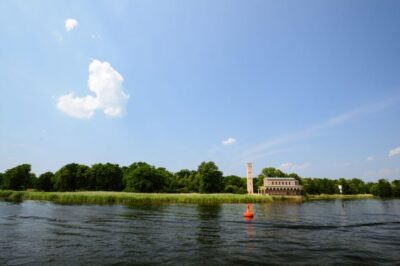
Berlin: 3-Hour World Heritage Cruise to Potsdam
Read our review →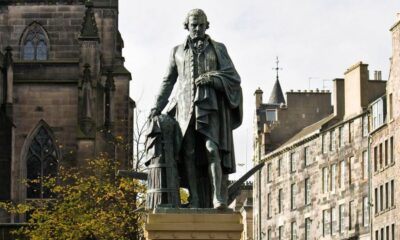
Edinburgh: 3-Hour Historical Walking Tour in Italian
Read our review →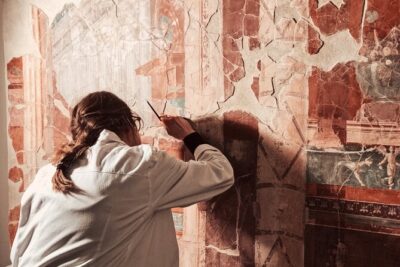
Pompeii Private Tour with an Archaeologist and Skip The Line – 3 hours
Read our review →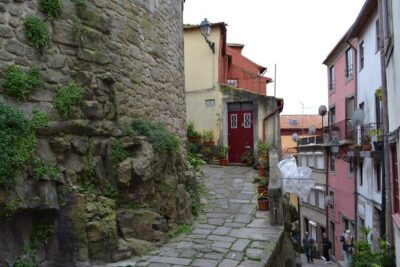
3-Hour Porto Jewish Heritage Walking Tour with Local Guide
Read our review →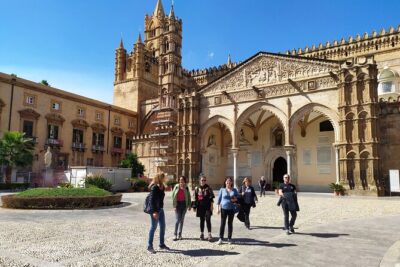
Discover Palermo in 3 hours. Art, history, markets and street food
Read our review →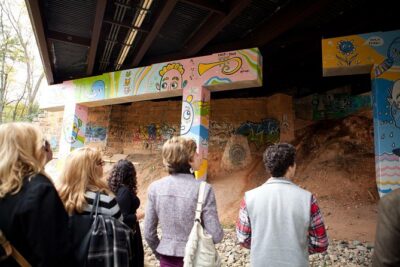
3-Hour Atlanta Beltline Food, Street Art and History Tour
Read our review →
Memphis: Big Mojo Sun Studio + Music History 3-Hour Bus Tour
Read our review →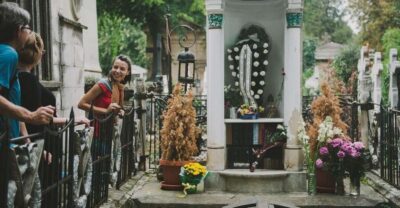
Bucharest: 3-Hour Dark History Tour with a Local
Read our review →Browse the lists this tour appears in