
Review · GERMANY
Bremen: Walking Tour of Historic Schnoor District
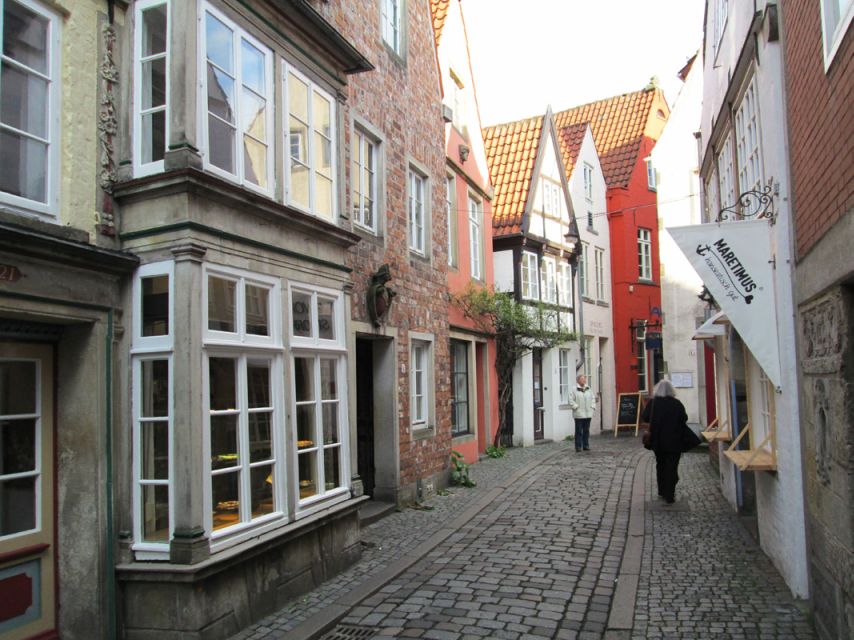
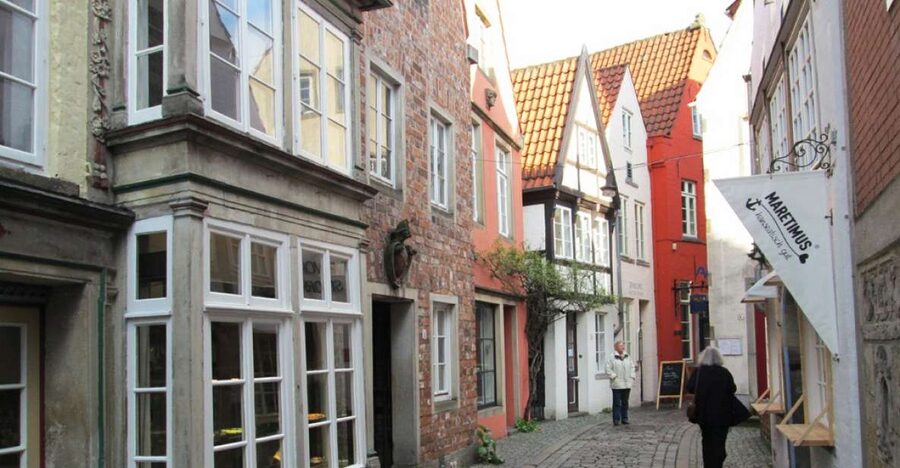
The best part of this tour is the setting: Bremen’s Schnoor quarter is a tight knot of lanes where small historic houses seem strung together like beads. You’ll see half-timbered buildings, redbrick Gothic architecture, old facades, goldsmiths, and craft shops in a compact area that is easy to explore on foot.
I like the way the walk connects pretty buildings with real history, from the Franciscan monastery reference in the 13th century to houses dating from the 15th, 17th, and 18th centuries. I also like the lively storytelling, especially if you get Sönke, whose witty tales and Bremen humor have made a strong impression. The main drawback is that the tour lasts only one hour, takes place in German, and views are limited to the outside of the buildings.
Key points to know before you book
- Schnoor’s narrow lanes: Walk through one of Bremen’s most distinctive historic quarters, with small homes packed closely along winding streets.
- 14th-century architecture: See St. John’s Church and learn how Gothic, Baroque, Renaissance, classicist, and historicist styles appear in the neighborhood.
- Important old houses: The route includes Haus Schnoor 15, also called Brasilhaus, and Packhaus Schnoor 2, both linked to the 15th century.
- A story-led walk: Guide Sönke is known for humorous local stories, while the tour gives context to the people and buildings of Schnoor.
- German only: The live guide speaks German, so this works best if you understand the language or are comfortable following a visually focused walk.
- Simple logistics: Meet at Die Glocke concert hall, wear comfortable shoes, and remember that interiors, food, and drinks are not included.
Entering Schnoor from Domsheide
Your meeting point is in front of Die Glocke concert hall at Domsheide 6. Look for a guide holding a sign that says Bremen Tour Guide. This is a useful central starting point because you meet in a recognizable spot before moving into the much tighter lanes of Schnoor.
The walk is shared by default, with a private group option available if you prefer a more personal experience. At $14 per person, the price is modest for a guided introduction to one of Bremen’s most characterful quarters. You are paying less for a long list of stops than for a concentrated hour of local explanation.
That distinction matters. You can walk through Schnoor on your own for free, but the buildings do not explain themselves. A guide can point out which structures are genuine survivors, which were rebuilt to historical specifications, and which now retain only a facade. If you have limited time in Bremen, that added context makes the hour more useful.
The walk is described as relaxing, but you should still wear comfortable shoes. The lanes are narrow, and this is a walking tour rather than a stop-and-listen excursion with much time indoors. Wheelchair users should note that the experience is not suitable for them.
More History Walking Tours in Germany
- Berlin: Third Reich & Cold War Guided Walking Tour
★ 4.9 · 8,378 reviews - Munich: Third Reich & WWII Walking Tour
★ 4.6 · 6,181 reviews - Berlin’s Best: 2 Hour Walking Tour Third Reich and the Cold War
★ 5.0 · 5,486 reviews
Why Schnoor feels different from the rest of Bremen
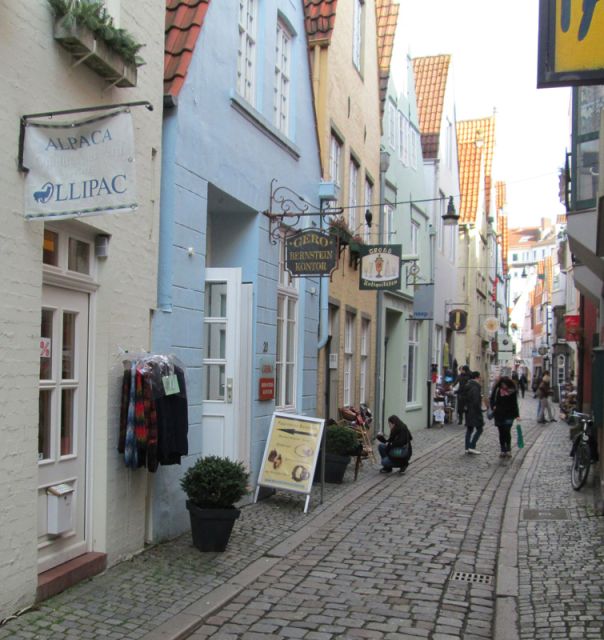
Schnoor has a scale that feels almost miniature. Small houses line narrow passages, and the buildings sit close enough together to make the quarter feel compact and enclosed. The name is linked with the old trades of the area, and today the lanes still have a strong connection with small shops, goldsmiths, and local handicrafts.
The quarter’s first known written reference dates to the 13th century. Around that time, a Franciscan monastery was built at the edge of what is now Schnoor. The monastery itself is gone, but the monastery church remains, giving you a direct link to the earliest period discussed on the walk.
This is one reason the tour is more than a pretty-street stroll. The architecture gives you clues about changing use, wealth, taste, and rebuilding. You are not simply looking at old houses. You are learning how a small part of Bremen developed and how its buildings survived.
The visual appeal is immediate, but the tight layout can also make the area feel busy at popular times. The tour’s one-hour format helps you cover the quarter without getting bogged down in every shop or side lane. If you want time to browse, return after the walk.
St. John’s Church and the medieval story
One of the central buildings connected with the route is the Catholic St. John’s Church. Built in the 14th century, it is a redbrick Gothic church, a style strongly associated with northern Germany. Its material and form give the tour a useful architectural anchor.
The church also helps explain the layered character of Schnoor. The neighborhood is not made up of one neat period. Medieval religious buildings sit alongside later domestic structures, rebuilt facades, and styles from several centuries. Your guide uses these contrasts to explain how the area changed over time.
The Franciscan monastery story adds another layer. Only the monastery church remains, so you are seeing a surviving fragment rather than a fully preserved monastic complex. That is typical of historic districts: what survives is often partial, altered, or reconstructed, and the guide helps separate those categories.
If you enjoy architecture, this part of the route should be especially useful. The walk touches on Gothic, Baroque, Renaissance, classicist, and historicist elements. You will not receive a full academic lecture on each style in one hour, but you will get a practical way to notice how the buildings differ.
Haus Schnoor 15 and Packhaus Schnoor 2
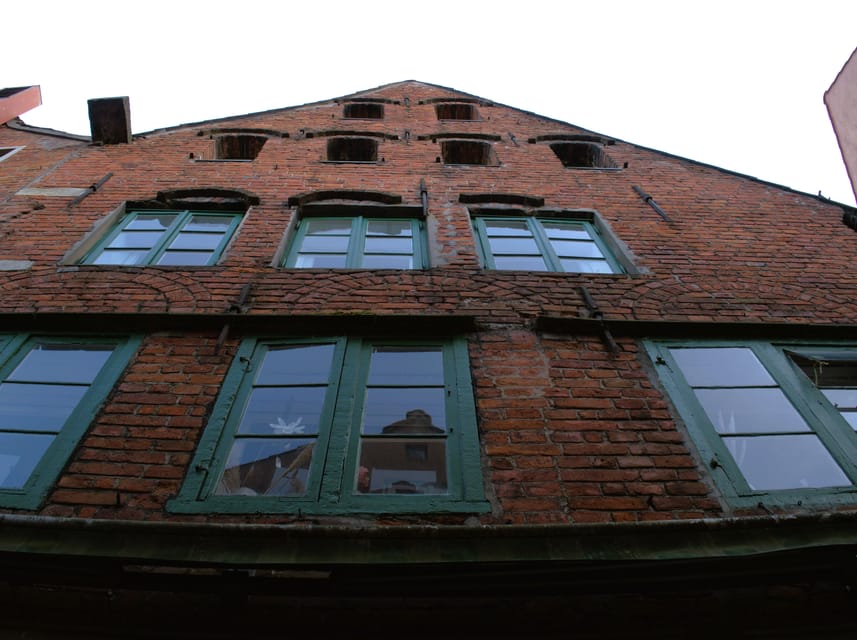
The tour points out some of Schnoor’s oldest remaining secular buildings, including Haus Schnoor 15, also known as Brasilhaus, and Packhaus Schnoor 2. Both are connected with the 15th century, making them important stops for understanding how early domestic and commercial buildings looked in this part of Bremen.
These names matter because they give the walk specific landmarks. Instead of hearing only that Schnoor is old, you can connect the date to an actual address. Look closely at the proportions, timbering, brickwork, and narrow frontage. In a district where several buildings stand almost shoulder to shoulder, small details can be easy to miss without a guide’s help.
Packhaus Schnoor 2 also points toward the quarter’s working past. Schnoor was not created as a museum display. Its houses were connected with residents, workshops, storage, trade, and everyday life. That background makes the goldsmiths and handicraft shops you see today feel less out of place.
Still, keep your expectations realistic. The buildings are viewed from the street only. You will not tour historic interiors or enter every significant house. For many people, the exterior details are enough, but anyone hoping for a house museum visit should plan an additional stop elsewhere.
Same city, a different century:
- Leipzig: City History Canal Sightseeing Tour on a Motorboat
★ 4.7 · 7,671 reviews - Third Reich Berlin: Hitler and WWII Walking Tour
★ 5.0 · 3,301 reviews - Leipzig: 1.5-Hour Historical Walking Tour in German
★ 4.7 · 2,217 reviews - Nuremberg: Medieval Dungeons Guided Tour
★ 4.8 · 2,214 reviews
Rebuilt facades and a half-timbered tea room
One of the more interesting parts of the walk is learning that not every historic-looking feature has the same story. Some houses have been recreated according to historical specifications. Other buildings now consist only of facades, with the structures once standing in another location.
That information adds welcome honesty to the experience. Historic districts often mix original fabric with careful reconstruction, and Schnoor is no exception. A recreated house can still help you understand an earlier building style, but it is not the same as an untouched survivor. The guide’s explanation lets you appreciate both without confusing them.
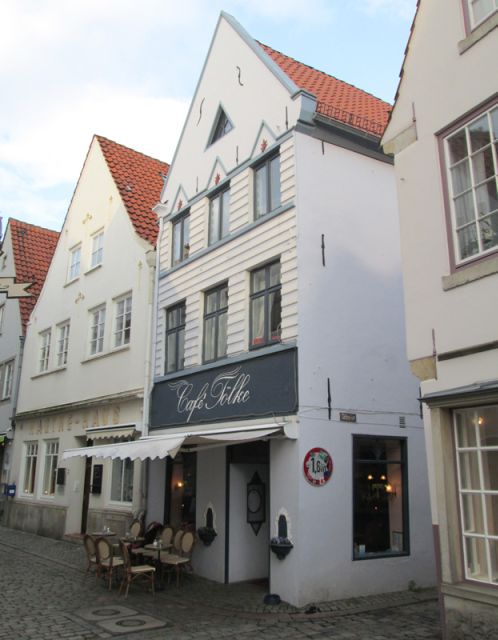
You will also see a half-timbered house with a tea room. It is the sort of small visual detail that makes Schnoor memorable, especially when set beside redbrick Gothic and more formal later styles. The quarter’s charm comes from these contrasts rather than from a single uniform design.
I would pay attention to the changes in materials and scale. Half-timbering, brick, plaster, decorative details, and narrow facades appear close together. In a larger city district, you might walk several blocks between styles. Here, the compact lanes place them almost side by side.
Small shops, goldsmiths, and local handicrafts
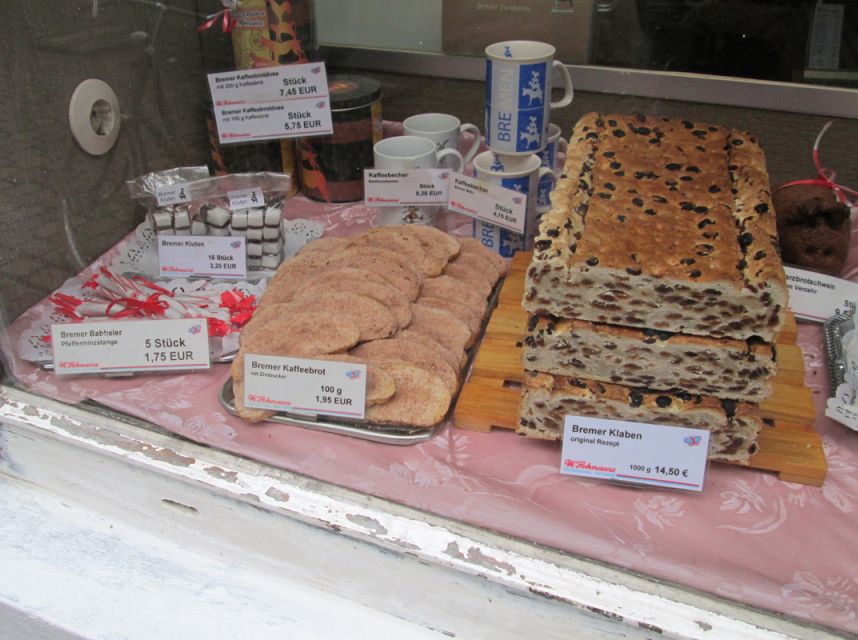
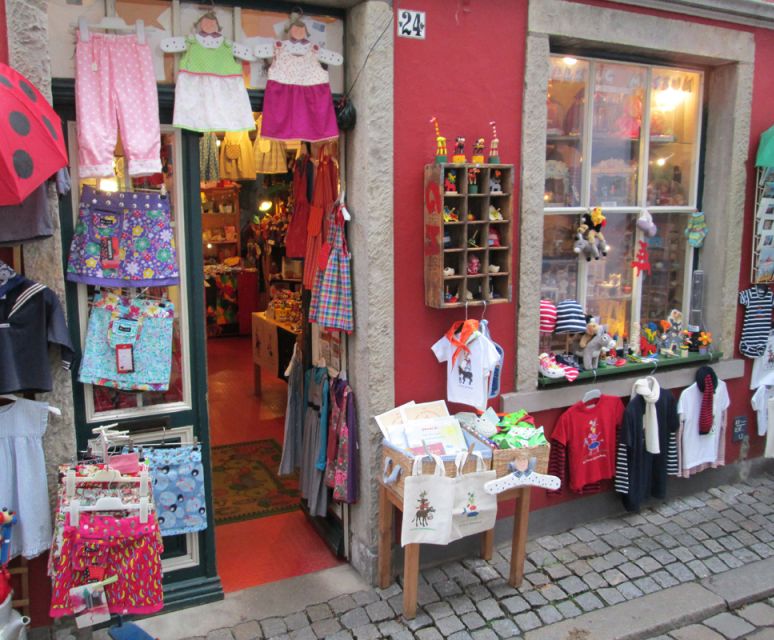
The route passes goldsmiths and shops selling local handicrafts. These businesses give Schnoor a lived-in quality, although the tour itself is focused on the quarter’s architecture and history rather than shopping.
You can treat the shops as part of the scene and make a note of anything you want to revisit after the guided hour. The narrow lanes can be distracting because there is plenty to look at, so it helps to stay with the guide and save browsing for afterward.
This is also where the difference between a tour and a self-guided walk becomes clear. A shop window may catch your eye, but a guide can explain how the street’s present character relates to its older craft and trading traditions. The result is a more connected picture of Schnoor.
Do not expect food or drinks to be included. There is no tasting element, cafe stop, or planned break listed for the tour. If you need coffee or a snack, arrange that before or after the walk rather than counting on it during the hour.
The guide makes the short format work
A one-hour tour has both strengths and limits. It is easy to fit into a day of sightseeing, and it gives you a clear introduction without taking over your schedule. On the other hand, the guide must move at a brisk enough pace to cover the main buildings, architectural styles, and background.
The strongest reports about this experience focus on the guides’ personal storytelling. Sönke is particularly notable for his warm Bremen character and humorous tales connected with Schnoor and the surrounding area. The tone can include local jokes and amusing stories, not just dates and building names.
That matters because a short walking tour can otherwise become a string of facts. Good stories help you remember why a building matters and how the quarter relates to the people who lived there. If you understand German, this may be the biggest reason to choose the guided option instead of walking through Schnoor alone.
The live tour is in German. This is an important booking decision, not a minor detail. If you do not understand German, you may still enjoy the narrow lanes and architecture, but you will miss much of the spoken explanation and humor. The experience is best for German speakers, German learners, or anyone happy to focus mainly on visual details.
Shared or private, and what $14 really buys you
At $14 per person, the tour offers good value if you want a short, guided orientation to Schnoor. The low cost also makes it easy to add to a day that includes Bremen’s other sights. You get a live guide, a structured route, and historical context without paying for transport or a longer city-wide tour.
A shared group is likely the practical choice for most people. It keeps the price low and suits anyone who wants a general introduction. The private option is more appealing if you want to ask questions, set a slower pace, or keep the focus on architecture and local stories.
The price does not cover meals, drinks, or entrance to interiors. Since the tour stays outside, you should think of it as a walking orientation rather than a complete Schnoor museum experience. Its value comes from interpretation and efficiency.
Free cancellation up to 24 hours before the start and a reserve-now, pay-later option make the booking fairly flexible. Check the available start times because the tour lasts one hour and departure times can vary.
Who should book this Schnoor walk?
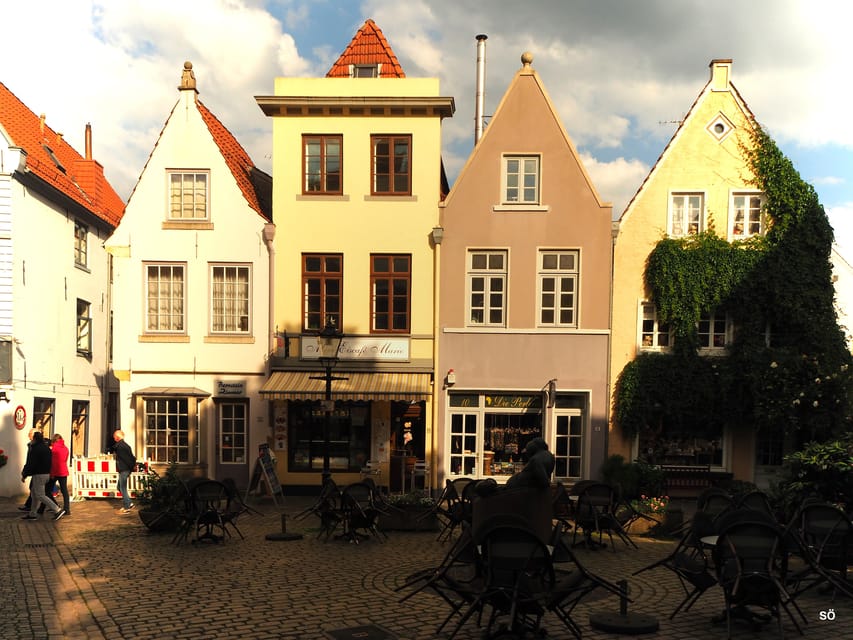
I would recommend it to first-time visitors who want a quick introduction to Bremen’s oldest-looking quarter without committing to a long city tour. It also suits architecture fans who enjoy comparing Gothic, Renaissance, Baroque, classicist, and historicist details in a small area.
The tour works well for couples, families with older children, and anyone who prefers a relaxed shared walk. A private group is worth considering if your party wants a more personal explanation or if the humor and local stories are a major part of the appeal.
You should think twice if you need wheelchair access, want to see historic interiors, or prefer an English-language tour. The provided guide language is German, the buildings are viewed from outside, and the route is not suitable for wheelchair users.
For the best experience, arrive at Die Glocke with comfortable shoes and a little time to find the guide’s sign. Keep your camera ready, but do not let photographs pull you away from the explanation. The details are close together, and the guide may point out something easy to miss from a few steps away.
Should you book the Bremen Schnoor tour?
Book this tour if you want a short, inexpensive, German-language introduction to Bremen’s most atmospheric historic quarter. Its strengths are the compact route, the clear architectural focus, and the chance to hear personal local stories from guides such as Sönke.
Skip it if you want interior access, food, a longer city tour, or commentary in a language other than German. For everyone else, $14 is a reasonable price for turning a pleasant walk through Schnoor into a more informed look at medieval lanes, surviving houses, reconstructed facades, churches, shops, and the people who shaped the quarter.
FAQ
Where does the Bremen Schnoor walking tour meet?
The meeting point is in front of Die Glocke concert hall at Domsheide 6, Bremen, 28195. Your guide will hold a sign saying Bremen Tour Guide.
How long does the tour last?
The walking tour lasts one hour. Starting times vary, so check availability when booking.
What language is the tour conducted in?
The live tour guide speaks German. German is the listed tour language.
Are the tours private or shared?
A shared walking tour is available, and a private group option can be selected.
Are the historic buildings visited inside?
No. The buildings are viewed from the outside only.
Is food or drink included?
No. Food and drinks are not included in the tour.
Is the tour suitable for wheelchair users?
No. The experience is listed as not suitable for wheelchair users.
Just added around Germany
- Berlin Food & Cultural Tour: Must-Try German & Berliner Classics★ 5.0 · 51 reviews
- Berlin Half-Day World War II Walking Tour★ 4.5 · 48 reviews
- Small-Group Historical Bike Tour in Berlin★ 4.5 · 103 reviews
- Historic center of Berlin – Tour in Italian★ 5.0 · 143 reviews
- Berlin Cold War & World War II Third Reich Walking Tour★ 4.5 · 30 reviews
- Private Taxi Tour City East & West History and Architecture 3-4h★ 5.0 · 42 reviews
- Berlin Wall and Cold War Bike Tour in Small Groups★ 5.0 · 114 reviews
- Private Tour: Jewish Heritage Walking Tour of Berlin★ 5.0 · 29 reviews
Germany History Tours, compared.

Berlin: Third Reich & Cold War Guided Walking Tour
Read our review →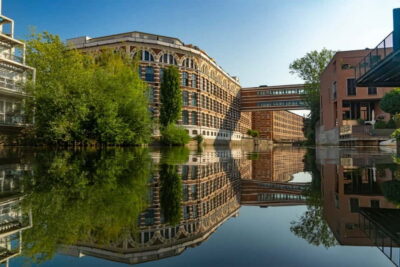
Leipzig: City History Canal Sightseeing Tour on a Motorboat
Read our review →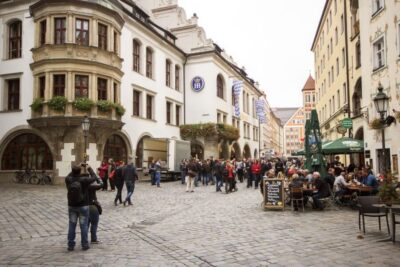

Berlin’s Best: 2 Hour Walking Tour Third Reich and the Cold War
Read our review →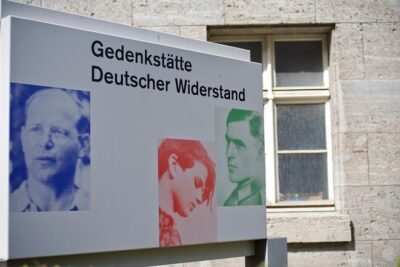
Third Reich Berlin: Hitler and WWII Walking Tour
Read our review →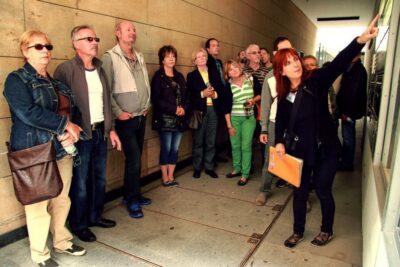
Leipzig: 1.5-Hour Historical Walking Tour in German
Read our review →
Berlin: Third Reich, Hitler, and WWII Walking Tour
Read our review →Browse the lists this tour appears in