
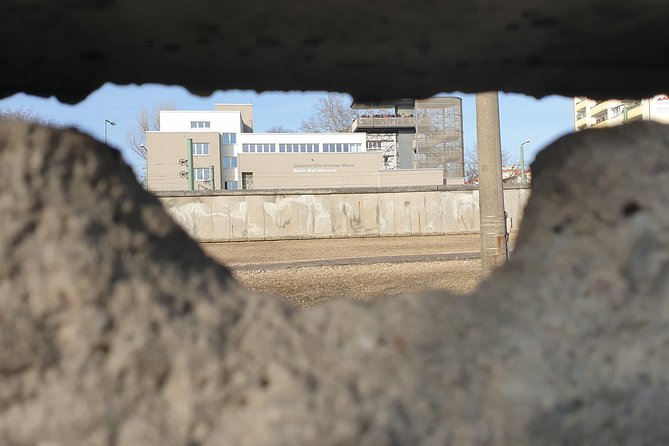
Review · BERLIN
Cold War and Berlin Wall Tour in Italian
The most powerful part of this tour is the way Berlin’s Cold War story unfolds across the city, from a former ghost station to the Wall Memorial and the painted remains at East Side Gallery. You are not just looking at a strip of concrete. You are following the political choices, escape attempts, protests, and public pressure that helped bring the Wall down.
I like the Italian-speaking guide, especially for a subject filled with dates, political terms, and personal stories. I also like the route’s range: you see stark memorial spaces, grand GDR buildings, and the famous murals at East Side Gallery in one outing. The main thing to consider is the length and format. This is a 3.5-hour walking tour with public transport between some stops, not a relaxed sightseeing ride.
For Italian speakers who want more than a quick photo of the Wall, this is a strong way to put Berlin’s divided past in order. The tour has a maximum of 25 people, costs $27.87 per person, and ends at East Side Gallery rather than returning to the starting point.
Key points to know before booking
- Italian commentary throughout: A guide leads the walk in Italian, with Antonella named in feedback as one guide who brings the events of 1989 to life.
- A route across several Berlin districts: You move from Potsdamer Platz to Nordbahnhof, the Wall Memorial, Alexanderplatz, Karl-Marx-Allee, and East Side Gallery.
- The Wall Memorial is the serious heart of the tour: Nearly an hour is set aside for escape systems, victims, and the practical reality of how the border worked.
- East Side Gallery is the colorful finale: You see the longest remaining section of the Wall and its murals about freedom.
- Public transport is part of the plan: Transport fares are not included, and the tour does not provide hotel pickup or drop-off.
- A good value for history-focused visitors: At $27.87, the price is modest for 3.5 hours of guided interpretation, though you should budget separately for transport.
Why this route tells Berlin’s Cold War story well
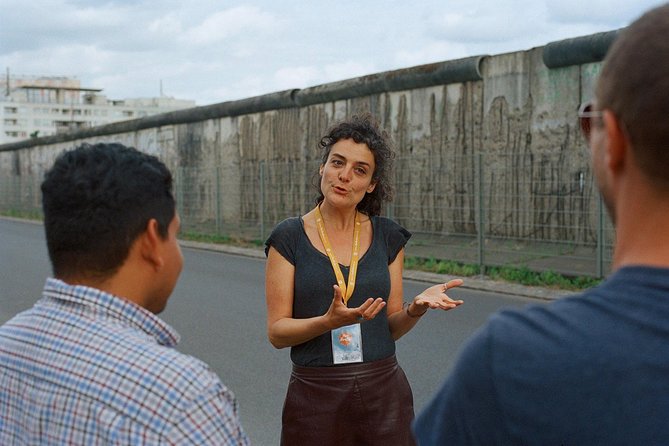
Berlin’s Cold War history can feel scattered. One site shows the Wall. Another explains the GDR. A third recalls the protests that led to the border opening. This walk connects those pieces in a sensible order.
You begin at Potsdamer Platz, a part of Berlin that is now known for modern buildings and busy transport links. From there, the tour shifts toward places that reveal how East Berlin worked and how the Wall changed daily life. The movement matters. You are not hearing a general lecture in one square. You are seeing different parts of the city that played different roles.
The route also avoids making the Wall story too simple. The final murals at East Side Gallery are easy to enjoy, but the earlier stops deal with fear, surveillance, escape attempts, and loss. That balance is useful. You get the public symbol of freedom, but you also learn what came before it.
Because the guide speaks Italian, you can ask questions and follow the finer points in the language that feels most natural to you. That is especially helpful when the tour covers the German Democratic Republic, or GDR, and the political events surrounding the fall of the Wall.
More Cold War and Communism Tours in Berlin:
- Berlin: Third Reich & Cold War Guided Walking Tour
★ 4.9 · 8,378 reviews - Berlin’s Best: 2 Hour Walking Tour Third Reich and the Cold War
★ 5.0 · 5,486 reviews - Cold War, Berlin Wall, Spies and the East Side Gallery
★ 5.0 · 1,024 reviews
Potsdamer Platz starts the walk
Meet the guide at Potsdamer Platz 10 at 10:00 in the morning. The marker is a blue bicycle by Vive Berlin Tours, with a flag bearing the company logo. That detail is worth noting because Potsdamer Platz has several entrances, buildings, and transport connections, and a clear meeting marker can save time.
The meeting point is close to the Potsdamer Platz S-Bahn and U-Bahn station. You need to arrange your own way there, since hotel pickup is not included. A mobile ticket is provided, and booking confirmation arrives at the time of booking.
Potsdamer Platz itself is not the main historical stop, so expect a short introduction rather than a long visit. Its value here is practical: it gives the group a clear starting place before the tour heads toward the former East Berlin sites.
Nordbahnhof explains Berlin’s ghost stations
The first major stop is Berlin-Nordbahnhof, where the guide explains the city’s ghost stations. During the division of Berlin, some subway and rail stations in East Berlin were closed or heavily controlled when trains from West Berlin passed through East German territory.
This is one of the tour’s more unusual details. You are looking at a transport system, yet the subject is political control. Stations that should have served local neighborhoods became reminders of a divided city. The stop is brief, about 10 minutes, but it helps you understand how the border affected ordinary movement.
Do not expect an extended underground visit. The guide’s explanation is the main point. If you are interested in how political borders shaped public transport, this short stop adds useful context before the Wall Memorial.
The Wall Memorial gives the tour its weight
The Berlin Wall Memorial receives about 50 minutes, the longest stop on the route. That is appropriate. This is where the tour moves beyond symbols and explains how the border was built and enforced.
The guide discusses the Wall’s construction, the people killed while trying to cross, and the systems used in escape attempts. You learn how the border functioned rather than simply seeing a preserved section. That distinction matters. A photograph of a concrete barrier tells you little about the guards, gaps, barriers, and risks that made crossing so dangerous.
This part can be emotionally difficult. The subject includes deaths and failed escapes, so it is not just an architectural stop. If you want only colorful murals and Cold War nostalgia, this section may feel heavy. If you want to understand the human cost of division, it is the most important part of the morning.
The 50-minute visit also helps justify the tour’s price. The guide has time to explain several layers of the story instead of rushing you past a monument. The setting gives the facts a physical reference, which can make the history easier to grasp.
More History Tours in Berlin:
- Third Reich Berlin: Hitler and WWII Walking Tour
★ 5.0 · 3,301 reviews - Berlin: Third Reich, Hitler, and WWII Walking Tour
★ 4.9 · 1,757 reviews - Berlin: 3-Hour World Heritage Cruise to Potsdam
★ 4.5 · 1,569 reviews - Berlin: History of the Third Reich Guided Walking Tour
★ 4.7 · 791 reviews
Alexanderplatz connects protest with political change
At Alexanderplatz, the focus shifts to the GDR and its typical architecture. The guide also covers the large public demonstration held there, an event linked to the pressure that led to the Wall’s fall.
Alexanderplatz is useful because it shows how East Germany presented itself in public space. The architecture and open square reflect the state’s official image, while the protests reveal the gap between that image and the demands of ordinary people.
The stop lasts about 15 minutes, so it is a compact explanation rather than a full architectural tour. You will want to listen closely, since the guide has limited time to connect the buildings, the GDR political system, and the protest movement.
This is also a place where the route becomes less about the physical Wall and more about the people who challenged the system. That change keeps the tour from becoming a simple sequence of border remains.
The TV Tower shows the GDR’s public face
The Berlin TV Tower is visited from outside for about 10 minutes. It is one of the clearest architectural symbols of East Germany and remains Berlin’s tallest building.
The guide uses the tower to explain the GDR’s ambitions and public image. Its scale was not accidental. Large state projects sent a message about modernity, technology, and political confidence.
You will not go up the tower on this tour, and admission is not part of the experience. That keeps the visit short and focused. If you want panoramic views, you will need to make a separate plan. Here, the tower is a visual aid for the Cold War story, not an observation-deck stop.
Karl-Marx-Allee reveals Stalinist Berlin
The walk continues to Karl-Marx-Allee, where about 20 minutes are spent among the boulevard’s Stalinist-era buildings. This is one of the best places on the route to see how the young GDR expressed its political ideals through architecture.
The broad avenue and formal buildings were meant to project order, strength, and a new socialist society. The guide explains the beginnings of the GDR while you look at the buildings themselves. That combination is more useful than seeing the architecture without context.
The stop also adds variety. After the difficult material at the Wall Memorial and the public square at Alexanderplatz, Karl-Marx-Allee gives you a longer look at the built environment of East Berlin.
The limitation is time. Twenty minutes is enough for an introduction, but not for a detailed architectural survey. If your main interest is building design, you may want to return later on your own. For a general Cold War tour, the time allocation is sensible.
East Side Gallery ends with art and freedom
The final stop is East Side Gallery, where the tour ends. This is the longest remaining section of the Berlin Wall and the best-known part because of its murals.
The artwork changes the mood. After hearing about closed stations, escape attempts, victims, and political protests, you reach a section of the former Wall covered with paintings that became symbols of freedom. The murals are the kind of material that works well at the end of a walking route because you can connect them to the history you have just heard.
You receive about 20 minutes here. That is enough for an introduction and some time with the murals, but it is not a private art tour. East Side Gallery is also an active public area, so the experience is centered on the guide’s explanation and the main section of Wall rather than a quiet, slow viewing session.
The tour ends in the East Side Gallery area, not back at Potsdamer Platz. The guide can advise you about public transport afterward. This makes the ending practical, but you should be prepared to continue your day from the eastern side of central Berlin.
What the $27.87 price really covers
At $27.87 per person, the tour offers a low-cost way to get 3.5 hours of focused history and city orientation. The strongest value is the guide’s structure. You do not need to research which Cold War sites fit together, and you avoid spending time figuring out how to connect them.
The price includes the Italian-speaking guide only. You pay separately for transportation between attractions, and food and drinks are not included. Hotel pickup and drop-off are also not provided.
That makes the value best for people who are comfortable using Berlin’s public transport and walking between stops. If you prefer a private vehicle, hotel service, or admission to indoor sights, this tour will not meet those needs.
A group of up to 25 people is large enough to keep the price down but may feel less personal than a private tour. The guide will need to speak clearly and keep the group together in public spaces. For most history-focused visitors, that is a reasonable trade-off at this price.
Who will get the most from this Italian walk
I would choose this tour if you want a clear introduction to Berlin’s Cold War story in Italian and prefer learning through places rather than a museum display. It suits adults, families with older children, and anyone who wants to connect the Wall with the GDR, public transport, architecture, and the protests of 1989.
It is also a good fit if you have only part of a day available. In 3.5 hours, you cover several major sites and finish near East Side Gallery, where you can continue exploring.
You should think twice if walking for several hours is difficult, if you want a small private group, or if you want to enter the TV Tower or other paid sights. The tour is conducted on foot, with transportation between attractions not included.
The route also has a serious tone. The murals at the end are memorable, but the Wall Memorial includes the deaths and risks tied to escape attempts. That mix is valuable, though it may not suit someone seeking a light sightseeing outing.
Practical details that make the morning easier
Arrive at the blue bicycle by Vive Berlin Tours at Potsdamer Platz 10 before the 10:00 start. Since the tour moves across the city, comfortable shoes are important. The supplied details do not specify a dress code, meal stop, or indoor seating, so plan for an active morning outdoors and arrange food separately.
The tour accepts service animals and is near public transportation. Most people can participate, and the group is capped at 25. Confirmation is provided when you book, and the ticket is mobile.
Free cancellation is available up to 24 hours before the start time for a full refund. Cancellations or changes made within 24 hours are not refunded or accepted, based on local time.
Should you book this Cold War tour?
Book it if you want the Berlin Wall explained in Italian, not just photographed. The combination of the Wall Memorial, ghost stations, GDR architecture, Alexanderplatz protests, Karl-Marx-Allee, and East Side Gallery gives you a well-shaped account of how division affected the city and how it ended.
The best reasons to choose it are the Italian commentary, the nearly hour-long Wall Memorial visit, and the modest $27.87 cost. Skip it if you need hotel transport, a private group, indoor attractions, or a gentle sightseeing pace.
For an Italian-speaking visitor who values clear history and a route with real variety, this is a practical and worthwhile morning. It leaves you at East Side Gallery with enough context to see the murals as part of a much larger story.
FAQ
What language is the tour conducted in?
The tour is conducted in Italian by an Italian-speaking guide.
How long does the tour last?
The tour lasts approximately 3 hours and 30 minutes.
Where does the tour start?
It starts at Potsdamer Platz 10, 10785 Berlin, near the Potsdamer Platz S-Bahn and U-Bahn station. Look for the blue bicycle by Vive Berlin Tours and the flag with the company logo.
Where does the tour end?
The tour ends at East Side Gallery in Berlin. The guide can advise you which public transport to use afterward.
Is transportation included?
No. Transportation to and from the attractions is not included. Hotel pickup and drop-off are also not provided.
What is included in the price?
The price includes the Italian-speaking guide. Food, drinks, attraction transportation, and hotel pickup and drop-off are not included.
What is the cancellation policy?
You can cancel up to 24 hours before the start time for a full refund. Cancellations or changes made less than 24 hours before the start time are not accepted, and the amount paid is not refunded.
Just added around Berlin
- Berlin Food & Cultural Tour: Must-Try German & Berliner Classics★ 5.0 · 51 reviews
- Berlin Half-Day World War II Walking Tour★ 4.5 · 48 reviews
- Small-Group Historical Bike Tour in Berlin★ 4.5 · 103 reviews
- Historic center of Berlin – Tour in Italian★ 5.0 · 143 reviews
- Berlin Cold War & World War II Third Reich Walking Tour★ 4.5 · 30 reviews
- Private Taxi Tour City East & West History and Architecture 3-4h★ 5.0 · 42 reviews
- Berlin Wall and Cold War Bike Tour in Small Groups★ 5.0 · 114 reviews
- Private Tour: Jewish Heritage Walking Tour of Berlin★ 5.0 · 29 reviews
Berlin History Tours, compared.

Berlin: Third Reich & Cold War Guided Walking Tour
Read our review →
Berlin’s Best: 2 Hour Walking Tour Third Reich and the Cold War
Read our review →
Third Reich Berlin: Hitler and WWII Walking Tour
Read our review →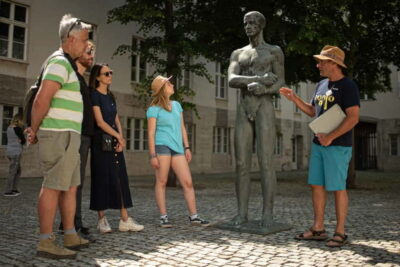
Berlin: Third Reich, Hitler, and WWII Walking Tour
Read our review →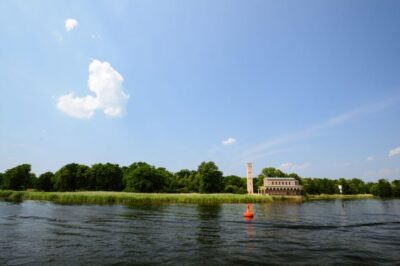
Berlin: 3-Hour World Heritage Cruise to Potsdam
Read our review →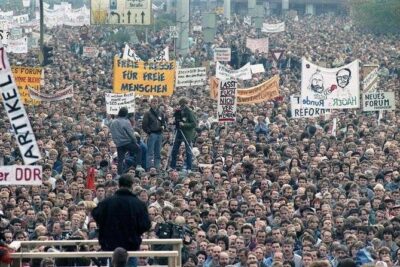
Cold War, Berlin Wall, Spies and the East Side Gallery
Read our review →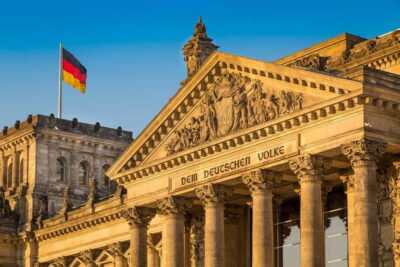
Berlin: History of the Third Reich Guided Walking Tour
Read our review →
Browse the lists this tour appears in