
Review · GERMANY
Frankfurt: Old Town Historical Walking Tour with Geo Epoche
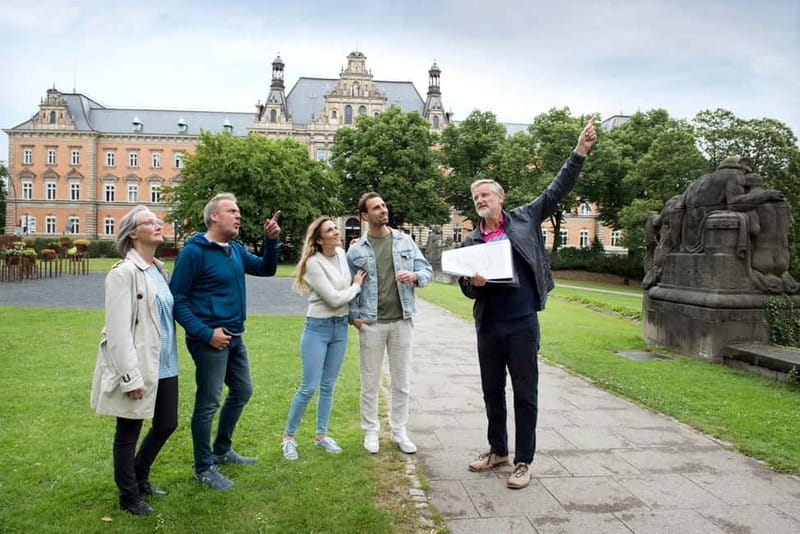
Frankfurt’s Old Town is more than a pretty collection of rebuilt houses. On this two-hour historical walk, you follow the city’s rise from a market town to a major European center of trade, banking, and political change. The route links narrow lanes, local shopkeepers, famous residents, and the economic forces that eventually helped make Frankfurt home to the European Central Bank.
I like the tour’s clear historical thread, which connects everyday middle-class life with Frankfurt’s growing political power. I also like the chance to hear from a local historian rather than simply collect dates from plaques. The main caution is practical: the tour is in German, covers about two miles, takes place in all weather, and does not finish where it starts.
Key points at a glance
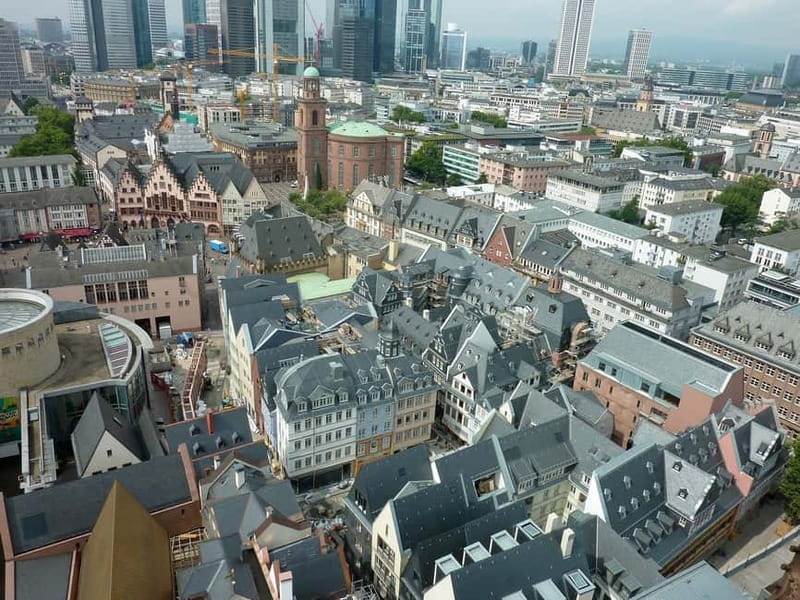
- A walk from market town to financial center: Follow Frankfurt’s change from a local marketplace to one of Europe’s major economic powers.
- The Goldene Waage meeting point: Begin in front of this Old Town coffee house, then move into the surrounding lanes.
- A historian-led experience: Guides such as Karl Alois and Nicole bring together stories about merchants, shopkeepers, residents, democracy, and finance.
- Strong value for history fans: At $29 per person, the price makes sense if you want interpretation and connections, not just a quick orientation walk.
- German is the standard language: English tours are possible only by request, so confirm language before booking.
- Plan for a point-to-point walk: Wear comfortable shoes, dress for rain or shine, and arrange your next stop near the tour’s ending area.
Frankfurt’s Old Town is the real classroom
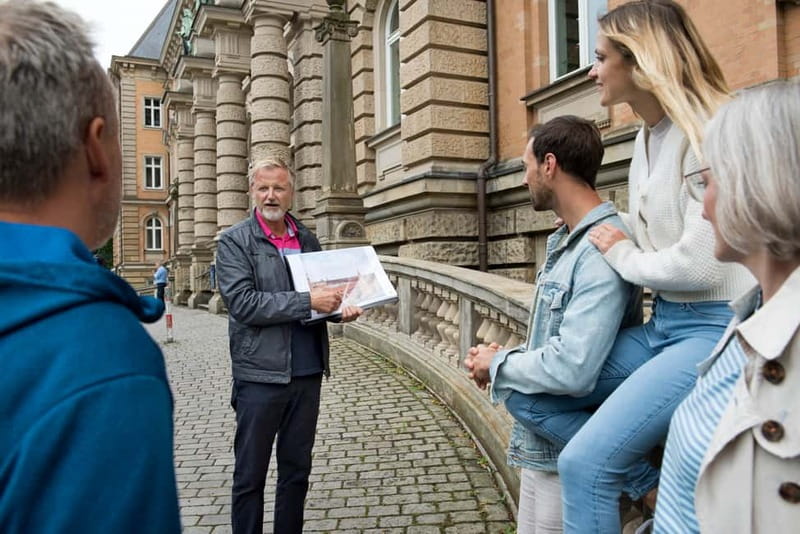
The tour begins in front of the Goldene Waage coffee house, a fitting place to start. The building and its setting point you toward the Old Town’s most attractive side: compact streets, historic façades, and a sense of how close together homes, shops, markets, and civic buildings once were.
You are not simply being shown a sequence of old buildings. The purpose of the walk is to explain how Frankfurt worked. The guide places the city’s famous names and important streets within the daily world of merchants, craftsmen, shopkeepers, and a growing middle class.
That approach matters because Frankfurt’s economic story did not begin with glass towers or the European Central Bank. It began with trade, markets, fairs, and people who built influence through business. As you walk, the city’s later role in European finance becomes easier to understand because you first see the local foundations beneath it.
The lanes are narrow, and that is part of the appeal. They give the walk a more intimate feel than a broad boulevard tour. At the same time, narrow streets can make it harder to hear if the group gathers tightly around the guide, so staying close is useful.
More History Walking Tours in Germany
- Berlin: Third Reich & Cold War Guided Walking Tour
★ 4.9 · 8,378 reviews - Munich: Third Reich & WWII Walking Tour
★ 4.6 · 6,181 reviews - Berlin’s Best: 2 Hour Walking Tour Third Reich and the Cold War
★ 5.0 · 5,486 reviews
Following the path from market stalls to European finance
One of the tour’s central ideas is Frankfurt’s economic evolution. The guide explains how the city’s first market helped create a wider trading culture, then shows how business activity gave local citizens greater economic weight.
You will hear about the people who bought and sold goods, ran shops, managed household enterprises, and helped shape the city’s fortunes. This focus on ordinary commercial life gives the tour a useful balance. Frankfurt’s history is not reduced to bankers and grand institutions. It includes the working people whose trade helped the city grow.
The guide also explains the connection between wealth and political change. Frankfurt’s middle class did not only accumulate money. Its growing economic role helped create pressure for a greater voice in public life and contributed to the city’s place in the development of German democracy.
That is a valuable theme for anyone who thinks history is just a list of rulers and wars. You see how money, local status, and civic participation can affect one another over time. The walk asks you to look at the Old Town as a place where business and politics met in daily life.
Stories of shopkeepers and famous residents
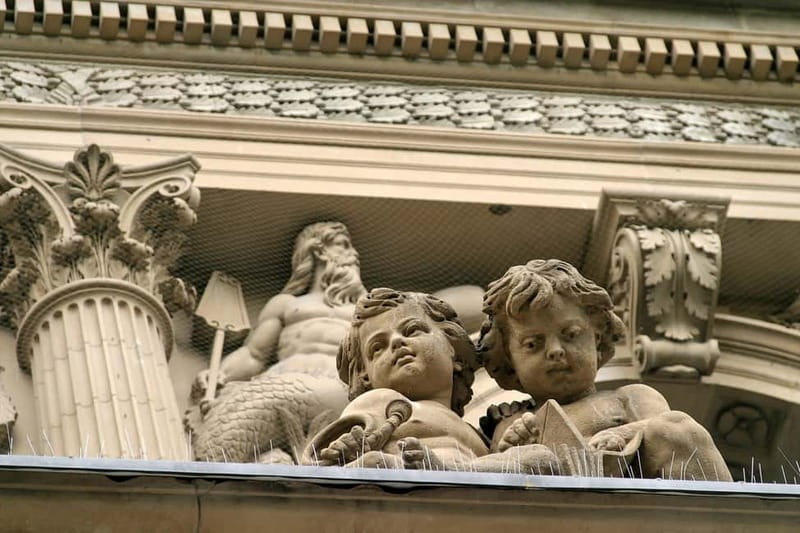
The most memorable parts may be the human stories. The tour includes accounts of local shopkeepers and some of Frankfurt’s best-known, and less admirable, residents.
This is where a good guide makes a difference. Dates alone rarely help you picture the past. A story about a merchant, a household, a public figure, or a controversial resident gives the streets a human scale. You begin to imagine the Old Town as a place of work and argument, not just a historic backdrop.
Guide Karl Alois received particular praise for making the experience enjoyable, while Nicole was described as very well prepared and full of background information. Those details suggest that the quality of your day may depend partly on the individual guide. That is normal for a historian-led walk, but it is also a reason to arrive ready to listen and ask questions.
The best use of the tour is to treat it as a conversation rather than a moving lecture. If a particular story catches your attention, ask how it connects to the city’s later economic or political role. The tour is designed around those links.
A route that connects centuries, not isolated sights
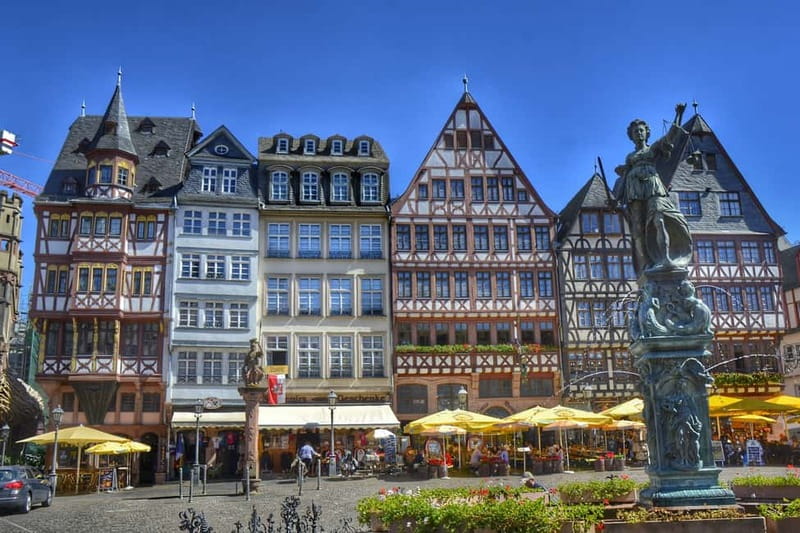
The guide’s job is to move through several periods of Frankfurt’s past without losing the main thread. You can expect the walk to cover the city’s early market activity, the growth of commerce, the power of the middle class, and Frankfurt’s contribution to German democracy.
This broad span is one of the tour’s strengths. You get a sense of change instead of seeing each building as a separate fact. A street may first be explained through its commercial role, then connected to the social class that used it, and finally tied to the city’s political development.
The route covers approximately two miles. That is enough distance to see a meaningful part of the Old Town, but it is not a short stop for visitors who want only a ten-minute introduction. Two hours also gives the guide time to explain causes and consequences instead of rushing from one photo spot to the next.
There is a trade-off. In cold or wet weather, two hours outdoors can feel long. One participant specifically found the length a little much in cold conditions, even while considering the guide’s performance very strong. If the forecast is poor, bring proper clothing and decide if you prefer a shorter self-guided visit.
More Old Town and Historic Centre Walks in Germany
- The Local Tour of Hamburg Historic Centre
★ 5.0 · 1,058 reviews - Trier: Guided Old Town Highlights and History Walking Tour
★ 4.7 · 687 reviews - Cologne: Old Town Beer History Tour
★ 4.7 · 659 reviews - Heidelberg: Experience our history 1.5-hour walking tour through the old town
★ 4.7 · 306 reviews
Why the historian makes a difference
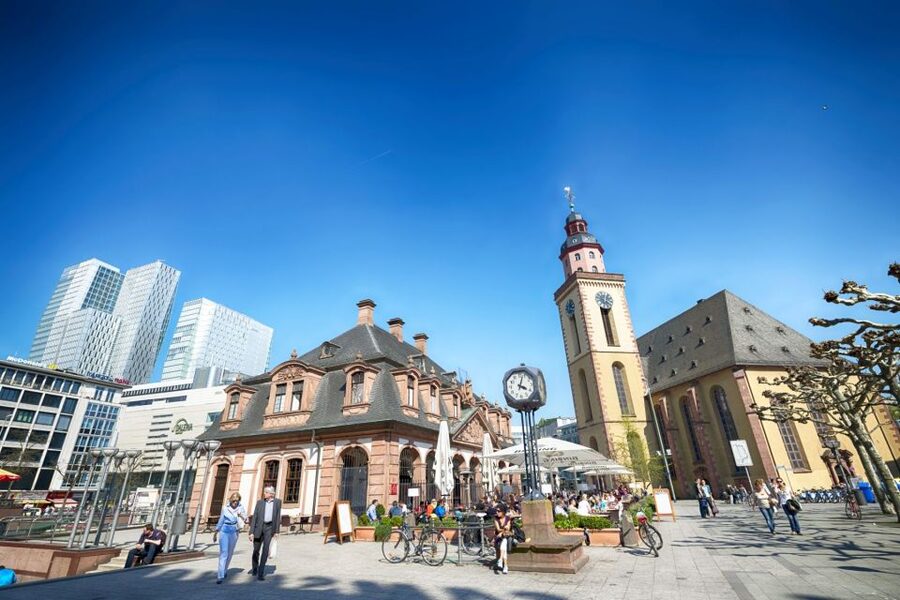
This experience is aimed at both serious history fans and people who simply want more context while seeing Frankfurt. You do not need specialist knowledge, but you should enjoy listening and following a story across several centuries.
A local historian can explain why one part of the city mattered economically while another mattered politically. That extra layer is useful in Frankfurt, where modern finance can overshadow the older city around it.
The guides are expected to provide historical facts, individual stories, and wider connections. One especially strong feature is the effort to show how the city’s economic power affected its role in German democracy. That is a more thoughtful subject than a standard list of historic buildings.
The walk also appears suited to repeat visitors and local residents. One participant who was born in Frankfurt still learned unfamiliar stories and key facts. That tells you the tour is not limited to first-time visitors who need basic orientation.
The meeting point and the unfinished route

You meet in front of the Goldene Waage coffee house. Since the tour does not return to this starting point, do not plan to leave luggage, meet a taxi, or make a tight connection there afterward.
The point-to-point format can be useful because it lets the guide keep moving through the Old Town rather than circle back. It may also help you continue exploring after the walk. Still, the exact ending location is not supplied, so allow extra time before your next fixed appointment.
No transportation is included. That is not much of a drawback for a walking tour, but it matters if you are staying outside central Frankfurt or have mobility concerns. You need to reach the meeting point on your own and manage your return from the final stop.
The route includes about two miles on foot. Comfortable shoes are essential, and weather-appropriate clothing is more than a polite suggestion. The activity runs rain or shine, so a light rain jacket and shoes suited to uneven or wet pavement would be sensible choices.
Is $29 a fair price?
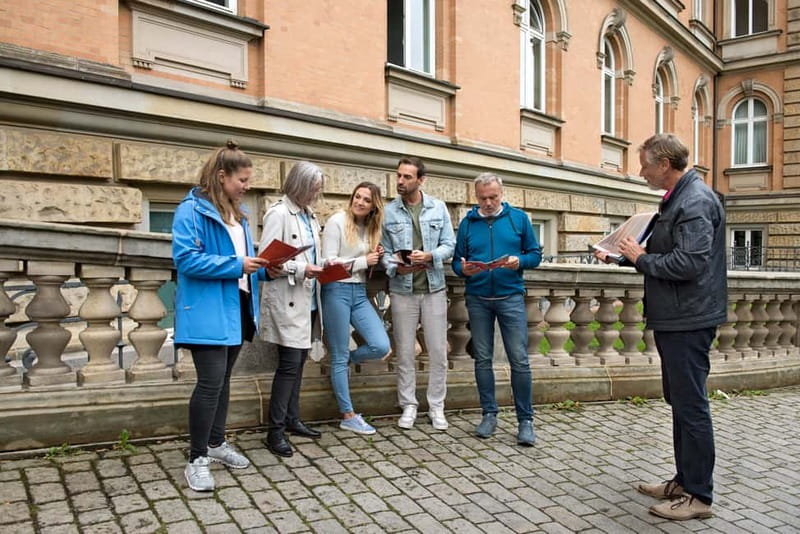
The listed price is $29 per person. An earlier booking was priced at 25 EUR, and one participant considered that amount high, even while judging the actual guiding very good. That is a fair concern: a two-hour walk can seem expensive if you expect only a basic introduction.
The value improves if you want interpretation rather than transportation or food. The price includes a local historian, a tour brochure, and the guided walk. It does not include drinks, meals, or transfers.
I would compare it with the cost of spending two hours wandering alone while stopping to read signs and search for information. A self-guided visit costs less, but it may not connect the market, merchant, middle-class, democratic, and financial stories into one clear account.
For a visitor who cares about Frankfurt’s past, $29 is reasonable if the German language works for you. For someone mainly interested in photographs, shopping, or a quick introduction, it may feel like too much. The tour’s value comes from the guide’s explanations, not from the number of buildings you pass.
German language and English requests
The regular tour is in German. English tours are available only on request, and you should contact GetYourGuide or the provider before assuming an English departure exists.
This point deserves attention because the walk depends heavily on spoken explanation. You might still enjoy the streets without understanding every word, but you would miss the main purpose of the activity: the economic and political connections, the personal stories, and the guide’s interpretation.
If you are comfortable in German, the language is part of the local experience. If not, confirm the request before paying and check that your desired date can be operated in English.
Who will enjoy this walk most?
I would choose this tour if you want to understand why Frankfurt matters, not just see what it looks like. It suits:
- History fans who enjoy stories about trade, civic life, and democracy
- Visitors who want a stronger sense of Frankfurt’s local identity
- Repeat visitors who have already seen the main sights
- German speakers who appreciate a historian-led discussion
- People who prefer a focused two-hour walk to a large sightseeing circuit
It is less suitable if you need step-free access, dislike walking in poor weather, or have a tight schedule after the start time. The activity is not suitable for people with mobility impairments, and pets are not allowed.
It may also be a poor match if you want an English tour without arranging one in advance. Language is not a minor detail here. It determines how much of the experience you can use.
Practical ways to get more from the experience
Arrive ready for a walking lecture, not a photo-only outing. Keep your phone available for notes, but do not let it pull you away from the guide’s explanations. The value lies in remembering how the pieces fit together.
Wear shoes you can comfortably use for about two miles. Since the tour runs in all weather, check the forecast and dress accordingly. Cold temperatures may make the full two hours feel longer, so an extra layer can improve the experience.
Pay close attention when the guide shifts from buildings to social history. The most useful ideas concern the relationship between shopkeepers, wealth, political influence, and democracy. Those connections give you a better understanding of Frankfurt than a list of dates would.
If you are visiting Frankfurt for the first time, consider using the walk to shape the rest of your Old Town visit. Afterward, you will have a clearer idea of which streets and stories deserve another look. If you already know the city, listen for the lesser-known residents and local details that can add depth to familiar places.
Should you book it?
Book this walk if you want a serious but approachable account of Frankfurt’s past, especially its rise through trade and its connection to German democracy. The excellent 4.8 rating from 47 bookings fits the experience described by the strongest feedback: passionate guides, careful preparation, and a clear thread through the centuries.
I would be most comfortable recommending it to German-speaking visitors who can handle two miles outdoors and do not mind a point-to-point route. English speakers should request a tour before booking, not assume one will be available.
Skip it if you want a short sightseeing loop, guaranteed English, or a tour built mainly around photographs. For the right audience, though, the combination of narrow Old Town streets and a historian’s explanation gives Frankfurt much more meaning than a quick walk past the façades.
FAQ
How long does the Frankfurt Old Town walking tour last?
The tour lasts two hours.
How far do you walk?
The tour includes approximately two miles of walking.
Where does the tour begin?
The meeting point is in front of the Goldene Waage coffee house.
Does the tour return to the meeting point?
No. The tour does not end where it begins, so plan your onward route accordingly.
What language is the tour in?
The standard tour is in German. English tours are available only on request through GetYourGuide or directly with the provider.
Is food or transportation included?
No. Food, drinks, and transportation are not included.
What should I bring?
Bring comfortable shoes and clothing suitable for the weather. The tour takes place rain or shine. Pets are not allowed.
Just added around Germany
- Berlin Food & Cultural Tour: Must-Try German & Berliner Classics★ 5.0 · 51 reviews
- Berlin Half-Day World War II Walking Tour★ 4.5 · 48 reviews
- Small-Group Historical Bike Tour in Berlin★ 4.5 · 103 reviews
- Historic center of Berlin – Tour in Italian★ 5.0 · 143 reviews
- Berlin Cold War & World War II Third Reich Walking Tour★ 4.5 · 30 reviews
- Private Taxi Tour City East & West History and Architecture 3-4h★ 5.0 · 42 reviews
- Berlin Wall and Cold War Bike Tour in Small Groups★ 5.0 · 114 reviews
- Private Tour: Jewish Heritage Walking Tour of Berlin★ 5.0 · 29 reviews
Germany History Tours, compared.

Berlin: Third Reich & Cold War Guided Walking Tour
Read our review →
Leipzig: City History Canal Sightseeing Tour on a Motorboat
Read our review →
Berlin’s Best: 2 Hour Walking Tour Third Reich and the Cold War
Read our review →
Third Reich Berlin: Hitler and WWII Walking Tour
Read our review →
Leipzig: 1.5-Hour Historical Walking Tour in German
Read our review →
Berlin: Third Reich, Hitler, and WWII Walking Tour
Read our review →Browse the lists this tour appears in